

How Much Does a Rolex Datejust Weigh: Weight by Model
When choosing a Rolex Datejust, understanding its weight can surprisingly influence not just comfort but also perception of quality and craftsmanship. This guide breaks down how much various Datejust models weigh, from the classic 36mm to the contemporary 41mm editions, highlighting differences influenced by case size, materials, and bracelet types. Knowing the precise weight helps collectors and enthusiasts appreciate the watch’s build, balance on the wrist, and even impacts its value and wearability. Whether you’re comparing the stainless steel Oyster case or mixed metal Rolesor versions, getting familiar with these specs deepens your connection to what makes each Datejust unique. dive in to explore the weights behind these iconic automatic timepieces powered by Rolex’s reliable Caliber 3235 and others, enhancing your buying confidence and horological recognition.
Contents
- Rolex Datejust Weight Overview: Key Factors Explained
- Weight differences by Datejust Case Size and Material
- Weight Breakdown of Classic Datejust Models
- How Bracelet Type Impacts Datejust Weight
- Comparing Vintage vs Modern Datejust Weights
- Why Datejust Movement and Features Affect Weight
- The role of Precious Metals in Datejust Weight
- How Weight Influences Datejust Wearability and Comfort
- Weight and Value: What Collectors need to Know
- Practical Tips for Measuring Your Datejust’s Weight
- FAQ
- How Much Does a Rolex datejust Weigh: Weight by Model – FAQ
- Q: What is the typical weight range for a stainless steel Rolex Datejust?
- Q: How does the Rolex Datejust 41 weight compare to the Datejust 36?
- Q: Why do some Rolex Datejust models feel lighter than official weight specifications?
- Q: Does a Rolex Datejust with precious metals weigh significantly more than stainless steel versions?
- Q: How does the type of movement in a Rolex Datejust affect the watch’s overall weight?
- Q: Can the Rolex Datejust’s bracelet style change the perceived weight on the wrist?
- Q: Is there a noticeable weight difference between vintage and modern Rolex Datejust watches?
- Q: How can I accurately check the weight of my Rolex datejust at home?
- In Summary
Rolex Datejust Weight Overview: Key Factors Explained
When you first hold a Rolex Datejust, its weight delivers an immediate sense of quality-a reassuring heft that whispers of solid engineering and fine materials. But what determines this weight? It’s a combination of several factors such as case size, the materials used (steel, Rolesor, gold), and the bracelet type.many enthusiasts,especially those new to Rolex collecting,find themselves surprised when their Datejust’s weight doesn’t exactly match online specs. This comes down to variations in manufacturing, individual sizing (links removed or added), and even small differences in model specifics like bezel style.
Understanding the weight intricacies of the Datejust helps collectors appreciate not just the watch’s feel but its craftsmanship and design choices. For instance, a 41mm Datejust with a Jubilee bracelet and fluted bezel often ranges around 140 to 146 grams, but some owners have reported slightly lighter weights near 133 grams-likely due to bracelet adjustments or minor production variances. Simultaneously occurring, the 36mm variant might weigh closer to 117 grams, displaying a clear difference that matches smaller case dimensions and fewer bracelet links.1,2,3
Key Elements Influencing Datejust Weight
- Case Size: Larger models inherently weigh more due to increased stainless steel or precious metal volume.
- Materials: solid gold or Rolesor (a mix of steel and gold) watches add significant heft compared to pure stainless steel versions.
- Bracelet Type and Size: the choice between Jubilee, Oyster, or president bracelets can alter weight perception; jubilee tends to be lighter and more flexible.
- Movement Features: While the in-house automatic calibers powering Datejusts are relatively consistent in weight, complex complications or sapphire crystals with cyclops lenses add subtle mass.
- Adjustments and Wear: Removing links, aftermarket straps, or polishing affects how the watch feels and weighs on the wrist.
It’s worth noting that the perceived weight affects comfort and wearability considerably. Heavy watches can feel luxurious but may cause fatigue during extended wear,while lighter models might be easier on the wrist but potentially feel less significant. Collectors and casual wearers alike benefit from trying on different Datejust configurations to find a balance that suits their style and daily activity.
By appreciating the nuanced factors behind the Datejust’s weight, you gain insight not only into the watch’s physical presence but also the engineering and design philosophy that Rolex brings to its iconic model. This knowledge empowers buyers to select the Datejust variant that aligns with their preferences and broadens their horological understanding.
Weight differences by Datejust Case Size and Material
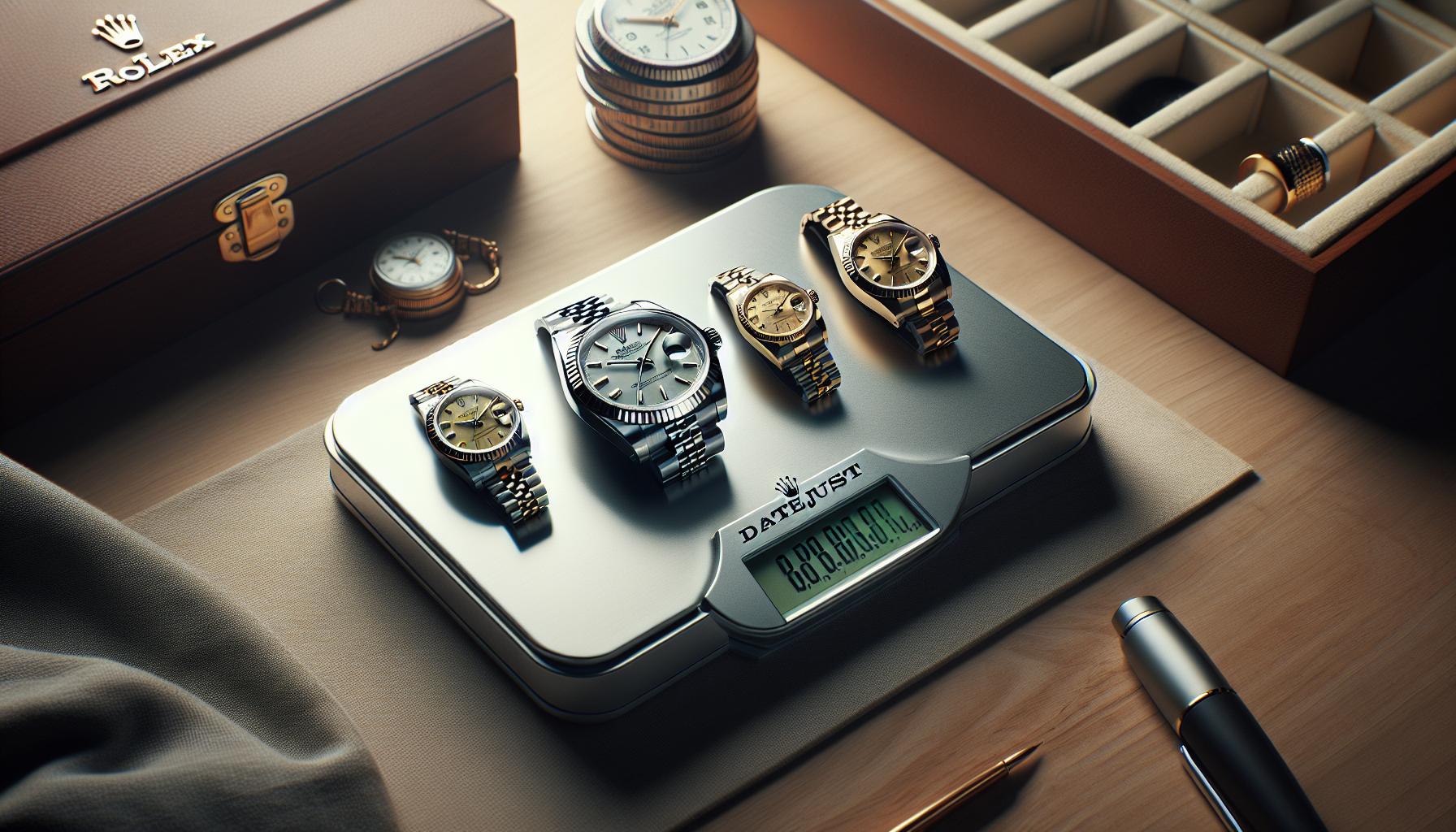
Few aspects of a Rolex Datejust highlight its design brilliance more than the subtle interplay between case size and the materials used. these two factors shape the watch’s weight significantly, creating distinct experiences on the wrist. While some collectors favor the classic, nimble feel of the 36mm Datejust, others gravitate toward the bolder presence of the 41mm variation, each bringing a unique sense of substance and comfort.
The larger 41mm Datejust inevitably carries more mass. For example, a stainless steel model typically tips the scales around 134 to 146 grams, depending on bracelet and bezel specifics. Conversely, the 36mm variant often clocks in closer to 117 grams-noticeably lighter due to a more compact case and naturally fewer bracelet links. This difference isn’t just a matter of millimeters; it influences how the watch balances on your wrist throughout daily wear, tipping the scale between confident heft and easy-going wearability.1,3
Material choice magnifies these weight distinctions even further. Rolex’s signature 904L Oystersteel provides robustness with relative lightness, prized for its corrosion resistance and subtle sheen. When you move into Rolesor models, which blend steel cases with gold bezels and crowns, expect extra heft-not just from the intrinsic density of gold but from its impact on visual and tactile richness. Full gold versions, in yellow, white, or Everose gold, present the most substantial wrist feel, frequently enough weighing significantly more than steel models, embracing luxury with a tangible weight that speaks volumes about craftsmanship and status.
Factors Influencing Weight by Size and Material
- Case Diameter and Thickness: Larger diameters and slightly thicker cases in modern datejust 41 models result in greater stainless steel or gold volume, thus more weight.
- Material Density: 18k gold is approximately three times denser than stainless steel, which adds perceptible weight even for minor case elements like the bezel or bracelet links.
- bracelet Link Count: Bigger cases typically come with more bracelet links, increasing weight incrementally; a 36mm watch generally has fewer, reducing overall mass.
Understanding these factors arms collectors and enthusiasts with realistic expectations before buying or comparing models. Some wearers praise the reassuring heft of a larger Rolesor or full-gold Datejust, while others prefer the svelte comfort of the 36mm steel versions for everyday versatility. The true beauty lies in how Rolex blends engineering precision with material mastery to offer every variant a distinctive personality both visually and physically.
| Model | Case size | Material | Approximate Weight (grams) |
|---|---|---|---|
| Rolex Datejust 116200 | 36mm | Stainless Steel | 117 |
| Rolex Datejust 126301 (Rolesor) | 41mm | Steel & 18k White Gold | 140-146 |
| Rolex Datejust 116234 | 36mm | Steel & 18k White Gold | ~130 |
| Rolex Datejust 126303 | 41mm | Steel & 18k Yellow Gold | ~145 |
| Rolex Datejust 116238 | 36mm | 18k Yellow Gold | ~150-160 |
These numbers give a tangible perspective but remember,individual experiences vary due to custom sizing and bezel options like smooth or fluted styles,which subtly impact weight. So, be sure to try on your preferred Datejust in person if possible. Feeling how case size and materials fuse to shape weight is key to truly appreciating Rolex’s mastery in balancing luxury, durability, and comfort.
Weight Breakdown of Classic Datejust Models
A classic Rolex Datejust is more than a name-it’s a design icon whose weight reveals a lot about the craftsmanship and materials at play. While many buyers first focus on aesthetics or movement,understanding the weight of different Datejust variants offers practical insight into what you’re wearing.Weight affects comfort, wrist presence, and even your perception of quality. So let’s break down what makes the classic Datejust tick in terms of mass, focusing on popular models, case sizes, and materials.
At the core, the 36mm Datejust models strike a balance between elegance and everyday wearability. A stainless steel 116200 weighs in at roughly 117 grams, light enough for extended comfort yet hefty enough to convey solid build quality. Add Rolesor touches-Rolex’s mix of steel with 18k white gold or yellow gold-and the weight ticks upward, often landing near 130 grams for 36mm Rolesor versions like the 116234. Full gold models such as the 116238 bring the most substantial feel,ranging between 150 and 160 grams,thanks largely to gold’s high density. To put that in perspective, a full gold Datejust contains roughly 75 grams of pure gold, giving it a noticeably richer heft on the wrist compared to steel counterparts [[1]](https://www.youtube.com/watch?v=MPc1O85tsbg).
Larger Datejust models,especially the 41mm variants,naturally add weight not just because of size but also due to increased bracelet link count and thicker cases engineered for modern robustness. The 41mm Rolesor models, for example, generally weigh between 140 and 146 grams. this heavier profile doesn’t just feel more substantial-it also changes how the watch sits on the wrist,often favored by collectors who want a confident presence without tipping into cumbersome territory. Even subtle styling choices-like a fluted bezel versus a smooth one-can shift weight by a few grams, emphasizing how finely Rolex tunes every element for balance and performance [[2]](https://millenarywatches.com/rolex-datejust-weight/).
Classic Datejust Weight Comparison
| Model | Case Size | Material | Approximate Weight (grams) |
|---|---|---|---|
| Rolex Datejust 116200 | 36mm | Stainless Steel | 117 |
| Rolex Datejust 116234 | 36mm | Steel & 18k White Gold (Rolesor) | ~130 |
| Rolex Datejust 116238 | 36mm | 18k Yellow Gold | 150-160 |
| Rolex Datejust 126301 (rolesor) | 41mm | Steel & 18k White Gold | 140-146 |
| Rolex Datejust 126303 (Rolesor) | 41mm | Steel & 18k yellow Gold | ~145 |
For collectors or first-time buyers, knowing these weight benchmarks helps set expectations when handling watches in-store or shopping online. Such as, if you’re used to a lightweight pilot’s watch or a minimalist field piece under 80 grams, a Datejust might initially feel reassuringly weighty, echoing its robust all-metal construction and refined finish. Conversely, if you prefer a nimble daily wearer, the 36mm stainless steel version offers classic rolex style with easier all-day comfort.
ultimately,these weight differences aren’t just numbers-they reflect Rolex’s nuanced approach to mechanical artistry.The precise engineering of automatic calibers like the in-house 3235 series adds functional heft, while precious metals embedded in the Rolesor or full-gold models bring luxury you can feel. For anyone who treasures horology as both art and engineering, appreciating the weight nuances means tapping into the tactile side of watch craftsmanship, deepening your connection with the Datejust beyond its looks alone.
How Bracelet Type Impacts Datejust Weight
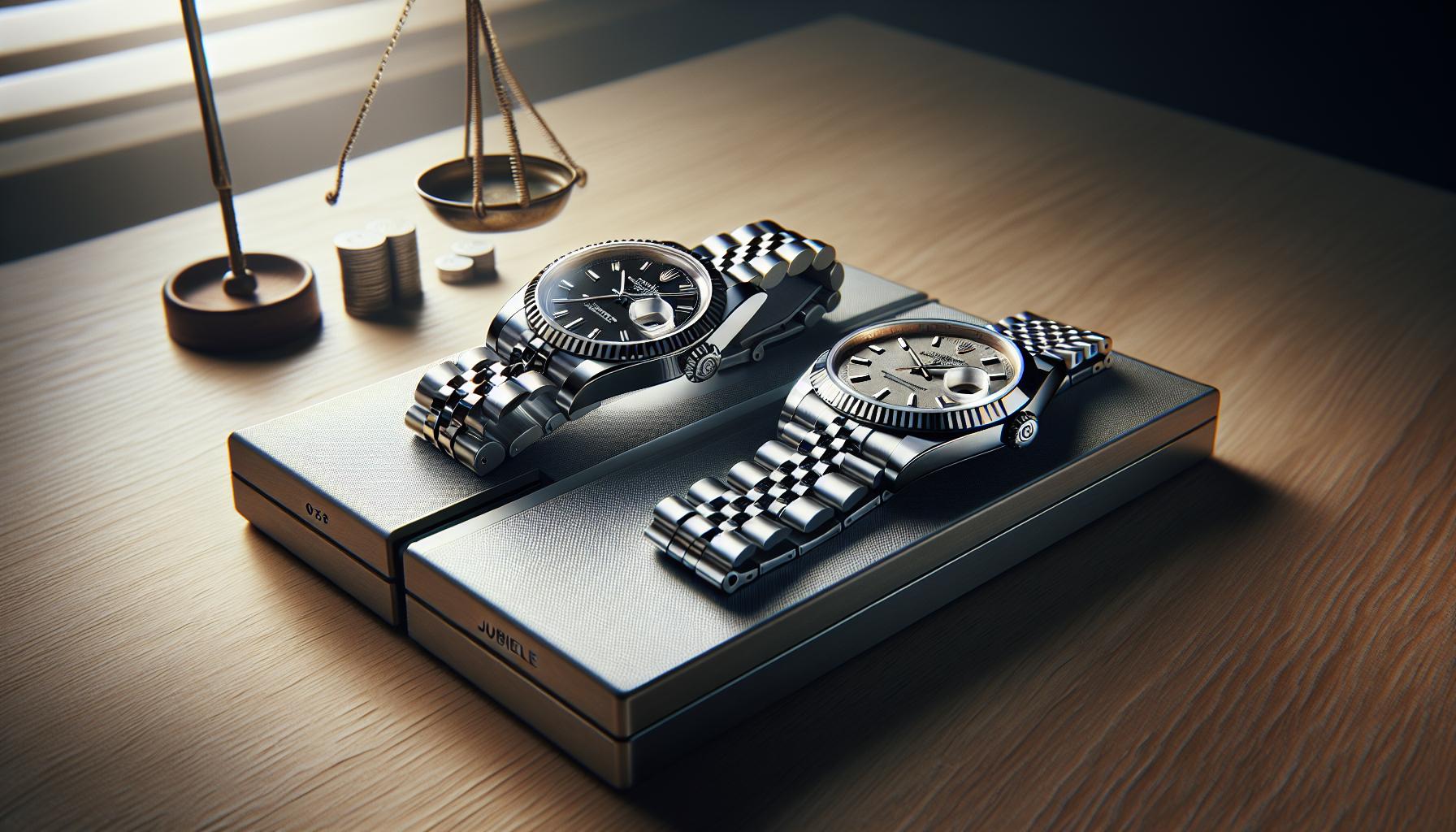
Few elements influence the overall heft of a Rolex Datejust as much as the type of bracelet it’s fitted with. while case size and material certainly play starring roles, the bracelet’s design and construction directly impact how the watch feels on your wrist. This isn’t just about bulk-bracelets affect weight distribution, wearing comfort, and even a watch’s perceived quality. For those who treasure the tactile side of horology,understanding these subtle differences can really elevate your appreciation of the Datejust.
Rolex mainly equips Datejust models with two iconic bracelet styles: the Jubilee and the Oyster. The Jubilee bracelet, introduced in 1945 alongside the first Datejust, features five-piece links that are slimmer and more intricate. This design delivers a flexible, supple feel, hugging the wrist gracefully.As the links are smaller and more numerous, a Jubilee bracelet generally weighs slightly less than its Oyster counterpart when composed of the same materials, but it still maintains a solid, premium feel. Its finesse often appeals to those valuing elegance with reasonable lightness, making it a favorite for smaller Datejust models and dressier occasions.
Conversely, the Oyster bracelet is characterized by broader, flat three-piece links designed for robustness and sporty appeal. This heftier construction naturally adds to the watch’s overall mass. If you’re comparing the same Datejust reference, an Oyster bracelet version usually registers a higher weight by a few grams compared to Jubilee models, thanks to thicker links and more substantial clasp hardware. Owners who prefer a watch with a confident wrist presence often lean toward Oyster as it complements larger Datejust cases or those who enjoy a slightly more rugged aesthetic.
Differences in bracelet weight can become more noticeable when factoring in precious metals or mixed Rolesor constructions. Such as:
| Bracelet type | Material | Approximate Weight Impact |
|---|---|---|
| Jubilee | Stainless Steel | lightest option, smooth wrist hug, ~115-120g with 36mm cases |
| Oyster | Stainless Steel | Slightly heavier, sportier feel, ~120-125g with same case |
| Jubilee | Rolesor (Steel + 18k Gold) | balanced weight, elegant, ~130-135g for 36mm/41mm |
| Oyster | Rolesor | Heaviest among bracelets, robust wrist presence, 135-140g+ |
For new owners or those trying on models in stores, it’s essential to note that the bracelet also shapes the wearability and comfort far more than raw grams alone might suggest. A Jubilee’s flexible links can make a heavier Rolesor watch feel less cumbersome, while the Oyster’s mass might benefit from the substantial solidity it offers, especially on larger wrists.
In practical terms, replacing or swapping bracelets is a popular way to tailor your Rolex experience. Some collectors prefer switching between Jubilee and Oyster throughout the week, valuing the interplay of weight, texture, and style. Just remember that authentic Rolex bracelets are precision-engineered for perfect integration with their cases-aftermarket options may alter weight, balance, and comfort and could impact the watch’s value.
Ultimately, how a Datejust’s bracelet type impacts its weight is a prime example of Rolex’s meticulous attention to detail-every gram counts toward achieving a harmonious blend of function, comfort, and timeless style. Whether you lean toward the elegant finesse of the Jubilee or the sturdy confidence of the Oyster, understanding these differences helps you connect more deeply with what makes the Datejust feel like a watch crafted just for your wrist.
Comparing Vintage vs Modern Datejust Weights

Rolex Datejust watches have long balanced tradition with innovation, and nowhere is this blend more apparent than in their evolving weight across generations. Vintage Datejust models, frequently enough from the mid-20th century, tend to feel noticeably lighter than many of their modern counterparts. This difference doesn’t just reflect heavier cases or bracelets; it also signals Rolex’s ongoing refinement in materials, movement complexity, and build techniques.
vintage Datejusts,such as those from the 1960s and 70s,typically feature thinner cases and smaller proportions,like the classic 36mm size,paired with less bulk-heavy bracelets. Many early references used lighter stainless steel alloys and simpler Oyster or Jubilee bracelets without the reinforced clasps and solid end links seen today. As a notable example, a vintage stainless steel Datejust from this era might weigh around 115-125 grams, depending on bracelet choice and condition, delivering a comfortable yet discreet wrist presence. Their thinner profiles and lighter components emphasize elegance and wearability over a substantial wrist heft.
Modern Datejusts, in contrast, often benefit from Rolex’s advancements in metallurgy, introducing stronger yet denser stainless steels like 904L (now called Oystersteel) and supplements like Rolesor-the combination of steel and 18k gold-which naturally add weight. Advances in movement design also alter weight: contemporary calibers, such as the Caliber 3235 with its increased power reserve and newer materials like silicon escapements, inherently weigh a bit more due to additional components, though the difference is subtle on the wrist. Additionally, modern bracelets are constructed with solid links and enhanced locking clasps, contributing several grams compared to vintage folded-link versions.
What collectors should consider
- Wearability vs. presence: Vintage Datejusts feel lighter and less intrusive,ideal for those seeking classic dress watch subtlety. Modern variants carry a reassuring weight that speaks to durability and modern engineering.
- Material impact: Rolesor and full gold editions in vintage models often weigh less than their modern versions because Rolex has thickened lugs and bracelet links in recent years for better robustness, increasing overall weight.
- Bracelet evolution: The transition from folded to solid end links and modern clasps means today’s Datejust bracelets are generally heavier and more secure, improving long-term comfort and wear stability.
- Resale and value aside: Vintage’s lighter feel is part nostalgia, part design ethos, while modern watches appeal to those who appreciate heft as a sign of perceived value and quality engineering.
| Era | Typical Case Size | Bracelet Type (Material) | Approximate Weight | Key Movement |
|---|---|---|---|---|
| Vintage (1960s-1980s) | 36mm | Folded-link Oyster/Jubilee (Stainless Steel) | ~115-125g | Cal.1570 / 3035 (automatic, classic) |
| Modern (2000s-Present) | 36mm / 41mm | Solid-link Oyster/Jubilee (Oystersteel, Rolesor) | ~130-150g | Cal. 3135 / 3235 (improved power reserve, precision) |
For those trying vintage or new models, bearing in mind these subtle yet meaningful differences in weight can enhance appreciation. A vintage Datejust’s lighter touch embodies a delicate vintage charm,while a modern Datejust’s heft offers assurance of contemporary quality and robustness. Whichever you favor, the Datejust’s enduring design delivers a timeless presence on the wrist, with weight evolving not just for comfort but also as a testament to Rolex’s relentless pursuit of mechanical artistry and wearer satisfaction.
Why Datejust Movement and Features Affect Weight
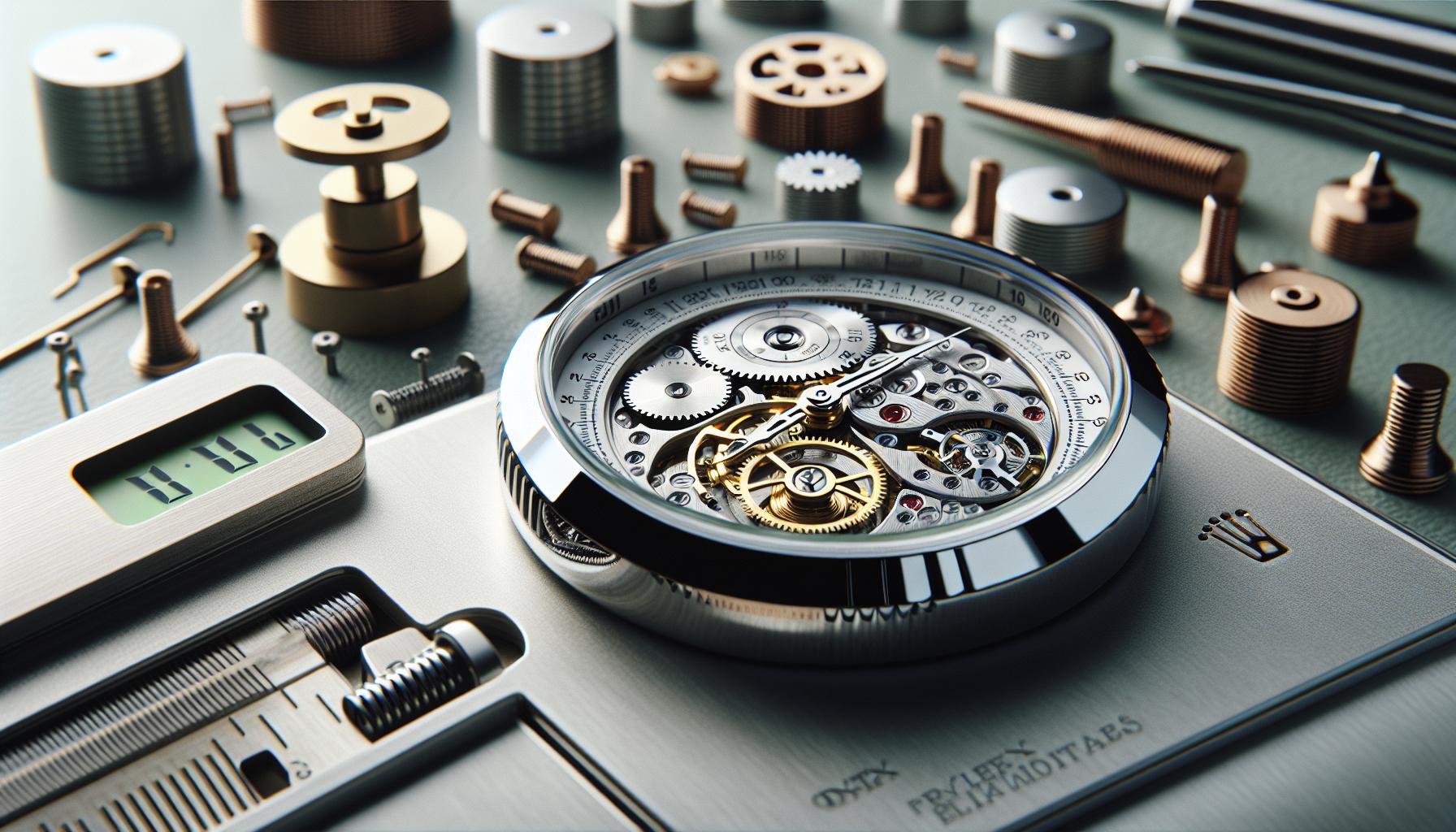
One of the more surprising factors influencing the weight of a Rolex Datejust is frequently enough overlooked: the movement and its associated features. While the case, bracelet, and materials grab most headlines, the mechanical heart inside can subtly tip the scales. Rolex’s in-house calibers-renowned for precision and reliability-have evolved significantly over time, and these refinements impact overall weight in nuanced ways.
Take the transition from vintage calibers like the Caliber 1570 or 3035 to modern workhorses like the Caliber 3135 and the latest Caliber 3235.The newer movements boast enhanced power reserves, more complex gear trains, and advanced materials such as silicon (in the escapement). These technical improvements result in additional components or slightly heftier parts-even if the weight increment is measured in mere grams.As a notable example, a caliber 3235 features a redesigned Chronergy escapement and more bridges, contributing to a denser, more robust movement assembly. While this isn’t going to make a massive difference to overall wrist weight, it showcases how mechanical upgrades are a quiet contributor to the watch’s heft.Features within the Datejust also influence weight beyond the movement alone. for example, models with date complications add a date wheel and quickset mechanisms inside the movement, which can marginally increase weight compared to pure time-only calibers. Moreover, Rolex adds various anti-shock and durability enhancements in modern movements-jewel bearings, increased metal thickness in plates, and more robust automatic winding modules-that reinforce longevity but add tiny amounts of mass. Enthusiasts who appreciate mechanical artistry will understand this as a trade-off: the slight increase in weight supports better precision and durability.
Movement Weight vs. Practical Impact
It’s helpful to view movement weight as part of a delicate engineering balance. While all these details-the escapement materials, bridge sizes, added jewels-augment weight, they also improve timekeeping, reliability, and service intervals. For daily wearers, the difference is barely perceptible on the wrist, but for collectors and aficionados, knowing that a Caliber 3235-equipped Datejust carries a subtly different engineering footprint adds a layer of appreciation.
- Automatic winding modules in newer models may weigh more due to stronger rotors and more complex gear systems.
- Additional complications like the date function increase weight by necessitating extra parts inside the movement.
- Advanced materials (e.g., silicon escapement components) can be lighter per part but sometimes require extra supporting structures, balancing the scale impact.
- Modern finishing and robustness upgrades (more jewels, thicker plates) improve longevity while nudging the overall mass higher.
the takeaway? When comparing a 36mm vintage Datejust from the ’60s with a Caliber 1570 to a new 41mm Datejust with Caliber 3235, the movement itself is part of why the modern watch tips the scales more noticeably alongside heavier cases and bracelets. This is a meaningful point for anyone weighing their collection or considering the feel of a watch on the wrist. For newcomers, it illustrates that Rolex’s commitment to mechanical excellence isn’t just skin-deep but foundational to every gram on the scale.
The role of Precious Metals in Datejust Weight
Few factors influence the heft of a Rolex Datejust quite like its choice of precious metal. whether it’s steel, gold, or a fusion of both, the material of the case and bracelet fundamentally shapes how the watch feels on the wrist-and quite literally weighs in on the scale. While stainless steel models are the lightest and most common, Datejusts crafted from solid gold or Rolesor (Rolex’s signature blend of steel and gold) are noticeably heavier, reflecting the greater density of precious metals.Gold, by its nature, is significantly denser than steel-around twice as dense-so a Datejust in yellow, white, or Everose gold will carry a comfortable, substantial presence. This additional weight often contributes to a perception of quality and luxury, but it also means the watch sits differently during wear. Such as, a Datejust 116233 (Rolesor with yellow gold bezel and bracelet center links) typically weighs around 137 grams, while an all-stainless steel, same-sized model tips the scale closer to 115 grams. Solid gold references can push closer to 150 grams or more, depending on bracelet style and case size.
- Material density: Gold’s density adds noticeable weight compared to steel, giving a richer tactile feel.
- Rolesor combination: The hybrid steel-gold construction balances durability and luxury weight without overwhelming heft.
- platinum considerations: While rare for Datejust, platinum would increase weight significantly due to its extreme density.
This weight difference isn’t just academic; it affects comfort, perceived robustness, and even personal style.Some collectors love the reassuring heft of a full gold Datejust, appreciating how the weight echoes the watch’s intrinsic value and craftsmanship. Others find the lighter steel or Rolesor models more wearable for daily use, especially in warmer climates or active scenarios where a lighter watch just feels better.
Balancing luxury and practicality
When choosing a Datejust with precious metals, think about your lifestyle and what you want the watch to say on your wrist. If you crave that classic Rolex glow and the noticeable presence gold offers, be ready for added heft that mirrors the investment behind it. Conversely, if your focus leans toward versatility and all-day comfort, a steel or Rolesor watch strikes a fine balance.
For those curious about measuring the impact precisely, consider that replacing a steel bezel with a gold one can add roughly 10-20 grams. Similarly,opting for a solid gold oyster or Jubilee bracelet versus steel will again add tangible weight-a factor worth knowing if you’re comparing pre-owned pieces or customizing models.
| Model Variant | case Material | Approximate Weight (grams) |
|---|---|---|
| Datejust 116200 | Stainless Steel | ~115 |
| Datejust 116233 | Rolesor (Steel & Yellow Gold) | ~137 |
| Datejust 116238 | 18K Yellow Gold | ~150+ |
Understanding these nuances helps collectors and first-time buyers alike make informed decisions-not just about aesthetics and price,but how their Datejust will wear every day. The choice of precious metal plays a starring role in defining the tactile experience of owning a Rolex, seamlessly blending engineering precision with a distinct sense of luxury.
How Weight Influences Datejust Wearability and Comfort
A watch’s weight can make or break the daily wearing experience, and with a Rolex Datejust, this subtle balance between presence and comfort is especially noteworthy. While many equate heavier watches with high quality and durability, the truth is more nuanced. The actual feel on the wrist depends not just on mass but on how that weight is distributed and paired with the bracelet type and case size. As a notable example, a solid gold Datejust may feel reassuringly substantial, akin to wearing a piece of mechanical art, but it may also demand a bit more adjustment time for all-day comfort, especially if you’re not used to heavier watches. Conversely, stainless steel or Rolesor (steel-gold combination) models cleverly deliver the classic Rolex heft without becoming tiring over long hours of wear.
- Weight distribution matters: A well-engineered Oyster bracelet spreads the weight evenly, reducing pressure points and allowing for a snug but comfortable fit.
- Adjust for lifestyle: If you’re frequently active or in warmer climates, a lighter stainless steel Datejust can help prevent fatigue and reduce sweat build-up, enhancing comfort.
- Wearing duration and adaptation: Many enthusiasts note that their wrist “gets used to” the weight over time, transforming an initially noticeable heft into a satisfying, reassuring presence.
Why Weight Should Be Part of Your Selection Process
Deciding on a Datejust means considering more than aesthetics and mechanics; how it feels during wear should weigh heavily in your choice. Watches with heavy solid gold cases and bracelets-often tipping over 140 grams-naturally pull more, which might be welcomed by collectors who appreciate the tactile affirmation of luxury and craftsmanship. However,this can lead to a distinct sensation on the wrist,which for some can feel bulky or restrictive. If you prefer a watch that feels almost like a natural extension of your arm, the lighter stainless steel Datejust, around 115 grams, offers a perfect blend of wearability and classic style without compromising on robustness. For those in between, Rolesor models provide a harmonious middle ground, balancing luxurious weight with practical comfort.
Practical Tips to Maximize Comfort
- Bracelet adjustment: Proper sizing of your Rolex bracelet is critical. Too loose, and the watch will flop around, feeling heavier with movement; too tight, and it can cause discomfort or skin irritation.
- Try multiple models: Whenever possible, try different Datejust materials and bracelets side-by-side to feel how weight impacts your day-to-day experience.
- Consider option straps: Some prefer swapping metal bracelets for leather or rubber straps to reduce overall weight and increase versatility while preserving the watch’s classic look.
Understanding these factors helps demystify why two Datejusts of the same diameter might feel quite different. It’s not just raw weight but how that weight interacts dynamically with your wrist movements, skin sensitivity, and personal style. Embracing the weight of a Rolex Datejust means appreciating it as part of the mechanical storytelling-a reminder of precision engineering balanced with timeless design, worn comfortably and confidently every day.
| Model Variant | case and Bracelet Material | Approximate Weight (grams) | Wearability Notes |
|---|---|---|---|
| Datejust 116200 | Stainless Steel | ~115 | light and versatile; suitable for daily wear and warm climates |
| Datejust 116233 | Rolesor (Steel & Yellow Gold) | ~137 | Balanced luxury feel; noticeable but comfortable weight |
| Datejust 116238 | 18K Yellow Gold | ~150+ | Hefty, reassuring presence; may require wrist acclimation |
Weight and Value: What Collectors need to Know
Rolex Datejust watches carry a unique blend of mechanical artistry and enduring value, and their weight plays a subtle yet vital role in shaping both collector appeal and market perception. The heft of a Datejust isn’t just physical mass; it’s a tactile connection to the craftsmanship beneath the dial. For collectors, understanding how weight correlates with materials, case sizes, and movements can unlock deeper insights into a watch’s intrinsic and perceived value.
Heavier models, especially those crafted in solid precious metals like 18k yellow gold, carry a premium that reflects both material cost and exclusivity. These watches weigh upwards of 150 grams, offering a substantial wrist presence that many associate with luxury. beyond the initial allure, this weight often matches heightened finishing standards and in-house calibers like Rolex’s Caliber 3235, known for extraordinary precision and extended power reserve.While the extra weight may require some wrist acclimation, it symbolizes a tangible investment in quality.on the secondary market, such models tend to hold or appreciate value well, especially if maintained with original components and box/papers.
Conversely, stainless steel Datejust variants (~115 grams) provide an accessible entry point without sacrificing Rolex’s hallmark robustness and iconic design. These are beloved for their day-to-day wearability - lighter and less conspicuous - making them appealing to diverse collectors who desire versatility along with value. Rolesor models, blending steel and gold, strike a harmonious balance in weight (around 135 grams) and cost, frequently enough attracting those who appreciate luxury’s tactile confirmation without the full commitment to solid gold.From an investment angle,these hybrid pieces can be smart buys,given their broad collector interest and flexibility.
Weight and Collectible Value: Practical Insights
- Material Matters: Solid gold models naturally command higher prices and weight, while steel versions emphasize durability and comfort with lower cost and lighter weight.
- Condition and Completeness: Regardless of weight, a well-cared-for Datejust that includes original accessories will always hold stronger resale value.
- Wearability Impacts Appeal: A heavier watch might dissuade casual buyers, while collectors often prize the ‘heft’ as an indicator of authenticity and craftsmanship.
- Limited Editions and Vintage: older Datejusts or rare dial variants can defy weight-based value trends, where provenance and scarcity matter more than grams.
For emerging collectors, weighing a Datejust literally and figuratively means more than grasping its physical presence-it’s about aligning the watch’s feel with your collecting goals and lifestyle. Whether you cherish the solid gold’s luxury affirmation or prefer the agile resilience of steel,recognizing how weight intersects with value advances a richer appreciation of these legendary timepieces.
| Model Variant | Material | Approx. Weight (grams) | Typical Price Range (USD) | Collector Notes |
|---|---|---|---|---|
| Datejust 116200 | Stainless Steel | ~115 | $6,000 – $8,000 used | Entry-level, versatile, strong resale |
| Datejust 116233 | Rolesor (Steel & Yellow Gold) | ~137 | $9,000 - $12,000 used | Balance of luxury and practicality |
| datejust 116238 | 18k Yellow Gold | ~150+ | $18,000 – $25,000 used | Luxurious, substantial, investment focus |
Ultimately, collecting a Rolex Datejust is a dialog between aesthetics, mechanical heritage, and personal preference-the watch’s weight becomes part of its story, enhancing both wearability and worth in the eyes of enthusiasts.
Practical Tips for Measuring Your Datejust’s Weight
An accurate assessment of your Rolex Datejust’s weight can reveal much beyond just numbers-it’s a window into authenticity, condition, and even daily comfort. While you might imagine it’s straightforward to weigh a watch, nuances such as bracelet links, clasp types, and added features can subtly shift the scale reading. Taking a methodical approach ensures you capture a meaningful measurement, especially when comparing between models or validating against official specs.
Start with a precision digital scale capable of measuring in grams with an accuracy of at least 0.1 g. Kitchen scales or postal scales frequently enough suffice and are affordable. avoid spring-based scales that can fluctuate. Before weighing, make sure the watch is dry and clean-moisture or dirt can influence the total weight slightly and lend to inconsistent results. Remove any additional straps or accessories that aren’t original, as these add weight unrelated to the watch itself.
Bracelet length can notably affect weight – every extra link adds a few grams, so when comparing to factory specs, note how many links your bracelet includes. If you’re trying to weigh a vintage Datejust, bracelet wear and replacement parts might also shift weight beyond published figures. For example, a stainless steel 36mm Datejust (Ref. 116200) typically weighs about 115 grams, but adding or removing links for fit can change this by 5-10 grams. Rolesor and precious metal models weigh more inherently due to denser materials, so expect those to tip scales heavier, around 135 grams and up.
Steps for Consistent and Reliable Measurement
- Zero the scale: Calibrate or tare the digital scale before placing the watch. This ensures the weight measured is solely the watch’s.
- Position carefully: Lay the watch flat, dial up, ensuring it does not hang or tilt; an uneven surface may cause inconsistent results.
- include the bracelet: Weigh the complete watch as you would wear it unless comparing the head-only weight for movement or casing assessments.
- document bracelet adjustments: Record how many removable links are present or removed to reconcile weight differences.
- Weigh multiple times: Repeat measurements a few times to detect any variation and use the average for accuracy.
Interpreting Your Results
Understanding your watch’s weight in context helps distinguish between model variants and condition. Unexpectedly light watches could hint at aftermarket parts or bracelet wear,while heavier than usual might indicate added links or atypical custom components. For collectors, subtle weight deviations frequently enough contribute clues in authentication or valuation, complementing visual inspections.
If you’re splitting hairs, aftermarket sapphire crystals or replacement dials have a negligible impact on weight but can affect value and wear feel. The movement inside-a Caliber 3135 vs. Caliber 3235, for example-carries similar weight but differs widely in performance and precision.So while weight isn’t everything, it’s a interesting piece of the Datejust’s overall horological puzzle.
Ultimately, weighing your Datejust grounds you in its physical reality: a crafted object composed of metals and mechanics meant to be felt on your wrist. Embrace the process as both a technical exercise and a tactile party of Rolex’s legendary craftsmanship-whether you’re balancing daily wear with collector aspirations or simply admiring a well-loved timepiece.
| Tip | Reason | Example |
|---|---|---|
| Use a digital scale with 0.1 g accuracy | Ensures precise and repeatable measurements | Affordable kitchen scale or postal scale |
| Weigh the complete watch as worn | Captures true wrist feel and authenticity | include bracelet, clasp, and pin links |
| Keep bracelet length consistent | Allows weight comparison against specs | Remove added links for a standard 7-inch/18cm wrist |
| Repeat measurements several times | Minimizes fluctuations and errors | Take average of 3 readings |
| Document any modifications or replacements | tracks factors that might affect weight and value | Aftermarket bracelets, clasp swaps, bezel changes |
FAQ
How Much Does a Rolex datejust Weigh: Weight by Model – FAQ
Q: What is the typical weight range for a stainless steel Rolex Datejust?
A: A stainless steel Rolex Datejust typically weighs between 120 to 140 grams, depending on the case size (36mm vs 41mm) and bracelet type. For example, the Datejust 41 with a Jubilee bracelet frequently enough weighs around 140 grams. check the bracelet material for exact weight-as discussed in our Bracelet Type Impact section for precision.
Q: How does the Rolex Datejust 41 weight compare to the Datejust 36?
A: The Datejust 41 usually weighs about 10-20 grams more than the 36mm model due to its larger case and bracelet dimensions.The 41mm version offers a stronger wrist presence and often tips the scale near 140 grams,while the 36mm is closer to 120 grams,balancing elegance and wearability.See our Comparing Size Weights guide for details.
Q: Why do some Rolex Datejust models feel lighter than official weight specifications?
A: variations in weight arise from bracelet adjustments, manufacturing tolerances, and material differences. For example, hollow vs solid links in bracelets or differences in caseback design can lead to weight inconsistencies. It’s normal for owner-measured weights to differ slightly from official specs-refer to our Practical Tips for Measuring Weight to ensure accuracy.
Q: Does a Rolex Datejust with precious metals weigh significantly more than stainless steel versions?
A: Yes, Datejust models crafted in gold or Rolesor (two-tone) weigh considerably more due to the density of precious metals. A full gold Datejust can weigh over 150 grams, impacting comfort and price. Learn more about how metal choice affects weight in our Role of precious Metals section.
Q: How does the type of movement in a Rolex Datejust affect the watch’s overall weight?
A: The automatic Caliber 3235 movement in modern Datejust 41 models is slightly heavier than older calibers, contributing a few grams to total weight. However, the difference is minimal compared to variations caused by case size and materials. For technical insights, see our Movement and Features Weight analysis.
Q: Can the Rolex Datejust’s bracelet style change the perceived weight on the wrist?
A: Absolutely. The Jubilee bracelet, with its smaller, curved links, often feels lighter and more flexible compared to the oyster bracelet, which is sturdier and heavier. This impacts wearability and comfort, even when the actual weight difference is marginal. Explore bracelet influences on weight in our dedicated section.
Q: Is there a noticeable weight difference between vintage and modern Rolex Datejust watches?
A: Yes, vintage Datejust models generally weigh less, often due to thinner cases and lighter bracelets with hollow links. Modern watches benefit from robust materials and solid links, increasing weight for durability and premium feel. compare further in our Vintage vs Modern Weight discussion.
Q: How can I accurately check the weight of my Rolex datejust at home?
A: Use a precise digital scale that measures in grams, removing the watch from your wrist or any added accessories. Ensure the watch is clean and dry for best results. For detailed steps and tips, refer to our Practical Tips for Measuring Your Datejust’s Weight section for reliable outcomes.
Explore these insights and dive deeper into model-specific weights by visiting our full guide on rolex Datejust weights by model and materials. Understanding these weights helps you appreciate the watch’s engineering and enhances your collecting experience!
In Summary
Understanding the precise weight of each Rolex Datejust model offers not only insight into its craftsmanship but also informs your wearing comfort and collector’s value.With in-house automatic calibers and elegant Oystersteel or precious metal constructions, each variant balances durability and refinement-key factors for those navigating price points, resale potential, and daily wearability. If you’re curious about how these weights compare to other iconic Rolex lines or want to delve deeper into specific calibers and their complications,be sure to explore our detailed Rolex Submariner review and guide to Rolex calibers.
Ready to make an informed choice? Whether investing in your first Datejust or expanding your collection, understanding these specs ensures both confidence and satisfaction. don’t miss out on our exclusive newsletter for the latest insights and watch market trends, helping you stay ahead in horology. Share your thoughts or ask questions below-your collector community awaits-and keep exploring our comprehensive watch guides to master the art behind every timepiece’s weight and wonder.


