Types of watches

Types of watches segment timekeeping instruments by movement architecture—manual mechanical, self-winding automatic, high-accuracy quartz, and connected smartwatch—and functional case design including dive, dress, moonphase, and pocket formats. Mechanical calibers run at 18,000–36,000 vph with 38–80 hr reserves, while divers seal to 200m–300m.

This top-level taxonomy organizes movement engineering comparisons alongside specialized category guides across automatic divers, moonphase dress watches, vintage pocket mechanisms, and fitness-tracking wearables. Child articles evaluate mechanical longevity, Bulova automatic value, and price tiers from $200 entry divers to $1,500 daily chronometers.

Key Entity Attributes:mechanical watch movements self-winding automatic watches 200m ISO dive watches moonphase dress watches pocket watch calibers smartwatch vs mechanical quartz vs automatic chronograph & field styles

Core Framework Specifications & Reference Matrix

The core framework specifications and reference matrix below compare primary parameters, structural standards, and empirical applications across foundational guides.

Types of watches — Core Framework Specifications & Reference Matrix
Reference Study / GuideKey Parameters & Empirical ScopePrimary Application
Automatic Self-Winding Men's Watch TypesDress, field, diver & GMT automatic archetypes spanning 38–44mm steel casesCategory Taxonomy
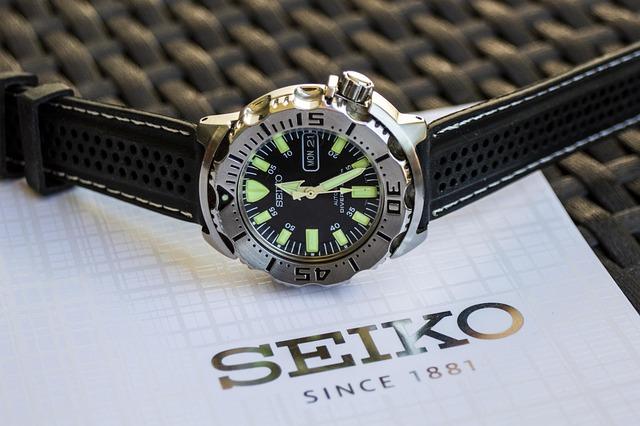
Dive Watch Type: 200m Ratings Under $200Unidirectional 120-click bezel, screw-down crown, ISO 6425 lume legibilityTool Category Guide
Complication Type: Automatic Moonphase Watches29.53-day lunar cycle disc, 135-tooth gear wheel, dress 38–40mm proportionsComplication Guide

Specialized Sub-Domains & Analytical Guides

Specialized sub-domains and analytical guides organize secondary protocols, structural methods, and targeted evaluations.

Price-Tier Classifications & Brand Examples

Manual Hand-Wind, Pocket & Smartwatch Types

Core Analytical & Methodological Questions

Core analytical and methodological questions address primary structural rules, operational standards, and verification criteria.

What are the four primary movement categories in modern horology?

Modern watches divide into manual-wind mechanical, self-winding automatic mechanical, battery or solar quartz (+/-15 seconds per month), and spring-drive or meca-quartz hybrid architectures combining mechanical drive with electronic regulation.

What distinguishes a dive watch from a standard water-resistant dress watch?

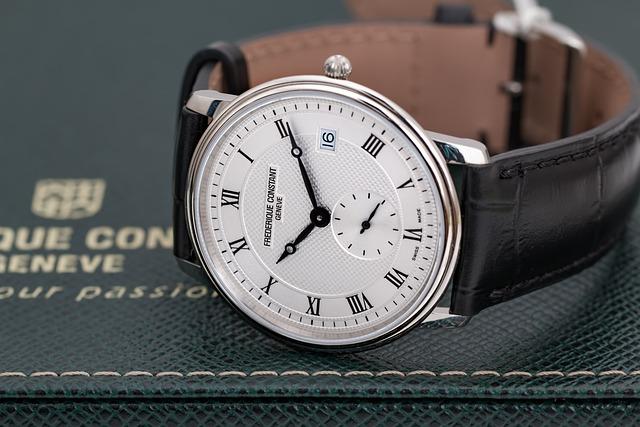
True dive watches meet 200m+ ISO 6425 pressure sealing via screw-down crowns and feature a unidirectional 60-minute timing bezel plus bright lume, whereas dress watches typically rate at 30m to 50m for splash protection.

Why do automatic watches wear thicker than manual-wind or quartz models?

Self-winding automatic calibers mount a semicircular oscillating rotor and reversing-wheel bridge above the movement plates, typically adding 1.5mm to 3.0mm in total case height over slim hand-wind equivalents.