
How Much Does It Cost to Make a Rolex Datejust: True Cost
Ever wondered what really goes into making a Rolex Datejust and how its legendary price tag breaks down? Beyond the iconic design and precision, this watch houses the robust Caliber 3235 automatic movement-an in-house engine known for reliability and innovation. Exploring the true cost to produce a Datejust uncovers the intricate balance between craftsmanship, materials like Oystersteel or precious metals, and cutting-edge horology that defines Rolex’s status. Whether you’re a curious collector,aspiring owner,or enthusiast,understanding these factors sheds light on why the Datejust commands such esteem,blending heritage with modern engineering. Let’s dive into the nuts and bolts of what it actually costs to craft this timeless piece-from components and labor to quality control-giving you a clear picture beyond the retail price.
Contents
- Rolex Datejust Overview: Key Features and History
- Breaking Down the Materials and Craftsmanship Costs
- Inside the Movement: Caliber and Mechanical Complexity
- Manufacturing Process: From Design to Assembly
- Comparing Production Costs: Rolex vs. Other Luxury Watches
- Packaging, Marketing, and Brand Value Impact on Price
- Retail Price vs.True Production Cost Explained
- After-Sales service and Maintenance Expenses
- How Resale Value Reflects the Cost Structure
- Investing in a Datejust: Cost vs. Value Over Time
- Frequently asked Questions
- Q: How do labor costs influence the true cost to make a Rolex Datejust?
- Q: What role do in-house movements play in the manufacturing cost of a Datejust?
- Q: Why is the cost of Rolex Datejust materials higher than typical luxury watches?
- Q: How do quality control and testing add to the production cost of a Rolex Datejust?
- Q: What hidden costs are involved in making a Rolex Datejust beyond materials and labor?
- Q: how does Rolex’s vertical integration affect the Datejust’s production expenses?
- Q: When comparing retail price to true production cost, what margin does Rolex typically maintain for the Datejust?
- Q: How do innovations in movement technology impact the manufacturing cost of modern datejust models?
- The Way Forward
Rolex Datejust Overview: Key Features and History
Rolex’s Datejust is more than just a watch-it’s a milestone in horological history and a benchmark of timeless design and mechanical reliability. Introduced in 1945 to celebrate Rolex’s 40th anniversary, the Datejust was groundbreaking as the first wristwatch featuring an automatically changing date on the dial, a feature now taken for granted but revolutionary at the time. Its iconic Cyclops lens, introduced later in the 1950s, magnifies the date for easy reading and remains a signature aesthetic detail. This model embodies Rolex’s commitment to combining functionality with refined elegance, making it a versatile choice for both daily wear and special occasions.
What sets the Datejust apart is its blend of classic styling and robust engineering.It houses an in-house automatic movement, which means it winds itself using the motion of your wrist-no battery required. Depending on the model, you’ll find calibers like the 3235, known for its precision and notable 70-hour power reserve. This automatic movement is a fine example of Rolex’s dedication to sturdy yet sophisticated mechanics,offering reliability without complicated servicing needs. For newcomers, understanding ‘automatic’ means realizing the watch is constantly powered by mechanical energy rather than electronics, reflecting traditional watchmaking art.
From a collector’s perspective,the Datejust balances tradition and modernity. Its design language-featuring Oyster or Jubilee bracelets, fluted bezels, and a variety of dial options-allows personal expression with durability that withstands generations. You can step into a store and find a Datejust that feels familiar, even if it’s decades old, affirming how its core design is as relevant today as ever. For those charged with the question of value, the Datejust provides a respectable entry point into Rolex ownership, blending investment potential with everyday wearability.
- Key Features: Automatic movement, date complication with Cyclops lens, choice of stainless steel or precious metals, water resistance typical of Oyster cases.
- Historical Importance: First wristwatch to feature a date that changes automatically at midnight, a hallmark innovation.
- Movement: Robust in-house calibers designed for precision and longevity (e.g.,Caliber 3235).
- Design: Timeless and versatile, from dressy to casual wear, with options in size and finish to suit different tastes.
In essence, when thinking about the cost of making a Rolex datejust, it helps to start with this foundational understanding: you are paying for a piece of watchmaking heritage that marries innovative mechanics with enduring elegance. This foundation influences everything-from materials chosen to manufacturing precision-which shapes its production cost and market value.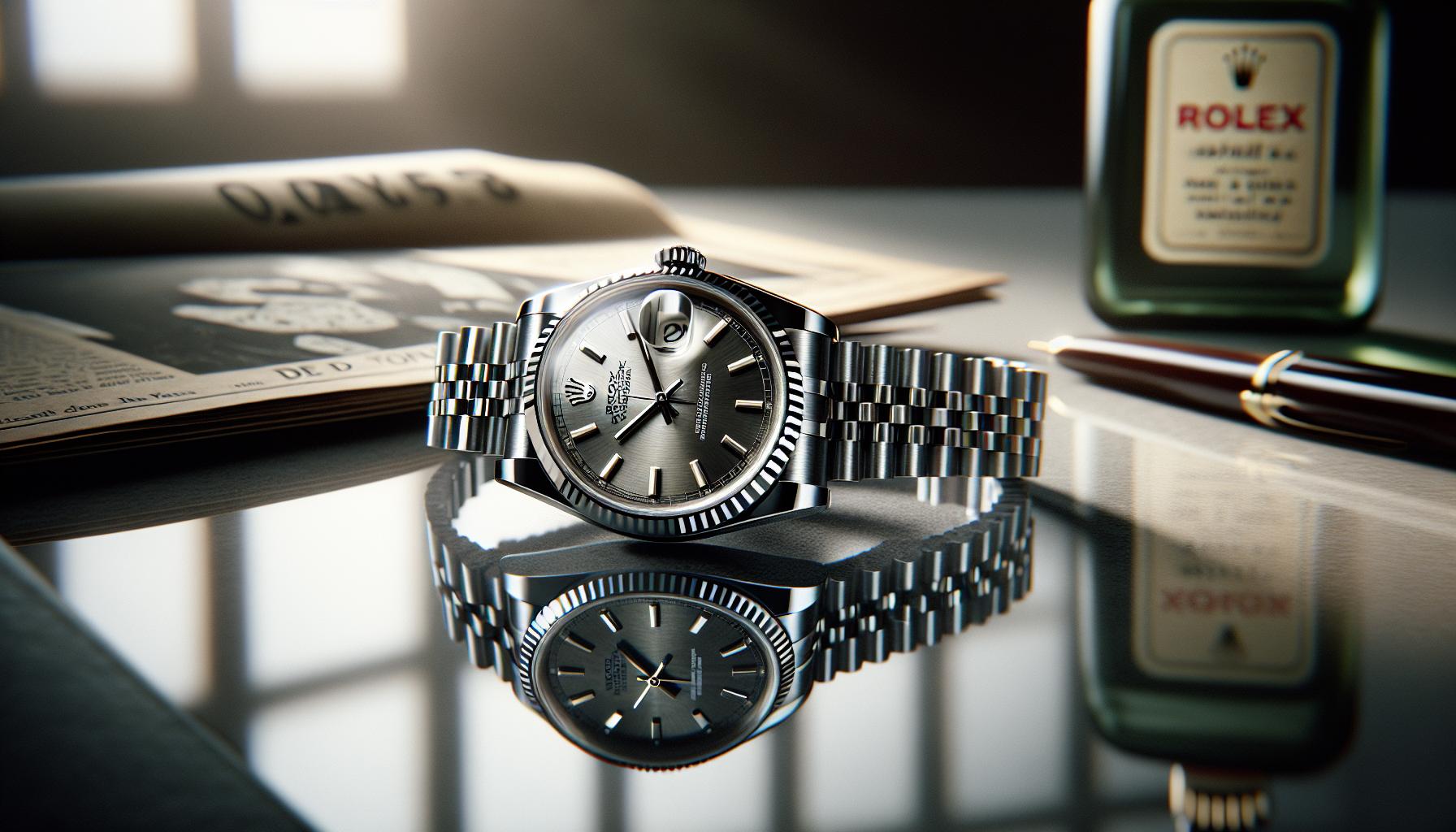
Breaking Down the Materials and Craftsmanship Costs
Few wristwatches can match the allure of Rolex’s Datejust,not just for its iconic design but for the meticulous craftsmanship and premium materials that justify its price tag. the costs involved in creating each Datejust go far beyond simple component pricing-they reflect decades of refined engineering,rigorous quality controls,and top-tier materials that together shape a timepiece built to last generations.At the foundation of any Datejust is stainless steel-Rolex uses its exclusive 904L “Oystersteel,” prized for exceptional corrosion resistance and a lustrous finish that holds up remarkably well against everyday wear. When precious metals come into play, such as 18k yellow, white, or Everose gold, or the luxurious Rolesor combination (steel and gold), material costs spike accordingly. Gold today is a major price driver, not just for its market price, but for the exacting metallurgical processes Rolex applies to ensure consistent color, purity, and durability. These metals are not off-the-shelf bars but finely milled and hand-polished cases, bezels, and bracelets, which add labor and time costs.
Craftsmanship Embedded in Every Component
Rolex’s dedication to in-house manufacturing means much of what you see and feel-down to the smallest screw and bracelet link-is made under their roof or by closely vetted Swiss suppliers.This vertical integration reduces outsourcing but increases internal labor and craftsmanship expenses. For example, the iconic fluted bezel isn’t simply stamped out; it undergoes multiple precise machining and finishing steps to achieve its signature catch-light and tactile feel. Similarly, the Cyclops lens set over the date window is fused and polished to uphold clarity and scratch resistance.
The dial, frequently enough underestimated, is another arena where costs accumulate. From classic sunburst finishes and engraved indices to diamonds or mother-of-pearl embellishments, every dial is crafted with labor-intensive techniques under strict dust and humidity control. Rolex also uses proprietary luminous materials to ensure long-lasting readability in the dark-a key element that blends form and function.
Materials vs. Value – A Balanced Equation
- Material Costs: Stainless steel Datejust models carry a lower raw material price but still far exceed mass-produced watches due to 904L steel and finishing. Gold or two-tone models can see material costs rise by 3-5 times or more.
- Craftsmanship Premium: Manual hand-finishing, polishing, and assembly by skilled watchmakers substantially add to labor hours and final production cost.
- In-House Movement Components: While featuring robust calibers like the 3235, Rolex movements use proprietary lubricants and parts that, though costly, enhance durability and precision long-term.
Here’s a rough breakdown to contextualize the investment: the combined steel, gold, sapphires, and dial elements in a common Datejust may only represent a fraction of the final retail price. the true bulk of cost lies hidden in fine finishing,assembly expertise,rigorous testing,and guaranteed swiss quality. this rigorous approach is why Rolex movements, such as the 1530 or 3135 calibers, are known among collectors for reliability and longevity-indeed, Rolex even engages in re-engraving casebacks to maintain consistent reference standards on watches with varied case components, underscoring their bespoke nature[[1]](https://mb.nawcc.org/threads/1530-60-70-cal-rolex-movements.774/).
In essence, the materials and craftsmanship behind a Datejust forge a luxury product as much about enduring tradition and precision as they are about physical components. For watch lovers, that means owning not just a piece of precious metal and intricate mechanics, but decades of watchmaking wisdom refined into every glint of metal and tick of the movement. This blend of premium materials and painstaking artisanal work defines the cost structure behind every Datejust-and ultimately what gives the watch its lasting allure.
Inside the Movement: Caliber and Mechanical Complexity
Few components define a luxury watch’s value and performance like its movement – the finely engineered heart that keeps time and powers complications. In the Rolex Datejust, precision meets mechanical artistry with the Caliber 3235, a true testament to Rolex’s pursuit of reliability and innovation. This automatic (self-winding) movement is more than just a mechanism; it’s the result of millions invested in materials, research, and craftsmanship to create a powerhouse that delivers both accuracy and durability over decades.
the Caliber 3235 replaces the iconic 3135 and stands out for incorporating Rolex’s patented Chronergy escapement, which enhances energy efficiency by about 15%. This means the Datejust runs longer on a single wind-roughly 70 hours-while maintaining the COSC-certified chronometer standard of -2/+2 seconds per day. From a production viewpoint, such precision demands exacting tolerances and use of proprietary lubricants and components, which aren’t available off-the-shelf. The cost of sourcing and assembling these high-grade elements significantly lifts production costs compared to generic movements found even in higher-tier Swiss watches.
robust Engineering Meets Practical Functionality
Rolex movements feature key attributes designed to boost both wearability and longevity:
- Parachrom Hairspring: Constructed from a paramagnetic alloy, it resists shocks and temperature variations better than traditional hairsprings, reducing service frequency and protecting accuracy.
- High-Performance Lubricants: Custom-developed oils lower friction, minimizing wear and extending maintenance intervals-all contributing to reduced lifetime costs for the owner.
- Precision Assembly: each movement is hand-assembled and meticulously adjusted by seasoned watchmakers, ensuring every piece meets the stringent rolex in-house standards before leaving the factory.
While the intricacies might seem overwhelming, from a collector or enthusiast’s perspective, understanding these mechanical advantages helps explain why the movement is a major factor behind the Datejust’s price point and esteemed reliability.
The True Cost Beneath the Surface
from a cost breakdown, the Caliber 3235’s movement assembly alone is believed to account for a substantial percentage of the watch’s total manufacturing expense-estimates suggest movement parts and assembly may represent 25-30% of production costs. Rolex’s vertical integration means many components are made in-house or by exclusive suppliers, further elevating quality but also expenses. Unlike mass-produced calibers, the Datejust’s heart involves extensive hand finishing, quality inspections, and precise adjustment cycles, all labor-intensive steps that justify the premium. This craftsmanship ensures the watch performs flawlessly in everyday life and remains serviceable for generations.Moreover, Rolex’s commitment to longevity-supported by modular designs that allow specific components to be replaced or upgraded during servicing-adds value beyond the initial price. For buyers, this means while the upfront cost is high, the mechanical robustness and ease of future maintenance deliver long-term ownership benefits that many other watches, even costly ones, struggle to match.
Movement Features at a Glance
| Feature | Specification | Benefit |
|---|---|---|
| Caliber | Rolex 3235 | Highly reliable automatic movement with date complication |
| Power Reserve | Approximately 70 hours | Longer wear time without winding |
| chronergy Escapement | Energy-efficient mechanism | Improved precision and durability |
| Parachrom Hairspring | Paramagnetic alloy | Shock and temperature resistance |
| Certification | Superlative Chronometer (-2/+2 sec/day) | exceptional accuracy standards |
Understanding what goes into Rolex’s movement helps demystify the cost structure behind the Datejust beyond just precious metals and finishing. It’s a finely tuned balance of innovation, skilled labor, and technical excellence that transforms metal parts into a timekeeping legend beloved by both newcomers and seasoned collectors alike. When you wear a Datejust, you’re not just carrying time – you’re carrying decades of watchmaking evolution in your wrist.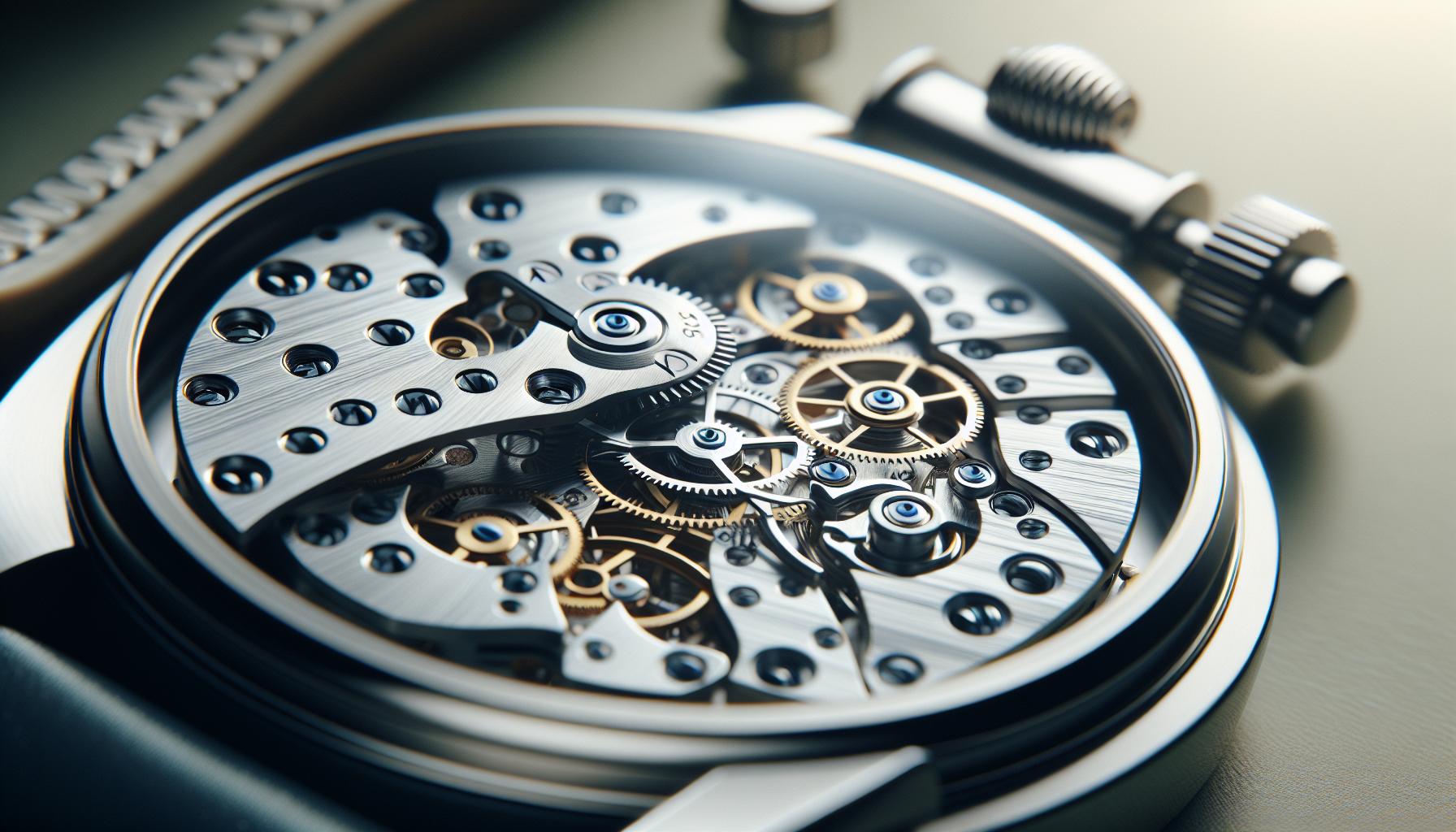
Manufacturing Process: From Design to Assembly
The journey from a Rolex Datejust’s first sketch to the finished watch on your wrist is an unusual blend of innovation, tradition, and relentless quality control. Unlike many luxury brands that outsource or rely heavily on third parties, Rolex operates a deeply integrated manufacturing system that ensures every step- from design to assembly-maintains impeccable standards. This vertical integration adds layers of complexity and cost but also guarantees the final product lives up to the legendary reliability and prestige Rolex is known for.
Designing the Datejust begins with meticulous CAD modeling and prototyping, where engineers collaborate tightly with watchmakers to balance aesthetics, ergonomics, and mechanical efficiency.Every curve of the case, the dial’s layout, even the minute hand’s sweep, is plotted with intention. This design phase isn’t just about looks-it sets the foundation for manufacturability and durability. Once the prototype passes exhaustive tests for water resistance, shock tolerance, and wearability, the design moves to the tooling stage, where Rolex develops custom machines and precision molds to produce components at the micron level of accuracy.
In-House Components Crafting
Rolex prides itself on producing the majority of key components, including cases, bracelets, and especially movements, in-house. This control allows for exacting quality checks and constant refinement.The Oystersteel or precious metals used for cases start as raw billets that are forged, milled, and polished through a sequence of highly automated yet meticulously monitored steps. For instance:
- Case Manufacturing: High-grade steel undergoes multiple polishing stages, yielding that unmistakable finish Rolex is celebrated for.
- Dial Creation: Dials are crafted using rare materials and often feature painstakingly applied indexes and luminescent markers by hand.
- Movement Production: The intricate parts of the Caliber 3235, such as the Chronergy escapement and Parachrom hairspring, are manufactured with advanced tools followed by hours of hand assembly and regulation.
This blend of cutting-edge technology and human skill drives up production costs but ensures that every Datejust is a masterpiece with both precision and character.
Precision Assembly and Quality Control
The assembly process is where art meets science. Trained watchmakers assemble the movement piece by piece in ultra-clean conditions, delicately lubricating and adjusting components to exact specifications. Even with automation in cutting and shaping, human hands remain essential for the final adjustments that influence accuracy and reliability. Post-assembly, watches endure rigorous testing for timing accuracy (upholding COSC and Rolex’s own Superlative Chronometer standards), waterproofness, and power reserve duration.
Rolex then performs final cosmetic inspections, down to verifying the luminance uniformity of markers and the fit of the bracelet. The brand’s famed modular design facilitates servicing-the ability to replace or upgrade individual components rather than the entire movement helps keep maintenance costs reasonable over time and ensures long-term durability.
Understanding this intensive manufacturing process offers valuable insight: the premium price isn’t just for the brand name or precious materials but reflects countless hours and heavy investment in precision engineering, bespoke tooling, and masterful craftsmanship. For enthusiasts and collectors, it means owning a Rolex Datejust is also owning an intricate piece of horological history carefully shaped by both tradition and innovation.
Comparing Production Costs: Rolex vs. Other Luxury Watches
Few watches embody the perfect balance of craftsmanship, innovation, and brand heritage quite like the Rolex Datejust. Yet, when talking production costs, it’s intriguing to see how Rolex stacks up against its luxury peers – where both tradition and modern manufacturing techniques shape the final price tag.While some might expect Rolex’s vertically integrated model to be the costliest approach, the reality is nuanced, notably when put side-by-side with brands known for either haute horlogerie complexities or flashy marketing budgets.
Rolex invests heavily in creating almost every component in-house. This means cases, bracelets, dials, and especially movements are crafted with exacting precision under one roof. Such vertical integration might seem like a huge cost driver, but it offers meaningful efficiency and consistency advantages over luxury rivals who outsource major parts of their production. For example, brands like Audemars Piguet or Patek Philippe often rely on specialized suppliers for key components, which can inflate costs due to fewer economies of scale. On the other hand, ultra-luxury brands like Richard Mille or Hublot complicate their watches with carbon composites or sapphire cases, using rarer materials and avant-garde designs that push production costs even higher than Rolex’s mostly classic stainless steel and gold alloys.
Where Costs Diverge and Converge Among Luxury Brands
- Movement complexity & Finishing: Rolex’s calibers, such as the robust Caliber 3235 in the Datejust, are known for their functional excellence and reliability rather than excessive decorative finishing. Brands with additional complications (perpetual calendars, minute repeaters) inevitably bear higher movement fabrication costs not just in engineering but also in manual finishing. Rolex favors rugged, robust finishing that supports longevity versus high-artistic flair.
- Materials and Casework: Many high-end brands push the envelope with experimental materials or hyper-limited editions involving elaborate gem-setting or artisanal dials, significantly driving up costs. Rolex, while impeccable in polishing Oystersteel and their proprietary Rolesor combinations (steel and gold), maintains a more measured approach, blending precious metals without excessive experimentation.
- Brand Infrastructure & Marketing: Fascinatingly, rolex’s production costs don’t scale linearly with retail price because of their immense brand presence and marketing power. Some boutique brands might have similar or even higher production costs per watch but lack Rolex’s global marketing reach or reseller network,which inflates their retail prices disproportionately compared to actual manufacturing cost.
| Aspect | Rolex datejust | Typical Haute horlogerie Brand | Sporty Luxury Brand (e.g., Hublot) |
|---|---|---|---|
| Movement Complexity | Robust automatic Caliber 3235, chronometer-rated | Highly complicated with fine finishing (e.g., tourbillon) | Automatic with added complications, focus on design flair |
| Material Use | oystersteel, Rolesor, gold; traditional metals | Rare metals, hand-applied enameling, gem-setting | carbon fiber, ceramics, precious stones |
| Assembly & Finishing | High precision, functional polish; efficient process | Extensive hand-finishing, artisanal labor | Bold design-centric finishing, mixed manual and tech |
| Production Scale | ~1 million watches/year; economies of scale | Limited production; bespoke elements | Moderate scale; focus on exclusivity |
| Estimated Production Cost Per Watch | ~$5,000-8,000* | Frequently enough >$15,000 | $10,000 – $20,000+ |
*Estimates based on industry analysis and supply-chain insights; Rolex does not disclose exact figures.
Practical Takeaways for Buyers and Collectors
When comparing a Rolex Datejust to other luxury watches, remember you’re paying not just for materials or watchmaking complexity but for a finely tuned industrial engine honed over a century. This system drives down costs without sacrificing durability or prestige. Meanwhile,brands focused on ultra-fine finishing or rare complications demand a premium reflecting artisanal labor and exclusivity. That’s why despite often higher production costs elsewhere, Rolex Datejust models can hold or even appreciate in value thanks to their blend of timeless design, rugged engineering, and worldwide desirability.
For enthusiasts new or established, understanding this cost framework sharpens appreciation beyond brand hype. Whether you’re eyeing a no-nonsense datejust, a mechanically intricate Patek Philippe, or an avant-garde Hublot, each watch offers a distinct value proposition woven into its production story. Ultimately, the true cost of making a rolex Datejust reveals a unique balance – combining industrial efficiency with artisan oversight to create a watch that’s both accessible in luxury and a worthy collectible treasure.
Packaging, Marketing, and Brand Value Impact on Price
Few elements influence the perceived value of a luxury watch quite like its packaging, marketing, and brand reputation. For Rolex, these factors aren’t just window dressing; they are pivotal in transforming mechanical precision into a globally coveted symbol. While the actual production cost of a Datejust hovers in the mid-range for luxury watches,the value communicated through Rolex’s iconic green box,meticulous retail experience,and masterful global marketing campaign adds layers of intangible worth that can dwarf manufacturing expenses.
Rolex packaging looks simple yet exudes quiet confidence. The presentation box, with plush interior detailing, is engineered to protect the watch and delight the buyer from the very first unboxing moment. This tactile experience isn’t an afterthought-Rolex invests heavily here as it sets the tone for ownership and gift-giving. It signals that you’re not just buying a tool to tell time but a legacy piece designed to be cherished. compared to entry-level watch brands that use minimalist or generic boxes, Rolex’s packaging is a crafted extension of its brand narrative.
Marketing Mastery and Brand Strength
Rolex is a masterclass in brand stewardship. Their marketing doesn’t just show watches-it associates them with top-tier sport, adventure, and cultural milestones. Tennis legends wearing a Datejust at Wimbledon or deep-sea explorers sporting Submariners encapsulate Rolex’s ethos of reliability and prestige. this savvy alignment, combined with careful control over distribution channels, fuels demand far beyond the watch’s technical specs.
The cost behind maintaining Rolex’s image is substantial but spread across millions of pieces annually. This extensive marketing budget inflates retail prices, but it also builds a trust ecosystem-buyers feel confident that owning a rolex is both a style choice and a safe investment. Contrast this with smaller brands that may spend less on marketing but rely more on artisanal reputation or niche appeal; Rolex transforms marketing dollars into broad, enduring brand equity.
Brand Value Impact on Pricing and Resale
The real kicker? Rolex’s brand power explains why the retail price of a Datejust often exceeds the sum of its parts by a wide margin. This premium isn’t arbitrary. It reflects decades of carefully cultivated demand, visible provenance, and the assurance of quality service networks worldwide. When you buy a Rolex, you’re also buying into a trust contract-a promise that the watch will likely maintain or grow in value given its strong resale market.
- Packaging: Enhances buyer experience and watch protection, supporting brand prestige.
- Marketing: Creates emotional ties, partnerships with elite events, and global recognition.
- Brand Equity: Enables pricing power and resale value stability that few other brands can match.
Understanding these factors helps demystify why a Datejust’s price feels premium compared to production costs alone. For collectors and enthusiasts, acknowledging the soft costs-the brand narrative and customer experience-is key to appreciating Rolex beyond mechanics-a watch that’s as much a statement of legacy as a marvel of horology.
Retail Price vs.True Production Cost Explained
A Rolex Datejust’s sticker price often surprises newcomers, sparking the question: why does a watch with relatively straightforward mechanical components command such a premium? The simple truth is, the retail price vastly exceeds the raw production cost of the watch’s materials and assembly. While crafting a Datejust involves high-grade 904L stainless steel or precious metals, an in-house automatic caliber 3235 movement, and meticulous finishing, these components typically make up less than half the final retail figure. The rest? That encompasses a web of less visible but crucial costs that build the Rolex experience and value beyond pure watchmaking.
Understanding this disparity helps set realistic expectations for buyers and collectors alike.Think of the production cost as the foundation-steel, gold, sapphire crystal, precision engraving, the COSC-certified movement with its Parachrom hairspring, and the labor-intensive assembly. These tangible inputs might sum up to roughly $3,000 to $5,000 per watch depending on the model and dial choice, far from the typical retail range starting near $8,000 to $10,000 and above. This gap covers everything from exhaustive quality control and R&D investment, to global marketing campaigns, elaborate packaging, dealer margins, and compliance with international distribution laws.
Breaking Down the Less Apparent Costs
- Quality Assurance and R&D: Rolex relentlessly invests in developing robust calibers and corrosion-resistant alloys. The innovation feeding into the Datejust’s signature Oyster case and reliable Chronergy escapement costs millions yearly.
- Distribution and Dealer Margins: Authorized Rolex retailers bear significant showroom overheads and upfront inventory costs. Their markup, essential for maintaining a luxury retail experience, contributes to the final price.
- Marketing and Sponsorships: Rolex doesn’t just sell watches; it sells prestige linked to Wimbledon, Formula 1, and global arts festivals. These sponsorships and worldwide brand campaigns inflate costs behind the scenes.
- Packaging and Presentation: From plush green leather boxes to branded warranty cards,every element is designed to evoke quality and exclusivity. this sensory experience adds to the perceived value, though it’s only a fraction of the total cost.
The retail price also factors in Rolex’s carefully guarded brand legacy and reputation, which commands a price premium few brands achieve. For instance, a well-kept pre-owned Datejust often retains 60-80% of its original price on the secondary market. This resilience shows how much buyers pay not only for the mechanics but also for decades of trust and the watch’s potent status as a safe investment.
Putting the Production Cost in Perspective
Comparing the Datejust to watches outside the luxury realm can be eye-opening. Such as, a $500 automatic Seiko offers complex mechanical craftsmanship, but without the extensive R&D, marketing, and brand prestige that elevates Rolex’s valuation. Conversely, ultra-high-end pieces from brands like Patek Philippe or Audemars Piguet may cost multiple times more to produce, yet Rolex’s scale and brand power enable it to command compelling resale values and global demand.
By knowing the split between true production costs and retail price, enthusiasts can appreciate Rolex’s craft without falling into hype traps or ignoring real craftsmanship. They also get a sense of how Rolex nurtures its brand equity, a major factor in why the Datejust remains a compelling watch for both first-time buyers and seasoned collectors.
| Cost Element | Estimated % of Retail Price |
|---|---|
| Materials & Movement Assembly | 30-40% |
| Research & Development / Quality Control | 10-15% |
| Marketing & Sponsorship | 15-20% |
| Distribution / Dealer Margins | 20-30% |
| Packaging & Presentation | 5-10% |
The takeaway? When purchasing a Rolex Datejust, you’re investing not just in fine Swiss mechanics and precious materials, but also in a fully realized experience curated over a century. Understanding this balance demystifies the price, grounding appreciation in both engineering finesse and savvy brand craftsmanship.
After-Sales service and Maintenance Expenses
Rolex watches, including the Datejust, are engineered for longevity, but keeping them running flawlessly demands periodic care that adds to the overall cost of ownership. Unlike quartz watches where battery replacement is simple and inexpensive, the Datejust’s precision automatic Caliber 3235 movement thrives on mechanical harmony maintained through expert servicing every 5 to 10 years. This essential upkeep protects your investment by preserving accuracy, water resistance, and the watch’s iconic polish.
When serviced by an authorized Rolex Service Center, a full overhaul typically ranges from $800 to $1,200, depending on factors like the watch’s age, condition, and whether parts need replacement. This service includes dismantling the movement caliber, ultrasonic cleaning, oiling with specialty lubricants, reassembly, and rigorous timing calibration against COSC standards. Additionally, the exterior-case, bracelet, and crystal-undergoes refinishing to restore that unmistakable rolex sheen. While the cost may seem high, this complete maintenance ensures your Datejust performs like new, safeguarding both function and appearance over decades.
- Warranty Extension: Rolex often provides a two-year international warranty on serviced watches,offering peace of mind for any post-service issues.
- Parts Replacement: Components such as the mainspring, balance wheel, or bezel insert might require replacement over time, contributing to cost variability.
- Service Frequency: heavy daily wear or exposure to harsh conditions can shorten recommended service intervals, necessitating more frequent checks.
For enthusiasts who cherish authenticity and value, servicing through official channels is highly recommended-even though it carries a premium. This approach guarantees genuine parts and expert craftsmanship aligned with Rolex’s strict standards. DIY repairs or cheaper third-party services risk compromising the complex in-house caliber or the ultra-hard 904L steel case, which can decrease durability and resale value.
Practical Tips for After-Sales Care
- Regular Cleaning: Simple home maintenance-like gently rinsing the watch in lukewarm water and drying it with a microfiber cloth-helps maintain water resistance and appearance.
- Avoid Magnetic Fields: As with all mechanical watches, strong magnets can affect timing accuracy, so store your Datejust away from speakers or magnetic clasps.
- Keep it Wound: Wearing the watch daily or using a watch winder keeps the automatic movement lubricated and prevents buildup in components.
Ultimately, the after-sales service cost is part of what separates owning a Rolex from simply wearing a watch. It’s an investment in quality, precision, and longevity.Much like a classic car, attentive maintenance can profoundly impact the Datejust’s performance and its reputation as a cherished heirloom passed down generations.
| Service Aspect | Typical Cost Range (USD) | Notes |
|---|---|---|
| Complete movement overhaul | $800 - $1,200 | Includes cleaning, lubrication, timing calibration |
| Parts replacement | $100 - $400+ | Variable, depending on worn components |
| Polishing and refinishing | Included or up to $200 separately | Restores case and bracelet shine |
| Battery replacement (for Rolex quartz models) | $100 – $150 | Not applicable to Datejust automatic |
How Resale Value Reflects the Cost Structure
The resale value of a Rolex Datejust offers a fascinating glimpse into the underlying cost structure of this iconic timepiece. Unlike many luxury watches, the Datejust maintains a remarkably strong secondary market presence, reflecting not just the tangible materials and mechanical complexity inside but also the intangible factors like brand prestige, craftsmanship, and Rolex’s strict quality control. When you consider how much it costs to make a Datejust-including high-grade 904L stainless steel or precious metals,the sophisticated Caliber 3235 automatic movement,and the labor-intensive finishing-the resale numbers start to make sense as more than just a “used watch” price.Rolex’s in-house movement, renowned for durability and reliability, plays a central role here. The mechanical heart of the Datejust is engineered to last decades when professionally serviced,which protects the watch’s value over time. Buyers on the secondhand market recognize that paying a premium for a Rolex isn’t just about owning a status symbol; it’s about accessing a level of engineering and longevity unprecedented in most other watches.This is why even pre-owned Datejusts frequently enough fetch prices close to or above their original retail price,especially if they’ve been well maintained and include original boxes and papers.
what Drives Resale value Beyond Production Costs?
- Durability and Serviceability: The cost of expert servicing and genuine parts factored into the watch’s long lifespan reassures buyers that a Datejust isn’t a disposable purchase. The use of robust materials like 904L steel and the precision assembly of the movement add intrinsic value that keeps resale prices buoyant.
- Brand Prestige and Market Demand: Rolex’s global reputation and iconic design language create sustained demand, which ensures resale premiums. Limited supply relative to demand-especially for popular Datejust models-can push resale prices higher than production cost-plus-margin.
- Condition and authenticity: Watches maintained through authorized service centers and retaining original unpolished cases tend to hold value better. Conversely,DIY repairs or aftermarket parts can undermine the resale price despite lower maintenance costs upfront.
- Model Variants and Rarity: Precious metal or vintage Datejusts often show an even stronger resale performance relative to their production cost due to collector desirability.
Think of the resale value as a real-world negotiation between the tangible craftsmanship inside and the intangible allure outside. As a notable example, a stainless steel Datejust with a clean dial and recent authorized service might retain 70% to 90% of its original retail cost after several years-an exceptional figure in the watch world. This premium retention highlights how the initial expenditure on Rolex’s proprietary materials and rigorous in-house movement assembly translates into enduring monetary value.
| Factor | Impact on Resale Value | Relation to Cost Structure |
|---|---|---|
| Movement quality (Caliber 3235) | High – longevity and precision attract buyers | Significant part of production cost; justifies service expenses and resale premiums |
| materials (904L steel, gold options) | High – durable, corrosion resistant, luxury metal appeal | Substantial material cost; adds intrinsic worth |
| Brand equity and desirability | Very high - drives demand beyond material cost | Marketing and design investments reflect in retail/resale gap |
| Servicing & part authenticity | Moderate to high - genuine parts sustain value | Ongoing costs integral to ownership, influencing buyer confidence |
| Condition & originality | High – maintained watches fetch premiums | Owner’s care impacts long-term value retention |
When approaching a Datejust as both a functional tool and a collectible, understanding this balance helps clarify why the resale market values these watches so highly relative to their production costs. It’s not just about the sum of parts-it’s also the invisible craftsmanship and brand narrative that set the Rolex apart from mechanical watches with similar technical specs.
If you’re considering a Datejust purchase or resale, choose models with documented service history and minimal cosmetic wear. These details directly influence not just watch performance but also the premium your timepiece commands later.This perspective underscores how investment in quality upfront-and sound after-sales maintenance-delivers meaningful returns in resale and enjoyment alike.
Investing in a Datejust: Cost vs. Value Over Time
Few luxury watches match the Datejust when it comes to combining timeless design, mechanical excellence, and enduring value. it’s a watch that represents much more than its initial sticker price. the Datejust, powered by Rolex’s in-house Caliber 3235 automatic movement, is engineered for durability and precision, a core reason why many collectors and first-time buyers alike view it as a wise investment.Though the starting retail price can seem steep, the long-term cost-to-value equation frequently enough favors ownership, especially for those who appreciate mechanical craftsmanship alongside wearability.
Balancing Upfront Costs and Long-Term Worth
investing in a Datejust isn’t just about buying a watch; it’s about acquiring a mechanical icon built to last decades with proper care. The high-grade 904L stainless steel and precious metals used in its production add tangible weight to the watch’s intrinsic value. Meanwhile, the Caliber 3235 offers state-of-the-art efficiency, a longer power reserve, and enhanced shock resistance compared to many competitors in its price class. These quality markers translate to fewer repairs and less servicing over the watch’s lifetime, meaning that the initial cost pays off in reliability and lower unexpected expenses.
Ownership does carry regular maintenance costs. Rolex recommends servicing every 10 years, even though gentle wearers may stretch this interval. Genuine Rolex servicing, while premium-priced, ensures the movement remains precise and the watch retains its factory finishes – vital for preserving both functional and resale value. One practical tip for collectors and enthusiasts is to maintain service records and keep original boxes and paperwork.These details hugely impact the secondary market, where buyers prize authenticity and documented provenance.
Key Factors Supporting Value Retention
- Proven Movement Durability: The Caliber 3235’s robust design minimizes wear and tear, reducing long-term ownership costs compared to watches with outsourced or less sophisticated movements.
- Exclusive Materials: Rolex’s use of proprietary 904L steel and solid gold alloys not only enhances resistance to corrosion but also appeals to buyers hunting for luxury and longevity.
- Brand Appeal: Rolex’s unparalleled reputation drives consistent demand, often pushing secondhand prices to rival or exceed original retail, especially for newer models and limited editions.
- Condition and Service History: Watches kept in mint condition with authorized servicing histories attract premium resale offers relative to similar watches lacking such care.
| Investment Aspect | Implication | Practical Advice |
|---|---|---|
| Movement (Caliber 3235) | High mechanical reliability with modern tech improvements | Regular servicing every 8-10 years; keep records |
| Materials (904L steel, gold) | Corrosion resistance and lasting aesthetics | Store carefully; avoid harsh chemicals that may damage surface |
| Brand Equity | Creates ongoing market demand and premium resale opportunities | Choose popular or limited models; maintain authenticity |
| Condition | Strong predictor of resale price retention | Avoid over-polishing; service with authorized centers only |
For anyone weighing the Datejust against other investment priorities in watches, the key is recognizing value goes beyond initial cost or basic specs. This model blends classic aesthetics, exceptional metallurgy, and an expertly crafted in-house movement into a package that holds real-world appeal and resale strength.Whether you’re a casual wearer or serious collector, the Datejust offers a compelling balance of usability and heritage – a mechanical treasure that can pay dividends both in enjoyment and financial sense over time.
Frequently asked Questions
Q: How do labor costs influence the true cost to make a Rolex Datejust?
A: Labor costs are a significant factor in making a Rolex Datejust, reflecting skilled Swiss watchmakers’ craftsmanship in assembling and finishing complex automatic movements like the caliber 3235. This high precision and manual expertise raise production costs beyond raw materials, contributing to the watch’s premium value. Learn more in the Manufacturing Process section for detailed labor impact insights.
Q: What role do in-house movements play in the manufacturing cost of a Datejust?
A: Rolex’s use of in-house movements, such as the Caliber 3235, increases production costs due to extensive R&D, precision engineering, and quality control. Creating these proprietary calibers internally ensures reliability and exclusive technology, making it costlier than using outsourced movements.See the Inside the Movement part for how this affects the watch’s true cost.
Q: Why is the cost of Rolex Datejust materials higher than typical luxury watches?
A: Rolex Datejust materials, including 904L stainless steel, precious metals, and scratch-resistant sapphire crystals, command higher prices due to superior durability and rarity. These premium inputs, combined with rigorous quality standards, increase the overall production cost compared to other luxury brands using less costly alternatives. Explore Breaking Down Materials and Craftsmanship Costs for specifics.
Q: How do quality control and testing add to the production cost of a Rolex Datejust?
A: Rolex invests heavily in stringent quality control and COSC chronometer certification, involving in-depth testing for precision, durability, and water resistance. These processes add time and cost but ensure the Datejust meets strict Swiss watchmaking standards, justifying the premium price reflected in the watch’s true production cost.
A: Beyond materials and labor, hidden costs include manufacturing infrastructure, proprietary tooling, design innovation, and environmental compliance. These investments support Rolex’s vertical integration, driving up the true cost to ensure unmatched quality and brand prestige, detailed further in the Manufacturing Process and Packaging, Marketing, and Brand Value sections.
Q: how does Rolex’s vertical integration affect the Datejust’s production expenses?
A: Rolex’s vertical integration-producing most parts in-house-increases upfront manufacturing costs but boosts quality control and reduces reliance on external suppliers.This strategy raises the Datejust’s true cost but enhances the watch’s precision and durability, key factors discussed in the Comparing Production costs section.
Q: When comparing retail price to true production cost, what margin does Rolex typically maintain for the Datejust?
A: The retail price of a Rolex Datejust is generally 2 to 3 times higher than the true production cost, covering marketing, warranties, distribution, and dealer margins. This premium reflects Rolex’s brand value and after-sales service. For a breakdown, refer to the Retail Price vs. True Production Cost segment of the article.
Q: How do innovations in movement technology impact the manufacturing cost of modern datejust models?
A: Innovations like the Chronergy escapement and Parachrom hairspring add production complexity and cost by improving accuracy and resistance to shocks and magnetism. These technical advancements in the Datejust’s movement directly influence its manufacturing expenses and justify its position as a leader in luxury watchmaking.
For more detailed insights, explore our sections on Inside the Movement and Manufacturing Process. Ready to deepen your understanding or compare models? Dive into our comprehensive Rolex Datejust guides and keep your collection informed.
The Way Forward
understanding the true cost behind a Rolex Datejust reveals much more than just the price tag-it’s an investment in precise craftsmanship, reliable automatic movements, and timeless design that holds value over time. Whether you’re drawn to its signature in-house caliber, durable Oystersteel case, or elegant cyclops lens, the Rolex Datejust balances classic style with horological innovation, making it a standout choice for both new enthusiasts and seasoned collectors alike.
Ready to deepen your appreciation? Explore our detailed comparisons of Rolex models and their market performance, or learn about the subtleties of watch complications in our [Comprehensive guide to Automatic Movements] and [Rolex vs. omega: Brand Value and Resale Insights]. Don’t miss the chance to sign up for our newsletter to get insider tips,updates on market trends,and expert watch reviews delivered directly to you. Share your thoughts or questions below-let’s keep the conversation going and help you make the most informed decision on your next luxury timepiece purchase.
Remember, understanding costs extends beyond the sticker-it’s about quality, heritage, and long-term value. Dive deeper into the world of horology with us, and make every second count.


