
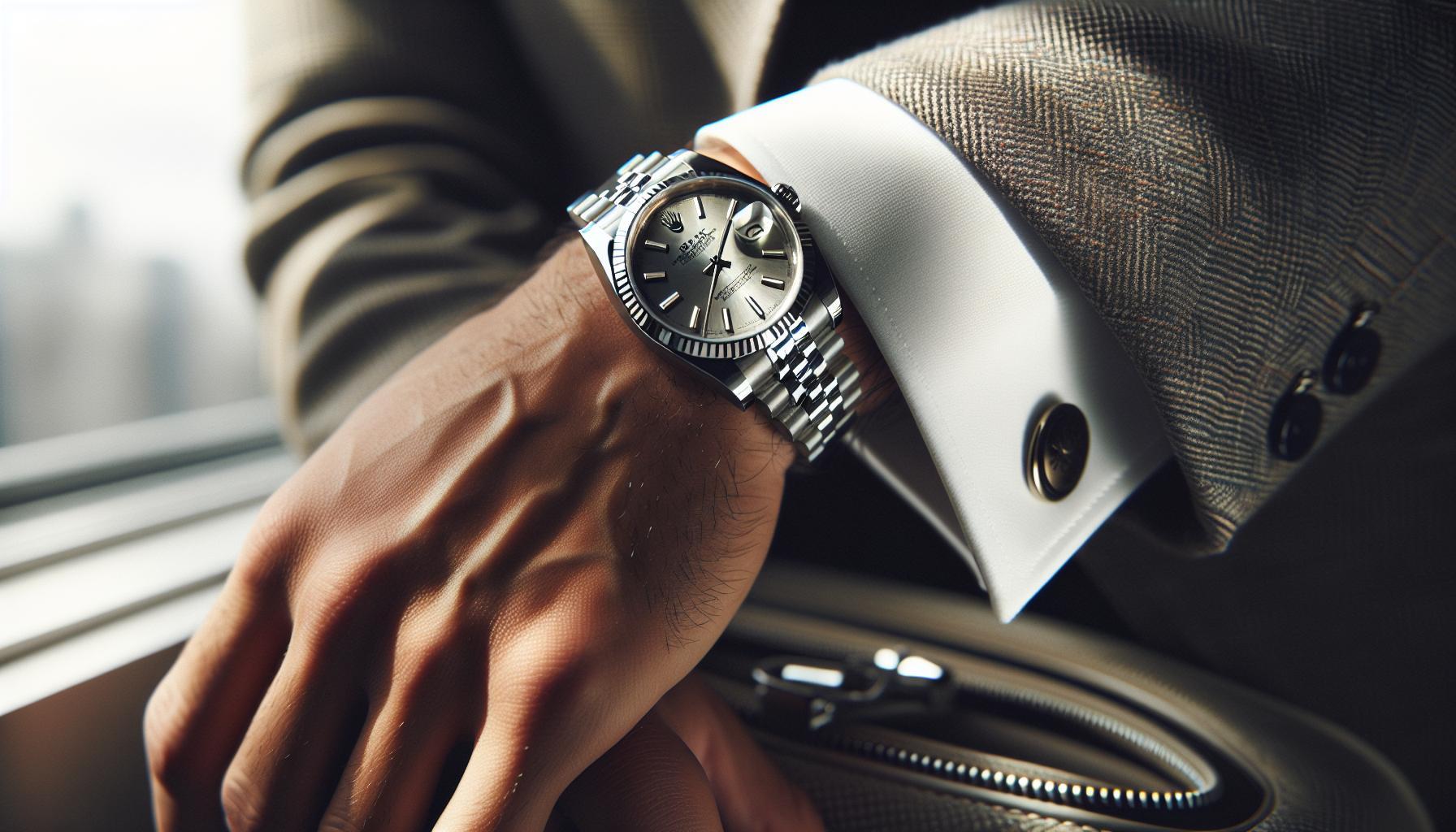
How Thick Is a Rolex Datejust: Dimension Specifications
When choosing a Rolex datejust,understanding its thickness is just as meaningful as knowing its diameter or movement. The thickness impacts not only wearability and comfort but also how the watch sits under a shirt cuff-a key concern for everyday elegance. This guide breaks down the Datejust’s dimension specs, revealing how its case thickness balances robust engineering with classic style. Weather you’re a seasoned collector or a first-time buyer, grasping these measurements helps you make an informed choice that suits your wrist and lifestyle, blending Rolex’s precision craftsmanship with practical wearability. Dive in to uncover the subtle details that define why the datejust remains a timeless staple in luxury watch collections.
Contents
- Rolex Datejust Thickness: Understanding Key Dimensions
- How Movement Type Influences Datejust Thickness
- Comparing Datejust thickness Across Popular Models
- Rolex Datejust Case Materials and impact on Size
- Dial and Crystal Design Affecting Overall Thickness
- How Thickness Affects Datejust Wearability and Comfort
- Rolex Datejust Thickness vs. Other Iconic Rolex Models
- Value and Resale Considerations Linked to Datejust Dimensions
- Customization and Aftermarket Mods Impacting Thickness
- Visual Guide: Measuring your Datejust Thickness at Home
- FAQ
- Q: What factors can cause slight variations in the thickness of Rolex Datejust watches?
- Q: How does the thickness of a vintage Rolex Datejust compare to modern models?
- Q: Why does the Rolex Datejust’s thickness impact its suitability for formal vs.casual wear?
- Q: What measurement tools are recommended for accurately gauging Rolex Datejust thickness at home?
- Q: How does the addition of aftermarket crystals or domed sapphire affect Rolex Datejust thickness?
- Q: Can the Rolex Datejust’s thickness influence its water resistance ratings?
- Q: How does the movement caliber specifically affect the thickness of Rolex Datejust models?
- Q: What are some practical tips to choose a Rolex Datejust thickness that suits wrist size and comfort?
- Key Takeaways
Rolex Datejust Thickness: Understanding Key Dimensions
One of the most captivating traits of the rolex Datejust isn’t just its timeless style or reliable movement – it’s how its thickness subtly balances the classic presence and modern wearability on the wrist. Thickness matters a lot more than most newcomers realize. It’s a critical dimension that affects comfort, style, and how the watch pairs with different attire, whether a business suit or casual weekend wear. For many collectors and enthusiasts, understanding these dimensions helps in choosing the right model – one that feels “just right” rather than bulky or overly slim.
Datejust thickness generally ranges from about 10mm to 12mm,but several factors influence this dimension. The watch’s movement, for example, plays a starring role. Rolex uses automatic, in-house calibers (like the 3235 found in recent Datejust models) known for their precision and relatively slim profile. yet,earlier calibers such as the 1530 or 1520-vintage automatic movements from the 1960s-are slightly thicker,contributing to a more robust case depth. this subtle difference speaks volumes to collectors deciding between heritage appeal and modern innovation [[1]](https://mb.nawcc.org/threads/1530-60-70-cal-rolex-movements.774/).
Key Dimensions at a Glance
- case thickness: Usually between 10mm and 12mm, depending on era and movement
- Crystal height: Often slightly domed sapphire or acrylic crystals add millimeters subtly
- Case back design: Some vintage Datejusts have thicker screw-down case backs, increasing thickness
Wearability depends on how these layers stack-the movement size, paired with crystal curvature and case back depth, create the final vertical profile on your wrist. Importantly, the Datejust’s thickness finds a sweet spot, thick enough to feel substantial and durable but slim enough to slide comfortably under a shirt cuff.
For anyone new to Rolex or watch collecting, thinking about thickness alongside diameter is a smart way to avoid surprises.A 36mm Datejust with about 11mm thickness is remarkably versatile, while some newer Datejust 41 models push closer to 12mm, signaling a slight shift toward sports watch proportions but still within elegant dress watch standards.Ultimately, understanding these dimensions equips you to appreciate the Datejust not just as a status icon, but as a finely tuned mechanical instrument designed around human comfort and style. Whether comparing a vintage 1530 caliber Datejust with a modern 3235, the thickness subtly reflects decades of evolving watchmaking prowess.
How Movement Type Influences Datejust Thickness
The movement inside a Rolex Datejust is far more than just the engine that powers the watch-it directly shapes the watch’s thickness and how it sits on the wrist.Over the years, Rolex has evolved its calibers, balancing precision, durability, and compactness, which subtly nudges the Datejust’s profile thicker or slimmer depending on the movement used.Understanding these differences helps when comparing vintage charm with modern refinement,especially for collectors and enthusiasts weighing comfort alongside aesthetics.
Vintage Datejust models from the 1950s to 1970s often housed calibers like the 1530 or 1520 series-robust, reliable automatic movements but mechanically bigger in stature. These older calibers typically require a deeper case to accommodate their parts and winding rotor,usually nudging thickness towards the higher end of the 10-12mm range. additionally, these movements were paired with slightly domed acrylic crystals and screw-down case backs, all adding to that classic “chunky” feel-appealing if you appreciate heritage and a presence on the wrist that says, “This watch has history”[[1]](https://mb.nawcc.org/threads/1530-60-70-cal-rolex-movements.774/).
In contrast, modern Datejust models sport Rolex’s newer in-house calibers such as the 3135 initially, and more recently the 3235. These movements represent a leap in watchmaking technology: thinner, more efficient, and packed with innovations like Chronergy escapement and enhanced power reserves. They enable the case thickness to stay closer to the slimmer side of the spectrum-frequently enough around 10.5 to 11.5mm-even with added complications like date functions and enhanced calendar precision. The sapphire crystal, though harder and more scratch-resistant, is typically flatter or modestly domed, helping keep the overall height restrained without sacrificing durability.
Movement Features Affecting Thickness
- Caliber size and architecture: older calibers have larger gear stacks; new calibers use compact,refined designs.
- Rotor mechanics: automatic winding rotors vary in thickness; newer rotors are often more efficient and slim.
- Complications and functions: Additional features like date or rapid-set mechanisms add layers inside the movement.
- Materials and manufacturing advances: Modern movements leverage lighter alloys and advanced machining to reduce bulk.
For a collector balancing style with daily wear, this distinction is key. If you love the idea of owning a mechanical timepiece with vintage soul and don’t mind a slightly thicker wrist presence, older calibers are a great fit. Simultaneously occurring, the modern calibers offer a watch that feels more at home under a tailored shirt cuff, with technological upgrades that also boost accuracy and service intervals.
Thinking about thickness through the lens of movement also helps in spotting aftermarket alterations. Some vintage Datejust watches have been “modded” with newer movements or aftermarket parts,which can lead to mismatched thickness and unusual case proportions. Always confirm the movement’s authenticity and fit if thickness is a decisive factor in your purchase or restoration plan.
Ultimately, the movement inside a Datejust isn’t just about keeping time-it’s a defining element that connects the watch’s mechanical heart to its physical form, turning a technical choice into an overlooked yet critical design factor that watches connoisseurs appreciate deeply.
Comparing Datejust thickness Across Popular Models
One of the most fascinating aspects of the Rolex Datejust lineup is how its thickness varies subtly yet meaningfully across different models, reflecting advances in movement technology and design philosophy. Whether you lean towards vintage charm or crave the sleekness of a modern piece, the Datejust’s thickness directly relates to its wearability and wrist presence. For example,the iconic Datejust 36 mm-an enduring classic beloved for its versatility-typically measures around 11.5 mm thick. This thickness gives it a balanced profile that fits comfortably under a cuff while still feeling substantial enough to command attention on the wrist. Moving up in case size, the Datejust 41 model features a slightly thicker case, approximately 11.7 to 12 mm, owing to its larger diameter and the newer, more complex Caliber 3235 movement inside[[1]](https://www.bobswatches.com/rolex-blog/editorial/36mm-vs-41mm-rolex.html?srsltid=AfmBOopOsfK13YvnZoOkQb9b8PT65HcDzZCvljhjeGSVZ0-uFMcRQZtK).
Interestingly, the increase in thickness from 36 mm to 41 mm models is hardly noticeable on the wrist but contributes to a greater visual heft that many collectors appreciate, especially those with larger wrists seeking an assertive yet classic presence. It’s a fine presentation of Rolex’s mastery in maintaining elegant proportions even as case dimensions grow. The Lady-Datejust series, in contrast, sport notably slimmer profiles, with the 28 mm reference typically hovering around 9-10 mm thickness. This makes them perfect for smaller wrists or those preferring a more delicate, refined wearing experience. Thickness here is a key factor in ensuring these smaller watches don’t feel bulky despite precious metal or gem-set embellishments.
| Model | Case Diameter | Typical Thickness | Movement | Ideal Wrist Size |
|---|---|---|---|---|
| Datejust 36 | 36 mm | ~11.5 mm | Caliber 3135 / 3235 | 6 to 7 inches |
| Datejust 41 | 41 mm | ~11.7 – 12 mm | Caliber 3235 | 7 inches and above |
| Lady-Datejust 28 | 28 mm | ~9 – 10 mm | Caliber 2236 | 5 to 6 inches |
from a practical standpoint, these variations matter as thickness influences how the watch moves and feels during daily wear. A thicker case can add presence and a sense of robustness, but it may also potentially snag on shirt cuffs or feel heavier on the wrist if the wearer isn’t accustomed to it. Conversely, a slimmer profile contributes to a more seamless fit and is often favored by those seeking a dress watch aesthetic, where subtlety and elegance take precedence. Rolex’s ability to tweak thickness while evolving movements-from the vintage Caliber 1530 and 3135 to the modern, efficient caliber 3235-demonstrates how movement engineering directly shapes the Datejust’s physical form, not just its function.
What Collectors Should Consider
- Movement upgrades impact thickness: The Caliber 3235 not only extends power reserve to 70 hours but fits in a case maintaining a slim profile, slightly thicker than older calibers but optimized for comfort.
- Size vs. thickness balance: Bigger diameter watches naturally trend thicker but Rolex avoids bloating the case, preserving vintage-inspired proportions in modern forms.
- Personal fit trumps specs: Trying on Datejust models with different thicknesses is the best way to find your sweet spot; wrist shape and lifestyle matter as much as raw millimeters.
In closing, thickness differences across popular Datejust models illustrate a stunning intersection of horological tradition and innovation. Whether you gravitate toward the ancient charm of vintage models or the refined efficiency of recent releases, understanding these subtleties enriches your appreciation of the Datejust as a mechanical marvel and daily companion.
Rolex Datejust Case Materials and impact on Size
Few elements influence a watch’s presence on the wrist quite like the materials rolex chooses for its Datejust cases. Beyond aesthetics, case materials profoundly affect weight, thickness perception, and overall durability-factors that matter when you consider how a watch feels day-to-day. Rolex expertly balances these aspects to ensure the Datejust maintains both its classic elegance and robust build, irrespective of whether it’s rendered in stainless steel or precious metals.
Stainless steel, specifically Rolex’s proprietary Oystersteel (904L), is the cornerstone for many Datejust models. It’s known for remarkable corrosion resistance and a slightly brighter finish than standard steel, yet remains relatively lightweight. This metal allows Rolex to keep cases slim and pleasant despite housing complex automatic movements like the Caliber 3235. The inherent strength of Oystersteel means thinner case walls can still offer superb protection, subtly contributing to a refined thickness around the 11.5 – 12 mm range for Datejust 36 and 41 models alike.Conversely, Rolesor Datejusts (a fusion of Oystersteel and 18k gold) and full gold references introduce a different dynamic. Gold,being denser,adds noticeable heft and can nudge overall thickness upward,though rarely beyond a millimeter compared to steel counterparts. This increase is partly due to the physical properties of gold and the design refinements Rolex employs for robustness and aesthetics. For collectors, this slight thickness variation enhances the watch’s wrist presence and luxury feel without compromising fit under cuffs or daily wear comfort.
- Rolesor cases: Blend stainless steel robustness with gold’s warmth,creating a durable yet slightly thicker profile prized for versatility and style.
- Full gold cases: Offer an elevated heft and visual prominence, making thickness more noticeable but perfectly balanced with the Datejust’s classic proportions.
- Platinum: Occasionally used in high-end Datejust editions,platinum’s weight impacts perceived thickness and wrist feel,often reserved for collectors valuing rarity and craftsmanship.
Material Impact on Wearability and Perceived Size
The relationship between case material and thickness isn’t solely about millimeters. A steel Datejust at 11.5 mm can wear lighter and less bulky compared to a gold piece of similar thickness. Gold’s density and warmth also affect how the light plays off the case, lending a sense of visual depth that can make the watch appear more substantial. Those seeking everyday versatility frequently enough prefer steel or Rolesor models for their comfortable balance of weight and elegance. Meanwhile, collectors leaning toward full gold or platinum versions might embrace the slightly thicker, more tactile experience as part of their watch’s character.
For enthusiasts mindful of resale and long-term value, understanding these nuances can influence buying decisions. Steel and Rolesor models generally hold stronger secondary market pricing due to broader appeal and durability. Conversely, precious metal models, while commanding higher initial prices and a thicker profile, often retain value through exclusivity and craftsmanship prestige.In essence, Rolex’s choice of case materials for the Datejust thoughtfully influences size and thickness, but always with an eye toward harmony between engineering, aesthetics, and wearability. Whether aiming for a sleek daily wearer or a statement piece, material selection adds an important layer to understanding how your Datejust sits on the wrist-not just in dimensions, but in feel and flair.
Dial and Crystal Design Affecting Overall Thickness
One of the often-overlooked factors contributing to the overall thickness of a Rolex Datejust is the design of its dial and crystal.While the caliber inside largely dictates the bulk of the watch’s profile, subtle variations in the dial’s construction and choice of crystal can add millimeters to the total height, influencing both aesthetics and comfort on the wrist. Rolex’s attention to detail extends beyond movement engineering-every element is designed to harmonize form and function, including how the dial’s elements interact with the crystal above.
Many Rolex Datejust models feature a sapphire crystal,prized for its scratch resistance and clarity.This crystal isn’t just a flat pane; it often has a slight dome or cyclops lens over the date window. The cyclops, that signature magnifier, protrudes modestly and adds a tangible dimension to the watch’s thickness. While only about 1mm or less thick, this bulge affects how the watch sits under a shirt cuff and can subtly change the perceived profile, especially with the 41mm Datejusts where proportions magnify every detail. Models without a cyclops or historic Datejusts carrying acrylic crystals tend to wear flatter but sacrifice some of sapphire’s modern durability.The dial itself contributes in ways that aren’t purely physical depth but visual layering. Rolex employs various dial styles,from flat sunray finishes to applied hour markers and lattice textures. Raised indices, lume plots, or intricate guilloché can build up the dial’s surface thickness by fractions of a millimeter. Combining these dial textures with a domed crystal design creates depth and a three-dimensional effect that is part of the Datejust’s timeless appeal. For example,gem-set dials or classic Roman numerals on gold appliqués may subtly increase crystal clearance requirements,nudging the case height upwards.
- Cyclops Lens Impact: Adds slight protrusion-key to reading the date but a factor in overall thickness and cuff clearance.
- Crystal material & Shape: Sapphire crystals resist scratches but often include subtle domes; older acrylic crystals are thinner but less robust.
- Dial Texture & Markers: raised elements or gem settings can increase dial height, requiring more crystal clearance and thus influencing case thickness.
- Visual Depth vs.Physical Thickness: dial and crystal design work in tandem to create refined 3D effects-this interplay affects perceived thickness even if measurements remain close.
Understanding this interplay helps buyers and collectors grasp why seemingly similar Datejusts may differ slightly in thickness and wearer presence. If you’re shopping for a Datejust that must slip comfortably under tapered cuffs or prefer a slimmer profile, consider the dial and crystal variations as seriously as you do the movement or case material. Certain vintage models with acrylic crystals and flatter dials will feel slimmer, though they require more cautious daily wear. Contemporary editions balance durability and legibility with optical design choices, inevitably shaping the watch’s stacking height on your wrist.
In short, the dial and crystal combination is a subtle but impactful contributor to thickness. it’s a testament to Rolex’s layered craftsmanship: optimizing optical clarity, date visibility, and visual allure without sacrificing comfort or classic proportions-even when every millimeter counts.
How Thickness Affects Datejust Wearability and Comfort
A Rolex Datejust’s thickness might seem like a subtle detail, but it plays a surprisingly critically important role in how the watch feels and wears day-to-day. Even a difference of 1 to 2 millimeters can impact comfort, especially when paired with the watch’s diameter and the wrist’s shape. Because the Datejust straddles the line between dress and sport, getting the thickness just right is key to maintaining its versatility across scenarios, from boardroom meetings to casual weekends.
The built-in movement and its complications largely determine the starting point for the case height, but the additional layers-like the domed sapphire crystal, cyclops magnifier, and dial construction-add real, noticeable bulk. For example, a Datejust with the classic cyclops lens will ride slightly taller on the wrist, which some find adds character, while others want as slim a profile as possible to easily slide under shirt cuffs without catching. If your lifestyle includes lots of formal wear, you might prioritize a thinner model or vintage acrylic crystal versions, which tend to sit closer to the wrist but trade off scratch resistance for slimness.
- Comfort with Fit: Watches that are too thick can create a “bulky” feel, increasing the chance of the case digging into the wrist or snagging on sleeves or jacket cuffs.
- Wrist Size Matters: Smaller wrists might feel overwhelmed by even a standard Datejust thickness of around 11-12mm, while medium and larger wrists can carry this height with balanced proportion.
- Strap and Bracelet Influence: A well-designed Jubilee or Oyster bracelet complements the case thickness,distributing the watch weight so it doesn’t feel top-heavy or unwieldy.
- Daily Wear, Weight, & Balance: The thickness impacts weight distribution, making the difference between a watch that “hovers” or firmly rests on your wrist, affecting perceived heaviness and overall comfort.
Practical collectors often find that the case back contour and lug curvature can mitigate some of the thickness. A Datejust with curved lugs and a slim caseback can feel surprisingly snug even if the stack height registers on the thicker side. Stack height refers to the total distance from the wrist up to the highest point on the crystal or cyclops, and Rolex’s mastery in these dimensions means the watch rarely feels disproportionate despite mechanical constraints.
If you spend time typing or working at desks,consider that watches with thicker profiles,especially those with a pronounced cyclops,may impact how naturally your wrist flexes. Meanwhile, those who prefer a sporty edge might appreciate the slightly increased presence thickness gives, making a watch feel more robust and purposeful. Also, some appreciate the “presence” a thicker Datejust offers as it visually asserts itself on the wrist, bridging the gap between discreet elegance and everyday readiness.
Tips to Balance Thickness and Comfort
- Try Before You Buy: Wear different Datejust models in-store when possible to sense how thickness correlates to your wrist and personal comfort preference.
- Consider Vintage models: Many vintage Datejust watches come with acrylic crystals and slimmer profiles but need more delicate handling to avoid scratches.
- Bracelet Choice Matters: A well-fitted Jubilee bracelet is known for comfort and can definitely help balance the feeling of thickness on the wrist more than some metal straps.
- Dress Shirt Testing: Check if the watch’s profile under your regular dress cuffs feels natural or if it causes catching or bulkiness.
Ultimately, thickness is a measure of ergonomic design and wearer experience as much as it is a technical specification. Whether you favor a slim, low-profile Datejust or don’t mind a watch that carries its mechanical presence proudly, knowing how thickness translates into comfort and wearability is pivotal to long-term enjoyment.Rolex blends engineering with artistry here, offering an array of Datejusts that appeal across sizes and wrist types without sacrificing the iconic aesthetic we all admire.
Rolex Datejust Thickness vs. Other Iconic Rolex Models
A Rolex Datejust’s thickness often strikes a sweet spot, balancing elegance with mechanical substance. Unlike some sportier Rolex models that emphasize robustness or tool-watch functionality, the Datejust leans toward an everyday versatility-meaning it’s neither as slim as ultra-thin dress watches nor as chunky as professional dive watches.Understanding how its thickness compares to other iconic Rolex models helps clarify why the Datejust holds its unique place in Rolex’s lineup and how it wears on different wrists.
As an example, the Datejust typically measures around 11.5 to 12 millimeters thick, a dimension largely influenced by its automatic caliber and signature Cyclops lens. By contrast, the Submariner, Rolex’s quintessential dive watch, sits slightly thicker-usually around 12.5 mm-owing to its robust water resistance and additional sealing components designed for professional underwater use. This extra thickness adds presence and durability but also makes the Submariner a bit more prominent on the wrist compared to the Datejust’s more modest profile. Similarly,the Explorer I clocks in closer to 11.5 mm yet retains a more minimalist dial and less pronounced crystal dome, resulting in a subtle but tangible difference in wrist feel.
| Model | Typical Thickness (mm) | Case Diameter (mm) | Notes |
|---|---|---|---|
| Rolex datejust | 11.5 – 12 | 36 – 41 | Balanced thickness with Cyclops lens, elegant daily wear |
| Rolex Submariner | 12.5 | 40 – 41 | Slightly thicker for dive functionality and water resistance |
| Rolex explorer I | 11.5 | 36 - 39 | Minimalistic dial, slim case, lighter wrist feel |
| Rolex GMT-Master II | 12.5 - 13 | 40 – 41 | Additional GMT complication adds thickness |
Beyond pure thickness numbers,the wearing experience is equally shaped by design details such as caseback shape,lug curvature,and bracelet construction. The Datejust’s gently sloping lugs and slimmer caseback design allow it to tuck neatly against the wrist, often feeling less bulky than measurements alone suggest. Meanwhile, heavier Rolex sport models demand well-balanced bracelets like the Oyster to distribute their additional mass comfortably.
Collectors concerned about thickness frequently enough ask how it impacts everyday usability. A thicker model can assert wrist presence, delivering a purposeful, sportier vibe. Conversely, slimmer models tend to slide under dress shirt cuffs more smoothly and feel lighter during prolonged wear-critical for those using their watch as a daily business companion. The Datejust occupies a middle ground here: thick enough to hold its own without feeling cumbersome, thin enough to suit formal and casual styles seamlessly. This versatility helps explain why the Datejust remains a staple for first-time Rolex buyers and seasoned enthusiasts alike.
In terms of value and versatility, the Datejust’s dimensions contribute to its broad appeal. its moderate thickness supports the hallmark Rolex robustness without veering into niche tool-watch territory, preserving solid resale value and adaptability. For those eyeing a collection centerpiece that performs comfortably across environments and outfits, understanding how the Datejust’s thickness compares offers a pragmatic lens for choice.
- Practical tip: If wrist comfort and dress versatility are paramount, consider trying both Datejust and sport models in-store, paying close attention to how each profile rides during wrist movement.
- Design insight: The Cyclops lens, while adding slight height, enhances legibility and is a signature Rolex feature absent on some sport models, influencing overall thickness perception.
- Collector note: Vintage Datejusts with acrylic crystals frequently enough sit even thinner than their modern sapphire counterparts, offering a unique tactile and visual experience.
Balancing thickness against diameter and movement complexity underscores the Rolex Datejust’s role as a versatile icon. it neither compromises on mechanical excellence nor on wearability, skillfully threading the needle between sportiness and grace-a reason it remains beloved across generations.
Value and Resale Considerations Linked to Datejust Dimensions
A Rolex Datejust’s thickness plays a surprisingly critically important role in how it holds value and performs on the resale market. While dimensions alone don’t dictate price, the watch’s balanced profile-typically around 11.5 to 12 millimeters thick-strikes a sweet spot that appeals to a broad range of buyers. this moderate thickness signals the presence of a reliable automatic movement, coupled with the iconic Cyclops lens, both considered hallmarks of Rolex’s blend of style and function. Watches that feel too chunky or overly slim frequently enough polarize buyers, but the Datejust’s middle-ground dimensions enhance its universal appeal, supporting steady demand and solid resale figures.
The Datejust’s thickness also reflects the caliber it houses-usually in-house, robust automatic movements like the 3235-which contributes to the watch’s reputation for durability and precision. Buyers looking at resale often appreciate this because an in-house caliber tends to be both easier to service within Rolex’s network and holds its timekeeping standards well. Thickness here isn’t just a measure of bulk; it’s a subtle cue to the quality of engineering inside. When assessing resale value, watches maintaining the original case profile from well-known production years generally perform better due to collector preference for “authentic” proportions that haven’t been altered by aftermarket modifications.
Thickness and Collector Preferences: Practical Insights
- Adaptability to wristwear: The Datejust’s moderate thickness means it suits both dress and casual styles, which enhances desirability across demographics. This versatility makes it a safer buy for the future, as it fits various wearer lifestyles without compromising comfort or aesthetics.
- Vintage versus modern thickness: older Datejust models with acrylic crystals frequently enough have a slightly slimmer profile. these variations can make vintage models especially interesting to collectors seeking unique tactile and visual experiences, though sometimes at the cost of less water resistance or modern durability.
- Impact of case materials and finish: Stainless steel Datejusts tend to retain value well due to their resilience and timeless appeal, while precious metal variants (gold, Rolesor) with the same thickness frequently enough carry a premium that fluctuates with market demands for metals.
Carefully considering how thickness fits within the overall design and mechanical package helps both first-time buyers and seasoned collectors predict how a Datejust will hold up on the secondary market. For example, a 41mm Datejust with a recognizable 3235 movement and standard thickness offers a strong combination of modernity, comfort, and investment potential-a triple win. Meanwhile,rarer or discontinued sizes coupled with distinctive thickness proportions can sometimes command a niche premium for collectors chasing specific historical models.
while thickness might seem like a subtle dimension, it indirectly influences the Datejust’s resale worth by signaling movement quality, wearability, and era-three pillars that watch enthusiasts and investors weigh heavily. Whether you’re adding to a collection or securing a long-term value piece, understanding these relationships equips you to make smarter, more confident choices in the Rolex world.
| Rolex Datejust Model | Typical Thickness (mm) | Movement Caliber | Resulting Value Consideration |
|---|---|---|---|
| Datejust 36 (Modern) | 11.5 – 12 | Caliber 3235 | Strong resale due to modern movement and balanced size |
| Datejust 41 | 11.7 - 12 | Caliber 3235 | High desirability,well-suited for current market trends |
| Vintage Datejust (1960s-70s) | ~10.5 – 11 | Caliber 1570 / 3035 | Collector appeal tied to slimmer case and vintage charm |
Customization and Aftermarket Mods Impacting Thickness
One of the most intriguing aspects of customizing a Rolex Datejust is how aftermarket modifications can subtly-or sometimes dramatically-affect its thickness. While the classic Datejust maintains an elegant balance around 11.5 to 12 millimeters, certain customizations add layers or bulk, transforming not just the watch’s look but also its feel on the wrist.For collectors and enthusiasts who value wearability, understanding these changes helps avoid surprises in comfort or vintage authenticity.A common modification that impacts thickness is the installation of aftermarket bezels, frequently set with lab-grown diamonds or other gemstones. These bezels frequently enough add a noticeable height above the original mid-case. As a notable example, a lab-grown diamond bezel designed for a 36mm datejust can increase case thickness by around 1-2 millimeters depending on stone size and setting style. This might push the watch’s profile closer to or beyond 13 millimeters, creating a bolder statement piece but potentially reducing the ease of wearing the watch under a cuff or jacket sleeve[[[[[3]](https://www.ebay.com/itm/116550682573). For many, this trade-off is worth the visual upgrade; for others, especially vintage enthusiasts, it tips the balance toward chunky.
Changing the dial or crystal can also subtly influence thickness. Replacement or custom dials with additional elements (like applied markers, layered textures, or special finishes) sometimes require thicker sapphire crystals to accommodate the depth, especially if the new crystal adds anti-reflective coatings or enhanced scratch resistance. While these increments are often fractions of a millimeter, they add to the overall height of the watch. Aftermarket replacement dials and straps offer a fantastic way to refresh a Datejust’s personality but should be chosen carefully with thickness in mind to preserve comfort and proportion [[1]](https://www.afterdials.com/shop/rolex-datejust-36mm-dials-shop/3),[[[[[2]](https://dalucastraps.com/collections/custom-rolex-datejust-watch-straps?srsltid=AfmBOoodYtC4jjCgrJeN_ZgVC14yZQcks3sUNu_XKwdwL8IB8smCNq48).
Balancing Style and Wearability in Aftermarket Mods
- Bezel Upgrades: Adding diamond or custom metal bezels adds thickness but delivers unique aesthetics. Know the millimeter increase before committing,especially if you wear dress shirts often.
- Dial Swaps: Heavier or layered dials might require thicker crystals, impacting case height subtly but perceptibly in hand and on wrist.
- Strap and Bracelet Choices: Aftermarket straps rarely affect thickness, but switching from a metal bracelet to a thick leather or NATO strap can change the perceived bulk on wrist.
Ultimately, customizations create a unique Rolex Datejust tailored to your style, but they come with compromises-not just in thickness but also potentially in resale value. Watches that retain original thickness and proportions tend to appeal more to collectors,while heavily modified Datejusts may have niche appeal but limited broader market value. If preserving the inherent elegance and versatility of the Datejust is important, subtle mod choices respecting the watch’s original dimensions strike the best balance.
Whether upgrading bezels or refreshing dials, remember that each millimeter added affects how your Datejust sits and moves on your wrist. A deeper understanding of these subtle dimensional shifts helps you turn customization into a rewarding expression of personal taste without sacrificing the hallmark comfort and performance that define the Rolex Datejust experience.
Visual Guide: Measuring your Datejust Thickness at Home
Measuring the thickness of your Rolex Datejust at home is simpler than you might expect and offers valuable insight into how your watch fits on the wrist. Thickness, often overlooked compared to diameter, plays a crucial role in comfort, style, and how the watch slips under shirt cuffs. With just a few everyday tools and a careful eye, you can get an accurate sense of your Datejust’s profile.Start with a precise caliper-digital ones are affordable, widely available, and provide readings down to hundredths of a millimeter. Place your watch on a soft, clean surface to avoid scratches. Position the caliper jaws carefully from the case back to the highest point of the crystal or bezel. The measurement you get is your watch’s total thickness. Keep in mind this includes any aftermarket modifications such as added bezels or thicker crystals, which can subtly or significantly change the height of your watch.
If you don’t own a caliper, alternatives include a small ruler with millimeter markings or even a smartphone app designed for measuring. While less precise, they can give you a ballpark figure useful for general reference or comparing several watches side by side. Photographing your watch on its side, next to a known measuring tool, is another practical method. This visual aid is especially helpful for sharing with collectors or customer service when verifying specs or planning customizations.
Tips for Accurate and Meaningful Thickness Measurement
- Consistency Matters: Always measure from the case back to the top of the crystal or bezel to standardize your dimension.
- Note the Crystal Shape: Domed crystals can add height compared to flat sapphire crystals, altering thickness noticeably.
- Consider Wearing Position: Measure thickness both when the watch is flat and on your wrist’s curvature for a true feel of bulk.
- Track Modifications: If your Datejust has custom bezels or replacement crystals, measure before and after to understand their impact.
| Rolex Datejust model | typical Thickness (mm) | Common Movement | Notes |
|---|---|---|---|
| Datejust 36 (Ref. 126234) | ~12.0 | Caliber 3235 (automatic) | Classic midsize case with domed sapphire crystal |
| Datejust 41 | 11.7 – 12.0 | Caliber 3235 (automatic) | Often slightly thinner despite larger diameter |
Visualizing your Datejust’s thickness at home empowers you to appreciate the interplay between design and comfort. It also aids in honest evaluations when shopping, trading, or customizing. After all, even a millimeter or two change in height can transform the wrist presence from sleek elegance to noticeable heft.Watching the precision of your measurement grow over time also deepens your connection to your watch,turning it from a simple timepiece into a thoroughly understood companion.
FAQ
Q: What factors can cause slight variations in the thickness of Rolex Datejust watches?
A: Variations in Rolex Datejust thickness often stem from factors like the type of bracelet used (Oyster vs. Jubilee), sapphire crystal profile, and inclusion of cyclops lens. Manufacturing tolerances and case back design also contribute to minor differences. For detailed insights, see the section on Dial and Crystal Design Affecting Overall thickness to better understand these subtle changes.
Q: How does the thickness of a vintage Rolex Datejust compare to modern models?
A: Vintage Rolex Datejust models typically feature slimmer profiles, often around 11-12mm, while modern versions range closer to 12-13mm due to updated movements and enhanced water resistance. This design evolution balances classic wearability with modern durability. Explore the Comparing Datejust Thickness Across Popular Models section for model-specific comparisons.
Q: Why does the Rolex Datejust’s thickness impact its suitability for formal vs.casual wear?
A: The Datejust’s moderate thickness, usually between 11.5mm and 12.5mm, allows it to slide comfortably under shirt cuffs, making it ideal for formal wear. thicker models might better suit casual or sportier styles. Understanding How Thickness Affects Datejust Wearability and Comfort helps you pick the best fit for your lifestyle.
Q: What measurement tools are recommended for accurately gauging Rolex Datejust thickness at home?
A: A digital caliper is the most accurate tool for measuring your Rolex Datejust’s thickness at home. Ensure you measure from the case back to the highest point of the crystal. Refer to the Visual Guide: Measuring Your Datejust Thickness at Home for step-by-step instructions and accuracy tips.
Q: How does the addition of aftermarket crystals or domed sapphire affect Rolex Datejust thickness?
A: Aftermarket modifications like domed sapphire crystals can increase the overall thickness by about 0.5 to 1mm, potentially altering wearability and aesthetics. Such changes may also impact resale value. The Customization and Aftermarket Mods Impacting Thickness section offers guidance on balancing style with authenticity.
Q: Can the Rolex Datejust’s thickness influence its water resistance ratings?
A: Yes, Rolex often increases the Datejust’s thickness slightly to accommodate enhanced gaskets and case construction, improving water resistance up to 100 meters. A thicker case enables better sealing without compromising style.Learn more in the Rolex Datejust Case Materials and Impact on Size section.
Q: How does the movement caliber specifically affect the thickness of Rolex Datejust models?
A: Newer Rolex Datejust models incorporating in-house calibers like the Caliber 3235 generally require a slightly thicker case to house advanced components, increasing thickness by roughly 0.5mm versus older movements. This detail is covered comprehensively in How Movement type influences Datejust Thickness.
Q: What are some practical tips to choose a Rolex Datejust thickness that suits wrist size and comfort?
A: For wrist sizes under 7 inches, slimmer Datejust models (around 11.5mm thick) offer better comfort and proportion. Those with larger wrists can opt for thicker, sportier Datejust variants. Review How Thickness Affects Datejust Wearability and Comfort for personalized sizing advice and styling tips.
Explore these FAQs alongside our detailed article sections to deepen your understanding of Rolex Datejust dimensions and enhance your buying experience.
Key Takeaways
Understanding the Rolex Datejust’s thickness highlights its perfect balance of classic design and modern engineering, featuring an automatic in-house caliber that ensures reliable performance and wearability for everyday elegance. Whether you’re comparing thickness across models or considering its place among iconic luxury watches, these dimension specifications underscore the Datejust’s timeless versatility and strong value retention.
If you’re curious about how the Datejust stacks up against other Rolex classics like the Submariner or exploring detailed guides on luxury watch movements and pricing, be sure to check out our extensive reviews. For collectors seeking expert insights or assistance in selecting their next timepiece, signing up for our newsletter or scheduling a personalized consultation can deepen your horology journey.
Don’t let thickness be the only factor in your decision-explore how design, movement complexity, and resale potential come together in a watch worthy of both enthusiasts and newcomers. Share your thoughts or questions below to join the conversation, and keep visiting for in-depth content that bridges the world of haute horlogerie and accessible classics alike.


