
How to Adjust a Rolex Datejust Band: Custom Fit Instructions
A perfectly fitted Rolex Datejust is more than just comfortable-it’s a statement of precision and personal style. Whether you’ve recently acquired your first Datejust or simply wont to improve its everyday wear, adjusting the bracelet to your wrist size is essential. This guide walks you through the straightforward steps to customize your Rolex band, ensuring it sits just right without compromising the elegance or function of this iconic automatic watch.From understanding the bracelet’s design, including the Oyster or Jubilee links, to safely removing or adding links, you’ll gain practical tips that save you time and avoid unneeded visits to a jeweler. By the end,you’ll not only have a snug fit that enhances wearability but also a deeper gratitude for Rolex’s watchmaking craftsmanship-a blend of robust engineering and refined aesthetics. Whether you’re a seasoned collector or new to mechanical watches, mastering this simple adjustment helps you fully enjoy the daily experience of an investment that’s as much art as precision instrument. Let’s dive in and make your Datejust truly yours.
Contents
- Understanding the Rolex Datejust Band types and Materials
- Essential Tools Needed to Adjust Your Rolex Datejust band Safely
- Step-by-Step Guide to Removing Rolex Datejust Links for custom Fit
- How to Adjust the Rolex Datejust Clasp for Perfect Wrist Comfort
- Tips for Sizing Oyster vs Jubilee Bracelet Variants Accurately
- Preventing Common Mistakes When Adjusting Your Rolex Datejust Band
- Maintenance and Care After Adjusting Your Rolex Band
- When to Seek Professional Help for Rolex Band Adjustments
- Faq
- Q: How can I tell if my Rolex Datejust band needs adjustment for optimal comfort?
- Q: What are the best practices for adjusting a Rolex Datejust bracelet to avoid damage?
- Q: How does wrist size variation affect the adjustment needs of a Rolex Datejust band?
- Q: Can I adjust a Rolex datejust band myself, or should I always seek professional help?
- Q: How do the Oyster and Jubilee bracelet designs influence the process of adjusting a Rolex Datejust band?
- Q: What should I do if the Rolex Datejust band clasp feels loose after adjustment?
- Q: How often should I reassess and adjust my Rolex Datejust band for the best fit?
- Q: Are there specific signs that indicate my Rolex Datejust band adjustment has gone wrong?
- The Way Forward
Understanding the Rolex Datejust Band types and Materials
A Rolex Datejust isn’t just a timepiece; it’s a blend of timeless design, durability, and meticulous craftsmanship, and much of this character is expressed through its band. When considering adjustments for a perfect fit, understanding the key band types and materials used is essential-not just for comfort but to maintain the watch’s integrity and style. The Datejust primarily comes with two iconic bracelet styles: the Oyster and the Jubilee, each boasting unique design cues and different engineering that influences how you approach sizing.The Oyster bracelet is instantly recognizable by its robust,three-piece link design.Originally crafted with sportier models in mind, Oyster bracelets are solid and straightforward, offering both comfort and durability. They’re often made from Oystersteel (a particularly corrosion-resistant 904L stainless steel), sometimes combined with precious metals like 18k gold in Rolesor two-tone versions. The flat-link design lends itself well to straightforward link removal via screw pins and is a favorite for those who prefer a cleaner, modern aesthetic without extra frills.
On the other hand, the Jubilee bracelet is the quintessential Datejust classic, introduced in 1945 alongside the original model release. It features a five-piece link construction, offering a more intricate, elegant look with greater flexibility and fluidity on the wrist. Due to its smaller, closely spaced links, Jubilee bracelets can feel exceptionally comfortable and are often favored for dressier occasions. The bracelet’s multi-link design means it requires a more careful approach during adjustments to avoid damage or uneven sizing, typically involving the removal of smaller links and precise clasp micro-adjustments.
Materials Matter: Beyond Steel and Gold
apart from design, Rolex uses high-quality materials that merit respect and caution when adjusting:
- Oystersteel (904L Stainless Steel): This is Rolex’s proprietary stainless steel alloy, extremely resistant to scratches and corrosion. It requires proper tools that avoid scratching its surface during band adjustment.
- Rolesor (Steel + Gold Combinations): Many Datejust models feature a mix of Oystersteel and 18k gold. The combination adds a luxurious sheen, but becuase of the precious materials involved, adjusting these bracelets demands extra care to avoid damaging either the gold or steel components.
- Solid Gold (Yellow, white, or Everose): Full gold Datejusts represent the pinnacle of luxury and craftsmanship. Gold is softer than steel,so improper tool use or excessive force can cause irreversible dents or scratches.
- Platinum: Less common but equally precious, platinum versions come with their own heft and cost considerations, meaning professional servicing is often recommended.
No matter the material, each bracelet is engineered for a precise balance of weight, comfort, and aesthetics. Adjusting links incorrectly can disrupt this harmony, impact wearability, or even lower resale value.
Key Takeaway for Adjusters
Always identify your datejust’s bracelet type and material before sizing. Oyster bracelets tend to be easier for home adjustments given their solid link design, while Jubilee bracelets require a gentler hand and patience due to their intricacy. A clear understanding of materials helps choose the right tools-plastic-tipped screwdrivers for steel, fine polishing cloths for gold touches-to preserve the watch’s finish and structural integrity.
approach each band like a piece of horological art, respecting the craftsmanship Rolex embodies, and the adjustment process becomes less of a chore and more of a rewarding servicing ritual. Whether you’re a new enthusiast or a seasoned collector, this knowledge ensures that your Datejust wears as perfectly as it was designed to.
Essential Tools Needed to Adjust Your Rolex Datejust band Safely
Adjusting a Rolex Datejust band at home is a rewarding task that brings you closer to the mechanical artistry wrapped around your wrist-but it requires the right tools to do so safely and effectively. Since Rolex bracelets, whether Oyster or Jubilee, are crafted from premium materials like 904L Oystersteel, Rolesor, or solid gold, the wrong tool can cause scratches, dents, or worse: damage to the precision-engineered links and clasp.Having a dedicated,quality toolkit suited to these fine tolerances is essential to protect your investment and ensure a professional finish.
At a minimum, you’ll want a set of screwdrivers made specifically for watch work. Rolex bracelets utilize screws rather than pins on Oyster links and micro-adjustment screws inside the clasp, meaning precision and control matter. Opt for screwdrivers with slim shafts and plastic or nylon-coated tips that reduce the risk of marring the surfaces. Standard household screwdrivers are simply too bulky and imprecise. Good watchmakers’ screwdrivers come in varying sizes (commonly between 1mm and 1.6mm blade widths) to match Rolex’s typical screw heads exactly. Using the right size helps avoid stripping screws, which can be notoriously arduous to remove or replace.
Complement your screwdrivers with some fine tweezers - preferably with smooth or nylon tips – to handle tiny screws and removed links delicately. Tweezers keep small parts from flying off or getting lost, allowing for a faster, cleaner adjustment process. A simple spring bar tool is also valuable if you plan to remove or swap bracelets,though datejust band adjustments largely revolve around link screws and clasp micro-adjustments.
Helpful Extras for a Safer Workflow
- Soft microfiber cloth or pad: Lay your watch and components on a cushioned, scratch-free surface during the adjustment to prevent accidental dings or abrasions.
- Magnifying loupe: A 3x to 5x loupe helps you see screws clearly, giving better leverage and preventing slippage.
- Spring-loaded pin pusher: While less common for Datejust Oyster links (which have screws), this can be useful for Jubilee bracelets or older models with pins.
- Small container or tray: Keep screws and removed links organized so nothing goes missing during the procedure.
- Plastic or rubber finger cots: These improve grip and keep oils or dirt from skin off the bracelet, preserving its finish.
Many new Rolex owners might feel tempted to “wing it” with improvised tools, but taking a moment to assemble the proper kit pays dividends. Think of it like working on a classic car or vintage guitar-you respect the craftsmanship with the right instruments. For instance, using a plastic-tipped screwdriver not only protects the steel or gold surfaces from scratches but also lets you apply just the right torque on those small screws without over-tightening.
In reality, those few extra dollars spent on a specialized Rolex band tool kit empower you to perform adjustments confidently and avoid costly trips to a pro for simple resizing. Having mentioned that, always approach adjustments gently-mechanical watches combine precision engineering with delicate finishing, deserving both patience and respect.
| Tool Type | Purpose | Recommended Feature |
|---|---|---|
| Screwdriver set | Removing and reinserting bracelet screws | Plastic/Nylon-coated tips; multiple small sizes (1-1.6mm) |
| tweezers | Handling small links and screws | Smooth or nylon tips to prevent marking |
| spring Bar tool | Detaching or attaching bracelets | Forked tips with sharp, clean edges |
| Magnifier Loupe | Enhanced visual precision | 3x to 5x magnification |
| Soft Cloth/Pad | Protecting watch finish during work | Microfiber or suede material |
By equipping yourself thoughtfully, you elevate the experience of adjusting your Datejust from a potential risk to an enjoyable hands-on ritual. Not only do you maintain the integrity of this iconic watch, but you also deepen your connection with what makes Rolex watches such enduring mechanical marvels.Whether you’re a budding enthusiast or a seasoned collector, good tools are your best allies in caring for your treasured timepiece.
Step-by-Step Guide to Removing Rolex Datejust Links for custom Fit
Few adjustments to your Rolex Datejust link bracelet offer a more rewarding sense of craftsmanship and personalization than removing links to achieve that perfect, comfortable fit. while the task sounds daunting, it’s really about understanding Rolex’s precise construction and using the right tools with patience. The Oyster and Jubilee bracelets both rely on tiny screws, not pins, so a careful approach preserves the integrity and finish of the watch.
Begin by identifying how many links you need to remove-remember,it’s better to start conservatively. The watch’s fit should be snug enough to prevent excessive movement yet loose enough that your wrist isn’t constricted,considering natural wrist swelling throughout the day. Once you have a target, place your Datejust on a soft cloth to avoid scratches, and use a magnifying loupe to spotlight the small screws securing each removable link.
Locating and Removing Link Screws
Look closely at the side of each link: Rolex places small polished screws that hold the links together. These are accessible from either side of the bracelet, depending on the model and production year.To avoid slipping or stripping the screw heads, use a dedicated watch screwdriver with a plastic-coated tip sized between 1.0 to 1.4mm.
To remove a link:
- Hold the bracelet securely-consider a rubberized mat or finger cots for grip and surface protection.
- Insert the screwdriver carefully into the screw head slot, applying steady pressure to avoid cam-out or damage.
- Turn counterclockwise slowly until the screw releases; don’t force it if it feels stuck-gentle back-and-forth can definitely help loosen it.
- Once out, set the screw aside in a small container for safe keeping.
- Pull out the link gently, often held by small pins in tandem with screws; a light wiggle should do it without damage.
Most rolex Datejust Oyster bracelets have the screw on the outer side of removable links, but the Jubilee’s design can require a bit more finesse-the thin links mean working slowly and deliberately to avoid scratches.
Rejoining the Bracelet
after removing the desired number of links, it’s time to reconnect. Align holes carefully, then insert the screw by hand first to avoid cross-threading the delicate threads-this saves effort later and preserves longevity. Then tighten with the screwdriver until secure but avoid overtightening, which can strip threads or stress the link. The goal is a firm fit sans any wiggle.
| Step | Key Tips | Tools Required |
|---|---|---|
| 1. Identify removable links | Look for small polished screws on sides | Magnifying loupe, good lighting |
| 2. Remove screws without stripping | Use correctly sized plastic-tipped screwdriver | Watch screwdriver set, finger cots for grip |
| 3. Take out the link gently | Don’t force; wiggle links slowly if needed | Soft cloth, tweezers for screws |
| 4. Reattach bracelet sections | Hand-thread screws first,then tighten firmly | Screwdriver,magnifier for accuracy |
By embracing this step-by-step method,you not only guarantee a customized fit but also engage with Rolex’s renowned mechanical elegance on a micro-level. Many owners find this task deepens appreciation for the intricate design-much like tuning a musical instrument or caring for a beloved classic car. It fosters a tactile connection to the movement and craftsmanship that makes the Datejust a timeless icon.
Keep in mind, patience is paramount. If a screw resists or feels fragile, stop and reassess before pushing forward. Approaching link removal as a delicate process balances efficiency with respect for the watch’s fine engineering. For those with vintage pieces or precious metals like Rolesor or solid gold, the stakes are even higher: proper care avoids unsightly wear and maintains the bracelet’s investment value.
Whether you’re new to mechanical watches or a seasoned collector, this hands-on adjustment transforms your Rolex Datejust from a mere timekeeper into a bespoke extension of your style and wrist-elevating both comfort and personal connection.
How to Adjust the Rolex Datejust Clasp for Perfect Wrist Comfort
Rolex designs its Datejust clasp not just for security but for effortless comfort throughout your day. Unlike many typical clasps, the Datejust’s folding Oysterclasp or Crownclasp often includes micro-adjustment features that allow you to fine-tune the fit without removing or adding links-saving time and preserving the bracelet’s integrity. This subtle yet critical adjustment can mean the difference between a watch that feels like an extension of your wrist and one that’s either too tight or flops around annoyingly.
For starters, familiarize yourself with the type of clasp on your Datejust. Most modern models feature the Easylink extension system, a clever Rolex innovation offering roughly 5mm of extra bracelet length instantly. This is perfect for adapting to wrist swelling throughout the day or changes in temperature without tools. Simply open the clasp, locate the hinged Easylink segment, and fold it out or tuck it back in to adjust. It’s a quick fix that provides immediate comfort, especially for those who alternate between office air-conditioning and outdoor heat.
If your model has an adjustable clasp with multiple micro-adjustment holes on the clasp’s side, you can push a small spring bar out using a pointed tool or even a spring bar tool designed for bracelet work. carefully move the bracelet pin to a different hole to subtly tighten or loosen the clasp. This method is ideal when you want an intermediate fit without committing to link removal.Just be gentle-these spring bars are tight by design, and levering them too forcefully can cause damage or scratches.
Tips to Keep Your Clasp Smooth and Secure
- use a soft surface when working on your clasp. This protects the polished surfaces from scratches while allowing a stable place to work.
- Apply slow, steady pressure. Whether deploying the easylink or adjusting the spring bars, abrupt force risks damaging delicate parts.
- Keep a magnifying loupe handy. Precision is key when dealing with tiny clasp components.
- Test the clasp after adjustment. Ensure it firmly locks without wiggle and comfortably secures your Datejust.
Remember, the finesse of clasp adjustment sits in balancing snugness with freedom of movement. A clasp that’s too tight can constrict wrist comfort, especially when blood flow fluctuates. Too loose, and your watch risks sliding around, which over time can cause unnecessary wear on bracelet links and clasp edges. For those with vintage Datejust models or precious metal bracelets such as yellow Rolesor or solid gold,taking the time to understand and cautiously execute clasp adjustments preserves the watch’s aesthetic and financial value.
Many collectors find that mastering this micro-adjustment enhances their appreciation of Rolex’s mechanical artistry. It’s a subtle reminder that luxury watches aren’t just about dial designs or movements but also about tailored wearability. Whether you’re sporting an affordable automatic or a 5-figure timepiece, a perfectly adjusted clasp transforms your Rolex Datejust into a truly personal statement of style and engineering.
| Adjustment Feature | how to Adjust | best For |
|---|---|---|
| Easylink Extension | Open clasp → Fold out or tuck in hinged segment | Quick daily size changes, thermal expansion |
| micro-adjustment Holes in Clasp | Use spring bar tool to move pin between holes | Incremental fit tuning without removing links |
| Traditional Non-Adjustable Clasp | Requires link removal/addition for fit changes | Older Datejust models |

Tips for Sizing Oyster vs Jubilee Bracelet Variants Accurately
Few things compare to the satisfying feeling of a perfectly tailored Rolex Datejust on your wrist, and achieving that fit frequently enough hinges on understanding the subtle differences between the Oyster and Jubilee bracelets.While both are iconic and instantly recognizable, their distinct design and construction influence how you approach sizing adjustments for optimal comfort and style.
The Oyster bracelet’s broad, flat links are robust and sporty, offering a slightly stiffer feel. When resizing,keep in mind that each Oyster link tends to add more length per link removed or added compared to the Jubilee. This means you may need to remove or add fewer links to hit the perfect fit.As of its sturdier profile, the Oyster can sometimes require a bit more patience during micro-adjustment and link removal to avoid scratches and ensure smooth articulation. Using a soft work surface and steady, gentle pressure pays dividends here.
In contrast, the jubilee bracelet-with its five-piece link construction-is more intricate and flexible, lending a dressier, sumptuous character to the Datejust. This delicacy translates to smaller overall link increments and a bracelet that wraps effortlessly around the wrist’s curvature. When sizing a Jubilee, you might find that removing a single link has a more subtle impact on fit, giving you a finer tuning range. Though, jumper-style pins and thinner components mean you should handle the Jubilee carefully, avoiding rushed or forceful manipulation to preserve its visual elegance.
Key Practical Tips for Accurate Sizing
- measure before you leap. Take a wrist measurement with a soft tape or string before you start. This will guide how many links to remove and prevent over-adjusting.
- Balance aesthetics and comfort. Oyster’s chunkier links can feel firmer on the wrist, so err on the side of a slightly looser fit if you’re between sizes. Jubilee’s supple nature allows for a snug fit without sacrificing comfort.
- Account for wrist fluctuations. Both bracelets react differently to temperature and activity. Oyster’s heft compresses less, Jubilee flexes more, so use micro-adjustments on the clasp (like Easylink or spring bar hole shifts) to dial in comfort throughout the day.
- Work patiently with the right tools. A spring bar tool and non-marring surface protect finishes.For Jubilee bracelets, smaller pins and link architectures require more delicate wrenching than Oyster.
| Bracelet Type | Link Size Approximate Length | Sizing Adjustment Approach | Best Fit Strategy |
|---|---|---|---|
| Oyster | ~7-8 mm per link | Remove/add links cautiously; micro-adjust via clasp | Err slightly looser for comfort; thicker links need care in pin removal |
| Jubilee | ~5-6 mm per link | Delicate pin handling; fine incremental sizing via links or clasp | Snug fit achievable; prioritize careful handling due to complex links |
Remember, the goal is a seamless bond between watch and wearer-whether your Datejust’s oyster bracelet channels a classic sports watch vibe or the Jubilee embraces refined versatility. No matter your bracelet choice, combining methodical sizing with subtle clasp micro-adjustments transforms your Rolex into a daily-wear masterpiece that balances mechanical artistry with personal comfort.
Whether you’re a newcomer learning the ropes or a seasoned collector switching between strap styles, embracing these nuances enriches your appreciation of rolex’s bracelet engineering and keeps your Datejust looking and feeling impeccable for years to come.
Preventing Common Mistakes When Adjusting Your Rolex Datejust Band
Adjusting a Rolex Datejust band is a satisfying endeavor, but even seasoned enthusiasts can stumble into pitfalls that compromise the watch’s appearance or function. one common trap is rushing the process-bracelet links and pins, especially on a Jubilee, demand gentle, deliberate handling. For example, forcing pins with excessive pressure can bend or break these tiny components, leading to awkward repairs or costly replacements. Patience and using the right spring bar tool are essential for maintaining the band’s integrity.
Another frequently overlooked detail is workspace preparation. Working on hard or uneven surfaces invites scratches and dents on the high-polish links and clasp. Instead, always set your watch on a soft, non-marring surface such as a microfiber cloth or leather pad. This simple habit can save hours of unnecessary polishing or even professional refinishing later.
Misjudging the wrist measurement before link removal also trips up many. Over-removing links can leave the bracelet uncomfortably tight, while under-removing means repeated fine adjustments-both frustrating and avoidable with proper initial measurements. Keep in mind that the oyster’s chunkier links alter sizing in larger increments (~7-8 mm), whereas the Jubilee’s slender links offer finer tuning (~5-6 mm). This difference underscores the value of precise initial measurements.
Common Errors and How to Avoid Them
- Using the Wrong Tools: avoid household items like sewing needles or pins that may slip or damage the bracelet. A dedicated spring bar tool with a fine, pointed edge makes pushing out pins safer and cleaner.
- Ignoring Pin Direction: Pins usually have a subtle arrow on the undersides indicating removal direction. pushing against these can cause binding or breakage.
- Neglecting Clasp Micro-Adjustments: Skipping clasp fine-tuning leads to a fit that’s either too loose or too tight. Utilize the Easylink extension or adjustable spring bar holes for incremental comfort adjustments without removing links.
- Overlooking Dirt and Debris: Before reassembling, clear all pinholes and link articulations of dust or grime. Caught debris can impair smooth movement and accelerate wear.
- Working Without Adequate Light: Fine bracelet components require good lighting. Dim environments increase the risk of mishandling or losing small parts like screws or pins.
By cultivating these habits, you not only protect the physical integrity of your Rolex’s band but also deepen your hands-on appreciation for the craftsmanship involved.Remember, a Rolex is more than a status symbol-it’s a mechanical art piece deserving patient, precise care. Whether you’re tuning a datejust’s Oyster bracelet for sporty daily wear or dressing up with the Jubilee’s elegant flexibility, avoiding these common mistakes ensures each adjustment enhances rather than diminishes your watch’s timeless appeal.
Maintenance and Care After Adjusting Your Rolex Band
When you’ve carefully adjusted your Rolex Datejust band to a perfect fit,preserving that precision and the bracelet’s pristine condition becomes just as crucial as the initial sizing. Even tiny particles of dirt or residual oils from your skin can accumulate in the links and pinholes, subtly impairing the bracelet’s smooth articulation over time. A simple, regular cleaning routine can make all the difference-not only extending the life of your band but also maintaining that luxurious shine that makes a Rolex instantly recognizable.
After adjustment, give your bracelet a gentle but thorough wipe down with a microfiber cloth to remove fingerprints and surface dust. For a deeper clean, a soft-bristled toothbrush, warm water, and mild soap work wonders-especially for Jubilee bracelets with their multiple smaller links where grime easily settles.Just be sure the clasp is closed tightly during washing to prevent accidental intrusion of water into sensitive areas. Afterwards, dry carefully with a lint-free cloth to avoid trapped moisture that could lead to corrosion or degraded lubrication in the pins.
Keeping Link Pins and Spring Bars Healthy
The pins and spring bars you handled during adjustment are tiny mechanical parts designed for precision. They thrive on cleanliness and proper lubrication.If you experience any stiffness or slight resistance when moving links or adjusting the clasp, consider applying a minute drop of specialist watch lubricant. This helps maintain unhindered articulation and protects against wear in these high-friction points. Avoid household oils or WD-40, as these can damage delicate metal finishes and attract more dirt.
- Regular inspection: Every few months, glance over your band’s pins and clasp for signs of wear, bending, or corrosion.
- Pin realignment checks: Minor shifts can occur over time; gently testing pin security and direction ensures your bracelet stays solidly connected.
- Avoid harsh chemicals: Perfumes, lotions, and cleaning agents may erode the finish or interfere with sealants protecting the metal.
Wearing Habits That preserve Fit and Finish
Long-term comfort and appearance also hinge on how you wear your watch after adjustment. Even the best-fitted bracelet will loosen with everyday use, especially if your wrist size fluctuates throughout the day or with climate changes. When possible, remove your watch during activities that can twist or shock the band-sports, heavy lifting, or gardening-to minimize inadvertent bends or pin dislocation.
Also, be mindful that prolonged exposure to saltwater or sweat can accelerate wear on metal bracelets, so rinse your Datejust with fresh water after such exposure. If you have a model with precious metals or gold plating, these care steps become even more critical-protecting your investment is all part of enjoying a mechanical masterpiece.
| Care Tip | Recommended Action | Frequency |
|---|---|---|
| cleaning Bracelet Surface | Microfiber wipe + warm soapy water + soft toothbrush | Monthly or as needed |
| Lubricating Pins & Spring Bars | Apply dedicated watch lubricant (tiny amount) | 6 months or if stiffness noticed |
| Check for Wear & Pin Alignment | Visual & tactile inspection | Every 3-4 months |
| Avoid Chemical Exposure | Remove watch before using perfumes/cleaners | Always |
| Rinse After Saltwater/Sweat | Rinse gently with fresh water | After exposure |
By treating your Rolex Datejust band with thoughtful maintenance after adjustment, you reinforce the bond between wearer and heirloom timepiece. This process nurtures not just the metal and mechanics but your own tactile connection to Rolex’s hallmark blend of art, engineering, and everyday luxury. It’s this respect for detail, no matter the brand or price point, that distinguishes casual wearers from genuine collectors-and ultimately keeps your watch looking and feeling impeccable for decades to come.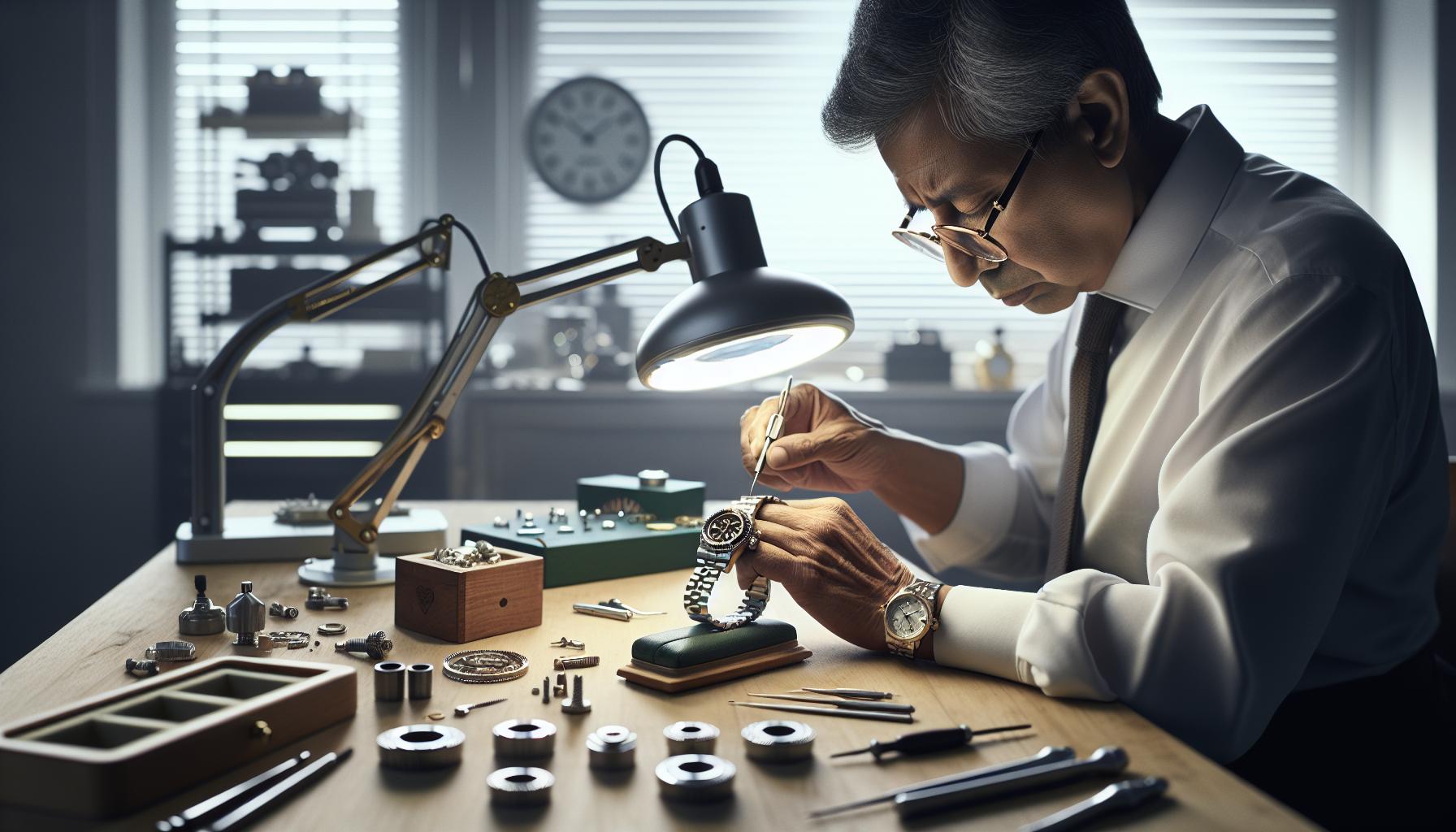
When to Seek Professional Help for Rolex Band Adjustments
Few things are as satisfying as achieving the perfect fit on your Rolex Datejust bracelet – that subtle comfort, secure clasp, and seamless look that turns heads without you even trying. However, Rolex bracelets are engineered with intricate precision; sometimes, DIY adjustments can become tricky or risk damaging components like the delicate screws, spring bars, or clasps. Knowing when to pause and hand over the task to a professional watchmaker or authorized service center can save you frustration, money, and preserve the integrity of your prized timepiece.
Signs You should Consult a Professional
- Persistent Stiffness or Resistance: If, after your careful attempts at link removal or clasp micro adjustment, you notice stubborn stiffness or uneven tension in the bracelet, this could signal misaligned pins or the need for specialized lubrication beyond what’s safely doable at home.
- Damaged or Stripped Screws: Rolex uses high-quality but tiny screw heads on many of its Oyster and Jubilee bracelet links. If you’ve slipped with your screwdriver and stripped threads or deformed screw slots, a professional is equipped with precision tools to repair or replace these without risking further harm.
- Spring Bar Issues: A bent or weakened spring bar compromises the security of your watch on your wrist.If a spring bar won’t seat properly or slips out during your adjustment, having it inspected and replaced by an expert ensures that you don’t lose your watch to an accidental drop or clipping.
- Complex Bracelet Types or Precious Metal Models: Certain Datejust variants with precious metals like Rolesor (steel and gold) or full gold,as well as models with intricate link finishing or patented clasp mechanisms (e.g., the Oysterclasp with Easylink), can require finesse tools and professional technique to avoid damaging delicate finishes or upsetting the bracelet’s structural integrity.
Why Professionals Make a Difference
Watchmakers bring years of training, calibrated tools, and access to genuine Rolex parts that ensure every adjustment maintains factory standards. They understand the subtle differences between oyster, Jubilee, and President bracelets, and how each link or clasp type handles tension and movement. more than just fitting your wrist snugly, a professional adjustment preserves:
- Optimal articulation: So your bracelet flows smoothly around your wrist without pinching or unwanted play.
- Structural integrity: Avoiding microscopic damage to pins or metal fatigue that frequently enough goes unnoticed but worsens over time.
- Finish and appearance: Minimizing hairline scratches or blemishes that DIY attempts can sometimes cause despite best intentions.
Moreover, skilled watchmakers can take a comprehensive look at your band’s condition during adjustment-spotting wear on links or clasp springs before these cause bigger issues, and applying proper maintenance lubricants in key spots inaccessible to home watch enthusiasts.
Balancing DIY Joy With Wise Delegation
If you’re an enthusiast who loves the hands-on experience and has the right tools, adjusting standard Oyster or Jubilee Datejust bands at home can be rewarding and perfectly safe - provided you proceed deliberately and carefully. But no matter your skill level, recognizing your limits is part of respecting the craftsmanship embedded in every Rolex.
Think of professional servicing not as a concession but as an extension of your passion. By involving experts when needed, you protect the watch’s value and ensure it remains a reliable, elegant companion for decades to come-whether your Datejust is your daily wearer or a treasured heirloom.
| Scenario | Recommended Action |
|---|---|
| Minor link removal or clasp micro-adjustment with proper tools | Safe to attempt at home with steady hands |
| Stripped screws or damaged pins during adjustment | Bring to authorized Rolex service or trusted watchmaker |
| Spring bar deformation or clasp malfunction | seek professional repair and replacement parts |
| Adjusting precious metal or vintage Datejust models | Always consult a professional to avoid damage |
In the world of horology, love for a watch means knowing when to roll up your sleeves and when to rely on the expertise of someone trained in the art’s fine details. For your Rolex Datejust, that balance is key to combining DIY satisfaction with preserving a mechanical masterpiece’s legacy and luxury.
Faq
Q: How can I tell if my Rolex Datejust band needs adjustment for optimal comfort?
A: Your Rolex Datejust band needs adjustment if it feels too tight or too loose on your wrist, causing discomfort or excessive movement. A perfectly fitted band should sit snugly without pinching or sliding.Regularly check for comfort changes due to temperature or wrist swelling and adjust accordingly for ideal wearability. Explore our *Tips for Sizing Oyster vs Jubilee bracelet Variants Accurately* for precise fitting techniques.
Q: What are the best practices for adjusting a Rolex Datejust bracelet to avoid damage?
A: Always use proper tools and work on a soft surface to avoid scratches when adjusting your rolex Datejust band. Remove or add links gently, avoid forcing pins, and follow a methodical process to secure pins or screws properly.Refer to the *Essential Tools Needed to Adjust Your Rolex Datejust Band Safely* section for safe handling instructions and protect your investment.
Q: How does wrist size variation affect the adjustment needs of a Rolex Datejust band?
A: Wrist size naturally fluctuates due to temperature, activity, and time of day, impacting band fit.It’s important to adjust the Rolex Datejust band with some allowance for expansion or contraction, ensuring comfort without sacrificing security. Using the micro-adjustment feature on the clasp can accommodate daily wrist changes smoothly.
Q: Can I adjust a Rolex datejust band myself, or should I always seek professional help?
A: You *can* adjust a Rolex Datejust band yourself if you have the correct tools and understand the steps, especially for link removal or clasp micro-adjustments.However,seek professional help when uncertain to avoid damaging the bracelet or compromising your Rolex’s water resistance. See the *When to Seek professional Help for Rolex Band Adjustments* section for guidance.
Q: How do the Oyster and Jubilee bracelet designs influence the process of adjusting a Rolex Datejust band?
A: Oyster and jubilee bracelets differ in link structure and clasp design, which affects adjustment steps. Oyster bands have larger links and straightforward pin removal, while Jubilee bands feature smaller, more delicate links requiring careful pin handling. Our *Tips for Sizing Oyster vs Jubilee Bracelet Variants Accurately* provides detailed distinctions for perfect custom fitting.
Q: What should I do if the Rolex Datejust band clasp feels loose after adjustment?
A: If your clasp is loose after adjustment, check that the clasp springs and locking mechanisms are correctly engaged and free of debris. Tighten any micro-adjustments and verify pins or screws are fully secured. Persistent looseness may require a watchmaker’s inspection to avoid accidental opening or wear.
Q: How often should I reassess and adjust my Rolex Datejust band for the best fit?
A: Reassess your rolex Datejust band fit every few months or after seasonal changes, as wrist size can vary over time. Regular adjustment maintains comfort and prevents overstretching links. For guidance on ongoing care, see the *Maintenance and Care After Adjusting Your Rolex Band* section.
Q: Are there specific signs that indicate my Rolex Datejust band adjustment has gone wrong?
A: Signs of improper band adjustment include pinching skin, excessive bracelet slack, misaligned links, or difficulty closing the clasp. Address these promptly to avoid damage or discomfort. Review *Preventing Common Mistakes When Adjusting your Rolex Datejust Band* to avoid these issues and ensure a professional finish.
—
For detailed step-by-step instructions, visit the relevant sections in the main guide. Properly adjusted, your Rolex datejust will combine elegance, comfort, and secure wearability-perfect for both collectors and everyday enthusiasts.
The Way Forward
Now that you’ve mastered how to adjust your Rolex Datejust band for the perfect custom fit, you can fully enjoy the blend of refined craftsmanship and reliable Oystersteel durability that defines this iconic automatic watch. Whether you’re fine-tuning the bracelet links or calibrating the clasp, a well-fitted band enhances wearability while preserving the value and timeless appeal of your Rolex Datejust-an investment in both style and precision.
Ready for your next step? Explore our detailed guides on Rolex maintenance and the differences between various datejust models to deepen your horological expertise. If you’re considering an upgrade or need professional advice on in-house caliber servicing,our consultation page offers expert support tailored to collectors and newcomers alike. Don’t forget to subscribe to our newsletter for the latest insights on luxury watch engineering, resale trends, and exclusive reviews that celebrate craftsmanship across all price points.
Feel free to share your adjustment experience or ask questions below-your input helps our passionate community grow. With your perfectly adjusted Rolex datejust ready to wear,embrace the heritage of fine watchmaking every time you check the time.


