
How to Clean Rolex Datejust Bracelet: Restore the Sparkle
A Rolex Datejust is more than just a watch-its a blend of timeless design and precise automatic movement, often serving as a collector’s prized possession. Yet, even the finest Oystersteel or Rolesor bracelet can lose its sparkle over time, dulled by daily wear, dust, and grime. Knowing how to clean your Datejust bracelet properly not only restores its signature shine but also protects your investment and preserves its value. Whether you’re a seasoned collector or a passionate newcomer, this guide will walk you through straightforward, safe techniques to bring back that showroom gleam-without risking scratches or damage. let’s dive into practical steps that keep your Rolex as stunning as the craftsmanship inside.
Contents
- Understanding the Rolex Datejust Bracelet Design and materials
- Essential Tools and Cleaning Supplies for Datejust Bracelets
- Step-by-Step Guide to Safe Cleaning and Polishing
- How to Remove Dirt and Grime from Oyster and jubilee Bracelets
- Deep Cleaning Techniques for Stubborn Stains and Tarnish
- Avoiding Common Mistakes That Damage Rolex Bracelets
- Maintaining Your Datejust Bracelet’s Shine Between Cleanings
- Professional Servicing vs. DIY Cleaning: When to Seek Experts
- Protecting Your Rolex Bracelet During daily Wear
- Restoring Vintage Datejust Bracelets: Tips for Collectors
- Using ultrasonic cleaners: Benefits and Precautions
- Best Products to Keep Your Rolex Bracelet Sparkling Longer
- Frequently asked questions
- Q: How often should I clean my Rolex Datejust bracelet to keep it sparkling?
- Q: Can I use household cleaners to clean my Rolex Datejust bracelet safely?
- Q: What is the best method to clean the clasp and links of a Rolex Datejust bracelet?
- Q: how can I avoid water damage when cleaning a Rolex Datejust bracelet?
- Q: Are ultrasonic cleaners safe to use for all Rolex Datejust bracelets?
- Q: What are the signs that my rolex Datejust bracelet needs professional cleaning?
- Q: How do environmental factors affect the cleanliness and shine of my Rolex Datejust bracelet?
- Q: Can polishing my Rolex Datejust bracelet too frequently enough cause damage?
- Closing Remarks
Understanding the Rolex Datejust Bracelet Design and materials
Rolex bracelets are much more than a mere strap to hold the watch on your wrist-they are an integral part of the Datejust’s identity and craftsmanship. the design and materials chosen for these bracelets expertly balance durability, comfort, and timeless elegance, reflecting Rolex’s beliefs of blending technical innovation with classic aesthetics. Whether it’s the robust Oyster or the refined jubilee, each bracelet type showcases distinct features that influence not just style but the best way to care for and clean them.
At the heart of the datejust bracelet’s appeal is Rolex’s meticulous choice of materials. Most modern Datejust bracelets use 904L Oystersteel,a superalloy prized for its extraordinary corrosion resistance and ability to maintain a high polish longer than standard stainless steel. This metal is tougher to work with but results in bracelets that resist tarnishing-even when exposed to sweat, seawater, or everyday contaminants. Vintage Datejust models might feature 18kt gold or Rolesor (Rolex’s patented blend of steel and gold), which introduces unique challenges and cleaning considerations because gold requires gentler handling to avoid surface damage or dulling.
The bracelet styles themselves each bring unique design elements:
- Oyster bracelets: featuring flat, broad three-piece links, Oyster bracelets emphasize strength and sportiness. Their relatively large and sturdy links make them easier to clean with basic tools but capturing debris between links requires a bit more attention.
- Jubilee Bracelets: Designed specifically for the Datejust in 1945,Jubilee bracelets have five-piece links that are more intricate and flexible. Their smaller, closely set links enhance flexibility and luxury feel but can trap more dirt, demanding more thorough cleaning techniques.
Understanding these structural differences is vital because they directly affect which cleaning approaches work best.For example, ultrasonic cleaning can be fantastic for loosening grime from Jubilee bracelets but may be harsher if not used carefully on older, delicate gold elements.It’s also worth noting the evolution in clasp mechanisms over decades. Early Datejust models often had simpler folding clasps, while modern versions may feature the Rolex Oysterclasp or Crownclasp, designed for security and micro-adjustability. These moving parts can accumulate sweat and oils, so a thorough cleaning routine must include careful attention here to preserve function without risking damage.
In the collector’s world, appreciating the construction and material nuances of Datejust bracelets leads to better maintenance choices. For example, a vintage stainless steel Oyster bracelet from the 1950s demands less aggressive cleaning than a two-tone Rolesor bracelet that includes softer gold links. Likewise, scratches on polished surfaces versus brushed finishes require different polishing techniques to restore brilliance without eroding edges.
When you handle your datejust bracelet understanding its design and materials, you’re better equipped to restore and maintain that characteristic Rolex sparkle. This knowledge is empowering for enthusiasts who want to keep their watches looking museum-quality, while also avoiding common cleaning pitfalls that can compromise value or durability.After all, a well-maintained bracelet enhances not only wearability but the watch’s story-making each shine a reflection of years of craftsmanship and care.
Essential Tools and Cleaning Supplies for Datejust Bracelets
Rolex bracelets, especially the datejust’s Oyster and Jubilee styles, deserve care with the right tools to preserve their shine and intricate craftsmanship. Using improper supplies can dull the finish or even damage delicate materials like 18kt gold or Rolesor’s steel-gold blends. fortunately, with a modest toolkit, anyone can maintain the elegant sparkle that Rolex is known for.
At the core, a soft-bristled brush-often a new, clean toothbrush with gentle nylon bristles-is essential. It reaches into crevices between links and around the clasp mechanism to dislodge dust and buildup without scratching polished or brushed surfaces. Avoid stiff brushes or abrasive pads; remember you’re handling 904L Oystersteel and precious metals,both resilient but not invulnerable.
Alongside the brush,microfiber cloths are invaluable. Their ultra-fine fibers wipe away oils, fingerprints, and residue without leaving lint or scratching. Many watch enthusiasts swear by having at least two: one for drying after cleaning, another for light daily polishing to maintain luster between washes.
Gentle, pH-neutral cleaning solutions are your best bet. Plain warm water mixed with a drop of mild liquid soap (like dish detergent free from bleach or harsh chemicals) softens grime while respecting Rolex’s superior metal finishes. Avoid aggressive chemicals or household cleaners, which risk corroding gaskets and degrading metal. For particularly stubborn dirt or grime, a specially formulated watch cleaning solution or a jewelry cleaner designed for stainless steel and gold is a better alternative.
Must-Have Items for Caring for Your Datejust Bracelet
- Soft Nylon Brush: Ideal for cleaning links and clasp details gently.
- Microfiber Cloths: For polishing and drying,preventing micro-scratches.
- Mild Soap Solution: A simple mix to dissolve sweat, oils, and everyday dirt.
- Toothpicks or Wooden sticks: For careful debris removal in tight joints-avoid metal picks.
- Small Bowl or Container: To soak the bracelet safely without risking loss or damage.
- Soft Towels or Pads: To create a cushioned surface when cleaning or polishing.
For collectors venturing into more advanced cleaning, an ultrasonic cleaner can be a tempting tool. Though, it’s crucial to use it with caution, especially on vintage or gold elements, as aggressive ultrasonic waves risk loosening delicate components or accelerating wear. If you choose this route, remove the movement or have it professionally serviced beforehand. Ultrasonic cleaning can dramatically lift dirt from Jubilee’s intricate five-piece links, but the gentleness of soap-and-brush remains king for most users.
One subtle tip: removing the bracelet from the watch head before cleaning allows better access and prevents moisture from threatening the watch’s internal mechanics. Spring bar tools and soft holders will protect the finish during this process without scratching the lugs.
Treating your Datejust bracelet like the micro-engineered artwork it is, armed with these thoughtful tools and supplies, will keep it gleaming for years. A small investment in proper cleaning gear pays off immensely in preserving that unmistakable Rolex aura-whether it’s a daily wearer or a treasured vintage find.
Step-by-Step Guide to Safe Cleaning and Polishing
Few pleasures rival the gleam of a freshly cleaned Rolex Datejust bracelet. Achieving that showroom shine at home is not just about aesthetics-it reflects respect for Rolex’s masterful engineering and timeless design. This guide walks you through safe, effective steps to elevate your bracelet’s sparkle without risking scratches or damage, even if you’re a newcomer to watch care.
start by carefully detaching the bracelet from your Datejust’s case using a spring bar tool. This simple step prevents moisture from seeping into the watch head, safeguarding its intricate automatic movement and delicate seals. Once removed, fill a small bowl with warm water and add a drop of mild, pH-neutral liquid soap-dish detergent without bleach or harsh chemicals works perfectly.submerge the bracelet gently, letting loosened oils and grime soften for 5-10 minutes. Remember, patience pays off more than aggressive scrubbing here.
Next, take a soft, nylon-bristled brush-an unused toothbrush with gentle bristles is ideal-and methodically clean each link and the clasp’s crevices. The Oyster and Jubilee bracelets differ in their link designs: the Jubilee’s five-piece links can harbor more dirt, so spend extra time in gaps where dirt and sweat accumulate. Employ light, circular motions rather than harsh back-and-forth scrubs.Use wooden toothpicks sparingly and cautiously to dislodge stubborn debris, especially from articulation points, but avoid metal tools that might scratch steel or gold surfaces.After brushing, rinse the bracelet thoroughly in clean, lukewarm water to remove soap residue.
Drying is just as crucial. lay the bracelet on a soft towel and gently pat it dry to avoid water spots or corrosion on Rolesor steel-gold blends. Follow with a high-quality microfiber cloth-its ultra-fine fibers polish away remaining moisture, fingerprints, and light smudges without leaving lint or micro-scratches. If your Datejust bracelet shows minor surface wear, a dedicated watch or jewelry polishing cloth can restore some lustre-but polish sparingly to preserve Rolex’s original finish. Over-polishing risks softening crisp edges and eroding brushed or polished contrasts that make each Rolex bracelet unique.
Swift Steps at a Glance
- Use a spring bar tool to remove the bracelet before cleaning.
- Soak bracelet 5-10 minutes in warm, soapy water with mild detergent.
- Gently brush links and clasp with a soft nylon brush, focusing on crevices.
- Employ wooden toothpicks carefully for hard-to-reach grime, no metal tools.
- Rinse thoroughly with clean water to remove all soap traces.
- pat dry with a soft towel and polish with microfiber cloth until gleaming.
- Optional: Light polish with a dedicated cloth for minor wear, but be conservative.
Through consistent care using these steps, your Datejust bracelet can maintain its iconic brilliance, complementing the sophisticated caliber ticking within. As with all fine watches, respect the materials-904L Oystersteel, 18k gold, and Rolesor (steel-gold mix)-by treating them gently. This step-by-step approach balances deep cleaning with the delicate craftsmanship embodied by Rolex, empowering collectors and casual wearers alike to celebrate their watch’s mechanical artistry every day.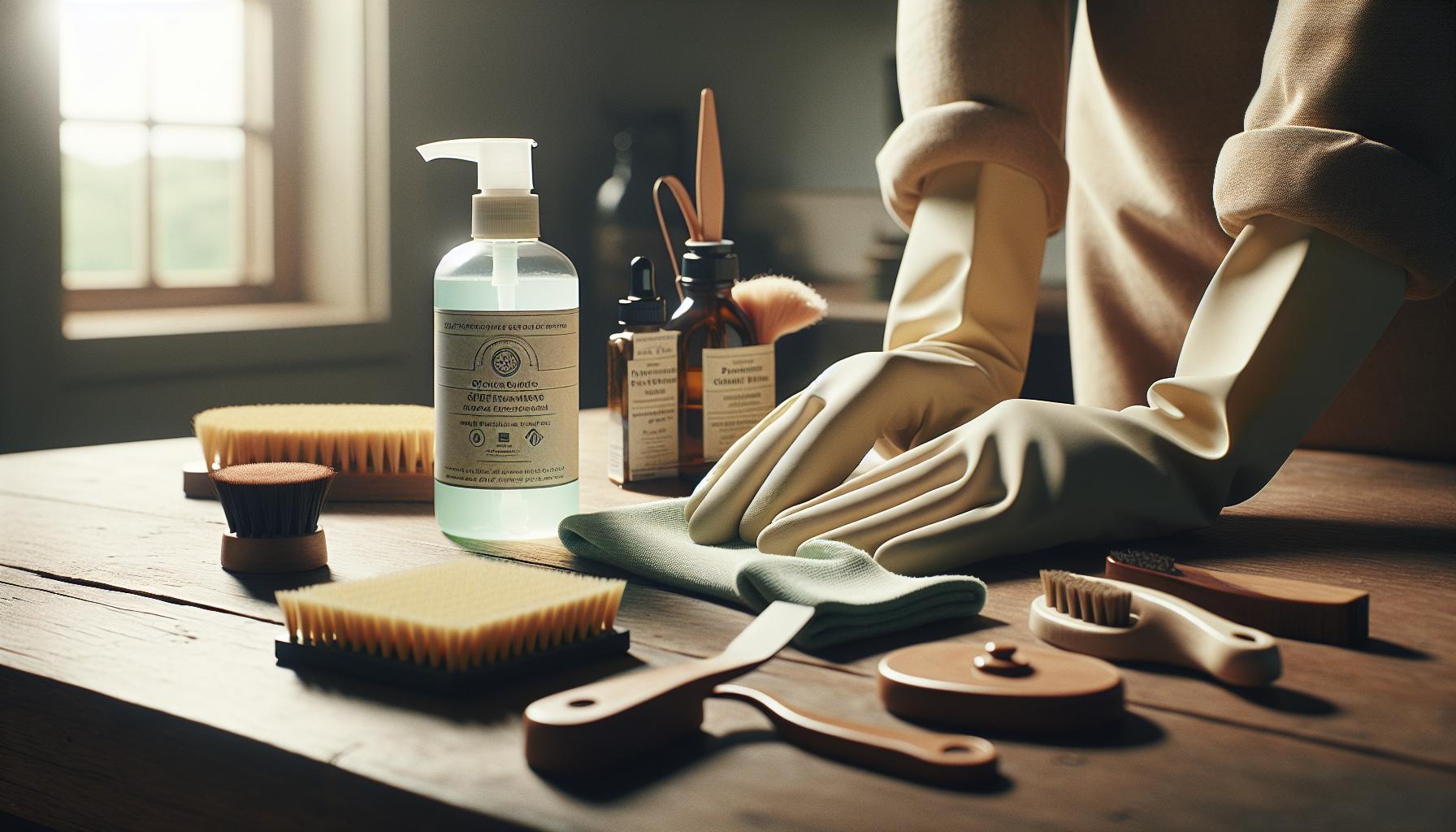
How to Remove Dirt and Grime from Oyster and jubilee Bracelets
A Rolex Datejust bracelet is a marvel of both design and engineering, but its intricate construction-especially in the Oyster and Jubilee styles-creates small pockets where dirt, oil, and grime naturally accumulate over time. Removing these deposits requires more than just a quick wipe. The secret to restoring your bracelet’s showroom shine lies in a detailed yet gentle cleaning process that respects Rolex’s use of premium materials such as 904L Oystersteel and Rolesor (the signature steel-and-gold combination).The Oyster bracelet, with its broad, flat three-piece links, is robust and straightforward, making dirt buildup mostly occur in the link gaps and clasp. By contrast, the Jubilee bracelet’s five-piece link design offers more articulation points and smaller crevices, especially between its polished center links and brushed outer links, thus demanding extra attention to detail. When tackling these, patience is key. Start by soaking the bracelet in warm, soapy water with a mild pH-neutral detergent to soften oils and loosen stubborn dust. Avoid bleach or harsh chemicals that could dull gold or steel finishes.
Using a soft, nylon-bristled brush-your everyday unused toothbrush is perfect here-methodically clean each section with gentle, circular motions. Focus on the clasp’s hidden parts and the articulation between links where sweat and debris concentrate. For the Jubilee bracelet, spend extra time navigating the tighter gaps and polishing the two-tone Rolesor links with care. Wooden toothpicks come in handy for gently prying out dirt without scratching; avoid any metal implements, which risk marring the bracelet’s surface. After brushing, rinse thoroughly with lukewarm water to remove any soap residue that could tarnish the metal over time.
Insider Tips for Truly Clean Rolex Bracelets
- Temperature matters: Lukewarm water optimizes soap performance and doesn’t risk thermal shock to metal components.
- Brush angle and pressure: Use light pressure and circular strokes to prevent scratching and maintain brushed or polished finishes.
- Don’t forget the clasp: This often-overlooked area harbors dirt and sweat-cleaning here preserves not just appearance but also clasp function and integrity.
- Dry with care: Pat dry with a soft towel before polishing with a microfiber cloth to prevent water spots and corrosion,especially for Rolesor blends.
Thinking like a collector, these cleaning rituals do more than enhance looks-they prolong the bracelet’s life and maintain its original rolex luster, crucial for watches with collectible value or sentimental heritage. And remember, even a modest $150 Tissot or a $50,000 Hublot requires thoughtful care. Luxury or not, honoring the craftsmanship shines through clean, respected metal surfaces.
Keeping your Datejust bracelet free from daily grime doesn’t demand elaborate tools-just a little patience, the right brush, and gentle technique. Approach cleaning not as a chore but a moment to connect emotionally with the watch, understanding its design language and mechanical heart. This enthusiasm translates into care that preserves your Rolex’s iconic style and function for decades to come.
Deep Cleaning Techniques for Stubborn Stains and Tarnish
Even the most carefully worn Rolex Datejust bracelet can develop stubborn stains or tarnish that resist routine cleaning. These marks frequently enough take root in the smaller crevices of the Oyster or jubilee designs-places where sweat, environmental pollutants, and natural skin oils conspire to dull that iconic Rolex luster. Tackling these tough blemishes calls for a blend of patience, the right tools, and gentle but effective techniques that respect the bracelet’s high-quality materials, whether it’s the corrosion-resistant 904L Oystersteel or the warmer tones of Rolesor.
Start by soaking the bracelet in a mix of warm water and a mild, pH-neutral detergent for 20 to 30 minutes. This softens built-up oils and lifts dirt from hard-to-reach areas.For particularly stubborn tarnish-common on yellow or rose gold links-consider adding a tiny dash of baking soda to the solution. Baking soda acts as a natural mild abrasive, brightening metal surfaces without scratching, but always rinse thoroughly afterward to prevent residue buildup.
A soft, nylon-bristled brush remains your best ally here. Use it to gently coax stains free with light, circular motions rather than aggressive scrubbing.For those nearly invisible pockets between links and the clasp’s inner folds, tools like wooden toothpicks or silicone-tipped swabs allow delicate dirt removal without risk to the polished surfaces. Resist the temptation to turn to metal picks or harsh chemical cleaners; they can irreparably damage the fine finish or, worse, alter the bracelet’s coloration.
Targeting Tarnish and Oxidation on Rolesor or Solid Gold Links
While 904L steel resists corrosion remarkably well, gold-integral to rolesor combinations or solid gold Datejust bracelets-needs extra love. Tarnish often manifests as a slight dullness or discoloration, particularly on the edges and clasp. For these, a specialized jewelry cleaner formulated for gold (non-acidic, gentle formulas) offers a safe option. You can apply with a microfiber cloth, followed by brushing with a soft brush to reach grooves. After cleaning, always dry thoroughly to avoid moisture traps that accelerate oxidation.
When Is It Time for Deep Restoration?
If stains persist after careful home treatment or if you notice scratches, fading, or pitting, it’s wise to consult a professional watchmaker or Rolex service center. They can perform ultrasonic cleaning combined with a careful polish to restore your bracelet’s factory brilliance without compromising metal integrity. While ultrasonic machines are excellent at shaking loose embedded grime, they’re not recommended for home use on bracelets with sensitive materials or vintage pieces without expert handling.
Practical Tips for a Sparkling Finish
- Patience is key: Let solutions soak long enough but avoid prolonged exposure that could affect gaskets or non-metal components.
- Brush gently: Firm but delicate circular brushing preserves rolex’s mix of brushed and polished finishes.
- Rinse thoroughly: Soap or baking soda residue can cause spotting or corrosion if left behind.
- Dry completely: Use a soft, lint-free towel then finish with a microfiber cloth to enhance shine and prevent water spots.
Even brands celebrated for ruggedness-think the Submariner’s tough Oystersteel or the adventurous spirit of a G-Shock-need thoughtful cleaning. Likewise,your Datejust deserves the same attention to detail. Embracing deep cleaning not only revives the look of your bracelet but also honors the artistry ingrained in each link, helping it age gracefully while preserving its collectible charm.
Avoiding Common Mistakes That Damage Rolex Bracelets
A Rolex Datejust bracelet may look sturdy and straightforward, but it’s crafted with precise finishes and delicate surfaces that deserve your respect during cleaning. A common pitfall is rushing the process with abrasive tools or harsh chemicals that strip the signature polish or scratch the subtle brushed textures. For instance, using metal picks or stiff brushes might seem like a shortcut to blast away grime but will inevitably leave micro-scratches that dull the bracelet’s luster over time. Similarly, household cleaners with acids or ammonia aren’t just overkill-they can react with the Rolesor gold layers or degrade seals in the clasp area, compromising both appearance and functionality.Another frequent misstep is neglecting to detach the bracelet before cleaning the watch head. While it’s tempting to work on the whole watch, exposing delicate parts such as the crown and bezel to soaking or aggressive scrubbing can impair the waterproof integrity or damage the dial finish. Ideally, remove the bracelet using proper spring bar tools; this not only protects the movement but gives you full access to the hardest-to-clean crevices on the bracelet itself.It’s also worth highlighting how skipping thorough rinsing or drying creates a silent but persistent threat. Detergent residue or baking soda left behind after cleaning may cause spotting, accelerate corrosion, or trap moisture between links-especially damaging to Rolesor or solid gold components. After every soak and brush session, rinse meticulously with clean, lukewarm water. Follow this with gentle pat-drying using a lint-free towel and finishing touches with a microfiber cloth to restore that mirror-shine without watermarks.
Why Patience Beats Aggression
the hallmark of Rolex quality is the interplay between highly polished center links and brushed outer surfaces, using a variety of finishing techniques across Oyster and Jubilee designs. Aggressive scrubbing flattens these subtle textures, erasing depth that collectors and enthusiasts prize. Gentle circular motions with a soft nylon brush and repeated soaking cycles work better than brute force, revealing how delicacy unlocks the bracelet’s true brilliance.
Beware the Ultrasonic Cleaner Trap
Ultrasonic machines are frequently enough hailed as the magic bullet for watch cleaning, but not all bracelets, especially vintage or mixed-metal Datejusts, tolerate them well. Ultrasonics can loosen pins and promote metal fatigue or exacerbate existing scratches if used improperly. This technology is best left to professionals with the right expertise and equipment calibrated for Rolex’s unique alloys.
- Never use harsh chemicals: Avoid bleach, ammonia, or acidic cleaners that damage finishes and oxidize gold links.
- Choose tools wisely: Soft-bristle nylon brushes and wooden toothpicks prevent accidental scratching.
- Detach prior to cleaning: Protect the watch head by removing the bracelet before soaking or rigorous brushing.
- Rinse and dry carefully: Complete removal of cleaning agents safeguards against spotting and corrosion.
- Take your time: Multiple short soaks with gentle brushing protect finishes better than an all-in-one aggressive session.
caring for your Rolex bracelet isn’t just about shining metal-it’s about respecting the engineering artistry behind each link and the layered finishes that define its identity. With modest patience and the right techniques, you’ll maintain and even enhance the timeless allure that makes the Datejust a beloved classic to wear and collect.
Maintaining Your Datejust Bracelet’s Shine Between Cleanings
A Rolex Datejust bracelet’s radiant shine is something that subtly enhances the entire wearing experience-yet it doesn’t require hours of daily fuss. Between rigorous cleanings, simple mindful habits can preserve the glow and keep the bracelet looking freshly polished without risking damage or unnecessary wear. Think of it as gentle maintenance, much like caring for a finely tuned mechanical movement: small, consistent steps yield the best long-term results.
Daily exposure to skin oils,sweat,and environmental dust quietly dulls the bracelet’s lustrous interplay of polished and brushed finishes. A quick, habitual wipe-down with a soft microfiber cloth after wearing removes these residues before they settle into crevices. Keeping a dedicated, clean cloth handy-one used exclusively for your watch-ensures that you don’t transfer grit or abrasive particles that could cause micro-scratches. This simple routine can preserve the brilliance of the stainless steel or Rolesor gold elements between deeper cleans.
Spot cleaning on the Go
If you catch a smudge or fingerprint during the day, a lightly dampened microfiber cloth can work wonders without risk.Avoid commercial wipes or sprays containing alcohol or solvents, as these can degrade the bracelet’s finish and seals over time. Instead, use just clean water to lift light dirt. For Jubilee bracelets with their multiple small links, carefully running a soft brush dipped in warm water around the links can prevent buildup without disassembly.
- Avoid over-cleaning: Excessive wiping or polishing can wear down finishes prematurely, especially on the delicate polished center links.
- Handle with dry hands: Natural oils from skin help maintain a light protective layer on metal surfaces, but heavy grime should be cleaned promptly.
- Store smart: When not worn, keep your Datejust in a soft pouch or watch box to prevent dust accumulation and accidental scratches.
when to Give It a Little More Love
If you start to notice a dullness that wiping can’t fix, it’s a sign the bracelet needs a more thorough cleaning rather than just surface attention. This rescue effort could be scheduled every few months, depending on wear frequency and lifestyle. For collectors or enthusiasts wearing their Datejust daily, setting a calendar reminder for regular cleaning sessions maintains the pristine appearance and functional integrity of the clasp and links.
By nurturing this gentle care habit, you avoid harsh scrubbing or aggressive chemicals later, which can feel like a mechanical overhaul for your bracelet-even though it’s just a bit of gentle love. Remember: patience and subtlety preserve not just shine but the unique Rolex identity-a bracelet that’s a joy to wear, admire, and collect for years to come.
Professional Servicing vs. DIY Cleaning: When to Seek Experts
A Rolex Datejust bracelet is more than just metal links; it’s a finely crafted component melding comfort, design, and precision finishing. While regular home cleaning can maintain its brilliance, there comes a moment when deeper issues require professional care. Knowing when to step back and let an expert handle the job ensures your bracelet’s longevity and preserves its prestigious allure without risking inadvertent damage.DIY cleaning is perfect for routine upkeep-light dirt, smudges, and general surface grime respond well to simple tools like microfiber cloths, warm water, and gentle brushes. However, if you notice persistent tarnish, stuck debris in the complex Jubilee links, or clasp malfunction, it’s a clear sign to book a professional service. Rolex bracelets frequently enough contain fluid and precise components like solid end links, hidden screws, and spring bars that, if mishandled, can compromise your watch’s water resistance or cause parts to loosen unexpectedly.
Professional servicing includes ultrasonic cleaning, meticulous lubrication, and expert polishing that restores the bracelet to near-original condition without thinning out metal or eroding finishes. Importantly, authorized technicians assess each component’s wear and replace any fatigued parts, a layer of care beyond typical home methods. This is especially crucial for older or vintage Datejust models where preserving original materials-like polished Rolesor gold elements or lightly brushed Oyster steel segments-maintains both aesthetic and collector value.
- when DIY falls short: Stubborn dirt lodged deep in link joints or clasp mechanisms, discoloration not fixed by soap and water, or noticeable loosening require pro intervention.
- Risks of home over-polishing: Using abrasive materials or aggressive compounds can thin the metal or alter factory finishes, a mistake often irreversible without expert restoration.
- Maintenance schedule: Most enthusiasts benefit from professional bracelet cleaning every 2-3 years, aligned with full watch servicing to maintain overall integrity.
- Certified service benefits: Authorized Rolex service centers use genuine replacement components and adhere to factory standards, preserving warranty and resale value.
You don’t need to be a watchmaker to understand that a bracelet is part of a complex system. Even the most passionate collectors who love tinkering with tools like a Casio G-Shock or vintage Tissot know when dialing in mechanical precision demands expert hands.Ultimately, balancing between mindful daily cleaning and timely professional care makes your Datejust bracelet not just shine brighter but last longer-an investment in watch enjoyment and legacy.
Protecting Your Rolex Bracelet During daily Wear
A Rolex Datejust bracelet is engineered to endure everyday wear, but even the toughest materials benefit from a bit of thoughtful care to maintain their sparkle and structural integrity. Unlike simpler straps,Datejust bracelets-whether Oyster or Jubilee-feature intricate link constructions and precious metal elements that invite both admiration and vulnerability. Protecting them during daily use means balancing enjoyment with smart habits that prevent unnecessary scratches, grime buildup, or wear on delicate components.
The reality is, no matter how robust stainless steel or Rolesor hues seem, everyday activities expose your bracelet to sweat, dust, oils, and minor bumps. Even incidental contact with hard surfaces or abrasive fabrics can dull polished areas or create micro-scratches. Simple preventive measures like removing your Datejust during heavy manual labor or contact sports go a long way. Similarly, being mindful of how you place your wrist-avoiding resting against rough edges or metal door frames-helps preserve the bracelet’s finish. Remember, a bracelet might look indestructible but it’s a precision-crafted assembly of links, pins, and clasps that rely on gentle handling.
Smart Daily Habits for Durability and Shine
- Wipe it down regularly: A quick daily swipe with a soft microfiber cloth removes sweat and oils before they cause corrosion or grime buildup.
- Minimize exposure to chemicals: perfumes, lotions, and cleaning products often contain compounds that can dull metal or seep into link joints-apply these before putting on your watch.
- Secure the clasp properly: an improperly closed clasp can lead to accidental drops or increased wear in the bracelet’s spring bars and hinges.
- Rotate your watches: If you own multiple pieces, giving your Datejust occasional breaks from daily wear reduces wear on any single bracelet and gives metal time to ’rest.’
- Store smartly: When off-wrist, keep your watch in a soft pouch or dedicated watch box separate from other jewelry to prevent scratches.
Understanding Material Sensitivities
Datejust bracelets often feature a combination of brushed Oystersteel and polished gold in a Rolesor finish. While Oystersteel (Rolex’s branded 904L stainless steel) combines corrosion resistance with everyday toughness, the gold elements are softer and more prone to surface wear. This duality means the bracelet isn’t just metal-it’s a finely balanced show of contrast that deserves respect.
If you spend time in chlorinated pools or seawater, rinsing your watch promptly afterward with fresh water is essential. Prolonged exposure to chlorine or salt can accelerate deterioration of metal links and degrade seals in the clasp mechanism. Also, keep in mind high-impact shocks (dropping heavy objects on the bracelet or sudden hard knocks) can loosen pins or warp links, diminishing comfort and security over time.
when Small Fixes Matter
Sometimes daily wear reveals minor imperfections-a loose link, a clasp that doesn’t snap tight, or a stubborn buildup at hinge points. Addressing these early keeps bigger problems at bay. Many collectors learn to tighten or lubricate their bracelets gently, but caution is crucial. Incorrect handling risks damaging concealed screws or spring bars that maintain water resistance and structural strength.
Ultimately, embracing gentle respect for your datejust bracelet translates into long-term enjoyment. This is a watch designed to marry engineering brilliance with everyday elegance. Protecting it with proactive awareness rather than reactive fixes means your bracelet keeps shining like the masterpiece it is-ready for whatever adventure or formal occasion you bring it to, whether that’s climbing mountains or celebrating milestones.
| Action | Benefit | Tip |
|---|---|---|
| Daily microfiber wiping | Removes oils,sweat,and dust | Use a dedicated,clean cloth to avoid transferring dirt |
| Proper clasp closure | Prevents accidental drops and wear | Hear and feel a click when secured |
| Rinsing after exposure to pools/sea | Prevents corrosion and deposit buildup | Use lukewarm fresh water,dry gently with cloth |
| Avoid chemicals on wrist | Maintains metal finish and seals | Apply lotions/perfumes before putting on watch |
| Smart storage when not worn | Prevents scratches and dents | Soft pouch or individual compartment recommended |

Restoring Vintage Datejust Bracelets: Tips for Collectors
Vintage Rolex Datejust bracelets carry stories etched not just in their metal but in their very construction. Over decades, they gather wear that modern polishing alone can’t fully erase. Restoring these iconic bracelets is both a science and an art-one that respects the patina of age while bringing back the original sparkle and comfort. For collectors, understanding this balance is key to preserving value and personal satisfaction.
Much like a beloved classic car, vintage Datejust bracelets respond best to careful, incremental restoration rather than heavy-handed overhaul. The softer gold elements in Rolesor models or the hollow center links in earlier Oyster or Jubilee bracelets require particular gentleness. Over-polishing can swiftly alter the bracelet’s shape, compromise stamped hallmarks, or thin metal edges. Ideally, light polishing with finely-napped cloths or micro-abrasive pads should be supplemented by targeted spot cleaning where grime collects in crevices.
Preparing Your Bracelet for restoration
Before any cleaning or polishing,disassemble the bracelet if you have the skill and tools,or have a trusted watchmaker do it. Removing the bracelet from the case prevents moisture intrusion or damage to the watch head and allows access to all link surfaces. Use a soft-bristle brush, warm mildly soapy water, and a gentle ultrasonic cleaner cycle (if you choose) to loosen built-up dirt, sweat, and oils typical in older pieces. Be cautious with ultrasonic cleaning for vintage pieces as excessive vibrations might loosen pins or degrade soldered links.
Polishing: Preserving Character and Depth
Polishing vintage rolex bracelets is best done sparingly and methodically. Start with non-abrasive polishing cloths designed for jewelry, and avoid aggressive compounds unless you’re correcting deep scratches. for brushed Oystersteel finishes, replicate the original grain direction rather than smoothing it out, preserving that authentic texture. For polished gold center links or flanks, gentle buffing restores the soft glow without erasing the unique sheen from years of wear.
Collectively, these actions maintain the bracelet’s elegance and prevent “repolishing burnout”-the slow disappearance of crisp edges and hallmarks that can drastically reduce collector value.
Lubrication and Link Tightening
older bracelets often develop “stretch” caused by pin wear and loosening link rivets, which can make them feel floppy or noisy. Skilled owners or watchmakers can tighten pins carefully with expanded sleeves or add fresh lubrication to hinge points. Using a lubricant compatible with Rolex calibers-such as Moebius 9010-helps maintain smooth movement and minimizes friction without residue buildup[[3]].
Signs You Should Consult Professionals
While minor cleaning and tightening can be rewarding DIY tasks, certain conditions require expert intervention:
- Damaged or missing links: Vintage parts can be hard to source; professional sourcing or authorized rolex restoration ensures original quality.
- Significant corrosion or pitting: Beyond surface tarnish, corrosion demands specialist treatment or parts replacement to avoid structural failure.
- Compromised clasps or spring bars: Worn clasps pose security risks; skilled servicing maintains water resistance and fit.
- Maintaining authenticity: Over-restoration risks erasing provenance marks; pros can balance restoration with historical integrity.
Engaging in thoughtful restoration allows vintage Datejust bracelets to bridge generations, embodying Rolex’s timeless design ethos. As a collector, you honor the watch’s mechanized soul and aesthetics by preserving its heritage, ensuring your piece gleams with character and reliability for many more years-without losing the tactile stories worn into every link.
Using ultrasonic cleaners: Benefits and Precautions
Few cleaning methods promise the deep,satisfying sparkle of an ultrasonic cleaner-especially when it comes to Rolex Datejust bracelets. This technology uses high-frequency sound waves to agitate a cleaning solution,producing microscopic bubbles that gently dislodge dirt and grime trapped in the finest crevices. For bracelets with intricate designs like the Oyster’s solid links or the Jubilee’s five-piece construction, this means a thorough clean that manual brushing frequently enough can’t match.
But before you reach for that ultrasonic bath, consider the specific makeup and condition of your Datejust bracelet. While stainless steel Oyster bracelets generally respond well to ultrasonic cleaning,vintage models or Rolesor versions (steel and gold) require a softer touch. The delicate gold center links and older hollow center links may be vulnerable to the vibrations, risking stretched pins or loosened solder joints. Excessive cleaning cycles can hasten wear or even cause permanent damage if the bracelet isn’t properly prepared.
Best Practices for Ultrasonic Cleaning Your Datejust Bracelet
- Disassemble Before Cleaning: Remove the bracelet entirely from the watch case to avoid moisture entering the movement and to allow full access to all surfaces.
- Use Mild Detergent: Choose a gentle, pH-neutral soap to accompany the water. Harsh chemicals degrade metals or diminish gold’s luster.
- Limit Cleaning Time: A single cycle of 3-5 minutes is typically sufficient. Overdoing it can loosen pins or degrade vintage materials.
- Inspect After Cleaning: Carefully check for pin looseness or any subtle distortion, especially on older bracelets with worn components.
- Dry Thoroughly: Use a soft microfiber cloth and,if possible,air-dry completely before reassembling or wearing to prevent moisture-related corrosion under links.
For collectors,ultrasonic cleaning blends science with preservation-like using a scalpel instead of a sledgehammer for restoration. As a practical example, a beautifully aged Datejust with slight “stretch” (loosened pins making the bracelet floppy) will benefit from ultrasonic cleaning paired with professional tightening. The ultrasonic process flushes out accumulated sweat oils and dirt, while a watchmaker’s trained hand can restore crisp link tension using lubricants compatible with Rolex (such as Moebius 9010), maintaining smooth articulation[[3]].
When to Skip Ultrasonic Cleaning
If your bracelet is vintage and shows signs of pin corrosion, solder joint fatigue, or fragile hollow links, avoid the ultrasonic bath altogether. In these cases, gentle manual cleaning-soft brushes, soapy water, and light polishing-is safer to preserve the bracelet’s structure and provenance. Additionally,leather or fabric straps must never enter the ultrasonic cleaner; this method is strictly for metal bracelets.
Ultimately, the ultrasonic cleaner is a powerful ally in restoring your Datejust’s shine-but like any horological tool, it demands respect and knowledge to wield properly. With mindful use, you unlock brilliance hidden deep inside the bracelet without diminishing its historical charm or mechanical integrity.
Best Products to Keep Your Rolex Bracelet Sparkling Longer
Few things rival the joy of seeing your Rolex Datejust bracelet gleaming like new-its signature luster a testament to both fine craftsmanship and attentive care. Maintaining that enduring sparkle is easier when you have the right products on hand, designed specifically to respect the bracelet’s materials while removing residues that dull its shine. Whether you’re sporting a robust Oyster stainless steel or a delicate rolesor with gold accents, selecting the optimal cleaning and polishing agents will make all the difference.
Essentials for Everyday Shine
- Mild, pH-Neutral Soaps: Avoid harsh detergents; a gentle liquid hand soap or specialized watch-cleaning soap maintains metal integrity. Brands like Citylab and Hagerty offer formulas safe for stainless steel and gold, helping to gently dissolve sweat oils and grime without affecting finish.
- Microfiber cloths: Swap abrasive towels for quality microfiber cloths with fine weaves designed to capture dust and polish without leaving lint or scratches.
- soft-Bristled Brushes: Look for ultra-soft nylon or natural bristle brushes, tailored to clean between links and around clasps without scratching surfaces. Toothbrushes meant for infants or camera lenses are perfect low-cost options.
Polishing Agents Tailored to Rolex Metals
Rolex bracelets are no cookie-cutter affair-the stainless steel 904L alloy, prized for corrosion resistance, responds differently than the yellow or Everose gold found in Rolesor models. That means polishing compounds and creams must suit the metal type.
- Metal Polishing Cloths: Brands like Cape Cod offer cloths impregnated with mild polishing agents, ideal for gently restoring shine without removing significant metal.Perfect for daily use on steel bracelets.
- Jewelry Polishing Creams for Gold Links: Rolesor Datejust owners should consider creams like Weiman or Flitz gold polish, formulated to safely rejuvenate gold’s brilliance while preserving its softness.
- Avoid Abrasive Polishes: Skip aggressive polishing pastes or anything labeled “scratch remover” unless trusted by a professional watchmaker,as they can erode delicate finishes or cause micro-scratches that dull over time.
Protectants and Long-Term Care
Beyond cleaning, certain sprays and oils help maintain the bracelet’s finish and reduce wear from environmental exposure.
- Anti-Tarnish Sprays: Especially useful for rolesor bracelets, these sprays form a transparent protective film that slows oxidation on gold links.
- Light Lubricants for Link Joints: A dab of Moebius lubricant or similar light watch-grade oils applied sparingly at pin joints can reduce friction and wear. This is particularly helpful for bracelets showing early signs of looseness.
- Storage Solutions: Use soft pouches or watch rolls lined with anti-abrasive fabric to shield your Datejust when not worn,preventing dust accumulation and accidental scratches.
| Product type | Recommended brands | Best For | Notes |
|---|---|---|---|
| mild Soap | Citylab, Hagerty | Daily cleaning of all metals | pH-neutral to protect luster |
| Polishing Cloth | Cape Cod | Stainless steel Oyster bracelets | Safe for regular use, no metal loss |
| Gold Polish Cream | Weiman, Flitz | Rolesor gold center links | Restores shine, preserves softness |
| Lubricants | Moebius 9010 | Link joints, hinges | Use sparingly, applied by watchmakers preferred |
| Anti-Tarnish Spray | Goddard’s Jewelry Defense | Gold and mixed-metal bracelets | Forms invisible protection layer |
| Brushes | Generic soft nylon, camera lens brushes | Cleaning tight spots and crevices | Non-abrasive for delicate finishes |
Having these trusted products ready ensures you can tackle daily grime and deeper cleans effectively, preserving the bracelet’s original artistry without risking damage. For those who love the mechanical poetry of their Datejust, tending to the bracelet with the right care makes it a joy to wear and a bright star on your wrist that speaks to rolex’s uncompromising standards. remember, even the highest-end watch deserves love and patience-the gleam is not just surface-level but a tribute to time tested through fine maintenance.
Frequently asked questions
Q: How often should I clean my Rolex Datejust bracelet to keep it sparkling?
A: Clean your Rolex Datejust bracelet every 4-6 weeks to maintain its shine and prevent dirt build-up. Regular gentle cleaning with a soft brush and mild soap helps preserve the metal’s luster and avoids grime accumulation, as outlined in the maintenance section of the guide.For deep cleans, follow advanced steps to restore sparkle fully.
Q: Can I use household cleaners to clean my Rolex Datejust bracelet safely?
A: Avoid household cleaners on your Rolex Datejust bracelet, as harsh chemicals can damage metals and finishes. Rather, use specially formulated watch cleaning solutions or gentle dish soap diluted in warm water. This protects the bracelet’s integrity while effectively removing dirt, as detailed in the essential cleaning supplies section.
Q: What is the best method to clean the clasp and links of a Rolex Datejust bracelet?
A: Use a soft-bristled toothbrush dipped in warm, soapy water to clean the clasp and link crevices gently. This method helps dislodge trapped dirt without scratching the metal. Rinse carefully with clean water and dry with a microfiber cloth to avoid staining or water spots, building on techniques shared in the step-by-step cleaning guide.
Q: how can I avoid water damage when cleaning a Rolex Datejust bracelet?
A: To avoid water damage, ensure the bracelet is detached or that the crown is securely screwed down before cleaning. Use minimal water around the watch head, focusing on the bracelet only. Dry thoroughly after cleaning to prevent moisture-related issues, tying into advice from the professional servicing versus DIY section.
Q: Are ultrasonic cleaners safe to use for all Rolex Datejust bracelets?
A: Ultrasonic cleaners are effective but recommended only for metal bracelets without delicate finishes or vintage pieces. Use them cautiously as intense vibrations can loosen links or damage fragile components. Refer to the ultrasonic cleaner benefits and precautions section for detailed guidelines before use.
Q: What are the signs that my rolex Datejust bracelet needs professional cleaning?
A: Signs include persistent grime, visible scratches, loosened links, or discoloration despite home cleaning efforts. Professional servicing ensures deep cleaning and polish without risk, addressing issues that DIY methods can’t, as explained in the professional servicing versus DIY cleaning section.
Q: How do environmental factors affect the cleanliness and shine of my Rolex Datejust bracelet?
A: Environmental elements like sweat, saltwater, dust, and pollution accelerate grime buildup and tarnish. Regular cleaning and protective measures,such as rinsing after exposure to saltwater,help maintain the bracelet’s sparkle. See the protecting your bracelet during daily wear section for practical tips.
Q: Can polishing my Rolex Datejust bracelet too frequently enough cause damage?
A: Yes, over-polishing removes metal layers, altering the bracelet’s original shape and reducing value. Limit polishing to professional servicing intervals, using gentle cleaning between sessions to preserve the watch’s finish, as highlighted in the avoiding common mistakes that damage Rolex bracelets section.
—
For more detailed cleaning techniques and maintenance tips, explore the full guide sections linked above. Keeping your Datejust bracelet sparkling enhances both your watch’s appearance and its lasting value.
Closing Remarks
Keeping your Rolex Datejust bracelet pristine not only preserves its iconic stainless steel sheen but also protects the investment in its precise automatic movement and enduring value. Regular, gentle cleaning restores that signature sparkle and ensures your watch complements every occasion with timeless elegance.Don’t wait for grime to dull your Datejust’s brilliance-act now using the recommended tools and techniques shared here to maintain its luxurious appeal and comfort.
For deeper insights into Rolex care, explore our guides on maintaining Oyster cases and polishing techniques, or dive into our comparative reviews of Rolex calibers to understand what powers your timepiece.Ready to elevate your collection? subscribe to our newsletter for exclusive tips, expert advice, and fresh horology reviews that celebrate craftsmanship across all price ranges-from in-house high complications to durable everyday classics.share your cleaning experiences or questions below-we love hearing from fellow enthusiasts-and stay tuned for upcoming content on watch maintenance, industry trends, and investment strategies. your journey with Rolex and mechanical watches is just beginning,and we’re here to help every tick of the way.


