

How to Open Rolex Datejust Clasp: Folding Clasp Mastery
If you own or admire a Rolex Datejust, mastering its folding clasp is key to enjoying both comfort and security on the wrist. The Datejust’s clasp isn’t just a simple fastener-it’s a precision-engineered component that ensures your automatic timepiece stays perfectly in place during daily wear. Whether you’re a new owner navigating this iconic watch’s nuances or a seasoned collector refining your handling skills, understanding how to open the folding clasp smoothly prevents accidental damage and extends the bracelet’s life. This guide breaks down the process step-by-step, clarifying the mechanics behind the clasp design and offering practical tips to handle it confidently. By the end, you’ll appreciate not only the craftsmanship behind this small but vital part but also feel empowered to wear your Datejust with the ease and respect it deserves.Keep reading to unlock clutch clasp mastery and elevate your Rolex experience beyond just telling time.
Contents
- Understanding the Rolex Datejust Folding Clasp Mechanism
- Step-by-Step Guide to opening the Rolex Datejust Clasp Safely
- Common Challenges and Mistakes When Opening the Datejust Clasp
- Tools and Techniques for Maintaining Your Rolex Clasp
- How to Adjust the Datejust Clasp for Perfect Fit and Comfort
- Identifying Different Datejust Clasp Types and Their Features
- Tips for Extending the Lifespan of Your Folding clasp
- Troubleshooting Stiff or Jammed Datejust Clasps
- Comparing Rolex Datejust Clasps with Other Rolex Models
- When to Seek Professional Help for Clasp Repairs and Servicing
- Frequently Asked Questions
- Q: How can I safely clean the folding clasp of my Rolex Datejust without damaging it?
- Q: What causes a Rolex Datejust clasp to become stiff, and how can I prevent it?
- Q: How does the Rolex Datejust clasp design enhance wearability compared to other luxury watch clasps?
- Q: Can the folding clasp on a Rolex Datejust be replaced, and what are the typical costs involved?
- Q: How do environmental factors affect the longevity of a Rolex Datejust folding clasp?
- Q: What are the best practices for opening a Rolex Datejust clasp to avoid accidental damage?
- Q: How does the micro-adjustment feature in some Rolex Datejust clasps improve fit and comfort?
- Q: Why might the folding clasp on an older rolex Datejust model feel different than on newer versions?
- To Wrap it Up
Understanding the Rolex Datejust Folding Clasp Mechanism
Rolex’s folding clasp on the Datejust is a masterclass in combining security, elegance, and functionality. Unlike simpler buckle designs, this clasp mechanism is engineered to ensure the watch stays firmly secured during daily wear while allowing a smooth, satisfying action when opening or closing. It’s a subtle but essential part of what gives a Datejust its signature feel of quality and precision,reflecting Rolex’s broader approach of disrupting expectations even in the smallest details.
The folding clasp mechanism typically consists of multiple interlocking parts: a hinged cover plate, a clasp body with a safety catch, and often an additional Fliplock or Easylink extension system. When locked, these components work in unison to create a seamless, low-profile closure that feels almost integral to the bracelet itself. The Easylink extension feature, as an example, allows a user to add or reduce bracelet length by about 5mm without using tools-an excellent example of Rolex’s user-centric design thinking.Understanding how this mechanism functions is straightforward once you break it down:
- Initial Lift: The clasp opens by first lifting the Rolex coronet emblem, which acts as a discreet lever.
- Unlocking the Safety Lock: Underneath, a secondary locking piece-a flip-lock or safety catch-needs to be lifted or flipped open, which prevents accidental releases.
- Main Clasp Release: Once the safety lock is disengaged, the main folding clasp can be unfolded, allowing access to the bracelet’s interior.
This layered security mechanism is not just for flair; it reflects Rolex’s commitment to robustness and wearer confidence.For instance, if you’re comparing this to simpler clasp designs found on some models or other brands, the Datejust clasp adds a level of mechanical sophistication that speaks to a balance of reliability and luxury. Whether you’re actively wearing your Datejust or storing it safely, the folding clasp’s engineering is key to protecting the watch and providing a reassuring tactile experience.
The materials and finishing also enhance both the function and feel. Rolex uses corrosion-resistant 904L stainless steel or precious metals polished to perfection, ensuring the clasp ages gracefully and operates smoothly for years. The internal springs and pins within the clasp mechanism are designed for longevity, but like any finely engineered component, they benefit from mindful handling and occasional servicing to stay in peak condition.
In essence, the Rolex Datejust folding clasp is a compact marvel of watchmaking engineering-where tiny parts and precise tolerances meet everyday usability. Learning to appreciate the tactile nuance of this clasp mechanism lays the foundation toward mastering both its safe handling and maintenance. whether you’re coming from a basic leather strap or a high-tech sports watch bracelet, the Datejust’s folding clasp invites you into a world where mechanical refinement quietly meets functional elegance.
Step-by-Step Guide to opening the Rolex Datejust Clasp Safely
Few things feel as satisfying as effortlessly opening a Rolex Datejust clasp, where precise engineering meets user-friendly design. This isn’t just about popping a buckle-it’s mastering a small mechanical ballet that ensures your watch stays secure yet accessible. For both new owners and seasoned collectors, understanding the correct sequence and gentle touch required can prevent wear and keep the clasp functioning smoothly for years to come.
Step-by-Step Actions for a Smooth Opening
- Locate the Rolex Coronet Lever: Start by finding the iconic coronet logo at the center of the clasp’s outer plate. This acts as the discreet yet sturdy lever to release the first locking stage. Use your thumb or forefinger to gently lift the edge of the logo upwards; no excessive force is needed as it’s designed with tactile responsiveness.
- Disengage the Safety Catch: Beneath the coronet lever lies the safety flip-lock. This secondary lock prevents accidental opening during vigorous activity. carefully lift or flip this catch upwards until it clears the main clasp body. If you feel resistance, pause-double-check you’ve fully lifted the coronet first to avoid strain.
- Open the Folding Clasp: With both locks disengaged, fold back the main clasp plate. It will swing open smoothly, revealing the bracelet’s interior. This allows access not only to remove or wear the watch but to use the Easylink extension if needed for micro-adjustments.
Tips for Practicing Safe Handling
Try performing these steps slowly at first, ideally holding the watch over a soft surface to prevent damage if it slips. Its robust construction might tempt you to open it quickly, but the longevity of the clasp depends on treating the miniature hinges and springs with care. If your fingers struggle to lift the flip-lock, avoid forcing it; debris or dirt might be causing minor friction and a light cleaning is advisable.
for example,a fellow collector once shared how daily skipped care made his clasp stick slightly,and a careful wash with a soft brush and mild soapy water restored its buttery action. It’s this combination of mechanical precision and tactile feedback that makes opening a Datejust clasp both a practical skill and a small pleasure.
Mastering these steps not only safeguards your investment but also deepens your recognition of Rolex’s commitment to excellence. Whether your Datejust accompanies you to work or weekend adventures, this mindful approach to handling the clasp preserves the feel of quality every time you click it shut or open it effortlessly.
Common Challenges and Mistakes When Opening the Datejust Clasp
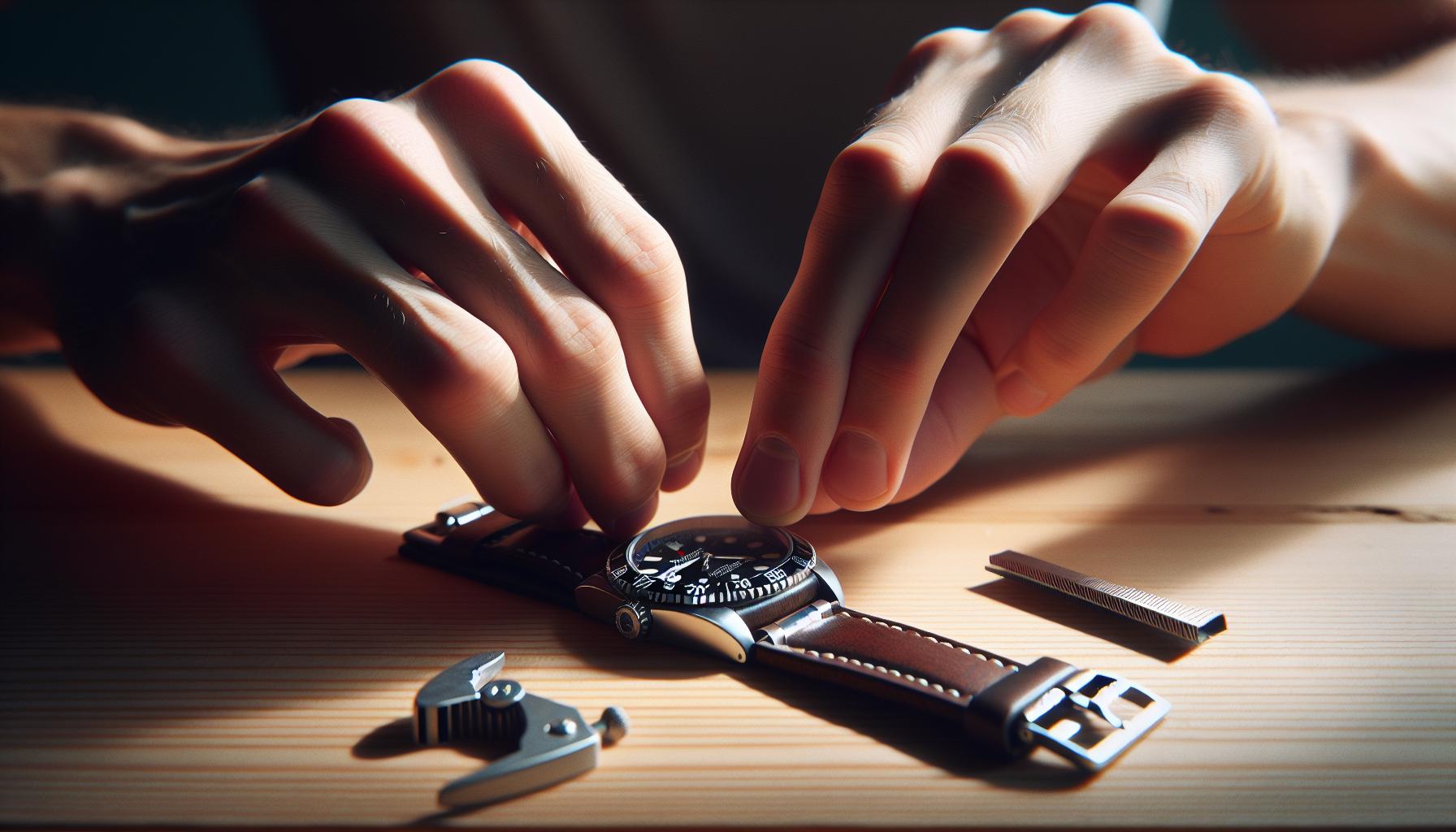
Few frustrations surpass the moment when a legendary rolex Datejust clasp stubbornly resists opening,turning a simple wrist check into a moment of unneeded struggle. Many enthusiasts, new and seasoned alike, stumble into common pitfalls that can cause this reliable mechanism to feel stiff, jammed, or even damaged if handled improperly. Recognizing these challenges early is key to preserving the clasp’s smooth function, which is as much a part of the watch’s charm as its famed dial or iconic bezel.
one of the most frequent mistakes is attempting to apply excessive force when the clasp feels resistant. The Rolex folding clasp is ingeniously engineered with tiny springs and hinges designed to operate with precise tension-not brute strength. Forcing the coronet lever or safety catch can distort these delicate parts, leading to misalignment or permanent damage.Instead, it’s worth remembering that if the clasp resists lifting, debris, dirt, or a slight buildup of sweat might be impeding motion. Pausing to gently clean the area with a soft brush and mild soapy water frequently enough resolves minor stiffness, restoring fluidity without risking harm.Another common challenge comes from misunderstanding the clasp’s layered locking system. The Datejust typically features at least a two-step release: the iconic coronet lever, followed by the safety flip-lock. Beginners sometimes try to skip the first step and pull directly on the safety catch, which can cause frustrating jams or even unexpected snapping sounds as parts strain against improper leverage.It’s similar to trying to open a classic Swiss Army knife blade without disengaging the safety latch first-each step exists for a reason, enhancing both security and longevity.
- Overlooking regular maintenance: Even the best mechanical design benefits from basic upkeep. Skipping routine cleaning or ignoring slight stiffness invites grime into pivot points, accelerating wear over time.
- Improper fingernail or tool use: Using sharp objects or picking excessively at tiny hinges can scratch or deform the clasp’s metal,spoiling its appearance and functionality.
- Wearing the watch too loosely: Excessive movement on the wrist causes unwanted stress on clasp hinges and springs, contributing to premature loosening or misalignment.
An anecdote shared by a fellow collector resonates here: after struggling daily with a “sticky” Datejust clasp, a thorough yet gentle cleaning ritual revived its silky click and smooth operation. The key was patience and respect for the mechanism’s precision,rather than impatience and force. Consider your rolex clasp a miniature masterpiece of engineering-treat it as you would a fine caliber movement inside, with gentle hands and regular care.
Practical Tips to Avoid Common Errors
- Always lift the coronet first: This action disengages the primary lock. Feel for tactile feedback before proceeding.
- Avoid forcing motion: If resistance is met, examine for obstruction or dirt before trying again.
- Use soft cloths or brushes for cleaning: prevent hard edges or tools from scratching the metal surface.
- Maintain a snug wrist fit: Reducing unnecessary bracelet movement decreases unnecessary clasp stress.
Mastering the delicate dance of your Datejust clasp not only protects a critical functional element but deepens your appreciation for Rolex’s precision craftsmanship. Every smooth snap and whisper-quiet click is a reminder that elegance in watches goes beyond looks-it’s in how well every part, no matter how small, performs consistently over a lifetime.
Tools and Techniques for Maintaining Your Rolex Clasp
It’s fascinating how the simple mechanics of a folding clasp-often overlooked-are just as integral to a Rolex Datejust’s charm as the precision inside its movement. Just like caring for the automatic caliber ticking beneath the dial, maintaining the clasp’s intricate parts is essential to keep that crisp, reassuring snap you expect from a Rolex. Fortunately, keeping the clasp in prime condition isn’t complicated, but it does call for the right tools and a mindful touch.
Start with basic cleaning tools that won’t scratch or deform the metal surfaces. A soft-bristle brush, ideally with natural fibers or a high-quality synthetic variant, is perfect for loosening dust and grime from tight hinges and recesses. Pair this with a microfiber cloth to gently wipe away dirt without leaving fibers behind or causing abrasion.Avoid using metal or stiff plastic picks-these can nick the finely finished surfaces or bend the delicate springs inside the clasp mechanism. Rather, opt for a wooden toothpick or a soft plastic probe if you need to dislodge stubborn particles carefully.
When cleaning, a mild soap diluted in warm water works wonders at dissolving sweat residue, oils, and road grime that accumulate over time. dip the brush lightly in the soapy water, then softly scrub around the clasp’s moving parts. Rinse with clean water and dry instantly with your microfiber cloth to prevent moisture from settling into hinge points. Regular maintenance-say,once a month if you wear your Datejust frequently-helps stave off stiffness by stopping grime buildup before it can interfere with the spring tension and pin alignment.
Lubrication is a more advanced step and should be approached cautiously. For those comfortable with watch maintenance, a tiny amount of silicone-based lubricant applied sparingly to hinge points can restore silky smooth action. Too much oil is a trap; it attracts dust and can gum up the mechanism. For most owners, leaving lubrication and deep servicing to Rolex professionals during routine servicing appointments (typically every 5-10 years) is wiser. Remember,the goal is to preserve the engineered tolerance and balance Rolex designs into every folding clasp.
Favorite tools for Rolex Clasp Maintenance
- Soft-bristle toothbrush: For gentle cleaning of hinge crevices and coronet locks.
- Microfiber cloth: Essential for drying and polishing without scratching.
- Wooden toothpick or plastic probe: To carefully remove trapped debris without damaging metal.
- Mild soap & water: Safe and effective cleaning solution, always rinsed thoroughly.
- Silicone lubricant (optional): For experienced users wanting to ease hinge motion sparingly.
Treat your Rolex clasp like you would its movement-attention to detail and gentle hands pay dividends. Experience shows that owners who stay proactive with basic cleaning and avoid excessive force or inappropriate tools help their folding clasps maintain that iconic feeling of precision and reliability well beyond the first decade of wear. Whether you’re a fan of the Datejust’s understated elegance or marvel at the complexity of a Submariner’s ruggedness, this kind of care honors the shared spirit of horological craftsmanship we all appreciate.
How to Adjust the Datejust Clasp for Perfect Fit and Comfort

Few things matter more for all-day comfort and confident style than the perfect bracelet fit. The Rolex Datejust’s folding clasp is designed not only for security but also for micro-adjustability, catering to subtle changes in wrist size throughout the day as your skin naturally expands or contracts with temperature and activity.Mastering how to adjust this clasp can transform your Datejust from simply a luxury timepiece into one that feels custom-tailored to your wrist.
Most modern Datejust models feature the elegant Oysterclasp with an Easylink extension system-Rolex’s intuitive solution for on-the-fly adjustments without the need for tools. This system allows about 5mm of extra length by simply unfolding a small hidden link within the clasp. Such as,if you’re spending time outdoors on a warm day,unfolding the easylink provides a bit more breathing room,relieving pressure without compromising stability. Conversely, folding it back lets you snug the bracelet for a more formal or active setting. This small but clever mechanism showcases Rolex’s attention to practical comfort alongside their exquisite craftsmanship.
If you need a more permanent, fine-tuned fit, the clasp also allows for precise adjustment by repositioning the pin in one of the micro-adjustment holes along the clasp plate. This process requires a spring bar tool or a similar watchmaker’s tool (never use improvised tools that can damage the bracelet or clasp).Gently pushing out the pin will let you slide the clasp loop to different increments. Adjusting in this manner gives around 2-3mm per adjustment hole, enabling a tailored fit that accounts for individual wrist size variations and preferred tightness.
Practical Tips for Achieving the ideal Fit
- Start with Easylink: See if your Datejust has the Easylink extension and get familiar with its simple flip-out motion-it’s the quickest and safest fit adjustment for daily wear.
- Micro-adjust with care: If you move the spring bar, do so slowly with the right tool on a soft surface to avoid scratching your watch. Test the fit incrementally to avoid over-tightening.
- Consider wrist dynamics: Your wrist isn’t a fixed dimension; try adjustments at different times-morning vs.evening or pre/post-exercise-to find what feels best overall.
- Don’t force it: If resistance or stiffness occurs when adjusting, pause and reassess. Forcing pins or hinges risks damaging these finely tuned mechanisms.
Many collectors I’ve met appreciate how these seemingly small adjustments demonstrate Rolex’s well-honed engineering philosophy: fine mechanical details merging function with timeless design. Whether you’re pairing a Datejust with a suit or wearing it casually, these adjustments ensure the watch feels as good as it looks.If you find your wrist size fluctuates regularly or you want to avoid frequent visits to a jeweler, becoming comfortable with the Easylink feature alone adds significant value. For more complex fitting needs, a professional can always help reposition links or handle clasp servicing-especially if the adjustments feel stiff or the clasp is older. a perfectly fitting clasp enhances every experience with your Rolex, making it part of your personal story rather than just an accessory.
Identifying Different Datejust Clasp Types and Their Features
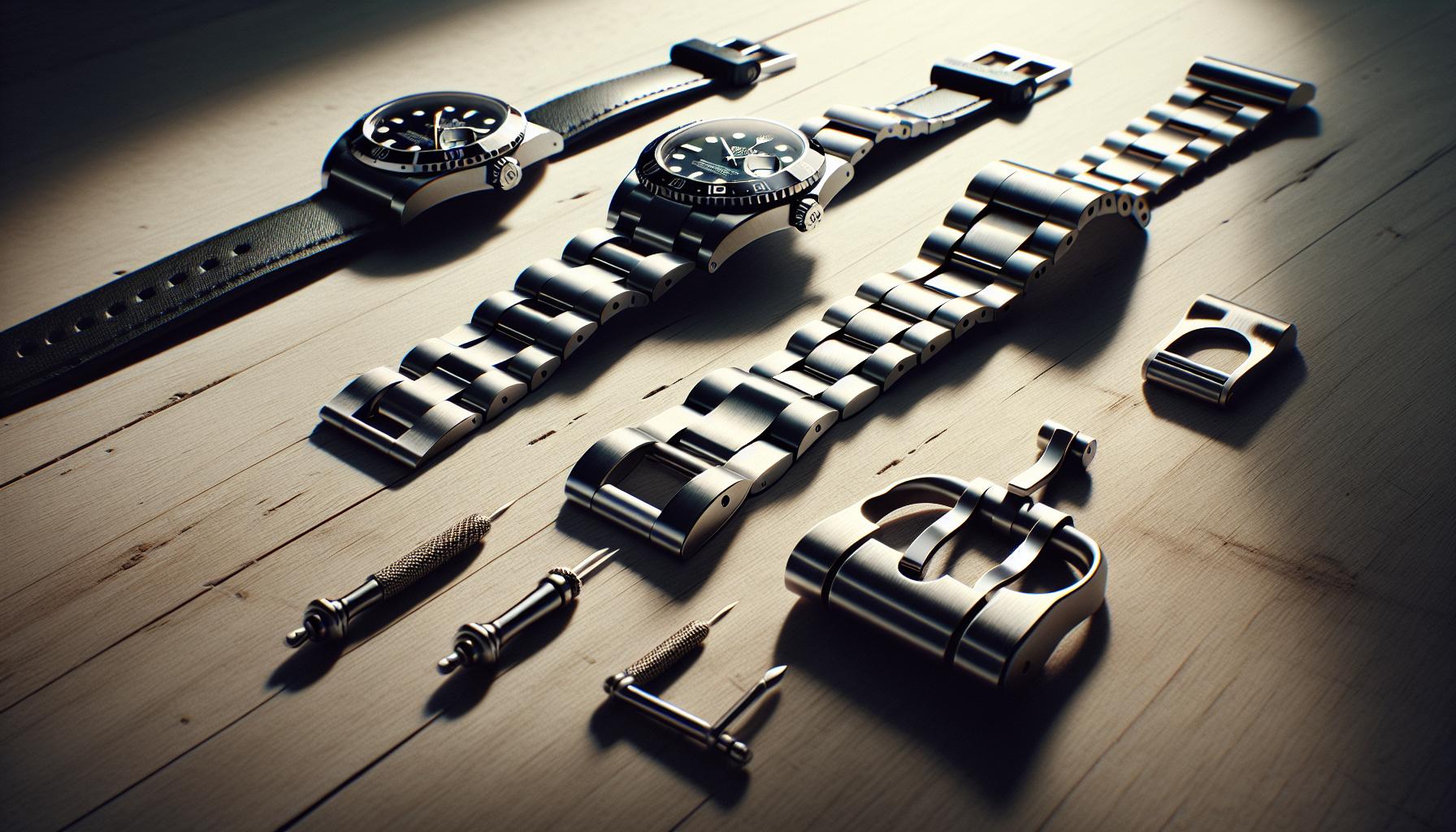
Rolex’s folding clasps on the datejust are a brilliant blend of engineering finesse and practical wearability. What many appreciate is that while all Datejust clasps share a commitment to durability and comfort, subtle differences across various production years and bracelet types reflect Rolex’s ongoing pursuit of refinement. Understanding these variations can make opening, adjusting, and maintaining your clasp much less of a mystery and far more enjoyable.
At the core, the most prevalent clasp you’ll encounter on the modern Datejust is the Oysterclasp, often paired with the signature Easylink extension system. This design neatly folds over itself,featuring a concealed safety catch that snaps firmly closed. It’s elegant, secure, and engineered for smooth one-handed operation. If you’re a wearer who moves often between different environments-office, outdoors, social events-the Easylink alone offers a clever convenience: about 5mm of rapid extension without tools, instantly adapting the bracelet’s fit to your wrist’s natural swelling or contraction.
However, other clasp styles exist depending on the bracelet and era. For example, some older Datejust models come with the Jubilee bracelet’s Crownclasp, which is more refined and seamless, relying on a nearly invisible Rolex crown logo flap to release the clasp.This design is sleek, almost jewelry-like, making it popular among those who value understated luxury.Unlike the Oysterclasp, the Crownclasp’s adjustment options are limited, focusing more on aesthetics than micro-adjustability.
Another variation to note is the Fold-over Safety Clasp, typical on more vintage or sportier Datejust references. This clasp includes an additional safety lock on top of the folding mechanism, ensuring extra security during vigorous activity-a nod to users who want both elegance and reassurance when on the move.
Key Features and Identification Tips
- Oysterclasp with Easylink: Usually found on Oyster bracelets and newer models, recognizable by a small flip-out link inside the clasp for quick adjustments.
- Crownclasp (Jubilee Bracelet): Distinctive for its near-hidden clasp, revealed by lifting the small Rolex crown emblem. This clasp favors sleek lines over adjustability.
- Fold-over Safety Clasp: Identified by a double locking system-a folding clasp with an extra hinge lock-common on older Datejusts, especially those designed with a sportier edge.
Because Rolex updates clasp designs incrementally, it’s worth cross-checking your Datejust’s reference number to confirm which clasp style it originally shipped with. For collectors, this can affect vintage appeal and resale value. For users, it informs adjustment options and care routines.
One practical piece of advice: familiarize yourself intimately with your clasp type before attempting any adjustments or cleaning. Each clasp’s mechanism feels subtly different under your fingers, and knowing what to expect saves frustration. Whether you’re flipping out the Easylink or gently lifting that Crownclasp’s catch, this knowledge sharpens appreciation for Rolex’s mechanical artistry and ensures you treat your watch with the respect and care it deserves.
| Clasp Type | Bracelet Compatibility | Adjustment Options | Security Features |
|---|---|---|---|
| Oysterclasp with Easylink | Oyster | Easylink flip extension (~5mm), micro-adjustment holes | Folding mechanism with safety catch |
| Crownclasp | Jubilee | Minimal/no micro-adjustment, concealed clasp | Hidden Rolex crown release flap |
| Fold-over Safety Clasp | Older Oyster or mixed | No Easylink, manual pin adjustments | Double-lock folding + fold-over safety lock |
This variety reflects Rolex’s understanding that no wrist or lifestyle is the same. Whether you prize convenience, elegance, or rugged security, the Datejust’s folding clasp options cater thoughtfully to your preferences and daily rhythms. Once you identify your clasp type, you’ll find yourself confidently mastering its opening and adjustment, deepening the connection between you, your watch, and the centuries-old tradition of fine watchmaking.
Tips for Extending the Lifespan of Your Folding clasp

A folding clasp is a masterpiece of tiny moving parts working in harmony, and like any finely tuned mechanism, it thrives on gentle care and mindful use. The secret to preserving the smooth action and tight closure of your Rolex Datejust’s clasp lies in consistent, subtle attention rather than heavy-handed fixes. Even a small bit of grit, moisture, or unintentional pressure can accumulate over time to diminish function or finish.
Start by keeping your clasp clean-everyday wear exposes it to sweat, dust, and oils that collectively wear on those polished surfaces and moving joints. A quick wipe with a soft,lint-free cloth after each wear can prevent residue buildup. for a more thorough cleanse, rinse the bracelet and clasp in lukewarm water occasionally (especially after exposure to saltwater or chlorinated pools), using a gentle brush-a soft toothbrush works perfectly-to dislodge grime from hard-to-reach crevices. Always ensure the crown is securely screwed down before doing this to keep the movement safe.
Preventative Habits That Pay Off
- Avoid excessive force: Never yank or pry your clasp open; these components are designed for precise fingers,not brute strength. Gentle pressure and respect for the mechanism prevent bends or misalignments.
- Rotate usage: If you own multiple watches, alternating their wear allows clasps and bracelets to rest, reducing constant mechanical stress and metal fatigue.
- Mind your wrist size changes: Using the Easylink extension properly can save wear on clasp hinges by preventing over-tightening or forcing fit.
- Store thoughtfully: When not worn, keep your Datejust in a dry, cushioned surroundings to avoid scratches and moisture buildup that could degrade the clasp material.
Inspection and Lubrication: Balanced Maintenance
Regular spells of detailed inspection go a long way. Look closely at the clasp’s folding joints,safety catch,and pins for early signs of wear like loose components or uneven alignment. While Rolex clasps are engineered to function smoothly with minimal grease, after years of daily use, a delicate drop of dedicated watchmaker’s lubricant can restore silky movement-but only attempt this if you’re confident or seek a professional’s help. Over-lubrication or DIY servicing risks attracting dust or interfering with the seal.Think of your Datejust clasp as a luxury sports car’s hinge-robust yet requiring regular tune-ups to maintain peak performance. By combining gentle cleaning, appropriate handling, and periodic inspections, you’ll keep its signature snap crisp and secure for decades, making admiration easier and servicing less frequent.
| Care Step | Proposal | Benefit |
|---|---|---|
| Post-wear cleaning | Wipe with microfiber cloth; rinse with lukewarm water when needed | removes corrosive sweat and dirt, preventing buildup |
| Proper clasp operation | Open and close gently; avoid forcing | Prevents mechanical wear and deformation |
| Storage | Store in dry box with padding | Prevents scratches and moisture damage |
| Regular inspection | Check for looseness, misalignment, and dirt | Early detection avoids costly repairs |
| Professional servicing | Every 5-7 years or if mechanical issues arise | Maintains mechanism integrity and value |
By embracing these straightforward care habits, your Datejust’s folding clasp will continue to reflect Rolex’s celebrated craftsmanship and precision-a small but essential piece of horological art that’s as functional as it is indeed gorgeous. Whether you’re an enthusiast who treasures the mechanical magic of haute horlogerie or simply enjoy a reliable daily companion, watching your clasp age gracefully is part of the ongoing joy of owning a finely made watch.
Troubleshooting Stiff or Jammed Datejust Clasps
Few things are as frustrating as attempting to open your Rolex Datejust clasp only to find it stiff or jammed. given the intricate precision that goes into every folding clasp, resistance usually signals minor issues that, if addressed with care, can be quickly resolved without risking damage.Much like a finely tuned automatic movement, each clasp hinge and spring must work symphonically, and even tiny debris or slight misalignment can upset this harmony.
Often, stiffness arises from accumulated dirt, dried sweat, or tiny particles lodged within the clasp’s pivot points. Even high-end finishes and corrosion-resistant metals aren’t immune to this, particularly if the watch is regularly worn in environments with dust, sand, or moisture. Before assuming a mechanical fault, a careful cleaning routine should be your first approach. Rinse the bracelet and clasp gently in lukewarm water and use a soft toothbrush to dislodge grime in the nooks. Be sure the winding crown is screwed down properly to protect the movement from water ingress.
Checking for Mechanical Obstructions and Alignment
If cleaning doesn’t restore smooth function,closely inspect the clasp’s catch and folding joints. Sometimes, the safety catch can get slightly bent or the folding link pins misalign after frequent wear or accidental knocks. These physical deformations may cause the clasp to jam or feel overly tight. Try gently flexing the clasp without applying excessive force-subtle resistance could indicate a misaligned component needing professional realignment.
lubrication: Less Is More
Rolex clasps are designed to operate smoothly out of the box with minimal lubrication. However, after prolonged use, a tiny amount of specialized watch oil applied thoughtfully to hinge points may ease stiffness. DIY lubrication isn’t for everyone-using household oils or excessive amounts invites dust and grime buildup, worsening the issue. When in doubt, entrust this service to an experienced watchmaker who knows the subtle tolerances involved.
- Resist the urge to force: Applying brute strength risks irreversible damage to the finely crafted clasp mechanism.
- Avoid home disassembly: opening the clasp for deeper inspection or repair requires special tools and expertise.
- Regular gentle cleaning: Prevents buildup that leads to jamming before it starts.
| Symptom | Likely Cause | Recommended Action |
|---|---|---|
| Clasp difficult to snap open or close | Dirt/debris buildup in hinge or catch | Clean with soft toothbrush and lukewarm water |
| Clasp jams or sticks halfway | Misaligned or bent safety catch or pin | Professional inspection and alignment |
| Clasp feels gritty when operating | Old or inappropriate lubrication; dirt | Light relubrication by watchmaker, repeat cleaning |
Remember, a Rolex clasp’s finesse lies in subtle engineering rather than brute strength. Taking the time to understand these small mechanical nuances and the role of regular maintenance empowers you to keep the clasp functioning with the silky smoothness you expect from a Datejust. Whether you alternate your watch collection to reduce mechanical fatigue or routinely wipe down your clasp, these habits are part of responsible watch stewardship.
when stiffness persists despite all the above measures, it’s wise to seek professional service.experienced Rolex technicians have the tools and know-how to diagnose hidden issues-such as weakened springs or micro fractures-before they escalate. Think of this as a workshop tune-up for your watch’s folding clasp: a small investment protecting decades of enjoyment from one of the most iconic horological designs out there.
Comparing Rolex Datejust Clasps with Other Rolex Models

Rolex clasps are more than mere closures-they’re precision-engineered components that reflect the character of each watch model. The Datejust’s folding clasp strikes a compelling balance between elegance and functionality, designed for everyday wear and versatile comfort. When you compare it with clasps on other Rolex models, such as the Submariner or the Oyster Perpetual, you’ll discover subtle but meaningful differences tailored to each watch’s intended use.The Datejust typically features the Oysterclasp or the more refined crownclasp, both folding clasps that prioritize streamlined looks and secure closure. The Oysterclasp, common on steel Datejusts, uses a robust folding mechanism with a reassuring snap, while the Crownclasp-often reserved for precious metal versions-boasts a concealed clasp approach. This hidden clasp design enhances the seamless bracelet aesthetic but requires a more delicate touch when opening, making it a favorite for collectors who appreciate understated luxury with mechanical sophistication.
Meanwhile, sports models like the Submariner come equipped with the Oysterlock clasp, a heavier-duty system featuring a safety catch and Rolex’s iconic Glidelock micro-adjustment. This allows wearers to fine-tune bracelet length on the fly-valuable during diving or in changing temperatures when wrist size fluctuates. In contrast, the Datejust’s clasp doesn’t have Glidelock but may include the Easylink 5mm rapid extension link, offering a practical, user-friendly way to expand comfort slightly without tools. That single feature alone sets datejust clasps apart from vintage models lacking adjustable comfort extensions and demonstrates Rolex’s evolution toward wearer-centric design.
Design and Functionality: A Balancing Act
- Datejust Clasps: Sleek, frequently enough polished, focusing on dress-watch sophistication with smooth folding action.
- Submariner Clasps: Robust, utilitarian, equipped with safety locks and fine adjustments for active use.
- oyster Perpetual and Explorer: Usually simpler oyster clasps, blending resilience with minimalism.
Table Comparing Key Features:
| Rolex Model | Clasp Type | Adjustment Mechanism | Key Feature |
|---|---|---|---|
| Datejust | Oysterclasp or Crownclasp | Easylink 5mm extender | Dress-oriented, concealed clasp option |
| Submariner | Oysterlock with safety catch | Glidelock micro-adjustment | Heavy-duty, dive-ready security |
| Oyster Perpetual | Simple Oysterclasp | basic latch with no rapid extender | Light, durable, everyday wear |
Because the Datejust’s clasp doesn’t use the Glidelock system, its opening motion is usually less mechanical and more intuitive-the safety catch is simpler or even hidden. This means learning to open the Datejust clasp safely centers on gentle pressure and familiarity with toggling subtle openings rather than wrestling with multiple layers of safety mechanisms.From a collector’s perspective, this is a plus for those who want a dress watch with straightforward handling.
Though, the tradeoff is that the Datejust clasp may feel less rugged compared to professional tool watch clasps. Models like the Sea-Dweller or GMT-Master II feature even more complex locking systems designed to withstand extreme conditions, including deep diving or aviation environments.The Datejust, meanwhile, reflects Rolex’s dedication to classic aesthetics married to everyday reliability-not extreme sport.
Whether you’re new to Rolex or a seasoned enthusiast, appreciating these differences enriches your ownership experience. The Datejust clasp is a study in refined engineering,where less is often more-offering smooth deployment,subtle elegance,and smart adjustment without gimmickry.When handling your datejust clasp, visualize it as more than a mechanical hinge: it’s a piece of Rolex’s history and innovation, subtly optimized for your wrist and lifestyle.
For further reading or expert service, official Rolex retailers and authorized service centers like Tourneau and Watches of Switzerland provide in-depth support and knowledge to keep every clasp operating flawlessly[1][2].
When to Seek Professional Help for Clasp Repairs and Servicing
A perfectly functioning clasp not only ensures your Rolex Datejust stays securely on your wrist but also preserves the overall comfort and integrity of the watch. While many clasp issues can be addressed with basic care and attention, knowing when to turn to a professional is key to avoiding more extensive damage. The Rolex folding clasp, especially on the Datejust, is a finely engineered mechanism designed for smooth operation-any lingering stiffness, unusual resistance, or failure to lock properly should raise an immediate red flag.
Attempting to force a jammed or stiff clasp can cause scratches, bent links, or damage to tiny internal components that aren’t user-serviceable.For example, if the Oysterclasp or Crownclasp won’t open with gentle pressure or feels unusually loose when closed, the issue likely goes beyond simple cleaning or lubrication. These symptoms often indicate worn springs, misaligned parts, or dust trapped inside the mechanism, which require specialized tools and mechanical knowledge to address. In this case, professional servicing is not just a convenience but a necessity to maintain your Rolex’s value and functional precision.
Professional Servicing vs. DIY Maintenance
- When DIY Suffices: Routine cleaning, gentle lubrication with watch-grade oils, and removing visible debris.
- When to Seek Experts: Persistent clasp stiffness, clicks without locking, broken links or pins, and damage following accidental drops.
- Authorized Centers: Always prefer Rolex-authorized jewelers and service centers who use genuine parts and follow Rolex’s rigorous standards.
Professional watchmakers have the calibrated tools and microscopic expertise to dismantle, clean, realign, and adjust the fine moving parts inside the clasp mechanism without compromising the bracelet’s finish. Moreover, these experts frequently enough replace critical components like springs and pins with genuine Rolex parts, ensuring the original function and durability are fully restored. This kind of care frequently enough comes with a warranty, providing owners confidence against future clasp wear. Attempting amateur repairs, such as prying stuck parts or using incorrect lubricants, often leads to irreversible damage, ironically costing more in the long run than professional service.
In a practical sense, even if your Datejust clasp only occasionally sticks or feels rough, addressing it sooner rather than later can prevent accelerated wear. Regular inspection during servicing intervals-typically every 5 to 10 years for Rolex watches-also includes comprehensive clasp checks.This holistic approach prevents surprises and keeps your watch wrist-ready for any occasion. Remember, your Rolex is a mechanical artwork, and like all finely tuned machines, it thrives on expert care as much as mindful use.
For trusted servicing options, consider Official Rolex Jewelers such as those affiliated with [The 1916 Company](https://www.the1916company.com/rolex/) or [Watches of Switzerland](https://www.watchesofswitzerland.com/en-int/pages/rolex/discover), where trained technicians ensure your Datejust’s clasp-and entire watch-remain in peak condition[[[[[1]](https://www.the1916company.com/rolex/)[[3]](https://www.watchesofswitzerland.com/en-int/pages/rolex/discover).
—
| Issue | Possible Cause | DIY or Professional? | Recommended Action |
|---|---|---|---|
| clasp is stiff but opens with effort | Dirt, dried lubricant | DIY | Clean with microfiber cloth, apply light watch oil carefully |
| Clasp does not snap closed securely | Worn springs, misaligned parts | Professional | Authorized Rolex service for parts replacement and adjustment |
| Visible damage or bent links | Impact or improper handling | Professional | Do not force; seek expert repair to restore shape and function |
| Unusual noises or grinding during operation | Internal mechanism damage | Professional | Comprehensive servicing to prevent further wear |
Frequently Asked Questions
Q: How can I safely clean the folding clasp of my Rolex Datejust without damaging it?
A: To safely clean your Rolex Datejust folding clasp, use a soft brush and warm soapy water to remove dirt and debris. Avoid harsh chemicals and abrasive materials. Rinse with fresh water and dry with a microfiber cloth. Regular cleaning preserves clasp function and finish. for detailed care, see the clasp maintenance section in our guide.
Q: What causes a Rolex Datejust clasp to become stiff, and how can I prevent it?
A: A stiff Rolex Datejust clasp often results from dirt buildup, lack of lubrication, or corrosion. prevent stiffness by cleaning it regularly and keeping the clasp dry. avoid exposing your watch to saltwater or chemicals. If stiffness persists, professional servicing can restore smooth operation, as explained in our troubleshooting guide.
Q: How does the Rolex Datejust clasp design enhance wearability compared to other luxury watch clasps?
A: The Rolex Datejust clasp offers a secure yet easily adjustable folding mechanism that enhances comfort and durability. Its ergonomic design balances robust locking with wearer convenience, making it superior for daily wear versus bulkier clasps.For a comparison of clasp designs, refer to our section on clasp types and features.
Q: Can the folding clasp on a Rolex Datejust be replaced, and what are the typical costs involved?
A: Yes, the Rolex Datejust folding clasp can be replaced by authorized service centers. Costs vary depending on model and condition but typically range from $200 to $600. Using genuine rolex parts ensures proper function and maintains watch value. For repair timing and when to seek help, check our professional servicing advice.
Q: How do environmental factors affect the longevity of a Rolex Datejust folding clasp?
A: Environmental factors like moisture, saltwater, sweat, and dust can accelerate wear or corrosion of your Rolex Datejust’s folding clasp. Minimizing exposure and regularly cleaning the clasp extends its lifespan. Detailed tips for longevity and maintenance are covered in our clasp care section.
Q: What are the best practices for opening a Rolex Datejust clasp to avoid accidental damage?
A: The best practice is to lift the safety catch gently before pulling open the folding clasp. Avoid forcing the clasp or using excessive pressure. This method protects clasp hinges from wear and prevents accidental release. For a step-by-step walkthrough, consult our safe opening guide.
Q: How does the micro-adjustment feature in some Rolex Datejust clasps improve fit and comfort?
A: The micro-adjustment in Rolex datejust clasps allows fine tuning of bracelet length in millimeter increments, offering a perfect, secure fit throughout the day. This feature enhances wearer comfort, especially with wrist swelling or temperature changes.Learn more about adjusting your clasp in our dedicated adjustment tips.
Q: Why might the folding clasp on an older rolex Datejust model feel different than on newer versions?
A: Older Rolex Datejust models may use different clasp mechanisms or materials, such as vintage Oysterclasp designs, which can feel less smooth or secure than modern GlideLock systems. Variations are due to updates in engineering for improved durability and comfort. Explore clasp evolution insights in our comparison section.
—
Feel free to explore these answers alongside related sections like clasp maintenance and troubleshooting to master your Rolex Datejust folding clasp experience-and enhance your horology appreciation.
To Wrap it Up
Mastering the folding clasp on your Rolex Datejust unlocks effortless wearability and preserves the iconic elegance of this automatic timepiece, known for its in-house caliber and enduring value. Whether you’re a new owner or seasoned collector, understanding this key mechanism ensures smooth operation and long-term care of your investment. Ready to elevate your Rolex experience further? Explore our detailed guide on Rolex bracelet maintenance and discover how to authenticate your Datejust’s components with confidence.
Don’t miss out on expert tips tailored for enthusiasts who appreciate both haute horlogerie and accessible classics-perfect for those balancing passion with smart collecting. Subscribe to our newsletter for insider updates, in-depth reviews, and the latest watchmaking trends, or dive into our comparison of the Rolex Datejust versus Submariner to see which suits your style and collection goals best. Have questions or want to share your own clasp mastery story? Join the conversation below and connect with fellow watch lovers eager to celebrate craftsmanship at every price point.


