

How to Tell If a Rolex Datejust Is Real: Red Flags Exposed
Buying a Rolex Datejust is more than a purchase-it’s an investment in engineering, history, adn timeless style. But with countless replicas flooding teh market, knowing how to spot a genuine model is essential. This guide reveals the key red flags that help distinguish authentic Datejust watches from fakes,focusing on details like movement quality,date window magnification,material integrity,and bezel craftsmanship. Whether you’re a first-time buyer or a seasoned collector, understanding these signs protects your investment and deepens your recognition for Rolex’s iconic automatic calibers and refined design. Stay with us to uncover the subtle but crucial features that separate a real Rolex from a convincing counterfeit-arming you with confidence and knowledge on your watch-buying journey.
Contents
- How to Recognize Authentic Rolex Datejust Movements
- key dial Features That Prove Authenticity
- Examining the Case, Bezel, and Crown Details
- Decoding the Serial and Model Numbers Correctly
- Spotting Fake Datejust bracelets and Clasps
- authenticity Checks: Weight, Feel, and Craftsmanship
- Common Replica Mistakes: What Fakes Get Wrong
- Using Technology: Apps and Tools to Verify Rolex
- How Provenance and Documentation Affect Value
- Expert Tips for Reliable Rolex Datejust Authentication
- Frequently asked questions
- Q: What are the subtle date window signs to spot a fake rolex Datejust?
- Q: how can I identify counterfeit Rolex Datejust lume quality?
- Q: Why does the smoothness of the Datejust’s second hand matter for identification?
- Q: What role do micro-engraved Rolex logos play in spotting a fake Datejust?
- Q: How important is the sound of a Rolex Datejust’s movement in authentication?
- Q: Can discrepancies in the cyclops lens affect Rolex Datejust authenticity?
- Q: What should I know about weight differences when assessing a Rolex Datejust’s genuineness?
- Q: How do inconsistent font styles or printing flaws reveal a fake Rolex Datejust?
- Key Takeaways
How to Recognize Authentic Rolex Datejust Movements
Rolex Datejust movements are hidden masterpieces, embodying decades of refinement and technological innovation. One of the most telling signs of authenticity lies beneath the dial – the mechanical heart that powers the watch. Genuine Rolex datejust models typically house in-house automatic calibers renowned for precision, reliability, and smooth operation, such as the Caliber 3135 or the newer Caliber 3235.These movements feature Rolex’s signature innovations, including the Parachrom hairspring for shock resistance and the Chronergy escapement for enhanced efficiency. Spotting these qualities can be a game-changer when verifying a Datejust’s authenticity.
Opening the caseback (performed by experienced professionals onyl) reveals a well-finished movement with distinct engravings, intricate components, and a clean layout. Fakes often use generic or poorly finished movements – sometimes quartz or low-quality automatics that miss the refined details of Rolex calibers. The rotor in a genuine Datejust spins fluidly and silently, winding the mainspring efficiently, a feature seldom replicated in counterfeit watches. Likewise, an authentic movement’s bridges and plates exhibit meticulous polishing and fine brushing, reflecting Rolex’s commitment to both function and aesthetics.
- Look for the caliber number: Rolex movements have engraved caliber numbers consistent with the model year and type. Such as, Datejust models from the 1980s to 2018 typically use the Caliber 3135, while newer models use the Caliber 3235.
- Observe the finishing: Genuine Rolex movements have high-end finishing, including Geneva stripes (Côtes de Genève) and perlage patterns on the baseplate.
- Check for Rolex-specific parts: Rolex uses proprietary components like the blue Parachrom hairspring and a distinct red reversing wheel within the automatic winding mechanism.
- Listen and feel: when worn, the rotor’s smooth winding sound and the overall consistent tick set authentic movements apart from clones, which may sound harsher or uneven.
Aside from visual cues,the movement’s robustness directly affects the watch’s performance,contributing to Rolex’s famed COSC-certified chronometer precision. As these movements are intricately assembled and perfectly calibrated, they maintain accuracy and durability over decades, a feat few replicas match. When evaluating a Datejust,a learned collector or watchmaker’s inspection of the movement provides definitive authentication beyond surface appearances.
For newcomers, embracing the fact that the movement is the watch’s soul helps build confidence in spotting real versus fake Datejust watches. While external details matter, the movement combines the watch’s heritage, craftsmanship, and technical wizardry – making it a vital checkpoint on your path to owning a genuine Rolex treasure.
key dial Features That Prove Authenticity
A Rolex Datejust dial is more than just a display; it’s a canvas where precision, craftsmanship, and subtle luxury come together. One glance at a genuine Datejust dial reveals a level of refinement that counterfeit versions struggle to replicate. Authentic dials are crisp, perfectly aligned, and crafted from high-quality materials that resist fading and aging.The texture of the dial-whether it’s sunburst, matte, or trumpet-shaped (fluted)-is consistent and uniform under light, offering a sophisticated interplay of shadows and reflections that fake dials typically miss.
The date window itself is a frequent giveaway. the characteristic Rolex “Cyclops” lens magnifies the date precisely 2.5 times, making the numbers appear large and clear.On counterfeit models,the magnification is often off-either weaker or distorted-which ruins legibility. Additionally, the date font on a genuine Datejust is sharp and centered within the date window, never sloppily printed or skewed.Authentic dials feature applied indices (hour markers) that are perfectly polished and aligned with the minute marks, usually crafted from white gold to prevent tarnishing.
- dial Text and Printing Quality: The Rolex logo and model inscriptions on the dial are immaculate. Look for sharp, clean edges on all printed elements without any bleeding, fuzziness, or uneven spacing. Genuine Datejust dials use a special technique that gives the text a balanced depth, and the “Swiss Made” or “swiss” marking sits perfectly centered at 6 o’clock.
- Luminous Markers and Hands: The luminescent material on authentic Datejust hands and markers glows evenly and brightly when charged. Older models use tritium or luminova, while newer versions employ Chromalight, which glows a striking blue. Fake dials often have uneven request or dim, patchy lume.
- Hands Design and Movement: The hour, minute, and sweeping seconds hands on a genuine Datejust are slim, symmetrical, and finished flawlessly.The second hand glides smoothly thanks to the automatic movement’s high beat rate, creating a near-fluid motion rather than ticking in noticeable jumps, which is typical of quartz or fake movements.
Special Dial Variants and Subtle Clues
Rolex occasionally releases Datejust models with unique dial variants-such as mother-of-pearl, diamond-set indices, or rare colors like salmon or blue. These special editions bear intricacies only Rolex’s artisans can achieve. Such as, diamond markers display consistent size, brightness, and flawless setting without glue residue. In counterfeit models, the gems might be cheaper stones, misaligned, or unevenly sized.Similarly,rare textured dials like ”linen” or “engine-turned” surfaces require magnification to verify,and genuine examples exhibit pin-sharp precision and depth.
In all, the authentic Rolex Datejust dial is a tribute to subtlety and sophistication. Paying attention to details such as flawless printing, exact date magnification, perfect lume, and hand smoothness will dramatically improve your ability to separate real masterpieces from replicas. When combined with mechanical inspection, these dial characteristics serve as one of the most accessible yet telling authentication checkpoints on your collector’s journey.
Examining the Case, Bezel, and Crown Details
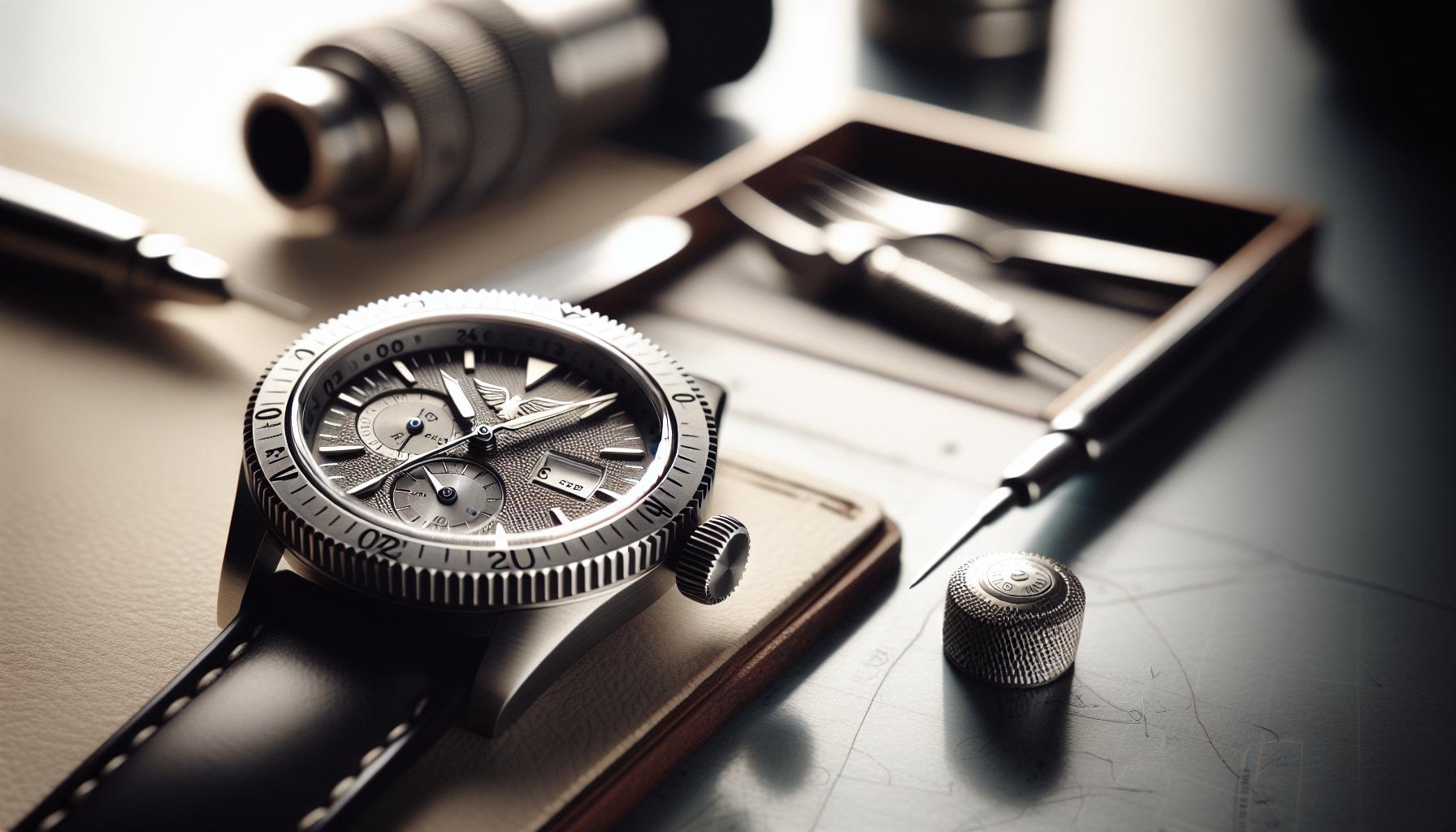
Few details speak louder about authenticity than the case, bezel, and crown of a Rolex Datejust. These components aren’t just mere exterior features-they are the watch’s armor and signature,reflecting meticulous craftsmanship that’s hard for counterfeiters to mimic. When holding a genuine Datejust, the quality of the metal, the finesse of finishing, and the precision of assembly instantly stand out, frequently enough surprising even those new to luxury watches.
The case of a Rolex Datejust is crafted from high-grade materials-typically Oystersteel (904L stainless steel), 18k gold, or Rolesor (a patented combination of both)-with a remarkable finish that mixes polished and brushed surfaces flawlessly. Look closely at the edges; they should be sharp but smooth, with no rough spots or unevenness. The screw-down case back is usually smooth, without elaborate engravings (except for some vintage or special editions), and fits perfectly flush. Fake models often exhibit sloppy machining here, with overly shiny or dull finishes and rough edges. The “Oyster” case design is functional, delivering water resistance and durability-if the case feels too light or plasticky, that’s a clear red flag.
The bezel is another focal point for authenticity checks. On the Datejust, you’ll commonly find either a smooth, domed bezel or the iconic fluted bezel, which is a Rolex hallmark. The fluting should be crisply defined with consistent, sharp angles, reflecting light uniformly from every ridge. Glossy and sharp flutes are tough to replicate-counterfeit bezels can look too rounded or uneven, sometimes even appearing flat under close inspection. For smooth bezels, expect a mirror-like polish that retains luster without any micro-scratches or dullness. Special editions might feature gem-set bezels; genuine Rolex jewel settings are perfectly aligned and secure, with flawless prongs. Any hint of glue or misalignment means trouble.
The winding crown tells its own story.It’s not only the gateway to winding and setting the watch but also a showcase of Rolex’s iconic branding and engineering. Check for the finely embossed Rolex coronet (crown logo) on the crown head-it should be crisp and proportionate, never stamped or poorly detailed. When unscrewing the crown, it should turn smoothly and screw down tightly, sealing the watch against moisture. The grooves on the crown are finely cut and evenly spaced; cheap replicas frequently enough have rough or oversized threading that feels gritty or loose.Additionally, on modern Datejust models, lifting the crown to different positions adjusts the time and date with a distinctive feel; any sponginess or imprecision here usually signals a fake.
- Caseback characteristics: Genuine Datejust models rarely have engraved casebacks. Exceptions exist mostly on vintage models or very special editions. any flashy engraving on a new datejust caseback is suspicious.
- bezel Material & Shape: Rolesor models have bezels in precious metals like white or yellow gold. The fluted bezel shape should maintain uniform depth and spacing. Soft or uneven fluting is a sign of a counterfeit.
- Crown Functionality & Logo: The Rolex crown logo on the winding crown is detailed and proportioned.The threading must feel firm and precise with smooth screw-down action.
Remember, these tactile and visual nuances mesh together to create the unmistakable feel of Rolex quality. More than just a pretty face, the Datejust’s case, bezel, and crown manifest the brand’s engineering ethos: durability, refinement, and attention to detail. Handling a genuine Datejust is like meeting a well-crafted mechanical companion-every interaction is smooth and deliberate. When something feels off-the weight too light, the finishing inconsistent, the crown action gritty-it’s usually a sign that the watch never passed through Rolex’s hands.
in the wider context of luxury watches, a strong metal case, a perfectly finished bezel, and a detailed crown speak volumes about the maker’s commitment to quality. whether you’re admiring a high-end Rolex or an affordable classic like the Tissot PRX, these elements are where authenticity and craftsmanship converge. So, when inspecting a Datejust, lean into these details; they’re often your first and clearest indicators of a genuine, valued timepiece.
Decoding the Serial and Model Numbers Correctly

Few things tell the story of a Rolex Datejust like its serial and model numbers. These identifiers are not just random digits; they are precision-coded markers that reveal the watch’s production era,materials,and configuration.A clear grasp of how to decode these numbers equips you to separate genuine pieces from clever counterfeits quickly. It’s a straightforward way to verify authenticity without relying on guesswork or superficial details.
Rolex places these numbers discreetly between the lugs – typically at 6 o’clock for the serial number and at 12 o’clock for the model number - requiring removal of the bracelet for inspection. older Rolex watches have serial numbers engraved on the case between the lugs, while modern models from around 2010 onward often feature the serial number laser-etched inside the rehaut (the inner flange around the dial). This tiny,almost invisible engraving is a hallmark of recent genuine models and is very tough for counterfeiters to replicate cleanly.
The serial number primarily reveals the watch’s production year.Rolex serials transitioned through alphabets and numbers: early watches had sequential numbers, and post-1987 production used a letter prefix indicating the year. After 2010, Rolex changed to random serials, which made dating a bit trickier but added a layer of security against fakes. For enthusiasts hunting a vintage Datejust, understanding these letter codes is vital. For example, a serial starting with “R” points to around 1987, while “V” belongs to the mid-1990s. Many online databases and charts are available, allowing you to cross-reference these codes easily.
The model number (sometimes called the reference number) decodes the Datejust’s essential specifications - case size, metal type, bezel style, and bracelet option. take a typical Datejust model number like 126234:
- 12 – Denotes a Datejust 36mm
- 6 – Oystersteel case
- 2 – Fluted bezel
- 34 – Jubilee bracelet
This coding quickly confirms if the watch matches the style you expect. If the physical watch shows a smooth bezel but the number indicates fluted, or it claims Rolesor steel but looks fully stainless steel, red flags should raise. Fakes often jumble these details because they copy external appearances without correlating internal codes properly.
| Aspect | What to Check | Example Indicators of Authenticity | What Fakes Get Wrong |
|---|---|---|---|
| Serial Location | Between lugs or inside rehaut | Precise, clean engraving or laser etching | Shallow, uneven, or missing engravings |
| Serial Format | Matches production year format | Letter prefix for certain years, randomized serials post-2010 | Wrong letter code or format inconsistent with year |
| Model Number Accuracy | Reflects material, size, bezel, bracelet correctly | Clear numeric code matching watch’s specs | Mismatched features vs. model numbers |
Beyond raw numbers, the quality of engraving deserves attention. genuine rolex engravings are sharp, deep, and evenly spaced, frequently enough requiring a loupe to appreciate the finesse. fakes tend to look hastily stamped or too polished, sometimes blurry and inconsistent. These details underscore the unparalleled craftsmanship Rolex invests in even the unseen elements.
For newer models, the laser-etched crown at 6 o’clock on the crystal is a subtle but telling authentication sign, incorporated alongside serial number checks. Absence of this microscopic feature doesn’t always mean fake-vintage watches won’t have it-but its presence supports a genuine claim for modern Datejusts.
Understanding serial and model numbers adds a powerful weapon to your authentication toolbox. It removes much of the guesswork by linking visible features with documented Rolex production codes. Think of it as speaking Rolex’s own language-when the numbers and specs sing in harmony, you’re likely holding the real deal.
For more hands-on verification techniques including serial decoding alongside dial and case checks,experts recommend cross-referencing your findings with trusted Rolex serial databases and consulting professional appraisals if doubts linger. After all, a watch’s story is told not just by how it looks, but by the numbers it wears quietly beneath the surface.
YyopGcjjgQGCUutvTFyrtB0jFjmFqJ7zF4JTi”>[2]
Spotting Fake Datejust bracelets and Clasps
One of the most telling giveaways in spotting a fake rolex Datejust lies in the bracelet and clasp-two areas that combine engineering precision and a tactile experience often overlooked by counterfeiters. Rolex bracelets, especially the iconic Jubilee and Oyster styles found on datejust models, are not just accessories but integral parts of the watch’s design and durability. Real Rolex bracelets are made from solid links (not hollow or folded) and display a flawless finish with tight, consistent tolerances. Fakes often skimp here, producing bracelets that feel rattly or flimsy, with uneven link thickness and edges that lack Rolex’s signature smooth polish.
The clasp serves as a second checkpoint for authenticity. Genuine Rolex clasps are engineered with a satisfying, secure snap and a micro-adjustment system that offers comfort and precise fit.Look for the iconic coronet logo stamped inside the clasp-this engraving should be crisp, proportional, and deeply etched rather than lightly punched or blurred. Many counterfeit clasps either miss this detail altogether or engrave it crudely. Furthermore, on modern Datejust models, the clasp typically features the Easylink comfort extension, a small but ingeniously designed folding link that allows you to adjust the bracelet length by about 5mm without tools. If this mechanism feels rough, awkward, or is missing entirely, treat it as a red flag.
- Materials and Finish: Genuine bracelets use Oystersteel or precious metals with consistent brushing on outer links and polishing on center links (in Jubilee styles). Fake bracelets often have inconsistent finishes or show discoloration, easily noticed under close inspection.
- Weight and Adaptability: An authentic Rolex bracelet carries noticeable heft and moves fluidly, almost like a well-oiled machine. Counterfeit versions either feel too light or overly stiff.
- Engraving inside the Clasp: Look for precise Rolex engravings and stamped codes that correspond with the watch’s serial and model numbers. Poor font choice, spacing, or misspellings instantly mark fakes.
- Spring Bars and Pins: Rolex bracelets employ robust spring bars that fit perfectly without gaps. Loose or uneven spring bars reveal cheap components common on replicas.
| Aspect | What to Check | Rolex Authentic Indicator | common Fake Error |
|---|---|---|---|
| Link Construction | Solid, heavy metal links | Seamless edges, no hollow links | Hollow or folded links; sharp edges |
| Clasp Logo | Coronet engraving inside clasp | Sharp, deep, perfectly centered | Faint, shallow, or poorly aligned engraving |
| Easylink Extension | Functional micro-adjustment | Smooth, secure folding mechanism | Missing or rough mechanism |
| Weight and Feel | Substantial weight, fluid movement | Hefty feel; smooth flexing links | Lightweight or stiff; rattling links |
Authentic Rolex bracelets also reveal subtle yet telling clues under a loupe or macro lens: the polishing transitions are clean, the link pin holes flush, and the finishes consistent throughout. Fakes may mimic the general appearance but frequently enough fail to recreate this harmony of form and function. If possible, compare the bracelet side-by-side with a verified Datejust, noting differences in clasp closure sensation and bracelet feel. Small details, such as the serial number stamped inside the clasp (matching the watch) or hallmarks on two-tone models, further cement authenticity.
In short, the bracelet and clasp are where Rolex’s engineering rigor meets user experience-a blend difficult to replicate convincingly on counterfeit Datejusts. A keen eye on these details, paired with a feel for quality and precision, goes a long way in separating a genuine Rolex bracelet from a fake’s poor facsimile. Whether you’re a newcomer or seasoned collector, this tactile inspection complements othre authentication methods to safeguard your investment and deepen your appreciation for the craft behind every Rolex Datejust.
authenticity Checks: Weight, Feel, and Craftsmanship

Rolex watches, including the Datejust, are renowned for their unmistakable weight and refined tactile feel-features that counterfeiters often struggle to replicate convincingly.An authentic Datejust carries a solid heft in your hand, a direct consequence of Rolex’s use of premium materials like Oystersteel (904L stainless steel) or precious metals. This substantial weight isn’t just a bragging right; it reflects the durable construction and robust movement inside-a hallmark of Rolex’s engineering philosophy. When you lift a Datejust, you’re not just feeling metal; you’re connecting with decades of precision watchmaking tradition packed into a perfectly balanced timepiece.
The craftsmanship visible and palpable throughout an authentic Datejust goes beyond weight-it extends to the smoothness of every component, from the bracelet links to the articulation of the crown. Rolex bracelets, for example, flex fluidly without chatter or stiffness because each solid link is meticulously finished and assembled with tight tolerances.Genuine models avoid any rattling or sharp edges, offering a tactile experience akin to a miniature mechanical symphony on your wrist. Even winding the crown should feel silky-smooth: no rough grinding or excessive looseness,just precise resistance as you engage the automatic caliber. These nuances of touch are subtle but critically revealing, especially when compared side-by-side with less refined replicas.
Why Weight and Craftsmanship Matter in Authentication
- Materials impact Weight: Real Datejusts use heavy-duty materials that deliver noticeable heft. Replica watches typically employ lower-grade alloys or hollow parts to cut costs, resulting in a lighter, less substantial feel.
- Flexibility and Link Articulation: Authentic bracelets move with a fluid grace, engineered to feel agreeable for daily wear. Fakes can be either too stiff or too loose, often rattling when shaken due to poor link construction.
- Finish Quality: From brushed and polished surfaces on the case to the beveling on the lugs, the finishing on genuine Rolexes displays extraordinary attention to detail. Uneven textures or inconsistent polish can signal a fake.
| Feature | Expectation in a Genuine Datejust | Common Replica Shortfall |
|---|---|---|
| Overall Weight | Substantial, balanced weight due to solid metals | Noticeably lightweight, often hollow or thin materials |
| Bracelet Movement | Fluid, smooth articulation with no rattling | Either stiff or noisy with loose links |
| Case & Crown Finish | Exceptionally polished and brushed surfaces | Rough edges, inconsistent finishing |
| Crown Operation | Firm yet smooth winding and setting feel | Grinding, looseness, or overly stiff resistance |
Remember, the feel of a watch contributes significantly to its perceived luxury and craftsmanship. For collectors and enthusiasts, these physical experiences serve as silent testimonials to rolex’s relentless commitment to quality. Testing weight and craftsmanship doesn’t require specialized tools-it takes a discerning eye and a willingness to learn what ”good” truly feels like. If you have access to a verified authentic Datejust, even a brief side-by-side comparison can sharpen your sensitivity to these cues, frequently enough exposing subtle flaws that photos alone cannot reveal.
In a market flooded with remarkable forgeries, understanding these tactile benchmarks provides another reliable layer of defense.While technical checks like serial numbers or movement inspections are crucial, never underestimate the power of simply holding and handling a Datejust in your hand. The seamless blend of weight, design harmony, and craftsmanship is the quiet but unmistakable language that Rolex uses to communicate authenticity to those ready to listen.
Common Replica Mistakes: What Fakes Get Wrong

Not all fake Rolex Datejusts are created equal,yet many replicas share surprisingly common slip-ups that seasoned collectors and newbies alike can spot with a little guidance. One of the biggest giveaways is the watch’s movement: genuine Datejust models run on Rolex’s in-house calibers, renowned for their smooth sweeping seconds hand and precise chronometric performance. Replicas frequently enough rely on cheaper, generic automatic or even quartz movements, resulting in a distinct ticking motion rather than that nearly flawless sweep. This difference becomes unmistakable under scrutiny, especially if you observe the second hand closely or listen quietly for any irregular ticking.
Another common error appears in the dial details,where many fakes suffer from careless printing,misaligned indices,or fonts that are subtly off. Rolex uses razor-sharp fonts with perfect spacing on the dial, date window, and “ROLEX” rehaut engraving (the inner bezel ring). Replicas frequently reveal fuzzy text edges or uneven printing, which can stand out instantly to a watch aficionado. Also, the iconic cyclops lens-a small magnifier above the date-on real Datejusts magnifies the date window by 2.5x. Fake models frequently enough skim on this feature or use inferior magnification, making the date appear small or distorted.
Common Construction and Finishing Errors
- Case and Bezel Quality: Genuine Rolex cases and bezels are crafted with intricate satin and polished finishes that sit perfectly flush. Fakes often show rough edges, uneven polishing, or inconsistent brushing that catch the light incorrectly.
- Crown Detailing: the Rolex crown logo on the winding crown must be deeply engraved and centered. Replicas may use shallow laser etching or off-center crowns, which feel poorly defined by touch and sight.
- Bracelet and Clasp Flaws: Rolex bracelets have solid links and robust clasps that lock securely without play. Fakes often feature hollow links and clasps with a cheap, rattly feel-sometimes even loose pins that cause noticeable play when worn.
| Aspect | Typical Real Datejust Characteristics | Replica Shortcomings |
|---|---|---|
| Movement Type | Rolex automatic, smooth sweeping second hand | Generic automatic or quartz, ticking seconds hand |
| Dial Printing | Crystal clear fonts, perfectly aligned indices | Blurry text, misaligned markers |
| Cyclops Magnification | 2.5x magnification, date easily readable | Lesser or no magnification, date looks small or distorted |
| Crown Engraving | Deeply etched, centered Rolex coronet | Shallow, uneven or off-center logo |
| Bracelet Links | Solid, heavy links with tight articulation | Hollow, lightweight with rattling or looseness |
Fake Datejust watches also tend to underestimate how discerning buyers are about weight and feel. An authentic Rolex Datejust uses premium materials, including Oystersteel or precious metals, which give the watch a satisfying heft. Fakes cut corners by using lighter alloys or hollow components, leading to a noticeably flimsy impression immediately apparent to anyone who’s handled a real one.
Even novice collectors can develop a keen eye for these discrepancies by cross-referencing photos and videos of verified authentic models during purchase research.Side-by-side comparisons at authorized dealers or trusted sellers add an invaluable tactile dimension often lost through online shopping. Remember, original Rolex Datejusts embody a harmony of design, precision, and craftsmanship; when something feels “off” or less refined, it’s often a sign that it’s not genuine. Educating yourself on these common replica mistakes turbocharges your confidence and saves you from costly mistakes.For anyone passionate about watches – whether you admire haute horlogerie or classic everyday pieces – spotting these familiar errors is a rewarding skill in itself.It’s less about gatekeeping and more about celebrating the enduring ingenuity behind one of horology’s most iconic timepieces.
Using Technology: Apps and Tools to Verify Rolex

Technology has revolutionized how watch enthusiasts verify authenticity, making it easier than ever to screen Rolex Datejust models before committing to a purchase. Beyond the conventional hands-on inspection-checking the sweep of the seconds hand or scrutinizing dial details-several apps and online tools now offer fast, reliable ways to cross-verify serial numbers, model information, and even visual clues using image recognition.
One of the most accessible digital resources is serial number verification websites, which allow you to enter a Rolex’s serial and model numbers to confirm production years and model specifications. This method provides a factual baseline, exposing discrepancies like serials that don’t match known Datejust production runs or improbable production dates. While these databases don’t guarantee authenticity on their own, they help weed out obvious forgeries and set the stage for closer inspection. Always double-check serial numbers against the official Rolex format visible on the watch between the lugs or engraved on the rehaut in newer models.
Apps and online Communities to the Rescue
- Watch Authentication Apps: Emerging smartphone apps combine machine learning with extensive Rolex databases to analyze uploaded photos of the watch. They evaluate details such as font precision, logo placement, bezel engraving, and cyclops magnification. While imperfect, these tools add a valuable layer of automated scrutiny and provide quick initial feedback.
- Forums and Collector Groups: Communities like Reddit’s r/Watches or dedicated Facebook watch groups host experienced collectors and dealers happy to examine high-quality images you share. Their crowdsourced expertise often catches subtle signs of fakery that algorithms may overlook.
- Barcode and NFC Scanners: Some newer Rolex watches embed subtle tech-readable codes in warranty cards or on packaging. Apps that scan these can confirm records through official Rolex networks, although physical watch inspection remains essential as counterfeit cards exist.
What makes these technological aids truly effective is their combination with the tactile and visual checks every watch enthusiast should know. For instance, after confirming serials align, you can compare the expected specifications with the physical watch-its weight, finishing quality, and movement smoothness-to ensure the data and reality match. Technology is not a replacement for experience but a powerful supplement, especially when buying online or from unfamiliar sellers.
The digital age also means more clarity and easier access to Rolex production details and reference photos. Taking advantage of these resources empowers newcomers and veterans alike to make well-informed decisions without feeling overwhelmed. When paired with your growing eye for craftsmanship, tools and apps become trusted sidekicks in the quest for a genuine Rolex Datejust-a perfect blend of tradition meeting modern innovation.
How Provenance and Documentation Affect Value
Few factors influence a Rolex Datejust’s value and collectibility as much as its provenance and accompanying documentation. provenance isn’t simply about knowing where the watch has been-it’s about having a obvious chain of ownership that bolsters confidence in authenticity and condition. Think of it as the watch’s personal history book, offering narratives beyond its technical qualities and aesthetics. For buyers and collectors alike,a well-documented background can elevate a Datejust from a reliable luxury timepiece to a sought-after heirloom with potential investment appeal.
Original papers, warranty cards, and purchase receipts are the gold standards in documentation. They tie the watch directly to its authentic production run and retail transaction, reducing risks of counterfeit or stolen goods. Some Rolex Datejust models, notably those produced in the past two decades, include serial numbers on the warranty card that can be cross-checked via trusted databases or even through certain authentication apps. Watches accompanied by original boxes and service records also tend to fetch higher resale prices as they demonstrate meticulous care and legitimize any maintenance history. Without these, even a mechanically perfect Datejust might prompt caution from savvy buyers hunting for collectibles with clear heritage.
why Documentation Really Matters
- confirms Authenticity: Serial numbers and model references on paperwork should match those engraved on the watch-any discrepancy is an immediate red flag. This validation step is vital for separating genuine pieces from expertly faked counterparts, which can sometimes replicate external features alone.
- Supports Accurate Valuation: Provenance adds context to condition and rarity. Such as,a Datejust previously serviced by rolex or authorized dealers typically commands a premium over one of uncertain service history,as clean servicing preserves value and mechanical health.
- Enhances Trust: When buying from secondary markets or online forums,thorough documentation provides peace of mind that helps close sales swiftly and fairly. It protects both buyer and seller from later disputes centered on authenticity.
From a collector’s viewpoint, provenance acts like a lens that refracts the watch’s story into its value. As an example, a Datejust once owned by a notable figure or associated with a landmark event can appreciate well beyond standard market pricing, partly due to the emotional and historical weight carried by verified provenance.
With the rise of digital authentication tools, many enthusiasts now supplement physical documentation with online records and serial number registries, making transparency more accessible than ever. Yet,documentation alone does not guarantee a watch’s condition or genuine craftsmanship-hands-on inspection remains paramount. But when paired, provenance and tactile scrutiny create the most robust shield against counterfeit or suspicious Datejusts.
Ultimately, securing your Rolex Datejust with complete, verifiable documentation is one of the smartest and most rewarding moves you can make. It celebrates the timepiece not just as a precise machine, but as a story-worthy symbol of horological passion. Whether for daily wear, collection, or potential legacy, provenance helps your Datejust transcend mere luxury, enriching its value with genuine trust and history.
Expert Tips for Reliable Rolex Datejust Authentication
Authenticating a Rolex Datejust with confidence is both an art and a science. Beyond spotting obvious telltale signs, it requires a blend of tactile inspection, technical knowledge, and attention to detail-qualities every enthusiast can develop with practice. One key piece of advice is to treat the watch as a finely crafted mechanical marvel rather than just a shiny status symbol. Genuine Rolex Datejusts are built to exceptional standards, with movements so refined that they almost hum with precision. Feeling this quality comes from subtle cues like smooth winding resistance, perfect crown clicks, and precise date changes-all hints that a watch was made with top-tier engineering.
Often overlooked but invaluable are the subtleties in the dial’s printing and finishing. The Datejust’s dial text is razor-sharp, with consistent spacing and perfect alignment. The lume on authentic models glows evenly,without blotches or excessive spreading,and the iconic cyclops lens magnifies the date precisely by 2.5x, not more or less. These visual elements are difficult for counterfeiters to replicate perfectly because they require high-end machinery and meticulous quality control. Similarly, examining the case and bezel edges under magnification reveals impeccable brushing and polishing-no roughness or uneven surfaces.
Practical Tips to Sharpen Your Eye
- Check the Movement Smoothness: Unscrew and gently wind the crown. Authentic Rolex calibers glide smoothly and engage without grinding or resistance. Fake movements often feel gritty or too loose.
- Magnification of Date Window: The cyclops lens on a true Datejust amplifies the date to nearly 2.5 times its original size. If the date looks flat or distorted, approach with caution.
- Engraving and Serial Numbers: Look for crisp, deep engravings on the innermost bezel (rehaut) or case back. These serial and model numbers should match all paperwork and be perfectly aligned and spaced-not etched shallowly or unevenly.
- Feel the Weight & Craftsmanship: Real Datejusts have solid heft due to high-quality materials,including Oystersteel or precious metals. Lighter or flimsy-feeling watches usually indicate counterfeit components or alloys.
- Bracelet & Clasp Authenticity: the bracelet links should articulate smoothly yet firmly, with no squeaky or rattling parts. Clasp engravings should be neat, and the mechanism clicks securely without play.
Remember, technology can be a powerful ally. Several smartphone apps and online databases allow cross-referencing Rolex serial numbers for added peace of mind, but never rely solely on these. Always combine digital verification with hands-on scrutiny. When in doubt, consult a reputable watchmaker or Rolex-certified professional for a movement inspection; the “beating heart” of the Datejust is the most trustworthy authenticity signal.
embrace patience and curiosity as your greatest assets. The watch community often shares insider insights, such as specific date font styles, crown logo details, or bracelet models unique to certain Datejust production years-small nuances that deepen your understanding and appreciation. By immersing yourself in these details, you not only protect your investment but also celebrate the brilliant engineering legacy that makes a Rolex Datejust truly timeless.
Frequently asked questions
Q: What are the subtle date window signs to spot a fake rolex Datejust?
A: The authentic Rolex Datejust features a date window with 2.5x magnification, perfectly centered over the three o’clock marker. Fake versions often have misaligned windows or weaker magnification, making the date appear smaller or off-center. Checking this detail quickly reveals counterfeit Datejusts [1]. For more nuances, refer to dial feature discussions in the main article.
Q: how can I identify counterfeit Rolex Datejust lume quality?
A: Genuine Rolex Datejust watches use high-quality Chromalight lume that glows consistently and brightly in low light. Fakes frequently enough display uneven, dim, or short-lived luminescence. Test the glow intensity and uniformity after exposure to light to detect counterfeit lume easily-this adds another layer of authenticity verification beyond movement and dial checks.
Q: Why does the smoothness of the Datejust’s second hand matter for identification?
A: Authentic Rolex Datejust watches often feature a tiny, laser-etched crown logo on the crystal near 6 o’clock, visible under magnification. Counterfeit models typically omit this detail or poorly replicate it. Inspecting for this micro-engraving with a loupe offers a quick authenticity check not always covered by standard visual examination. A: A real Rolex Datejust has a solid, substantial weight due to high-quality metals and precise craftsmanship. Fakes often feel lighter because of cheaper materials. Comparing the watch’s heft against verified models or trusted benchmarks serves as a simple tactile test to flag probable counterfeits. A: Authentic Datejust dials have crisp, evenly spaced fonts with flawless printing under extreme magnification. Variations in font thickness, spelling errors, or blurred text are tell-tale signs of counterfeit watches. Careful scrutiny of dial text complements movement and case inspections for a thorough authenticity check. For detailed insights on movement types and dial markers, see the “Key Dial Features That Prove Authenticity” and “How to Recognize Authentic Rolex Datejust Movements” sections of the main article. Stay curious and keep verifying-every well-authenticated Datejust tells its unique story. Identifying a genuine Rolex Datejust involves appreciating its signature automatic caliber, precise craftsmanship, and enduring value-hallmarks that distinguish it from counterfeits. remember, subtle details like consistent weight, flawless cyclops magnification, and smooth sweeping second hands are not just cosmetic but technical indicators of authenticity. If you’re ready to elevate your watch expertise, consider exploring our in-depth guide on spotting fake luxury watches or diving into the nuances of rolex Submariner models for broader perspective. Don’t leave your investment to chance-use trusted tools like authorized dealer consultations or professional authentication services to confirm your findings.For ongoing insights and expert tips on horology, subscribe to our newsletter and join a community passionate about mechanical artistry across all price points. Your journey through watch collecting is just beginning, and mastering these red flags today ensures confident, informed decisions tomorrow. Share your experiences below or check out our latest reviews on luxury watch movements to keep the conversation ticking.
A: The Rolex Datejust has a sweeping second hand driven by its mechanical automatic movement, creating a smooth, continuous motion.Replica watches often mimic a ticking quartz movement causing a jerky second-hand motion. Observing this smooth glide helps differentiate a true datejust from many imitations Q: What role do micro-engraved Rolex logos play in spotting a fake Datejust?Q: How important is the sound of a Rolex Datejust’s movement in authentication?
A: The genuine Rolex Datejust’s automatic movement is nearly silent or emits a soft hum rather than loud ticking.Loud or irregular noises often hint at fake internal components or quartz movements. Listening closely can provide a surprisingly effective, non-invasive way to suspect authenticity before deeper inspection.Q: Can discrepancies in the cyclops lens affect Rolex Datejust authenticity?
A: Yes, a poorly shaped or improperly attached cyclops lens is a red flag. The authentic Rolex Datejust’s cyclops lens magnifies the date by 2.5 times and is flawlessly integrated into the sapphire crystal. Fake lenses may have visible glue, uneven magnification, or distortion, making them easy to distinguish from originals [1].Q: What should I know about weight differences when assessing a Rolex Datejust’s genuineness?
Q: How do inconsistent font styles or printing flaws reveal a fake Rolex Datejust?
Key Takeaways


