

2 Watch Collection: The Perfect Starter Duo for Any Budget
Starting a watch collection can feel overwhelming-so many brands, movements, and styles crowd the market. But the truth is, you only need two carefully chosen watches to cover every occasion, budget, and style. This starter duo concept offers an ideal balance: one versatile timepiece with an automatic or mechanical movement for daily wear and craftsmanship thankfulness, paired with a reliable, durable quartz piece for casual or active moments. Whether your dipping your toes in at $200 or aiming higher, this approach respects both value and horological artistry. together, these two watches build a foundation that educates, excites, and serves your lifestyle without unnecessary complexity or expense. In this article, we’ll explore perfect starter pairs across price points-highlighting key specs like movement types, wearability, and long-term value-so you can confidently invest in watches that truly resonate with your personal taste and collecting goals. Think of it as your practical and passionate guide to assembling a meaningful collection right from the start.
Contents
- The Ultimate Guide to Starter Watch Collections
- Key Factors When Choosing Your First Two Watches
- Comparing Automatic vs. Quartz Movements for Beginners
- Top affordable Watch Brands That Impress Collectors
- Iconic Watch Styles to Complement Any Wardrobe
- How to Balance design, Function, and budget Perfectly
- Evaluating Value Retention and Resale Potential
- Wearability: Sizing, Comfort, and Everyday Use Tips
- Understanding Complications and Features That Matter
- Mixing Heritage and Modern Flair in Starter Watches
- Maintenance Basics for Long-Lasting Performance
- How to Buy Smart: Trusted Retailers and Online Deals
- Q&A
- Q: How can a 2 watch collection cover both casual and formal occasions effectively? A: A 2 watch collection should include one versatile casual watch, like a durable quartz or sport model, and one elegant automatic dress watch. This mix ensures you’re prepared for everyday use and formal events, balancing design and function. See Iconic Watch Styles and Wearability Tips in the main article for styling guidance. Q: what are the best budget-friendly combinations for starter two-watch sets?
- Q: Why choose different movement types in a starter watch duo?
- Q: how should I decide the size and wearability of two watches in my first collection?
- Q: What features or complications add the most value to a starter two-watch collection?
- Q: How often should I service my two-watch starter collection to maintain performance?
- Q: Where is the best place to buy quality starter watches within a limited budget?
- Q: How can a 2 watch collection reflect personal style while staying budget-conscious?
- Future Outlook
The Ultimate Guide to Starter Watch Collections
A well-rounded starter watch collection doesn’t need dozens of pieces-it just needs the right two watches. These foundational choices set the tone for your style, build horological knowledge, and provide versatility for everyday wear. Think of it as crafting a compact, yet powerful duo that covers a spectrum of occasions: one watch that is dependable, functional, and perhaps sporty, and another that leans into elegance or uniqueness. This balance allows you to experience different facets of watchmaking without overwhelming your budget or drawer.
the beauty of a two-watch collection is in its simplicity and intentionality. For example, pairing a reliable, rugged quartz or automatic dive watch with a refined dress or field watch ensures you’re covered from casual weekends to formal gatherings. Watches like the Seiko SKX (automatic, around $200-$400 on the used market) or the Casio G-Shock (quartz, sub-$150) provide bulletproof construction and lively movements. On the dressier side, consider something like the Orient Bambino (automatic, ~$150-$250) or the Hamilton Khaki Field (automatic, ~$400-$600), known for elegance combined with manageable prices and solid craftsmanship. These watches don’t just tick-they tell a story about accessible artistry and engineering.
- versatility: Ensure each watch comfortably fits different outfits and situations, whether it’s water resistance for active days or slim profiles for layering under shirt cuffs.
- Movement Variety: Mixing an automatic with a quartz watch lets you appreciate the magic of mechanical calibers while retaining day-to-day accuracy and low maintenance through quartz technology.
- Long-Term Value: Seek watches from respected brands with good aftermarket support and parts availability, so your collection ages gracefully without surprise expenses.
Balancing these factors will help you avoid common pitfalls like overpaying for hype or ending up with two similar watches that don’t complement each other. Ultimately, these two starting points serve as your horological playground: one watch teaches you appreciation for intricate movements and traditional design, while the other offers reliable, ready-for-anything durability. Whether your budget is $300 or $3,000, the key lies in thoughtful selection, not quantity, ensuring your starter collection remains both enjoyable and meaningful right from the start.
For more tailored suggestions and how to assemble your perfect starter duo, feel free to explore curated beginner guides and watch enthusiast channels that champion fairness, craftsmanship, and collector-friendly advice across all price ranges[1][2][3].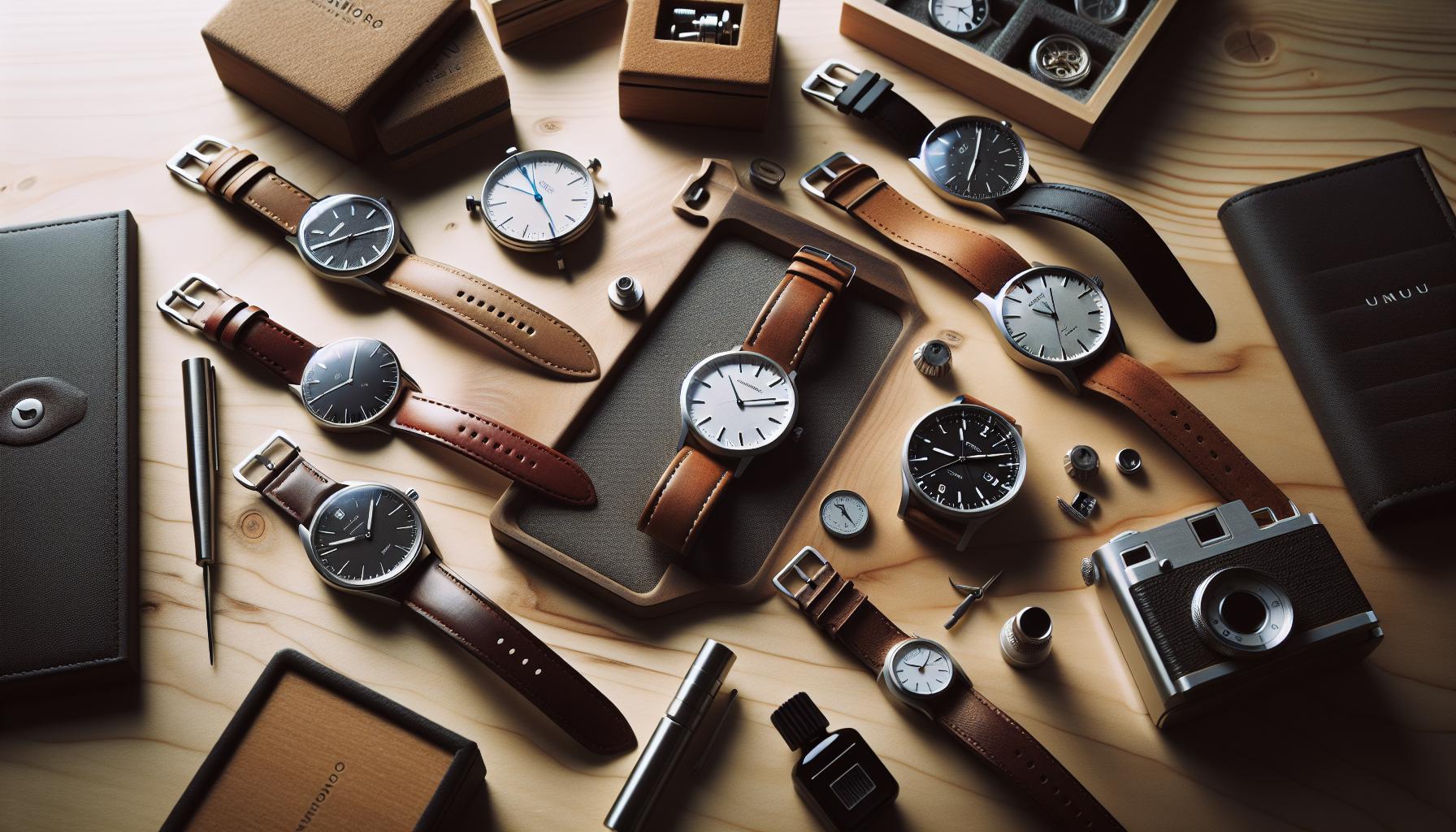
Key Factors When Choosing Your First Two Watches
Choosing your first two watches is an exciting crossroads where style, function, budget, and personal taste converge. It’s frequently enough said that the best watch isn’t necessarily the most expensive, but the one that fits your lifestyle and introduces you to the captivating world of horology in a meaningful way. When embarking on this journey, think of your duo as a dynamic balance – one piece to handle daily wear and active use, and another to express refinement or distinct character for dressier moments or collector curiosity.
The key is diversity: pairing an automatic mechanical watch with a quartz can be a practical and enjoyable approach. For example,a robust quartz model like the Casio G-Shock offers bulletproof reliability,shock resistance,and near-zero maintenance,typically priced under $150. This watch handles everything from workouts to weekend adventures without breaking a sweat. On the mechanical side, an automatic like the Seiko SKX or Orient Bambino (frequently enough available between $150-$400) introduces you to a living, breathing caliber - the intricate heart of a traditional watch. These automatics showcase craftsmanship through visible movement (sometimes through a sapphire caseback), smooth sweeping seconds hands, and the subtle artistry of mechanical watchmaking at accessible prices.
- Fit Your Wrist and Wardrobe: Versatility isn’t just about dial color or bezel style. Consider size, thickness, and strap comfort. A dive watch with a 42mm case might look superb, but if you have a smaller wrist, something closer to 38-40mm improves wearability and daily appeal. Also, a slimmer dress watch with a clean dial pairs effortlessly with both business attire and casual looks.
- Movement variety: A quartz watch gives you stellar accuracy and convenience, usually requiring battery changes every couple of years. An automatic watch, powered by your wrist motion, introduces mechanical complexity and a connection to centuries of watchmaking, but may need occasional servicing and mindful wear.
- Brand Reputation and Serviceability: Stick with brands known for quality and parts availability. Seiko, Orient, Hamilton, and Citizen offer solid after-sales support, so finding servicing or replacement parts won’t be a headache down the road.Avoid obscure microbrands with limited service networks if long-term value and ease are top priorities.
Balancing style and Function
A well-chosen starter pair often includes a tool watch (dive, field, or sport) known for durability and legibility, paired with a dress or classic watch showcasing elegance and subtler design details. For example,the Hamilton Khaki Field blends a historic military design with robust automatic movements around a $400-$600 price point,while the Orient Bambino offers classic dress watch aesthetics and automatic power for under $250. This setup covers practical daily scenarios-active weekends, office hours, and formal dinners-without overlap or redundancy.
Value Perspective and Smart Shopping
Value isn’t just about price tags but what each watch offers through design, movement quality, and reliability.While collector hype can skew prices, grounding your choices in genuine craftsmanship and personal enjoyment prevents regret.Remember: these watches are tools to explore tastes and horology, not mere status symbols. Previously mentioned models like the Casio G-Shock and Seiko SKX represent enduring value as of thier storied histories, excellent build quality, and robust aftermarket communities that foster affordability and upgrade potential.
| Watch Model | Movement | Approximate Price | Best For | Key Feature |
|---|---|---|---|---|
| Casio G-Shock | Quartz | <$150 | Everyday/Active Use | Shock & Water Resistance |
| Seiko SKX | Automatic | $200-$400 (used) | Dive/Weekend | Reliable Mechanical Movement |
| orient bambino | Automatic | $150-$250 | Dress/Formal | Classic Elegance & Affordable Craftsmanship |
| Hamilton khaki Field | Automatic | $400-$600 | Field/Military Style | Heritage Design & Robust Build |
Ultimately, the ”perfect two” reflects your daily life and sparks passion for horology, not just investment value or flash. A thoughtful mix opens doors to learning about complications (like date wheels, hacking seconds for accurate time setting) and nurtures a long-term appreciation for mechanical ingenuity alongside modern reliability.wise selections today form the cornerstone of a collection you’ll cherish and expand comfortably,embracing the full spectrum from quartz clarity to mechanical soul.
Comparing Automatic vs. Quartz Movements for Beginners
Watches are not just timekeepers-they are tiny marvels of engineering and art that tell stories about tradition,innovation,and personal style. When stepping into the world of watch collecting, understanding the core difference between automatic and quartz movements is like unlocking two distinct pathways that cater to varying tastes, needs, and budgets. Both offer excellent entry points for beginners but serve different lifestyle roles and horological passions.
Automatic watches are mechanical pieces powered by the natural motion of your wrist. Inside beats a tiny, intricate engine known as a caliber, frequently enough meticulously designed or sourced from renowned manufacturers. This movement winds a mainspring, which slowly unwinds to keep the hands moving. Automatic watches are cherished for their craftsmanship, visible through sapphire case backs or smooth sweeping seconds hands-a symbol of centuries-old watchmaking artistry. Iconic models like the Seiko SKX or the Orient Bambino demonstrate how accessible automatics bring this mechanical soul to the forefront without demanding a fortune. However, these watches do require more care: regular servicing every few years and mindful wearing to keep their intricate gears happy. They also may slightly lose or gain time daily, adding to the character and rhythm of mechanical living.
Quartz movements, conversely, represent modern precision wrapped in reliability and user-friendliness. Powered by a tiny battery and regulated by a quartz crystal oscillator, these watches boast extraordinary accuracy and minimal maintenance-typically a battery change every couple of years. Models like the Casio G-Shock epitomize the ruggedness and dependability of quartz technology, offering shock, water resistance, and nearly indestructible cases for under $150. These attributes make quartz watches unbeatable companions for active lifestyles, rough environments, or when you wont a “grab-and-go” option without fuss. They might lack the romantic sweep of an automatic’s seconds hand but excel at ticking reliably, silently, and precisely.
What to Consider When Choosing Between Automatic and Quartz
- Daily Use and Maintenance: If you want a watch that requires little attention and keeps near-perfect time, quartz is unbeatable. Conversely, automatics reward patience and care with their charm and the thrill of mechanical engineering.
- Emotional Connection and Horological Learning: Automatics allow beginners to appreciate complications (date functions, hacking seconds) and discover the heritage behind watchmaking. Quartz watches offer straightforward functionality.
- Price and Value: Quartz watches are generally more affordable upfront and cheaper to maintain. Automatics sit a little higher but often hold their appeal as collectible craftsmanship, especially renowned models like Hamilton Khaki Field or vintage Seiko automatics.
- wearability and Versatility: Combining both in a collection offers effortless versatility: a quartz for rough and casual days, an automatic for when you want to impress or indulge in watch culture.
| Feature | Automatic Movement | Quartz Movement |
|---|---|---|
| Power Source | Wrist motion winding mechanical spring | Battery-powered quartz crystal oscillator |
| Accuracy | Typically +/- 10 to 20 seconds per day | Usually +/- 15 seconds per month |
| Maintenance | Servicing recommended every 3-5 years | Battery replacement every 2-3 years |
| Typical Price Range (Entry Level) | $150 – $600 | Under $150 |
| Wearability | Feels “alive,” smooth sweep hand, sometimes thicker | lighter, thinner, extremely durable and shock-resistant |
| collector Appeal | High-historical importance, craftsmanship focus | Moderate-valued for reliability and design |
Embracing both automatics and quartz in your starter collection offers a compelling dynamic: the quartz watch as a workhorse, reliable and tough, and the automatic as the storyteller, inviting curiosity and admiration for watchmaking craftsmanship.Whether you lean toward the precision of a Casio G-Shock or the mechanical allure of an Orient Bambino, each type brings something unique to your wrist and your journey as a collector. This balanced duo is frequently enough the perfect way to ensure your introduction to horology is rich, practical, and above all, enjoyable.
Top affordable Watch Brands That Impress Collectors
The beauty of starting a watch collection today is that excellence isn’t limited to high price tags. Affordable watches now deliver remarkable craftsmanship, captivating movements, and timeless designs that resonate with collectors no matter their budget. Whether you’re drawn to mechanical artistry or rock-solid quartz reliability, many brands masterfully balance heritage, innovation, and value-making them perfect entry points for building a meaningful two-watch starter collection.
Seiko: The Mechanical Everyman’s Favorite
Seiko’s diverse range serves as a prime example of accessible mechanical pedigree. Their automatic calibers, from in-house 4R36 to the higher-end 6R15, power models like the Seiko SKX and the Presage lineup, offering rugged durability and classic styling. These watches show true mechanical heart without hefty price tags, generally falling between $150 and $500. Seiko’s fusion of reliability, clean design, and impressive finishing punches well above its price class, earning deep respect among collectors. The brand also excels in affordable quartz sports watches-think the iconic Seiko 5 Sports or solar-powered models that combine utility and style for under $200.
Citizen: Innovation Meets Everyday Precision
citizen is remarkable for pioneering Eco-Drive solar-powered movements, simplifying maintenance by eliminating battery changes. Their watches typically sit comfortably under $300,yet feature advanced technology and classic designs. The automatic NH8350 series offers trustworthy mechanical performance for enthusiasts keen on a more traditional experience, while the quartz-driven Promaster Diver series adds tactical ruggedness with features like 200m water resistance and luminous markers. Citizen’s blend of movement innovation,wearability,and price point makes it a logical choice for beginners who want a fuss-free,robust timepiece that wears seamlessly in various settings.
Orient: Mechanical Charm on a Budget
Orient, a Seiko-owned brand, is a undisputed champion of affordable automatics. Their movements are crafted in-house, a rarity in this price bracket, and their watches often feature practical complications like day/date and power reserve indicators. Models like the Orient bambino offer elegant style with domed crystals and clean dials, perfect for a dress-casual watch under $200. On the sportier side,the Mako and ray divers stand out for their solid build and classic styling,rivaling pricier counterparts with calibers that perform reliably. Orient’s focus on traditional automatic mechanics with modern durability creates impressive value, building collector enthusiasm from the ground up.
Casio: Quartz Workhorses and Iconic Models
No affordable collection is complete without a nod to Casio. Their G-Shock range is synonymous with durability, precision, and affordability-offering shock resistance, 200m water resistance, and battery lives stretching up to a decade, all generally under $150. G-Shocks double as excellent beaters alongside a mechanical piece. The Casio Edifice collection offers another side with sportier, quartz chronographs that hold polish and complexity without sacrificing cost. For collectors, Casio illustrates how quartz can be both technically impressive and highly versatile.
| Brand | Movement | Price Range | Strengths |
|---|---|---|---|
| Seiko | Automatic (4R36, 6R15), Quartz | $150 – $600 | Durability, mechanical authenticity, rich model range |
| Citizen | Eco-Drive (solar Quartz), Automatic NH8350 | $150 – $350 | Solar innovation, low maintenance, versatile design |
| Orient | In-house Automatic | $150 – $300 | Affordable mechanical with quality finishing and style |
| Casio | Quartz (G-Shock, Edifice) | Under $150 | Extreme durability, feature-rich, excellent quartz accuracy |
For first-time collectors aiming to balance their starting duo, considering one automatic from Seiko or Orient and pairing it with a robust quartz such as a Casio G-Shock is a winning recipe.This combo delivers mechanical storytelling and technical reliability side by side, while respecting budget and lifestyle needs.It’s proof that watch collecting doesn’t need to start with a steep price-just genuine passion and well-chosen pieces that inspire.
Iconic Watch Styles to Complement Any Wardrobe
A well-curated two-watch collection isn’t just about owning timepieces-it’s about storytelling, adaptability, and expressing personal style across varied settings.Iconic watch designs effortlessly bridge function and fashion, offering versatility that complements everything from casual jeans to tailored suits. The goal is to have one piece that anchors your everyday look and another that elevates your dressier moments. This ensures your collection remains practical while celebrating the artistry of horology in different contexts.
- The Diver: Rooted in utility and rugged elegance, classic dive watches like the Seiko SKX or Citizen Promaster have transcended their tool watch origins to become style staples. Their bold indices, rotating bezels, and water resistance make them perfect for weekend adventures yet polished enough for smart-casual wear.A dive watch is arguably a must-have for any starter duo-offering a mechanical movement option often with automatic calibers and robust build quality, priced comfortably between $150 and $500.
- The Dress Watch: Clean, understated, and timeless, dress watches such as the Orient Bambino capture sophistication without overwhelming your wrist. These typically feature minimalist dials, slim profiles, and genuine leather straps that slide effortlessly under a shirt cuff. For beginners, a simple in-house automatic movement wrapped in elegant design demonstrates how mechanical complexity and style blend-a compelling value proposition under $200.
- The Durable Quartz Sport Watch: on the opposite end is the quartz-powered Casio G-Shock, the champion of ruggedness and daily beaters. It combines extreme shock resistance, water resistance often to 200m, and a battery life stretching years without fuss. While quartz watches may lack the romantic mechanical narrative, they win on reliability and affordability, offering a functional, never-worry companion that pairs well with active lifestyles.
Balancing Style and Wearability
Choosing watches that complement your wardrobe means considering case size, dial coloration, and strap versatility. For example, a stainless steel dive watch with a neutral dial like black or blue pairs beautifully with casual and business attire. Meanwhile, a dress watch with a classic white or cream dial and brown leather strap brings warmth and refinement, ideal for formal occasions. Embracing watches with interchangeable straps can add a layer of personalization-swap a leather for a NATO strap on weekends, or a rubber band for sporty durability.
| Iconic Style | Typical Movement | Price Range | Best For |
|---|---|---|---|
| Dive Watch (e.g., Seiko SKX, Citizen Promaster) | Automatic (4R36, NH8350), Eco-Drive Quartz | $150 – $500 | Casual, smart-casual, sports, versatile daily wear |
| Dress Watch (e.g., Orient Bambino) | In-house Automatic | $150 - $250 | Formal, business, evening wear |
| quartz Sport Watch (e.g., Casio G-Shock) | Quartz | Under $150 | Durability-focused, active lifestyle, casual day-to-day |
Understanding these styles offers practical clarity when building your starter collection. You want watches that aren’t just admired from afar but actively worn and enjoyed. Combining a mechanical dive or dress watch with a tough quartz sport piece gives you adaptability for all situations, ensuring your timepieces support your lifestyle without compromise.
This approach honors watchmaking traditions while recognizing modern needs, proving you can build a coveted and useful collection without chasing hype or overspending. Celebrating craftsmanship at every price point means appreciating a $150 tool watch as much as a luxury brand’s grand complication.The right mix ultimately reflects your taste and habits, making every glance at your wrist a moment of joy.
How to Balance design, Function, and budget Perfectly
There’s an art to assembling a starter watch duo that doesn’t just look good but performs reliably and fits your budget comfortably. Balancing these factors means understanding what each watch should bring to your collection-not just style,but a purpose and personality. As a notable example, pairing a mechanical dive watch with a quartz sport piece covers a broad spectrum of function and design without redundancy. The dive watch delivers mechanical charm with its automatic movement, lumed hands, and rugged build, while the quartz companion offers hassle-free, precise timekeeping that’s tough enough for daily wear and active pursuits.
When thinking about design, avoid chasing trends or loud aesthetics that might feel outdated in a year. Rather, opt for timeless silhouettes like a clean, black dial diver or a slim, minimalist dress watch. These classics are versatile and more likely to complement a wide range of wardrobes-whether you’re wearing a casual tee or a business suit. Remember, design isn’t only dial color or case shape; strap options matter too. Watches with easily changeable straps let you switch leather for canvas or rubber depending from time to time and comfort, adding style flexibility without a hefty price tag.
Budget is often the most practical consideration, yet it doesn’t have to sacrifice quality or the feel of a “special” watch.Mechanical watches like the Seiko SKX or Orient Bambino can be had for under $300 and offer in-house or trusted calibers renowned for durability and precision.Simultaneously occurring, quartz models like the Casio G-Shock prove that affordability can come with impressive resilience and useful features such as shock resistance and long battery life. Spending smart means prioritizing core qualities-movement reliability, case finishing, and water resistance-over flashy branding or unnecessary complications that add cost without commensurate benefit.
Finding the Sweet Spot Between Function and Wearability
Selecting watches that fit comfortably on your wrist is just as vital as their inner workings. Such as, the Seiko SKX’s 42mm case size suits many but might overwhelm smaller wrists-consider its slightly smaller successors or other models with similar specs but reduced diameters.The Orient Bambino, frequently enough around 40mm with a slim profile, is perfect under a shirt cuff. The Casio G-Shock’s bulk and resin case provide shock protection but can be surprisingly light, making it ideal for active days. Prioritize watches that feel good during prolonged wear, considering case thickness, lug-to-lug length, and strap material.
A simple comparison table might help frame your options clearly:
| Model | Movement | Price Range | Design Highlights | Key Functions |
|---|---|---|---|---|
| Seiko SKX | Automatic (4R36) | $200 - $400 | Rotating bezel,bold indices,rugged steel case | diving,mechanical charm,water resistance 200m |
| Orient Bambino | In-house Automatic | $150 – $250 | Slim,classic dress watch dial,domed crystal | Elegant daily/business wear,date complication |
| Casio G-Shock | Quartz | Under $150 | Shock-resistant resin,digital/analog models | Extreme durability,long battery life,water resistance |
Balancing these watches in your starter collection means that you’re covered for both everyday situations and special occasions,without breaking the bank. This isn’t just an exercise in thrift; it’s about maximizing joy and utility from every timepiece, no matter the price. By appreciating craftsmanship across price points-whether the engineering under a $150 tool watch or the artistry in high-end luxury pieces-you build a collection that’s deeply personal and sustainably grown.Above all, remember that watches are about moments and memories, not just monetary value. Choose pieces that resonate with your lifestyle and aesthetic, that feel right on your wrist, and that bring a smile when you check the time. That’s the perfect balance of design, function, and budget in a two-watch collection.
Evaluating Value Retention and Resale Potential
Few things spark debate among watch enthusiasts like value retention and resale potential. While some collectors view watches primarily as wearable art or sentimental keepsakes, it’s practical to understand how your choices might hold, gain, or lose value over time-especially if you’re building a starter duo on a budget where every dollar counts.
When evaluating resale potential, the type of movement plays a subtle but important role. Mechanical automatics, frequently enough prized for their craftsmanship and complexity, can maintain or increase value, notably if powered by respected in-house calibers (movements developed by the brand itself) like Seiko’s 4R36 or Orient’s F6724. These calibers, while affordable and robust, foster collector interest because they’re emblematic of the brand’s heritage and expertise. Conversely, quartz watches such as the Casio G-Shock, with their battery-driven precision and rock-solid reliability, usually depreciate faster on the resale market. But that doesn’t mean quartz models have no value-on the contrary, they retain strong appeal as highly durable, practical tools that often command premium price points in limited editions or vintage models.
brands and Models That Defy Typical Trends
Certain brands are synonymous with strong value retention. Rolex, such as, especially the Submariner, frequently enough appreciates due to scarcity and iconic status. But if your budget doesn’t stretch into luxury territory, fear not. Mid-tier brands like Seiko and Tissot have watches that can hold value well relative to their price. The Seiko SKX you might pick as a starter automatic dive watch is widely respected, with a vibrant enthusiast community that keeps secondhand demand alive. Meanwhile,quartz stalwarts like the G-Shock demonstrate exceptional resilience,with specific vintage or rare models occasionally attracting premium resale prices.
Factors Beyond Brand That Affect Value
- Condition and Completeness: Original boxes, papers, and an unpolished case generally ensure better resale.
- Rarity and Edition: Limited runs or discontinued models often perform well.
- Popularity and Trend Cycles: Watches with timeless designs maintain appeal longer than trendy or flashy styles.
- Functionality: Watches with versatile complications-like a date or GMT-can appeal to a broader market.
| Watch | Price Range (New) | Typical Resale Value | Reason for Value Retention |
|---|---|---|---|
| Seiko SKX | $200 – $400 | ~70-85% after 3 years | Durable automatic caliber, cult following, classic dive watch design |
| Orient Bambino | $150 – $250 | ~60-75% after 3 years | Affordable in-house movement, dress watch niche, timeless styling |
| Casio G-Shock (basic models) | Under $150 | ~50-60% after 3 years | Highly durable, less collectible but huge aftermarket demand |
Knowing resale is rarely a guaranteed profit opportunity helps set realistic expectations.Watches are frequently enough better appreciated for their craftsmanship, reliability, and how they fit your lifestyle. When you pick your first two watches with a mindful eye on quality and brand reputation, you’re not just buying tools to tell time-you’re investing in pieces that can serve you well for years and potentially offer a neat return if you decide to re-home them.
Ultimately, mixing a classic mechanical model with a rugged, modern quartz piece, like the seiko SKX and Casio G-Shock, balances your collection’s emotional and monetary value. They complement each other not only in function and style but also in how their worth stands up over time-making your starter collection both enjoyable and, if needed, financially savvy.
Wearability: Sizing, Comfort, and Everyday Use Tips
Finding that ideal fit isn’t just about aesthetics-it’s the foundation of a watch’s daily comfort and wearability.Even the most beautifully crafted timepiece can fall short if it’s too bulky, heavy, or awkward for your wrist. When assembling your starter duo, considering size and comfort first ensures that both watches become natural extensions of your style and routine.
A key sizing element is the case diameter and thickness. For many, watches between 38mm and 42mm strike a perfect balance-large enough to read easily but not so big they overwhelm smaller wrists. Take the Seiko SKX, for example: its 42mm diameter and ample case presence suit medium to larger wrists well, offering that classic dive watch robustness without feeling cumbersome. on the flip side, the Casio G-Shock typically wears bigger but distributes its weight across a resin case, making it surprisingly agreeable and perfect for sporty, active wear. Thickness affects how easily a watch slips under a sleeve cuff-automatic divers tend to be thicker due to their movements and water resistance, whereas quartz watches like many G-Shocks are often slimmer and more versatile under dress shirts.
Comfort Beyond Size
The strap or bracelet plays a pivotal role in day-to-day comfort. Metal bracelets, while durable and often prestige-enhancing, can add weight and sometimes pinch or pull hairs. Adjustability and clasp design matter here. The Seiko SKX’s stainless steel bracelet offers solid heft but forgiving flexibility, perfect for long wear. Conversely, resin or silicone straps on G-Shock models are lightweight, highly flexible, and absorb sweat well-ideal for everyday rough-and-tumble wear in all climates.Don’t underestimate the power of swapping original straps for aftermarket options, like leather or NATO straps, to tailor comfort and style exactly to your preferences without breaking the bank.
Practical tips for Everyday wear
- Try Before You Buy: Whenever possible, test watches on your wrist to see how they feel during typical daily activities like typing or driving.
- Account for Wrist Shape: Flat wrists might favor watches with curved lugs for better conformity, while rounder wrists have more styling flexibility.
- Weight Distribution: A watch should feel balanced, not front-heavy; this aids extended comfort and prevents unnecessary wrist fatigue.
- Movement Considerations: Automatic watches like the SKX will need regular wearing or winding to stay powered, while quartz watches like G-Shocks run on batteries for years with minimal fuss-something to consider if you want truly low-maintenance daily pieces.
Choosing a starter duo that blends one automatic with mechanical charm and a rugged quartz watch combines the best of both worlds, delivering contrasting yet complementary wear experiences. Your automatic provides that satisfying sweep of the seconds hand-a living mechanical spectacle-while the quartz maintains practical, rock-solid precision day in, day out.
Comfort and wearability are just as crucial to enjoying your collection as design or mechanical pedigree. Listen to your wrist’s needs and lifestyle demands, and you’ll find your starter watches seamlessly become your trusted companions, never just objects on display but tools crafted to live with you, every day.
Understanding Complications and Features That Matter
Few things showcase a watch’s character more vividly than the complications and features it offers. Whether you’re gearing up to pick a starter duo or simply want watches that do more than tell time, understanding these elements will greatly enhance both your collecting journey and daily enjoyment. Keep in mind: complications don’t have to be an expensive luxury or a bewildering tangle of mechanics. Even modest watches can deliver useful, well-engineered features that elevate functionality and style without blowing your budget.
at their core, complications are any functions on a watch beyond basic hours, minutes, and seconds. The classic example you’ll frequently enough find on an automatic dive watch, like the Seiko SKX, is the date window-a simple but extremely handy addition. It’s certainly worth noting that date complications can vary: some watches show only the date, others add the day of the week, and some, called annual calendars, intelligently adjust for different month lengths.For everyday use, a well-executed date display enriches the dial without cluttering, balancing form and function. On the quartz side, even affordable Casio G-Shocks come packed with functional extras like stopwatches, countdown timers, and alarm functions-features that underscore why quartz models are prized for rugged practicality.
When More Is More: Common Features worth Considering
As you explore your starter duo, keep an eye out for complications that suit your lifestyle and aesthetic. Here are a few that add real value, especially at accessible price points:
- Luminous hands and markers: vital for legibility in low light, lume today ranges from basic glow-in-the-dark paint to premium options like Super-LumiNova, found in both affordable Seikos and high-end tool watches.
- Water resistance: Often overlooked, this feature ensures the watch can handle day-to-day splashes or even swimming. For a versatile starter pair,pairing a dive watch with 100m+ water resistance alongside a less specialized but more formal piece covers nearly all bases.
- chronograph functions: Timers with independent seconds and subdials can be incredibly practical for enthusiasts who enjoy tracking elapsed time - think Tissot’s value-packed chronos or affordable Seiko racing chronographs.
- GMT or dual-time: For travelers, watches with an additional 24-hour hand let you keep track of two time zones together, making them not just conversation starters but genuine tools.
Balancing Complexity and Everyday Wear
It’s tempting to chase all the bells and whistles, but more complications can mean added bulk, increased service costs, and sometimes reduced legibility.For your starter two-watch collection, aim for contrasting yet complementary functions. For example, pairing a mechanically thoughtful automatic with a date complication alongside a tough, quartz piece loaded with digital timers or alarms gives you functionality coverage – mechanical charm and rugged utility in balance.
This pairing strategy also keeps maintenance simple. Automatic complications require periodic servicing to maintain accuracy and smooth function, while quartz features stay mostly fuss-free for years. Your automatic’s charming sweep and traditional complications become more appreciable when contrasted with a quartz watch’s no-nonsense precision and practical digital extras.
| Complication/Feature | Typical Movement Type | Function | Example Models | Price Range |
|---|---|---|---|---|
| Date Window | Automatic & Quartz | Shows current date | Seiko SKX, Casio Edifice | $150 – $500 |
| Luminous Markers | Automatic & Quartz | Visibility in low light | Seiko SKX, G-Shock DW5600 | $50 - $500 |
| Chronograph | Automatic & Quartz | Elapsed time measurement | Tissot PRC200, Seiko SSB series | $200 - $600 |
| GMT/Dual Time | Automatic & Quartz | Tracks multiple time zones | seiko 5 GMT, Citizen Nighthawk | $300 – $700 |
| Alarm/Countdown Timer | Quartz/Digital | alerts/countdowns for tasks | Casio G-Shock, Timex Ironman | $50 – $200 |
Understanding complications also gives you insight into watch craftsmanship, helping you appreciate the blend of skill, innovation, and design that goes into even affordable timepieces. The sweep of an automatic seconds hand isn’t just pretty-it’s a dance of hundreds of tiny components working in harmony, while a quartz alarm ticking away flawlessly for years showcases electronic reliability in contrast.
Ultimately, choosing your first two watches based on meaningful features guarantees they’ll not only look great but also resonate with your daily habits and collector’s spirit. Whether it’s the rugged stopwatch on your G-Shock or the date complication on your automatic, these details make your starter duo truly sing.
Mixing Heritage and Modern Flair in Starter Watches
A starter watch collection gains its soul when it combines the rich story of heritage models with the vitality and innovation of modern designs. This blend not only enriches your wrist game but also connects you with watchmaking’s evolving narrative-showcasing how timeless craftsmanship meets contemporary flair. For example, pairing a classic automatic like the Seiko SARB033, known for its elegant Bauhaus-inspired dial and robust in-house movement, with a sleek, feature-packed Casio G-Shock DW5600 creates a dynamic duo. One celebrates mechanical tradition and subtle sophistication, while the other delivers cutting-edge durability and digital tech, giving you versatility for workdays and weekends alike.
Heritage watches often shine due to their proven calibers, enduring aesthetics, and historical meaning. Brands such as Tissot and Hamilton offer vintage-inspired automatics under $500 that honor classic design while incorporating modern manufacturing standards. These pieces teach novices to appreciate qualities like smooth sweeping seconds hands, thoughtfully positioned complications, and restrained dial layouts. On the flip side, contemporary watches emphasize materials like carbon fiber, ceramic, or titanium and include smart features-think Bluetooth connectivity or solar-powered quartz movements-without sacrificing style. This balance ensures your first two watches aren’t just accessories, but tools tailored for varied settings.
Why This Combination Works Long-Term
- Diversify Function and Style: Heritage watches typically carry timeless dress or field watch aesthetics,making them an easy match for formal occasions. Modern sport or digital watches provide rugged sportiness and technical features that suit active lifestyles.
- Value and Wearability: Vintage-inspired automatics might appreciate or maintain value over time due to their collector appeal, while modern quartz or hybrid watches hold value through practicality and low upkeep.
- Maintenance Balance: Automatic heritage watches require periodic servicing-a worthwhile investment for their craftsmanship. Quartz modern watches offer hassle-free reliability, keeping your wrist real estate covered without constant upkeep.
| Watch Type | example Model | Movement | Price Range | Core Appeal |
|---|---|---|---|---|
| Heritage Automatic | Seiko SARB033 | Automatic, 6R15 caliber | $350 - $500 | Classic styling, mechanical craftsmanship |
| modern Quartz/Digital | Casio G-Shock DW5600 | Quartz, digital module | $80 - $150 | Durability, multifunction features |
| Heritage-Inspired Chronograph | Tissot PRC 200 | Quartz or automatic options | $300 – $600 | sporty elegance, chronograph timing |
| Contemporary Hybrid | Citizen Promaster Tough | Eco-Drive solar quartz | $400 – $600 | Solar power, robust modern design |
Tips for Choosing Watches That Bridge Past and Present
- Focus on Complementary Roles: Select watches with contrasting purposes-one can be your everyday automatic with traditional charm, the other a digital or solar watch optimized for sports and outdoor use.
- Value the story and Specs: Research movement caliber origins, case materials, and design lineage. Understanding a watch’s “why” deepens the collecting experience.
- Consider Versatility: A watch that easily dresses up or down offers more wrist time and more opportunities to appreciate its aesthetics and engineering.
Mixing heritage and modern flair is not about choosing sides-it’s about curating a smart, engaging collection that matches diverse occasions and moods. This approach lets a new collector savor the classic romance of mechanical watchmaking while embracing the practical benefits of contemporary tech and rugged construction. Whether you admire the intricate dance of gears in a Swiss-made automatic or depend on the unyielding accuracy of a solar-powered quartz, the joy comes from appreciating watchmaking’s full spectrum-without ever feeling locked into trends or status.
Maintenance Basics for Long-Lasting Performance
A well-maintained watch is a joy that lasts decades-sometimes much longer. Whether you’re wearing an elegant automatic like the Seiko SARB033 or a rugged Casio G-Shock DW5600, understanding the basics of care can keep your wrist companions ticking and glowing with pride.Watches aren’t just tools or accessories; they’re mechanical artworks or high-precision instruments that deserve attention beyond just winding or swapping batteries.
Automatic watches rely on intricate mechanical movements-like the Seiko 6R15 caliber powering the SARB033-that use tiny gears, springs, and lubricants to keep time. These components are subject to wear, friction, and dust, so routine servicing every 3-5 years is crucial. During service, a skilled watchmaker disassembles the watch, cleans the movement, replaces dried lubricants, and adjusts accuracy. While servicing might seem costly initially (often $100-$200 for mid-range watches),it pays off by preserving your watch’s function and value. Neglect can cause costly damage, like worn pivots or broken mainsprings.
Quartz or digital watches-such as the Casio G-Shock-are champions of low maintenance.Their battery-powered quartz crystals provide stellar accuracy with minimal fuss. That said, periodic battery changes (every 2-3 years) and gasket replacements to maintain water resistance are key upkeep points. For solar-powered quartz watches like Citizen’s Eco-Drive models, regular exposure to light keeps batteries charged, but occasional professional checks ensure seals and sensors work flawlessly. Many collectors appreciate these models for their ”wear-and-forget” practicality, balancing out the time and care demanded by mechanical pieces.
- Daily Handling Tips: Avoid exposing both types-automatic and quartz-to extreme magnetic fields (near speakers or phones), sudden shocks, or rapid temperature changes. Always secure the crown fully against water and dust ingress.
- Storage Recommendations: Store automatics in a watch box, preferably with a watch winder if you rotate pieces frequently enough-this keeps oils circulating and the mainspring wound. Quartz watches benefit from dry,stable environments to protect batteries and electronics.
- Cleaning: A soft cloth and occasional gentle brushing keep cases and bracelets free of grime and sweat that can degrade metal finishes.
| Watch type | Typical Service Interval | Common Maintenance Tasks | Approximate Cost Range |
|---|---|---|---|
| Automatic (e.g., Seiko SARB033) | Every 3-5 years | Movement overhaul, lubrication, accuracy calibration, gasket replacement | $100 - $250 |
| Quartz Battery-Powered (e.g., Casio G-Shock DW5600) | Battery change every 2-3 years | Battery replacement, gasket check/replacement, exterior cleaning | $20 - $50 per battery change; gasket replacement costs vary |
| solar-Powered Quartz (e.g., Citizen Promaster Tough) | Battery typically 10+ years; seals every 3-5 years | Light exposure, gasket servicing, sensor and battery health checks | Minimal; gasket check $30 - $80 if needed |
Proper maintenance also helps protect your watch’s resale value. A chronically unserviced automatic will eventually lose precision and might develop hard-to-fix mechanical faults, negatively impacting collector appeal. Conversely,a regularly checked and beautifully preserved piece tells a story of respect and care,desirable whether you keep it for life or pass it on later.
Lastly, don’t hesitate to register your watch with the brand or authorized service centers, especially on mid- to higher-end models. Brands often keep maintenance histories, help authenticate your investment, and sometimes offer service discounts or prompt recalls if issues arise. Think of maintenance as an ongoing conversation between you and your watches-it’s part of the journey, deepening your connection to the mechanics and craftsmanship on your wrist. This simple yet mindful care routine lets your starter duo not only serve you well today but become cherished pieces that transcend time.
How to Buy Smart: Trusted Retailers and Online Deals
Smart buying isn’t just about finding the best price-it’s about securing authenticity, warranty protection, and a satisfying buying experience that sets the tone for your entire watch collection journey.Whether your starter duo includes a robust Casio G-shock or a refined Seiko automatic, buying from trustworthy sources will protect your investment and peace of mind.
Authorized Dealers and Brand Boutiques
Starting with authorized retailers or brand boutiques ensures you get a genuine piece with full factory warranty and after-sales support. These sellers have strict agreements with manufacturers and provide all paperwork,including manuals and certification. This is especially critical for automatics, where servicing history and warranty validation add value and ease of future maintenance. Additionally, authorized dealers sometimes offer bundle deals, such as free straps or servicing discounts, which enhance your ownership experience.
Online platforms like Chrono24, Jomashop, or Hodinkee Shop have opened up a world of options, including new, pre-owned, and discontinued models. They occasionally offer attractive discounts that aren’t available in stores, especially for quartz watches or entry-level automatics from brands like Tissot or Hamilton. However, caution is key here: always verify seller ratings, ask for clear photos, and confirm return policies before purchase. Trusted sellers provide full openness about watch condition, service history, and authenticity guarantees.
Pre-Owned and Vintage Markets: Finding Character and Value
For those looking to mix heritage with modern flair, pre-owned watches can offer unbeatable value and a unique style not found in current collections. Platforms like WatchBox or local watch fairs allow you to inspect condition closely; plus, many pre-owned watches come with recent servicing, further securing your purchase. In the vintage realm, patience and research pay off-buying from reputable vintage specialists or well-reviewed dealers minimizes the risk of counterfeit or over-polished finds.
Tips for Scoring Online Deals Without Sacrificing Security
- Confirm Warranty Status: New watches should carry a manufacturer’s warranty, while pre-owned pieces often have vendor-backed guarantees.
- Understand Return Policies: Clear, reasonable returns provide a safety net if the watch isn’t as was to be expected.
- Request Service Records: For automatics,recent servicing adds confidence in mechanical health.
- Look for Trusted Payment Methods: Use platforms or payment methods offering buyer protection.
- Ask Questions: Don’t hesitate to request extra photos, detailed descriptions, or even a video of the watch working.
| Buying Channel | Pros | Cons | Ideal For |
|---|---|---|---|
| authorized Dealer/Brand Boutique | Full warranty, guaranteed authenticity, after-sales service | Usually higher prices, limited discounts | First-time buyers, warranty assurance, premium brand purchases |
| Online Marketplaces (e.g., Chrono24, Jomashop) | Competitive pricing, wide selection, new and pre-owned options | Variable seller reliability, risk of scams, warranty complexity | Experienced buyers, bargain hunters, niche model seekers |
| Pre-Owned/Vintage Dealers | Unique models, potential value appreciation, history-rich pieces | Risk of counterfeit, condition variability, limited warranty | Collectors, vintage enthusiasts, value seekers |
Ultimately, combining a sharp eye with good research transforms a purchase from uncertain gamble into satisfying acquisition. Remember, the thrill isn’t just in the watch itself, but in the story behind how you found it and made it part of your collection. Buying smart is an essential chapter in turning your starter duo into treasured timekeepers that reflect your taste, budget, and horological passion.
Q&A
Q: How can a 2 watch collection cover both casual and formal occasions effectively?
A: A 2 watch collection should include one versatile casual watch, like a durable quartz or sport model, and one elegant automatic dress watch. This mix ensures you’re prepared for everyday use and formal events, balancing design and function. See Iconic Watch Styles and Wearability Tips in the main article for styling guidance. Q: what are the best budget-friendly combinations for starter two-watch sets?
A: The best budget-friendly starter duos pair an affordable automatic watch (e.g., Seiko 5) with a reliable quartz (e.g., Casio G-Shock). This combination offers technical variety and value retention without breaking the bank. Explore Top Affordable Brands and Value Retention sections for specific model picks.
Q: Why choose different movement types in a starter watch duo?
A: Choosing one automatic and one quartz watch in your starter duo combines mechanical craftsmanship and accuracy. Automatics showcase traditional watchmaking, while quartz offers low-maintenance reliability. This balance enhances your appreciation of watch complications and performance. Refer to Automatic vs.Quartz Movements for detailed comparisons.
Q: how should I decide the size and wearability of two watches in my first collection?
A: Select watches with complementary sizes-typically a 38-42mm dress watch and a slightly larger casual piece. Prioritize comfort and wrist fit to ensure daily wearability. Our Wearability and Sizing Tips provide clear guidance on balancing design with ergonomics for any budget.
Q: What features or complications add the most value to a starter two-watch collection?
A: Focus on practical complications like date display,water resistance,and simple chronographs for daily utility without overcomplicating.These features improve wear experience and value retention.See Understanding Complications for how these enhance both design and function in starter watches.
Q: How often should I service my two-watch starter collection to maintain performance?
A: Service mechanical automatics every 3-5 years to maintain accuracy and longevity; quartz watches require less frequent checks, mainly battery replacements. Following Maintenance Basics ensures your collection remains reliable and holds its value.
Q: Where is the best place to buy quality starter watches within a limited budget?
A: Trusted online retailers like authorized brand boutiques and reputable marketplaces offer competitive deals and warranties. Buying smart includes comparing prices, checking authenticity, and reading reviews. See How to Buy Smart for trusted sources and tips on snagging great deals.
Q: How can a 2 watch collection reflect personal style while staying budget-conscious?
A: Personalize your starter duo by mixing classic and modern designs, balancing heritage with trend-forward styles. Choose watches that complement your wardrobe and daily activities without overspending. The sections on Iconic Styles and Balancing Design with Budget provide inspiration for lasting style.
For deeper tips on selecting the perfect starter duo, explore the full guide’s sections mentioned above. This FAQ aims to help beginners build a versatile, affordable, and stylish 2 watch collection confidently.
Future Outlook
Choosing the perfect starter duo-combining an automatic or quartz movement watch with complementary styles-sets a strong foundation for any budget-conscious collector. Whether you prioritize versatility, craftsmanship, or value retention, this carefully curated pair offers reliability and wearability without compromising on style or horological integrity. Ready to explore deeper insights on building your collection? Check out our guides on themed luxury watch collections and different ways to grow your watch assortment to keep refining your approach.
Don’t wait to elevate your watch game-sign up for our newsletter for expert tips, upcoming reviews, and exclusive offers tailored for both newcomers and seasoned enthusiasts. Have questions or want personalized recommendations on calibers, complications, or resale potential? Drop a comment below or explore our consultation services to confidently navigate your next horology purchase. Dive into your next watch adventure today and experience the joy of mechanical art that fits your lifestyle and budget.
A: Choosing one automatic and one quartz watch in your starter duo combines mechanical craftsmanship and accuracy. Automatics showcase traditional watchmaking, while quartz offers low-maintenance reliability. This balance enhances your appreciation of watch complications and performance. Refer to Automatic vs.Quartz Movements for detailed comparisons.
A: Select watches with complementary sizes-typically a 38-42mm dress watch and a slightly larger casual piece. Prioritize comfort and wrist fit to ensure daily wearability. Our Wearability and Sizing Tips provide clear guidance on balancing design with ergonomics for any budget.
A: Focus on practical complications like date display,water resistance,and simple chronographs for daily utility without overcomplicating.These features improve wear experience and value retention.See Understanding Complications for how these enhance both design and function in starter watches.
A: Trusted online retailers like authorized brand boutiques and reputable marketplaces offer competitive deals and warranties. Buying smart includes comparing prices, checking authenticity, and reading reviews. See How to Buy Smart for trusted sources and tips on snagging great deals.


