

How to Build Watch Collection: Strategic Growth Blueprint
Building a watch collection is more than just amassing timepieces-it’s a curated journey through craftsmanship, history, and personal style. This strategic growth blueprint helps you navigate key choices: from understanding movements like automatic calibers to balancing budget-kind staples against luxury icons. Whether you’re drawn to a reliable Casio G-Shock or a refined Rolex Submariner, knowing how to select watches that appreciate in value, suit your lifestyle, and showcase horological artistry is crucial.Many beginners feel overwhelmed by jargon or unsure where to start-this guide breaks down complex terms like complications and in-house movements into clear, approachable insights. By focusing on diverse brands and models across price points,you’ll learn how to build a meaningful collection that respects both mechanical engineering and aesthetic appeal. Dive in to discover how thoughtful acquisition and strategic planning can transform your watch collection from a hobby into a rewarding passion, blending enjoyment, knowledge, and investment sense.
Contents
- Understanding Watch Collecting Basics and Terminology
- Setting Your Collection Goals and Budget Framework
- Evaluating Watch Movements: Quartz, Automatic, and Manual
- Choosing Iconic Brands and Models with Lasting Appeal
- Balancing Style, Function, and Wearability in Selections
- Mastering Watch Complications and Their Value impact
- Strategic Buying: New, pre-Owned, and Vintage Markets
- Tools and Tips for Authenticity and condition Assessment
- Building Diversity: Mixing Dress, Sport, and Tool Watches
- Managing Collection Growth: rotation and Storage Solutions
- Tracking Value: Resale, appreciation, and Investment Potential
- Connecting with Watch Communities and Resources
- FAQ
- Q: How can I effectively document my watch collection for better management and insurance?
- Q: What role does provenance play in increasing a watch’s collectible value?
- Q: When is the best time to sell or trade watches from my collection for optimal return?
- Q: How do limited editions and special releases impact a strategic watch collection?
- Q: What are the key considerations for integrating smartwatch technology into a traditional watch collection?
- Q: How can I develop a personal watch style that evolves with my collection?
- Q: Why should I consider regional watch markets when expanding my collection internationally?
- Q: What maintenance schedule should I follow to preserve the condition of mixed watch movements?
- The Way Forward
Understanding Watch Collecting Basics and Terminology
Watches are more than instruments for telling time-they’re miniature marvels of engineering, design, and history wrapped around your wrist. Whether you’re drawn to the rugged utility of a Casio G-Shock or the refined craftsmanship of a vintage Rolex Submariner, understanding the core basics and terminology of watch collecting will empower you to make informed and confident choices.Embracing watch collecting isn’t about status or frenzy; it’s about appreciating the layers behind every dial,bezel,and movement-celebrating both entry-level and haute horlogerie with equal enthusiasm.
Key Horology Terms Every Collector Should Know
- Movement (caliber): This is the engine of the watch. It dictates how timekeeping works and can be mechanical (manual or automatic) or quartz. For instance,an manual movement requires winding by hand,while an automatic uses wrist motion to self-wind. Quartz movements run on batteries and offer high accuracy at an affordable price.
- Complication: Any function on a watch beyond simple hours and minutes. Common complications include date displays, chronographs (stopwatch functions), moon phases, and GMT (dual time zones). Each adds layers of craftsmanship and value.
- In-house vs. Outsourced Movement: watches with in-house movements develop and manufacture their own calibers, often viewed as a mark of prestige and technical mastery. Brands like Rolex and Omega pride themselves on this, but many respected brands also use reliable outsourced calibers (e.g., ETA or Sellita) which can be more affordable and easier to service.
- Bezel: The ring surrounding the watch face, frequently enough functional-as a notable example, dive watch bezels rotate to track elapsed time.
- Field, Dress, Tool, and Sports Watches: These categories describe design and purpose. Field watches are rugged and legible, dress watches are refined and elegant, tool watches are specialized (divers, pilots), and sport watches blend durability with style.
Why These Basics Matter
Getting familiar with these terms doesn’t just help you sound the part at watch enthusiast meetups; it shapes the way you assess potential additions for your collection. For example, understanding movements will steer you toward mechanical watches if you love craftsmanship or quartz if you prioritize affordability and accuracy.Recognizing complications lets you appreciate the skill behind a moonphase or GMT, and knowing what an ”in-house movement” signifies can guide your brand preferences.
Consider this practical advice: don’t feel pressured to promptly chase after iconic luxury brands. For $150, a Tissot with a reliable ETA movement offers unbelievable mechanical watchmaking value, while a sub-$100 G-shock stands out for rugged utility and design innovation. Both deserve respect and admiration. Over time, as you grow more familiar with horology basics, you’ll develop your own collector’s eye and voice, picking pieces that resonate personally beyond trends or hype.
—
Building a well-rounded collection starts with this shared language and understanding-it sets the foundation for purposeful, confident, and joyful collecting that blends passion with knowledge.

Setting Your Collection Goals and Budget Framework
Few things define a thoughtful watch collection like clear goals paired with a realistic budget. Collecting watches isn’t just about amassing pieces-it’s about curating a selection that reflects your passion, lifestyle, and long-term interests. Starting with a defined purpose helps avoid impulse buys and haphazard growth, turning your hobby into a meaningful journey, whether you’re drawn to rugged tool watches or the refined charm of haute horlogerie.
Understand Why You Collect
Are you after watches primarily for daily wear, investment potential, or celebrating milestones? Your collecting focus might be anchored in appreciating craftsmanship, exploring iconic designs, or even owning functional complications like chronographs or GMTs. Such as, a collector fascinated by mechanical engineering might lean toward automatic watches with in-house calibers from brands like rolex or Omega. conversely, someone valuing practical durability could gravitate toward quartz-driven casio G-Shocks or field watches from Hamilton. Knowing your “why” helps streamline choices and keeps your collection cohesive and satisfying over time.
Crafting a Budget That Respects your Priorities
Budgeting doesn’t mean limiting your fun; it means buying smart. Start by setting a realistic overall spend and then decide if you prefer a few standout pieces or multiple more affordable watches. For instance:
- Entry-Level Collectors: Brands like Tissot or Seiko offer robust automatic movements under $500, providing excellent bang-for-buck and building horology knowledge without breaking the bank.
- Mid-Tier Collectors: Here, you might explore iconic models like the Omega Seamaster or Tudor Black Bay ($2,500-$5,000), balancing prestige with a reasonable price.
- Luxury collectors: Investing $10,000+ opens doors to haut de gamme timepieces like Rolex Submariner or Patek Philippe Calatrava, coveted for craftsmanship and potential appreciation.
Remember, budget agility allows you to welcome both vintage gems offering historical appeal and new releases with cutting-edge tech. It also prepares you to navigate the pre-owned market where dealers and private sellers often provide compelling deals.
Practical Steps to Align Goals & Budget
- Define Your Collection Size: Do you want a lean, rotation-friendly few or a broad library of styles? Smaller collections often get more wrist time per watch, while larger ones offer variety.
- Prioritize Versatility: Consider watches that fit multiple occasions to maximize wearability-like a dive watch that pairs well both with casual attire and a suit.
- Allocate Funds Wisely: Sometimes it’s better to spend more on your “pillar” watches and less on secondary pieces, ensuring quality anchors your collection.
- Plan for Future Growth: Budgeting isn’t static-review and adjust as your tastes evolve or your wallet allows,keeping your collection dynamic rather than stagnant.
Example Budget Framework Table
| Collection Tier | Number of Watches | Average Price per Watch | Total Approximate Budget | Examples |
|---|---|---|---|---|
| Entry-Level | 3-5 | $200-$600 | $600-$3,000 | Tissot PRX, seiko SKX |
| Mid-Tier | 3-7 | $1,000-$5,000 | $3,000-$25,000 | Tudor Black bay, Omega Seamaster |
| Luxury | 5+ | $7,000+ | $35,000+ | Rolex Submariner, patek Philippe Nautilus |
By locking in goals and budgeting upfront, you transform your collection from accidental acquisitions into a deliberate, fulfilling expression of your horological passions-whether leaning into mechanical artistry or valuing rugged functionality. This approach fosters confidence in every purchase, and with time, you’ll create a collection that feels less like an obligation and more like a carefully curated story told through dials, movements, and heritage.
Evaluating Watch Movements: Quartz, Automatic, and Manual
Choosing the right watch movement is basic to shaping a collection that resonates with your passion, lifestyle, and budget. Movements-the engine at the heart of a watch-tell a story of craftsmanship, precision, and purpose. Whether it’s the hum and sweep of a mechanical automatic, the tactile ritual of winding a manual, or the bulletproof reliability of quartz, each movement offers distinct benefits and personality traits that can enhance your collection.
Quartz: The Reliable Workhorse
Quartz movements are powered by a battery and regulated by a quartz crystal, which vibrates at a precise frequency. This makes quartz watches exceedingly accurate, often losing or gaining only a few seconds per month. They require minimal maintenance beyond periodic battery changes. Popularized by brands like Casio (think G-Shock) and entry-level models from Seiko or Citizen, quartz watches excel in durability, affordability, and everyday practicality.
Quartz is ideal for collectors who want a no-fuss, low-maintenance option or are drawn to tool watches built for rugged conditions. For example,the Casio G-Shock DW5600 blends indestructible construction with precise timekeeping and a cult following that balances value with extraordinary tech. While quartz watches frequently enough lack the romantic allure of mechanical calibers, their precision and resilience make them indispensable players in a well-balanced collection.
Automatic: The Heartbeat of Mechanical Artistry
Automatic watches are mechanical timepieces powered by the movement of your wrist. Inside, a rotor spins as you wear the watch, winding the mainspring to store energy. This self-winding feature offers a satisfying blend of engineering and daily interaction. Brands like Rolex, Omega, Tudor, and Seiko’s Prospex line have championed automatics with in-house movements that combine reliability and craftsmanship.
An automatic movement’s distinctive sweeping seconds hand, often moving at 6 to 8 beats per second, visually signals this intricate mechanism at work. Collectors cherish automatics for their mechanical complexity and heritage. Factoring in servicing costs and wear considerations is wise: a quality automatic might command anywhere from $150 (Seiko NH35) to well over $10,000 (Rolex 3235 caliber) depending on brand and finishing. Automatics anchor mid- to high-tier collections nicely, offering both investment potential and wrist presence.
Manual: The Intimate Connection
Manual or hand-wound movements predate automatics and require daily or regular winding by hand. This simple act connects the wearer to the watch’s inner workings, creating an intimate bond with timekeeping tradition. Iconic classics such as the Nomos Tangente or vintage Patek Philippe Calatrava models beautifully showcase manual calibers.
Tho they forgo the convenience of self-winding, manual watches often boast thinner cases and beautifully finished movements visible through sapphire casebacks. For collectors who appreciate ritual and mechanical purity, manual watches offer artful craftsmanship and tactile delight. They also tend to sit higher in the watchmaking hierarchy – many haute horlogerie brands emphasize manual winding for its conventional appeal.
Key Considerations When Choosing Movements
- Wearability and Lifestyle: Automatics need regular wear or a watch winder to stay powered; quartz suits those looking for hassle-free daily timekeeping.
- Budget and Maintenance: Quartz watches are generally the most cost-effective upfront and over time. Mechanical watches require periodic servicing ($200-$800 every 3-5 years) to maintain accuracy and longevity.
- Aesthetic and Emotional Appeal: Mechanical movements, whether automatic or manual, offer see-through casebacks, visible complications, and a narrative of craftsmanship that appeals deeply to enthusiasts.
- Value and Investment: well-made mechanical watches from reputable brands tend to hold or appreciate their value, unlike most quartz watches which depreciate more rapidly.
| Movement Type | Power Source | Accuracy | Maintenance | Typical Price range | Example Models |
|---|---|---|---|---|---|
| Quartz | Battery | ±10 to 20 seconds/month | Battery change every 1-3 years | $50 – $1,000 | Casio G-Shock DW5600, Citizen Eco-Drive, Seiko SNE-series |
| Automatic | Self-winding via wrist motion | ±5 to 15 seconds/day | Service every 3-5 years ($200-$800) | $200 – $50,000+ | Rolex Submariner, Seiko Prospex, Omega Seamaster |
| manual | Hand-wound spring | ±5 to 15 seconds/day | Service every 3-5 years ($200-$800) | $500 – $100,000+ | Nomos Tangente, Patek Philippe Calatrava, A. Lange & Söhne Lange 1 |
Balancing these movement types within your collection gives you practical versatility and emotional range. Such as, pairing a rugged quartz tool watch with an automatic dive watch and a manual-wind dress watch taps into different stories and moods.Embracing this diversity fosters a collection that’s both functional and deeply satisfying-because ultimately, watches aren’t just about telling time, but celebrating the artistry and engineering behind every tick.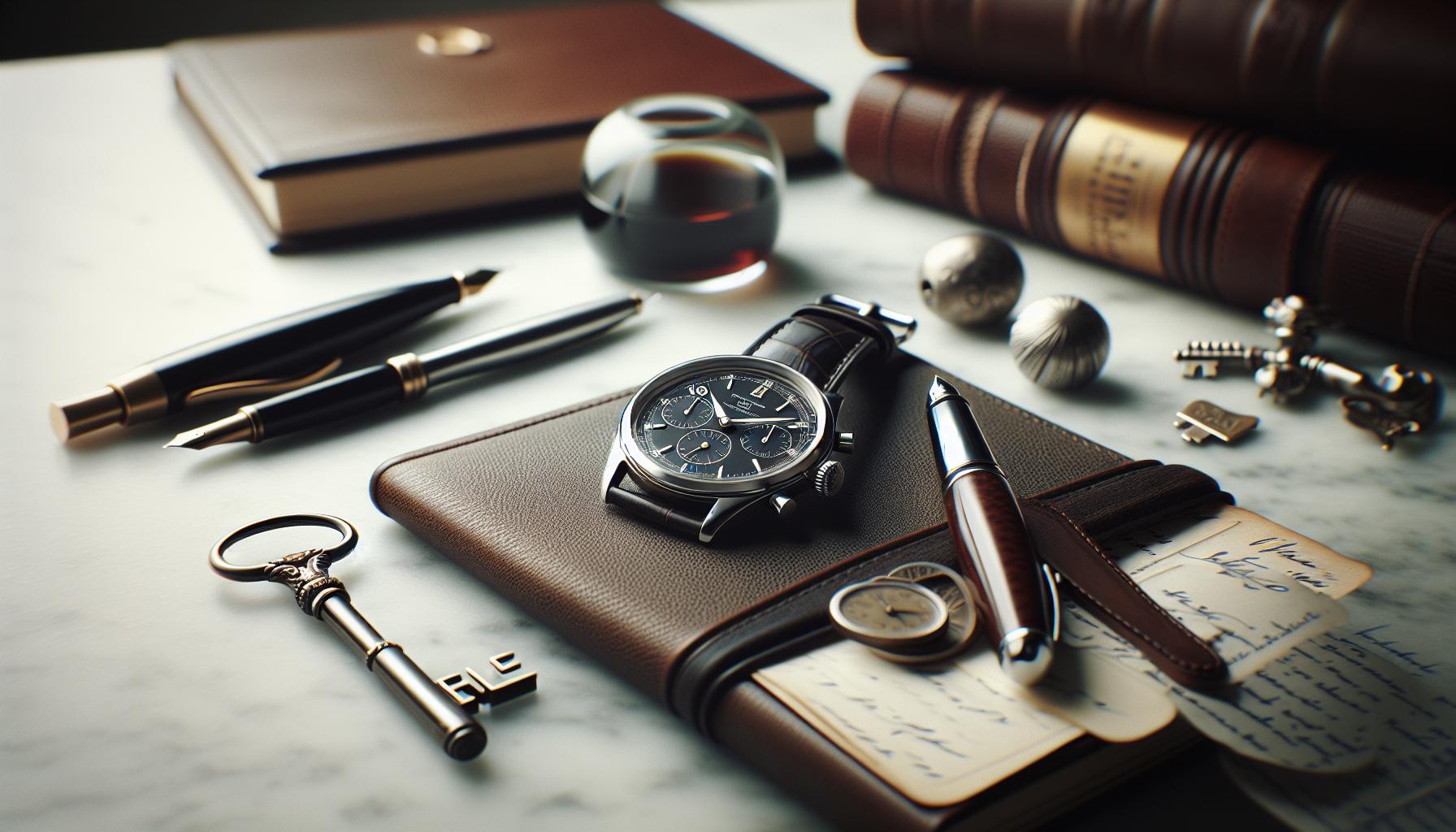
Choosing Iconic Brands and Models with Lasting Appeal
Few decisions shape a watch collection’s identity more profoundly than selecting brands and models that truly endure. Iconic watches don’t just tell time-they carry heritage, embody distinctive craftsmanship, and spark emotional resonance decade after decade. Building a collection with lasting appeal means appreciating watches across the spectrum: from approachable yet technically impressive models to exclusive haute horlogerie masterpieces. The goal is to curate timepieces whose design, movement quality, and cultural significance withstand trends and maintain relevance both on the wrist and in the collector’s eye.
Classic Pillars: Brands That Define Horology
Certain brands serve as cornerstones for any collection due to their rich histories and consistent excellence. Take Rolex, a hallmark of robust engineering and timeless design. The Submariner (automatic movement, ~$8,500 new) illustrates this perfectly: a dive watch icon known for its sturdy Oystersteel case, ceramic bezel, and enduring value retention. Rolex’s proprietary calibers, like the 3235, deliver impressive precision and durability, underpinning the brand’s reputation for reliability.
On a different note, Seiko offers an expansive range bridging value and craftsmanship. The Prospex line contains automatic dive watches with in-house calibers (e.g., Seiko 6R35), priced around $500-$1,200, celebrated for ruggedness and excellent finishing considering their accessible cost.For quartz enthusiasts, the Casio G-Shock DW5600 (battery-powered quartz, ~$100) epitomizes tool watch resilience and cult status-a perfect complement to a mechanical-heavy collection.
Recognizing Enduring Model appeal
When choosing models with staying power, look for designs that marry form and function without succumbing to fleeting trends. the clean, Bauhaus-inspired lines of the nomos Tangente (manual-wind caliber, $1,800-$4,000 range) emphasize mechanical artistry and minimalist style. its hand-wound movement gives wearers an intimate connection to timekeeping tradition, and the watch’s thin profile pairs perfectly with formal attire. Its distinct typography and slender hands have made it a modern classic.
Similarly, Omega’s Speedmaster Professional, priced in the $5,000-$7,000 bracket, is laced with history as the “Moonwatch.” It uses a robust hand-wound caliber that enthusiasts admire for both technical reliability and storytelling legacy. Its chronograph complication, tachymeter bezel, and versatile style fuel ongoing demand.
Balancing Craftsmanship and Value Across Price points
A collection gains depth from mixing accessible classics with aspirational pieces. Tissot, often considered a gateway to Swiss watchmaking, crafts automatic watches with ETA movements offered at sub-$600 prices that punch well above their weight in finishing and durability, perfect for those prioritizing value without sacrificing quality.
Conversely, at the high end, brands like A. Lange & Söhne represent mechanical mastery-the Lange 1 manual-wind watch ($30,000+) showcases exquisite finishing with in-house calibers visible through sapphire casebacks,embodying an artful approach to complications and case design. These watches reward collectors who appreciate haute horlogerie’s narrative depth and craftsmanship.
| Brand / Model | Movement Type | Price Range | Key Attributes | value Considerations |
|---|---|---|---|---|
| Rolex Submariner | Automatic (Cal. 3235) | $8,500-$12,000 (new) | Iconic dive watch, robust, strong resale | High demand, steady appreciation |
| Seiko Prospex | Automatic (Cal. 6R35) | $500-$1,200 | Durable, well-finished, in-house caliber | Excellent value, strong community support |
| Casio G-Shock DW5600 | Quartz | $100-$150 | rugged, precise, cult favourite | Depreciates, but iconic and practical |
| Nomos Tangente | Manual-wind (in-house) | $1,800-$4,000 | Minimalist design, refined mechanics | Stable resale, niche appeal |
| Omega Speedmaster Professional | Manual-wind (Cal. 1861) | $5,000-$7,000 | Historic chronograph, versatile look | Strong collector interest, respectable value |
| A. Lange & Söhne Lange 1 | Manual-wind (in-house) | $30,000+ | Haute horlogerie, exquisite finishing | Low depreciation, prestige symbol |
practical Tips for Brand and Model Selection
- Identify Your Collection’s Character: Are you drawn to rugged tool watches, heritage classics, or technical showcase pieces? This influences brand and model choice.
- Understand Movement Provenance: In-house calibers generally indicate higher craftsmanship and add collector appeal versus outsourced movements.
- Research Model Histories: Watches with strong stories-moon missions, diving milestones, innovative technology-tend to hold cultural weight and collector interest.
- Be honest About wearability: Iconic doesn’t always mean versatile. Ensure size, weight, and style fit your lifestyle for long-term enjoyment.
- Balance Emotion and Investment: While some watches appreciate, others excel at everyday enjoyment.Both are valid reasons to buy.
Celebrating watches from a $150 Tissot to a $50,000 Hublot emphasizes horology’s spectrum and helps create a collection that’s as emotionally rewarding as it is respectful of craftsmanship and legacy.Each watch, no matter price or pedigree, contributes uniquely to the story your collection tells.
Balancing Style, Function, and Wearability in Selections
watches are more than just timekeepers-they are extensions of personality, lifestyle, and taste. Striking the right balance between style, function, and wearability is essential when selecting pieces that will not only look great on your wrist but also suit your everyday needs and keep you eager to wear them daily. It’s about finding harmony between aesthetics, practicality, and how naturally a watch feels during typical activities, whether at a formal event, the office, or an outdoor adventure.
At its core, style encompasses the design language-a watch’s shape, dial layout, color palette, and finishing. For example, the Rolex Submariner’s clean, robust silhouette and ceramic bezel offer timeless appeal that effortlessly bridges casual and dressier occasions. In contrast, the Casio G-Shock DW5600 stands out for its bold, utilitarian style and rugged resin case, designed specifically for durability and shock resistance-perfect for active lifestyles. Recognizing this spectrum is vital: a watch that excites visually but feels bulky or uncomfortable won’t earn wrist time, regardless of its pedigree.
Functionality revolves around the watch’s intended purpose and the movement type powering it. Automatic watches like the Seiko Prospex combine mechanical artistry with practical wear: their self-winding calibers harness wrist motion to keep the watch running without manual winding or battery changes. Manual-wind watches,such as the Nomos Tangente,provide a ritualistic charm but require daily attention-a factor some collectors love,others avoid. Quartz timepieces,including many models from Tissot or the ubiquitous G-Shock,prioritize precise timekeeping with minimal maintenance,frequently enough at accessible prices. Understanding these mechanical nuances helps tailor your collection to suit convenience and horological passion simultaneously.
Wearability hinges on size, weight, and ergonomics.Watches with wide cases or thick profiles may dazzle at first glance but can feel cumbersome during all-day wear, especially if you have a smaller wrist.Conversely, ultra-thin manual watches like the Nomos Tangente slip discreetly beneath shirt cuffs, suggesting a refined approach to form and function. Also, considering strap materials-metal bracelets versus leather or rubber-impacts comfort and style versatility. For instance,the Omega Speedmaster’s steel bracelet is sporty and robust,while swapping in a leather strap can elevate it into business casual territory.
- Match Watches to your Lifestyle: If you’re outdoorsy or work in physically demanding settings, prioritize tool watches like the Seiko Prospex or Casio G-Shock known for durability and legibility.
- Seek Versatility for everyday Use: Neutral dial colors (black, white, blue) and classic case shapes often integrate seamlessly with varied wardrobes, making watches like the Rolex Submariner or Omega Speedmaster perennial favorites.
- test Fit Before Buying: Whenever possible, try a watch on your wrist. pay attention to lug-to-lug distance, thickness, and strap comfort; these can make or break long-term satisfaction.
- Consider Watch Weight: Heavier steel watches feel substantial and luxurious but may tire you out. Lightweight resin or titanium alternatives offer wearability without sacrificing resilience.
- Balance Complications Smartly: Features like chronographs, GMT hands, or date windows add utility but can clutter dials. Simpler designs frequently enough age more gracefully.
| model | Movement Type | Design Features | Wearability Highlights | Typical Price Range |
|---|---|---|---|---|
| rolex Submariner | Automatic (Cal. 3235) | Stainless steel,ceramic bezel,diver’s watch | Robust yet moderate size; versatile wear | $8,500-$12,000 |
| Seiko Prospex | Automatic (Cal. 6R35) | Sporty case, luminous markers, in-house caliber | durable, pleasant for active use | $500-$1,200 |
| Nomos Tangente | Manual-wind (in-house) | Minimalist Bauhaus-inspired dial, thin case | Lightweight, elegant, perfect for formal wear | $1,800-$4,000 |
| Casio G-Shock DW5600 | Quartz | Resin case, digital display, shock resistant | Extremely lightweight, practical for daily beaters | $100-$150 |
Choosing watches that resonate both visually and physically fosters a collection you’ll cherish and wear with enthusiasm. Embrace variety-no single watch can fulfill every role. Celebrate the engineering marvel behind a Seiko’s automatic movement as much as the sheer ruggedness of a G-Shock quartz.Over time,your collection will evolve into a personal toolkit of style,function,and comfort perfectly suited to your unique journey in horology.
Mastering Watch Complications and Their Value impact
A complication is any additional function on a watch beyond the simple display of hours, minutes, and seconds. These features-ranging from practical to dazzlingly complex-tell the story of watchmaking ingenuity and can profoundly affect your collection’s character and value. While complications can add functional appeal, they also bring mechanical sophistication that collectors frequently enough prize, making them key considerations when expanding your lineup.Some complications are everyday essentials, like the date window or day/date displays, found in accessible watches such as Seiko’s popular automatic models or the affordable Tissot Powermatic line. These add convenience with minimal impact on price or maintenance. Stepping up in complexity, a chronograph (stopwatch function) offers both practicality and sporty appeal in watches like the Omega Speedmaster or TAG Heuer Carrera, blending robust design with technical interest. The utility and visual dynamics of multiple subdials make chronographs perennial favorites for collectors seeking engagement beyond timekeeping.
More intricate complications dramatically ramp up both craftsmanship and cost. Such as, a GMT function, like in the Rolex GMT-Master II, displays a second time zone, perfect for travelers and a classic status symbol. Its functional charm and iconic design have helped cement it as a collector staple.Then there are moonphase indicators, which track the lunar cycle-romantic and poetic, found in watches like the Frederique Constant or more luxurious offerings from Jaeger-LeCoultre.These complications don’t just tell time; they tell a story.
Complications and Value: Practical Impact
- Higher Complexity Often Equals Higher Cost: Watches with tourbillons, perpetual calendars, or minute repeaters-marvels of haute horlogerie-are priced steeply due to the craftsmanship involved. These often come from prestigious maisons like Patek Philippe or A. Lange & Söhne.
- Market Demand Can Vary Widely: some complications like chronographs and GMTs have enduring popularity and strong resale values.Others-highly exotic or overly niche-may appeal only to specialized collectors, impacting liquidity.
- Wearability Matters: Watches loaded with complications can be thicker and heavier, making everyday use less comfortable. Balancing aesthetic appeal with day-to-day practicality is vital for lasting enjoyment.
- Complications Can age Differently: Simple date functions frequently enough remain timeless, while overly busy dials with multiple subdials or indicators risk becoming visually dated or cluttered.
Choosing Your Complications Wisely
It’s best to think of complications as tools adding variety and storytelling depth to your collection. If you mainly want reliable, fuss-free daily wearers, a straightforward automatic with a date might suffice. But as your collecting experience grows, adding a chronograph or GMT can spice up your rotation and broaden your appreciation for mechanical engineering.
Entry-level enthusiasts might start with watches like the Seiko Prospex chronograph (automatic movement, sub-$1,200) or affordable Tissot models with simple calendar displays. Mid-tier collectors often gravitate toward famed designs like the omega Speedmaster Professional (manual-wind chronograph) or the Rolex GMT-Master II (automatic GMT),which blend heritage with durable value retention. For those stepping into luxury complications, brands like Patek Philippe’s Nautilus or Audemars Piguet’s Royal Oak can offer perpetual calendars or chronograph-calendar combos that become conversation pieces-and potential investments.
| Complication | Example Models | Movement Type | Typical Price Range | Collector Appeal & Use |
|---|---|---|---|---|
| Date/Day-Date | Seiko SARB033, Tissot PR 100 | Automatic, Quartz | $200-$1,200 | Daily utility, beginner-friendly |
| Chronograph | omega Speedmaster, TAG Heuer Carrera | Manual & Automatic | $2,500-$6,000+ | Sporty, technical interest |
| GMT (Dual Time Zone) | rolex GMT-Master II, Tudor Black Bay GMT | Automatic | $4,000-$15,000+ | Travel utility, iconic design |
| Moonphase | Frederique Constant Slimline, JLC Master Ultra Thin | Automatic, Manual | $1,000-$25,000+ | Elegant, poetic complication |
| Perpetual Calendar / Tourbillon | Patek Philippe, A. Lange & Söhne | Mechanical Haute Horlogerie | $50,000-$500,000+ | Ultra-high craftsmanship,investment |
Ultimately,the value added by complications hinges on aligned expectations: Does the feature enhance your daily enjoyment,or is it a collectible statement? Are you comfortable with increased maintenance or delicate mechanisms? Recognizing that more complications don’t automatically equal better value is crucial. Sometimes, the charm lies in elegant simplicity, the focused functionality of a rock-solid diver, or the sturdy reliability of a quartz G-Shock.
Balancing your collection to include a mix of straightforward timekeepers and watches with carefully chosen complications ensures that you experience both utility and horological artistry. This strategic approach nurtures growth that’s sustainable, satisfying, and rich with meaning-no matter your budget or level of expertise.
Strategic Buying: New, pre-Owned, and Vintage Markets
Few experiences rival the thrill of finding that perfect watch, whether fresh from the boutique, carefully chosen from a trusted pre-owned source, or discovered as a hidden gem in the vintage market. Each avenue offers distinct advantages,challenges,and opportunities-understanding these nuances helps collectors build a well-rounded portfolio tailored to their tastes,budget,and long-term goals.
Buying new guarantees the pristine condition, factory warranty, and the latest technology-like the newest in-house automatic calibers or updated materials (ceramics, titanium). Brands like grand Seiko or Tudor exemplify exceptional value here, offering craftsmanship at accessible price points, backed by modern reliability. New purchases also assure authenticity and straightforward service paths, vital for those prioritizing daily wear and peace of mind. That said, expect a premium for ”newness” and retail markup, often with limited room for negotiation. Such as, the Rolex Submariner, coveted for its iconic design and robust automatic movement, is famously challenging to buy at retail, leading many enthusiasts to explore alternate markets.
The pre-owned realm opens up a broader spectrum where budget flexibility meets deeper selection. Watches that once commanded full retail can now often be found at more approachable prices, sometimes even below original MSRP due to market fluctuations or seasonal trends. Certified pre-owned dealers provide a reassuring middle ground, verifying originality, examining movements, and including limited warranties-balancing risk and reward effectively. brands like Omega Speedmaster or TAG Heuer Carrera thrive in this space, with established enthusiast communities that support robust resale markets. Shoppers here must embrace due diligence: verifying seller reputation, scrutinizing condition (bracelet stretch, dial aging), and understanding service history.
Exploring Vintage: Time Travel Through Watchmaking History
Vintage watches add a powerful storytelling element to any collection, connecting the wearer to history’s craftsmanship and design evolution. Whether it’s a 1960s Heuer autavia with a manual-wind chronograph or a classic Seiko 6139 that kickstarted the automatic chronograph era, vintage pieces carry character impractical to replicate in new releases.Patina on the dial, unique case shapes, and discontinued calibers create distinct personalities collectors cherish. However,vintage buying demands a sharper eye and patience. Mechanical parts may need service or replacement, and a celebrity provenance or rarity can considerably inflate prices. Importantly, originality-unaltered dials, authentic hands, and untouched movements-remains key for value retention. Reliable sources include specialized vintage dealers, watch fairs, and trusted online platforms known for clarity.
Weighing Options: Price, Purpose, and Passion
- New: Best for warranty, condition, and cutting-edge tech. ideal for everyday wearers and those starting collections with confidence.
- Pre-owned: Offers breadth, potential savings, and access to slightly older or discontinued models without vintage risk.
- Vintage: Delivers uniqueness and heritage; requires knowledge, patience, and reasonable maintenance expectations.
Balancing these markets wisely helps diversify your collection’s narrative and value. A strong strategy might be acquiring a robust, modern diver from a brand like Seiko or Longines for daily use while hunting vintage treasures for weekend wear or investment.Such as, a brand-new Tissot PRX Automatic provides fresh style and a trusted movement under $1,000, while a pre-owned Omega Seamaster from the 1990s could add historical depth without breaking the bank.
| Market | Typical Price Range | best For | Key considerations | Examples |
|---|---|---|---|---|
| new | $300 – $50,000+ | Warranty, latest tech, collector confidence | Higher entry cost, retail markups, inventory scarcity | Grand Seiko SBGA211, Rolex Submariner, Tudor Black Bay |
| Pre-Owned | $200 – $30,000+ | Model variety, discounted retail pricing, recent releases | Verify authenticity, wear and service history | Omega Speedmaster Professional, TAG Heuer Carrera, Breitling Navitimer |
| Vintage | $500 – $100,000+ | Heritage, unique designs, collector intrigue | Condition critical, parts availability, expert vetting required | Rolex GMT-Master ref.1675, Heuer Autavia, Seiko 6139 |
Entering any of these markets calls for balancing enthusiasm with patience and research. Engage with trusted community forums, attend local watch fairs, and solicit advice from seasoned collectors. whether you cherish the gleam of a fresh sapphire crystal or the subtle charm of a faded bezel, each purchase paves the path toward a collection uniquely your own.
Remember,watches are not just assets-they are passions on your wrist. Respect craftsmanship at every price level, from the humble quartz accuracy of a Casio G-Shock to the intricate hand-finished bridges of a Patek Philippe. This mindset ensures your collecting journey is as rewarding as the watches themselves.
Tools and Tips for Authenticity and condition Assessment
Authenticity and condition can make or break the value and enjoyment of a watch in your collection. Even the most iconic model loses luster if it’s a counterfeit or badly worn.Fortunately, with the right tools and a sharp eye, you can confidently distinguish genuine pieces from fakes and assess condition, whether you’re buying a vintage crown jewel or a trusted daily wearer like a Tissot PRX or Casio G-Shock.
Begin with detailed research on the specific model: familiarize yourself with its hallmark features-case shape, dial print, logo positioning, movement calibre, and even bracelet clasp engravings. Trusted online resources and brand manuals are invaluable here. For example, the Rolex Submariner’s ceramic bezel has very specific font and texture details not replicated in most counterfeits. When inspecting the watch,use a loupe (10x magnification is standard) to check for dial imperfections,print crispness,and inconsistencies like uneven lume application or mismatched hands. These subtle indicators often reveal aftermarket replacements or fakes.
Essential Tools for Inspection
- Loupe or Magnifier: Key for spot-checking text, dial details, and movement markings through obvious case backs or by opening the case (if you’re experienced).
- UV Light: Helpful for examining luminous material consistency and vintage dial patina authenticity.
- Digital Caliper or Ruler: measures case thickness, lug width, and diameter to verify specifications.
- Timegrapher: A must-have gadget for mechanical watches to assess the movement’s beat rate, amplitude, and consistency. It helps detect service needs or replacement movements.
Condition assessment goes beyond scratches and dents. Bracelet stretch, crown function, crystal clarity, and dial aging tell a story. Some collectors prize tropical dials (a natural discoloration of sun-faded black dials to brown),embracing the vintage character it provides.Others prefer mint-condition examples, especially for investment pieces.Movement condition is paramount; a smooth-running automatic or manual movement with minimal deviation implies regular servicing and care,which prolongs watch longevity and value.
Practical Verification Steps
- Authenticate Documentation: Receipts, warranty cards, and original boxes should accompany serious collector’s pieces. While these can be forged, their absence significantly raises due diligence requirements.
- Compare Serial and Reference Numbers: Check these against known databases or brand archives to match production periods and authenticity.
- Ask for Movement Photos or Videos: A clear view inside the case (preferably with the case back removed by a professional) reveals hallmark engravings and movement finishing quality, both brand and model-specific.
- Verify Service History: A serviced watch frequently enough carries new seals, lubricated parts, and improved timing, while a lack thereof might warrant budget for maintenance.
| Inspection Point | What to Look For | Tools/Methods |
|---|---|---|
| Dial & Hands | Clean,crisp fonts; consistent lume; no signs of repainting | Loupe,UV Light |
| Case & Bezel | Correct dimensions; absence of harsh polishing; bezel clicks smoothly | Caliper,tactile testing |
| Movement | Authentic calibre; minimal rust/damage; stable timing | Timegrapher,visual inspection by watchmaker |
| Bracelet & Clasp | Correct model/type; minimal stretch; secure clasp function | Manual handling |
Ultimately,your best tool is curiosity coupled with knowledge. Interact with reputable dealers, join watch forums, and consider professional authentication services, especially for high-value purchases like vintage Rolex or high-end complications. Remember, every collector was once a beginner. Treat each watch as a mechanical story waiting to be discovered rather than just a price tag. Whether you’re marveling at a $150 Seiko 5’s durable automatic movement or admiring a $50,000 Hublot’s complex in-house chronograph, honing your skills in authenticity and condition assessment enriches your collecting journey immeasurably.
Building Diversity: Mixing Dress, Sport, and Tool Watches
A well-rounded watch collection is like a well-curated wardrobe: it should effortlessly accommodate formal events, weekend adventures, and everything in between. Mixing dress, sport, and tool watches not only enhances your versatility but also deepens your appreciation for the watchmaker’s craft across different functions and designs. This diversity ensures you always have the right timepiece for the right moment-be it the subtle elegance of a dress watch, the rugged reliability of a tool watch, or the sporty charisma of an everyday companion.
Start with the classics: a refined dress watch. Typically slim with a clean dial and leather strap, this category exemplifies minimalism and sophistication. Consider models like the Nomos Tangente or Longines Flagship, which boast in-house or well-respected automatic calibers around the $1,000-$3,000 range, balancing affordable craftsmanship and timeless design. Dress watches often forego complications beyond a date or small seconds,prioritizing sleekness-a perfect match for suits and formal dinners. Their value lies in understated elegance rather than flashy features, so look for excellent finishing and case proportions when choosing.
Contrast this with sport watches, where robustness meets style. Icons like the Rolex Submariner or Seiko Prospex Turtle tap into automatic movements engineered for durability, resistance to shocks, and water protection (often starting at 100m depth rating). Sport watches may include rotating bezels, luminescent hands, and bold dial markers to enhance functionality outdoors.Priced vastly differently-from the $150 Tissot PRX Powermatic for accessible Swiss automatics, to $10K+ luxury divers-these models bring energy and reliability to your wrist in active settings. Their strong resale and brand heritage also add investment appeal.
Then there are tool watches designed for specialized tasks. Think of the Casio G-Shock with its quartz movement, extreme shock resistance, and affordable price ($100-$500), or the Omega Speedmaster Professional, the legendary manually wound chronograph that went to the moon, priced from $5,000 upwards. Tool watches combine function and innovation, often packed with complications like chronographs, GMTs, or altimeters that serve enthusiasts and professionals alike. Their utilitarian origins don’t diminish their collectability; in contrast, the stories behind these watches foster deeper connection and enjoyment.
Building a Balanced Collection
- Define your daily needs: If you wear suits regularly, a solid dress watch is essential. For weekend sports or outdoor hobbies, rely on durable sport or tool watches.
- Mix movements for variety: Automatic calibers offer engagement through mechanical marvels, while quartz models like G-Shock provide unmatched precision and toughness without maintenance fuss.
- Budget and value consideration: Invest more in a foundational piece (like a Submariner or Speedmaster) and balance with affordable daily wearers that won’t cause worry if scratched or damaged.
- Consider strap versatility: Swapping between leather, rubber, or metal bracelets dramatically changes the watch’s character and expands wearability.
| Watch Type | Typical Features | Movement Type | Price Range | Example models |
|---|---|---|---|---|
| dress | Slim case, minimalist dial, leather strap | Automatic or manual mechanical | $500-$5,000+ | Nomos Tangente, Longines Flagship, Hamilton Jazzmaster |
| Sport | Rotating bezel, luminous hands, water resistant | Automatic or quartz | $150-$15,000+ | Rolex Submariner, Seiko Prospex Turtle, Tissot PRX |
| Tool | Rugged cases, chronograph/GMT functions, shock resistant | Quartz or mechanical (manual/automatic) | $100-$10,000+ | Casio G-Shock, omega Speedmaster, Breitling Navitimer |
This strategic blend provides both emotional satisfaction and practical utility. It also enriches your collecting experience by inviting you to explore varied watchmaking disciplines, from haute horlogerie to accessible quartz engineering.A $150 Seiko 5 automatic can sit proudly alongside a $50,000 Hublot with an intricate in-house chronograph movement-each showcases mechanical artistry in its own sphere. The joy comes from understanding and wearing these different facets of horology, not just following trends or brand hype.
Remember, the goal is to cultivate a collection that reflects your lifestyle and taste. Don’t rush; allow yourself time to discover what excites you-whether it’s the crisp dress watch dial or the rugged charm of a tool watch ready for anything. Each addition signals growth in knowledge and passion, making every watch more than just a timekeeper but a story on your wrist.
Managing Collection Growth: rotation and Storage Solutions
Few things frustrate a collector more than a cherished timepiece sitting idle and neglected.proper rotation not only keeps your watches running smoothly but also prolongs their lifespan, especially for mechanical automatics that rely on movement to maintain lubrication and accuracy. Conversely, overcrowding your collection without a system can lead to damage, lost accessories, or even second-guessing your valued choices. Striking the right balance between actively wearing your watches and safely storing them is key to sustaining both enjoyment and investment value.
Establish a Rotation Rhythm
Developing a rotation routine tailored to your lifestyle ensures each watch gets its moment in the spotlight-and crucial maintenance through regular wear. Automatic watches,such as the Rolex Submariner or Nomos Tangente,benefit from movement that keeps their mechanical oils well distributed.If left dormant for extended periods, these lubricants can thicken, potentially harming the movement. Aim to wear each automatic at least once every two weeks or consider investing in a quality watch winder that gently mimics wrist motion, keeping your calibers primed without daily wear.
Quartz models like the Casio G-Shock require less attention but shouldn’t be forgotten. Their batteries have limited lifespans, and seals protecting against water and dust can degrade if not periodically checked.Rotate these robust companions into your lineup to ensure they stay fully operational and ready for action.
Smart Storage Solutions: More Than Just a Box
Storage is not just about safekeeping, but also preserving condition. Avoid tossing watches loosely into drawers or humid environments that can accelerate strap wear and case corrosion. Instead, opt for dedicated watch boxes or cases with padded compartments to shield each piece from scratches and shocks.
Relative humidity control is often overlooked but vital-especially for leather straps prone to distortion and cracking. Investing in silica gel packets or climate-controlled safes can create an ideal micro-surroundings, extending the life of delicate materials. for collections featuring both vintage and modern watches, separate storage compartments help prevent grit transfer and accidental damage.
Keep Accessories and Documentation Organized
A watch’s value and enjoyment frequently enough hinge on its accompanying items: original boxes,warranty cards,manuals,and extra straps. Store these systematically alongside each watch to streamline appraisal, servicing, or resale. Many collectors use modular storage systems or filing solutions with clear labels to maintain order without clutter.
- Rotate watches regularly: minimizes mechanical degradation and keeps each watch ready to wear.
- Invest in a quality watch winder: especially for automatic movements needing consistent motion.
- Use padded watch boxes or cases: protects from scratches and impacts during storage or travel.
- Maintain stable humidity and temperature: critical for preserving leather straps and metal finishes.
- Securely store original packaging and documents: enhances enjoyment and long-term value.
Thoughtful rotation and storage align with the very spirit of collecting-caring for mechanical artistry across price points, whether it’s the rugged reliability of a $150 Casio or the intricate finishing of a $50,000 Hublot. This stewardship not only preserves function but deepens your connection to each watch’s story, craftsmanship, and future potential.
Tracking Value: Resale, appreciation, and Investment Potential
Value in watch collecting isn’t just about the price tag on your wrist; it’s a living, breathing measure of craftsmanship, demand, and cultural significance that evolves over time. While luxury icons like the Rolex Submariner often grab headlines for their impressive resale premiums, appreciation isn’t limited to high-end brands. Watches like the Casio G-Shock or well-engineered Tissot models offer reliability and design excellence at accessible price points, showing us that value is multifaceted-blending enjoyment, utility, and potential financial growth.
Understanding what drives resale value and appreciation requires clarity on key factors: rarity, brand prestige, movement quality, and market trends.A watch with an in-house automatic caliber or a unique complication may command higher interest among collectors. Conversely, quartz watches, while less complex mechanically, hold value through durability and iconic design rather than collectible scarcity. For example, the G-Shock’s enduring popularity stems from its rugged function rather than investment hype.
Real-World Value Drivers: What You Should Know
- condition and Completeness: Original boxes, paperwork, and matching serial numbers significantly boost resale potential. A well-maintained polished case or serviced movement signals care and reliability.
- Limited Editions and Discontinuations: Watches released in small quantities or those discontinued often see appreciation, sometimes unexpectedly over years, as they become coveted collectibles.
- taste and Trends: Popularity can ebb and flow. For instance, the vintage tool watches of the 1960s and ’70s are now hot commodities, while some newer technologically advanced digital models are gaining steady collectibility.
- Brand Reputation: Established brands with a rich history, like Omega, Panerai, or Seiko, tend to maintain value better than newcomers. Though,emerging autonomous watchmakers crafting innovative calibers sometimes defy this trend.
Balancing Personal Passion with Market Insight
Treating watches solely as investments is risky; markets fluctuate, and unpredictable “hype cycles” can cause sharp price spikes or declines. The best approach blends passion with prudence: buy pieces you genuinely enjoy wearing while staying informed about their market context. A pristine vintage Omega Seamaster 300 may steadily appreciate, but it’s also a fantastic daily wearer packed with history and quality.
Likewise, tracking resale values doesn’t mean obsessively checking every auction but keeping an eye on reputable sales platforms and collector forums. monitoring these sources can reveal emerging trends, such as rising interest in Seiko Prospex divers or renewed demand for classic chronographs with manual movements.
| Model | Approx. Retail Price | Typical Resale Value | Key Value Factors |
|---|---|---|---|
| Rolex Submariner (Automatic) | $9,000 – $14,000 | $10,000 – $20,000+ | Brand prestige, iconic design, scarcity of new pieces |
| Casio G-Shock (Quartz) | $100 – $500 | $80 – $600 | Durability, cult following, limited editions |
| Tissot PRX Powermatic 80 (Automatic) | $650 – $800 | $500 – $700 | Value-driven engineering, movement quality |
| Omega Speedmaster Professional | $5,500 – $7,500 | $5,000 – $8,500 | Historical legacy, manual chronograph caliber |
Ultimately, it’s essential to appreciate that every watch carries stories-in its design, engineering, and journey through time-beyond monetary metrics. Some collectors discover that watches like the rugged G-Shock become heirloom pieces just as meaningful as a Swiss masterpiece. Embracing this spectrum enriches collecting and creates a collection that’s both personally rewarding and potentially valuable in the long term.
Connecting with Watch Communities and Resources
There’s a unique thrill in connecting with fellow watch enthusiasts who share your passion-whether you’re admiring the timeless sophistication of a Rolex Submariner or marveling at the rugged engineering of a Casio G-Shock. Engaging with watch communities offers more than just camaraderie; it’s a gateway to deepening your horological knowledge, discovering new brands, and staying ahead of trends that can shape your collection’s direction.
Online forums like WatchUseek,Reddit’s r/Watches,and dedicated Facebook groups bring together collectors worldwide to exchange insights on everything from movement types to rare limited editions. These platforms are treasure troves for learning about in-house automatic calibers, subtle design variations, or the real-world durability of quartz tool watches. Plus,photography-heavy posts offer a chance to appreciate watches in diverse settings-helping you see how styles translate to everyday wearability.
Diving into Local and Virtual events
Joining local watch meetups or attending watch shows can be hugely rewarding.Events like Salon International de la haute Horlogerie (SIHH) and Watches & Wonders showcase haute horlogerie masterpieces alongside accessible luxury, providing firsthand experience with new complications and designs. Even smaller brand events and pop-up boutiques offer an intimate setting to connect directly with watchmakers and authorized dealers. These occasions are perfect for asking technical questions or getting hands-on impressions of pieces you’re considering.
Reliable Resources for authenticity and Market Insight
As you build a collection, reliable information is your best ally against counterfeits and overvalued hype. utilize sites like Hodinkee, Crown & Caliber, and WatchTime for well-researched reviews and market analysis.many offer detailed breakdowns of pricing trends, which is invaluable when evaluating pre-owned and vintage markets. Understanding how condition, provenance, and documentation affect value helps you make informed decisions and avoid common pitfalls.
- Watchmaker Blogs: Deep dives into calibers, historical models, and innovation stories.
- Video reviews: Channels like Teddy Baldassarre or The Urban Gentry balance technical explanations with casual enthusiasm.
- Authentication Guides: Step-by-step tips on spotting genuine factory finishes and verifying serial numbers.
Being part of these communities nurtures a balanced view-appreciating a $150 Tissot’s engineering details just as much as the artistry in a $50,000 Hublot. It keeps collecting enjoyable, focused on passion over hype, and allows you to grow with confidence. Ultimately, the richest collections emerge not just from savvy purchasing, but from conversations, shared stories, and collective wisdom that transform watches from objects to cherished companions on your horological journey.
FAQ
Q: How can I effectively document my watch collection for better management and insurance?
A: To manage and insure your watch collection efficiently, create a detailed inventory including brand, model, movement type, purchase date, price, and condition. Use digital tools or apps designed for collectors to track rotation and value. This strategy supports both security and long-term collection growth. See our section on Managing Collection Growth for deeper insights.
Q: What role does provenance play in increasing a watch’s collectible value?
A: Provenance, or a watch’s ownership and history, significantly enhances collectible value by proving authenticity and rarity. Keep original paperwork, service receipts, and any unique story. This adds emotional and monetary worth beyond the watch’s technical specs. Connect this with our Tools and Tips for Authenticity section for practical steps.
Q: When is the best time to sell or trade watches from my collection for optimal return?
A: The ideal time to sell or trade depends on market demand, model rarity, and watch condition. Track trends in resale and appreciation carefully,especially for iconic models. Selling during peak interest seasons or after limited edition releases can maximize returns. Refer to Tracking Value techniques for strategic timing advice.
Q: How do limited editions and special releases impact a strategic watch collection?
A: Limited editions and special releases boost a collection’s uniqueness and investment potential.They often feature exclusive complications or design cues that increase desirability and resale value. Incorporate these selectively to diversify your collection without overextending your budget. Explore choosing Iconic Brands and Models for related buying strategies.
Q: What are the key considerations for integrating smartwatch technology into a traditional watch collection?
A: When adding smartwatches, focus on compatibility, wearability, and lifestyle fit. While they differ from mechanical watches, smartwatches offer tech innovation and daily utility. Balance this with your mechanical pieces to ensure overall diversity and functionality, as highlighted in our Building Diversity section.
Q: How can I develop a personal watch style that evolves with my collection?
A: Developing a personal watch style means blending your lifestyle, fashion preferences, and horological interests. Start with versatile pieces, then add unique complications or designs as your taste matures. This dynamic approach supports both wearability and collection value. See Balancing Style, Function, and Wearability for guidance.
Q: Why should I consider regional watch markets when expanding my collection internationally?
A: Regional markets offer access to rare models, competitive pricing, and diverse watch cultures. Exploring auctions, dealers, and online platforms globally can uncover hidden gems that boost collection uniqueness and value. Combine this approach with Strategic buying to avoid pitfalls.
Q: What maintenance schedule should I follow to preserve the condition of mixed watch movements?
A: Maintain quartz watches with battery changes every 1-2 years and mechanical watches with servicing every 3-5 years.Proper lubrication and cleaning preserve movement accuracy and durability. Tailor maintenance to your mix of quartz, automatic, and manual watches for longevity. Reference Evaluating Watch Movements for technical details.For more detailed strategies and watch community tips, explore related sections and keep your collection thriving and enjoyable.
The Way Forward
Building a thoughtfully curated watch collection means balancing time-tested classics with modern innovations-understanding key elements like automatic calibers, complications, and in-house movements is essential for long-term value and enjoyment.Whether you’re exploring the craftsmanship behind a Rolex Submariner or appreciating the engineering of an affordable Tissot, this strategic growth blueprint empowers you to make informed choices that align with your tastes and budget.
Ready to deepen your horological journey? Explore our detailed guides on Top Watch Brands for Collectors and How to Identify vintage Watch Value to sharpen your expertise. Don’t miss out on signing up for our newsletter-packed with exclusive watch reviews,market insights,and collector tips-to stay ahead in the ever-evolving world of watch collecting. Have questions or want to share your own watch stories? Drop a comment below and join our passionate community of enthusiasts celebrating mechanical artistry across price points.By embracing this strategic approach to building your watch collection, you’re set to enjoy a rewarding blend of style, mechanical sophistication, and investment potential. Keep exploring, stay curious, and watch your collection-and passion-grow with confidence.


