
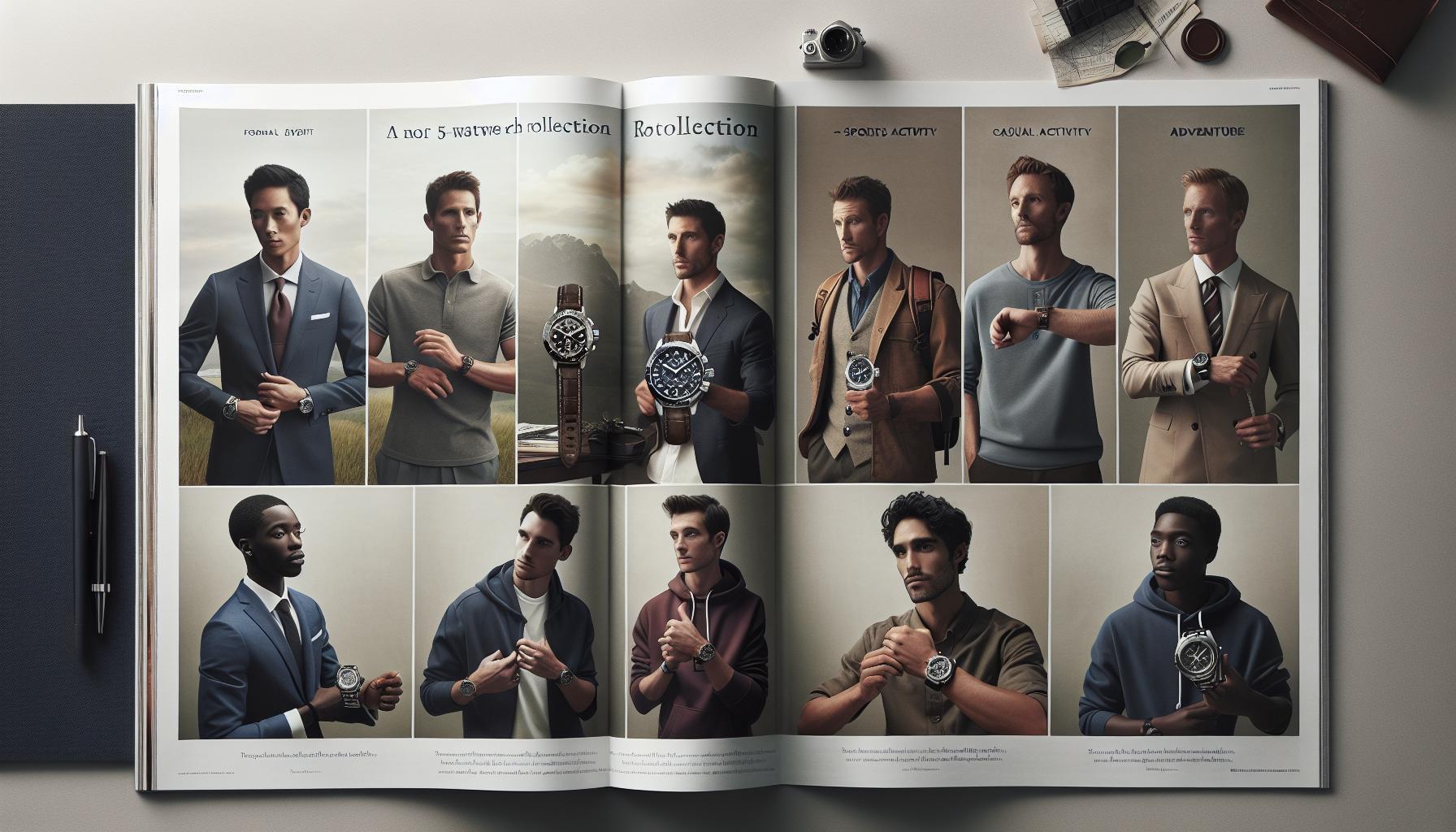
5 Watch Collection: Build Your Ultimate Rotation Strategy
Building the perfect watch rotation is more than just owning multiple timepieces-it’s about curating a balanced collection that fits your lifestyle,style,adn horological passion. In this guide, we break down how to build a five-watch rotation that covers everything from everyday automatics and rugged tool watches to dressier options with useful complications. Whether you’re blending an affordable Tissot with a refined in-house caliber or balancing a high-end Rolex Submariner against a durable Casio G-Shock, the goal is to maximize wearability, versatility, and enjoyment without overwhelming your wrist or your budget. Understanding each watch’s core strengths-like movement type, design, and resale value-helps you create a rotation that feels cohesive and purposeful. If you’ve ever wondered how a small, well-chosen lineup can satisfy varied needs, reduce wear-and-tear, and deepen your thankfulness for mechanical craftsmanship, this article is for you. Let’s explore strategies to build a collection that’s not about flashy status but about genuine,lasting value and personal connection.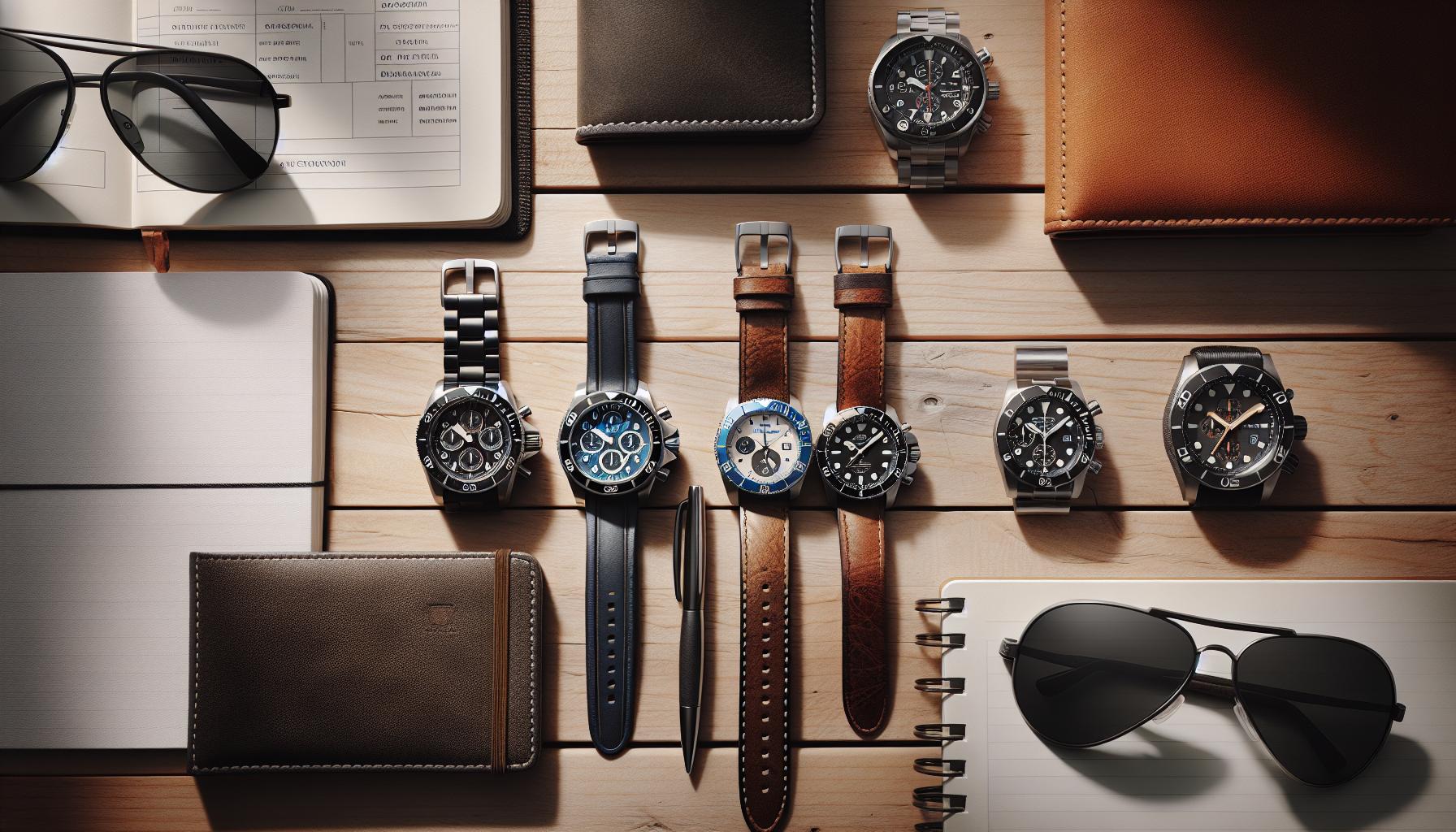
Contents
- Choosing the Perfect 5-Watch Collection Framework
- Balancing Styles: Casual, Formal, Sport, and More
- Understanding Movements: Automatic, Quartz, and Complications Explained
- iconic models That Anchor Your Rotation
- Incorporating Versatility: Watches for Every Occasion
- Budgeting Smartly: Value and Investment Across price Points
- Maintenance Tips to Keep Your Rotation Running Smoothly
- Maximizing Wearability: Comfort and Fit for Daily Use
- Seasonal and trend Considerations in Your Watch cycle
- Tracking Resale and Long-Term Value in Your Collection
- Mixing Haute Horlogerie with Affordable Classics
- Photography and presentation: Showcasing Your Collection Like a Pro
- FAQ
- Q: how can I use watch rotation to extend the lifespan of my collection?
- Q: What role do limited edition watches play in a 5-watch collection rotation?
- Q: When is it best to update my watch rotation based on trends or new releases?
- Q: Why should I consider different movement types beyond automatic in my 5-watch rotation?
- Q: How can I optimize wrist comfort with multiple watches in a daily rotation?
- Q: What are some strategies for photographing my watch rotation like a pro?
- Q: How does tracking resale value influence which watches to keep in a 5-watch rotation?
- Q: Where should I store my watches when not part of the daily rotation to maintain their condition?
- In Retrospect
Choosing the Perfect 5-Watch Collection Framework
Curating a five-watch collection is both an art and a strategy.Each piece should serve a distinct purpose, blending style, function, and personal preference in harmony. Rather than amassing random watches, envision your collection as a carefully balanced toolkit capable of handling diverse occasions, moods, and environments. This approach elevates your experience beyond mere ownership-it creates a dynamic rotation that feels fresh and purposeful every day.
Begin by defining key roles your watches will fill. For example, a robust dive watch with an automatic movement anchors your sporty and casual wear, while a slim, minimalist dress watch complements formal attire. Don’t underestimate the power of a reliable quartz watch for travel or rugged scenarios where precision and durability trump flash. Including a chronograph or a complication-driven piece adds mechanical intrigue and conversation starters.Aim for diversity but maintain a consistent thread, whether it’s design ethos, size range, or movement type, to ensure your pieces coexist seamlessly.
- Functional diversity: Ensure your set covers different use-cases-sport, dress, casual, and specialist (like GMT or pilot watches).
- Movement variety: Incorporate automatics, quartz, and if your passion leads you, some with complications like chronographs or moonphases.
- Style cohesion: Keep dimensions and color palettes complementary to maximize interchangeability and ease of wear.
A real-world example: imagine a collection with a Rolex Submariner (the quintessential dive watch offering both heritage and robust in-house automatic movement), a Tissot Visodate (an affordable and refined dress watch with an automatic caliber), a Casio G-Shock GW5600 (rugged quartz masterpiece for rough days), a Seiko SKX (classic affordable diver), and a chronograph like the Omega Speedmaster or a Hamilton Intra-Matic for added mechanical flair and timing functions. This roster covers moast lifestyle bases while offering choices across price points and technical complexity.
Building this framework hinges on understanding your lifestyle and how your watches fit into it. Are you in a formal office, a casual creative surroundings, or often outdoors? Adjust the balance accordingly, but keep long-term enjoyment and practicality at the fore. This measured, yet flexible framework ensures your 5-watch collection is more than the sum of its parts-it becomes your personal horological ecosystem, confidently crafted and deeply rewarding.
[1] offers insightful perspectives on mixing wearability with versatility to build this foundation realistically.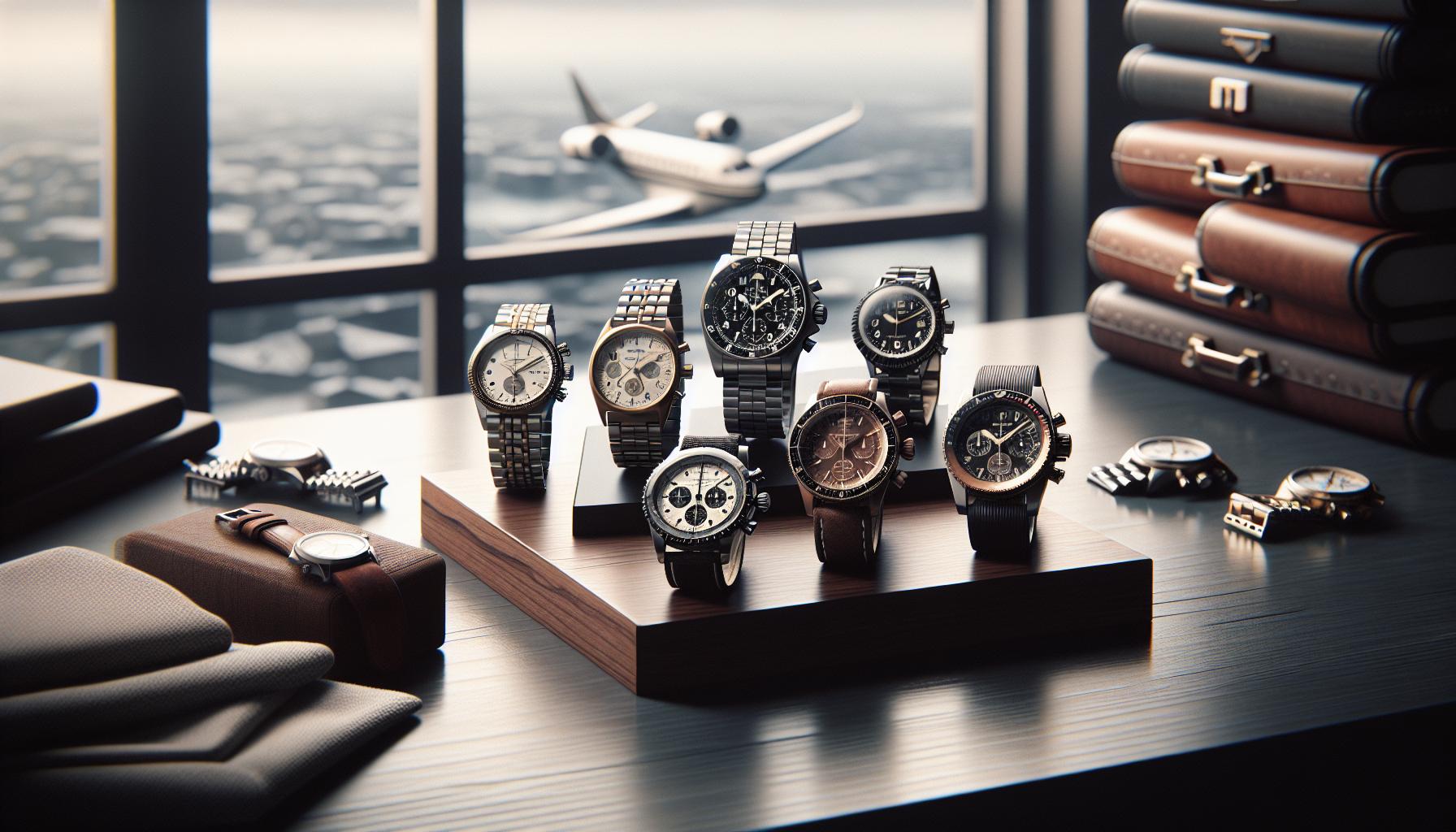
Balancing Styles: Casual, Formal, Sport, and More
A well-curated watch collection thrives on contrast and complement-melding casual ease with formal refinement, and sporty grit with everyday versatility. Watches are unique because they’re not just functional but expressive, telling a story about your lifestyle, tastes, and occasions. Striking the right balance between styles in a five-watch rotation means each timepiece delivers clarity of purpose without redundancy.
Start by carving out distinct roles for each watch, ensuring coverage across the usual day-to-night and weekend-to-work spectra. For example, a rugged dive watch with an automatic in-house movement like the Rolex Submariner or a Seiko SKX is your steel-clad companion for casual wear, outdoor adventures, or sporty occasions.This type of watch typically boasts robust water resistance, a unidirectional bezel, and legible dial-design elements that scream utility fused with heritage. On the opposite end, a slim, minimalist dress watch such as the Tissot Visodate or a Junghans Max Bill enhances formal outfits with understated elegance. Its lower profile fits comfortably under cuffs, and an automatic or hand-wound movement provides mechanical depth usually hidden beneath a refined dial.
But don’t underestimate the value of a dependable quartz watch to round out your rotation. models like the Casio G-Shock GW5600 combine rock-solid accuracy with shock resistance and lightweight comfort, making them indispensable for travel, sport, or ‘beater’ use when you want a no-worry option.This quartz powerhouse offers ruggedness and precision where mechanical watches might be vulnerable or overkill.
Incorporating a Chronograph or Complication for Mechanical Interest
Adding a chronograph or another complication brings mechanical intrigue. For instance, the Omega Speedmaster’s iconic manual-wind chronograph movement offers both past meaning and practical utility, making it a conversation starter at casual or semi-formal gatherings. Even an affordable chronograph like the Hamilton Intra-Matic presents a balance of vintage-inspired design and precision timing functions.Watches with complications such as moonphases or GMT functions not only diversify the technical appeal of your rotation but also address practical use cases like tracking a second timezone or lunar cycle.
Harmonizing Style and Function Across Your Collection
While diversity is key, cohesion in case size, lug-to-lug dimensions, and color palette creates a harmonious rotation that feels natural on the wrist. For example, maintaining a diameter range between 38mm and 42mm is agreeable for most wrists and transitions well among casual, formal, and sport watches. Similarly, choosing neutral dial colors like black, navy, white, or grey ensures legibility and pairs easily with your wardrobe. Complementary strap choices-leather for dress, steel bracelet for sport, nylon or rubber for casual-can further differentiate each watch’s role.
- Casual/Dive Watch: Rolex Submariner (automatic, ~$10K), Seiko SKX (automatic, ~$400)
- Dress Watch: Tissot Visodate (automatic, ~$500), Junghans Max Bill (manual/automatic, ~$800)
- Quartz Rugged Daily: Casio G-Shock GW5600 (quartz, ~$150)
- Chronograph/Complication: Omega Speedmaster Professional (manual chronograph, ~$6K), Hamilton Intra-Matic (automatic chronograph, ~$2K)
- Specialist GMT or Pilot: Nomos Metro GMT (automatic, ~$4K), Breitling Navitimer (automatic, ~$8K-15K)
Balancing your collection this way adapts to a variety of environments and social settings. Whether you’re suited up for a board meeting, heading to an outdoor event, or keeping things relaxed on the weekend, your watches become seamless extensions of your style and function. The goal isn’t merely to accumulate timepieces but to craft an ecosystem where each watch earns its moment without overlap or confusion-offering joy in wear and a satisfying depth to your rotation.
Remember,great collections aren’t about chasing hype but about respecting craftsmanship-whether it’s the precision engineered in a $150 Tissot caliber or the artisanal finishing on a $50,000 Swiss haute horlogerie piece.This transparent appreciation of range and role makes your horological journey enriching and genuinely personal.
Understanding Movements: Automatic, Quartz, and Complications Explained
Watches are as much about what ticks inside as what sits on the wrist. Understanding the heartbeat of your timepieces-the movement-can deepen your appreciation and guide smart choices for your 5-watch collection. Movement types not only affect accuracy and maintenance but also tell a fascinating story of craftsmanship, innovation, and practicality that suits different lifestyles and occasions.Automatic movements are frequently enough the holy grail for many collectors,prized for their mechanical complexity and self-winding capability. Powered by the motion of your wrist, automatics store energy in a mainspring without requiring batteries or daily winding. A classic example is the rolex Submariner’s in-house caliber,renowned for resilience,precise timekeeping,and a smooth sweeping seconds hand that visually embodies mechanical life. Affordable yet reliable alternatives include Seiko’s in-house automatics, beloved for their robustness and surprisingly refined finishing at entry-level prices. Automatic watches usually require daily wear or a watch winder to keep running, rewarding you with a tactile connection to horology every time you slip them on.
By contrast, quartz movements rely on a battery and a vibrating quartz crystal to maintain accuracy. Often dismissed by newcomers seeking “pure” mechanical engineering, quartz actually excels in reliability, simplicity, and low maintenance. Models like the Casio G-Shock GW5600 showcase this brilliantly-they deliver shock resistance, rock-solid timekeeping, and impressively lightweight comfort at a fraction of the cost of mechanical counterparts. Quartz watches shine as practical “beaters” for travel, sports, or risky activities where worry-free operation matters most. they complement a collection by offering contrast both in technology and function.
The Allure of Complications
Beyond the core movement types, complications add layers of interest and utility. A chronograph, for instance, lets you time events with start/stop and reset pushers-an instantly recognizable complication that fuses sportiness, tradition, and engineering ingenuity. The Omega Speedmaster Professional uses a manual-wind chronograph movement, steeped in space exploration history, while the Hamilton Intra-Matic Auto Chrono offers vintage styling with modern automatic convenience at an accessible price point. Other complications like GMT functions allow you to track multiple time zones, perfect for travelers or professionals. Moonphase displays and calendar functions balance aesthetic charm with practical utility, inviting owners into the intricate dance of gears and cams beneath the dial.
- Automatic: Rolex Submariner (~$10K), Seiko SKX (~$400), Nomos Metro GMT (~$4K)
- Quartz: Casio G-Shock GW5600 (~$150)
- Complications/Chronographs: Omega Speedmaster Professional (~$6K), Hamilton Intra-Matic Auto Chrono (~$2K), Breitling Navitimer (~$8K-15K)
The Invisible Beauty: Calibers and In-House Movements
“Caliber” refers to the specific mechanical design and architecture of a watch’s movement. Brands with their own in-house calibers craft these mechanisms internally, showcasing horological mastery and often elevating value and long-term appreciation. The Rolex 3135 caliber powering many Submariners is a stellar example - respected for durability and precision.Conversely, some brands rely on trusted third-party movements like the ETA 2824 or Sellita SW200, dependable engines that offer excellent serviceability and value. Either approach can suit your collection depending on whether you prioritize exclusivity or cost-effective reliability.
In crafting your rotation,factor in how these movement types suit your routines:
- Daily wear automatics reward you with tactile connection but need moving or winding.
- Quartz watches deliver hassle-free precision and are ideal for rough, active use.
- Complicated watches offer mechanical storytelling and can bridge casual and formal contexts.
Embracing this movement diversity enriches your rotation, balancing endurance, technical fascination, and practicality. Your collection becomes more than just a time-telling toolbox – it grows into a living museum of mechanical artistry and personal expression. Whether you swap a Rolex Sub’s in-house automatic for your trusty Casio G-Shock on the weekend, or admire the chronograph pushers on an Omega, each movement brings its own kind of joy worth celebrating.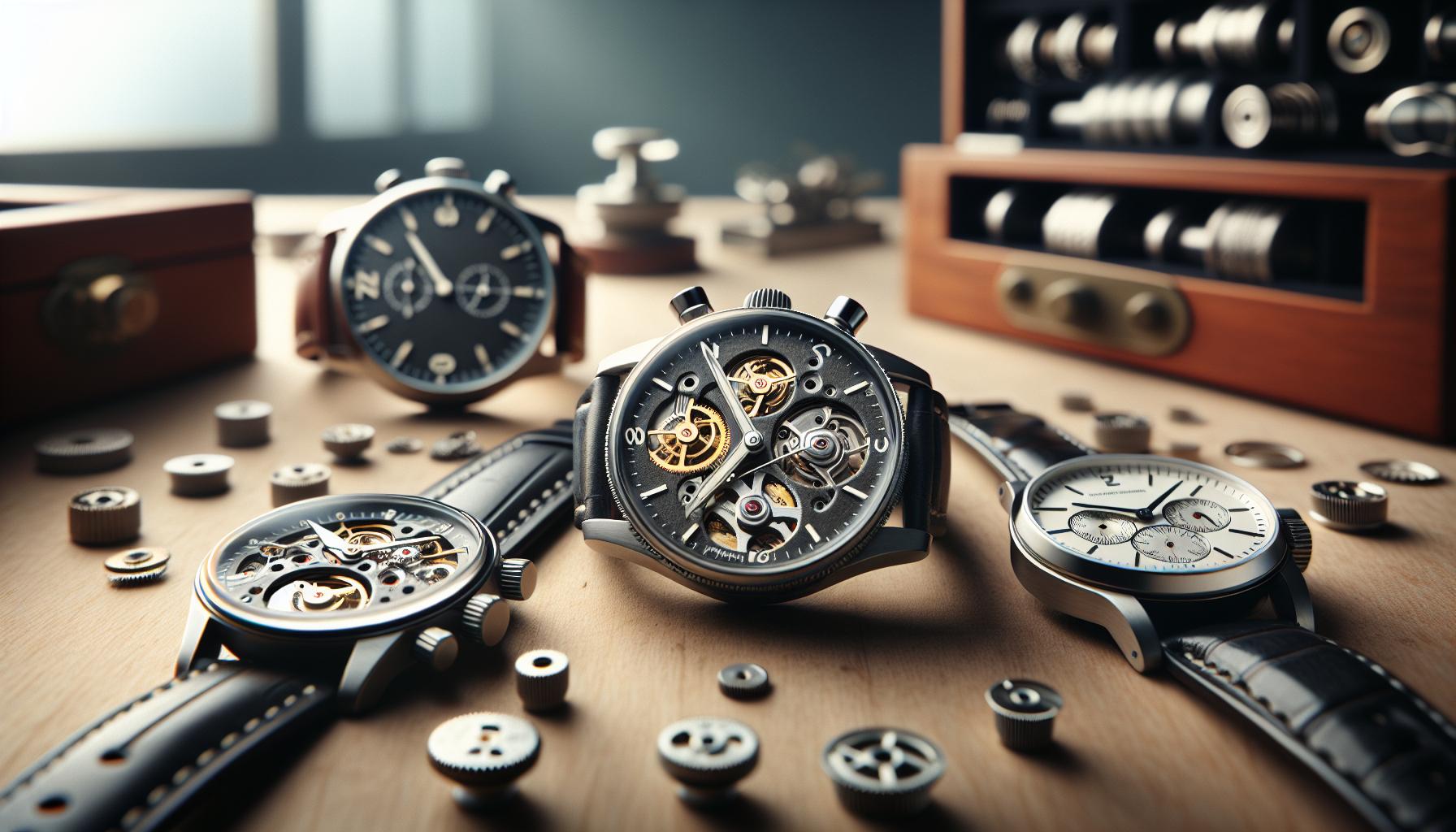
iconic models That Anchor Your Rotation
Few watches transcend mere timekeeping to become true icons within collectors’ rotations.These standout models not only embody distinctive craftsmanship and design but also serve as reliable anchors around which the rest of your collection can orbit. Picking such cornerstone pieces ensures a balanced, versatile rotation that covers multiple styles, functions, and occasions while maintaining both personal joy and lasting value.
Consider the Rolex Submariner as a quintessential example – a robust, automatic dive watch with an in-house Caliber 3135 movement that blends legendary durability with elegant restraint. Its design has influenced underwater timepieces for decades, making it a natural “daily wearer” that pairs well with formal and casual attire alike. While it sits on the higher end of the spectrum (~$10K new), the Submariner’s resale resilience and timeless appeal make it a pragmatic investment and a hallmark of mechanical mastery. Its smooth sweeping seconds hand and sapphire crystal exhibition window underscore Rolex’s relentless pursuit of excellence.
- Rolex Submariner: Automatic, ~$10,000, stainless steel construction, in-house caliber, versatile tool watch ideal for everyday wear and formal settings.
For enthusiasts who value technical artistry without a heavy price tag, the Omega Speedmaster Professional offers a thrilling narrative with its manual-wind chronograph movement, known as the “Moonwatch” for its NASA space mission pedigree. Priced around $6,000, the Speedmaster combines practical complication (chronograph stopwatch functions) with a legacy that sparks conversation. Its distinct pushers and tachymeter bezel communicate sporty sophistication and invite closer mechanical inspection, ideal for collectors who appreciate engineering history and tactile interaction.
- Omega Speedmaster Professional: Manual-wind chronograph, ~$6,000, iconic space heritage, functional complication and excellent legibility.
On the opposite end of the spectrum,quartz masterpieces like the Casio G-Shock GW5600 (~$150) showcase how revolutionary simplicity and durability can anchor a rotation. With battery-powered quartz precision, shock resistance, and lightweight comfort, this watch excels as a rugged companion for travel and active pursuits. It reveals an vital value proposition: that mechanical complexity is not the only form of craftsmanship. The G-Shock’s ultra-reliable performance complements automatics by freeing enthusiasts from the daily ritual of winding while adding robust utility.
- Casio G-Shock GW5600: Quartz, ~$150, shock-resistant digital classic, perfect for beaters, travel, and daily rough-and-tumble wear.
Bridging Classic Styles and Technical Interest
A strategically chosen collection frequently enough incorporates pieces like the Nomos Metro GMT (~$4,000),perfect for those wanting in-house automatic craftsmanship with a contemporary minimalist Bauhaus aesthetic and GMT complication for multi-timezone tracking. It’s an excellent example of how technical nuances-such as exclusive calibers and useful features-can meet clean design.
Other fantastic anchors might include the Hamilton Intra-matic auto Chrono (~$2,000), a vintage-inspired automatic chronograph that offers historical flair and reliable Swiss-made ETA-derived movements. Watches like this give rotations nostalgic depth without breaking the bank.
Balancing Investment, Wearability, and Story
When anchoring your rotation, weigh each model’s:
- Movement quality: In-house vs. modified third-party calibers and their impact on maintenance and value
- design versatility: How well it fits multiple outfits and occasions
- Wearability: Size, comfort, and daily robustness
- Resale potential: Does it hold its value or appreciate?
| Model | Movement | Price Range | Style | Key Value Proposition |
|---|---|---|---|---|
| Rolex Submariner | Automatic, Rolex in-house Caliber 3135 | ~$10,000 | Dive watch, versatile | Resale value, robust construction, iconic status |
| Omega Speedmaster professional | Manual-wind chronograph | ~$6,000 | Chronograph, sporty/historic | Space heritage, reliable complication |
| Casio G-Shock GW5600 | Quartz | ~$150 | Digital sport watch | Shock resistance, affordability, durability |
| Nomos Metro GMT | Automatic, in-house caliber | ~$4,000 | Minimalist, travel/GMT | Technical sophistication, design clarity |
| Hamilton Intra-Matic Auto Chrono | Automatic, ETA-based | ~$2,000 | Retro chronograph | Vintage style, accessible Swiss quality |
By featuring a few of these hallmark watches in your rotation, you gain a well-rounded collection foundation. These models provide decades of inspiration and enjoyment, while inviting newcomers to explore horology beyond logos and hype.Whether drawn to haute horlogerie or affordable classics, anchoring your rotation around genuine craftsmanship and personal connection creates a collection full of stories, functions, and moments worth wearing every day.
Incorporating Versatility: Watches for Every Occasion
A truly versatile watch collection ensures you’re never caught off-guard by an occasion where your timepiece feels out of place. whether you’re heading into a boardroom meeting, embarking on an outdoor adventure, or simply enjoying a weekend brunch, your watch should complement the moment seamlessly. Achieving this harmony doesn’t mean owning dozens of watches but thoughtfully selecting five that cover the broad spectrum of your lifestyle and style preferences.
When building such a collection, start by recognizing how different watch designs and movements serve distinct purposes. Such as, an automatic dive watch like the Rolex Submariner (~$10,000) masters versatility by pairing rugged build quality with an elegant aesthetic. Its water resistance and durable stainless steel case mean it can handle sporty or casual situations with ease, yet its iconic design is subtle and refined enough for formal outings. Contrast this with a quartz powerhouse like the Casio G-Shock GW5600 (~$150), which excels as a no-nonsense daily wear watch that can endure rough conditions and active sports thanks to its shock resistance and battery-driven precision. These two watches alone provide a spectrum from dressy toughness to extreme durability.
Technical Versatility Meets Design Clarity
Including watches with useful complications boosts a collection’s functional appeal.The Nomos Metro GMT (~$4,000), an automatic with an in-house caliber, offers a clean Bauhaus design and multi-timezone capability – perfect for travelers or those juggling international meetings. Meanwhile, the Omega Speedmaster Professional (~$6,000) brings a manual-wind chronograph complication along with space heritage, merging mechanical fascination with practical stopwatch functions for timing events or laps.
Such choices illustrate how versatility isn’t just about looks but about horological utility and engagement:
- Automatic movements (self-winding) offer the charm of mechanical craftsmanship and usually a sweeping seconds hand, which many collectors cherish.
- Quartz movements are prized for their accuracy, low maintenance, and affordability-ideal for rougher wear or sports-focused use.
- Complications like GMT functions and chronographs combine technical interest with real-world practicality, expanding what your watch can do beyond simple timekeeping.
Wear It With confidence
Comfort and wearability also play a crucial role in versatility. A slim dress watch, while beautiful, might not feel right lounging poolside, just as a bulky dive watch could look out of place paired with a suit. Finding watches that cross these boundaries enhances your rotation’s adaptability. As an example, the hamilton Intra-Matic Auto Chrono (~$2,000) balances vintage chronograph flair with moderate case dimensions and approachable pricing. It offers nostalgia and nuance without overshadowing your more technical pieces or appearing too formal.
| Watch | Movement | Price | Key Versatility Feature | Recommended Uses |
|---|---|---|---|---|
| Rolex Submariner | Automatic, in-house Caliber 3135 | ~$10,000 | Durability + dressiness | Diving, casual, business, formal |
| Casio G-Shock GW5600 | Quartz | ~$150 | Shock resistance, accuracy | Travel, outdoor, sports, daily beaters |
| Nomos Metro GMT | Automatic, in-house caliber | ~$4,000 | Multi-timezone complication + minimalist design | Travel, business trips, casual wear |
| Omega Speedmaster Professional | Manual-wind chronograph | ~$6,000 | Stopwatch function + iconic history | Sporty events, casual, conversations starters |
| Hamilton Intra-Matic Auto Chrono | Automatic, ETA-based | ~$2,000 | Vintage style + moderate size | Casual, business casual, vintage enthusiasts |
Pairing such watches ensures seamless transitions from one environment to another without compromising style or function. Not every watch in your rotation needs to be a high-investment piece; value-driven classics and reliable tool watches each add essential layers of adaptability and enjoyment.Versatility also means being honest about the watches you really want to wear and understanding when style or functionality matters most.Balancing between haute horlogerie artisanship and accessible engineering keeps your collection grounded,exciting,and useful. This mindset invites passionate enjoyment every day, making watches more than just objects-they become trusted companions in all facets of life.
Budgeting Smartly: Value and Investment Across price Points
Finding the sweet spot between passion and prudence transforms watch collecting from an expensive hobby into a rewarding long-term pursuit. It’s easy to get starry-eyed chasing the most hyped models or luxury brands, but smart budgeting means appreciating craftsmanship and value across diverse price points-from a rugged $150 Casio G-Shock to a $10,000 Rolex Submariner or even haute horlogerie masterpieces. Embracing this spectrum opens up both enjoyment and strategic investment possibilities without sacrificing quality or style.
When deciding how to allocate your funds, consider the distinct advantages of different watch categories and their typical price brackets. Automatic watches with in-house calibers – such as the Nomos Metro GMT (~$4,000) – offer mechanical charm and collector interest, while quartz models like the casio GW5600 (~$150) provide rugged reliability and precision at an accessible cost. High-end chronographs and complications, exemplified by the omega Speedmaster Professional (~$6,000), blend technical intrigue with iconic design, often retaining or appreciating value over time. By diversifying across these price tiers, you build a collection that’s both stimulating and practical, spreading risk and maximizing use.
Balancing Value and Investment Potential
- Entry-level Watchmaking: Brands like Tissot or Seiko offer mechanical excitement with robust movements and clean designs under $1,000. These are perfect “daily drivers” or secondary picks, combining craftsmanship with affordability.
- Mid-Range Icons: Watches such as the hamilton Intra-Matic Auto Chrono (~$2,000) marry heritage style and tried-and-true calibers, delivering strong wearability and moderate resale potential.
- Premium Collectibles: The Rolex Submariner and Omega Speedmaster sit here, commanding higher prices but known for enduring demand and market stability. Their iconic status helps safeguard or grow your investment.
- Luxury and Haute Horlogerie: At $10,000+, watches like certain Patek Philippes, Audemars Piguets, or Hublots represent the pinnacle of craftsmanship and exclusivity. while acquisition costs are high, they stand out for artistry and potential long-term appreciation.
Practical Tips for Budget-Wise Collecting
Start by defining your total budget and allocating roughly 30-40% toward your “cornerstone” watch – the piece you value most for style, movement, or heritage. Use the remaining funds to fill out your rotation with more affordable yet complementary pieces. This could mean pairing the prestigious Rolex Submariner with a durable Casio G-Shock and a versatile Nomos GMT.Each plays a distinct role without overlapping expenditures.
Research current resale trends before buying, especially for higher-tier models. Watches that retain value well often feature recognized calibers, limited editions, or strong brand legacy. Be wary of hype-driven prices without substance; a good collector’s watch combines enduring demand with personal significance.
| Watch | movement Type | Typical Price | Value Proposition | Resale Considerations |
|---|---|---|---|---|
| casio G-Shock GW5600 | Quartz | ~$150 | durable, accurate, affordable | Stable depreciation, functional value |
| Hamilton Intra-Matic Auto Chrono | Automatic (ETA-based) | ~$2,000 | Vintage-inspired, swiss craftsmanship | Moderate retention, solid secondary market |
| Nomos Metro GMT | Automatic (in-house) | ~$4,000 | Minimalist design, functional complications | Strong appreciation in niche circles |
| Omega Speedmaster Professional | Manual-wind chronograph | ~$6,000 | Historic icon, robust mechanics | Typically strong resale value |
| Rolex Submariner | Automatic (in-house) | ~$10,000+ | Versatile, luxury status, durability | Highly sought after, excellent value retention |
Ultimately, wise budgeting balances the romance of mechanical art with pragmatism-recognizing that every watch’s story adds richness to your collection. Whether you’re captivated by the intricate dance of a Swiss automatic or the unyielding toughness of a quartz tool watch, respecting value across price points ensures your collection stays vibrant, functional, and deeply rewarding.
Maintenance Tips to Keep Your Rotation Running Smoothly
Few things sap the joy of a well-curated watch rotation like a neglected timepiece. Whether you’re rocking a rugged Casio G-Shock or a painstakingly crafted automatic like the Nomos Metro GMT, keeping each watch in prime condition goes beyond mere aesthetics-it ensures accuracy, longevity, and readiness for whatever your day holds. The secret? A mindful approach to daily care combined with smart servicing intervals tailored to your collection’s diverse movements and uses.
- Handle with Intent: Avoid winding your automatic or manual watches while wearing them, as this can strain the winding stem and crown. Instead, wind off the wrist on a soft surface to reduce stress on sensitive components. This simple habit protects the movement’s integrity over time[[[[[1]](https://www.iwc.com/us-en/forum/ten-tips-for-watch-care).
- Keep It Clean and Dry: Wipe down your watches regularly with a microfiber cloth to remove sweat, dust, and oils. For sportier or dive watches like a Rolex Submariner, rinse off saltwater or chlorine exposure promptly and dry thoroughly. Even quartz watches like the Casio GW5600 benefit from basic cleaning to maintain seals and prevent corrosion.
- Rotate and Rest: Give each automatic watch a break between wears to prevent overwinding and allow the lubricants inside the movement to settle.If you own multiple automatics, use a watch winder sparingly-these gadgets keep movements ticking but can stress the mechanism if overused. For quartz models, resting isn’t as critical but be mindful of battery life and service needs.
- Regular Servicing is Essential: Mechanical watches typically require professional maintenance every 3 to 5 years to inspect, lubricate, and recalibrate the movement for optimal performance. Neglecting this can lead to increased wear and costly repairs later. Quartz watches need less frequent servicing but expect battery replacement every 2-3 years, sometimes paired with gasket checks for water resistance [[2]](https://orrsjewelers.com/blogs/news/watch-service-a-complete-guide-to-timepiece-care).
Protecting Value Through Care
The best care routines aren’t just about wearability-they safeguard your investment. For example, vintage-inspired automatics like the Hamilton Intra-Matic Auto chrono thrive when protected from moisture and shocks, preserving their delicate ETA-based calibers. High-end chronographs such as the Omega Speedmaster Professional or luxury divers like a Rolex Submariner benefit from manufacturer-approved servicing schedules and cautious winding, ensuring these icons remain steady in both performance and collector desirability.
Storage and Environment
When off the wrist, store watches in a cool, dry place, ideally in a dedicated watch box or pouch that shields them from dust and scratches. Avoid magnetic fields near electronics or speakers since they can disrupt mechanical watch accuracy. For sprawling collections, consider rotation management apps or notebooks to track wear, service dates, and performance notes, helping you stay proactive on maintenance and catching issues before they escalate [[3]](https://www.reddit.com/r/Watches/comments/16aaf42/discussion_how_to_properly_storage_and_maintain/).
| Watch type | Maintenance Interval | Key Care Tips | Typical Costs |
|---|---|---|---|
| Quartz (e.g., Casio GW5600) | Battery Replacement: Every 2-3 years Full Service: Rare, ~7-10 years | Battery changes, gasket checks, gentle cleaning | $50-$100 per battery service |
| Automatic (e.g.,nomos Metro GMT,Hamilton) | Full Service: every 3-5 years | Keep wound,clean,avoid shocks & moisture,professional servicing | $300-$600 depending on complexity |
| Manual Chronograph (e.g., Omega Speedmaster) | Full Service: Every 3-5 years | Careful winding, clean storage, servicing of complex calibers | $500-$1,000+ |
tending to your watches with respect and routine care turns maintenance from a chore into a satisfying ritual-one that deepens your connection to these mechanical marvels.Whether preserving the unshakeable reliability of a well-loved Casio or pampering a treasured haute horlogerie piece, thoughtful upkeep sustains your rotation’s performance and enjoyment for years to come.
Maximizing Wearability: Comfort and Fit for Daily Use
Wearing a watch comfortably all day isn’t just about picking a popular name or flashy design-it’s about thoughtful consideration of size, weight, strap material, and how these factors interact with your lifestyle.Even a $50 Casio G-Shock, known for its rugged durability and lightweight resin case, shines when its comfort matches your daily activities. Meanwhile, a heavier luxury diver like the Rolex Submariner or a complex Hublot Big Bang demands more intentional fitting to avoid wrist fatigue or irritation. Perfect wearability balances stylish presence with effortless comfort, so your watch feels like a natural extension of your arm.
Key Factors Influencing Daily Comfort
- Case Diameter and Thickness: Watches with a diameter between 38mm and 42mm usually suit most wrists comfortably. Smaller sizes, such as the Tissot Everytime (around 40mm) with a slim profile, work well for leaner wrists and formal wear. Bulky chronographs or dive watches,like the Omega Speedmaster Professional (42mm thick at ~14.3mm), might require trial wear to ensure they don’t catch on cuffs or feel heavy during prolonged use.
- Weight and Material: Stainless steel tends to be heavier but very durable, perfect for collectors appreciating traditional craftsmanship. Titanium models offer a lighter alternative without compromising strength-ideal for an active lifestyle.Such as, Casio’s resin cases or rubber straps excel in delivering comfort in hot or humid environments by reducing wrist sweat.
- Strap and Bracelet Type: Metal bracelets, especially with adjustable clasps and micro-adjustments, adapt well to wrist swelling from heat or activity. Leather, while elegant on formal pieces like a Nomos Metro, requires break-in for softness and breathability. Rubber or fabric NATO straps offer versatility and comfort, often found on sports watches where water resistance and flexibility are priorities.
Practical Tips for Finding the Right Fit
Before you lock in a new piece for your rotation, take a few simple steps to maximize comfort:
- Measure Your Wrist: Knowing your wrist circumference helps narrow down ideal case sizes. Such as, wrists under 7 inches thrive with 38-40mm watches, while 7.5 inches and above can carry up to 44mm comfortably.
- Try Before You Buy: If shopping in-store, wear the watch for at least 15-30 minutes.Notice if the case digs into your wrist’s edges or if the weight feels unbalanced. Online shopping? Look for flexible return policies.
- Adjust Bracelets or Change Straps: Don’t hesitate to swap out stiff metal bracelets for softer leather or rubber straps-you’d be surprised how a simple bracelet-to-strap change can elevate wearability dramatically. Brands like Hirsch and Everest create high-quality replacements tailored to popular models.
- Consider Lug-to-Lug Distance: This dimension often trumps case diameter for comfort.A watch with a long lug-to-lug measurement can overhang smaller wrists, causing uncomfortable pressure points. Watches like the Tudor Black Bay 41 offer shorter lug-to-lug lengths relative to their case size, improving on-wrist feel.
| Model | Case Size (mm) | Material | Lug-to-Lug (mm) | Strap Type | Price Range (USD) |
|---|---|---|---|---|---|
| Casio G-Shock DW5600 | 42 | Resin | 47.7 | Resin Strap | ~$50 |
| Nomos Metro | 38.5 | Stainless Steel | 46 | Leather Strap | $1,800 – $2,500 |
| Rolex Submariner | 41 | Stainless Steel | 49 | Oyster Bracelet | $10,000 – $15,000+* |
| Hamilton Intra-Matic Auto Chrono | 40 | Stainless Steel | 48 | Leather Strap | $2,200 - $2,700 |
*Prices vary with market demand.
The Role of Movement and Design in Wearability
Automatic watches are favored for daily wear thanks to their smooth sweeping seconds hand and the tactile connection they foster through self-winding calibers.However,consider that automatics add weight and thickness compared to quartz counterparts. such as, the slim Tissot le Locle Quartz or the shock-resistant Casio G-Shock GW5600 are perfect for those who prefer lightweight and low-maintenance watches.
Complications-like chronographs or GMT functions-frequently enough increase case thickness and weight, so collectors with an active lifestyle might prefer simpler three-hander watches for long days on the wrist. On the flip side, wearing a detailed, multi-complication piece like a Zenith El Primero occasionally elevates special occasions with its mechanical artistry.
the best watch collection feels balanced not only in style but in physical presence. Paying close attention to comfort factors ensures your rotation stays a source of joy and confidence. This way, whether you’re strapping on a tool watch for a hike or a dress watch for an evening out, the experience remains gratifying all day long.
Seasonal and trend Considerations in Your Watch cycle
Selecting the right watch for each season not only enhances your comfort but also deepens your appreciation for how horology meets life’s rhythms. As temperatures and activities change throughout the year, your wrist companions should adapt seamlessly-whether it’s a lightweight, sweat-resistant tool watch in summer or a refined, leather-strap dress watch perfect for crisp fall evenings.Seasonal rotation goes beyond mere aesthetics; it’s a practical strategy to preserve your collection and optimize wearability.
Summer months often call for watches with durable, breathable materials. Resin or rubber straps excel here, thanks to their resistance against sweat and moisture-think of the classic Casio G-Shock GW5600 (~$150), whose quartz movement keeps precision without fuss, making it perfect for outdoor adventures and pool days. Titanium-cased watches like the Tudor Black Bay Fifty-eight bring a lighter feel when the heat climbs, reducing wrist fatigue while maintaining robustness and style. Contrast this with formal leather straps, which can become uncomfortable in humid conditions and risk damage from excessive moisture.
As cooler months arrive, leather and metal bracelets take center stage. leather bands-from supple calfskin to exotic alligators-offer warmth and elegance during fall and winter,complementing heavier textiles like wool and cashmere. For example, a Nomos Metro (~$2,000) with its slim case and classic design pairs effortlessly with dressier seasonal attire. Stainless steel bracelets, such as the Rolex Submariner (~$10,000+), are versatile year-round but particularly practical during colder months when they avoid the chill that leather straps sometimes impart.
Tracking and Incorporating Trends Without Losing Personal Style
The watch market is ever-evolving, with trends often influencing investor and enthusiast sentiment. Currently, ther’s a strong resurgence of vintage-inspired dive and pilot watches, anchored by models like the Omega Seamaster 300 and Longines heritage pilot. Though tempting, it’s wise to balance trend-driven purchases with timeless pieces-true icons and personal favorites ensure your collection stays relevant beyond seasonal hype.
Be mindful that trending colorways-such as the increasingly popular green dials on sports watches-may boost short-term value and appeal but should align with your taste and wardrobe. Watches like the Rolex Submariner “Hulk” (green dial/ceramic bezel) exemplify how trend and icon status can merge perfectly. Simultaneously occurring, limited-edition releases tied to current events or collaborations might attract collectors but frequently enough require careful research on long-term hold and wearability.
Practical Seasonal Checklist for Your 5-Watch Rotation
- summer: prioritize lightweight, water-resistant models with rubber or fabric straps (Casio G-Shock GW5600, Tudor Black Bay Fifty-Eight Titanium).
- Fall/Winter: Switch to leather straps or stainless steel bracelets for warmth and coordination with seasonal attire (Nomos Metro, Rolex Submariner Oyster Bracelet).
- Spring: Consider versatile watches with moderate water resistance and neutral dial colors to bridge summer and winter (Hamilton Intra-Matic Auto Chrono, Tissot Everytime).
- Stay Flexible: Rotate strap options seasonally to preserve original materials and maintain fresh aesthetics, such as swapping leather for NATO straps when switching from cooler to warmer months.
Why Seasonal Cycling Protects your Collection and Enhances Enjoyment
Regularly rotating your watches according to seasonal comfort and style not only extends the longevity of straps-especially delicate leather-but also reduces wear on movement and case finishes. Watches with automatic or in-house movements,like the Zenith El Primero,benefit from consistent use but appreciate breaks too,preventing over-winding or lubrication issues. Additionally, seasonal variety keeps your daily wristwear exciting, connecting you to the mood and activities of the moment.Incorporating seasonal and trend considerations thoughtfully means your watch collection won’t feel static or forced. Whether pairing a sporty Casio G-Shock on a summer hike or sliding on a refined Nomos Metro for an autumn dinner, this approach celebrates watchmaking artistry at all price points.Ultimately, your rotation becomes a living narrative-crafted around both time and the seasons-with each piece contributing a unique story to wear and cherish.
Tracking Resale and Long-Term Value in Your Collection
A well-curated 5-watch collection does more than satisfy your daily style and activity needs – it can also serve as a dynamic asset whose value matures over time. Understanding the nuances of resale and long-term worth helps you make savvy decisions without falling prey to hype or myths. It’s important to remember that not all watches are investments in the traditional sense, but many hold well – or even appreciate - when chosen thoughtfully.When evaluating watches for their value retention or potential appreciation, key factors include brand reputation, movement authenticity, condition, originality, and model rarity. Iconic models like the Rolex Submariner or Omega Seamaster benefit from consistent demand fueled by strong brand heritage and timeless design. These watches usually feature robust automatic movements, often in-house calibers, which add to their allure. For instance,the Submariner’s caliber 3235 combines modern technology with classic appeal,keeping its resale figures competitive even after years of ownership.
Lower-priced yet revered watches, such as the Casio G-Shock GW5600 or affordable Swiss brands like Tissot, do not usually appreciate in monetary terms but offer exceptional durability, reliability, and style at a fraction of the cost. Their value lies heavily in wearability and versatility rather than financial growth. These pieces can balance a high-end collection, providing daily utility without worry, and freeing you to protect more sensitive, investment-grade timepieces during rougher activities.
Strategies to Maximize Value Retention
- Maintain Originality: Keep the original box, papers, and authentic parts intact. Modifications or replaced components can severely reduce resale possibilities.
- Service Wisely: routine servicing by authorized centers preserves mechanical integrity without harming value, but avoid needless repairs that alter the watch’s originality.
- Choose Proven Models: Opt for watches with historical significance or limited editions. As an example, limited-run Grand Seiko Spring Drive models combine technical innovation with rarity, improving hold value.
- Document Condition: Photograph your watches regularly to track wear and note any damages promptly. Condition is king in resale value discussions.
Value Trends Across Price Points
| Price Range | Typical Watch Examples | Value Retention Outlook | Best Practices |
|---|---|---|---|
| $100-$500 | Casio G-Shock, Timex Weekender, Seiko 5 | Minimal appreciation; focus on wearability and reliability | Regular maintenance; preserve straps; avoid unnecessary mods |
| $1,000-$5,000 | Nomos Metro, Tissot Le Locle, Hamilton Jazzmaster | Moderate retention; potential gain if limited or discontinued | Keep original accessories; document service history; avoid over-polishing |
| $5,000 and above | Rolex Submariner, Omega Speedmaster, Tudor Black Bay | Strong value retention; selective models appreciate substantially | Buy from authorized dealers; maintain condition; consider rarity |
Balancing Emotional and Financial Value
While collecting watches can be driven by emotional connections to craftsmanship, stories, and personal milestones, being mindful of value dynamics doesn’t dampen enjoyment-it enhances it. Such as,a well-loved Seiko diver with a reliable in-house automatic movement might never skyrocket in price but can deliver a lifetime of satisfaction and solid resale if cared for. Conversely, chasing every market trend, such as fleeting color dial fads, may stretch your budget with little long-term payoff.
Ultimately, your collection should reflect your tastes and lifestyle first. Keeping an eye on resale provides the freedom to refine or rotate your lineup confidently, ensuring your 5-watch rotation remains both a joy to wear and a smart stewardship of your horological investment. Whether it’s the mechanical beauty of a Zenith El Primero or the rugged precision of a Casio tool watch, appreciating these pieces as art and utility equally is the real win in building a enduring, treasured collection.
Mixing Haute Horlogerie with Affordable Classics
Few things capture the breadth of watch collecting quite like the harmony between haute horlogerie and affordable classics within a 5-watch rotation. These two ends of the spectrum, while seemingly worlds apart, complement each other beautifully when thoughtfully paired. Luxury timepieces with complex automatic movements, exquisite finishing, and rarified heritage – think of a Patek Philippe Calatrava or Audemars Piguet Royal Oak – bring unparalleled craftsmanship and emotional resonance. On the other hand, accessible watches from brands like Seiko, tissot, and Casio provide rugged reliability, versatility, and everyday wearability that high-end pieces sometimes cannot offer due to their delicacy or insurance concerns.
Bridging these worlds starts with understanding what each watch contributes beyond price alone. Haute horlogerie pieces typically showcase advanced calibers – often in-house developed – featuring complications like tourbillons, chronographs, or perpetual calendars. Their hand-applied finishes and historical lineage justify premium pricing, creating collectible value and long-term appreciation potential. in contrast, affordable classics harness proven, robust movements such as the Seiko NH35 automatic or Casio’s quartz modules, pairing function with value. These watches excel in durability and ease of use, perfect for casual or active scenarios where a luxury watch might be impractical.
- Balance and Purpose: assign your haute horlogerie watches to moments of celebration, formal settings, or times when you want to savor mechanical artistry. Let your affordable classics handle weekend adventures, travel, or daily office wear - environments where worry-free reliability shines.
- Design Dialogue: Blend styles thoughtfully. A sleek Nomos Tangente can pair elegantly with a rugged G-Shock; the minimalist dial contrasts beautifully with utilitarian toughness, offering striking variety in your rotation.
- Value Perspective: Recognize that affordable classics generally don’t appreciate but hold value in dependability and sentimental attachment. Meanwhile, highly sought models from brands like Rolex or A. Lange & Söhne might command notable resale premiums – but only if well maintained and original.
| Category | Example Models | Movement Type | Price Range | Wear Case | Value Outlook |
|---|---|---|---|---|---|
| haute Horlogerie | Patek Philippe Calatrava, Audemars Piguet Royal Oak, Jaeger-LeCoultre Reverso | In-house mechanical, complications | $15,000 – $50,000+ | Formal, special occasions | Good to excellent long-term appreciation |
| Affordable classics | Seiko SARB033, Tissot Le Locle, Casio G-Shock GW5600 | Reliable automatics, durable quartz | $100 - $1,000 | Casual, daily wear, sports | Focus on wearability, minimal appreciation |
The synergy between these two realms encourages collectors to appreciate watchmaking at every level without prejudice. Affordable classics often inspire the initial passion for horology through accessible entry points, while haute horlogerie deepens the collector’s appreciation for intricate mechanics and timeless design. Embracing both fosters not just a diversified collection, but a richer connection to the art of timekeeping.
Photographing your collection to highlight these contrasts can elevate your appreciation further – the crisp dial of a Swiss luxury watch gleaming beside the tough resin case of a G-Shock narrates your story of mechanical passion balanced with pragmatic style. Remember, a curated 5-watch collection is not about brand snobbery or purely investment potential, but about celebrating craftsmanship and choosing pieces that resonate with your lifestyle and spirit.
Photography and presentation: Showcasing Your Collection Like a Pro
Capturing the essence of your 5-watch collection through photography transforms your timepieces from mere objects into a vivid story of passion,craftsmanship,and personality. Whether you’re showing off a $50K haute horlogerie marvel like the Audemars Piguet Royal Oak or celebrating the rugged charm of a $150 Tissot PRX, thoughtful presentation enhances appreciation for every watch’s detail-dial texture, case finishing, movement artistry-and highlights the unique role each plays in your rotation.
- Lighting is Your Greatest Ally: Natural diffused light reveals subtleties-brushed metal, glossy enamel dials, or intricate hand-applied markers-best. Avoid harsh direct sunlight which creates glare and hides details, or deep shadows that obscure your watch’s character. A north-facing window or softbox lighting setup offers ideal conditions for shooting across watch types.
- Background and Props Set the Mood: Minimalistic backgrounds-matte black, soft grey, or natural woods-keep the focus on your watches. Adding context with lifestyle props like leather straps, watch winders, or tools subtly reinforces each timepiece’s story without overwhelming.
- Macro Focus on Details: Use macro lenses or smartphone macro modes to spotlight hallmark features: the engraving on a Jaeger-LeCoultre Reverso’s caseback, the interplay of sunburst dial patterns on a nomos Metro, or the lume’s glow on a G-Shock bezel. These close-ups invite viewers to marvel at what sets each watch apart technically and aesthetically.
- Angle and Composition for Dynamism: Experiment with angles that showcase case curvature, dial depth, or crown artistry. Try classic straight-on shots for dress watches to capture dial symmetry; side profiles for sport watches highlight bezel details and thickness. Rule of thirds or diagonal framing can create visual interest and energy.
Showcasing Variety in Your Collection
Photographing a mixed collection-where haute horlogerie meets affordable classics-is about celebrating contrasts as much as harmony.For example, place a gleaming Patek Philippe Calatrava beside a tough Casio G-Shock in one frame to narrate your collection’s range from delicate mechanical mastery to resilient day-to-day utility. This juxtaposition visually underscores your thoughtful rotation strategy and showcases your inclusive passion for watchmaking, regardless of price tags.
| Watch Type | Ideal Photo Focus | Example Attribute | Brief Tip |
|---|---|---|---|
| Haute Horlogerie (e.g., patek Philippe, A. Lange & Söhne) | Dial nuances, hand finishing, movement view | Applied markers, guilloché dial, sapphire caseback | Use macro and natural light, avoid flash |
| Affordable Classics (e.g., Seiko, Tissot) | Durability, clean design details | Textured dials, robust cases, bracelet flexibility | Highlight everyday elegance with neutral backgrounds |
| Sports/Rugged watches (e.g., Casio G-Shock) | Bezel texture, buttons, lume/glow | Matte finishes, resin durability | Dynamic angles emphasizing toughness |
Creating a Cohesive Online Presence
Consistency is key if you share your collection online-whether on Instagram, watch forums, or personal blogs. Maintain similar lighting styles, backgrounds, and editing tones to build a recognized visual identity. This polished presentation not only impresses fellow enthusiasts but serves as an evolving digital archive of your rotation, capturing wear patterns and sentimental milestones. Keep metadata notes on each shoot (date, watch model, conditions) so you track presentation evolution and technical improvements over time.
Ultimately, photography is more than documentation-it’s an extension of your horological appreciation. Through every shot, you honor the intricate motions of a finely tuned automatic caliber, the bold lines of a dive watch bezel, and the humble but reliable heartbeat of an entry-level quartz. With patience, practice, and genuine enthusiasm, you’ll craft images that welcome newcomers and seasoned collectors alike into the rich world of your 5-watch masterpiece.
FAQ
Q: how can I use watch rotation to extend the lifespan of my collection?
A: Using a strategic watch rotation reduces wear and tear on individual pieces by allowing movement rest periods and minimizing constant exposure to moisture and shocks. Rotate daily to keep automatic calibers wound and avoid prolonged inactivity,which helps maintain movement accuracy and longevity. See our Maintenance Tips section for detailed care advice.
Q: What role do limited edition watches play in a 5-watch collection rotation?
A: Limited edition watches add exclusivity and storytelling to your rotation while frequently enough appreciating in value. Include one to diversify your collection with unique design elements and potential investment upside, balancing haute horlogerie appeal with everyday wearability. Check Mixing Haute Horlogerie with Affordable Classics for curation tips.
Q: When is it best to update my watch rotation based on trends or new releases?
A: Update your rotation seasonally or annually to incorporate fresh styles and new horological innovations. Focus on watches that align with your lifestyle changes or evolving tastes, ensuring each piece remains relevant and collectible.Refer to Seasonal and Trend Considerations for optimal timing strategies.
Q: Why should I consider different movement types beyond automatic in my 5-watch rotation?
A: Diversifying movement types-automatic, quartz, and manual-offers practical benefits like accuracy, convenience, and mechanical variety. Including quartz can improve precision for travel watches, while manual adds tactile enjoyment. Explore Understanding Movements for tailored balance recommendations.
Q: How can I optimize wrist comfort with multiple watches in a daily rotation?
A: Prioritize lightweight cases, appropriate lug-to-lug dimensions, and adjustable straps to ensure comfort across various watches. Rotate between heavier sport watches and lighter dress models to reduce wrist fatigue,detailed in Maximizing Wearability. Experiment with strap materials for seasonal comfort.
Q: What are some strategies for photographing my watch rotation like a pro?
A: Use natural lighting, neutral backgrounds, and macro lenses to highlight dial details and craftsmanship. Rotate watches in themed compositions to tell your collection’s story visually, increasing engagement. For more tips, see our Photography and Presentation section to showcase your rotation effectively.
Q: How does tracking resale value influence which watches to keep in a 5-watch rotation?
A: Monitoring resale trends helps you retain watches that hold or grow in value, optimizing your collection’s investment potential. Focus on iconic models with strong secondary markets and limited supply. Consult Tracking Resale and Long-Term Value for actionable metrics and decision-making frameworks.
Q: Where should I store my watches when not part of the daily rotation to maintain their condition?
A: Store watches in a climate-controlled watch box or winder to prevent moisture damage and keep automatics running. Use soft cushions and avoid magnetic fields to protect movements. See Maintenance Tips for comprehensive storage recommendations that preserve your collection.
In Retrospect
Building your ultimate watch rotation goes beyond mere collection-it’s about balancing movement types, styles, and price points to create daily versatility and long-term value.From automatic calibers with smooth sweeps to practical quartz options perfect for active days, each piece should serve a purpose while offering craftsmanship that excites both newcomers and seasoned collectors. Whether you’re considering a robust Rolex Submariner, an elegant Tissot, or a precision Casio G-Shock, understanding their mechanics, wearability, and market value ensures you invest wisely and wear confidently.
Ready to refine your rotation? Explore our detailed guides on choosing in-house movements and building a versatile watch wardrobe to deepen your horological knowledge. Don’t miss our latest review on budget-kind automatic watches perfect for expanding your collection without compromising quality. Join our newsletter for exclusive tips and connect with a growing community of fellow watch enthusiasts. Questions on calibrating your rotation strategy? Drop a comment below or schedule a personalized consultation to elevate your collection with expert advice. Your ultimate watch rotation awaits – crafted with passion, precision, and purpose.
Get our latest guides, news, and insights highlighted in your Google Search & AI Overviews.


