Are All Omega Watches Mechanical? The Ultimate Guide
When it comes to luxury timepieces, Omega watches often come to mind. But not all Omega watches are created equal. In this ultimate guide, we explore the question: are all Omega watches mechanical? Join us as we delve into the world of Omega timepieces, uncovering the truth behind their mechanisms and helping you make an informed decision on your next watch purchase.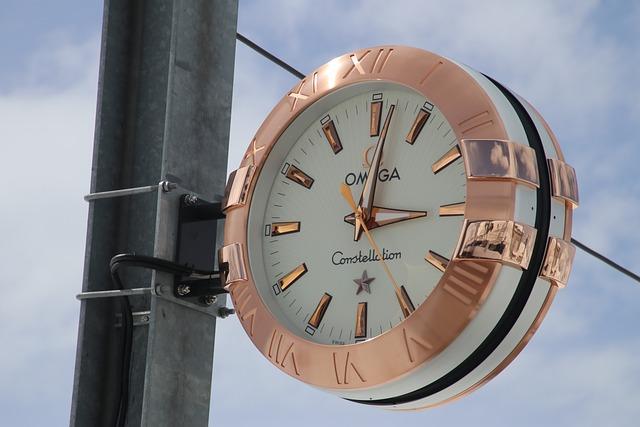
Contents
- Are All Omega Watches Mechanical?
- The Difference Between Mechanical and Quartz Watches
- An Overview of Omega’s Mechanical Watch Collections
- Pros and Cons of Owning a Mechanical Omega Watch
- Maintenance Tips for Keeping Your Omega Mechanical Watch in Top Condition
- Notable Advantages of Investing in a Mechanical Omega Watch
- Key Features to Look for When Choosing a Mechanical Omega Watch
- Why Mechanical Omega Watches Are Worth the Investment
- Exploring the History and Legacy of Omega’s Mechanical Timepieces
- How to Identify a Genuine Mechanical Omega Watch
- Identifying a Genuine Mechanical Omega Watch
- Insights and Conclusions
Are All Omega Watches Mechanical?
Omega watches are renowned for their craftsmanship and precision, but not all Omega watches are mechanical. While the brand is known for its mechanical movements, they also offer a range of quartz and automatic watches. Here’s a breakdown of the different types of Omega watches:
Quartz Watches: Omega offers a selection of quartz watches that are powered by a battery. These watches are known for their accuracy and low maintenance, making them a popular choice for those who prefer hassle-free timepieces.
Automatic Watches: Automatic watches, also known as self-winding watches, are powered by the movement of the wearer’s wrist. These watches feature a rotor that winds the mainspring, eliminating the need for manual winding. Omega’s automatic watches combine traditional craftsmanship with modern technology.
- Mechanical Watches: The traditional mechanical watches from Omega are powered by intricate movements that are meticulously crafted by skilled watchmakers. These watches are prized for their precision and are often considered heirloom pieces due to their durability and timeless appeal.
While Omega is primarily known for its mechanical watches, they offer a diverse range of timepieces to suit different preferences and needs. Whether you’re a fan of classic mechanical movements or prefer the convenience of a quartz watch, Omega has something for everyone.

The Difference Between Mechanical and Quartz Watches
When it comes to Omega watches, not all of them are mechanical. In fact, Omega offers a wide range of timepieces that utilize quartz movements. So what exactly is ?
Mechanical Watches:
- Classic and traditional timekeeping method
- Powered by a complex system of gears, springs, and other mechanical parts
- Require regular winding to keep accurate time
- Known for their craftsmanship and intricate designs
Quartz Watches:
- Use a battery to power a quartz crystal for timekeeping
- Accurate and low-maintenance
- Do not require winding
- Typically less expensive than mechanical watches
| Feature | Mechanical Watches | Quartz Watches |
|---|---|---|
| Power Source | Manual winding | Battery |
| Maintenance | Regular winding required | Low maintenance |
| Cost | Generally more expensive | Typically less expensive |

An Overview of Omega’s Mechanical Watch Collections
Omega’s mechanical watch collections are renowned for their precision and craftsmanship. These timepieces are powered by intricate mechanical movements, rather than battery-operated quartz mechanisms. Each watch is a testament to Omega’s commitment to quality and innovation, delivering a blend of traditional watchmaking techniques with modern technology.
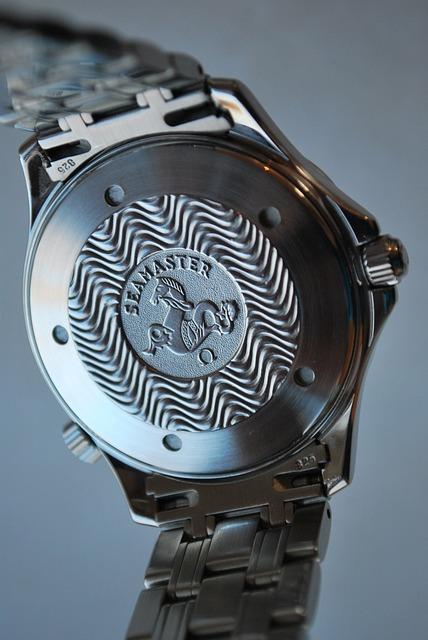
One of Omega’s most iconic collections is the Speedmaster, known for its association with space exploration and its legendary moon landing in 1969. The Seamaster collection, on the other hand, is beloved by divers and water sports enthusiasts for its rugged durability and water resistance. Both collections feature an array of mechanical watches that cater to different tastes and preferences.
In addition to the Speedmaster and Seamaster, Omega offers the Constellation and De Ville collections, each with its own distinctive style and features. Whether you prefer a classic dress watch or a sports-inspired timepiece, Omega has a mechanical watch for every occasion. With a rich history dating back to 1848, Omega continues to be a leader in the world of mechanical watchmaking, setting the standard for excellence in timekeeping.
Pros and Cons of Owning a Mechanical Omega Watch
Pros:
- Craftsmanship: Mechanical Omega watches are known for their exquisite craftsmanship and attention to detail.
- Collectibility: Owning a mechanical Omega watch can be a valuable investment as they tend to hold their value over time.
- Precision: Mechanical movements are often more precise than quartz movements, providing a more accurate timekeeping experience.
- Aesthetics: Mechanical watches have a unique charm and appeal that many collectors appreciate.
Cons:
- Maintenance: Mechanical watches require regular maintenance to ensure they continue to function properly.
- Cost: Mechanical Omega watches tend to be more expensive than their quartz counterparts, making them less accessible to some consumers.
- Accuracy: While generally more precise than quartz watches, mechanical movements can still lose or gain time over extended periods.
- Fragility: Mechanical watches are more delicate and susceptible to damage than quartz watches, requiring careful handling.

Maintenance Tips for Keeping Your Omega Mechanical Watch in Top Condition
- Regular servicing: Make sure to have your Omega mechanical watch serviced every 5-7 years by a certified watchmaker.
- Keep it wound: If you have a manual winding Omega watch, make sure to wind it at the same time every day to keep it running accurately.
- Avoid magnets: Keep your Omega mechanical watch away from strong magnets to prevent any interference with the movement.
Additionally, consider the following maintenance tips to keep your Omega watch in top condition:
- Water resistance: Avoid exposing your watch to water if it is not water-resistant. If it is water-resistant, make sure to have the gaskets checked regularly to maintain its water resistance.
- Storage: When not wearing your watch, store it in a cool, dry place away from direct sunlight to prevent damage to the movement.
- Cleaning: Use a soft cloth to gently clean the case and bracelet of your Omega watch to keep it looking its best.

Notable Advantages of Investing in a Mechanical Omega Watch
Investing in a mechanical Omega watch comes with several notable advantages that make it a popular choice among watch enthusiasts. One of the key benefits of a mechanical Omega watch is its craftsmanship and precision. These watches are meticulously handcrafted by skilled artisans, ensuring high-quality and intricate detailing that sets them apart from other timepieces.
Another advantage of investing in a mechanical Omega watch is their longevity. Mechanical watches are built to last for generations, and with proper care and maintenance, they can retain their value over time. This makes them not only a stylish accessory but also a potential investment piece.
Moreover, mechanical Omega watches offer a unique charm and character that cannot be replicated by quartz watches. The intricate inner workings of a mechanical watch, such as the gears, springs, and escapements, create a mesmerizing display of craftsmanship that can be appreciated by watch enthusiasts and collectors alike.
In conclusion, investing in a mechanical Omega watch is a decision that combines style, craftsmanship, and longevity. With their intricate detailing, lasting value, and unique charm, these timepieces are a sought-after choice for those who appreciate the art of watchmaking.
Key Features to Look for When Choosing a Mechanical Omega Watch
When choosing a mechanical Omega watch, there are several key features to consider that can greatly impact your overall experience and satisfaction with the timepiece.
One important feature to look for is the movement type. Mechanical watches typically come in two types: manual and automatic. Manual watches require winding by hand to keep them running, while automatic watches are self-winding thanks to a rotor that moves with the wearer’s wrist motion.
Another crucial factor to consider is the power reserve of the watch. A longer power reserve means that the watch can keep running without winding for an extended period of time, which can be convenient if you don’t wear your watch every day.
Additionally, take note of the materials used in the construction of the watch, such as the case, dial, and bracelet. High-quality materials like stainless steel, ceramic, or precious metals can enhance both the durability and aesthetics of the timepiece.
Why Mechanical Omega Watches Are Worth the Investment
When it comes to Omega watches, not all of them are mechanical. Mechanical Omega watches are a special category within the brand’s lineup, offering unique features and craftsmanship that set them apart from their quartz counterparts.
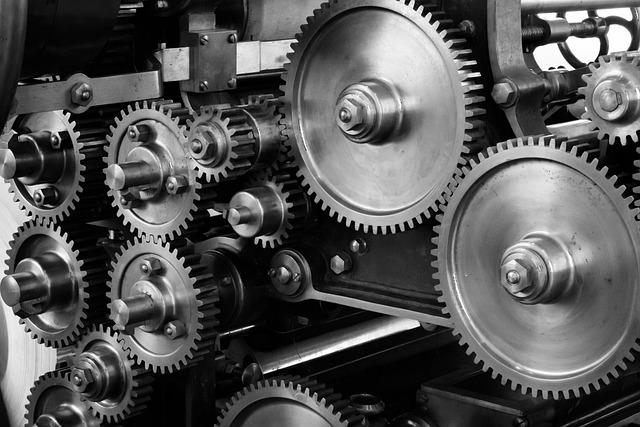
One of the main reasons is their intricate movements. These timepieces are powered by complex mechanical movements that are carefully crafted and assembled by skilled watchmakers. The level of precision and craftsmanship that goes into creating a mechanical movement is truly extraordinary.
Another reason to consider investing in a mechanical Omega watch is their timeless appeal. These watches often feature classic designs that have stood the test of time, making them a great option for those who appreciate traditional style and elegance.
Lastly, mechanical Omega watches can also be a good investment in terms of resale value. Due to their high-quality construction and limited production numbers, these watches can retain or even increase in value over time, making them a smart choice for collectors and enthusiasts.

Exploring the History and Legacy of Omega’s Mechanical Timepieces
Omega’s rich history of crafting mechanical timepieces dates back to the 19th century, when the brand first began producing high-quality watches with precision movements. Today, Omega is renowned for its exquisite mechanical watches that showcase the brand’s expertise in traditional watchmaking. While Omega is famous for its mechanical timepieces, not all watches produced by the brand are mechanical.
Omega offers a variety of watch movements, including mechanical, quartz, and hybrid options. Mechanical watches are powered by a complex system of gears, springs, and levers, known as a mechanical movement, which must be wound either manually or through the motion of the wearer’s wrist. On the other hand, quartz watches rely on a battery-operated mechanism that sends electric pulses through a quartz crystal to regulate timekeeping. Hybrid watches combine elements of both mechanical and quartz movements for enhanced accuracy and convenience.
For those who appreciate the intricate craftsmanship and history behind mechanical watches, Omega’s mechanical timepieces are a testament to the brand’s enduring legacy. Each mechanical watch is a fusion of tradition and innovation, featuring intricate detailing and precision engineering that showcase Omega’s commitment to quality and excellence. Whether you’re a seasoned watch collector or a novice enthusiast, exploring Omega’s mechanical timepieces offers a fascinating glimpse into the artistry and heritage of fine watchmaking.
How to Identify a Genuine Mechanical Omega Watch
Identifying a Genuine Mechanical Omega Watch
When it comes to identifying a genuine mechanical Omega watch, there are a few key factors to look out for. Here are some tips to help you distinguish the real deal from a fake:
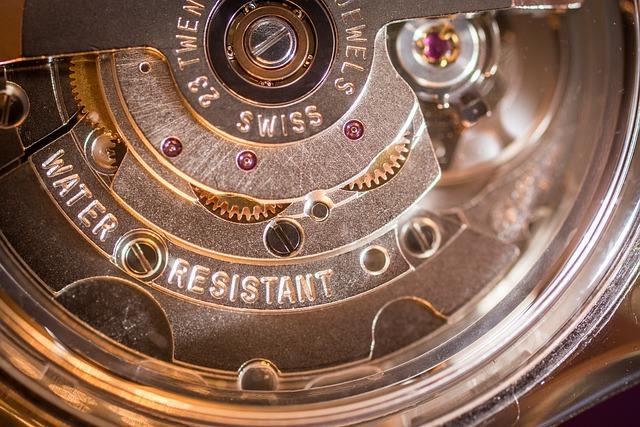
- Movement: One of the easiest ways to determine if a watch is genuine is by looking at the movement. Mechanical Omega watches will have a high-quality movement, typically Swiss-made. Look for the Omega logo on the movement itself.
- Serial Number: Inspect the serial number on the watch. Genuine Omega watches will have a unique serial number that corresponds to the specific watch model.
- Weight: Genuine Omega watches are crafted with high-quality materials, making them heavier than counterfeit watches. Compare the weight of the watch to a known authentic Omega watch to see if it matches up.
| Feature | Indicator |
|---|---|
| Logo | Omega logo present on movement |
| Serial Number | Unique, corresponding to model |
| Weight | Heavier than fake watches |
By paying attention to these details, you’ll be better equipped to spot a genuine mechanical Omega watch. Remember to always purchase from authorized dealers to ensure you’re getting an authentic timepiece.
Insights and Conclusions
In conclusion, not all Omega watches are mechanical, as the brand offers a wide range of timepieces including quartz, automatic, and manual-winding movements. It’s essential to understand the differences between these types of movements when choosing an Omega watch. Whether you prefer the traditional craftsmanship of a mechanical watch or the precision and reliability of a quartz watch, Omega has a timepiece to suit your style and needs. Remember to consider factors such as maintenance, accuracy, and complexity when making your decision. Happy watch shopping!
Get our latest guides, news, and insights highlighted in your Google Search & AI Overviews.