

How Much Is a Rolex Oyster Datejust: Classic Model Values
The rolex Oyster Datejust is a timeless icon blending classic design with dependable automatic movement, making it a favorite for collectors and newcomers alike.Understanding its value means looking beyond just the price tag-examining factors like the caliber,materials,wearability,and market demand. Whether you’re considering your first luxury watch or adding a heritage piece to your collection, knowing how much a Datejust truly costs helps make an informed choice. In this article, we’ll explore the nuances of pricing for various Datejust models, highlighting what influences value retention and how craftsmanship meets investment potential. Dive in to uncover details on movement types,design variations,and how these elements shape both everyday appeal and long-term worth-as appreciating watches means loving the art,the mechanics,and,yes,the numbers behind them.
Contents
- Rolex Oyster Datejust Overview: History & Key Features
- Understanding Datejust Movements: Calibers and Performance Explained
- Current Market Prices: How Much Does a Rolex Oyster Datejust Cost?
- Vintage vs. Modern Datejust models: Value and Collectability Compared
- Material & Design Variations: impact on Price and Style
- Rolex Oyster Datejust Dial Options: Popular Styles and Rarity Effects
- Evaluating Condition and Provenance: Key Factors Affecting Value
- how to Authenticate a Rolex Oyster Datejust: Avoiding counterfeits
- Rolex Datejust Resale Value: Trends and Investment Potential
- Where to Buy Rolex Oyster Datejust: Trusted Dealers and marketplaces
- Customization and Aftermarket Modifications: Effects on Value
- Iconic Datejust Comparisons: Rolex Oyster vs. Other Classic Models
- Frequently asked questions
- Q: How does the condition of a Rolex Oyster Datejust affect its market value?
- Q: What are the rarest Rolex Oyster Datejust dial variations and their value impact?
- Q: How do different bracelet styles influence the price of a Rolex Oyster Datejust?
- Q: When is the best time to sell a Rolex Oyster Datejust for optimal value?
- Q: Why do vintage Rolex Oyster Datejust models sometimes outperform modern ones in value?
- Q: What impact do aftermarket modifications have on the value of a Rolex Oyster Datejust?
- Q: How reliable are automatic datejust movements in relation to their value retention?
- Q: What factors make certain Rolex Oyster Datejust sizes more valuable than others?
- Future Outlook
Rolex Oyster Datejust Overview: History & Key Features
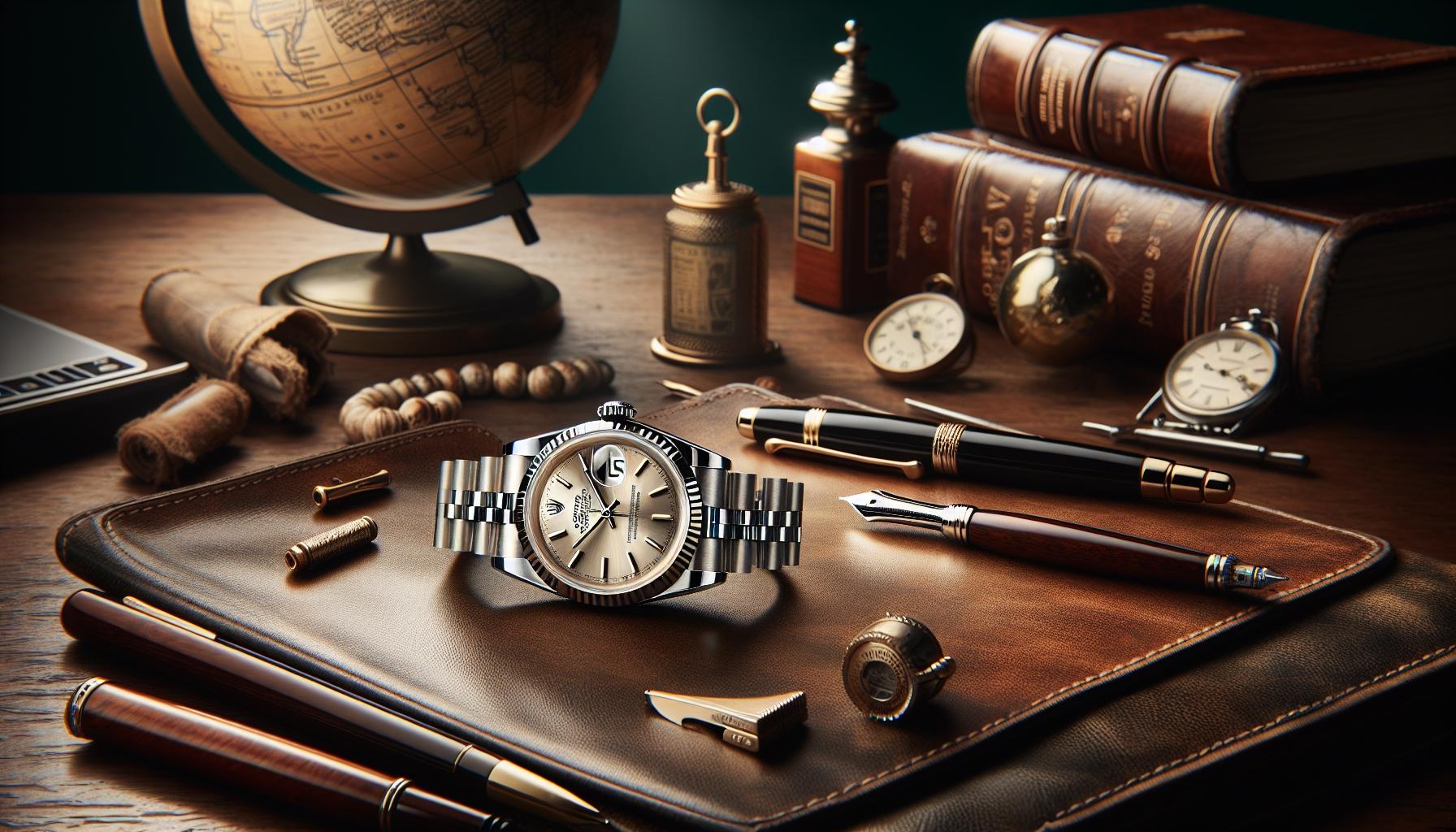
few watches have achieved the legendary status and timeless appeal of the Rolex Oyster Datejust. Introduced in 1945, it was the first wristwatch to combine an automatic movement with an instantaneous date function visible through a small window on the dial-a feature now so common it’s easy to take for granted. This pioneering innovation laid the foundation for what would become one of Rolex’s best-selling and most recognizable models, prized both for its mechanical reliability and refined aesthetic.
At its heart, the Datejust is powered by Rolex’s robust in-house automatic calibers, engineered for precision and durability. Early models featured movements like the Caliber 740 and 1560, while modern variants boast the advanced Caliber 3235, which offers enhanced accuracy, a longer 70-hour power reserve, and improved resistance to shocks and magnetism. This evolution underscores Rolex’s commitment to marrying tradition with cutting-edge watchmaking technology, ensuring every Datejust is as reliable for daily wear as it is indeed elegant on the wrist.
Beyond the movement, the Oyster Datejust owes much of its allure to its signature design elements. The waterproof Oyster case, crafted from corrosion-resistant stainless steel or precious metals, guarantees resilience under all conditions. Its iconic fluted bezel and Cyclops lens over the date window aren’t just distinguishing features-they serve practical functions by enhancing legibility and adding a touch of classic sophistication. The versatility of the Datejust is another major draw; it comfortably transitions from casual settings to formal occasions, thanks to its balanced 36mm or 41mm case sizes and a range of bracelet options-including the elegant Jubilee and sporty Oyster styles.
If you’re seeking a watch that blends groundbreaking horological innovation with a design language that’s remained largely untouched for over seven decades, the Datejust hits that sweet spot beautifully. Whether you’re a newcomer drawn to its storied reputation or a seasoned collector appreciating the nuances of vintage and modern calibers, the Datejust represents a compelling entry into Rolex’s world-one that respects craftsmanship without succumbing to hype or exclusivity. It’s a genuine everyday luxury that feels both approachable and aspirational.
Understanding Datejust Movements: Calibers and Performance Explained
One of the most captivating aspects of the Rolex Oyster Datejust lies beneath its iconic dial: the movement that drives it. The Datejust has evolved through decades of mechanical innovation, consistently featuring Rolex’s in-house automatic calibers-movements designed for precision, durability, and daily reliability. For both newcomers and seasoned collectors,understanding these engines offers insight not only into the watch’s technical prowess but also its value trajectory in the marketplace.
Early Datejust models, such as those from the 1950s through the 1970s, typically housed calibers like the 740, 1560, or later the 3035. These movements introduced innovations such as the “instantaneous date” change, reducing the lag between midnight and date adjustment, making the date function both practical and elegant.The caliber 3035, for example, with its higher beat rate of 28,800 vibrations per hour (vph), improved accuracy and became a favorite among enthusiasts for its robust performance even years later. Collectors often prize these older calibers not only for their mechanical character but also because well-serviced examples can sustain value remarkably well, blending nostalgia with mechanical artistry.
Modern Datejust models wield the caliber 3235, Rolex’s latest automatic movement tailored for this line. This caliber marks a meaningful leap forward, boasting a 70-hour power reserve-a substantial increase from the previous roughly 48 hours-and enhanced resistance to shocks and magnetic fields. These improvements arise thanks to Rolex’s proprietary Chronergy escapement and high-performance Parachrom hairspring, both of which boost efficiency and stability. For owners, this means less winding, greater timekeeping reliability, and a more robust watch suited to the rigors of everyday life. The caliber 3235 also meets Rolex’s stringent Superlative chronometer standards, ensuring accuracy within -2/+2 seconds per day.
Movements and Market Value: What It Means for Buyers
When considering investment and resale value, the movement plays a critical role alongside aesthetics and provenance.Vintage Datejust watches with original calibers in good condition can command premium prices, especially if accompanied by service history, box, and papers. Conversely, modern iterations with the Caliber 3235 hold their value through technological superiority and current production status, often translating into easier purchase and resale experiences.
- Automatic movement: self-winding via the wearer’s wrist motion, ensuring no daily manual winding is necessary for continuous operation.
- Instantaneous date complication: a speedy-change date feature that advances the date sharply at midnight.
- In-house caliber: fully designed and manufactured by Rolex itself, not outsourced, ensuring tight quality control.
Practical Considerations for Collectors and Enthusiasts
For those diving into the Datejust world, knowing how to spot well-maintained movements and understanding service cycles is invaluable. Regular servicing-generally every 5 to 10 years-keeps lubricants fresh and mechanical components optimized, protecting the watch’s value and longevity. Many enthusiasts appreciate the robust design of the Datejust caliber series, some of which have run flawlessly for decades, a testament to Rolex’s engineering ethos.
| Caliber | Production Era | Key Features | Power Reserve | Vibrations per Hour (vph) |
|---|---|---|---|---|
| 740 | 1940s-1960s | First automatic Datejust movement, instantaneous date | ~42 hours | 18,000 |
| 1560 | 1960s-1970s | Improved precision, hacking seconds | ~42 hours | 19,800 |
| 3035 | 1970s-1980s | High beat rate, quickset date | ~48 hours | 28,800 |
| 3135 | 1988-2018 | Workhorse caliber, robust and reliable | ~48 hours | 28,800 |
| 3235 | 2018-present | Extended power reserve, Chronergy escapement | ~70 hours | 28,800 |
Understanding these technical evolutions equips buyers to make smart choices, balancing budget with desired features and potential value retention. Whether admiring the engineering from the golden era or embracing the modern marvel within the Oyster Datejust, the movement is the backbone of its enduring charm and practicality-true mechanical poetry beneath a timeless face.
Current Market Prices: How Much Does a Rolex Oyster Datejust Cost?
Finding a Rolex Oyster Datejust that fits both your style and budget can feel like navigating a labyrinth of options-vintage beauties and modern marvels alike.Prices for a Datejust vary widely, reflecting factors like age, movement, materials, dial rarity, condition, and provenance. Whether you’re eyeing the timeless charm of a mid-century Datejust or the technological edge of a current model powered by the Caliber 3235, a well-bought Datejust offers durability, elegant design, and solid value retention.
Entry points into the Datejust market typically start around the $6,000 to $8,000 range for pre-owned stainless steel models from the early 2000s, often featuring the reliable Caliber 3135. these watches strike a practical balance: automatic self-winding movements, date complication with quickset feature, and that iconic oyster case and bracelet combination. Vintage pieces from the 1960s or 1970s, such as those with Caliber 1560 or 3035 movements, can sometimes be found near this entry range too, especially if they have been serviced and are in solid condition.They offer a nostalgic mechanical character and potential for appreciation, especially limited editions or rare dial variants.Upgrading to newer Datejusts with the advanced Caliber 3235 and enhanced features like a longer 70-hour power reserve raises prices into the $9,000 to $13,000 bracket for stainless steel models at authorized dealers or reputable resellers. For precious metals like rolesor (the iconic steel-and-gold combination) or full gold versions, prices increase considerably, frequently ranging from $13,000 to $30,000 and beyond, depending on the metal purity, dial, and size. Limited editions,unique dial configurations,and exotic materials (like diamonds or meteorite dials) add collector appeal and drive prices higher.
What Influences Current Market Prices?
- Movement sophistication: Watches with the latest Caliber 3235 tend to command premiums due to extended power reserve and modern engineering, which translates to better longevity and accuracy.
- Material choices: Stainless steel remains the most accessible metal,prized for everyday wear and timeless style. Rolesor (steel/gold combos) and full gold Datejusts elevate status and price point dramatically.
- Dial rarity: Certain dial colors or configurations like ”Wimbledon” (green Roman numerals), “Jubilee” indexing, or rare vintage patinas can add considerable allure.
- Condition and provenance: Complete sets-box, papers, service receipts-and minimally worn watches hold distinct advantages in auction and resale markets.
Price Snapshot: Approximate Range for Popular Datejust Variants
| Model | Movement | Material | Typical Price Range (USD) |
|---|---|---|---|
| Vintage Datejust (1960s-1970s) | Cal. 1560 / 3035 | Stainless Steel | $6,000 – $10,000 |
| Modern Stainless Steel Datejust | Cal. 3135 / 3235 | Stainless Steel | $8,000 – $13,000 |
| Rolesor Datejust (Steel & Gold) | Cal. 3235 | Steel & 18K Gold | $13,000 – $22,000 |
| Full Gold Datejust | Cal. 3235 | 18K Gold | $25,000 – $35,000+ |
If you’re in the market for a watch to wear daily, the steel Datejust, with its excellent movement technology and history, offers arguably the best value per dollar. For collectors or investors, vintage models with distinctive dials and solid provenance can surprise you with steady appreciation-especially when serviced by authorized centers and kept in original condition. in every case,buying from trusted dealers or verified marketplaces safeguards against counterfeits and inflated pricing.
Remember, the Datejust is not just a wristwatch; it’s a mechanical storytelling device wrapped in a design that has influenced countless others. Wherever your price point lies,the magic of the Oyster Datejust is in its blend of technical innovation and timeless style that transcends fleeting market trends.
Vintage vs. Modern Datejust models: Value and Collectability Compared
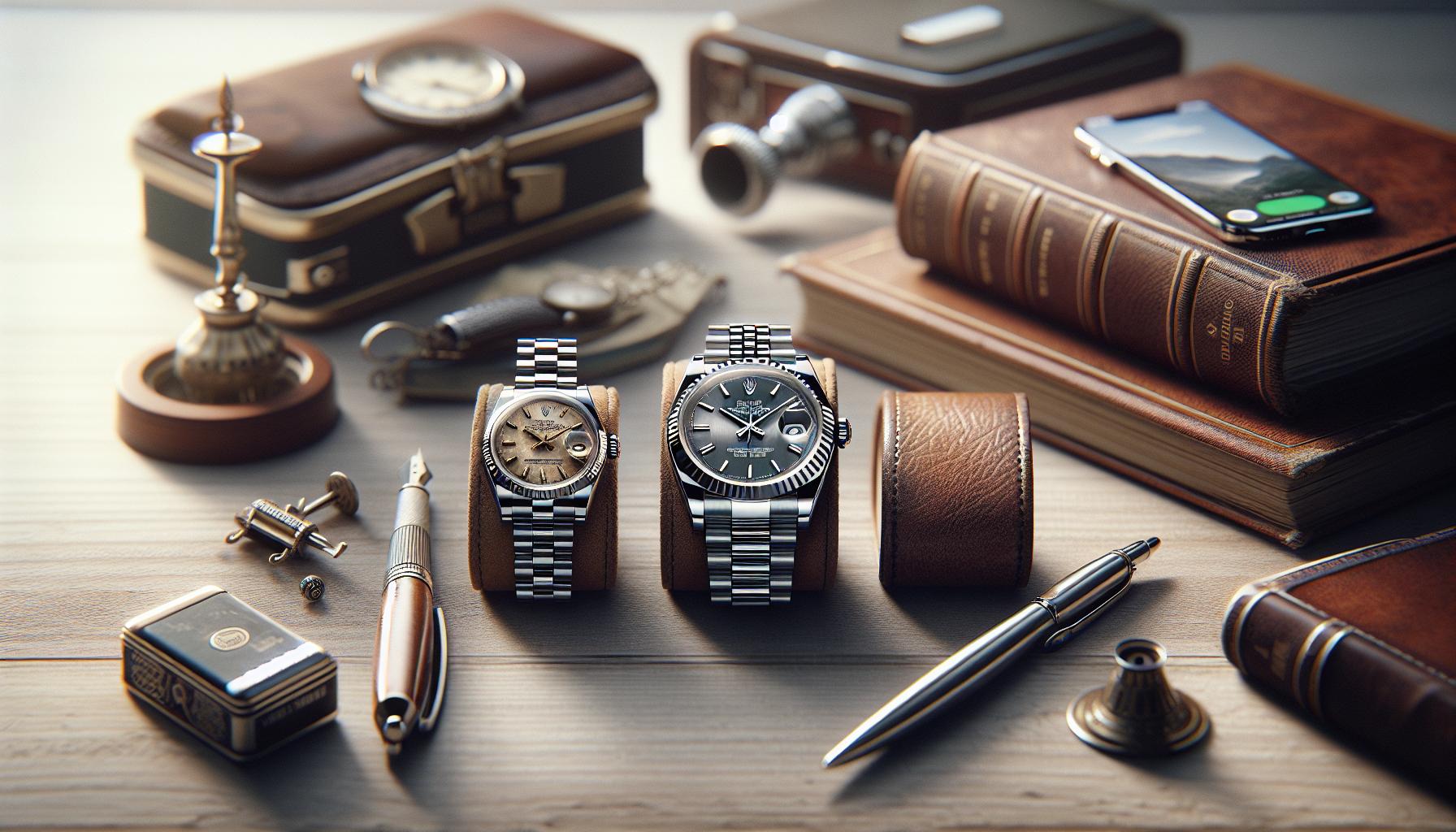
One of the most fascinating aspects of collecting Rolex Oyster Datejusts is seeing how the evolution of technology and design over the decades impacts not just wearability but also desirability and value. Vintage Datejusts, especially those from the 1960s and 1970s, exude a distinct charm thanks to their classic proportions, vintage dial patinas, and iconic calibers like the 1560 and 3035. These movements are valued for their mechanical character-think slower beat rates, simpler-but reliable construction, and a certain nostalgic appeal that modern productions can’t quite replicate. Finding a well-maintained vintage Datejust with original parts and a clean service history can turn a watch into a strong collectible, especially when paired with rare dial variants or provenance.Prices for these gems often start around $6,000 and can appreciate steadily, particularly as the pool of survivors shrinks.
In contrast, modern Datejust models bring cutting-edge innovation into the equation. Powered by calibers like the 3135 and the more recent 3235, these watches offer technical upgrades such as extended power reserves (up to 70 hours), improved automatic winding efficiency, and enhanced resistance to shocks and magnetic fields.This translates directly into reliability and precision-qualities that appeal to those who want a robust daily wearer without sacrificing rolex’s signature elegance. Stainless steel modern Datejusts typically trade in the $8,000 to $13,000 range,a sweet spot for buyers seeking the performance and convenience of a contemporary automatic movement. For collectors, this means they’re getting a watch that will not only last but likely hold its value over time, especially when purchased from authorized dealers with complete sets.
Practical Differences and Collectability
- Movement Considerations: Vintage calibers like the 1560/3035 are admired for their mechanical simplicity and past value but may require more frequent servicing due to older oils and parts wear. Modern calibers such as the 3235 employ newer materials like nickel-phosphorus escapements and Chronergy technology, which optimize accuracy and reduce maintenance frequency.
- Design Evolution: Vintage Datejusts often feature slimmer cases, acrylic crystals, and pie-pan or subtly textured dials that appeal to purists. The modern versions tend toward slightly bulkier cases, sapphire crystals with anti-reflective coatings, and a wider array of dial configurations-including diamond indices and exotic materials.
- Investment Potential: While vintage models can appreciate due to rarity and provenance, modern Datejusts benefit from incremental technological improvements and Rolex’s brand momentum, offering solid resale values and easier servicing worldwide.
- Wearability: Modern watches provide enhanced water resistance, more comfortable bracelets (like the redesigned Jubilee and Oyster), and sharper legibility-all critically important for daily use.
| Aspect | Vintage Datejust (1960s-70s) | Modern Datejust (2000s – Present) |
|---|---|---|
| Typical Movement | caliber 1560 / 3035 | Caliber 3135 / 3235 |
| Power reserve | ~42-48 hours | ~70 hours |
| Case & Crystal | Slimmer, Acrylic crystal | Thicker, Sapphire Crystal |
| Price Range (Stainless Steel) | $6,000 – $10,000 | $8,000 – $13,000 |
| Collectability | Higher for rare dials/provenance | Steady resale and broader availability |
For newcomers, recognizing that vintage and modern datejusts each serve distinct purposes can ease decision-making. The vintage Datejust is ideal for those who cherish horological history, unique dial aesthetics, and mechanical storytelling in a watch.It’s a piece of Rolex heritage worn on the wrist. Conversely, modern Datejusts are tailored for enthusiasts seeking everyday reliability, enhanced performance, and contemporary style, all backed by current Rolex service infrastructure and warranties.
Ultimately, both vintage and modern datejusts celebrate Rolex’s commitment to innovation and timeless design. Whether you’re drawn to the tactile engagement and warm character of a serviced vintage caliber or the technological sophistication and polished finish of a new release, your choice reflects a personal connection to watchmaking artistry rather than mere investment speculation. Balancing passion with practical knowledge will ensure your Rolex Datejust collection or purchase remains fulfilling and rewarding for years to come.
Material & Design Variations: impact on Price and Style
Few watch models illustrate the impact of materials and design as clearly as the Rolex Oyster datejust. from its earliest incarnations to contemporary versions, the choice of metals and aesthetic details continually shapes the watch’s appeal and resale value. It’s not just about looks; the materials directly influence durability, comfort, and ultimately how the watch fits into your lifestyle and collection.
Stainless steel remains the superstar within the Datejust range, striking a balance between practicality and style. considered the entry point for many collectors, stainless steel datejusts typically fall between $8,000 and $13,000 for modern references. Their corrosion resistance and robustness make them excellent for daily wear without demanding special care. Steel also lends itself beautifully to both polished and brushed finishes,enriching the play of light on the case and bracelet-a subtle but crucial factor when admiring the watch in various lighting conditions.
Rolex’s use of precious metals like yellow gold, white gold, rose gold (Everose), and the brand’s exclusive Rolesor (a two-tone steel and gold mix) expands the design palette significantly. These variants instantly elevate not only the visual presence but also the market price. For example, two-tone Rolesor models often command a premium of $3,000 to $5,000 above their all-steel siblings. Solid gold Datejusts, simultaneously occurring, push well beyond that, especially vintage models made from 18k gold, which combine scarcity and craftsmanship into a compelling investment piece. This reflects both wearer prestige and the lasting allure of timeless precious metals in horology.
Case and bracelet Design: Practicality Meets Prestige
- Case Size & Thickness: Vintage Datejusts (36mm cases, typically slimmer) attract purists who value wrist presence without bulk. Modern Datejusts have adopted slightly larger cases and thicker profiles, partly to accommodate upgraded movements and improve water resistance (up to 100m). This evolution affects wearability and, for certain buyers, the watch’s perceived modernity and status.
- Bracelet Options: The Oyster and Jubilee bracelets each tell different style stories. Oyster bracelets offer sportier, simpler links with a robust feel, aligning with the watch’s tool-watch heritage. Jubilee bracelets provide a dressier, more intricate look, often preferred for formal occasions. Material differences (steel versus gold center links) impact price and how flashy or understated the watch appears.
- Crystal Materials: vintage Datejusts commonly feature acrylic crystals, prized for their warm glow and easier polishing but more susceptible to scratches. Modern versions use sapphire crystals, substantially more scratch-resistant but less forgiving when damaged. this straightforward upgrade reflects Rolex’s commitment to functionality, albeit with some slight trade-offs in vintage charm.
Dial Variations and Material Effects on Value
Dial design is arguably where Rolex lets its creative spirit shine within the Datejust line. From conventional sunburst finishes in silver or champagne to exotic stone dials and diamond hour markers, these details play a pivotal role in both aesthetics and desirability. Rarer colors or textured finishes-think salmon pink, meteorite, or mother-of-pearl-offer discrete exclusivity that enthusiasts chase fiercely. Be aware that custom dial options or aftermarket modifications usually decrease resale value despite personal appeal.
| material/Design Feature | Typical Price Impact | Wearability & Style Notes |
|---|---|---|
| Stainless Steel Case & Bracelet | Baseline ($8,000-$13,000 modern) | Highly durable, versatile, sporty yet elegant |
| Two-Tone Rolesor (Steel & Gold) | + $3,000 to $5,000 | Iconic Rolex style; balances luxury with everyday wear |
| Solid Gold (Yellow, White, Everose) | Significantly higher premium, varies by vintage/condition | Luxurious, dressy, and investment-worthy |
| Acrylic Crystal (Vintage) | Minor impact but prized by collectors | warm vintage look, easier to polish scratches |
| Sapphire Crystal (Modern) | Standard on new models; improves scratch resistance | Sharper appearance but less vintage warmth |
| Rare/Exotic Dial Materials (Mother-of-pearl, Meteorite) | Premium varies; can add several thousand | Unique, collectible, frequently enough fragile |
When choosing a Datejust, align the material and design with your expected use and personal taste. A steel model with subtle dial accents suits daily wearers valuing versatility. Simultaneously occurring, two-tone or solid gold models cater to those who appreciate a bit of flair without compromising Rolex’s robust engineering. Remember, condition and originality also heavily influence how materials affect value, so keep your watch serviced and guard against excessive polishing.
Ultimately, the diverse material and design options available in the Oyster Datejust family allow collectors to express personality through subtle or bold choices. Whether you lean toward a discreet vintage steel piece with a classic dial or a vibrant two-tone version gleaming on a Jubilee bracelet, the combination you pick not only defines your style but also plays a critical role in what you’ll pay today-and possibly earn back tomorrow.
Rolex Oyster Datejust Dial Options: Popular Styles and Rarity Effects
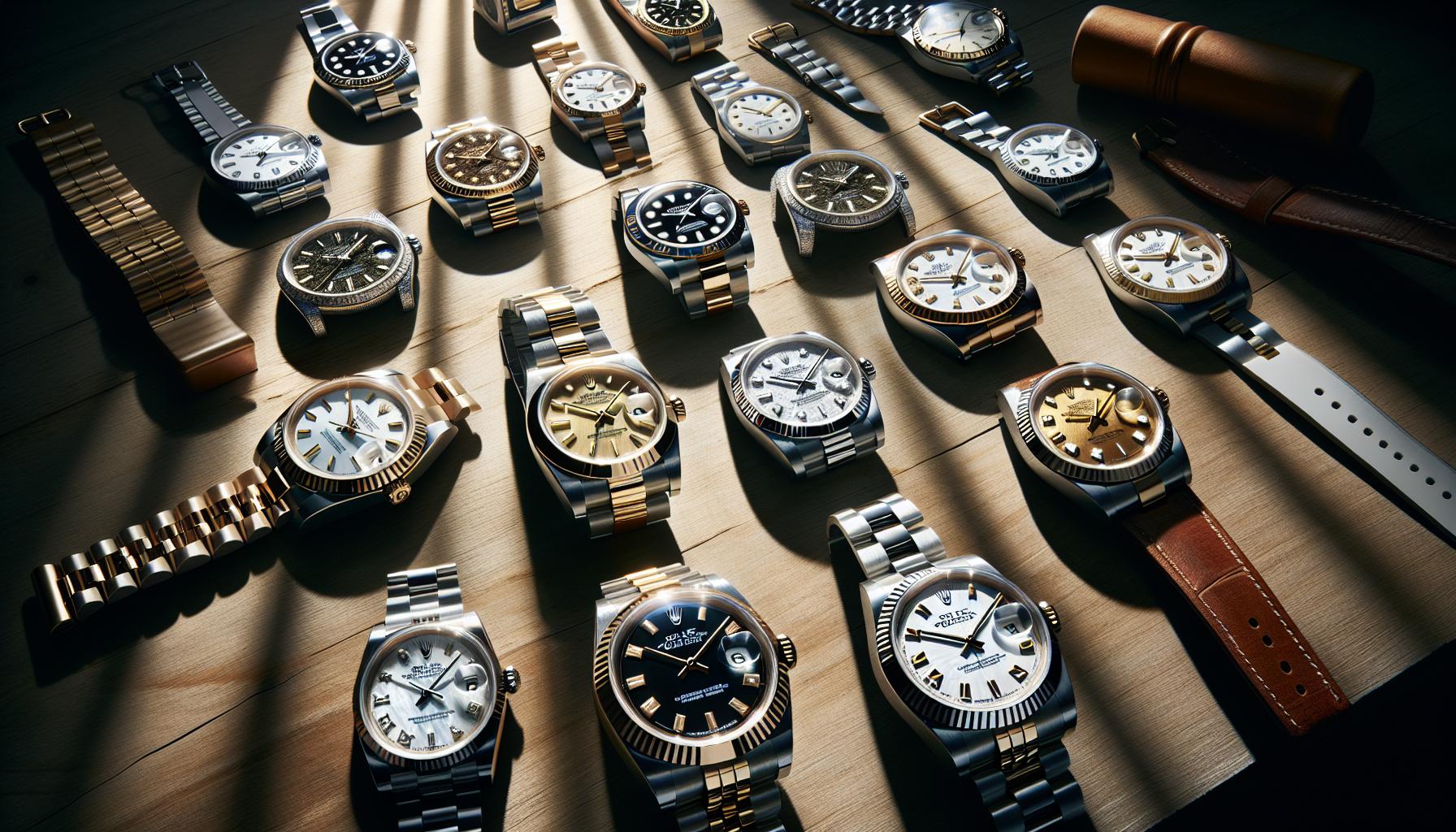
few elements define the Rolex Oyster Datejust’s character more than its dial. This component is where Rolex’s fusion of craftsmanship, innovation, and flair comes alive, transforming a reliable timepiece into a personal statement. while most Datejust models share the same robust automatic movement-often the caliber 3235 in modern iterations-dials offer an arena of distinction that deeply affects a watch’s appeal and price. Whether you favor timeless legibility or crave rarer textures,understanding dial options is key to choosing a Datejust that fits both your wrist and your collecting goals.
The classic sunburst dials, appearing in tones like silver, champagne, and black, remain the backbone of the Datejust lineup. They offer stunning plays of light throughout the day without overwhelming the watch’s balanced design. These finishes typically keep the Datejust within a solid value range, frequently enough the “go-to” for both new buyers and seasoned collectors who prize versatility and understated elegance. Their enduring popularity also ensures relatively strong resale value, making them a sensible investment choice for anyone entering the Rolex world.
Beyond classics, Rolex’s daring use of exotic and textural dials can push a Datejust’s desirability-and price-higher. Consider mother-of-pearl, meteorite, or salmon pink dials, which deliver distinct aesthetic drama and rarity. Mother-of-pearl dials captivate through naturally varying iridescence, making each watch a unique piece of wearable art. Meteorite dials, forged from space rocks, provide striking geometric patinas that no two watches share. These options can easily add several thousand dollars to the asking price due to their limited availability and the technical skill required to source and finish them expertly. But rarity comes with a caveat: exotic dials tend to be more delicate, with heightened susceptibility to scratching or discoloration, which collectors must factor into wearability and long-term condition.
- Diamond hour markers add another layer of refinement and price uplift,appealing to those seeking a touch of luxury without moving fully into solid gold cases.
- Roman numerals and baton indexes cater to vintage-style tastes, each influencing the watch’s formal or casual vibe.
- Custom or aftermarket dials are popular for personalization but often compromise resale value and authenticity perceptions-best avoided unless you plan to keep the watch personally.
| Dial Type | price Impact | Pros | Cons |
|---|---|---|---|
| Classic sunburst (Silver, Champagne, Black) | Stable pricing | versatile, timeless, strong resale | Less rare, more common |
| Mother-of-Pearl | + $1,000 to $5,000+ | Unique look, elegant, collectible | Fragile, costly maintenance |
| Meteorite | + $3,000 to $7,000+ | Exotic, one-of-a-kind pattern | Fragile, niche market |
| Diamond Hour Markers | + $1,500 to $4,000 | Luxury feel without full precious metal | Potentially flashy for some |
| Custom/Aftermarket | Typically reduces value | Highly personalized | Compromised authenticity |
Selecting the ideal dial comes down to personal taste layered with an understanding of how rarity and aesthetics influence value. A first-time buyer might gravitate toward classic dials for versatility and stable pricing,while experienced collectors often hunt limited or unusual dial variants that stand out in a saturated market. Regardless of choice, intact originality and excellent condition always boost a Datejust’s value and allow wearers to enjoy the iconic blend of Rolex reliability and artistic dial craftsmanship.
In short,the dial is the Datejust’s personality on display. It invites you to express yourself subtly or boldly. By weighing style preferences against potential impacts on price and long-term value, you’re better equipped to find a Datejust that delights every time you glance at your wrist and holds its allure for years to come.
Evaluating Condition and Provenance: Key Factors Affecting Value

one of the most compelling truths about collecting a Rolex Oyster Datejust is how condition and provenance can dramatically shift its market value-frequently enough more than model year or rarity alone. A Datejust in impeccable condition, with minimal wear and original components intact, almost always commands a premium. Scratches, polished cases that have dulled original contours, replaced parts, or signs of amateur servicing tend to erode value.For vintage Datejusts, originality is king. Collectors and buyers increasingly seek watches with untouched dials, original hands, correct bracelets, and factory finishes as these preserve the timepiece’s authentic character and historical integrity.
when examining condition, pay close attention to the watch’s case profile and lug edges. over-polishing is a silent value killer that rounds off sharp lines, making a once-distinctive watch appear worn down. Movement health matters too-Rolex calibers like the classic 3135 or earlier 1570/3035 calibers are robust, but a full service history by a certified Rolex watchmaker usually adds value, offering peace of mind about reliability. Conversely, watches running without recent servicing or with unknown maintenance histories carry risk and often sell at a discount.
Provenance and Documentation: The Story Behind the Timepiece
Original paperwork, including the warranty card, purchase receipt, and service documents, can increase a Datejust’s value by thousands of dollars. This paperwork validates authenticity and ownership history,which collectors prize greatly. A watch sold by an authorized retailer, with unbroken service records and original box, signals a well-cared-for piece and reassures buyers against counterfeits or tampering. Provenance sometimes extends beyond documentation: celebrity or historically significant ownership can skyrocket prices, but these cases are the premium exceptions rather than the norm.
- Original box and papers typically add 10-20% to resale value.
- Complete service records demonstrate maintenance care, reducing buyer uncertainty.
- Modifications or aftermarket parts often diminish collector appeal and resale price.
- Unpolished original cases are highly sought after, especially in vintage models.
Why Condition and provenance Matter More Than You Might Think
A Rolex Oyster Datejust is more than a durable automatic watch with a date complication; it’s a meticulously engineered piece of mechanical art with decades of wear history encoded in its surfaces and documentation. Two examples worth highlighting: a mint-condition 1970s Datejust with its original dial, intact luminous markers, and unpolished case can fetch significantly more than a more “complete” but heavily restored example. Meanwhile, a modern Datejust with a flawless case and recent authorized servicing will command a strong premium over a well-worn model with an unclear maintenance history-even if both share the same caliber 3235 movement.
Even for newcomers, understanding these factors helps avoid common pitfalls like overpaying for a polished vintage case or buying a watch with a replaced dial that kills its collectible charm.When valuing a Datejust, the question isn’t just “How old is the watch?” or “What’s the movement inside?” but “What’s the holistic story in its wear, care, and papers?”
| Factor | Effect on Value | Collector Priority |
|---|---|---|
| Original dial and Hands | + Significant uplift | Very High |
| Unpolished Case | + Noticeable increase | High |
| Service History from Rolex | + Moderate increase | Medium |
| Complete Box & Papers | + substantial increase | High |
| Aftermarket or Replacement Parts | – Decreases value | High |
In essence, investing time in verifying condition and provenance before purchase is a smart strategy. Not only does it sharpen your appreciation of the watch’s craftsmanship, but it also secures better resale value and personal satisfaction-knowing you own a Datejust that’s as authentic and carefully preserved as it was when first crafted.
how to Authenticate a Rolex Oyster Datejust: Avoiding counterfeits
Authenticating a Rolex Oyster Datejust starts with an awareness that counterfeiters have become increasingly complex, yet a careful eye and some basic horological knowledge will go a long way in separating genuine classics from fakes. One of the definitive signs of authenticity lies deep inside the case-the movement. Rolex movements are celebrated for their reliability and craftsmanship, often featuring in-house calibers like the 3135 or the newer 3235 automatic movements with refined precision and a smooth date change mechanism. Any Rolex Oyster Datejust should have a finely finished movement bearing the Rolex signature on the rotor or bridges. If you come across a watch with an unmarked or signed differently movement-perhaps a generic or partial marker-this is an immediate red flag. For example, genuine Rolex post-1915 calibers commonly feature 15 jewels or more, and are distinctly marked with “Rolex” either on the bridge or ratchet wheel, unlike lower-grade knockoffs which may have fewer jewels and missing engravings[[1](https://mb.nawcc.org/threads/is-this-a-rolex-rebberg-movement.176329/)].
Visual inspection of the Datejust’s external details provides the first line of defense. The iconic cyclops lens magnifying the date window by 2.5x is a classic feature that many counterfeits struggle to replicate with correct clarity and size. the fonts on the dial, depth of the engravings on inner rehaut (the ring between dial and crystal), and sharpness of case edges should all feel crisp and premium. Counterfeit watches tend to have blurry or poorly aligned text on the dial and caseback, whereas authentic models reflect Rolex’s obsessive attention to detail. Pay special attention to the crown logo at 12 o’clock and on the winding crown-on genuine dates, this is finely crafted and exhibits consistent proportions and clean edges.
Essential Authentication Tips for Rolex Oyster Datejust Buyers
- Check the serial and model numbers: These are deeply engraved between the lugs and should be crisp, not lightly etched or sandblasted. A quick verification with Rolex records or trusted databases will confirm production dates and legitimacy.
- Movement examination: If possible, have a trusted watchmaker open the caseback to inspect the caliber. Authentic Rolex movements will carry brand-specific markings and have a clean, polished finish unmatched by typical counterfeit movements.
- weight and feel: Genuine Rolex watches have a noticeable heft due to solid metal construction and sapphire crystals. A watch that feels too light or plasticky should raise doubt.
- magnification and date window assessment: Ensure the cyclops lens magnifies the date effectively, with a centered date numeral and correct font.
What to Watch Out for in the Market
While vintage Datejust models might show light signs of wear,amateur refinishing (like excessive polishing) can blur original case lines-a sign that the watch has been altered,which affects value and confirms less-than-ideal provenance. Additionally, some sellers offer “Rolex” movements that aren’t fully Rolex-caliber but parts from other manufacturers or replicas mentioned as Rolex-Marconi or other names-these are not genuine[[1](https://mb.nawcc.org/threads/is-this-a-rolex-rebberg-movement.176329/)]. Avoid watches without box and papers unless verified thoroughly.Even a perfect-looking watch cannot exceed genuine value without solid provenance and watchmaker verification.
| Authentication Factor | What to Expect on Genuine Datejust | Common Counterfeit Issues |
|---|---|---|
| Movement markings | Rolex engraved, in-house caliber, 15+ jewels, quality finishing | Generic or missing markings, lower jewel count, rough finishing |
| Serial/Model Number | deeply engraved, correct date range | Lightly etched, inconsistent numbers, mismatched era |
| cyclops Magnifier | 2.5x magnification, clear centered date | weak or no magnification, distorted or off-center date |
| Case and Dial Quality | Crisp, clean fonts; sharp edges; authentic crown logos | Blurry printing, dull edges, incorrect logo shape |
| Weight and Feel | Noticeable solid heft; quality metals and sapphire crystal | Lightweight, cheap materials, plastic feel |
Ultimately, combining visual scrutiny with technical checks and trusted documentation yields the best results. Watch enthusiasts who combine appreciation for rolex’s mechanical artistry with a practical understanding of manufacturing details and serial consistency will find avoiding counterfeits more manageable. Investing in authentication not only protects your wallet but also ensures the joy of owning a Datejust that truly embodies Rolex’s timeless legacy and craftsmanship.
Rolex Datejust Resale Value: Trends and Investment Potential
Rolex Oyster Datejust watches have long been admired not only for their classic design and reliable in-house calibers like the 3135 and 3235 but also for their surprisingly resilient resale value. Unlike some luxury timepieces that fluctuate wildly with trends, the Datejust benefits from a steady demand anchored by both its timeless style and Rolex’s reputation for quality.This stability makes it appealing to collectors and casual buyers alike who see the watch as more than just a fashion accessory-it’s a mechanical investment.
Understanding the resale landscape requires looking at several key factors: model variant, condition, rarity, and provenance. Modern Datejusts with the newer calibers generally command strong resale prices as they combine contemporary improvements-like longer power reserves and enhanced accuracy-with the unmistakable Rolex aesthetic. Vintage Datejust models, especially those with unique dial colors or rare materials, often appreciate more slowly but can offer significant gains over time if well preserved. Such as, original “Pie-Pan” dials or early reference numbers from the 1950s can fetch premiums when matched with original bracelets and box-papers.
Market Trends and demand Dynamics
Resale values have seen steady growth globally, buoyed by limited supply and increasing interest in mechanical watches as collectible items. The Datejust’s versatility as a dress or everyday watch extends its appeal across diverse price segments-from stainless steel no-date versions favored for understated style, to gold and two-tone models that highlight Rolex’s craftsmanship. It is indeed worth noting that watches with complete sets (box, papers, receipts) typically achieve 10-20% higher resale prices, emphasizing the importance of provenance.
Fluctuations often occur depending on economic conditions and auction results, but historical data confirms that the Datejust rarely depreciates like typical consumer electronics. One practical insight: customized or heavily modified Datejusts (e.g., aftermarket gem settings or non-Rolex parts) usually see diminished resale value. Rolex’s collectors prize originality. Keeping the watch as close to factory condition as possible preserves both its charm and market worth.
Practical Tips for Sellers and Buyers
- Assess movements carefully: Genuine movements engraved with “Rolex” and featuring automatic winding are crucial for authenticity and value.
- Focus on classic variations: Two-tone stainless steel and gold Datejusts remain consistently popular on resale platforms.
- Track serial/model numbers: Watches from respected production years often perform better when sold.
- Maintain service records: Properly serviced watches,ideally by authorized dealers,command trust and better resale prices.
- Buy smart, sell smart: Purchasing from trusted dealers or established marketplaces reduces risk and eases future resale transactions.
| Model Type | Typical resale Price Range (USD) | Key Value driver |
|---|---|---|
| Vintage Stainless Steel Datejust (1960s-1980s) | $3,500 – $8,000 | Original dial, minimal polishing, box & papers |
| Modern Stainless Steel Datejust (Ref. 116200/126200) | $7,500 – $9,500 | Caliber 3135 or 3235, unworn or lightly used |
| Two-Tone Rolesor Datejust (Gold + Steel) | $8,500 – $12,000+ | Condition, bracelet style, dial rarity |
| Solid Gold Datejust | $15,000 – $30,000+ | Material purity, condition, provenance |
With such data in hand, it’s clear the Datejust is more than a daily timekeeper-it’s a mechanical classic with a distinct investment profile. Its broad collector base and enduring design language ensure demand will persist, even as watch preferences evolve. Buyers should think of the Datejust not only as a piece of horological art but as a steady companion whose value has shown remarkable staying power in a world of fleeting luxury trends.
Where to Buy Rolex Oyster Datejust: Trusted Dealers and marketplaces
Rolex Oyster Datejust watches are a prized mix of heritage, craftsmanship, and mechanical reliability, making finding the right purchase channel just as critically important as choosing the right model. Whether you’re eyeing a vintage piece with that warm “Pie-Pan” dial charm or a modern reference featuring the cutting-edge Caliber 3235, the source profoundly affects authenticity, condition, and ultimately, your watch’s value retention.
Navigating the market, it’s wise to prioritize authorized Rolex dealers whenever possible for brand-new models. These boutiques not only guarantee factory-fresh condition with full warranty but also ensure access to the latest releases and genuine parts for future servicing.Still, due to Rolex’s limited supply and high demand, brand-new Datejusts can have waitlists or premiums, so many collectors expand their search to pre-owned markets, which frequently enough offer more variety and immediate availability.
Reliable Secondary Market Channels
Trusted pre-owned dealers with established reputations offer an excellent balance of price and security. Shops like Crown & Caliber, Bob’s Watches, or WatchBox provide certified authenticity checks and servicing history, reducing uncertainty especially for watches with vintage provenance-a key value driver. These dealers often supply honest condition assessments and, importantly, full paperwork verification, which can enhance resale potential later.
Online marketplaces like Chrono24 let you filter by seller rating, location, and return policies, providing openness for buyers worldwide.However, thorough due diligence is crucial; look for listings with detailed photos showing the movement (if possible), case back markings, and a clear description of bracelet condition. An asking price well below the expected market range might signal a red flag, so cross-reference with sales data and consult community forums for insights.
Local Watch Shows and Collector Communities
If you enjoy a tactile buying experiance, watch fairs or dedicated Rolex meetups often yield rare finds and direct negotiation opportunities. Connecting with fellow enthusiasts can uncover watches with rich histories or untouched original parts. Plus, face-to-face interactions cultivate trust you won’t find with anonymous sellers online. Just remember to familiarize yourself with common Rolex identifiers (like movement calibers engraved with “Rolex” and serial numbers) to avoid replicas or heavily modified pieces that compromise value.
Checklist for Buying with Confidence
- Verify Movement Authenticity: Confirm that the movement inscription corresponds to Rolex’s serials and calibers (e.g., caliber 3135 or 3235 for modern datejusts).
- Demand full Provenance: Ask for original box, papers, and any service records to solidify authenticity and aid future resale.
- Inspect for Modifications: Aftermarket alterations, including non-Rolex dial swaps or gem settings, can significantly reduce value and void warranty coverage.
- Review Seller Credentials: Prioritize dealers or sellers with transparent return policies, positive reviews, and visible longevity in the watch business.
Ultimately,purchasing a Rolex Oyster Datejust is both a joy and an investment in mechanical artistry. By choosing trusted dealers and marketplaces that emphasize transparency and expertise, you enhance your chances of owning a classic piece whose value and character endure through time. Whether starting your journey with a modest vintage steel Datejust or targeting a pristine Rolesor, your choice of venue ensures peace of mind as much as it enriches your collection.
Customization and Aftermarket Modifications: Effects on Value
Few things are as tempting as customizing a rolex Oyster Datejust to suit personal taste-from flashy aftermarket diamond bezels to colorful dial swaps. yet, while these modifications can make your watch uniquely yours, they often bring complex consequences when it comes to value and authenticity. Rolex collectors, whether seasoned or newcomers, tend to prize originality because the brand’s value proposition is deeply rooted in its in-house movements, meticulously designed dials, and factory finishes.
When Rolex parts are swapped out for non-original components, even the smallest aftermarket dial or hand set can significantly alter the market appeal.This is as collectors and buyers place immense trust in a watch that remains as Rolex intended-where the balance of design,engineering,and finishing is calibrated perfectly.For instance, a Datejust with a factory dial boasting classic “Pie-Pan” styling or original luminous markers typically outperforms one with a repainted or replaced dial in both desirability and resale price.
Impact on Resale and Investment Potential
- Value Depreciation: Watches with aftermarket modifications generally sell at a discount. This can range from a modest 10-20% for minor tweaks (like replacing a bracelet) up to as much as 40-50% if the modifications heavily alter original aesthetics or mechanics.
- Warranty and Servicing: Rolex official service centers are unlikely to honor warranties or service watches with non-original parts installed by third parties. This can increase ongoing maintenance costs and diminish collector confidence.
- Authenticity Questions: Even subtle aftermarket changes may complicate authentication, essential for insurance or resale. A provenance gap can scare off serious buyers wary of counterfeit or heavily altered watches.
Practical Advice for Enthusiasts and Collectors
if you already own a Datejust and love the idea of adding some personality, aim for reversible modifications and keep original parts safe. For example, swapping to a custom strap instead of an aftermarket bracelet allows you to preserve the watch’s factory condition intact. If you’re buying,insist on full disclosure-ask for service records,original boxes,and proof the dial,bezel,and movement are factory Rolex.
Even great-looking “custom” Datejusts, like those with aftermarket diamonds or unique dial colors, usually command lower resale values than untouched models. While personal enjoyment is paramount and some buyers actively seek modified versions, remember that the Rolex collector community generally values originality as the cornerstone of both monetary and historical worth.
| Modification Type | Impact on Value | Collector perception |
|---|---|---|
| aftermarket Diamonds or Gem Setting | High depreciation (30-50%) | Generally negative; seen as diminishing originality |
| Dial Swaps (Non-Rolex or Customized) | Moderate to high depreciation | Collectors view cautiously; lowers resale appeal |
| Bracelet or Strap Changes (Non-Rolex) | Minimal if reversible | Acceptable if original bracelet retained |
| Movement Changes/Non-Rolex Parts | Severe impact; often unsellable as Rolex | Usually rejected by collectors and service centers |
Ultimately, customization can be a double-edged sword. It can enrich your personal experience with a Datejust but often trades off future value and desirability. Keeping the watch as close to factory status as possible is the safest bet if you aim for collectability or investment potential. after all, the timeless design and legendary Rolex in-house calibers are what make the Oyster Datejust an icon worth preserving-not flashy add-ons or aftermarket bling.
Iconic Datejust Comparisons: Rolex Oyster vs. Other Classic Models
Few watches have earned the near-universal admiration and enduring appeal of the Rolex Oyster Datejust, a true icon that balances timeless elegance with practical innovation. When comparing the Datejust to other classic models-whether within Rolex’s lineup or across competing brands-the key is understanding what makes it distinct, how it performs, and where it sits in terms of value and versatility. Unlike some sportier or more niche watches, the datejust excels as an everyday luxury watch, offering both refined aesthetics and robust engineering that appeals to a broad audience of enthusiasts and collectors alike.
The datejust’s signature feature lies in its unpretentious, versatile design combined with rolex’s reliable automatic calibers, such as the modern Caliber 3235, known for its improved power reserve and precision. this contrasts with something like the Rolex Submariner, which, while equally iconic, is targeted more toward dive-watch fans and features rotating bezels and higher water resistance. The Submariner commands a premium due to its sporty heritage and robust tool-watch capabilities, frequently enough pushing resale values higher particularly for discontinued or rare variants. On the other hand, the Datejust’s dressier appearance, with options like fluted bezels, Jubilee bracelets, and diverse dial hues, makes it a favorite for those seeking a seamless transition from formal occasions to everyday wear.
When placed alongside other classics beyond rolex-like the Omega Seamaster Aqua Terra or the TAG Heuer Carrera, both respected for their heritage and quality-the Oyster Datejust holds its own through Rolex’s unique blend of in-house movement innovation, signature Oyster case robustness, and the prestige associated with the brand’s watchmaking ideology. Prices for new Datejust models typically start in the mid-$7,000s to $9,000+ range, frequently enough appreciating in value due to Rolex’s brand strength and limited supply. Meanwhile, comparable models from Omega or TAG Heuer might start lower but typically won’t retain value quite as aggressively post-purchase, making the Datejust a stronger candidate for long-term holding or investment.
Value Retention and Wearability Compared
- Movement & Performance: The Datejust’s modern calibers are fully in-house, featuring Parachrom hairsprings and Chronergy escapements that ensure accuracy and reliability, elevating its status above many competitors relying on modified or third-party movements.
- Design Versatility: The Datejust’s size range-from 31mm to 41mm-along with choices in metal (steel,Rolesor,gold),bezel style,and dial,makes it adaptable to many tastes and occasions,unlike more purpose-driven watches which may limit daily usability.
- Market Pricing & Resale: While a Datejust can start at roughly $7,500 new, strong demand often leads to minimal depreciation, especially for well-maintained or vintage models with original factory dials; in contrast, similar vintage pieces from Tudor or Longines may offer charm but usually less robust future value.
Drawing the Line: Practical Advice for Buyers and Collectors
When deciding between a Datejust and other classic watches, consider your lifestyle and collection goals. If a refined, all-around daily wearer with excellent historical pedigree and sound resale is critical, the Datejust is hard to beat. However, if your passion leans toward more specialized complications or sporty tool watches-like chronographs or dive watches-the Submariner or Omega Speedmaster might be preferred, though often at the expense of broader formal appeal.
| Model | Starting Price (USD) | Movement Type | Typical Resale Value After 5 Years | Key appeal |
|---|---|---|---|---|
| Rolex Oyster Datejust | $7,500 – $12,000+ | In-house automatic (Cal. 3235) | ~85-95% of retail (well kept) | Classic design, versatile wear, strong value retention |
| Rolex Submariner | $9,000 – $15,000+ | In-house automatic (Cal. 3235/3230) | ~90-100% of retail (especially discontinued refs) | Sporty dive heritage, robustness, heavy collector demand |
| Omega Seamaster Aqua Terra | $5,000 – $7,000 | In-house Co-Axial automatic | ~60-75% of retail | Sport-luxury crossover, anti-magnetic tech, refined styling |
| TAG Heuer Carrera | $3,000 – $6,000 | Modified automatic or in-house (higher-end) | ~50-65% of retail | Sporty chronograph legacy, accessible luxury |
In sum, the Datejust’s quiet sophistication paired with rolex’s engineering mastery creates a compelling package for a timeless classic watch. It favors the collector or enthusiast who values heritage, versatility, and dependable performance, standing strong not just as a status symbol but as a genuine mechanical marvel. Whether worn with a business suit or casual attire, the Oyster Datejust remains a watch that bridges generations, tastes, and collecting philosophies with impressive ease.
Frequently asked questions
Q: How does the condition of a Rolex Oyster Datejust affect its market value?
A: The condition significantly impacts a Rolex Oyster Datejust’s value. Well-maintained, lightly worn models fetch higher prices, while scratches, dial damage, or replaced parts reduce value. Always assess originality in the condition check. For a deep dive, see the article section on Evaluating Condition and Provenance for key tips on spotting value-affecting factors.
Q: What are the rarest Rolex Oyster Datejust dial variations and their value impact?
A: Rare dial variations like tropical, gilt, or unusual color combos notably increase the Datejust’s appeal and price. These styles are highly collectible due to their scarcity and unique aging. Check out our section on Rolex Oyster Datejust Dial Options to learn how rarity translates to premium valuation.
Q: How do different bracelet styles influence the price of a Rolex Oyster Datejust?
A: Bracelet types like Jubilee vs. Oyster can affect price, as the Jubilee bracelet is often more desirable for classic Datejust collectors, adding value. Vintage bracelets in excellent condition also drive prices up. Review Material & Design Variations to understand how Rolex’s iconic bracelets impact overall model pricing.
Q: When is the best time to sell a Rolex Oyster Datejust for optimal value?
A: The best time to sell aligns with rising demand periods or limited releases influencing market interest. Generally, selling before major model updates can maximize value. Tracking Rolex Datejust Resale Value Trends in our article helps identify ideal selling windows and market timing strategies.
Q: Why do vintage Rolex Oyster Datejust models sometimes outperform modern ones in value?
A: Vintage Datejusts often have unique design elements, original parts, and historical appeal that collectors prize, boosting their value above some modern pieces. Their rarity and provenance contribute to higher appreciation. see Vintage vs. Modern Datejust Models to explore this dynamic comparison in more detail.
Q: What impact do aftermarket modifications have on the value of a Rolex Oyster Datejust?
A: Aftermarket modifications typically decrease a Datejust’s value as originality is key to collectors. Custom dials, non-Rolex parts, or refinished cases can deter buyers. For authenticating and preserving value, consult the Customization and Aftermarket Modifications section to learn how to maintain your watch’s market appeal.
Q: How reliable are automatic datejust movements in relation to their value retention?
A: Rolex’s in-house automatic calibers, like the Caliber 3235, are known for accuracy and durability, which boosts the Datejust’s reputation and value retention. Regular servicing enhances longevity and market price. Learn more about movement reliability in our Understanding Datejust Movements section for insights into performance and value.
Q: What factors make certain Rolex Oyster Datejust sizes more valuable than others?
A: Traditional sizes like 36mm often command higher prices due to classic appeal and collector preference, whereas larger or newer sizes may vary in demand. Size impacts wearability and resale. Explore our Material & Design Variations section to understand how size influences overall price and desirability.
For more detailed insights and to deepen your understanding of Rolex Oyster Datejust values, explore the respective sections linked above. Embrace both the technical and collectible aspects to make informed buying or selling decisions!
Future Outlook
The Rolex Oyster Datejust remains a standout classic, blending timeless design with reliable automatic movements like the in-house calibers that ensure precision and durability.Understanding its value means appreciating both its craftsmanship and market factors influencing price, from condition and model year to rarity and resale trends. Whether you’re a seasoned collector or a first-time buyer, the datejust offers enduring appeal and solid value retention, making it a worthy investment in mechanical watchmaking heritage.
Ready to explore more? Dive into our detailed reviews of Rolex calibers and comparison guides between iconic models to deepen your horological knowledge.Don’t miss our curated resources on maintenance tips and authentication, designed to empower your buying decisions with confidence and clarity. If you have questions or want to share your Datejust experience, join the conversation below or subscribe to our newsletter for expert insights and exclusive updates.
Start your journey with classic Rolex watches today – unlocking not just a timepiece but a symbol of enduring style and craftsmanship. For related reads, check out “Rolex Movement Fundamentals” and “Best Vintage Rolex Investments” to keep your collection both inspired and informed.


