
How Much Was a Rolex Datejust in 1980: Vintage Pricing
In 1980, the rolex Datejust stood as a remarkable blend of precision engineering and timeless style, powered by reliable automatic calibers like the 3035 movement known for its quickset date feature. But exactly how much did owning this iconic watch cost back then? Understanding vintage pricing not only satisfies collector curiosity but also sheds light on the evolving value and accessibility of luxury timepieces. Whether you’re considering a vintage Datejust as a wearable piece of horological history or a smart investment, knowing its original market price helps frame its true worth today. Dive in to explore the fascinating balance between craftsmanship, brand prestige, and price from an era when Rolex was solidifying its reputation-not just as a status symbol, but as a technical marvel accessible to discerning enthusiasts. This glimpse into 1980 pricing offers more than numbers; it connects you with the story behind one of the moast enduring models in watchmaking.
Contents
- Rolex Datejust Pricing Overview in 1980
- Key Features and Movements of the 1980 Datejust
- Factors Influencing vintage Datejust Prices Then and Now
- Comparison of 1980 Datejust Models and Variants
- Rolex Datejust Market Trends and Inflation Impact Since 1980
- Collectibility and Rarity of 1980 datejust References
- Authenticity and Condition: Effects on Vintage Datejust Value
- Where to Find Genuine 1980 Datejust Watches Today
- Rolex Datejust Resale Value and investment Potential
- Styling and Wearability of the 1980 Datejust Compared to Modern Models
- Faq
- Key Takeaways
Rolex Datejust Pricing Overview in 1980
In 1980, the Rolex Datejust was already a well-established icon, blending elegant design with robust automatic movement. Prices at that time reflected not just the craftsmanship,but Rolex’s growing reputation as a status symbol in luxury wristwatches. While the nominal retail price might seem modest compared to today’s sky-high figures, adjusted for inflation, owning a Datejust then was an investment in timeless quality and precision engineering.
Typical pricing for a new Rolex Datejust in 1980 ranged approximately between $1,000 and $1,500 USD, depending on the configuration. This price bracket included the classic stainless steel models with Jubilee bracelets as well as two-tone versions featuring 18k gold accents.To put this in outlook, $1,200 in 1980 is roughly equivalent to $4,000 today, showing that while more accessible at the time, the Datejust was certainly positioned in the luxury segment.
What Influenced Pricing Back Then?
- Movement Technology: The 1980 Datejust featured Rolex’s reliable caliber 3035, an automatic (self-winding) in-house movement with a quickset date function. This mechanism was state-of-the-art for the period and helped justify the premium pricing compared to simpler watches.
- Material Choices: stainless steel models commanded solid prices, but two-tone Rolesor versions (steel and gold) naturally pushed prices higher, reflecting the precious metal content and finishing.
- Market Positioning: Rolex in 1980 was transitioning from purely technical credibility to a brand that emphasized owner success and prestige – a shift that would increase demand and thereby support price stability.
- Distribution and Availability: Unlike today’s global Rolex availability with long waitlists, 1980s models where easier to purchase off the shelf in authorized dealerships, affecting perceived exclusivity and pricing.
Collectors today find the 1980 Datejust pricing notable not just for its ancient value but as a benchmark illustrating how rolex balanced engineering excellence and brand image long before the wildly inflated market of the 21st century. For those entering vintage collecting, understanding this era’s pricing context provides clarity on why these watches remain coveted but still attainable classics.
Key Features and Movements of the 1980 Datejust
One of the standout aspects that cemented the 1980 Rolex Datejust’s reputation was its dependable and innovative movement: the Rolex caliber 3035. This automatic movement-meaning it self-winds through the wearer’s wrist motion-brought a notable advancement with its quickset date function. For many collectors and enthusiasts, having the ability to adjust the date independently without turning the crown through 24 hours was a game-changer in terms of convenience and practicality. This calibre, manufactured entirely in-house by Rolex, exemplifies the brand’s commitment to precision engineering and robustness during that era.
The caliber 3035 operated at 28,800 vibrations per hour (vph), which was higher than many contemporaries running at 21,600 vph, giving the Datejust a smoother-second hand sweep and improved timekeeping accuracy. With a power reserve of around 48 hours,this movement balanced reliability and ease of maintenance,helping vintage models remain functional decades later with proper servicing. The movement’s design also featured a hacking seconds mechanism, allowing the wearer to stop the seconds hand for exact time setting-an appreciated feature in watches of that period.
Beyond the engine under the dial, the Datejust’s overall construction prioritized durability paired with elegant aesthetics. The classic 36mm case size, popular among men at the time, housed scratch-resistant sapphire crystal (introduced in the late ’70s, though some early 1980 models could have acrylic), further asserting the watch’s resilience. Stainless steel references offered a great daily-wear option, while two-tone Rolesor models incorporated 18k gold bezels and crowns, showcasing the blend of luxury and utility. The bracelet options, typically Jubilee or Oyster, featured comfortable links that have aged gracefully, adding to the watch’s timeless appeal.
- Automatic Movement: Self-winding caliber 3035 with quickset date for user-friendly operation.
- High Beat Rate: 28,800 vph for smoother movement and better accuracy.
- Robust Build: 36mm stainless steel or Rolesor case with durable sapphire crystal.
- Classic Styling: Comfortable Jubilee or Oyster bracelets complementing versatile wearability.
For collectors stepping into the vintage Rolex scene, understanding the meaning of the caliber 3035 is invaluable. It underscores why watches from 1980 are not just nostalgic accessories, but mechanical masterpieces that marry technical sophistication and long-term practicality. Whether you’re wearing it every day or treating it as an investment, this Datejust generation offers a compelling combination of style, engineering, and heritage that continues to resonate decades later.
Factors Influencing vintage Datejust Prices Then and Now
The journey of vintage Rolex Datejust prices is a fascinating blend of technical innovation, historical context, and evolving collector tastes. Back in 1980, the Datejust’s retail price reflected not only the quality craftsmanship but also Rolex’s standing as a symbol of accessible luxury. A typical Datejust then might have retailed in the range of $800 to $1,200 USD depending on the configuration-stainless steel models at the lower end, and precious metal or two-tone Rolesor references commanding higher prices. For perspective, this was the era when an Apple II computer was priced around $1,298, helping us grasp how the Datejust aligned as a significant but attainable personal investment.
Several core factors played into how vintage Datejust values were set then and how these determinants continue to shape prices today:
- Movement innovation: The introduction of the in-house caliber 3035 in 1977, with its quickset date functionality, imparted real technical value to Datejusts purchased around 1980. Watches featuring this reliable and relatively advanced automatic movement have held value better than earlier calibers, as they combine ease of use with robust engineering.
- Material and finish: Stainless steel Datejusts emblematized durability and everyday practicality, while Rolesor models offered a luxurious two-tone option. Solid gold models, though significantly pricier, appealed to buyers seeking status and exclusivity, creating a natural price stratification that persists in the vintage market.
- Condition and originality: Then-as now-the watch’s condition massively affects price. A well-preserved Datejust with all-original parts, including dial, hands, and bracelet, will fetch a significant premium over one with aftermarket replacements or heavy wear. Service history also plays a role; good maintenance supports functionality and preserves long-term value.
- Cultural and market dynamics: the 1980s were a transitional period in horology.Quartz watches were gaining popularity, but the mechanical Datejust still held appeal across global markets. today’s collector enthusiasm, global demand, and the scarcity of well-kept 1980 references drive prices upward, amplified by social media and established vintage watch marketplaces.
Prices then versus Now
| Year | Typical Retail Price (USD) | estimated Current Market Value (USD) | key influencing Factor |
|---|---|---|---|
| 1980 | $800 - $1,200 | — | Original retail price based on case and movement |
| 2026 | — | $6,000 – $12,000+ | condition, originality, rarity, and strong collector demand |
Variations in value are also driven by production nuances-dial variants, bracelet type, and regional differences. for example, a “Pie Pan” dial or rare dial colors can command attention beyond standard steel or two-tone Datejusts.Collectors also appreciate the impact of original packaging, documentation, and provenance, factors that only grew in weight as the vintage watch market matured.
Practical Advice for Buyers and Sellers
If you’re entering the vintage Rolex world, approach pricing with balanced research. Check multiple platforms-auction results, forums, and specialist dealers-to gauge fair market value. Remember that wearability and serviceability are part of your investment; a Datejust resting unworn for decades may require servicing, which affects overall cost. Authenticity checks are crucial since substitution of dials or hands to ”refresh” a watch may harm value for purists.
In short, the blend of mechanical innovation, material choices, and evolving collector sensibilities all contribute to the rich pricing story of the 1980 Datejusts. They remain a testament to Rolex’s enduring appeal, offering both a slice of horological history and a collectible timepiece that continues to reward owners decades later.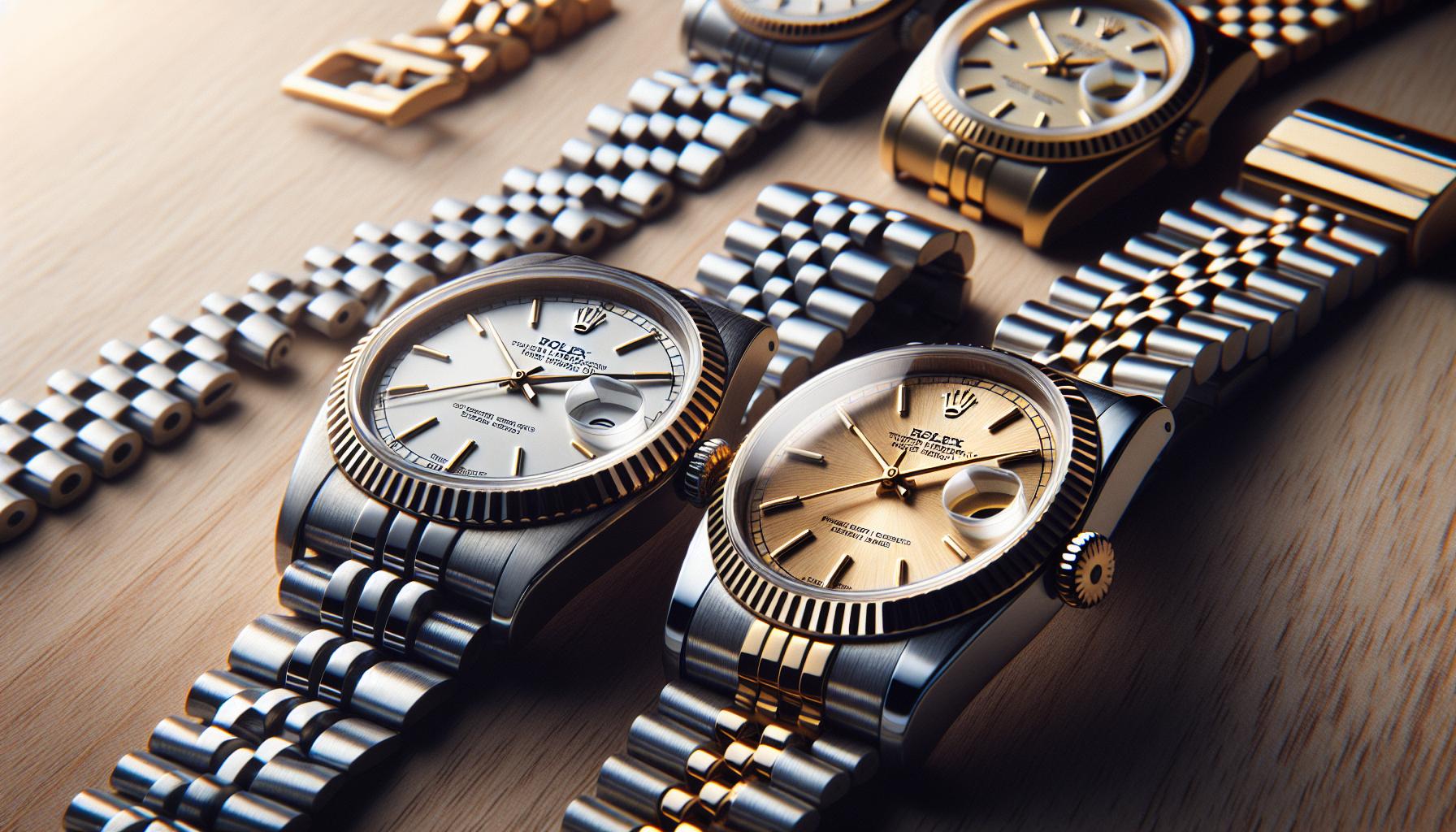
Comparison of 1980 Datejust Models and Variants
The 1980 Rolex Datejust lineup offers a fascinating snapshot of how variety and subtle details defined value and appeal even within a single iconic model. At the heart of this era’s Datejust watches was the robust Caliber 3035 movement, introduced a few years earlier, which brought the convenient quickset date feature-a game-changer for daily wearers. Beyond the movement, however, a range of models and material options gave buyers choices that influenced both the initial price and the watch’s status among collectors decades later.
Rolex offered the Datejust in multiple configurations: stainless steel, Rolesor (the classic two-tone mix of stainless steel and yellow gold), and solid gold, each carrying its own character and target audience. The stainless steel references, such as the 16000 series, presented an excellent entry point to Rolex quality with a durable, understated finish. Meanwhile, Rolesor models, like the ref. 16013, combined sporty resilience with flashes of warmth on the bezel and bracelet center links that many found ideal for both office and casual contexts. Solid gold pieces, for instance the ref. 16018 with a fluted bezel, leaned more into status and investment, commanding higher prices both at retail and on the vintage market.
Dial Variants and Bracelet Choices
One of the more intriguing dive into 1980 Datejust variants revolves around dial design. Collectors now prize certain dial styles that were less common at the time-like the “Pie Pan” dial, identifiable by its raised center and sloping edges, which creates playful light effects and depth. Dial colors also varied, from classic silver and white to champagne and blue, offering personality without undermining the Datejust’s iconic clean look.
Bracelet options added another layer of choice and value. The traditional Jubilee bracelet, with its five-piece link design, offered comfort and vintage charm, often paired with Rolesor and gold models.Oyster bracelets, known for durability and a sportier vibe, were more common on steel Datejusts, while some pieces sported leather straps, appealing to those wanting a different aesthetic or softer wrist feel.
Comparing Value Proposition Across Variants
| Model Type | Movement | Material | Original 1980 Price Range (USD) | Estimated 2026 Market value (USD) | Collector Appeal Notes |
|---|---|---|---|---|---|
| Ref. 16000 | cal.3035 (Quickset date) | Stainless Steel | $800 – $900 | $6,000 – $8,000 | Classic, versatile, robust; strong entry model |
| Ref. 16013 | Cal. 3035 | Rolesor (Steel/gold) | $1,000 - $1,200 | $8,000 – $12,000+ | Best blend of luxury and daily wearability; popular today |
| Ref. 16018 | Cal. 3035 | 18k Yellow Gold | $1,800+ | $12,000 - $15,000+ | High-end, status symbol; prized for gold craftsmanship |
Those new to collecting might find the Rolesor models offer the best balance of price, presence, and investment potential-while steel versions often appeal to purists who appreciate the minimalist utilitarian charm and ease of wear. Gold Datejusts remain rarer and often command premiums, but their maintenance costs and sensitivity to scratches mean they require more care.
Ultimately, deciding among 1980 Datejust variants boils down to personal wear preferences, budget, and whether you prioritize rarity, originality, or simply the daily joy of wearing a classic Rolex. The nuances in dial textures, bracelet comfort, and metal choice ensure there’s an ideal vintage Datejust for nearly every enthusiast, making this segment rich ground for both newcomers and seasoned collectors alike.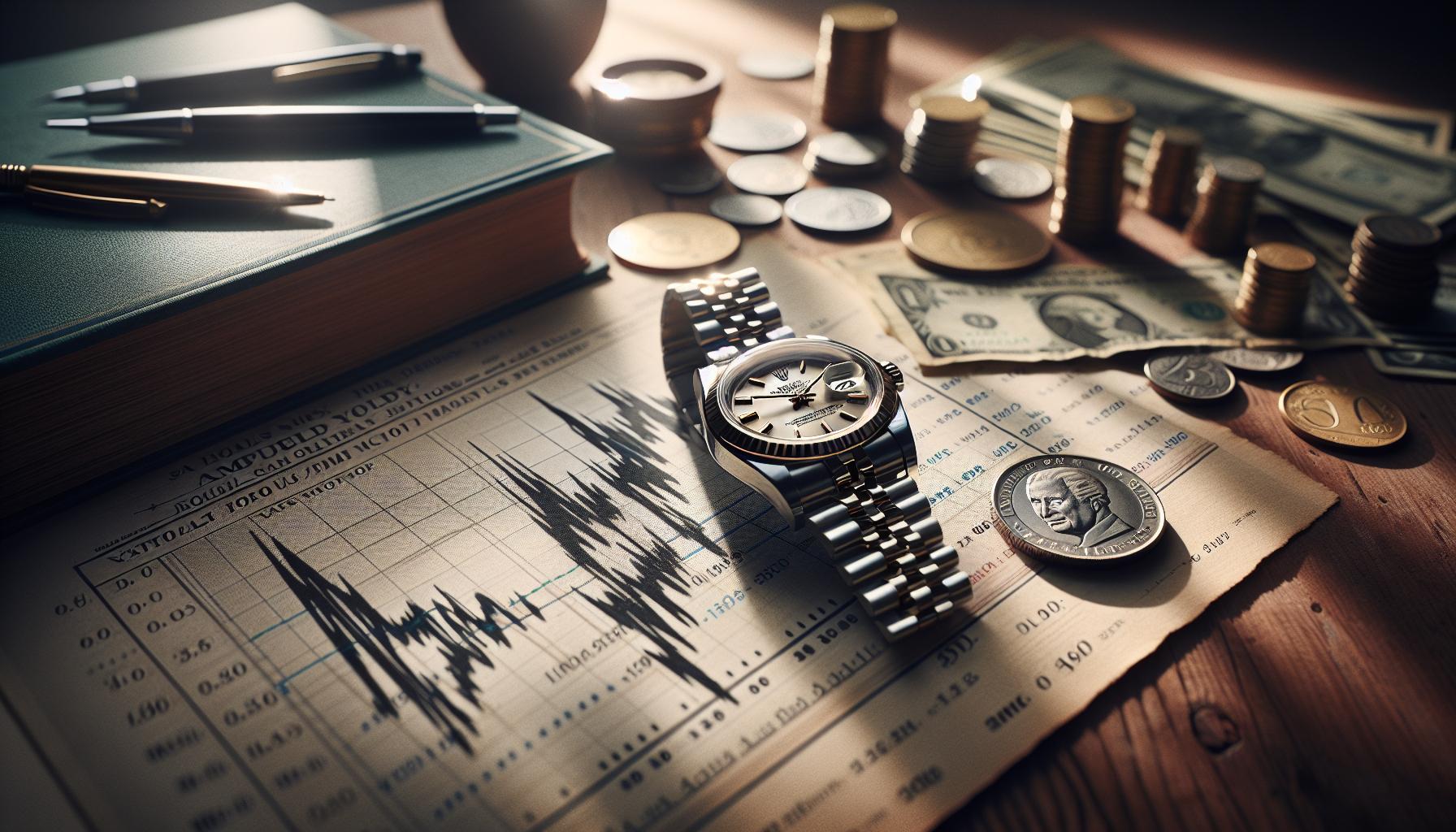
Rolex Datejust Market Trends and Inflation Impact Since 1980
The journey of Rolex Datejust prices since 1980 is a vivid reflection of both the brand’s enduring prestige and broader economic trends. What started as a modest investment-a stainless steel Datejust could be had for less than $1,000-has transformed into a vibrant vintage market where prices often multiply tenfold or more. This shift isn’t just about brand hype; it intertwines carefully with global inflation, evolving collector interest, and Rolex’s continuous innovation in quality and desirability.
One key to understanding these price escalations lies in today’s purchasing power compared to 1980. Inflation alone has softened the original price’s real value; the $900 steel Datejust from that year relates more closely to roughly $3,000-$3,500 in today’s dollars, depending on the inflation metric used. However, the current market values ($6,000-$8,000 for similar steel models) exceed simple inflation adjustments. This premium reflects Rolex’s growing role as a symbol of craftsmanship and stable value, especially among collectors and enthusiasts who prize vintage authenticity combined with the robust Caliber 3035 movement, introduced in the mid-1970s and still regarded for its technical innovation like the “quickset” date function.
Driving Forces Behind Price Growth
- Rolex’s Brand Strength and Reputation: The Datejust is not just a watch but an icon, long representing reliability and sophistication. Over decades, Rolex reinforcement through marketing and consistent quality has fueled demand well beyond inflationary pressures.
- Limited Supply and Vintage appeal: As many 1980 models age, fewer are available in collector-worthy condition. Watches with original dials, bracelets, and minimal polishing are scarce, driving up auction and resale prices.
- Historical Movements and Features: The Caliber 3035 movement’s quickset function marked a leap in usability. Collectors highly value such technological milestones, increasing desirability of those models equipped with it.
- Broader Watch Market Trends: The recent decade has seen a surge in vintage watch collecting as an option investment channel. Rolex Datejusts from 1980 often sit at an attractive price point for those entering the market, blending attainable pricing with already proven appreciation potential.
Rolex Datejust Pricing: Then vs. Now
| Year | Model (Ref.16000 Stainless steel) | Retail Price (USD) | Inflation-Adjusted Value (Approx.) | Estimated Market price Today (USD) |
|---|---|---|---|---|
| 1980 | Rolex datejust 16000 | $850 – $900 | $3,200 – $3,400 | $6,000 - $8,000 |
This data indicates that while inflation accounts for some growth, the premium Rolex watches now command largely mirrors their collectible appeal and positioned rarity. For two-tone Rolesor or solid gold Datejusts, the inflation-adjusted value – starting around $1,000 to $1,800 in 1980 retail - similarly undershoots the secondary market valuations today, where prices often run multiple times higher, reflecting desirability beyond pure monetary inflation.
Practical Takeaways for Buyers and Collectors
- Recognize that buying a vintage Datejust today involves both acquiring a piece of horological history and navigating a competitive collector’s market.
- Condition and originality significantly influence how close a watch’s price aligns with or exceeds inflation-adjusted valuation.
- Patience can pay; spotting less popular dial variants (such as the “Pie Pan” dial) or carefully preserved stainless steel models might potentially be cost-effective entry points.
- Understand the importance of the caliber 3035’s quickset date feature-not just a technical marvel but a feature that adds practical wearability decades later.
In short, the price progression of the 1980 Rolex Datejust is not merely a reflection of dollars and cents but a narrative of craftsmanship, technological evolution, and cultural resonance.For enthusiasts, it presents a fascinating study in how mechanical watches retain and often increase their value, carving their place at the crossroads of art, engineering, and investment.
Collectibility and Rarity of 1980 datejust References
The 1980 Rolex Datejust isn’t just a watch; it’s a snapshot of Rolex’s evolution and a collectible gem shaped by nuanced variations and scarcity. While many Datejust models were produced that year, certain references and dial variations now stand out as coveted pieces for collectors who prize both historical significance and enduring quality. The combination of the robust Caliber 3035 movement with distinctive aesthetics from this era creates watches that offer more than just timekeeping-they carry stories.
Several factors drive the rarity and collectibility of these early ’80s Datejusts. First, original condition matters immensely. Watches with untouched dials,original bracelets,and minimal polishing have become increasingly rare after decades of wear and service. in particular, certain dial configurations-like the “Pie Pan” dials or rare color variants-can significantly elevate desirability due to their visual distinctiveness and limited production runs. These subtleties can push a Datejust from being a solid vintage watch to a highly prized collector’s piece.
Understanding Model Rarity and Desirability
- reference Numbers and Case Materials: The widely available Reference 16000 in stainless steel is often an entry point for vintage Datejust collectors.However,two-tone Rolesor models (steel and gold) or solid gold versions from 1980 stand out for both their material prestige and comparatively fewer surviving specimens in great condition.
- dial Variants: Even within the same reference, dial variations add layers of rarity. First-generation tritium lume dials or ones exhibiting characteristic patina offer a vintage charm, but preserved, vibrant dials command premium prices. Look out for uncommon markers, script fonts, or dial textures-these small details excite collectors and affect pricing more than size or case shape.
- Bracelets and Crowns: Original folded-link bracelets and screw-down crowns stamped with the proper Rolex logos can be tricky to find in untouched condition. Watches retaining all matching numbers and original parts will always outpace others in value and collectibility.
Practical Tips for Prospective Buyers
If you’re hunting a 1980 Datejust that balances wearability with collectible value, start by prioritizing condition and originality over flashy features. A perfectly preserved Caliber 3035 inside adds to reliability and ease of service years down the line. Consider hunting for references that include the quickset date function, as these movements represent a horological milestone from the era and are more appreciated by serious collectors.
While it’s tempting to focus solely on dial rarity or gold components, remember that the stainless steel Datejusts often offer a better mix of everyday wearability and investment potential. Their entry price is lower, making them attractive for newcomers, yet the scarcity of models in exceptional condition can still lead to strong appreciation over time.
| Feature | Impact on Rarity | Collector Value |
|---|---|---|
| Original/Unpolished Dial | High | Premium pricing; visual authenticity |
| Limited Dial Variants (e.g., Pie Pan) | Moderate | Strong collector interest |
| Two-tone Rolesor or Gold Case | Moderate | Higher resale; material prestige |
| Original Caliber 3035 Movement | Essential | Enhanced functionality and investment |
| Original bracelet & Crown | High | Completeness boosts value |
In essence, 1980 Datejusts are a blend of accessible classic style and collectible depth. Their rarity is less about extreme scarcity and more about the availability of great examples in original condition paired with meaningful historical features. For those passionate about vintage watches, these Datejusts balance the romance of mechanical watchmaking with a practical, stylish presence suited for daily wear. Whether you admire the engineering behind the Caliber 3035 or just want a timeless watch with a story on your wrist, these models offer enduring value that resonates with both newcomers and seasoned collectors alike.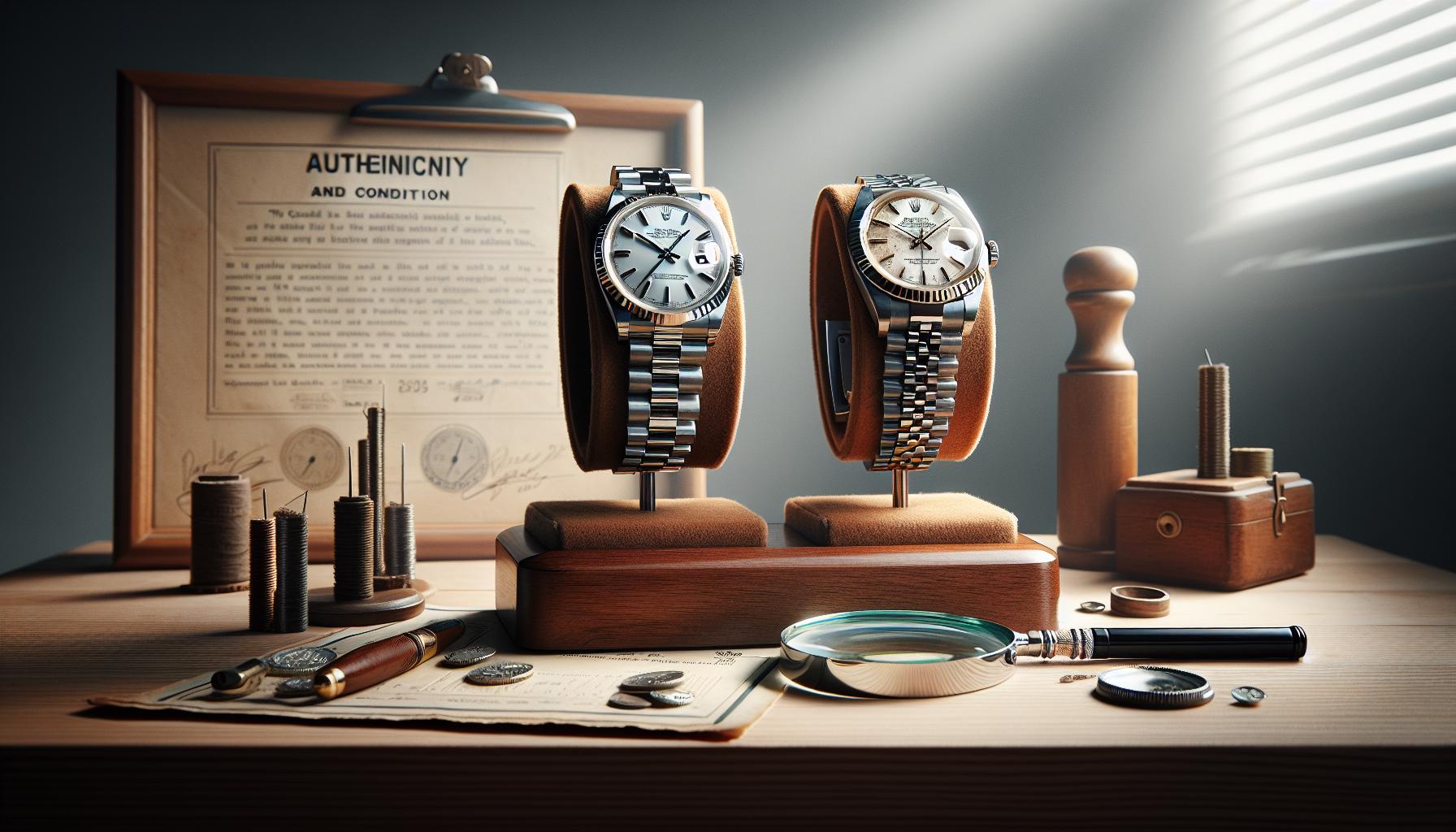
Authenticity and Condition: Effects on Vintage Datejust Value
A vintage Rolex Datejust from 1980 in original condition tells a story far richer than just the time it keeps-it carries decades of careful ownership and mechanical integrity. Authenticity and condition are the twin pillars underpinning the value of these classic watches. A Datejust with untouched parts, an original Caliber 3035 movement, and a dial free from refinishing commands premium prices because it reflects Rolex’s original craftsmanship and preserves its inherent horological qualities.
Collectors and buyers alike should pay close attention to the dial, bracelet, and movement when assessing a vintage Datejust’s value. Watches with original dials-those that have neither been repainted nor altered-offer genuine patina and natural aging that modern reproductions or refinished dials can never mimic. This “wabi-sabi” aesthetic, a little discoloration or subtle aging, becomes a hallmark of authenticity and desirability, especially if the lume still glows softly from its original tritium submission. A restored dial, while visually flawless, often detaches the watch from its historical narrative and typically lowers collector interest and resale value.
The mechanical heart of the 1980 datejust-the Rolex Caliber 3035 automatic movement-is another decisive factor. This caliber introduced the quickset date function, a considerable leap forward in convenience for the wearer. Ensuring the movement is genuine, properly serviced, and functioning well directly affects both reliability and the watch’s market worth. non-original or aftermarket movements, or those left unserviced for long periods, raise flags and reduce value sharply. Moreover, the presence of matching serial numbers across case, movement, and bracelet, combined with Rolex-stamped crowns and correct end-links, rounds out the authenticity checklist that serious collectors pursue.
Why Original Condition Matters More Than Flashy Upgrades
- Original Dials: Offer unmatched historical integrity and command premium pricing despite-or because of-their natural wear and subtle imperfections.
- Caliber 3035 Movements: Early production units with quickset date functionality remain a benchmark of mechanical advancement; a well-maintained movement adds to both usability and investment security.
- Bracelet and Crown: Folded-link bracelets and correctly stamped screw-down crowns enhance completeness. Replacement parts or heavy polishing detract from originality and value.
In the practical world of buying and selling, a “perfectly preserved” 1980 datejust can mean a few different things to different buyers. For some, it’s about visual perfection; for serious collectors, the patina and visible signs of age signal authenticity and character.Over-polishing, refinished dials, non-original hands, or swapped bezels may improve immediate aesthetics but undercut long-term collectibility and price appreciation.
| Authenticity/Condition Factor | Impact on Collector Interest | Effect on Value |
|---|---|---|
| Untouched Original Dial | Very High | Substantial Premium |
| Caliber 3035 Movement (Original & serviced) | High | Value Stability & Increased Demand |
| Original Folded-Link Bracelet & Crown | Moderate to high | Enhanced Completeness & Price |
| Refinished Dial or Replacement Parts | Low | Lower Market Value; Reduced Collector Appeal |
Ultimately, respecting the authenticity and understanding the detailed condition nuances of a 1980 Datejust not only enriches the ownership experience but also secures better financial and sentimental returns.Whether you’re a newcomer to vintage Rolex or a seasoned collector, seeking watches with original dials, the Caliber 3035 quickset movement intact, and minimally altered cases and bracelets will ensure your acquisition stands the test of time-both mechanically and as a collectible artifact.
Where to Find Genuine 1980 Datejust Watches Today
Finding a genuine Rolex Datejust from 1980 today is like embarking on a rewarding treasure hunt that connects you with decades of Rolex craftsmanship and history. These watches, powered by the famed Caliber 3035 with its quickset date feature, are prized for both their mechanical excellence and authentic vintage character. But sourcing an original piece-untouched dial, properly functioning movement, and intact bracelet-requires vigilance and savvy, especially given the proliferation of refinished dials and aftermarket parts in the vintage market.
- Specialist Vintage Retailers: Established dealers who focus on vintage Rolex-those with solid reputations, detailed provenance, and rigorous authentication processes-are your best bet. They typically provide service records and guarantee originality, making your purchase safer and easier to value. For example, boutiques specializing in vintage timepieces often disclose the watch’s full history and condition nuances, from dial patina to movement servicing.
- Certified Pre-Owned Marketplaces: Online platforms dedicated to luxury watches increasingly inspect and authenticate Datejust models rigorously before sale. These venues offer buyer protections like returns and authenticity guarantees, which are vital when investing in a timepiece nearly half a century old.
- Watch Shows and Collector Events: In-person watch fairs and enthusiast meetups provide a unique chance to see numerous Datejust examples up close. Here, expert collectors and dealers often share insights, allowing you to compare original examples, spot refinished dials versus untouched ones, and learn about specific reference rarities from 1980.
- Direct Private Sales: Trusted private sellers through watch community forums or networks sometiems offer gems at competitive prices. Though, this path demands extra diligence: verifying serial numbers, checking matching numbers on case, movement, and bracelet, and requesting service histories.
Key Tips for Assessing Authenticity and Condition
When hunting for a vintage 1980 Datejust, nothing beats hands-on inspection combined with research:
| Focus Area | Key Checks | Reason |
|---|---|---|
| Dial | Look for natural patina, consistent lume color, no signs of refinishing or repainting | Maintains originality; refinished dials reduce value and collector interest |
| Movement | Verify Caliber 3035 markings; ensure movement is serviced and functioning well | ensures reliability; non-original or neglected movements lower worth |
| Case and Bracelet | Check for matching serial numbers; original folded-link bracelets and rolex-stamped crowns | Completes historical integrity and preserved originality |
| Documentation | Service papers, original box, warranty card (if possible) | Adds provenance and transparency to purchase |
The experience of holding a true 1980 Datejust in your hand-where the slight wear on the oyster bracelet, the creamy patina of the dial, and the smooth winding of the automatic Caliber 3035 come together-reminds us this is not just a watch, but a finely crafted instrument with a narrative. While prices on the vintage market fluctuate due to condition and rarity, investing time in finding an original piece from a reputable source ensures your watch truly carries the legacy you seek.
In essence, your search need not be daunting. Embrace the journey as part of the ownership story, and lean on knowledgeable sellers and communities who value the same horological authenticity and passion you do.Whether you’re a seasoned collector or a newcomer enchanted by Rolex’s mechanical artistry, genuine 1980 datejust watches are still out there, ready to join your wrist and story.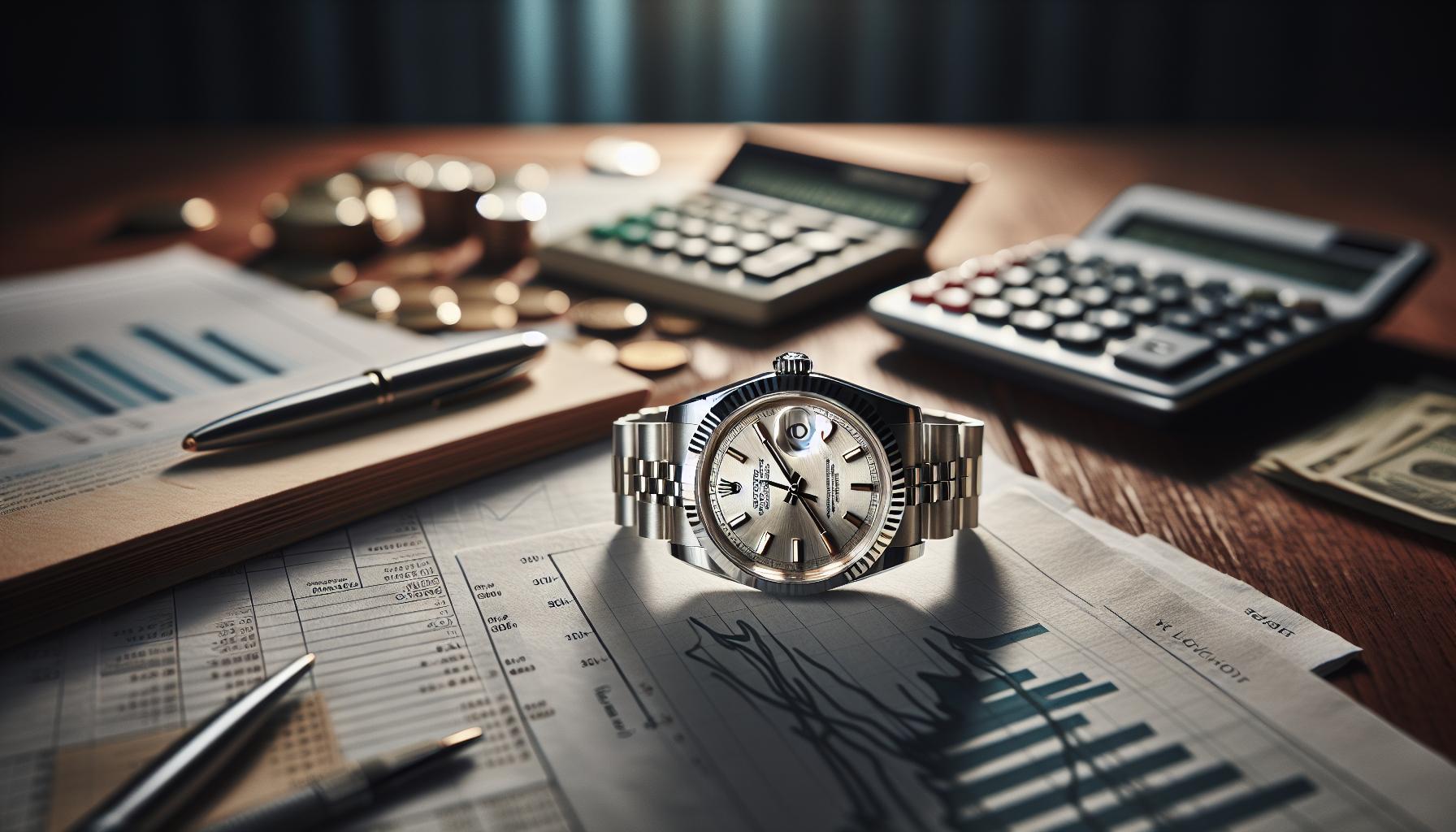
Rolex Datejust Resale Value and investment Potential
Few watches bridge past and present as elegantly as the 1980 Rolex datejust. Powered by the robust Caliber 3035, an automatic movement lauded for its quickset date feature and reliability, these watches offer an enduring blend of craftsmanship and usability. But beyond its mechanical merits,the Datejust’s resale value today reflects a complex balance of condition,provenance,rarity,and shifting market interests. Understanding what drives prices-both in 1980 and now-is essential for collectors and newcomers seeking a fair deal or a wise investment.Rolex Datejust models from 1980 originally entered the market at prices that, when adjusted for inflation, are surprisingly accessible compared to today’s retail costs. While the brand’s polished reputation has long fueled demand, a vintage Datejust’s value gain depends heavily on authenticity and condition. Watches with untouched dials, original bracelets, and documented service histories tend to command higher premiums. Conversely, refinished dials, replaced parts, or poorly serviced movements can markedly diminish both appeal and resale value, even if the watch carries the coveted Rolex name.
Investors must also recognize the value dynamics tied to model variants and rarity. Certain references, dial colors, or bracelet styles from 1980 have become prized for their scarcity. For example, uncommon configurations like two-tone Rolesor versions with early “pie-pan” dials or rare dial print variants maintain collector enthusiasm and higher resale multiples. in contrast, more standard stainless steel Datejusts with common dial variations might see steadier, more conservative appreciation. This difference highlights the importance of doing thorough research before purchase, especially in a market where preservation and originality reign supreme.
- Seek verified Provenance: Watches sold by reputable vintage dealers often come with service histories and authenticity guarantees, easing resale hurdles later on.
- Focus on Movement and Dial integrity: The Caliber 3035’s smooth hacking seconds and quickset date remain prized; confirming original parts preserves value.
- Understand Market Trends: Watch communities and auction results offer insights on how specific Datejust references appreciate over time.
- Balance Passion and Pragmatism: Buy watches you love wearing; investment returns in vintage timepieces are never guaranteed but often correlate with personal enjoyment.
| Vintage 1980 Datejust Variant | Approx. Original Price (USD) | Estimated Market Value (2026) | Investment Focus |
|---|---|---|---|
| Stainless Steel, Standard Dial | $1,200 – $1,500 | $8,000 – $12,000 | Condition, original bracelet |
| Two-Tone Rolesor, Rare Dial | $1,600 - $1,900 | $15,000 – $23,000+ | Dial originality, limited production |
While some may chase fast profits, the genuine investment potential in a 1980 Datejust often lies in patience, care, and knowledge. The watch’s storied history, mechanical excellence, and iconic design continue to captivate diverse collectors-from those admiring Rolex as a symbol of horological artistry to those appreciating the affordability and robustness of older automatics versus flashier modern counterparts. Ultimately, the Datejust is a rewarding keeper of time and value, whose resale trajectory invites both reasoned evaluation and heartfelt enthusiasm.
Styling and Wearability of the 1980 Datejust Compared to Modern Models
Few watches offer the timeless elegance and versatile wearability of the 1980 Rolex Datejust, a model whose design has aged with remarkable grace. Unlike some modern watches that emphasize larger cases or bold statements, the 1980 Datejust often features a classic 36mm case-a size that today’s collectors and wearers appreciate for its balanced presence. This dimension strikes a sweet spot: sizeable enough to read easily but modest enough to suit a variety of wrist sizes and styles. The watch’s modest proportions make it an easy daily companion, from casual settings to formal occasions, offering an understated sophistication that seldom feels out of place.
The vintage datejust’s styling is iconic yet subtle: smooth or fluted bezels frame clean dial layouts, frequently enough paired with Jubilee or Oyster bracelets engineered for comfort and durability. The 1980 models are particularly celebrated for their dial variety, including pie-pan and “pie slice” layouts with punched indices or baton markers, which lend an appealing depth and texture unseen in many modern iterations. While contemporary Datejusts sometimes incorporate modern materials-such as ceramic bezel inserts or updated luminous treatments-the 1980 versions possess a warm patina that speaks to craftsmanship and the passage of time. The tactile feel of the original bracelets and the subtle tapering contribute to an experience that feels intimate and authentic, reminding wearers of Rolex’s horological heritage beyond flashy trends.
Wearability Compared to Modern Models
- Case Size & Comfort: At 36mm, the 1980 Datejust aligns with many collectors’ preferences for wearability over oversized watches, making it versatile across casual and formal wardrobes.
- Movement Experience: Powered by the Caliber 3035 automatic movement,the quickset date feature adds practicality unmatched by some older vintages and appreciated even alongside modern calibers.
- Styling Nuances: Vintage models often feature dial textures and subtle color variations that can fade or age uniquely, lending character that modern flat dials tend to lack.
- Bracelet Comfort: The stamped steel (or Rolesor) bracelets of 1980 flex with daily wear while rarely feeling as solid as recent solid-link Oyster bracelets but often preferred for their vintage charm.
For those who are evaluating the resale value or desirability of a 1980 Datejust,it pays to recognize how authentic vintage styling appeals in an era dominated by oversized sports watches and maximalist design cues. The vintage Datejust wears almost like a bridge between casual understatement and refined dress watch, a versatility that modern, larger Datejusts sometimes lose in pursuit of current trends.
Practical Tips for Wearing Vintage Styles Today
- Consider Your Wrist size: If you have a smaller wrist (under 7 inches), the 1980 Datejust’s classic sizing will feel natural, whereas newer Datejust models often run larger (up to 41mm).
- Embrace Dial Patina: Aging on the dial and lume should be appreciated as part of a watch’s story,but ensure it’s original and not the result of poor restoration.
- Upgrade Bracelets Mindfully: While maintaining the original bracelet preserves value, swapping for a modern strap can improve daily comfort without sacrificing style.
Wearing a vintage 1980 Datejust invites an appreciation for true watchmaking artistry-where the mechanical heart beats with history,and design embodies restrained elegance.It’s not just a timekeeper but a wearable legacy, with proportions and finishing that challenge the notion that bigger or flashier necessarily means better. For collectors and enthusiasts at any experience level, the 1980 Datejust exemplifies how a vintage watch can fit seamlessly into a modern lifestyle, combining historic craftsmanship with durable comfort that transcends decades.
Faq
Q: How did inflation affect the price of a Rolex Datejust from 1980 compared to today?
A: The 1980 Rolex Datejust was priced around $1,200 to $1,500, which roughly equals $4,000 to $5,000 today after adjusting for inflation. Understanding this helps collectors appreciate the watch’s long-term value retention and market trends outlined in the article’s section on inflation impact and market trends.Q: What made the 1980 Rolex Datejust’s movement special compared to modern calibers?
A: the 1980 Datejust featured the reliable automatic caliber 3035, known for its precision and quickset date function. This in-house movement represents a major technological step compared to older models, enhancing collectibility and value as covered in key features and movements.Q: Why were some 1980 Rolex Datejust models more valuable than others?
A: Variations like stainless steel vs.gold, dial types, and bezel styles influenced 1980 Datejust prices.limited production or rarer references command higher prices due to collectibility and rarity factors discussed in the article’s dedicated section.
Q: Where can collectors find authentic 1980 Rolex Datejust watches today?
A: the 1980 Datejust featured the reliable automatic caliber 3035, known for its precision and quickset date function. This in-house movement represents a major technological step compared to older models, enhancing collectibility and value as covered in key features and movements.
Q: Why were some 1980 Rolex Datejust models more valuable than others?
A: Variations like stainless steel vs.gold, dial types, and bezel styles influenced 1980 Datejust prices.limited production or rarer references command higher prices due to collectibility and rarity factors discussed in the article’s dedicated section.
Q: Where can collectors find authentic 1980 Rolex Datejust watches today?
A: Variations like stainless steel vs.gold, dial types, and bezel styles influenced 1980 Datejust prices.limited production or rarer references command higher prices due to collectibility and rarity factors discussed in the article’s dedicated section.
A: genuine 1980 Datejusts are best sourced through reputable vintage dealers, authorized pre-owned watch sellers, or auctions. Always verify authenticity via condition effects and expert appraisal as explained in “Where to Find Genuine 1980 Datejust Watches Today.”
Q: How does the condition of a 1980 Rolex Datejust affect its vintage price?A: Condition is crucial; well-maintained or original condition Datejusts fetch premium prices, while damaged or heavily polished watches decline in value. This ties closely to authenticity and condition factors affecting vintage pricing.
Q: What is the typical resale value range for a 1980 Rolex Datejust in good condition?
A: Resale prices for a clean 1980 Datejust generally range from $5,000 to $8,000 depending on model specifics and market demand, as found in the section on resale value and investment potential.
Q: How does the styling of the 1980 Rolex Datejust compare with modern versions?A: The 1980 Datejust features classic, understated styling with a slightly smaller case (36mm) and simpler dial, offering timeless wearability contrasted with larger modern models. For an in-depth comparison, see Styling and Wearability in the main article.
Q: What factors should buyers consider to avoid overpriced vintage 1980 Datejust watches?
A: Buyers should evaluate authenticity,movement condition,and original parts while consulting market trends and pricing history. Use trusted sources to cross-reference prices and avoid inflated listings, as advised in Where to Find Genuine 1980 Datejust Watches Today and Factors Influencing pricing.
For more detailed insights, explore the [Rolex Datejust Pricing Overview in 1980] and [Collectibility and Rarity of 1980 Datejust References] sections in the main article to deepen your understanding of vintage Rolex valuation and market dynamics.
Key Takeaways
Understanding the 1980 Rolex Datejust offers more than just vintage pricing insight-it reveals a timeless blend of precision automatic movement, enduring design, and robust value retention. Whether you’re a seasoned collector or new to vintage timepieces, knowing how the Datejust’s in-house caliber and classic features influenced its original pricing helps you appreciate its investment potential today. If you’re curious about how this compares to other iconic models, explore our detailed reviews on the Rolex Submariner history and vintage watch market trends to deepen your horological knowledge.
Ready to take the next step? Subscribe to our newsletter for expert tips on authenticating vintage watches and market updates, or browse our buyer’s guide to vintage Rolex models to find your perfect piece. Don’t miss out on uncovering hidden gems and mastering watch valuation-your journey into mechanical artistry and thoughtful collecting starts here.Share your thoughts below or connect with fellow enthusiasts to keep the conversation thriving.


