

How Much Was a Rolex Datejust in 2000: Y2K Pricing Data
In the year 2000,the Rolex Datejust stood as a perfect fusion of classic design and reliable Swiss craftsmanship,powered by Rolex’s in-house automatic caliber known for precision and durability. Curious about how much this iconic timepiece cost at the dawn of the new millennium? Understanding its Y2K pricing offers more than nostalgia-it provides a baseline for appreciating its long-term value retention and how market dynamics have evolved over two decades.whether you’re a new collector wondering if the Datejust was an accessible luxury back then or a seasoned enthusiast tracking investment-worthy watches, exploring these historic price points connects past and present watch culture. Join me as we unpack the actual cost, movement details, and the compelling story behind the Datejust’s enduring appeal, blending technical insights with the passion that makes Rolex both a symbol and a finely engineered tool.
Contents
- Rolex Datejust Pricing Overview in 2000
- Key Rolex Datejust Models and Variants from Y2K
- Understanding Datejust Movements and Technical Specs Circa 2000
- Material Differences Impacting 2000 Datejust Prices
- market factors Influencing Rolex Datejust Values in 2000
- Comparing Pre-Owned vs. New Rolex Datejust Prices in 2000
- Rolex Datejust design Evolution Leading Up to 2000
- Rolex Datejust Collectability and Investment Potential at Y2K
- Regional Price Variations and Currency Effects in 2000
- How Datejust Pricing in 2000 Compares to Other Rolex Models
- Iconic Features Driving Datejust Desirability in 2000
- where to Find Authentic 2000 Rolex Datejust Pricing Data
- FAQ
- Q: How much did a new Rolex datejust cost around the year 2000? A: In 2000, a new Rolex Datejust typically retailed between $4,500 and $6,000 USD, depending on the model, material, and dial options. prices varied by region and retailer but this range reflects the common market for stainless steel and two-tone Datejust variants. For detailed pricing, see the Rolex Datejust Pricing Overview in 2000 in the main article. Q: What factors influenced Rolex Datejust prices at Y2K besides model and material?
- Q: Were Rolex Datejust prices higher or lower compared to other Rolex models in 2000?
- Q: How did stainless steel vs. gold Datejust models compare price-wise at the year 2000?
- Q: Where could buyers find authentic pricing data for Rolex Datejust watches circa 2000?
- Q: How did the condition effect pre-owned Rolex Datejust prices around Y2K?
- Q: Did Rolex Datejust prices vary significantly by geographic region in 2000?
- Q: What was the impact of the Datejust’s automatic caliber 3135 on its 2000 pricing?
- Key Takeaways
Rolex Datejust Pricing Overview in 2000
Rolex Datejust models around the year 2000 embodied a blend of timeless design and robust mechanical engineering,setting a solid benchmark in luxury wristwatches. Back then, the entry price for a new Datejust typically ranged from approximately $3,500 to $5,000 USD, depending on the configuration and materials. This placed the Datejust in an accessible luxury segment within Rolex’s lineup, balancing classic appeal with technical reliability, thanks to its automatic in-house movements like the caliber 3135-a smooth, dependable engine well-regarded for precision and durability.
several factors influenced Datejust pricing at Y2K. Material choices such as stainless steel,Rolesor (the signature steel-gold mix),and full 18k gold boosted prices,with two-tone Rolesor models frequently enough commanding a premium over steel-only variants. Datejust pricing also reflected the watch’s traditional size options, mainly 36mm cases that appealed broadly to both men and women seeking an elegant yet utilitarian daily wearer. Additionally, bracelet style-Jubilee versus Oyster-and dial configurations (such as Roman numerals, diamond hour markers, or plain indices) contributed to incremental price differences.
Understanding Real-World Value in 2000
For enthusiasts and buyers at the time, the Rolex Datejust was often seen as a “gateway” into premier Swiss horology. The pricing struck a sweet spot where craftsmanship didn’t feel compromised. The watch’s automatic movement with date complication, Cyclops magnifier lens, and Oyster case waterproofing justified prices that, when compared with other brands, represented tangible value rather than mere status hype.
- Street Pricing: While list prices hovered around $3,500-5,000,authorized dealers might offer modest discounts or package deals,especially for steel models.
- Pre-Owned Market: Watches in excellent condition with original paperwork often held a resale value close to 70-80% of retail, reflecting rolex’s strong brand retention, even twenty-plus years ago.
- Collector Appeal: Limited dial variants or precious metal versions occasionally pushed prices higher in niche circles, yet the Datejust was more about enduring design than speculative investment.
In essence, 2000 Datejust pricing blended a carefully balanced set of factors-high-quality Swiss craftsmanship, versatile style, and reliable automatic movements-into a package that offered both beginner collectors and seasoned enthusiasts a truly worthwhile entry into Rolex ownership. Given the stable movement technology and classic appearance,these watches remain accessible yet respected icons,with prices that represented fair value without excessive markup or inflated hype.
Key Rolex Datejust Models and Variants from Y2K
Rolex Datejust models around the year 2000 captured the essence of classic elegance combined with practical versatility, making them a favorite for both newcomers and seasoned collectors. The hallmark was the reliable Caliber 3135 automatic movement,providing consistent precision and durability. In this era, the Datejust was offered in several compelling variants, each tailored to different tastes and budgets, yet all retaining Rolex’s signature attention to detail and robust engineering.
The 36mm stainless steel Datejust (Reference 16200) was the quintessential everyday watch-modest,durable,and versatile. It was the purest expression of the Datejust line, favored for its understated silver, black, or white dials paired with either the Jubilee or Oyster bracelet. For those seeking a bit more flair, the Rolesor models (Reference 16233) combined stainless steel with 18k yellow gold on the bezel and center links, elevating style without venturing fully into precious metals. This two-tone finish was especially popular during the Y2K period for its balance of luxury and durability, commanding a modest premium over steel-only models.
More lavish choices included solid 18k gold Datejust variants (Reference 16238), wich frequently enough featured fluted bezels and elegant dials adorned with Roman numerals, diamond hour markers, or enhanced textures like sunburst finishes. These premium models offered a status boost and visual richness, naturally pushing prices toward the upper end of the $3,500-$5,000 range and beyond depending on options. Notably, sapphire crystals were standard by this time, replacing the earlier acrylic, which increased scratch resistance-a small but meaningful technical upgrade appreciated by users.
- Classic 36mm Steel (16200): The most attainable, practical Datejust with clean aesthetics and brushed polished finishes, perfect for daily wear.
- Two-Tone Rolesor (16233): The best-selling variant with gold accents that add warmth and presence, ideal for those wanting a touch of luxury.
- Full Gold (16238): A statement piece with precious materials and refined dial choices targeting collectors and luxury enthusiasts.
- Bracelets: Jubilee versus Oyster-Jubilee bracelets were often matched with Datejusts for their dressier, flexible design, while Oyster bracelets offered sportier robustness.
The variety in dial options-ranging from classic white or black to champagne hues, with finishes from matte to glossy or engine-turned textures-allowed buyers to personalize their watches without straying from the timeless Datejust ethos. collectors often seek out rarer dial iterations from this period, such as those with diamond hour markers or Roman numerals, as these can slightly influence scarcity and desirability, even if the Datejust isn’t primarily a speculative collector’s model.
Ultimately, these variants represent a snapshot of Rolex’s thoughtful diversification at Y2K: blending traditional design cues with technical updates like sapphire crystals and refined movements. For buyers or collectors interested in models from around 2000, focusing on the combination of movement condition, material, and originality (dials, bracelets, and boxes/papers) is key to understanding real-world value and longevity.
| Model | Material | Typical Price Range (year 2000) | Key Features |
|---|---|---|---|
| 16200 | Stainless steel | $3,500 – $4,000 | 36mm, Caliber 3135, sapphire crystal, Jubilee/Oyster bracelet |
| 16233 | Rolesor (Steel + 18k Yellow Gold) | $4,500 – $5,000 | Two-tone bezel & bracelet center links, fluted gold bezel, versatile dials |
| 16238 | 18k Yellow Gold | $5,000+ | Full gold case, fluted bezel, premium dial options, higher resale |
By appreciating these core Y2K Datejust models and their defining characteristics, enthusiasts can better navigate pricing decisions and build a collection that highlights Rolex’s timeless design ethos combined with mechanical dependability-whether engaging with the brand as a frist-time buyer or a seasoned aficionado.
Understanding Datejust Movements and Technical Specs Circa 2000
One of the most compelling reasons collectors and enthusiasts have cherished the Rolex Datejust from around 2000 is its robust and reliable movement-the Caliber 3135. Launched in the late 1980s but still the backbone of Datejusts at Y2K,the Caliber 3135 is a self-winding,automatic movement renowned for its precision,durability,and ease of service. This movement marked a significant leap in Rolex’s in-house engineering by combining a balance of technical innovation and proven reliability, making the Datejust a dependable everyday companion that also appeals to serious collectors.
At its core, the Caliber 3135 features a Perpetual rotor which winds the mainspring with the natural motion of the wearer’s wrist. This means no battery or manual winding is typically needed, provided that the watch is worn regularly. It operates at 28,800 vibrations per hour (vph), ensuring a smooth sweep of the seconds hand and excellent accuracy. The movement also includes a quickset date complication-a user-friendly feature allowing the date disk to be instantly adjusted without turning the hour hand through 24 hours, which was a practical upgrade for everyday wear and a hallmark of the Datejust’s usability.
Technical Highlights and Their Impact on Value
- Sapphire Crystal: by 2000, Rolex had largely transitioned to sapphire crystal instead of the older acrylic.This change significantly improved scratch resistance and overall durability, a technical enhancement highly valued when considering long-term wear and resale.
- COSC Certification: The Caliber 3135 is officially chronometer-certified (COSC), confirming its high accuracy standards. This certification is a key aspect of Rolex’s prestige and justifies price premiums, as buyers get proven timing performance.
- Parachrom Hairspring (Emerging): While widespread use of the Parachrom hairspring didn’t fully take hold until shortly after 2000, some late models began to incorporate this Rolex-developed, anti-magnetic hairspring aimed at improving shock and temperature resistance, enhancing both longevity and performance.
- Durability: The movement’s architecture, including its robust bridges and shock absorption system, made maintenance easier, reducing long-term service costs and contributing to the Datejust’s reputation as a “lifetime watch.”
Why Movements Matter for Buyers and Collectors
When assessing Datejust pricing from the year 2000, movement condition is often the silent factor behind a watch’s value. A pristine Caliber 3135, serviced regularly and retaining original parts, can keep or enhance the watch’s resale value. Conversely, replacement movements or degraded components may lead to depreciation and more frequent servicing needs.
Practical advice for potential buyers: Request service records and, if possible, have the movement checked by a trusted watchmaker before purchase. Even at entry-level pricing for a Datejust 16200, a well-maintained movement offers a mechanical art piece built to last decades. This is where the engineering precision behind the 3135 showcases Rolex’s lasting commitment to mechanical excellence self-reliant of hype or status.
| Specification | Details (Circa 2000 Datejust Caliber 3135) |
|---|---|
| Movement Type | Automatic (Self-winding) |
| Frequency | 28,800 vph (4 Hz) |
| Power Reserve | Approximately 48 hours |
| Complications | Date with Quickset feature |
| Certification | COSC Chronometer |
| Special Features | sapphire crystal, robust shock resistance, Parachrom hairspring (emerging) |
the Datejust of 2000 balances traditional mechanical craftsmanship with thoughtful technical evolution. Its Caliber 3135 movement remains a benchmark within Rolex’s lineup, delivering the precision, reliability, and longevity that justify its place at the heart of Datejust pricing and desirability discussions. Whether you’re a first-time buyer or a seasoned collector, understanding these technical nuances empowers smarter decisions and deepens recognition for what makes the Y2K Datejust a true icon.
Material Differences Impacting 2000 Datejust Prices
The choice of materials in Rolex Datejust watches around the year 2000 played a pivotal role in shaping their pricing and desirability. Rolex has long been known for its uncompromising commitment to quality and the use of premium materials, and this was clearly reflected in the Datejust lineup at the turn of the millennium. Buyers in 2000 had options ranging from solid stainless steel to precious metals, and each choice came with distinct price points, wearability characteristics, and collectible appeal.
At the more accessible end of the spectrum, the all-stainless steel datejust models offered excellent durability and timeless aesthetics without the premium markup of gold or platinum variants. Stainless steel-the 904L grade Rolex favored-was highly corrosion-resistant and polished to a lustrous finish that aged gracefully. These models typically started at a lower price but retained strong value due to their robustness and global appeal. Steel Datejusts were also lightweight and more versatile for daily wear,making them an ideal entry point for new Rolex enthusiasts or those seeking a reliable luxury watch without gold’s flash.
Stepping up in metal quality, *Rolesor* models (Rolex’s signature blend of stainless steel and 18k gold) commanded higher prices because they combined the toughness of steel with the warmth and prestige of gold on bezels, crowns, and bracelet center links. This two-tone approach balanced luxury and practicality, appealing to those who wanted a touch of opulence but still valued the watch’s resilience. The visual contrast of Rolesor Datejusts from 2000 is striking and instantly recognizable, often boosting their desirability on the pre-owned market.
At the premium end, full 18k yellow, white, or rose gold Datejusts commanded the highest retail price and were considered symbols of success. The craftsmanship required to finish solid gold cases and bracelets added significantly to production costs.Gold models often featured fluted bezels and sometimes diamond hour markers,which both enhanced aesthetics and justified a notable price premium. These watches were heavier and required more careful handling to avoid scratches, but many collectors cherish their exclusivity and warmth. The rarity of rose gold in particular models around 2000 also made them highly sought after today.
Material Options and Price Considerations Circa 2000
| Material | typical Price Range (USD, 2000) | Key Characteristics | Collectability factors |
|---|---|---|---|
| Stainless Steel (904L) | $3,500 - $4,500 | Durable, corrosion-resistant, sporty and versatile | Strong value retention, everyday wear |
| Rolesor (Steel + 18k Gold) | $5,500 – $7,000 | Two-tone luxury, balanced opulence | Visual appeal, mid-level price premium |
| Solid 18k Gold (Yellow, White, Rose) | $9,000 – $12,000+ | Luxurious weight and finish, often fluted bezel | High exclusivity, limited production runs |
Practical tips for Buyers and Collectors
If you’re deciding between materials on a 2000 Datejust, consider how you intend to wear the watch. Steel is nearly bulletproof in daily scenarios-ideal for active lifestyles or those who prize practicality. Rolesor models provide a classy statement while remaining relatively robust. Full-gold examples, while stunning, require extra care and suit more formal or conservative wardrobes.
Material differences also impact insurance costs, servicing, and long-term maintenance. As a notable example, gold watches may entail higher polishing and repair expenses, whereas steel is simpler to maintain. When examining pre-owned models, ensure authentic materials by checking hallmarks and consulting certified Rolex dealers or watchmakers.
Ultimately, material choices influence not only the sticker price but also how the watch interacts with your lifestyle, style preferences, and future value retention. In 2000, Rolex gave buyers a well-rounded palette of options to customize their Datejust experience-a factor still cherished by collectors and enthusiasts today.
market factors Influencing Rolex Datejust Values in 2000
rolex Datejust values around the year 2000 weren’t determined by price tags alone-they reflected a blend of shifting market dynamics, consumer preferences, and broader economic forces. Even though Rolex’s impeccable engineering and classic design secured the Datejust’s place as a perennial favorite, factors like evolving demand, material trends, and global economic confidence played a ample role in shaping its market value at the millennium’s turn.
One of the most influential drivers of Datejust pricing in 2000 was the brand’s careful positioning between luxury and accessibility. Rolex offered a range of Datejust models that appealed to both entry-level luxury buyers and seasoned collectors. This created a unique pricing gradient influenced by the watch’s metal choice (steel, Rolesor, or solid gold), dial variations, and bracelet options. Enthusiasts keen on two-tone Rolesor variants appreciated the blend of durability and visual pop, while gold Datejusts signaled higher status and exclusivity, naturally commanding stronger retail and resale prices. The demand for these different variants varied regionally,with some markets favoring steel for daily toughness and others preferring precious metals for formal occasions or investment.
Economic conditions-such as the relative strength of the US dollar and global stock market performances-also subtly impacted Rolex Datejust values. The late 1990s tech boom and pre-Y2K optimism fueled luxury spending in the US and parts of Asia, which raised retail prices and secondary market premiums. conversely, fluctuations in currency exchange rates sometimes made Rolex watches more affordable or expensive in europe and Japan, shifting cross-border buying behaviors. Inflation rates and the rising cost of precious metals likewise nudged Rolex to adjust the price of gold Datejust models upward, influencing their desirability and long-term investment perspective.
Key Market Elements Affecting Datejust Values in 2000
- Consumer Trends: The late 1990s and 2000 saw growing interest in luxury watches as status symbols as well as heirlooms, driving demand for limited editions and rarer dial options.
- Material Costs: Gold prices climbed during this period, pushing hard-gold Datejust retail prices higher and indirectly increasing pre-owned market values.
- Global Wealth Distribution: Rising affluence in Asia-Pacific contributed to strong demand in those regions, sometimes leading to price premiums on imports.
- Secondary Market Growth: The rise of watch forums and early online platforms enabled collectors to research and trade Datejusts more easily,improving price transparency and demand for well-maintained models.
- Watchmaker Adjustments: Rolex incorporated subtle upgrades to calibers and materials around 2000, gradually enhancing perceived value without disrupting classic appeal.
When assessing Datejusts from this era, pay attention to:
| Factor | Effect on Value | Collector’s Tip |
|---|---|---|
| Original Condition & Service History | maintains or boosts value | Look for full service records and well-preserved cases/bracelets |
| Material (Steel, Rolesor, Gold) | Steel offers steady entry-level value; gold-higher entry cost but strong collector appeal | Decide based on wearability preferences and investment aims |
| Dial & Bezel Variants | Rare dials or diamond hour markers push values upward | Research known rare models from Y2K for potential premiums |
| Regional market Trends | Prices vary by geography due to currency and demand | Check pricing differences between Europe, US, and Asia for best deals |
Strong economic growth and a buoyant luxury market around 2000 helped the Datejust maintain a robust resale value compared to other Rolex lines. Unlike sport models with fluctuating demand, Datejust’s classic style made it a steady favorite, blending everyday versatility with refined craftsmanship. Collectors and newcomers alike benefited from Rolex’s reputation and gradual improvements to the 3135 caliber movement during this period,which assured reliability alongside price stability.
Ultimately, understanding the market forces at play during the early 2000s offers valuable context for anyone collecting, buying, or selling Datejusts today. The balance of material costs,evolving consumer tastes,and shifting regional wealth all shaped the Datejust’s status as a practical yet prestigious choice in Rolex’s lineup-making 2000 a fascinating snapshot of a legendary watch’s enduring appeal.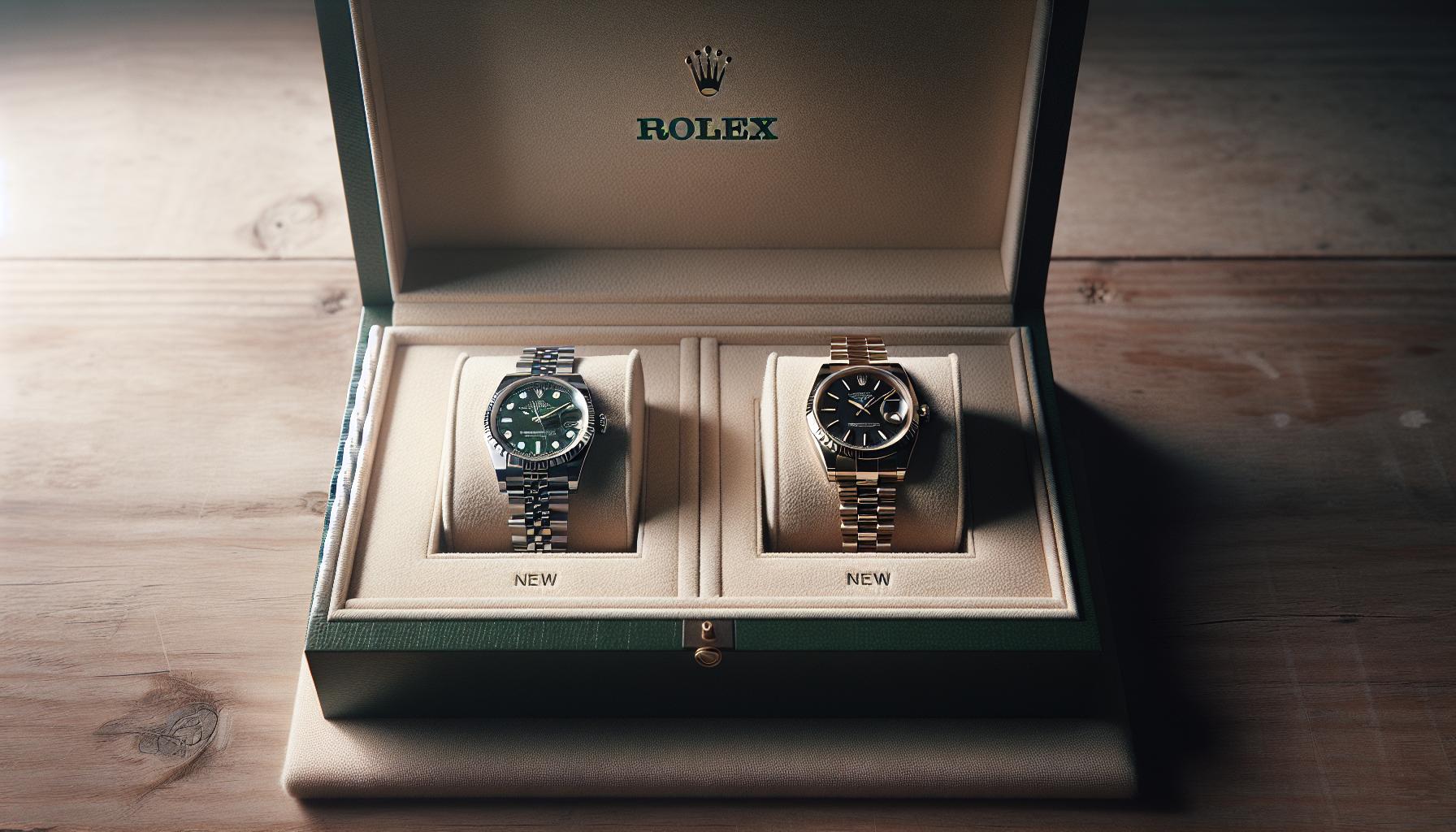
Comparing Pre-Owned vs. New Rolex Datejust Prices in 2000
Rolex Datejust watches around the year 2000 revealed an intriguing pricing dynamic between new and pre-owned models. New Datejusts typically commanded a premium retail price, fueled by the assurance of factory warranty, untouched condition, and the prestige of owning a pristine timepiece right off the showroom floor. However, the pre-owned market offered compelling value, especially for collectors and enthusiasts comfortable with discerning condition and provenance.
A key element influencing this pricing gap was the watch’s mechanical heart-the Caliber 3135 automatic movement. Known for its robustness and reliability, watches equipped with this in-house movement tended to hold value well even in pre-owned form. Buyers scanning the market for a 2000-era Datejust often found that pre-owned models, if well-maintained and serviced, could command prices close to new models, especially for steel and two-tone Rolesor variants. This smaller price difference made pre-owned Datejusts an accessible entry point into luxury watch ownership without sacrificing quality.
- Condition and Service History: Pre-owned Datejusts with detailed service records and original parts retained higher resale prices. Watches showing minimal wear or having been professionally refurbished often approached or matched new retail valuations.
- Material Impact: Steel Datejusts usually had a narrower new vs. used price gap due to their broader appeal and tougher construction. In contrast, full gold Datejusts-more exclusive and costly-often saw larger depreciation, but rarer dial variants mitigated this.
- Vintage Perks: Some collectors targeted pre-owned Datejusts from this era for unique dial or bezel options discontinued shortly after 2000,lending these models added desirability that sometimes flipped the typical new > used price hierarchy.
Price Considerations and Buyer Tips
| Aspect | New Models (2000 Era) | Pre-Owned Models (2000 Era) | Buyer Advice |
|---|---|---|---|
| Price Range | $4,000 – $7,000+ (depending on metal & features) | Typically 10-25% less, sometimes closer if rare/condition excellent | Look for full service history to maximize confidence and value |
| Condition | Factory-new, flawless condition | Varies from well-preserved to worn; service vital for longevity | Insist on inspection of case, crystal, and movement |
| Warranty & Support | Full Rolex warranty included | No factory warranty, but some dealers offer limited guarantees | Factor in potential servicing costs |
| Model Availability | Certain dials and configurations readily available | May find rare editions or discontinued variants | Patience pays off when hunting unique pieces |
For buyers open to pre-owned, the Datejust from 2000 holds the promise of a highly crafted, reliable timepiece with a slight discount over new models. Enthusiasts who appreciate the mechanical artistry behind Rolex’s Caliber 3135 movement and the timeless design can find smart deals, especially from trusted sellers or forums dedicated to vintage Rolex watches. Whether focused on a steel everyday datejust or a precious rolesor edition, understanding how new vs. pre-owned prices translated at the time helps modern collectors appreciate the subtle market forces that shaped Rolex’s enduring appeal heading into the new millennium.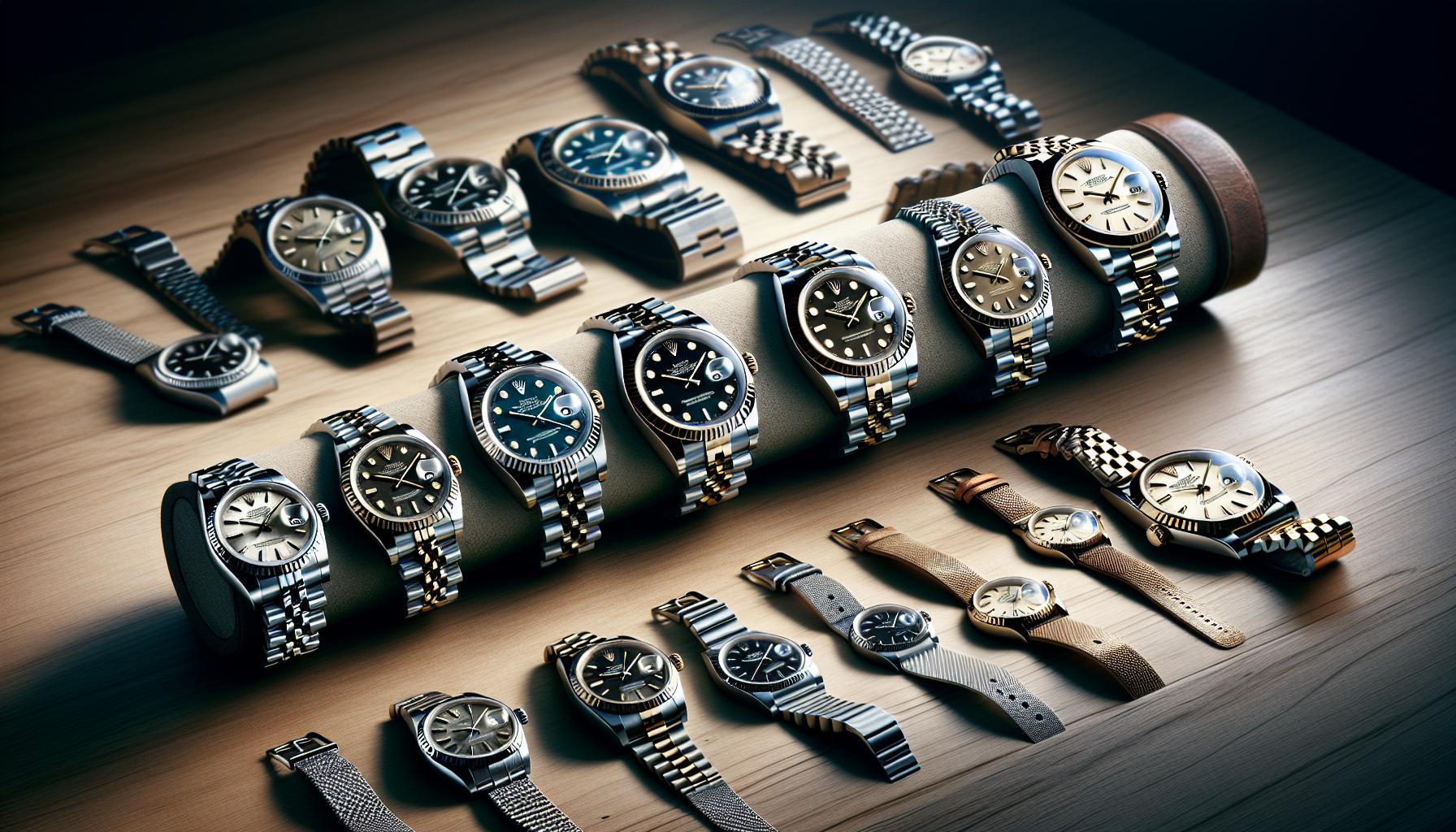
Rolex Datejust design Evolution Leading Up to 2000
Rolex’s Datejust is a standout example of subtle yet purposeful design evolution rather than radical reinvention, especially in the years leading up to 2000.While the classic silhouette-a 36mm Oyster case, fluted bezel option, and Jubilee or Oyster bracelet-remained largely consistent, refinements focused on balance, wearability, and technical improvement. This steady progression helped the Datejust maintain its identity as an all-occasion luxury watch with timeless appeal, rather than chasing flashy trends that could quickly date a model. For collectors and buyers around Y2K, understanding this nuanced evolution enriches appreciation for both design and value.
The watch’s case and dial refinements were among the most visible yet thoughtfully integrated changes. Throughout the 1990s, Rolex subtly enhanced the Datejust’s case finish, pivoting from more utilitarian matte casebacks toward higher-polish surfaces, which increased its appeal for dress and casual wear alike. The dial palette also expanded; along with the classic silver, champagne, and black dials, Rolex introduced rare textured patterns, sunburst finishes, and unique colorways that catered to a growing demand for individuality within the Datejust line. These variations affected pricing at retail and in secondary markets, with rarer dials often commanding premiums among collectors.
On the technical front, the Caliber 3135 automatic movement had already become the beating heart of Datejust models as the late 1980s. This in-house Rolex engine combines robust build quality, a smooth date-change mechanism, and high accuracy thanks to its certified chronometer status. Moving into 2000, the 3135 was considered a mature, proven caliber-an vital factor in both new watch pricing and long-term value retention.Buyers recognized that beneath the classic exterior lay modern horological substance, justifying the Datejust’s place as an enduring flagship piece.
- Bracelet and Clasp Innovations: The period saw improvements in bracelet comfort, such as the introduction of the folding Oysterclasp with safety catch, enhancing security and fit-small but meaningful details for everyday usability.
- Case Material Choices: Rolesor (steel and gold combinations) became extraordinarily popular around 2000, balancing luxury aesthetics and resilience, impacting pricing by offering accessible entry to precious metal in Rolex’s stable.
- crystal Technology: Sapphire crystal had fully replaced acrylic by this time,providing better scratch resistance and a sleeker profile,which contributed to the subtle refinement perceived in models sold around the millennium.
These evolutions illustrate why the Datejust felt both familiar and refreshed as the world entered the new millennium. For collectors and enthusiasts hunting for watches from around 2000, these design details help identify specific production years and assess authenticity-a critical consideration when evaluating pre-owned prices. Recognizing the incremental yet impactful design adjustments aids buyers in distinguishing between more common references and those variants that hold higher collector interest and pricing premium today.
| Design Element | Pre-2000 Characteristics | Circa 2000 Refinements | Impact on Value |
|---|---|---|---|
| Case Finish | More matte elements,thicker cases | Sharper polishing,slightly slimmer profile | Newer models prized for dressier appearance and comfort |
| Dial Options | Classic colors,fewer textures | Expanded palette,sunburst & patterned dials | rare dial variants increase collectability |
| Movement | caliber 3135 established in late ’80s | Refinements in escapement and shock protection ongoing | Proven reliability bolsters secondhand demand |
| Bracelet/Clasp | Basic Oyster or Jubilee with simple clasps | Improved folding clasps with safety features | better wearability influences buyer preference |
Approaching the Rolex Datejust from 2000 with an eye on these elements offers practical insight. It helps buyers gauge which watches combine classic aesthetics with meaningful technical refinement-those qualities that justify paying close to original retail prices even in the pre-owned market.More broadly, this blend of heritage design and dependable modern mechanics is why the Datejust remains an accessible gateway into luxury horology, appreciated equally by newcomers and seasoned collectors alike.
Rolex Datejust Collectability and Investment Potential at Y2K
Rolex Datejust watches from around the year 2000 hold a unique position in the collector and investment landscapes. The appeal of these models lies not only in their classic, timeless design but also in their technical maturity-anchored by the reliable Caliber 3135 movement, which by 2000 was a well-established, robust automatic engine renowned for its precision and durability. For collectors, the importance of this movement cannot be overstated; it offers a smooth timekeeping experience combined with the convenience of a fast-set date feature, making watches from this era practical daily companions as well as future heirlooms.
What sets Datejusts from the Y2K era apart is the subtle blend of heritage and refinement-elements that appeal to both newcomers and seasoned aficionados. Variations in dial finishes, from understated silvers and champagnes to richer sunburst and textured patterns, introduce enough individuality to capture interest without deviating from the model’s elegant DNA. This variety plays a critical role in collectability: rarer dial colors and special editions from this time can command noticeable premiums in the pre-owned market, especially when paired with original box and papers.
Investment Considerations for Early 2000s Datejust Models
- Proven Movement Reliability: The Caliber 3135’s long tenure and certified chronometer status contribute to long-term value retention. Watches serviced regularly and well-maintained tend to appreciate or hold value better than those with uncertain care histories.
- material and Condition Impact: Rolesor (steel and gold) models often balance price and allure effectively, offering entry into precious metal without the full premium of solid gold versions. Condition, including bracelet wear and crystal clarity, significantly affects resale value.
- Rarity and Provenance: Limited-production dial variations,anniversary editions around the millennium,or unusual combinations of case and bracelet styles have a collector edge. Provenance-such as documented service history or ownership-greatly boosts desirability.
Balancing Enthusiasm with Realism
While the Datejust is frequently enough highlighted as a smart investment within Rolex’s lineup, it’s essential to remember that its strength lies in enduring design and mechanical reliability rather than explosive short-term appreciation. Unlike some sportier professional models,Datejust prices around 2000 were more stable and less prone to rapid spikes. This steadiness appeals to collectors who value sustained enjoyment and wearability over speculation.
For those considering early 2000s datejusts as an investment or collectible, focus on models with original components and clear documentation. Familiarity with Rolex’s incremental refinements-such as bracelet clasp updates or dial nuances-can help identify underrated references that may rise in demand. ultimately, the Datejust remains a wonderfully accessible gateway into mechanical watch collecting, celebrated for craftsmanship rather than hype alone.
| Aspect | Early 2000s Datejust impact | Collector/Investor Benefit |
|---|---|---|
| Caliber 3135 Movement | Reliable,proven,chronometer-certified | Confidence in longevity and precision |
| Dial Variations | Expanded palette,rarity drives premiums | Potential for higher resale and uniqueness |
| Material (Rolesor/Gold/Steel) | Popular combinations,influence price range | Balancing investment entry point and aesthetics |
| Bracelet and Clasp | Upgraded comfort and security features | Wearability influences demand and value |
| Documentation & Condition | Original box/papers,well-maintained | Considerable uplift in resale value |
Rolex Datejusts from the year 2000 offer a blend of classic style,technical robustness,and collectible potential without the volatility of more speculative models. Approached with an informed eye, these watches can serve both as cherished personal pieces and prudent investments that honor Rolex’s mechanical artistry and timeless elegance.
Regional Price Variations and Currency Effects in 2000
It’s fascinating how much geography and currency swings shaped the pricing landscape for Rolex Datejust models around 2000. Even though Rolex maintained a fairly standardized global pricing strategy to protect its prestige, real-world prices varied noticeably due to local taxes, import duties, and currency fluctuations at the turn of the millennium. This created both opportunities and challenges for buyers and collectors depending on their region, making it worthwhile to understand these dynamics for savvy purchasing or investment decisions.
In markets like Europe and Japan, luxury watches often carried higher price tags, reflecting VAT and import tariffs. For example, the Swiss retail price of a Datejust circa 2000 would have included a baseline price with Swiss VAT around 7%, whereas buyers in the UK or Germany could see VAT rates exceeding 15-17%. Japan, with its robust luxury market, typically added significant consumption tax, pushing local retail prices above those in Switzerland despite the Deutschmark/Yen exchange rates of the period. simultaneously occurring, the US offered relatively attractive price points for Rolex watches thanks to a lower sales tax and a strong dollar in the late 1990s and early 2000s, making it a favored buying ground for international collectors traveling abroad.
Currency Fluctuations and Their Impact
The era around Y2K was marked by notable currency volatility. The Swiss Franc strengthened relative to many world currencies, mildly driving up Rolex prices outside Switzerland in local currency terms. Conversely,the strength of the US Dollar then made importing a Rolex Datejust into the United States somewhat more economical.This contrast allowed collectors with access to multiple currencies to exploit arbitrage opportunities – purchasing watches in regions with weaker local currencies or lower tax burdens and selling or using them in markets where prices were higher due to stronger currency or tariffs.
Practical Tips for Collectors and Buyers in 2000
- Consider Regional Tax Refunds: Many countries offered VAT refunds for tourists,effectively lowering the purchase price if you knew the process. This made international shopping trips to Switzerland, Germany, or Italy worthwhile for Rolex enthusiasts.
- Factor in Import Duties: When shipping watches internationally, customs duties frequently enough offset price savings. US buyers importing from Europe had to be mindful of these added costs, which varied by state and shipment method.
- Watch Currency Trends: Timing a purchase to coincide with favorable currency exchange rates could save hundreds or even thousands of dollars on higher-end models like solid gold or Rolesor Datejusts.
- Use Authorized Dealers Wisely: Authorized dealers often adjusted Rolex prices subtly based on regional market conditions to maintain brand positioning, so shopping around-even within the same country-could offer differences.
| Region | Approximate Datejust Price Range (USD Equivalent) in 2000 | Key price Influences |
|---|---|---|
| Switzerland | $4,500 – $6,000 | Base pricing with Swiss VAT (~7%), sourcing origin country |
| United States | $4,200 – $5,800 | Lower sales tax, stronger USD, no import duties for domestic buyers |
| United Kingdom | $5,000 – $6,500 | High VAT (~17.5%), import duties, currency: GBP to CHF/USD |
| japan | $5,200 – $6,700 | Consumption tax (~5%), premium market pricing, exchange rates |
Understanding these regional and currency-related nuances was essential for anyone buying or investing in a Datejust around 2000. Even now, they offer insight into why pre-owned market values sometimes reflect more than just the watch’s intrinsic qualities and craftsmanship. The dance between tax laws, currency values, and regional dealer policies shaped the price map of Rolex models during the Y2K period and reminds us how watch collecting is not only about appreciation of mechanical art but also a keen awareness of global economics.
How Datejust Pricing in 2000 Compares to Other Rolex Models
when comparing Rolex Datejust pricing around 2000 to other Rolex models, it’s clear the Datejust held a unique position as an accessible yet iconic dress watch within Rolex’s lineup. Generally priced in the mid-range of Rolex’s catalog, the Datejust balanced refined design with reliable automatic movements, making it a popular choice for both first-time luxury buyers and seasoned collectors seeking versatility without stepping into the higher price bands of sport or precious-metal models.
The Datejust typically retailed between $4,200 and $6,700 across major markets, depending on materials and complications. This positioned it below heavyweights like the Submariner and Daytona, which in 2000 were commanding premiums of $5,500 to $8,000+ in steel and climbing further with precious metals or limited editions. while the Submariner was prized for its tool-watch robustness and dive heritage, and the Daytona for its chronograph complexity and racing allure, the Datejust’s appeal was quietly elegant with its signature date function and often two-tone Rolesor options, weaving practicality and timeless style.
Movement and Functionality Differences
At this juncture, most datejust models were powered by Rolex’s in-house automatic calibers like the 3135 – robust, precise, and with a date complication that revolutionized wristwatch usability in its era. Comparing this to the Submariner’s 3135 caliber shows strong shared horological DNA, but the sports models featured additional water-resistance and lume suited to adventurous use, justifying their premium. The Daytona used the Valjoux 7750-based caliber 4030 then, before Rolex introduced its own chronograph movement in the mid-2000s, putting it in a higher technical category that influenced its market value.
Material Choices and Price Stratification
One practical way to understand price gaps in 2000 is through materials. The Datejust was available in full stainless steel, Rolesor (steel and gold), or all-gold variants. Stainless Datejusts started at lower price points, making them some of the most attainable Rolex watches. By contrast, Submariners and Daytonas were mostly stainless steel but occasionally offered gold variants that pushed their prices significantly upwards. Even within the Datejust line, variations in dial designs, bezel types (smooth vs. fluted), and bracelet styles affected pricing subtly but discernibly.
Resale and Value Retention Insights
From a value retention perspective, the Datejust played a steady yet less volatile role compared to highly sought-after sport models. Enthusiasts appreciating the Datejust’s classic design often enjoyed decent resale values but faced less speculative market hype. This meant the Datejust was less prone to quick spikes or drops in retail or pre-owned pricing. For collectors exploring long-term investment potential in 2000, diversifying between the Datejust and sportier models was a strategic way to balance passion with financial prudence.
| Rolex Model (circa 2000) | Approximate Retail Price Range (USD) | Key Features Impacting Price |
|---|---|---|
| datejust (Ref.16200 series,Rolesor) | $4,200 – $6,700 | In-house caliber 3135,date,varied materials (steel,Rolesor,gold) |
| Submariner (Ref. 16610 steel) | $5,500 - $7,500 | 3135 caliber, diver’s bezel, 300m water resistance, sports heritage |
| Daytona (Ref. 16520 steel) | $7,000 – $9,000+ | Chronograph (Valjoux 4030), racing pedigree, limited production |
| Oyster Perpetual (Entry-level steel) | $2,500 – $3,500 | Simple time-only, no date, in-house calibers, basic aesthetics |
For buyers and collectors then, the Datejust offered a compelling value proposition around 2000: classic style, reputable movements, and moderate pricing that opened the door to Rolex ownership without the premium sports watch markup. Whether admired for everyday elegance or as a first Rolex milestone,the Datejust’s balance of heritage,design,and technical integrity keeps it a cornerstone piece that complements,rather than competes with,the brand’s more specialized timepieces.
Iconic Features Driving Datejust Desirability in 2000
One of the most compelling draws of the Rolex Datejust around the year 2000 was its seamless blend of timeless aesthetics and proven mechanical reliability. At this point, the Datejust wasn’t just another luxury watch-it acted as an elegant daily companion powered by rolex’s robust in-house caliber 3135. This automatic movement brought precision and durability that even seasoned collectors admired, alongside the practical date complication with the Cyclops lens, which made reading the date effortless. Such functionality combined with classic styling made it a watch that fit comfortably from boardrooms to weekend outings, elevating its desirability beyond mere status symbolism.
- Signature Date Display with Cyclops Lens: This magnifying window above the date quickly became one of Rolex’s most recognizable traits. Not only was it practical-allowing easy date reading at a glance-but it also added a distinct visual identity that collectors and wearers instantly associate with the brand.
- Rolesor Two-Tone Construction: The interplay of stainless steel and 18k gold offered an accessible luxury appeal. The warm shimmer of gold against the sporty resilience of steel made the Datejust an attractive choice for those wanting sophistication without the all-gold price tag, creating an iconic look that remains popular decades later.
- Fluted Bezel and Jubilee Bracelet: These elements further solidified the Datejust’s design language. The fluted bezel tapped into Rolex’s heritage while catching light with every movement,and the Jubilee bracelet added both comfort and a dressier appeal-key features that enriched the watch’s personality.
Balancing Tradition and Modernity
By 2000, the Datejust had retained its design DNA as its introduction in 1945, yet it subtly incorporated contemporary touches that enhanced its wearability and reliability. The case size-usually around 36mm-hit a sweet spot that suited a wide variety of wrists, making it approachable for newcomers and seasoned enthusiasts alike. Additionally, sapphire crystals replaced older acrylic ones in many Datejust models by this period, improving scratch resistance without altering the classic look. This fusion of vintage charm and modern upgrades meant the Datejust felt both familiar and fresh, reinforcing its role as a timeless everyday watch.
Why Collectors and New Buyers Alike Found It Irresistible
Unlike some sportier Rolex models with more aggressive appeal or complex functions, the Datejust’s understated elegance matched a broad range of personal styles and occasions, a real asset in driving demand. For collectors,the enduring movement quality and rich variants-dial colors,bezel styles,and bracelet options-provided ample scope for individual expression,making it a versatile cornerstone piece. New buyers appreciated the Datejust’s relatively approachable price range in 2000 (around $4,200 to $6,700), offering a genuine entry into Rolex ownership without needing to delve into niche markets or pay sports model premiums.
the Rolex Datejust’s iconic status at the millennium stemmed from its unmistakable design features combined with dependable mechanics and varied material options. Its blend of utility, style, and heritage created a watch that was much more than just a time-teller-it was a cultural icon and a practical investment that captured the hearts of watch lovers across experience levels.
| Iconic Feature | Why It Worked in 2000 | Impact on Desirability |
|---|---|---|
| Cyclops Date Magnifier | Enhanced date readability, signature Rolex look | Instant recognition, practical everyday use |
| Rolesor (Two-Tone Steel & Gold) | Luxury feel at accessible price point | Broader appeal among new and established buyers |
| Fluted Bezel | Elegant reflection of heritage, distinctive styling | Elevated aesthetics, collector favorite |
| In-House caliber 3135 Movement | Reliability, precision, and serviceability | Strong long-term value and performance |
| Jubilee bracelet | Comfort and dressy appearance | Versatile, wearable for many occasions |
where to Find Authentic 2000 Rolex Datejust Pricing Data
Tracking down reliable pricing data for Rolex Datejust watches from the year 2000 can be a bit like uncovering a hidden gem-because while Rolex pricing is often discussed today, detailed and authentic figures from two decades ago require a bit of digging. For collectors and enthusiasts, understanding the original cost and market context around the Y2K era adds valuable perspective on how these timeless pieces have appreciated and why they were so coveted back then.
Several trusted sources serve as starting points for authentic 2000 Rolex Datejust pricing data. Primary among them are archived official Rolex catalogs and dealer price lists from that period. These documents provide baseline retail pricing directly from the manufacturer, listing variants by model number, material (steel, Rolesor two-tone, or precious metals), and bracelet type. Accessing these requires some patience, as they are frequently enough tucked away on dedicated vintage watch forums or specialist auction archives.
- Vintage Watch Forums and Enthusiast Communities: places like the Rolex Forums, WatchUSeek, or the NAWCC (National Association of Watch & clock Collectors) have members who regularly share scanned catalogs, original dealer brochures, and personal purchase receipts from the late 1990s and early 2000s. These communities are invaluable for cross-referencing prices and confirming authenticity of past data.
- Auction House Archives: Reputable auction houses such as Phillips, Sotheby’s, and Christie’s maintain detailed archives of past sales that often list original retail prices alongside resale values, particularly for iconic models like the Datejust. Their catalogs provide insights into how pricing then compares with market demand and restorations today.
- Reference Books and Watch Histories: Experts like John Goldberger and authors of Rolex price guides have compiled documented pricing histories that include the early 2000s. These books merge technical specs with market trends and are a trusted physical source for thorough researchers.
Key Tips for Validating Pricing Data
Getting authentic pricing information means verifying sources carefully, especially since price inflation and market speculation often blur historical figures. Here are some practical pointers:
- Look for Original Documents: Scanned brochures, dealer invoices, and warranty papers from the year 2000 serve as primary evidence. These documents often specify list prices before taxes and dealer markups, giving a pure pricing baseline.
- Compare Multiple Data Points: Don’t rely on a single source. Cross-check pricing across forums, auction sales, and printed catalogs. Discrepancies can highlight regional variations or limited edition variants.
- Understand Pricing Context: Remember that Rolex pricing from 2000 included factors such as currency fluctuations, material cost changes (especially gold), and local taxes-so what a buyer paid in New York vs. London could vary significantly.
For newcomers and seasoned collectors alike, developing a nuanced understanding of 2000 Rolex Datejust pricing requires blending anecdotal evidence with archival research. Armed with original catalogs and auction data, you gain not only price ranges ($4,200 to $6,700 for typical models) but also a richer appreciation of market dynamics around Y2K. This deeper knowledge helps distinguish genuine value from hype and points toward shrewd buying or selling decisions today.
| Source type | What It offers | How to Access |
|---|---|---|
| Official Rolex Catalogs (circa 2000) | Direct manufacturer pricing, model/variant details | Online vintage watch forums, archive websites, collector contacts |
| Auction House Archives | Original retail prices vs. secondary market trends | Company websites, printed sale catalogs |
| Watch Reference Books | Historical pricing context, technical specs, market analysis | Purchasable from bookstores or libraries specializing in horology |
| Vintage Dealer Listings & Receipts | Real-world sale prices, condition notes | Collector forums, vintage watch dealers, private sales documentation |
Whether you’re piecing together past prices for curiosity, investment, or sale planning, approaching the hunt with a collector’s passion balanced by healthy skepticism ensures your findings will be meaningful and trustworthy. This approach promotes a wider respect for the craftsmanship Rolex offered at Y2K and highlights the evolution of the Datejust’s value through both technical excellence and enduring style.
FAQ
Q: How much did a new Rolex datejust cost around the year 2000?
A: In 2000, a new Rolex Datejust typically retailed between $4,500 and $6,000 USD, depending on the model, material, and dial options. prices varied by region and retailer but this range reflects the common market for stainless steel and two-tone Datejust variants. For detailed pricing, see the Rolex Datejust Pricing Overview in 2000 in the main article.Q: What factors influenced Rolex Datejust prices at Y2K besides model and material?
A: Besides model and material, market demand, currency fluctuations, and rolex’s controlled distribution impacted Datejust pricing in 2000. The watch’s movement type (automatic caliber 3135), supply constraints, and dealer premiums also affected final retail prices. See Market Factors influencing Rolex Datejust Values in 2000 for more insight.
Q: Were Rolex Datejust prices higher or lower compared to other Rolex models in 2000?
A: Rolex Datejust prices were generally mid-tier in 2000, lower than luxury sports models like the submariner or Daytona but higher than simpler Oyster Perpetual models. The Datejust’s blend of classic style and technical sophistication justified its pricing. Compare specifics in the How Datejust Pricing in 2000 Compares to Other Rolex Models section.
Q: How did stainless steel vs. gold Datejust models compare price-wise at the year 2000?
A: Stainless steel Datejust models were priced around $4,500-$5,000 USD, while 18k gold or two-tone versions typically ranged from $6,000 to $8,000 USD in 2000. Gold content and finishing heavily influenced prices, with precious metals adding significant value. See Material Differences Impacting 2000 Datejust Prices for full breakdown.
Q: Where could buyers find authentic pricing data for Rolex Datejust watches circa 2000?
A: Authentic 2000 Rolex Datejust pricing data can be found through official Rolex archives,vintage Rolex dealer catalogs,and historical watch auction records. Trusted industry databases and collector forums also offer reliable references. For specifics, check the Where to find Authentic 2000 Rolex Datejust Pricing Data section of the main article.
Q: How did the condition effect pre-owned Rolex Datejust prices around Y2K?
A: Pre-owned Rolex Datejust prices in 2000 varied significantly by condition, completeness, and service history, often trading at a 15-30% discount compared to new models.Well-maintained watches with original papers commanded premiums. For detailed comparison, review Comparing pre-owned vs. new Rolex Datejust Prices in 2000.
Q: Did Rolex Datejust prices vary significantly by geographic region in 2000?
A: Yes, Rolex Datejust prices in 2000 experienced regional variations due to taxes, import duties, and currency exchange rates, making models more expensive in markets like Europe or Asia compared to the US. See Regional Price Variations and Currency Effects in 2000 for an in-depth look.
Q: What was the impact of the Datejust’s automatic caliber 3135 on its 2000 pricing?
A: The inclusion of Rolex’s reliable automatic caliber 3135 movement* added value to the Datejust in 2000, justifying its price due to its precision and durability. This in-house movement boosted the Datejust’s reputation and made it a technically advanced yet accessible luxury watch. More on movements in Understanding Datejust Movements and Technical Specs Circa 2000*.
For deeper insights on Rolex Datejust price history and collector tips,explore related sections of the main article. This blend of technical detail and market context is ideal whether you’re a new buyer or seasoned enthusiast.
Key Takeaways
Understanding the 2000 Rolex Datejust pricing offers valuable insight into the evolution of this iconic automatic wristwatch-rooted in Rolex’s in-house caliber precision and timeless design. While Y2K prices reflected a solid entry point into classic swiss horology, today’s market reveals how this model’s blend of durability, date complication, and elegant style continues to hold significant value for both collectors and newcomers alike. If you’re exploring vintage Rolex investments or simply fascinated by the Datejust’s heritage, now is an ideal moment to deepen your knowledge and consider next steps toward acquisition or appraisal.For further exploration, check out our detailed reviews on Rolex Submariner pricing trends and The mechanics behind automatic watch movements to broaden your horological expertise. Don’t miss our curated guides on vintage watch care and authentication,designed to help you confidently navigate the secondary market.Ready to stay ahead in the collector’s world? Subscribe to our newsletter for expert insights, or connect with our community in the comments to share your thoughts and questions.
Dive deeper into Rolex Datejust history and pricing today-understanding past values can empower smarter watch collecting tomorrow. Your journey through timekeeping craftsmanship and market trends starts here, with trusted analyses and enthusiast-driven content crafted to elevate your horology passion.
A: Authentic 2000 Rolex Datejust pricing data can be found through official Rolex archives,vintage Rolex dealer catalogs,and historical watch auction records. Trusted industry databases and collector forums also offer reliable references. For specifics, check the Where to find Authentic 2000 Rolex Datejust Pricing Data section of the main article.
A: Yes, Rolex Datejust prices in 2000 experienced regional variations due to taxes, import duties, and currency exchange rates, making models more expensive in markets like Europe or Asia compared to the US. See Regional Price Variations and Currency Effects in 2000 for an in-depth look.


