How to Adjust Rolex Oyster Perpetual Datejust Band: Perfect Fit
Finding the perfect fit for your Rolex Oyster Perpetual Datejust isn’t just about comfort-it’s about wearing a piece of horological artistry exactly the way it was meant to be. Whether your automatic Datejust features the celebrated in-house Caliber 3235 or a classic movement, adjusting the band ensures it sits securely adn elegantly on your wrist.This guide will walk you through practical steps to tailor your bracelet, whether you need to add or remove links or fine-tune the clasp, preserving both wearability and the iconic Rolex aesthetics.
A properly adjusted band enhances daily wearability, protects your investment, and respects the craftsmanship behind this legendary watch. we’ll cut through the jargon, demystify terms like “Oyster bracelet” and “micro-adjustment,” and share tips from both seasoned collectors and newcomers alike.Whether your aiming for a snug fit during active days or a relaxed feel for evenings out, mastering band adjustment is a key skill for every Datejust owner. Keep reading to ensure your Rolex feels as extraordinary as it looks-comfort and style,perfectly balanced.
Contents
- Understanding the rolex Oyster Perpetual Datejust Band Types
- Essential Tools for Adjusting Your Datejust Bracelet Safely
- Step-by-step Guide to Removing Rolex Datejust Links
- How to Size the Datejust Band for a Comfortable Fit
- Adjusting the Datejust Band Micro-Adjustment Clasp
- Common Issues When Adjusting Rolex bands and How to Fix Them
- Maintaining Your Rolex Band After Adjustment
- When to Seek Professional Help for Band Adjustment
- Comparing Datejust Band Materials: Impact on Fit and Comfort
- Tips to Preserve Rolex Band Integrity During Adjustment
- Upgrading or Changing Your Datejust Bracelet Options
- FAQ
- Q: How can I tell if my Rolex Datejust band needs adjustment or replacement?
- Q: What is the safest method to clean a Rolex Datejust bracelet before adjusting it?
- Q: Can temperature or humidity affect the fit of a Rolex Oyster Perpetual Datejust band?
- Q: How often should I check or adjust the fit of my Rolex Datejust band for optimal comfort?
- Q: Are there any differences in adjusting a Jubilee bracelet compared to an Oyster bracelet on a Datejust?
- Q: Why does my Rolex Datejust band feel loose even after link removal?
- Q: What precautions should I take when using aftermarket tools on my Rolex Datejust band?
- Q: How do micro-adjustment features on Rolex Datejust clasps improve band fit throughout the day?
- Concluding Remarks
Understanding the rolex Oyster Perpetual Datejust Band Types
Rolex’s Oyster Perpetual Datejust isn’t just a timepiece-it’s an icon, partly because of the versatility and craftsmanship built into its bracelet options. Understanding the various band types that come with the Datejust is essential not only for achieving a perfect fit but for appreciating how each style affects comfort, aesthetics, and overall wearability. Whether you’re new to Rolex or a seasoned collector, knowing what you’re working with is the first step toward making your watch feel like a natural extension of your wrist.
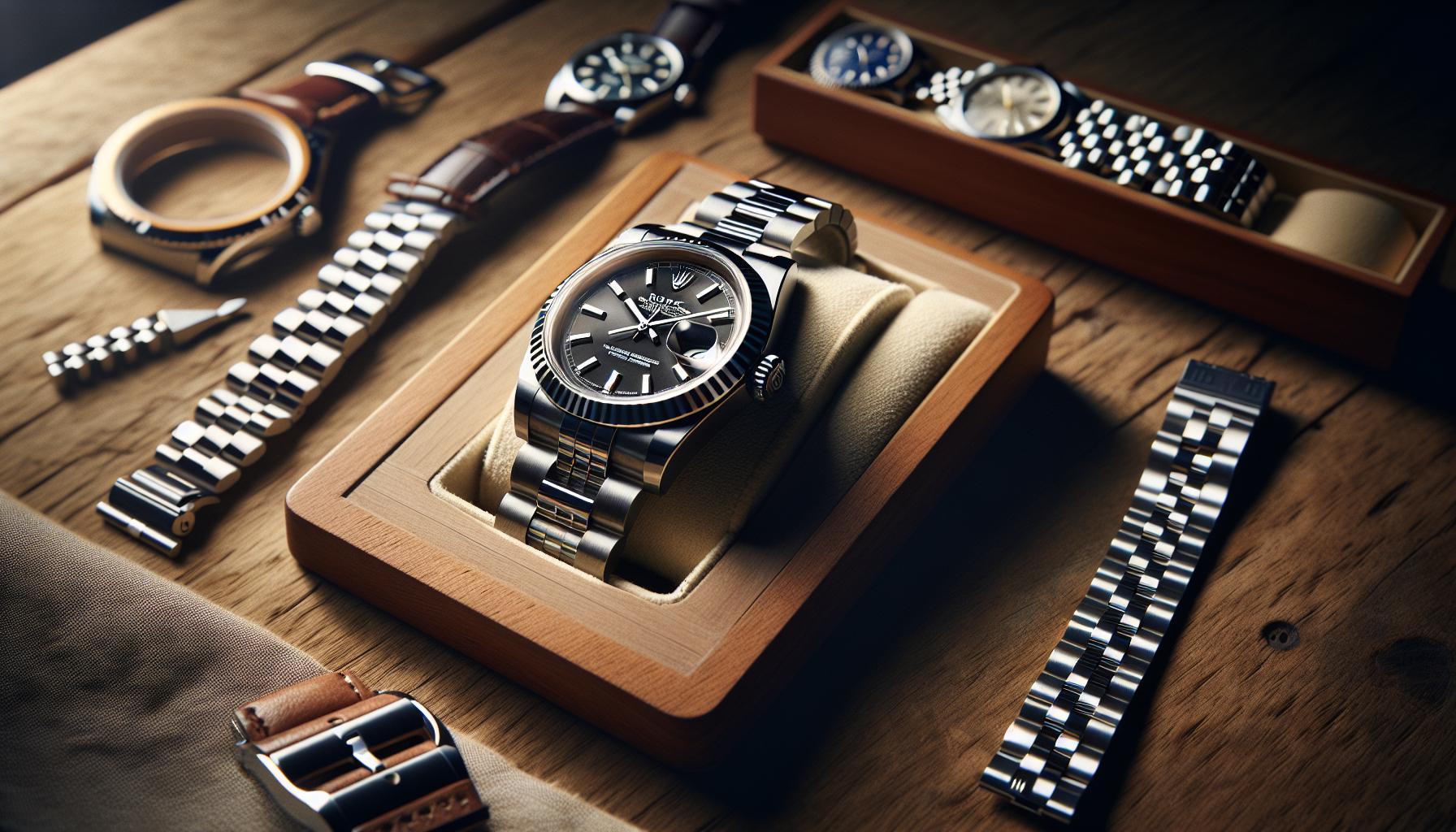
Datejust bracelets primarily come in three distinct styles: the Oyster, Jubilee, and President. Each has its own history and character that complements the watch differently. The Oyster bracelet is known for its robust, sporty appeal with a flat three-piece link design that offers durability and a masculine edge. It’s a favorite on the Datejust models that lean slightly toward casual or tool-watch aesthetics. By contrast, the jubilee bracelet was created in 1945 specifically for the Datejust’s launch. Its five-piece link construction gives it a refined, dressy vibe, flowing smoothly on the wrist with better versatility and a polished look.Last but not least, the President bracelet, usually reserved for Day-Date models but occasionally found in premium Datejust versions, offers semi-circular three-piece links with a luxury feel, often in precious metals.
- Oyster Bracelet: rugged, flat links; ideal for casual or outdoors wear.
- Jubilee Bracelet: Elegant, five-piece links; perfect for formal, everyday versatility.
- President Bracelet: Luxurious, curved links; high-end sophistication and comfort.
Another crucial point is the material choices, ranging from stainless steel (904L grade Rolex uses to resist corrosion and scratches) to Rolesor (Rolex’s signature two-tone gold and steel combo), and full precious metals like yellow, white, or Everose gold. Material impacts not just looks but the heft and feel on the wrist, so it plays directly into how the band wears over the day.Wrist comfort and perfect fit hinge not only on the bracelet style but also on its clasp and link flexibility. For example,the Jubilee’s intricate links offer more fluid wrist movement than the sturdier Oyster. therefore, adjustment techniques can differ, with Jubilee bracelets often requiring extra care during sizing because of their tighter link design.
when you adjust or change these bands, the nuances in their construction become obvious-knowing how the links connect and how the clasp mechanism works will save you frustration. As an example, Oyster clasps frequently enough include the Easylink extension system, allowing for small, rapid size changes without removing links, perfect for adapting to wrist swelling caused by temperature or activity.
By recognizing these distinctions early, you set the stage for smoother adjustments later-and you begin to see your Rolex not just as a watch, but as a finely crafted piece of wearable art shaped precisely to your lifestyle and taste. This balance of form, function, and fit is where the magic really happens for the Oyster perpetual Datejust enthusiast.
Essential Tools for Adjusting Your Datejust Bracelet Safely
Rolex bracelets are renowned for their precision engineering, but even the best craftsmanship requires the right tools for safe and effective adjustments.Having the proper equipment at hand not only protects your Datejust from unneeded scratches or damage but also ensures a smooth sizing experience, whether you’re removing links to tighten the fit or adding them for extra comfort.
At the core of your toolkit should be a set of precision screwdrivers, ideally with flat or JIS (Japanese Industrial Standard) tips sized for the tiny screws on rolex bracelets. These screwdrivers allow you to carefully unscrew and reattach the links without stripping heads-a common pitfall with makeshift or cheap tools. Precision tweezers can also be handy for handling small pins or spring bars, especially on Jubilee bracelets where the five-piece link design means smaller, more delicate parts.
A high-quality spring bar tool is indispensable. Its forked end gently compresses spring bars,enabling clasp removal or bracelet swaps without damaging the polished or brushed finishes.Many watch enthusiasts find that a soft, non-slip mat or pad not only protects the watch and tools during the adjustment but also keeps tiny screws and components from rolling away when working on your bench or at home.
- Precision Screwdrivers: Size #1.6 or #2.0 (flat or JIS tips) for Rolex screws
- Spring Bar Tool: Forked tip for removing clasps and pins safely
- Fine Tweezers: To hold and manage small screws or pins easily
- Soft Work Mat: Prevents scratches and catches tiny parts
- Loupe or Magnifier: To inspect screw heads and pin holes closely
If you’re adjusting a Datejust with an Oyster bracelet featuring the easylink extension system,a dedicated tool designed to gently open the clasp extension hinge will save time and avoid overstressing the mechanism.Although some collectors get by with household items (like push pins or needle-point tools), investing in quality horological tools pays dividends by preserving your watch’s finish and integrity.
Lastly, patience and steady hands are as vital as the tools themselves. Even the most straightforward bracelet adjustments require a measured touch to avoid scratching delicate polished surfaces or damaging pin threads. If your toolkit covers these essentials,you’ll be equipped to handle most routine Datejust adjustments confidently and safely.
Pro Tips for Tool Use
- Always work under good lighting and consider a magnifier to reduce eye strain and avoid mistakes.
- Set aside screws in a dedicated parts container or magnetic mat to avoid losing these tiny components.
- Apply minimal force when loosening screws to prevent stripping or damaging threads.
- Before starting, note the bracelet’s original configuration-taking photos helps during reassembly.
Remember, when equipped with the right tools and approach, adjusting your Rolex Datejust feels less like a chore and more like a satisfying dive into watchmaking artistry. The tactile pleasure of aligning perfectly polished links and hearing the reassuring click of a clasp locking in place connects you directly to the craftsmanship behind every Rolex.
Step-by-step Guide to Removing Rolex Datejust Links
Rolex bracelets, especially on the Datejust, are marvels of engineering designed for both durability and comfort. Removing links may sound straightforward, but it’s an art that combines patience, the right tools, and respect for those finely crafted components.Unlike a typical watchband, each link on a Rolex datejust Oyster or Jubilee bracelet is secured with tiny screws, not pins, which means you avoid risking damage by forcing or prying. This method not only protects the bracelet’s aesthetic but ensures the links remain reusable if you decide to resize again in the future.
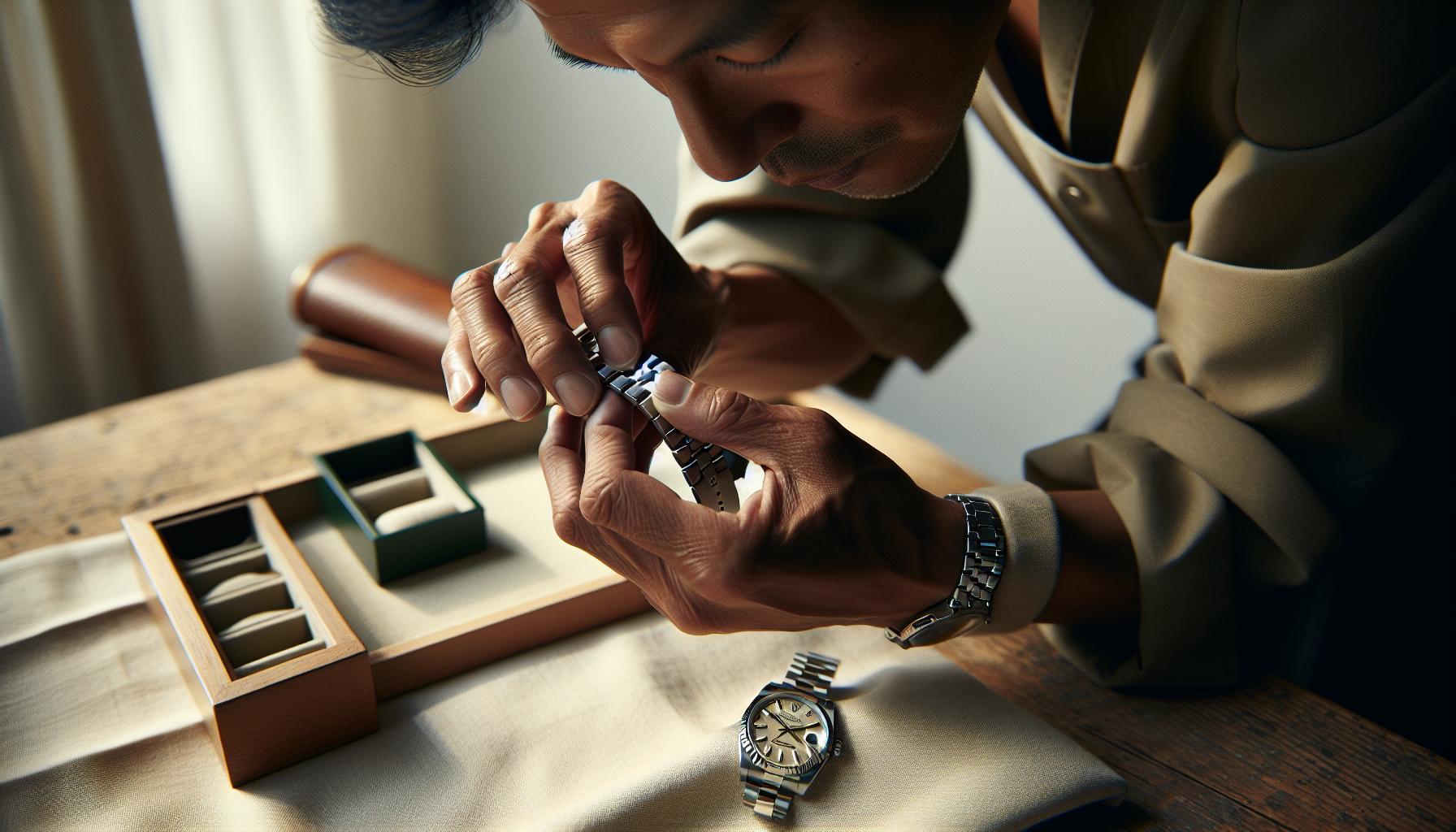
Start by placing your watch on a soft, non-slip mat to prevent scratches. Identify the links you want to remove-usually located closest to the clasp for a balanced fit. Look closely for the subtle, horizontal screw heads on the side of each removable link. Using a precision screwdriver sized specifically for Rolex screws (commonly #1.6 or #2.0 flat or JIS tips), gently turn the screws counterclockwise. applying minimal, steady pressure avoids stripping these tiny screws, which are precious and not easily replaced by novices.
- Remove screws gradually: Back out the screw a few turns, then use fine tweezers to carefully pull it out fully.
- Detach links evenly: Remove links symmetrically from each side of the clasp to maintain the bracelet’s balance and integrity.
- Keep screws safe: Store screws in a small container or magnetic tray to prevent loss during the process.
Once you’ve removed the required links, realigning the bracelet is next.Line up the open ends precisely and reinsert the screw, making sure it threads smoothly. Fasten it snugly but don’t overtighten-a common rookie mistake that risks damage or stripped threads. if you’re working on a Jubilee bracelet, remember its five-piece link design means smaller screws and even more delicate handling.
useful Tips from the Workshop
- Use a magnifier or loupe: It’s surprisingly easy to miss a misaligned screw or subtle damage without close inspection.
- Document your process: Snap photos before and during removal, particularly if resizing for the first time. This helps when placing screws or links back.
- Don’t rush: Backing out a screw is often the trickiest part; a wobbling screwdriver can cause slippage and scratch polished surfaces.
- Test fit before final tightening: Slip the watch on your wrist after link removal but before tightening screws to confirm the fit feels right.
While these steps make link removal accessible to enthusiasts building hands-on knowledge, there’s no shame in entrusting your Datejust to a professional if precision or confidence wavers. rolex bracelets are as much about craftsmanship as their movements-approach each adjustment as a respectful maintenance ritual rather than a quick fix.The feeling of hearing those perfectly calibrated screws click securely back in place? It’s a satisfying reminder that you’re handling a piece of horological artistry built to last generations.
How to Size the Datejust Band for a Comfortable Fit
Few things impact the everyday joy of wearing a Rolex Datejust more than how well its bracelet fits your wrist. Too loose, and the watch swings awkwardly or catches on clothing; too tight, and it feels like a constrictive prison on your wrist. Striking that perfect balance is both a science and an art,blending precision craftsmanship with personal comfort preferences. luckily, sizing the Datejust band can be approached thoughtfully with an understanding of its construction and adjustability.The key to a comfortable fit lies in appreciating how the bracelet interacts with your wrist shape throughout the day. Your wrist isn’t a rigid cylinder-it expands subtly with heat, movement, and time of day, so the band needs a hint of slack without feeling loose. Start by loosely fastening the clasp, then slip your finger underneath the bracelet at its tightest point to gauge space-ideally, you want about a finger’s width of room to allow natural expansion without letting the watch spin freely. This ensures the Datejust rests securely but comfortably, highlighting its exquisite design without any hint of discomfort.
- Test the Fit in Motion: Wear the watch during your typical daily activities before finalizing adjustments. Fine wrist movements or arm bends can reveal if any links need to be added back or removed further.
- Balance Both Sides: When removing or adding links, do so symmetrically on either side of the clasp. This maintains the bracelet’s structural integrity and balanced weight distribution, which subtly affects how the watch sits on your wrist.
- Micro-Adjustment Potential: Remember Rolex’s clever micro-adjustment options built into many Datejust clasps, which allow you to tweak tension in small increments without removing links. Making use of this feature can perfect the fit with just a gentle click.
You might find that sizing feels different between the Jubilee and Oyster bracelets, despite both being on the Datejust. Jubilee’s five-piece link configuration offers more flexibility and a softer drape, adapting well to smaller wrists. The Oyster, with its broader flat links, delivers a more substantial feel but can require more precise sizing to avoid stiffness or sag. Consider your wrist’s unique shape and circumference when deciding how many links to remove and how snug you want the clasp setting.
Sizing your rolex Datejust band thoughtfully is part of nurturing your relationship with the watch. When done right, it transforms the experience-from a mere accessory on your wrist to a seamless extension of your personal style and movement. This care reflects the same respect you’d show for any mechanical marvel-from a well-tuned Swiss automatic to a rugged G-Shock-appreciating the harmony of engineering and wearability.
Practical Tips for Achieving Optimal Band Size
- Measure your Wrist First: Use a flexible tape measure or a strip of paper, mark where it overlaps, and measure that length with a ruler to get your wrist circumference before starting adjustments.
- Start Conservatively: Remove fewer links than you think you need, try the fit, and gradually remove more. It’s easier to take off more than to add links back if removed too many.
- Consider Seasonal Changes: Your wrist size may fluctuate with temperature or activity level, so allow room for slight expansion.
- Leverage the Easylink System: If your Datejust bracelet has the Rolex Easylink feature,use this to fine-tune fit by about 5mm increments on the fly.
Sizing the band properly isn’t just about comfort; it also prolongs the life of the bracelet by reducing stress on links and clasp components. And remember, no matter how confident you feel, there’s no harm in consulting a trusted watchmaker or authorized Rolex technician, especially for the first adjustment-preserving both the watch’s form and function for future generations to enjoy.
Adjusting the Datejust Band Micro-Adjustment Clasp
Few features combine thoughtful engineering and everyday practicality quite like Rolex’s micro-adjustment clasp on the Datejust. This often-overlooked system is a silent hero in achieving that elusive “just right” fit. Unlike removing or adding links-tasks requiring tools and patience-the micro-adjustment clasp lets you tweak band tension on the fly, in subtle increments, embracing the fact that no wrist stays the exact same size throughout the day.
Most modern Datejust models come equipped with Rolex’s Easylink or Glidelock micro-adjustment systems. These allow you to expand or contract the bracelet by approximately 5mm per notch with a simple flick or slide, no screwdriver needed. This small adjustment can make a meaningful difference when humidity, temperature, or even activity level causes your wrist to swell or shrink. For example, after a warm day or workout, a few extra millimeters can prevent discomfort or pinching while ensuring the watch doesn’t dangle loose enough to catch on clothing or furniture.
- Using the Easylink system: Simply open the clasp to expose the Easylink extension. Gently unfold or tuck this hinged segment to either lengthen or shorten the bracelet without removing any links. You’ll hear and feel a reassuring click as it locks into place, offering a secure yet flexible hold that respects both comfort and durability.
- Glidelock micro-adjustment (on some Oyster bracelets): Glide the clasp’s fine adjustment mechanism by lifting the locking tab and sliding it along precision teeth. This allows more granular sizing changes (often up to 20mm in total range) while the watch remains on your wrist-perfect for quick tweaks on the move.
When making these micro-adjustments, always ensure the clasp is fully open and resting comfortably on a flat surface or your wrist. This reduces stress on pins and avoids accidental damage to the bracelet or clasp. It’s a method that respects the delicate balance between mechanical robustness and user-amiable design-a hallmark of Rolex’s approach to everyday luxury.
Be mindful that even with micro-adjustments, the base size of your bracelet must still be appropriate-you can’t fix a wildly oversized or undersized band just by this alone. Think of the micro-adjustment as fine-tuning rather than primary sizing. Many enthusiasts appreciate this feature especially during seasonal changes when wrist dimensions subtly fluctuate.
Ultimately, these micro-adjustment systems reflect Rolex’s deep understanding of human ergonomics paired with mechanical precision. For collectors and newcomers alike, leveraging this clever clasp technology is a hassle-free way to live comfortably with your Datejust, appreciating its craftsmanship without wrestling with unwieldy tools or risking scratches on one of watchmaking’s most iconic bracelets. Whether you’re transitioning from a day at the office to an evening out or simply adapting to the ebb and flow of daily life, the micro-adjustment clasp keeps your experience both elegant and practical.
Tips for a Smooth Micro-Adjustment Experience
- Practice patience: Don’t rush the folding or sliding motions-gentle finesse protects the clasp’s internal mechanism.
- Check fit frequently: Especially early on, wear your Datejust and test adjustments to find your sweet spot across different activities.
- keep it clean: Occasional dust or trapped debris can impede smooth clasp function; wipe down and clean with a microfiber cloth.
- Respect limits: Avoid forcing the clasp beyond its designed adjustment range to prevent damage or loss of tension.

Common Issues When Adjusting Rolex bands and How to Fix Them
Few things frustrate a Rolex owner more than struggling with band adjustments, especially given that the bracelet is such a defining element of the Datejust’s blend of luxury and utility. Despite Rolex’s reputation for precise engineering and intuitive design, it’s not uncommon to encounter snags when working with the Oyster Perpetual Datejust band-whether that’s stiffness in the micro-adjustment clasp, stuck links, or difficulty removing pins. The good news? Many of these issues have straightforward fixes that preserve your watch’s integrity without compromising its renowned comfort and durability.
One common stumbling block is resistance or stiffness in the Easylink or Glidelock micro-adjustment clasp. This often occurs if dust, dirt, or tiny debris have found their way into the clasp mechanism. While Rolex bracelets are robust, the precision teeth and hinges within these clasps benefit from occasional gentle cleaning. Use a soft, dry microfiber cloth to wipe the clasp area regularly. If that’s not enough, try a soft brush (like a clean, dry toothbrush) to dislodge trapped particles. Avoid harsh detergents or excessive moisture during this process because water can corrode the delicate components over time.
Another frequent problem is difficulty in removing or reinserting bracelet links, usually caused by tightly fitted pins or screws. Over time,pins can become compressed or hardened due to everyday wear,making removal tricky. Using quality Rolex-specific screwdrivers and pin pusher tools helps avoid slipping or scratching the finish. If a pin refuses to budge,never force it harshly-that risks bending or breaking it,which necessitates professional repair. Instead, apply a small amount of penetrating oil (like WD-40, sparingly) on the pin, let it sit briefly, then try again with steady, gentle pressure. This lubricates and loosens the pin without damage.Wearing your Datejust for the first time after adjustment might reveal uneven fit or subtle pinching near the clasp or links. This can arise when the band length isn’t balanced on either side of the clasp-something many overlook. To fix this discomfort,try alternating where you add or remove links on each side to ensure even tension.The micro-adjustment system should always be used for subtle comfort tuning, but it’s not designed to compensate for large sizing imbalances which require link realignment.
- Avoid over-tightening screws: When reassembling, turn screws gently until snug-but stop before feeling resistance to prevent thread stripping.
- Be cautious with vintage models: Older datejust bands and clasps may be more delicate, requiring extra care during adjustments and potential lubrication.
- Regularly check for pin wear: Pins and screw threads can wear down subtly over time; replacing these proactively helps maintain secure fit and avoids sudden bracelet failure.
If your clasp doesn’t click securely after adjustment or exhibits wobble,don’t ignore it. This often signals internal wear or bent clasp components-issues that call for professional servicing. Prying or forcing the clasp can exacerbate problems, so it’s better to err on the side of caution.Ultimately, approaching band adjustments with patience and respect for Rolex’s engineering pays off. Regular gentle cleaning, using the right tools, and being mindful of your watch’s specific bracelet type will keep your Datejust looking sharp and fitting perfectly for many years. Even when facing common hassles that can happen to any watch enthusiast, taking care and knowing when to consult an expert will safeguard your timepiece’s beauty and performance.
Quick Troubleshooting Table for Common Adjustment Issues
| Issue | Cause | Fix | Prevention Tip |
|---|---|---|---|
| Stiff or hard-to-move micro-adjustment clasp | Dirt/debris buildup in clasp mechanism | Clean with microfiber cloth and soft brush; avoid moisture | Regular cleaning, keep band dry |
| Pin won’t come out or reinsert smoothly | Compressed or corroded pin | Use correct tools, try light penetrating oil, never force | Gentle handling, periodic inspection |
| Uneven band tension or pinching | Unequal link distribution across clasp | Adjust link placement evenly on both sides | Measure before final cutting |
| Clasp doesn’t lock securely | Worn or bent clasp parts | Seek professional servicing | avoid forcing clasp, regular checks |
Maintaining Your Rolex Band After Adjustment
Few things speak as strongly to a watch’s longevity and comfort as the care you show your bracelet after tweaking its fit. The Rolex Oyster Perpetual Datejust bracelet isn’t just a band; it’s a finely engineered extension of the watch’s personality, crafted with precision metals and complex clasps. After adjusting the fit,taking deliberate steps to maintain the bracelet ensures it remains both functional and fabulous for years to come.
One key aspect of post-adjustment care is preserving the smooth operation of delicate parts like the Easylink or micro-adjustment clasp. These components can accumulate sweat, oils, and environmental debris that silently sabotage their performance, leading to stiffness or uneven tension. A quick routine involves wiping your bracelet down with a microfiber cloth daily to lift surface grime. Every few weeks, running a soft toothbrush gently over the links-especially near pins and clasp hinges-can dislodge unseen particles without risking moisture-related corrosion.If the watch sees saltwater or chlorine exposure, a careful freshwater rinse followed by thorough drying is essential to prevent metal fatigue or pitting.
- Inspect pins and screws regularly: Even after a perfect fit, pins inside the links endure tiny stresses and can loosen or wear. Spotting early signs like slight wobble or irregular link movement lets you replace components before they cause bigger issues.
- Mind the screws’ torque: when reassembling after an adjustment, it’s tempting to crank screws tight for security. However, over-tightening can strip threads or damage the bracelet’s internal architecture, especially on older Datejust models. Gentle pressure until secure is the best policy.
- Lubricate as needed: While Rolex bracelets rarely require oiling, occasionally applying a drop of specialized watch lubricant to the clasp mechanism can maintain silky motions-just ensure excess is wiped clean to avoid grime buildup.
Real-World Wisdom from Collectors
Enthusiasts often share stories of ignoring rattles or clasp quirks only to confront complicated repairs later. one seasoned owner described rescuing a stiff Glidelock clasp by patient cleaning paired with compressed air,restoring smooth micro-adjustment without part replacement. Others recount how consistent but gentle handling-think of the band as a mechanical limb rather than a disposable accessory-preserves the Datejust’s distinctive balance of robustness and finesse.
Remember, the material of your bracelet influences maintenance frequency. Stainless steel offers resilience and ease of cleaning, whereas precious metals like gold or platinum require extra caution to avoid polishing away the subtle brushed finishes that designers painstakingly applied. Jubilee bracelets with multiple small links may trap more sweat and dust and thus deserve closer attention than their Oyster counterparts.
maintaining your Datejust band after adjustment isn’t just about cleanliness-it’s about respecting the interplay of engineering and artistry. Simple,mindful care routines extend the life of your bracelet,protect its aesthetics,and keep its iconic clasp mechanisms working fluidly. In the grand tradition of horological stewardship, that’s how you ensure your Rolex remains a daily joy and a piece of living history.
| Maintenance Task | Frequency | Tools Needed | Benefits |
|---|---|---|---|
| Microfiber cloth wipe down | Daily or after use | Soft microfiber cloth | Removes oils, sweat, and surface dirt |
| Gentle brushing near links and clasp | Every 2-4 weeks | Dry soft toothbrush | Dislodges grime, maintains smooth movement |
| Check & tighten screws/pins | Quarterly or post adjustment | Rolex-specific screwdriver set | Prevents loosening, ensures secure fit |
| Freshwater rinse & dry (after salt/chlorine exposure) | As needed | Clean water, soft towel | Prevents metal corrosion and wear |
| Lubrication of clasp mechanism | Once or twice per year | Watch-grade lubricant, applicator | Maintains smooth clasp action |
When to Seek Professional Help for Band Adjustment
Finding the perfect fit on a Rolex Datejust bracelet is deeply satisfying-but sometimes, the intricacies of its design demand more than just a confident hand and a toolkit. While many enthusiasts relish the DIY approach to resizing and adjusting their bands,certain situations signal clearly that professional intervention is the wiser choice. Knowing when to pause and hand your watch over to a trained technician can save you from costly errors and protect the integrity of your treasured timepiece.
A common red flag arises with vintage Datejust models or those with rare or delicate metal compositions, such as platinum or particular solid gold variants. These materials, while stunning, are less forgiving when it comes to handling. Pins, screws, and clasp components may have experienced decades of tension and wear, making them prone to breakage when adjusted without expert care. If your bracelet exhibits signs of significant looseness, unexpected “play” in the links, or visible damage around pins and screws, it’s best to stop immediately. Attempting to force adjustments under these conditions risks stripping threads or permanently deforming delicate parts.
Another cue is when you encounter difficulty with the micro-adjustment clasp, such as the Easylink system typical on many Datejust models. Problems like stiffness, uneven tension, or a clasp that no longer locks securely often stem from internal debris accumulation or minor mechanical faults that require specialized tools to diagnose and fix properly. While gentle cleaning and lubrication can help, persistent issues are a sign to seek professional service. Watchmakers have precision instruments and cleaning machines that can restore clasp function without disassembling or damaging other critical components.
- Complex or vintage models: Seek experts familiar with your Datejust’s specific bracelet generation and material.
- Damaged or worn parts: Avoid DIY fixes if pins, screws, or links seem loose, bent, or broken.
- Stiff or malfunctioning clasps: Professional cleaning and adjustment preserve the mechanism’s lifespan.
- Unfamiliar tool requirements: If your adjustment involves screws or pins not commonly found on modern models, expert care is advisable.
- Post-adjustment issues: Strange noises, rattles, or an insecure fit after your own adjustment call for a watchmaker’s evaluation.
Benefits of Professional Adjustment
Leaving adjustments to certified Rolex service centers or reputable authorized dealers guarantees use of official tools and original replacement parts. Professionals also ensure correct torque on screws, preventing damage caused by overtightening-an all-too-common mistake among DIYers. Moreover, they provide peace of mind with a warranty covering workmanship, something priceless when it comes to preserving your Datejust’s value and function.
Remember, the Datejust bracelet is not just about holding the watch on your wrist; it’s a miniature engineering marvel combining precision metallurgy, fine tolerances, and smooth mechanics. Treating the adjustment process with the respect it deserves ensures years of comfort and keeps your watch looking and functioning as Rolex intended.
| Signs to Seek Professional help | Why professional Service Helps |
|---|---|
| Difficulty removing or reinserting pins/screws | Prevents damage to threads and components with proper tools |
| Fragile or aging bracelet materials | Experts understand material limits and handle with care |
| Stiff or broken micro-adjustment clasp | Precision cleaning and lubrication without risk of harm |
| Visible wear or bending of links and screws | Proper part replacement and refitting maintains fit and security |
| Unexpected rattling or loose fittings after adjustment | Professional inspection to identify and resolve underlying issues |
Ultimately, trusting your Rolex Datejust’s band adjustment to professionals is a choice rooted in respect-for the watch’s craftsmanship, your own safety, and the allure of horological longevity. it’s an investment in preserving both the story your Datejust tells and the comfort it offers on every wear. Whether you’re a first-time owner or a seasoned collector, knowing your limits-and when to call in an expert-is a mark of true horological wisdom.
Comparing Datejust Band Materials: Impact on Fit and Comfort
A Rolex Datejust bracelet isn’t just a strap; it’s a carefully engineered balance between materials, comfort, and durability. The choice of band material significantly steers the feel on the wrist and even influences how you approach adjustments for that perfect fit. Whether you’re dealing with Oystersteel, precious metals, or the classic Rolesor (a mix of steel and gold), each has distinct traits that impact comfort and sizing dynamics.
Steel bracelets-usually crafted from Rolex’s proprietary 904L stainless steel-offer astonishing robustness and resistance to corrosion. This alloy’s density adds a reassuring weight without feeling bulky, maintaining a sporty yet elegant vibe. When sizing steel bands, the solid links and screw or pin mechanisms provide a stable, secure feel. However, steel can feel cooler to the touch initially and may require more precise adjustments to avoid pinching or discomfort during hotter weather when your wrist expands slightly. The resilient nature of steel also means it’s more forgiving during DIY sizing, but mishandling screws or pins can lead to scratches or alignment issues that affect comfort.
Contrastingly, precious metal bracelets such as yellow gold, white gold, or platinum bring a softer, warmer touch but demand more delicate handling.Platinum Datejust bracelets, while stunning with their heavy, satin-finished charm, are notably less malleable. This means resizing must be done carefully to prevent microfractures or deformations. Gold, depending on its purity and finish, can scratch easier and shows wear more readily. But its thermal properties offer a luxurious warmth against the skin that some collectors swear enhances wearing pleasure. With these materials, even slight over-tightening during adjustment can cause visible damage or loosen links over time, so a gentle, calibrated approach is crucial.
The Rolesor mix band adds an extra layer of complexity. Here,steel and gold meet,making it essential to balance the tightening to maintain uniform tension and visual harmony. Uneven adjustments might cause slight mismatches in link alignment or clasp tension, impacting wearability and aesthetic flow. This band type often incorporates the Easylink clasp extension, which provides fine-tuning comfort by allowing around 5mm of easy length adjustment without link removal-perfect for wrist swelling after exercise or during temperature changes.
Material Impact on comfort and Adjustment Strategies
- Steel: Durable and slightly heavier, requires careful screw handling for link removal and reinsertion; tolerates DIY with proper tools.
- Gold (Yellow/White): Softer, more susceptible to scratches; better left to professionals to avoid material damage during pin or screw adjustments.
- Platinum: dense and luxurious, but fragile under stress; resizing demands expert precision to maintain integrity and comfort.
- Rolesor (Steel + Gold): Balancing two metal properties; micro-adjustments like Easylink enhance wearing comfort without constant tool use.
| Material | Weight & Feel | Adjustment Complexity | Comfort Notes |
|---|---|---|---|
| 904L Stainless Steel | Medium weight, cool initially | Moderate; DIY possible with care | Firm fit, tolerates daily wear well |
| Yellow/White Gold | Lighter than steel, warm feel | High; better for professional sizing | Soft, prone to scratches, delicate |
| Platinum | Heaviest, very dense | Very high; expert adjustment required | Luxurious feel, less forgiving |
| Rolesor | Medium, balanced warmth/cool | moderate; Easylink clasp supports micro-adjust | Flexible comfort with clasp extension |
No matter the material, wearers often experience slight wrist swelling or contraction throughout the day-something Rolex has cleverly addressed with features like the Easylink extension on many Datejust models. This small but ingenious system exemplifies how material science and mechanical design unite to enhance daily comfort without compromising style or function.
Ultimately, embracing the nuances of each material means more than just a pretty bracelet. It’s about tailoring your approach to fit adjustment with respect to metallurgy and craftsmanship. This mindset ensures your Rolex Datejust remains as comfortable and pristine years from now as it is indeed the day it was first sized to your wrist. Whether you’re handling a rugged Oyster steel or a refined platinum band, understanding these differences guides safer tweaks and a better wearing experience every time.
Tips to Preserve Rolex Band Integrity During Adjustment
Adjusting your Rolex Datejust bracelet is a delicate dance between precision and patience.The robust engineering of Rolex bands, especially in Oystersteel and Rolesor models, invites confident DIY adjustments-but it’s critical to respect the materials and mechanisms that make these bands both durable and finely crafted. Handling screws, pins, and clasp components improperly can lead to subtle damage that compromises not only aesthetics but long-term wearability.
always begin by ensuring you use the right tools-specifically a quality screwdriver sized for Rolex screws and a pin pusher designed for delicate watch links.Avoid using improvised tools, as even a slight slip can leave unsightly scratches on polished surfaces or mar the brushed finish.A steady hand and good lighting are your best allies here. When removing or reinserting screws, turn slowly and apply steady, even pressure to prevent stripping the screw heads or damaging the threads.
Handle with Care: Metal-Specific Considerations
- Steel: While 904L stainless steel is tough and fairly scratch-resistant, it’s not invincible. Over-tightening screws can warp link holes, so tighten just until snug. Avoid forcing pins or links-if there’s resistance, reevaluate alignment rather than muscle through.
- Gold and Platinum: These precious metals have a softer molecular structure. Even small dents or scratches can degrade their finish and value. For these materials, use minimal force, work slowly, and consider professional help if unsure. Over-adjusting can cause loosening or deform the band links over time.
- Rolesor (Mixed Steel and Gold): Extra caution is needed to maintain uniform tension; uneven pressure on steel vs. gold parts can misalign links. the Easylink clasp technology helps minimize heavy adjustments by providing a quick 5mm extension, reducing wear on pins caused by frequent resizing.
Practical Tips to Preserve Band integrity
- Work on a Soft Surface: Use a microfiber cloth or watchmaker’s pad to rest your watch during adjustment. This prevents accidental scratches when handling the bracelet or knocking screws.
- Keep Screws and Pins Organized: Rolex screws are tiny and easy to lose. Store removed parts in a dedicated container and label them if you remove multiple links so reassembly is straightforward.
- Don’t Rush: Patience pays dividends. Take multiple short breaks if needed. Forcing components can cause bending or misalignment that worsens over time.
- Test Fit Often: After each link removal or clasp micro-adjustment, temporarily close the band and test fit on your wrist. This helps avoid removing too many links or over-tightening the clasp prematurely.
- Clean Before Reassembly: Dust, grit, or oils under screws can cause uneven tension and wear. Use a gentle brush and isopropyl alcohol on a cloth to clean screw recesses and link joints before reinserting screws.
Common Pitfalls and How to Avoid Them
Screw stripping is a frequent issue-turning screws too quickly or with the wrong screwdriver type damages the head. Invest in precision Rolex-compatible screwdrivers with flat, perfectly fitting tips. Also, avoid mixing up screws from different links; Rolex occasionally uses slightly varied screw sizes.
Prying links apart with excessive force instead of properly pushing pins can bend the band or damage holes,leading to costly repairs. Use a pin pusher or link remover with consistent pressure perpendicular to the band.remember the value in subtlety: small incremental changes beat aggressive adjustments every time. A well-maintained and gently handled bracelet will maintain its structural integrity and visual appeal longer, ensuring that your Datejust not only fits perfectly but also continues to look pristine through daily wear.
With the right mindset and tools, adjusting your Rolex Datejust bracelet becomes not just a maintenance task but an intimate moment of thankfulness for the artistry and precision behind this iconic watch.Treat it well, and your bracelet will reward you with years of comfort, durability, and timeless elegance.
Upgrading or Changing Your Datejust Bracelet Options
Choosing to upgrade or change your Rolex Datejust bracelet can profoundly refresh the watch’s look and feel, transforming it to suit evolving tastes or lifestyle needs.beyond mere aesthetics,swapping out bracelets can affect comfort,wearability,and even the resale appeal of your timepiece. Whether driven by a desire to shift from the classic Oyster to the more formal Jubilee band, or to experiment with different materials for a new wrist experience, understanding your options helps you make a confident, informed transition.
rolex offers several iconic bracelet styles for the Datejust, each with its distinct personality and engineering nuances. The oyster bracelet, known for its robust three-link design, exudes sporty resilience and is often favored for daily wear due to its substantial feel and excellent durability. In contrast, the Jubilee bracelet, introduced in 1945 alongside the original Datejust model, features a five-piece link arrangement that strikes a graceful balance between elegance and comfort-particularly appealing for dressier occasions. Lastly, the President bracelet, though less common on Datejusts compared to Day-Dates, presents an ultra-luxe option with semi-circular links, crafted primarily in precious metals.
Material choices and Impact on Comfort
- Steel (Oystersteel, 904L): The backbone for most Datejust bracelets, its corrosion resistance and toughness provide longevity and minimal maintenance. The heft can be noticeable but comforting to those who love a solid presence on the wrist.
- Rolesor (Steel & Gold mix): The signature two-tone option combines stainless steel outer links with gold center links, giving a compelling contrast that enhances the watch’s sophistication while maintaining sturdy performance.
- Full Gold or Platinum: These precious metals add undeniable luxury but require more delicate handling during resizing and adjustment. They’re also heavier and warmer against the skin-a sensory detail that many collectors cherish.
Thinking beyond Rolex’s own offerings,some owners explore aftermarket options for a sportier or more personalized vibe. Genuine leather straps, alligator bands, or even modern rubber bracelets designed specifically for Datejust models provide versatility and can increase wrist comfort during warmer months or active pursuits. While these alternatives mean stepping outside Rolex’s original design ethos, reputable sources ensure quality materials and fittings that preserve the watch’s integrity.
Steps to a Triumphant Bracelet Change
- Confirm Compatibility: Datejust case sizes vary-commonly 31mm, 36mm, and 41mm-so ensure any new bracelet matches lug width and case curvature. Mismatched parts not only look awkward but also risk damage during installation.
- Use the Right Tools: Switching bracelets is not just about popping pins. Employ precision screwdrivers and spring bar tools to avoid scratching or damaging lugs and end links.
- Consider Professional Service: If the new bracelet involves precious metals or complex clasps, professional fitting can preserve warranty and ensure the clasp tension and link alignment meet Rolex standards.
| Bracelet Style | Typical Use Case | Material Options | Comfort Level |
|---|---|---|---|
| Oyster | Daily wear, sportier look | Steel, Rolesor, Gold | Firm and robust |
| Jubilee | Dress and casual versatility | Steel, Rolesor, Gold | Soft and flexible |
| President | Formal, luxury statement | Gold, Platinum | Weighty, plush |
| Aftermarket Alternatives | Seasonal comfort, personalization | Leather, Rubber, Fabric | Light and breathable |
Upgrading your Datejust bracelet isn’t just a cosmetic choice-it’s how you tailor one of horology’s most celebrated classics to your daily rhythm. Whether you prioritize vintage authenticity, modern comfort, or simply want to give your watch a fresh attitude, the right bracelet change can redefine your relationship with your Datejust. Take care during the process,respect the engineering,and your Rolex will continue to be a lifelong companion that looks as exceptional as it performs.
FAQ
Q: How can I tell if my Rolex Datejust band needs adjustment or replacement?
A: If your Rolex Datejust band feels too tight, too loose, or shows excessive wear like stretched links or broken pins, it likely needs adjustment or replacement. Regular inspection helps maintain fit and comfort. For detailed care tips, see the *Maintaining Your Rolex Band After Adjustment* section in our guide.
Q: What is the safest method to clean a Rolex Datejust bracelet before adjusting it?
A: The safest way is to gently clean the bracelet with warm soapy water and a soft brush to remove dirt and oils. Dry thoroughly with a microfiber cloth to prevent slipping during adjustment. Proper cleaning preserves the bracelet’s finish and makes adjustment easier.
Q: Can temperature or humidity affect the fit of a Rolex Oyster Perpetual Datejust band?
A: Yes, temperature and humidity can cause metal to slightly expand or contract, affecting fit comfort. You may notice tighter fit in colder weather and looser in heat. Consider micro-adjustment features for daily comfort flexibility, as explained in the *Adjusting the Datejust Band Micro-Adjustment Clasp* section.
Q: How often should I check or adjust the fit of my Rolex Datejust band for optimal comfort?
A: It’s advisable to review your band fit at least every 3-6 months or after significant wrist changes due to weight or temperature. Regular micro-adjustments ensure consistent comfort and prevent unnecessary band wear, detailed in our sizing and maintenance tips.
Q: Are there any differences in adjusting a Jubilee bracelet compared to an Oyster bracelet on a Datejust?
A: Yes, Jubilee bracelets have smaller, more flexible links, requiring delicate handling during adjustment to avoid damage. Oyster bracelets tend to have sturdier, larger links that are easier to resize. Our guide’s *step-by-Step Guide to Removing Rolex Datejust Links* covers these nuances.
Q: Why does my Rolex Datejust band feel loose even after link removal?
A: Your band might feel loose if the micro-adjustment clasp isn’t properly configured or if pins are worn or slightly damaged. Double-check the clasp settings and consider consulting *Common Issues When Adjusting Rolex bands and How to Fix Them* for troubleshooting tips and avoiding band damage.
Q: What precautions should I take when using aftermarket tools on my Rolex Datejust band?
A: Use only high-quality, Rolex-compatible tools to prevent scratching or damaging delicate screw pins and links. Avoid excessive force during adjustments. For safety and precision, consult our *Essential Tools for Adjusting your Datejust Bracelet Safely* section before proceeding.
Q: How do micro-adjustment features on Rolex Datejust clasps improve band fit throughout the day?
A: Micro-adjustment clasps allow small size changes-often in millimeter increments-to accommodate wrist swelling or movement, enhancing daily comfort without removing links. This feature adds flexibility and maintains a perfect fit, explained in detail in *Adjusting the Datejust Band Micro-Adjustment Clasp*.
—
For a deeper dive into mastering your Rolex Oyster Perpetual Datejust band fit, explore our full guide including bracelet types, tool recommendations, and professional adjustment advice. Your perfect fit and Rolex care journey starts here!
Concluding Remarks
Mastering the perfect fit for your Rolex Oyster Perpetual datejust band ensures both comfort and style,enhancing the watch’s enduring value and wearability. Whether you’re adjusting the iconic Jubilee or Oyster bracelet, understanding the mechanics of micro-adjustments and link removal empowers you to customize your timepiece without risking damage to its precise in-house automatic caliber. Don’t let an ill-fitting band diminish the allure of this horological classic-take action now to maintain that flawless wrist presence.
For deeper insights, explore our detailed guides on Rolex Submariner band adjustments and how to care for your automatic watches. Considering upgrading? Browse our curated selection of Rolex models that balance timeless design with modern complications, providing excellent resale potential. Ready to elevate your collection? Subscribe to our newsletter for exclusive tips, expert reviews, and offers tailored to passionate watch enthusiasts like you.
Your Rolex Datejust is more than a watch-it’s an investment in craftsmanship and legacy.Feel free to share your adjustment experience or questions below,and connect with fellow collectors as you continue your horology journey.