

How to Legit Check Rolex Datejust: Authentication Protocol
The Rolex datejust stands as a timeless icon in watchmaking, celebrated for its precision automatic movement, elegant design, and enduring value-yet its popularity also makes it one of the most replicated models worldwide. Knowing how to legit check a Datejust is essential, not just to avoid costly counterfeits but to truly appreciate the craftsmanship behind the caliber 3235 in-house movement and classic features like the Cyclops date magnifier. Whether you’re a first-time buyer or a seasoned collector, understanding authentication protocols empowers you to navigate the market confidently, protect your investment, and deepen your gratitude for this horological masterpiece. In this guide, we’ll break down accessible yet technical steps to spot genuine Datejusts, covering hallmark details from case engravings to movement nuances, so you can distinguish quality from imitation with both excitement and expertise. Keep reading to unlock the insider know-how that transforms buying a Rolex from a gamble into a rewarding experience.
Contents
- Understanding Rolex Datejust: Key Features to Know
- Movement & caliber Details: How to Identify Authenticity
- Dial & Hands Inspection: Spotting Real vs Fake elements
- Case, Bezel & Crystal Check: Precision Craftsmanship Signs
- Bracelet & Clasp Authentication: Quality and Markings to Verify
- Serial & Model Numbers: Decoding Genuine Rolex codes
- Weight, Feel & sound: Tactile Signals of Authenticity
- Common fake Rolex Datejust Red Flags to Avoid
- Using Technology: Apps and Tools for Rolex Verification
- Professional Authentication: When and How to Consult Experts
- Valuation Insights: How Authenticity Affects Datejust Resale
- Historical Variations: Recognizing Vintage datejust Authenticity
- Faq
- Q: How can I verify the authenticity of a Rolex Datejust’s micro-etched crown on the crystal?
- Q: What are the differences in lug holes between genuine and counterfeit rolex datejust watches?
- Q: Why is the smooth glide of the Datejust’s second hand important in legit checking?
- Q: How do hologram stickers help in authenticating older Rolex Datejust models?
- Q: When is UV light inspection useful in legit checking a Rolex Datejust?
- Q: What role does the Rolex Datejust’s bezel engraving play in authentication?
- Q: How can I distinguish an authentic Datejust’s luminous markers from counterfeit ones?
- Q: Where should I find the Rolex Datejust crown logo engravings on the clasp, and how to verify them?
- The Way Forward
Understanding Rolex Datejust: Key Features to Know
Rolex’s Datejust is more than just a watch-it’s a symbol of timeless design and technological innovation that has influenced horology since its debut in 1945. What makes the Datejust instantly recognizable is its perfect balance of classic elegance and everyday practicality.From its instantly readable date window with the signature Cyclops lens to its robust Oyster case, each element reflects Rolex’s commitment to precision and reliability. But beyond aesthetics, the Datejust embodies Rolex’s pioneering use of the automatic (self-winding) movement paired with an iconic design that has evolved subtly over decades. Understanding these core features sets the foundation for spotting genuine examples amidst a sea of replicas.
At the heart of the Datejust lies Rolex’s in-house automatic caliber movements, renowned for their accuracy, durability, and innovative engineering. Many Datejusts feature calibers such as the 3135 or its successor the 3235, both boasting high power reserves (up to 70 hours on newer models) and exceptional resistance to shocks and magnetism. The movement’s finishing is immaculate, with clean, precise engravings, perfectly polished components, and a smooth sweeping seconds hand-traits nearly unachievable to replicate authentically.This mechanical artistry underpins the watch’s value and helps differentiate a true Datejust from fakes that often use lower-grade, generic movements or quartz substitutes.
Design-wise, classic Datejust models sport a clean dial layout, often with applied hour markers crafted in precious metals, luminous hands, and the trademark date window at 3 o’clock magnified by a prominent Cyclops lens. The bezel can be smooth, fluted, or gem-set, but in all cases, the machining and finishing demonstrate Rolex’s hallmark precision. The Oyster bracelet, often with a concealed Crownclasp, is as much about comfort as it is durability-engineered with solid links and a weight that feels substantial yet balanced on the wrist.
- Date window & Cyclops Lens: Magnifies the date 2.5 times for easy reading, perfectly centered and aligned.
- Oyster Case Construction: Crafted from corrosion-resistant 904L stainless steel (or precious metals) with a screw-down crown-ensuring water resistance up to 100 meters.
- Fluted or Smooth Bezel Options: Reflects subtlety or luxury-the fluted bezel is often made from precious metals and features sharply vertical grooves that catch the light.
- Bracelet & Clasp: solid links with minimal stretching, frequently featuring the patented Easylink extension system for micro-adjustments.
Knowing these key design and engineering signatures helps buyers and enthusiasts approach the Datejust with confidence. It’s not just about looks-the precision, materials, and craftsmanship combined make the Datejust a standout watch that commands respect even decades after its release. Whether you love the understated elegance of a steel model or the opulence of a gold-fluted bezel version, the datejust represents Rolex’s mastery in marrying functionality with classic style at a compelling price point for luxury watches. This baseline knowledge is an essential step before diving deeper into detailed authentication techniques.
Movement & caliber Details: How to Identify Authenticity

One of the most compelling signs of authenticity in a Rolex Datejust lies beneath the dial-in its movement. Rolex’s in-house automatic calibers, like the legendary 3135 and the more recent 3235, are not only technological masterpieces but also a critical reference point for legit checking these watches. These movements are self-winding mechanical engines, designed and manufactured by Rolex itself, featuring sophisticated engineering to ensure exceptional accuracy, durability, and reliability. A genuine Datejust’s movement should feel smooth, with the seconds hand sweeping gracefully rather than ticking abruptly as you’d find in quartz or low-grade replicas.
Authentic Rolex Datejust movements incorporate a host of proprietary innovations such as the Parachrom hairspring-highly resistant to shocks and magnetic fields-which helps maintain consistent timekeeping in everyday situations.These movements also offer convenient features like the “quickset” date function, allowing the wearer to adjust the date independently without moving the hour hand.When examining a movement, look for crisp, clean engravings usually marked ”Rolex,” the caliber number, and occasionally unique serial identifiers. The finishing is impeccable: polished bevels, precise anglage, and jeweling (the small synthetic ruby bearings) all reflect Rolex’s commitment to mechanical artistry.
- Caliber accuracy and smooth operation: Real Rolex movements run at 28,800 beats per hour (vibrations per hour), producing a fluid sweeping seconds hand motion that’s difficult to imitate.
- Movement markings: Authentic calibers will have neat engravings such as “Rolex,” “3135” or “3235,” and “Swiss Made” clearly visible under proper lighting and magnification.
- Weight and feel: Genuine movements feel substantial and robust compared to generic movement replicas that tend to be lighter and less refined.
Opening a datejust to inspect the movement should ideally be performed by a professional to avoid risking damage or voiding warranties.Though, when serviced or authenticated, the movement details are a definitive proof point. For example, some forums discuss how a Rolex Air King might feature mismatched movements, like a 1530 rather of the expected 1520, revealing a history of parts swaps or servicing quirks-something any serious collector should be aware of [[1]](https://mb.nawcc.org/threads/rolex-1520-or-1530.126593/).
With counterfeiters becoming increasingly sophisticated, many fake Datejusts resort to cheap quartz or automatic movements that are easily spotted by the absence of Rolex’s signature craftsmanship in movement finishing and function. Thus, learning to identify these subtle mechanical signatures provides not only a window into Rolex’s engineering excellence but also a practical way to distinguish a genuine Datejust from imitation models.
| Rolex Datejust Caliber | Introduced | key Features | Power Reserve | Beat Rate (vph) |
|---|---|---|---|---|
| 3135 | 1988 | Automatic, quickset date, Parachrom hairspring | 48 hours | 28,800 |
| 3235 | 2015 | Enhanced precision; Chronergy escapement; longer power reserve | 70 hours | 28,800 |
if you’re inspecting a Rolex Datejust, focus on the movement’s mechanical integrity, finishing details, and functionality.A genuine Rolex caliber is a small work of art-precise, durable, and instantly recognizable to those who know what to look for. This is the beating heart of the watch, where authenticity truly comes alive.
Dial & Hands Inspection: Spotting Real vs Fake elements
Few elements of a Rolex datejust reveal authenticity more instantly than the dial and hands. The dial is the watch’s “face,” and just as a finely crafted painting shows the skill of an artist, a genuine Rolex dial reflects meticulous attention to detail that forgers struggle to replicate. From the quality of printing to the glow of the lume, each component on the dial plays a crucial role in telling you whether you’re handling a true rolex or a clever counterfeit.
One of the first visual clues lies in the lettering and markings on the dial. authentic Datejust dials feature razor-sharp,perfectly aligned fonts with consistent spacing. The word “ROLEX,” ”OYSTER PERPETUAL DATEJUST,” and the depth rating or Swiss-made marks at 6 o’clock are crisply printed. Counterfeits often exhibit fuzzy edges, uneven ink, or incorrect fonts due to inferior printing methods. Under magnification (think a loupe or macro lens), the print on a genuine dial is clean and precise, almost as if laser etched. Sometiems, faint microtext between indices or under the “ROLEX” logo can be spotted-subtle security details real Rolex employs but most fakes overlook.
Hands: A Study in Precision
The hands on a Datejust are equally telling. Rolex uses solid gold for its hour, minute, and second hands-even on stainless steel models-giving them a distinctive weight and finely polished finish that forgery rarely matches. the edges are smooth without roughness or poor casting lines. When examining the sweep second hand, look for a fluid motion free from any stuttering or jumping. This smooth movement is a hallmark of Rolex’s high-beat automatic caliber, contrasting with many quartz or cheap automatic fakes where the seconds hand ticks.
Additionally, the lume application on the hands and hour markers should be uniform and comfortably glow in the dark after charging under light. Genuine Rolex luminova or Chromalight glows evenly in a luminous blue or green tone, depending on the model and age.Patchy lume or overly bright colors can be dead giveaways of replica watches trying to mimic the effect.
Dial Variations and Unique Details
Rolex Datejust offers a dazzling array of dial colors,textures,and hour marker styles-everything from sunburst silver,champagne,and deep black to more rare exotic dials like mother-of-pearl or meteorite. Familiarize yourself with which dial options correspond to which reference numbers because fakes sometimes mix and match incompatible designs. For older and vintage Datejusts, details like the “pie-pan” dial shape or applied indices with a stepped edge offer additional authenticity cues.
- Cyclops lens date magnification: A hallmark of the Datejust is its cyclops lens, magnifying the date by exactly 2.5x. If the date appears too small or noticeably distorted,the watch is highly likely fake.
- Minute track precision: The minute and second markers lining the dial’s edge are precise, evenly spaced, and firmly printed on genuine dials but often misaligned or smeared on fakes.
Given how dial and hand details are both visual and tactile, always combine this inspection step with other authenticity checks-especially movements and serial numbers. Even so, mastering dial and hands inspection will empower you to spot most counterfeit Datejusts simply by sight and feel.Remember, the dial isn’t just decoration-it’s a testament to Rolex’s heritage of engineering artistry and quality control.
| Feature | Real Rolex Datejust | Common Fake Signs |
|---|---|---|
| Dial Printing | Sharp, flawless fonts; microtext visible under magnification | Blurry, uneven spacing; wrong fonts; missing microtext |
| Hands Material & Finish | Solid gold/platinum with smooth edges and mirror polish | Lightweight, rough edges; dull or inconsistent finish |
| Second Hand Movement | Smooth sweeping motion at 8 ticks/second | Ticking steps or staggered jump in seconds hand |
| Lume Quality | Uniform glow, moderate brightness; consistent color | Poorly applied; patchy; overly bright or dull glow |
| Cyclops Date Magnification | 2.5x precisely centered magnification | Weak or uneven magnification; misaligned lens |
Case, Bezel & Crystal Check: Precision Craftsmanship Signs
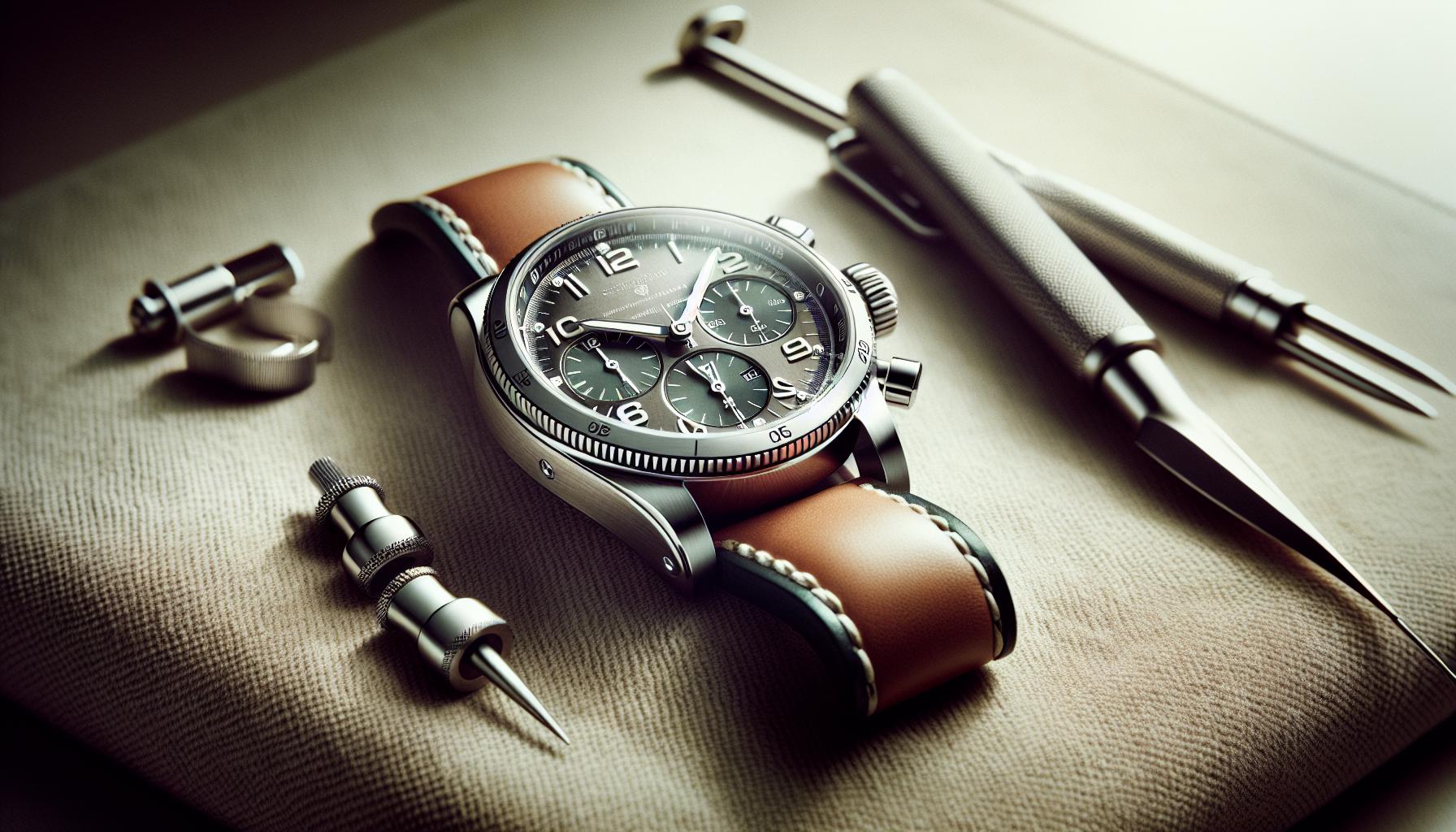
Few aspects of the Rolex Datejust evoke the brand’s legendary commitment to precision more than the case, bezel, and crystal. These elements are not just protective and aesthetic components-they are silent ambassadors of Rolex’s intricate craftsmanship. The quality of machining, finishing, and material use in these parts is often one of the oldest and most reliable indicators of authenticity, especially given how costly it is for counterfeiters to replicate.
One of the first tactile checks is the feel and finish of the stainless steel or precious metal used in the Datejust’s case. rolex employs proprietary 904L stainless steel,now called Oystersteel,which offers superior corrosion resistance and a distinctively smooth,almost buttery polish compared to the more common 316L steel found in many fakes.Run your fingers over the lugs and sides; authentic models present flawlessly brushed or polished surfaces with crisp edges, free from uneven textures, harsh transitions, or bubbles. The refined edges of the case should catch light cleanly, highlighting the impeccable finishing techniques Rolex uses-whether subtle satin brushing or mirror-polished bevels.
The Signature Bezel: fluted and Smooth Excellence
The bezel, particularly on the classic Datejust, is iconic. The fluted bezel isn’t just decorative-it originated as a functional design to screw the bezel onto the case, enhancing water resistance. On genuine Datejusts,the fluting is sharply defined,not rounded or dull,with precisely cut,symmetrical grooves that reflect light brilliantly. Counterfeits often fail here due to imprecise milling; their grooves may appear shallow, inconsistent, or too blunt. For smooth bezels on steel or precious metals, look for an ultra-clean, satin-finished surface that blends seamlessly into the case, without signs of machining marks or unevenness.
The Datejust’s bezel sometimes incorporates precious metals, like 18k gold, especially on Rolesor (two-tone) references. Authenticity tests in those cases include verifying the consistent gold color and weight-the bezel feels more substantial, and its hue is rich without seeming painted or plated. Rolex also uses its proprietary metals like Everose gold or yellow gold alloys that resist fading, an important factor to compare against suspicious discoloration over time.
Crystal Clarity and Cyclops Perfection
One of the most recognizable Rolex features is the cyclops lens magnification over the date window. The crystal itself is synthetic sapphire, renowned for its exceptional hardness and scratch resistance. Real Datejust crystals are perfectly clear,with no color tint or distortion except for the exactly 2.5x magnification from the cyclops. If the date looks minuscule, off-center, or warped, red flags should instantly raise suspicion. Additionally, the cyclops lens sits just above the crystal, creating a crisp boundary rather than blending poorly-a subtle detail many replicas botch.
Authentic Rolex sapphire crystals also frequently enough come with a tiny etched crown logo at the 6 o’clock position,visible only under strong magnification or ultraviolet light. While this micro-etching isn’t present on older models, it’s become a discreet security element in modern Datejust watches, and fakes rarely duplicate this without obvious mistakes.
- Case Materials: Oystersteel (904L stainless) or precious metals with flawless finishing
- Bezel Details: Sharp flutes or seamless smoothness; uniform precious metal coloring
- Crystal & Cyclops: Synthetic sapphire; 2.5x date magnification; micro-etched crown on newer models
Each of these elements speaks volumes of the engineering standards Rolex maintains. When combined with other authenticity checks like movement verification or serial number confirmation, assessing the case, bezel, and crystal is a vital step in confidently distinguishing a genuine Datejust from an imposter. Whether you’re drawn to the historical elegance of vintage Datejusts or the precision of modern steel-and-gold Rolesor models, appreciating these details enhances both your collecting experience and your bargaining power.
| Feature | Authentic Rolex Datejust | Common Fake Watches |
|---|---|---|
| Case Material | 904L Oystersteel or solid precious metals with smooth, crisp finishing | 316L steel or plated metals; rough edges; inconsistent polish |
| Bezel | Sharp, perfectly cut fluting or flawless smooth bezels; consistent precious metal hue | Blunt, uneven flutes; poor milling; mismatched colors in two-tone variants |
| Crystal | Synthetic sapphire; crystal clear; perfect 2.5x cyclops magnification; micro-etch crown (post-2005 models) | Glass or lower-grade crystal; weak or distorted date magnification; missing or flawed micro-etch |
Bracelet & Clasp Authentication: Quality and Markings to Verify
Few elements of the Rolex Datejust convey the brand’s dedication to craftsmanship more than its bracelet and clasp. These components don’t just hold the watch on your wrist-they’re a testament to Rolex’s engineering precision and attention to detail. Genuine Rolex bracelets are manufactured with meticulous tolerances, offering not just comfort but a reassuring solidity and smoothness that many replicas fail to mimic.
Authentic Datejust bracelets, such as the iconic oyster or Jubilee styles, feature links that glide with a subtle, controlled tension. You won’t find rattling or flimsy movement here. The metals used match those of the case-Oystersteel (904L stainless steel), Rolesor (two-tone steel and gold), or solid gold-exhibiting consistent color and finish. The edges of each link are chamfered and polished with remarkable finesse, lending a tactile smoothness that wears comfortably all day.
Quality Markings Under the Microscope
Rolex takes great care in branding its bracelets and clasps with precise, clean engravings that counterfeiters often botch or omit. Inside the clasp, you’ll find the Rolex coronet logo and “Rolex” text deeply and crisply engraved, never printed or shallow-stamped. Look also for model-specific reference numbers and metal quality stamps such as “750” for 18k gold or “904L” for Oystersteel on the inner bracelet links or clasp components.
The clasp mechanism itself is a fingerprint of authenticity. Rolex’s patented Oysterclasp or Crownclasp locks with a distinct, smooth snap and often features a micro-adjustment system-known as the Easylink extension-that lets you tweak bracelet length by about 5mm without tools. This is a feature rarely realized perfectly in replicas, where clasps feel loose or too stiff, sometimes clicking unevenly or failing to lock securely.
- Bracelet Material: Oystersteel (904L), Rolesor (steel & gold), or solid gold with uniform finish
- Link Feel: Smooth with precise tolerances; no rattling or sharp edges
- Clasp Engraving: Deep, clean Rolex logos and reference numbers; not faint or uneven
- Clasp Function: Secure snap closure with Easylink micro-adjustment on many models
Practical Tips for In-Person Inspection
When examining a Datejust bracelet, try flexing it gently and running your fingers along the links. A genuine Rolex won’t pinch or pull hairs due to its superior finishing.Inspect the end links-the pieces that connect the bracelet to the case-for perfect alignment and fit; authentic Rolex end links hug the lugs precisely without gaps. Counterfeit bracelets often show uneven spacing or poorly finished surfaces here.
Another telling sign is the hidden clasp security feature.Many newer Datejust models have a flip-lock system or a concealed Crownclasp emblem that acts as a discreet release. This isn’t just decorative; it’s engineered to hold firmly and wear evenly over years.
| Feature | Authentic Datejust | Common Replica Traits |
|---|---|---|
| Bracelet Material | 904L Oystersteel, Rolesor, or solid precious metals; consistent finish | Lower-grade steel or plated metals; color inconsistencies; rough edges |
| Bracelet Feel | Flexible but substantial; polished edges; no rattling | Flimsy or stiff links; sharp or rough edges; rattling noise |
| Clasp Engraving | Deeply engraved logos and numbers; precise font; legible | Shallow or printed logos; uneven or incorrect fonts; missing details |
| Clasp Closing | Firm click; secure lock; Easylink function on many models | Loose or gritty closure; missing micro-adjustment; unstable lock |
In sum, the bracelet and clasp embody Rolex’s blend of engineering and artistry. For any Datejust buyer, these details are often decisive in separating an authentic timepiece from a replica. Whether you admire the elegant jubilee or robust oyster style, let your hands be your guide-as much as your eyes-in discovering the true quality Rolex infuses into every link and clasp.
Serial & Model Numbers: Decoding Genuine Rolex codes
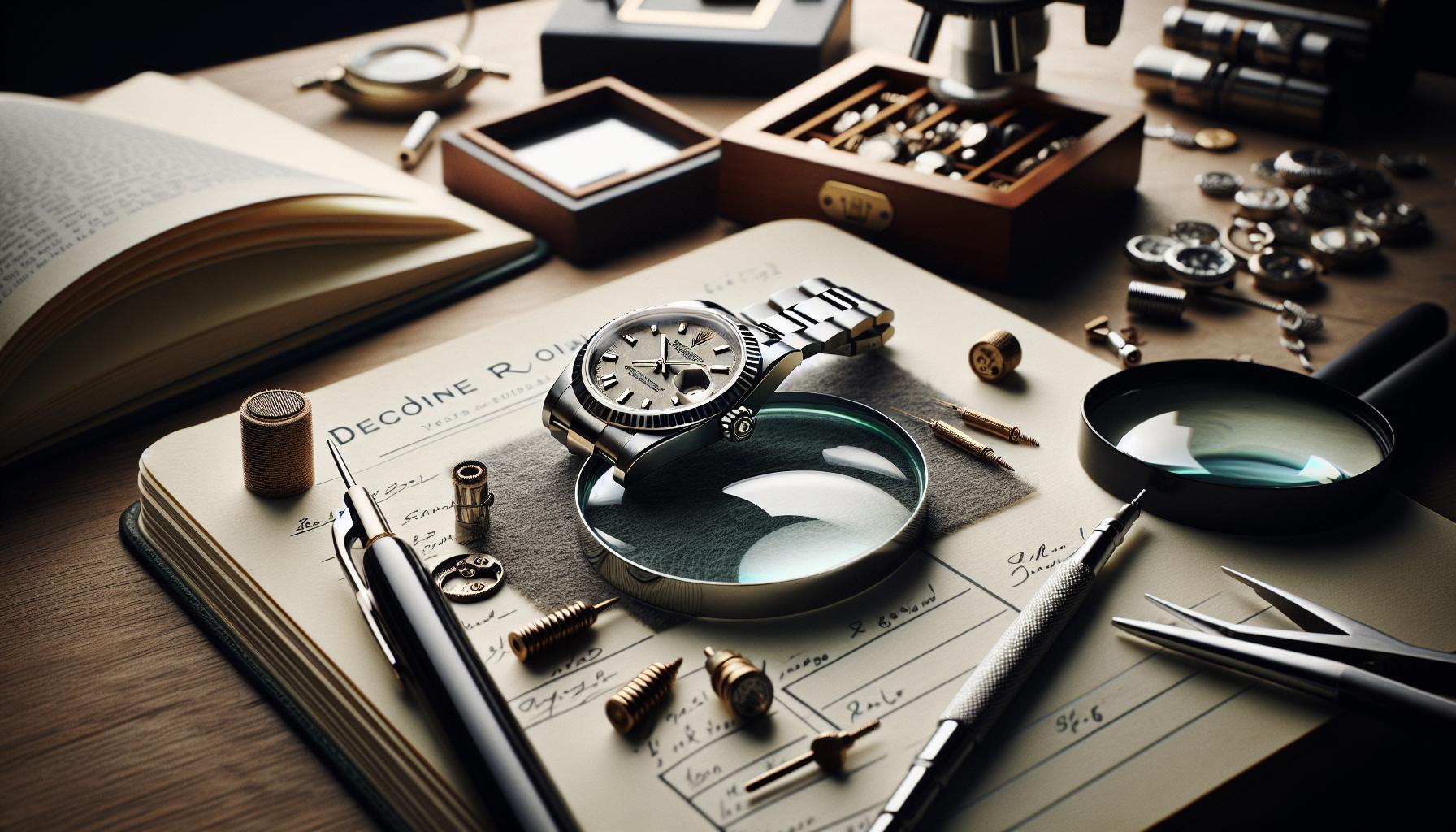
Few details authenticate a Rolex quite like its serial and model numbers. These alphanumeric codes are Rolex’s fingerprint, etched with exacting precision that’s tough for counterfeiters to replicate convincingly.For collectors and buyers, knowing where to find these numbers and what they reveal is a vital step in verifying the genuine article versus a clever fake.
Rolex serial numbers typically appear engraved on the case between the lugs at the 6 o’clock position, with the model (or reference) number at the opposite side, near 12 o’clock. Since approximately 2005, Rolex moved the serial number engraving onto the inner bezel (the “rehaut”) for better protection. These numbers aren’t just random codes – they encode production year, model style, and sometimes even dial variations. For example,a serial number starting with “Z” corresponds to watches made around 2006,while newer alphanumeric serials from 2010 onward follow a randomized format to frustrate counterfeit tracing.
Decoding What Serial and Model Numbers Tell You
- Serial Number: Indicates production year and batch; useful when cross-referenced with Rolex production timelines.
- Model (Reference) Number: Reveals the Datejust variant, case size, bezel type (fluted or smooth), material (Oystersteel, Rolesor, or full gold), and movement generation.
Seeing a well-engraved, crisp set of numbers is reassuring, but the positioning and font style are equally critical. Rolex engravings are famously sharp-deep enough to be easily read under magnification but never “etched” too thinly or crudely. The spacing between digits is consistent, with no uneven character widths or blotchy edges. Authentic Datejust references will link to known production specs-say a 116200 representing a 36mm Datejust in Oystersteel with smooth bezel. Numbers that look poorly engraved, shallow, or oddly spaced are a common red flag.
| Feature | Authentic Rolex | Common Replica Traits |
|---|---|---|
| Serial Number Location | Between lugs at 6 o’clock (older) or engraved on inner bezel/rehaut (newer) | Incorrect placement; too deep or too faint engraving |
| Font & Spacing | consistent, sharp, evenly spaced numerals | Uneven, fuzzy, or cramped characters |
| Model Number Validity | Matches known Datejust variants and production years | Reference numbers that don’t align with Rolex catalogs |
Real-World Tips for Inspecting These Codes
Handle the watch gently and peel back the bracelet or strap to locate these engravings. Use a loupe or magnifying glass,as Rolex numbers are tiny but exceptionally clear. Online Rolex serial number lookup charts (many curated by collectors) can help you cross-verify authenticity and estimate production year. Beware,though-some counterfeiters try to copy genuine serial numbers from actual watches and replicate them wholesale,so don’t rely solely on the presence of numbers.
When you inspect the reference number,note that Rolex occasionally issues incremental model updates without changing the number but tweaks the dial,bezel,or bracelet style. Collectors value this context, so cross-referencing with trusted Rolex catalogs or forums (like NAWCC) enriches your understanding beyond just spotting fakes.Ultimately,these numbers serve as a roadmap,connecting the physical watch to its documented identity-proving not just it exists as a Rolex Datejust,but that it matches Rolex’s historical and technical lineage. Considering Rolex’s reputation as a master of mechanical artistry and manufacturing precision,these codes reinforce why even subtle deviations warrant a closer look.
In the complex dance of legit checking, serial and model numbers are your essential guides-providing clarity amidst the many convincing replicas that flood today’s market. With practice, patience, and good references, this decoding becomes both an enjoyable puzzle and a powerful defense against counterfeit disappointment.
Weight, Feel & sound: Tactile Signals of Authenticity
Rolex watches, especially the Datejust, are renowned not only for their impeccable design but also for the unmistakable tactile experience they deliver. Holding a genuine Datejust reveals a weight and solidity that immediatly sets it apart from most replicas. This heft comes from the use of high-quality materials-like Oystersteel (a proprietary 904L stainless steel), solid gold, or two-tone Rolesor combinations-that counterfeit versions rarely replicate accurately. The density of these materials gives the watch a satisfying presence on the wrist without feeling cumbersome, striking a near-perfect balance between sturdiness and comfort.
Beyond just weight, the overall feel-the smoothness of the bracelet links, the crispness of the crown’s unscrewing action, and the precise tension in the clasp-serves as a fertile ground for authentication.A true rolex Datejust bracelet exhibits a refined, slightly tight articulation, ensuring it drapes naturally but doesn’t rattle or feel loose. This is especially clear when comparing the Oyster or Jubilee bracelets; Rolex uses robust solid links, not hollow parts, which contributes to this premium hand-feel. replica bracelets often sound hollow or jangly, so a gentle shake near your ear can reveal these differences, turning your own wrist into a “quality sensor.”
Sound Cues that Speak Quality
One frequently enough-overlooked authenticity cue lies in the audible experience. When you wind a genuine Datejust manually, the rotor inside the Caliber automatic movement emits a nuanced, near-silent mechanical hum-a smooth sound indicative of precise engineering.Counterfeits frequently produce louder, rattling noises because their movements lack the immaculate finishing and balanced rotor weight distribution that Rolex masters in-house. Even the click of the date mechanism changing at midnight tends to be crisp and near-instant on an authentic piece, unlike the sluggish or muffled action found on fakes.
Practical Tips for Testing Weight,Feel,and Sound
- Compare Side by Side: If possible,hold a verified authentic Datejust alongside the suspect watch to feel the difference in weight and bracelet smoothness. The difference is typically notable to even moderately experienced collectors.
- Check Bracelet Play: Gently flex the bracelet and listen for rattling or feel for looseness. Authentic Rolex bracelets offer controlled flexibility without excess play.
- Wind and Listen: Carefully wind the crown clockwise and pay attention to the sound and resistance.A well-finished movement runs smoothly without rough or uneven drag.
- Wear Test: The way the watch settles on your wrist can also be telling.A real Datejust “sinks in” comfortably due to its thoughtful weight distribution, whereas many fakes feel light and shift awkwardly.
Remember, while weight and sound are strong indicators, they’re part of a holistic approach. Combining tactile signals with visual details-like dial crispness, engraving quality, and movement inspection-creates a robust authentication protocol. what makes this particularly fun is that it trains your senses toward appreciating watchmaking as an art. Discovering how a $150 Tissot can have its own unique charm, or how a datejust’s weight and sound communicate generations of craftsmanship, enriches your experience far beyond just spotting a fake.Trust your hands and ears as much as your eyes-they open a window into the mechanical soul of the Rolex datejust that no photo or specification sheet can fully capture.
Common fake Rolex Datejust Red Flags to Avoid
Authenticating a rolex Datejust can feel like decoding a carefully crafted masterpiece, but stumbling upon telltale signs of counterfeit production is surprisingly common once you know what to look for. Many fake Datejust watches try to mimic Rolex’s iconic style but fall short when it comes to the little things-the tiny details that Rolex obsessively perfects. These red flags often reveal themselves in ways that even a casual glance can detect if you know where to focus.
One of the most glaring giveaways is poor dial quality. Genuine Rolex dials are flawlessly printed with razor-sharp text and evenly applied lume. On fakes, the printing often appears fuzzy or misaligned, especially on fine details like the ”Superlative Chronometer Officially Certified” script or the Rolex crown logo. The lume (glow-in-the-dark material) may also look patchy or uneven under UV light. Similarly, counterfeit Datejust hands frequently have rough edges or incorrect shapes-the minute hand might be slightly shorter or thicker, and the sweeping seconds hand can lack the smooth glide of the genuine Rolex caliber automatic movement.
Case and Bezel Discrepancies
Cheap replicas frequently enough get the case and bezel thickness wrong.The Datejust has a distinctive profile created by Rolex’s precision machining-the edges are crisp, the bevels smooth, and the fluted bezel catches light just right with defined facets. Fakes tend to have softer edges or uneven fluting.Additionally, the cyclops lens magnifying the date window on authentic Datejusts reliably enlarges the date by 2.5x with crystal clarity. If the magnification looks weak or distorted, or the date alignment drifts out of the window’s center, that’s a strong authenticity warning.
Bracelet and Clasp Concerns
Rolex bracelets boast solid links that offer a satisfying weight and almost seamless articulation.Fakes might use hollow or thinner links, causing the bracelet to feel lightweight and rattly. The clasp should snap firmly with a clean, satisfying click-not loose or flimsy. Engravings on the clasp and inside links are precise and deeply etched, as opposed to shallow or blurred marks on counterfeits. Also, counterfeit bracelets frequently enough skip the micro-adjustments Rolex offers on its Oyster and Jubilee bracelets, making sizing either awkwardly tight or loose.
Movement and Function Faux Pas
While you probably won’t open the watch yourself, subtle signs point to an inferior movement inside.Rolex Datejusts use top-tier,in-house automatic calibers that deliver a smooth sweeping seconds hand motion,not a ticking one.If you notice the seconds hand stuttering or jumping, it’s a red flag. Some fakes also suffer from misaligned date change, where the date ”jumps” gradually over hours instead of switching instantly around midnight. As documented by watchmakers, shipment shocks can cause issues even in genuine Rolex models, but these tend to resolve quickly and don’t persist as inherent flaws [[2]](https://mb.nawcc.org/threads/second-hand-not-moving-in-rolex-datejust-after-shipment.131087/).
Engraving and Serial Number Irregularities
Rolex serial and model numbers are engraved deeply and cleanly between the lugs or on the rehaut (inner bezel). Counterfeits frequently enough have shallow or inconsistent engravings, sometimes even with misspelled text or incorrect fonts.Certain vintage Rolex models had specific practices-like jewelers scratching out old numbers to add new ones on the case back-but these marks look very different from lazy fake engravings and usually have historical context [[1]](https://mb.nawcc.org/threads/1530-60-70-cal-rolex-movements.774/).
- Misaligned or Blurry Text: On dial, date, or case-back.
- Magnification Errors: Date window magnification less than 2.5x.
- Incorrect Case Thickness: Too thin or poorly finished edges.
- Noisy or Loose Bracelet Links: Hollow-feeling or rattling chains.
- Jagged or Light Engravings: Poor font precision on serial numbers and clasp.
- Clunky or Ticking Seconds Hand: Failing to sweep smoothly.
these flaws are not just academic-they affect the wear experience and resale value. By training your eye and ear to spot these details, you transform from a casual admirer into a savvy collector who appreciates Rolex’s painstaking craftsmanship. Remember, every Datejust is a tiny symphony of mechanical art, and fakes are unfortunately off-key. Keep your enthusiasm broad-respecting engineering brilliance even in affordable brands-but let your discernment guard your collection from disappointments.
Using Technology: Apps and Tools for Rolex Verification
More than ever, technology has become a vital ally in confirming the authenticity of a Rolex Datejust. While nothing replaces a trained eye and hands-on inspection, several apps and digital tools now offer accessible first-pass verification, especially helpful for newcomers or those buying pre-owned watches online.These tools can cut through some ambiguity by quickly cross-referencing serial numbers, model data, and known counterfeit indicators.
One of the best starting points is using dedicated Rolex serial number checkers or databases found online and within apps. By entering a Datejust’s serial and model numbers-which are typically engraved between the lugs or on the rehaut-you can verify whether they match known Rolex production periods and records. These services can alert you if a serial number has been flagged in counterfeit reports or simply doesn’t exist in Rolex’s manufacturing timeline. Remember, Rolex’s serial syntax changes over decades, so models after 2010 often require different decoding logic than vintage pieces. Apps like Chrono24’s authenticity checker or tools provided by trusted watch forums can be user-amiable gateways for this.
Beyond numbers, smartphone apps equipped with advanced magnification and image analysis can help inspect subtle dial details, engravings, and the signature cyclops date magnifier. Such as, several camera apps let you photograph the dial and zoom in on micro-etched crown logos or font edges, highlighting flaws invisible to the naked eye. Some even offer comparison overlays against verified authentic Datejust images, which can immediately flag irregularities in print quality or bezel finishes. Although not foolproof, these tech assists democratize access to nuanced visual verification that once demanded expert loupe skills.
digital Tools That Complement Expert Insight
- Serial Number Lookup: Confirm manufacture date and model authenticity.
- image Comparison Apps: Analyze dial typography, lume application, and engraving sharpness.
- Watch Condition Trackers: Document and timestamp wear, helpful for resale or servicing history.
While these tools provide invaluable layers of confidence, particularly when buying remotely, they work best in tandem with conventional checks-such as testing heft, listening for the renowned Rolex smooth sweep, or engaging a certified watchmaker. The rise of blockchain and NFC microtags is promising for future Rolex authentication but hasn’t yet become widespread for Datejusts. For now, technology is a powerful supplement, enhancing your ability to spot subtly flawed replicas while celebrating the genuine craftsmanship packed into every Rolex movement and detail.
Professional Authentication: When and How to Consult Experts
There’s a moment in every serious Rolex Datejust search when, despite your best DIY checks or tech-assisted sleuthing, a watch’s authenticity still feels uncertain. That’s exactly when calling in a professional becomes not just wise, but essential. Expert authentication isn’t just about confirming the badge on the watch; it’s about diving deep into the movement, craftsmanship, and provenance that separate genuine Rolex magic from clever replicas. After all, some counterfeiters have gotten alarmingly skilled, making even trained eyes hesitate.
When considering expert evaluation, seek out certified watchmakers or Rolex-authorized service centers with a stellar reputation for handling vintage and modern Datejusts alike. These pros have specialized tools-like precise timing equipment, movement microscopes, and experience with Rolex’s subtle hallmark idiosyncrasies-that go beyond magnification and serial number checks. A true expert can dissect the caliber inside (Rolex’s calibers like the 3135 or improved newer versions), identify refinished parts, or spot replaced components that apps might miss. Sometimes, a dial that looks pristine under a 10x loupe might reveal subtle inconsistencies when examined by an experienced watchmaker versed in Rolex dial printing techniques.
How to Approach Professional Authentication
- Choose Reputable Experts: Look for watchmakers accredited by recognized horological institutions,or those with clear Rolex partnership credentials.
- Be Obvious About History: Share any known provenance, prior repairs, or modifications, as this context helps experts detect authenticity nuances.
- Request a Detailed Report: A thorough authentication includes documentation of movement serial numbers, component condition, and overall verdict-valuable for resale or insurance.
Another important note: professional authentication doesn’t always come cheap, with costs varying widely based on the service depth and watch condition. But think of it this way: the peace of mind gained-and protection against costly fakes-frequently enough justifies the expense, especially on a sought-after model like the Datejust, where rarity and condition directly influence market value.
Occasionally, collectors find that professional opinions differ, especially on highly restored or vintage pieces where original parts might be scarce. In these cases, getting a second expert opinion can provide useful perspective.Remember, authentication is part science, part art, and yes, sometimes open to interpretation. What remains constant is that leaning on skilled eyes and hands transforms what might be a leap of faith into an informed, confident acquisition. Whether you’re buying your first Datejust or adding a rare reference to a seasoned collection, expert authentication can be the key that unlocks your journey into Rolex ownership with certainty and joy.
Valuation Insights: How Authenticity Affects Datejust Resale
One undeniable truth in the luxury watch world is that authenticity holds the key to unlocking a Rolex Datejust’s true market value. A genuine Datejust-complete with Rolex’s in-house automatic movement, meticulous finishing, and hallmark materials-can retain and often appreciate in value over time. On the flip side, even a near-perfect replica or a poorly authenticated watch can lose significant resale appeal, affecting both price and buyer confidence. The craftsmanship behind Rolex’s calibers, like the legendary Caliber 3135 or its updated variants, combined with original parts and verified provenance, resonates strongly with collectors and enthusiasts alike.
Why authenticity dramatically influences resale price:
A fully authentic Datejust can command prices ranging from a few thousand dollars for entry-level vintage models to tens of thousands for rare references in excellent condition. Buyers pay not only for the watch itself but for Rolex’s guarantee of quality and precision. Watches accompanied by original certification, boxes, and service records further cement the watch’s status as a collectible. Conversely,watches with dubious origins-even if visually convincing-will prompt cautious offers or outright rejection from serious buyers and dealers.
Practical tips to Maximize Resale Value Through Authenticity
- Prioritize Complete Documentation: Having the original warranty card, service receipts, and box significantly boosts buyer trust and value.
- Understand Component Originality: A Datejust with replaced dials, hands, or aftermarket parts may authenticate but will often fall short of top resale brackets.
- Regular professional Servicing: Maintaining the movement with Rolex-authorized service centers not only preserves condition but validates upkeep history during resale.
For example, a vintage Datejust from the 1960s that retains its original “pie-pan” dial, intact Jubilee bracelet, and unmolested case can command a robust premium compared to a similar reference with redial or mismatched parts. That original character-genuine patina, factory stamping, and structural integrity-speaks volumes to collectors. Moreover, factors like serial and model numbers, precisely matching Rolex’s manufacturing records, can turn ambiguous lots into solid investments.
| Condition / Authenticity Factor | Effect on Resale Value |
|---|---|
| Fully Original & Certified (Box, Papers) | +20-30% above market avg. |
| Well-Maintained, Authorized Service History | +10-15% premium |
| Aftermarket parts / Redial | -15-30% discount |
| Unverified Authenticity / Replica suspected | Significant depreciation, frequently enough unsellable |
One cautionary tale is the frequent presence of fakes or altered Rolex Datejust watches circulating online marketplaces. Sellers may offer a “Rolex” with convincing external hallmarks, but without movement verification, buyers risk steep losses. As an example, a common complaint among buyers involves watches where the seconds hand isn’t moving post-shipment-sometimes indicating movement misalignment or worse, a swapped caliber [[1]](https://mb.nawcc.org/threads/second-hand-not-moving-in-rolex-datejust-after-shipment.131087). This kind of hidden defect not only diminishes value but can lead to costly repairs or total write-offs.
Ultimately,a Datejust’s resale becomes a reflection of the faith its next owner places in Rolex’s heritage and mechanical art. For newcomers and seasoned collectors alike, investing the time and resources to validate authenticity means protecting that legacy and enjoying peace of mind in the resale arena. This respect for craftsmanship and provenance is what upholds the Datejust’s revered place among horological icons.
Historical Variations: Recognizing Vintage datejust Authenticity
Vintage Rolex Datejust models are a treasure trove for enthusiasts,carrying decades of horological evolution and subtle design shifts that can unlock a watch’s true story-and value. Recognizing genuine vintage Datejust examples demands more than spotting a familiar silhouette; it requires an eye finely attuned to the details that evolved during the mid-20th century. Early models,frequently enough powered by Rolex’s in-house automatic calibers such as the 1565 or 1575,boast technical nuances like hacking seconds and quickset date functions appearing progressively through the 1960s and ’70s. These movements were the technological heartbeats that set apart each generation, and verifying them is key to authentication.
Understanding dial variations is crucial, as Rolex experimented with styles and materials over time. For instance, “pie-pan” dials from the 1950s feature a distinctive sloped edge that adds depth and is a hallmark of originality seldom replicated perfectly in fakes. Similarly, early gilt dials showcase gold-tone text that contrasts elegantly against a glossy black background, an effect highly prized by collectors today. Minor differences in font size and spacing, the presence or absence of Swiss or T Swiss T markings at 6 o’clock, and the use of tritium vs. radium luminescence offer telltale clues about production era and authenticity. The natural aging process, or “patina,” visible on the dial and hands, is both expected and prized. Authentic patina develops unevenly, often with subtle discoloration or spotting that fakes attempt to mimic but rarely match convincingly.
Key Vintage Authentication Tips
- Original Casebacks and Reference Numbers: Rolex stamped reference and serial numbers inside the caseback and between lugs evolve with production years. Comparing these codes against well-documented rolex serial charts can confirm manufacturing timelines. beware of polished or redone lug areas where numbers may be faint or altered.
- Bracelet Dating and Style: Vintage Datejusts often feature iconic Jubilee or Oyster bracelets with specific end-link styles and stamped clasp codes corresponding to manufacture years. matching bracelet dating with the watch head reinforces authenticity, while unoriginal bracelets detract from overall value.
- movement Inspection: Opening the case to verify the caliber is where genuine vintage pieces truly shine. rolex calibers like the cal. 1570 combine ruggedness with fine finishing. Movement numbers and engravings should correlate with the case serial and reference numbers.
- Recognize Vintage Wear, Not Damage: Genuine vintage Datejust watches will show signs of wear consistent with age but should not have replaced or heavily refinished dials or hands. over-polished cases, mismatched parts, or aftermarket components often signal a compromised provenance.
| vintage Feature | Authentication Clue | Collector Relevance |
|---|---|---|
| “Pie-Pan” Dial | Indented dial edges with authentic patina | Highly collectible,commands premium |
| Reference/serial Numbers | Match known Rolex production timelines | Confirms authenticity and production year |
| Caliber 1565/1570 movement | Rolex caliber inscribed with correct codes | Ensures in-house mechanical originality |
| Original Bracelet Codes | Correct stamped reference matching era | Increases valuation and desirability |
Vintage Datejust recognition blends technical investigation with appreciation for imperfections inherited over decades. This balance is why these models offer not only a doorway into Rolex’s history but also a deeply personal connection to watchmaking mastery. Investing time to compare minute production details and seeking expert servicing records can mean the difference between acquiring a true classic or an expensive replica. And as always, sharing knowledge and examining examples collectively with trusted watch communities brings both enjoyment and confidence on this rewarding horological journey.
Faq
Q: How can I verify the authenticity of a Rolex Datejust’s micro-etched crown on the crystal?
A: The micro-etched crown near the 6 o’clock position on the crystal is a subtle Rolex security feature. Check its clarity using a loupe under bright light; it should be sharp and precisely etched-not blurry or missing. This delicate detail offers a quick, non-invasive way to confirm authenticity beyond dial markings. For more, see the Case, Bezel & Crystal Check section.
Q: What are the differences in lug holes between genuine and counterfeit rolex datejust watches?
A: Authentic Datejust models have perfectly drilled, clean lug holes consistent in size and alignment. Fake watches often show uneven, oversized, or poorly finished lug holes. Inspect these closely with magnification, as precise lug hole execution reflects Rolex’s meticulous craftsmanship and helps spot counterfeit Datejusts accurately.
Q: Why is the smooth glide of the Datejust’s second hand important in legit checking?
A: A genuine Rolex Datejust’s second hand sweeps smoothly due to its precise automatic movement (typically Caliber 3235 or earlier). If the second hand ticks or jumps noticeably, this indicates a quartz or low-quality movement often found in fakes. Observing this smooth glide is a practical test for movement authenticity.
Q: How do hologram stickers help in authenticating older Rolex Datejust models?
A: Older Rolex Datejust watches featured hologram stickers with the Rolex crown and reference number on the case back. authentic stickers display a clear yet discrete 3D effect, whereas replicas often have low-resolution, flat stickers. While newer models don’t use holograms, checking this can validate vintage Datejust authenticity.
Q: When is UV light inspection useful in legit checking a Rolex Datejust?
A: UV light inspection reveals hidden marks or special ink Rolex sometimes uses on genuine datejust dials or serial numbers, which counterfeiters rarely replicate. When combined with magnification and physical checks, UV light aids in detecting authenticity nuances often missed by the naked eye.
Q: What role does the Rolex Datejust’s bezel engraving play in authentication?
A: The bezel on a Datejust, especially fluted or engraved versions, features precise, sharp, and uniform edges. Fake watches often show uneven or dull engravings, lacking Rolex’s exacting craftsmanship. Examining bezel details under magnification can reveal subtle inconsistencies and help verify genuineness.
Q: How can I distinguish an authentic Datejust’s luminous markers from counterfeit ones?
A: Authentic Rolex Datejust uses high-quality Chromalight or Super-luminova that glows evenly and brightly in low light. Counterfeit watches often have dimmer or uneven lume application, fading quickly or patchy. Test the watch in darkness to observe lumine scence, which serves as an effective authenticity check.
Q: Where should I find the Rolex Datejust crown logo engravings on the clasp, and how to verify them?
A: The Rolex crown logo on the clasp should be cleanly engraved, centered, and proportionate on authentic Datejust bracelets. Fakes often have shallow,off-center,or oversized logos. Check for smooth edges and consistent font styles to confirm authenticity.For detailed clasp verification, refer to the Bracelet & Clasp Authentication section.
For deeper insights, explore sections like Serial & Model Numbers or Professional Authentication in the full article, and consider using expert tools for confidence before purchase or resale. Your watch journey just got smarter!
The Way Forward
Authenticating your Rolex datejust is key to protecting both your investment and passion for fine horology. By focusing on hallmark details like the automatic caliber, in-house movement craftsmanship, and signature design cues, you ensure genuine quality and long-term value retention.ready to deepen your watch knowledge? Explore our detailed guides on Rolex Submariner authentication and understanding watch complications to enhance your collector confidence.
Don’t leave your purchase to chance-use trusted resources and expert consultation to verify authenticity with precision. Whether you’re navigating resale pricing or comparing vintage vs. modern Datejust models, our insights offer a balanced perspective that respects both haute horlogerie and accessible classics. Subscribe to our newsletter for exclusive tips and real-world watch reviews, and share your authentication experiences below-we love hearing from fellow enthusiasts!
Continue your horological journey by visiting our thorough Rolex buying guide. Your next perfect watch is just a click away.Trust the process, embrace the craftsmanship, and keep the passion ticking strong.


