
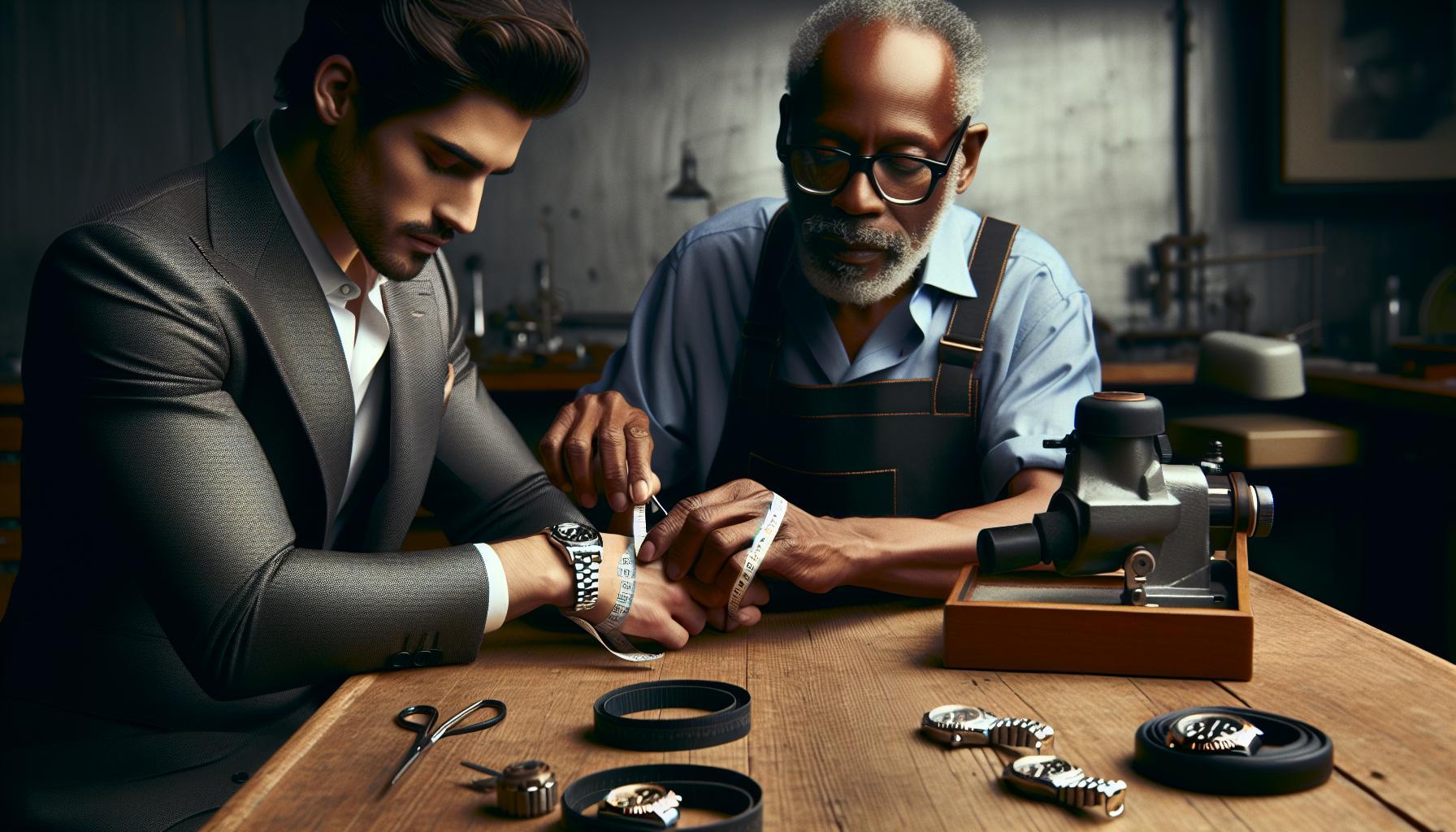
How to Measure Rolex Datejust: Sizing Your Wrist Correctly
Finding the perfect fit for your Rolex Datejust goes beyond aesthetics-it’s about comfort, wearability, and showcasing the watch’s iconic design at its best. Whether you’re a seasoned collector or just stepping into the world of mechanical watches, knowing how to measure your wrist correctly ensures your Datejust feels tailor-made. This isn’t just about tape measures or bracelet links; it’s about understanding proportions, sizing nuances, and how the watch’s classic 36mm or 41mm cases interact with your wrist shape. Getting it right means your automatic movement-be it the trustworthy in-house caliber 3235 or earlier variants-can truly shine both in function and style. Join me as we break down practical, approachable steps to size your Datejust accurately, blending horological precision with everyday comfort, so your timeless investment wears as beautifully as it ticks.
Contents
- Understanding Wrist Measurements for Perfect Rolex Fit
- Choosing the Ideal Rolex Datejust Case Size
- Step-by-Step Guide to Measuring Your Wrist at Home
- How Rolex Bracelet Types Affect Sizing and Comfort
- Adjusting the datejust Bracelet: Tools and Techniques
- The Impact of Watch Lug to Lug Distance on Wearability
- Sizing Considerations for Men’s vs. Women’s Datejust Models
- How to Account for Wrist Shape and Flexibility
- Common Sizing Mistakes and How to Avoid them
- Exploring Aftermarket vs. OEM Rolex Bracelet Options
- Maximizing Comfort Without Compromising Style
- When to Consult a Professional for Rolex Sizing
- Faq
- Q: How can I measure my wrist accurately for a Rolex Datejust without a professional tool?
- Q: Why does wrist shape affect Rolex Datejust sizing,and how should I adjust for it?
- Q: What is the best way to size a Rolex Datejust bracelet for all-day comfort?
- Q: How do different Rolex datejust bracelet types impact wrist sizing?
- Q: can lug-to-lug distance affect how my Rolex Datejust fits on my wrist?
- Q: How do I size a Rolex Datejust differently if I have a men’s versus a women’s model?
- Q: When should I seek professional help to size my Rolex Datejust?
- Q: How does wrist measurement affect Rolex datejust resale value?
- In Retrospect
Understanding Wrist Measurements for Perfect Rolex Fit
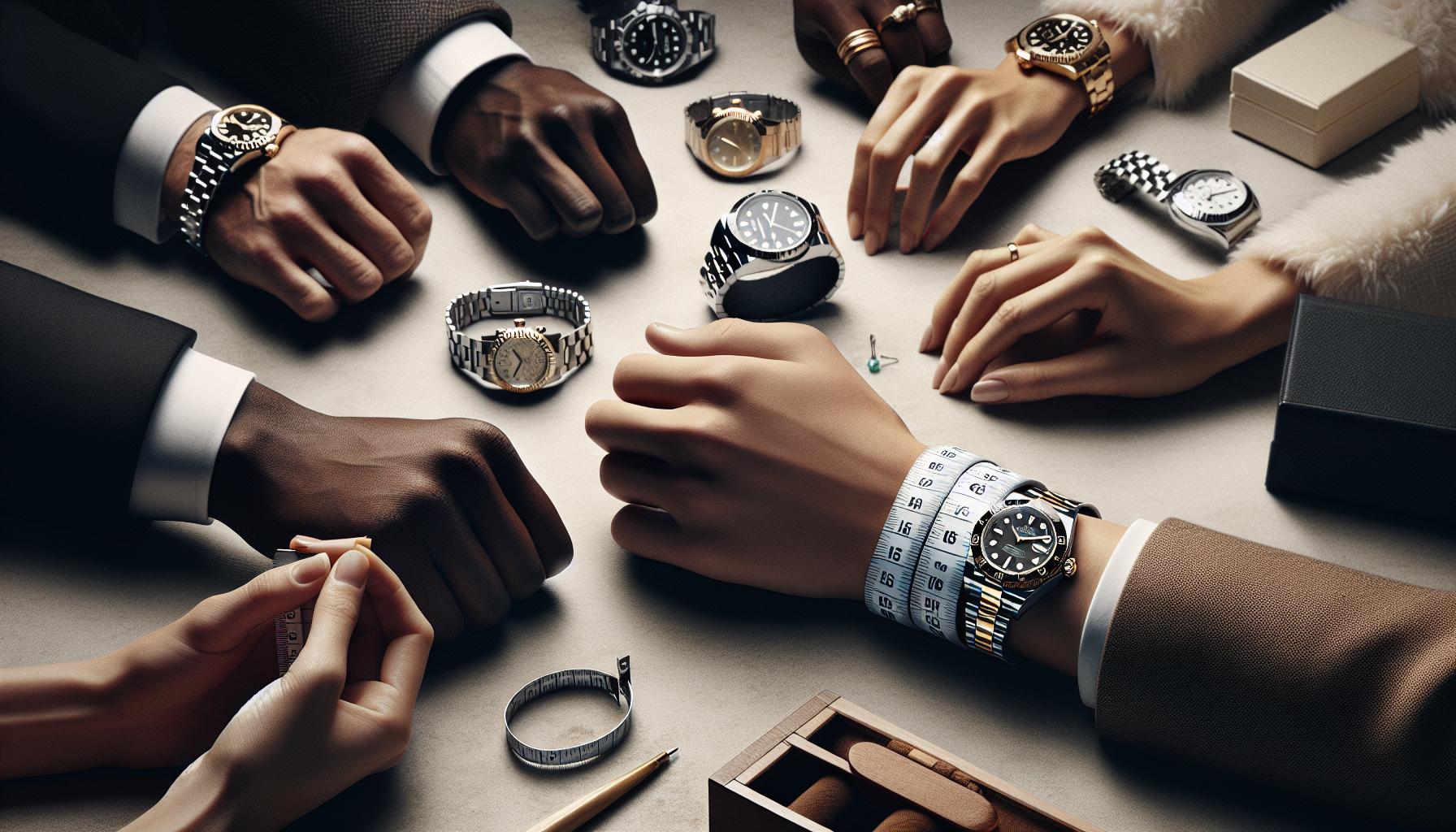
Wrist size is arguably the single most critically important measurement when aiming for the perfect Rolex Datejust fit. Beyond just knowing your wrist circumference, understanding how your wrist’s unique shape and flexibility interact with the watch’s dimensions deeply impacts comfort and wearability. A well-measured wrist ensures your Datejust isn’t too tight-restricting circulation-or too loose,leading to constant sliding and unnecessary wear on the bracelet.
The key is to measure with precision but also to consider how your wrist changes throughout the day. Wrists tend to swell slightly in warmer weather or after exercise, wich means it’s wise to measure at several points during the day, ideally when your body is at rest. Using a tailor’s measuring tape or a strip of paper marked with a pen, wrap it snugly around the wrist just below the wrist bone-the spot where your watch generally sits. Remember to keep the tape comfortably snug, not overly tight, as this spacing simulates how the bracelet will rest on your skin.
Why Wrist Shape and Measurement Matter More Than You Think
Two wrists with identical circumference can feel very different when wearing the same watch. For instance, a flatter wrist may allow a larger Datejust case to sit comfortably and appear balanced, while a rounder wrist might require a slightly smaller case size or bracelet adjustment to prevent excessive movement. this nuance is why many watch lovers, especially collectors, do not rely solely on standard sizing charts. Rather, they prefer taking both circumference and wrist profile into account, sometimes even testing the watch physically before committing.
- Measure multiple times: Prevent inaccuracies caused by tape slippage or human error.
- Note wrist flexibility: Flexible wrists might handle a tighter bracelet better than rigid ones.
- Consider tapering: Some Rolex bracelets taper,affecting how the watch drapes on your wrist.
By approaching wrist measurement as a dynamic interplay of size, shape, and comfort, you’re set to enjoy your Datejust not just as a timepiece but as an extension of your style and daily experience. This process helps demystify sizing and bridges the gap between technical advice and practical, everyday watch-wearing enjoyment.
Choosing the Ideal Rolex Datejust Case Size
Finding the perfect case size for your Rolex Datejust is a balancing act between style, comfort, and wrist proportion. The Datejust collection offers a range of sizes-from the classic 36mm favored by traditionalists to the more contemporary 31mm, 34mm, 41mm, and everything in between-each catering to different wrist dimensions and aesthetic preferences. unlike many sport watches where larger cases dominate, Datejust’s versatile design accommodates a variety of wrists while maintaining its iconic elegance.
It’s essential to understand that case diameter is just one piece of the puzzle. For example,a 36mm Datejust might wear differently on a slender wrist versus a broader,flat wrist,even if the raw circumference measurements seem similar. This is partly due to the watch’s lug-to-lug distance and bracelet taper, which affect how the watch sits and moves. If you have a smaller wrist, the 31mm or 34mm models can offer a perfect blend of proportion and presence without overwhelming your arm. conversely, those with larger wrists or a preference for a bold statement frequently enough find the 41mm model strikes the right balance between modern sizing trends and classic Rolex heritage.Consider your lifestyle beyond just your wrist size. If you’re active or prefer a tighter fit, smaller case diameters with a well-tapered Jubilee bracelet can provide comfort without sacrificing style. Enthusiasts who appreciate mechanical craftsmanship also find value in choosing a case that highlights the Rolex in-house calibers powering the Datejust, like the Caliber 3235, celebrated for its precision and robust design. The case size affects visibility of these details and the overall wrist presence, so select with both practical wearability and visual impact in mind.
Factors Beyond Diameter: Why Lug-to-Lug and Thickness Matter
While diameter tends to get the spotlight, lug-to-lug distance is crucial for a balanced fit.A watch that’s too long can hang off the edges of your wrist, causing discomfort and an awkward look, whereas a compact lug spread lets the Datejust hug your wrist closely, enhancing comfort and style. Thickness also plays a role-thicker cases feel more prominent and may impact how your sleeve interacts with the watch. When trying on various models, pay attention to the overall case footprint rather than diameter alone.
- Try different sizes physically: Pictures and specs help, but feel is king.
- Observe your wrist’s shape: Flat wrists favor slightly larger diameter but shorter lug-to-lug.
- Consider the bracelet design: Jubilee and Oyster bracelets each change how the case dimensions wear.
- Balance presence with practicality: Ensure the watch doesn’t snag clothes or become uncomfortable throughout the day.
choosing your Datejust’s case size is about embracing a timepiece that resonates with your wrist anatomy and daily rhythm. A thoughtfully chosen size not only showcases Rolex’s time-tested elegance but also celebrates your unique connection to a mechanical masterpiece. Whether you lean towards a vintage 36mm or a current 41mm, the right fit elevates every glance at your wrist into a moment of gratitude for horological artistry.
Step-by-Step Guide to Measuring Your Wrist at Home

Finding the perfect fit begins with knowing your wrist dimensions precisely-a surprisingly simple step that can save you considerable hassle when choosing your Rolex Datejust. Measuring your wrist at home doesn’t require special tools or a watchmaker’s expertise; just a bit of patience and the right technique. This practice will help ensure your Datejust sits comfortably,looks proportional,and wears well throughout daily activities without the unpleasant surprises of an ill-fitting bracelet or case.To start, gather a flexible measuring tape-ideally a tailor’s tape that’s soft and easily wraps around your wrist. If you don’t have one, a strip of paper or a thin piece of string will work just as well.Wrap it snugly, but not tightly, around the wrist where you plan to wear your watch, usually just below the wrist bone. Keep the tape flat, avoiding twists, and mark or note where the end meets. This measurement represents your wrist circumference, the basic number needed to pick the right Datejust size and bracelet length.
Why Taking Multiple Measurements Matters
Not all wrists are created equal. Some are round, some flatter or more oval-shaped, and this subtle difference can dramatically influence how your watch wears. Such as, a 7-inch wrist with a flat profile might allow a larger, 41mm Datejust to sit comfortably, while a round wrist of the same circumference coudl feel cramped or oversized. To factor in wrist shape,measure both the circumference and how wide your wrist is from side to side at the spot where the watch will lie. You can do this by gently pressing the tape measure or string across the wrist’s broadest part and recording the width.
Step-by-Step Wrist Measuring guide
- Prepare your measuring tool: Use a flexible tape for the best accuracy.
- wrap around your wrist: Position it just below the wrist bone, about where your watch would normally sit.
- Note the circumference: Mark the spot where the tape meets; this is your wrist size in inches or centimeters.
- Measure wrist width: Lay your wrist flat and measure side-to-side at the watch position.
- Double-check: Repeat onc or twice to ensure consistent readings.
If you’re using string or paper, mark the meeting point with a pen, then lay the string flat and use a ruler for precise length.
Translating Measurements to rolex Fit
With your wrist size in hand, you can compare it to Rolex Datejust case options and bracelet styles. Typically, wrists under 6.5 inches lean toward 31mm or 34mm Datejust models, those between 6.5 and 7.5 inches suit 36mm nicely, while wrists above 7.5 inches often complement the bold presence of 41mm Datejusts. Remember, the lug-to-lug distance-how far the watch stretches from one end of the case lugs to the other-and the bracelet’s taper can affect perceived size and comfort, so use wrist measurements as a guide rather than absolute rules.
Don’t forget that a properly fitted Rolex isn’t meant to be tight, like a bracelet, but rather comfortably secure. The watch should have slight movement on the wrist without excessive sliding. this balance keeps the bracelet protective from wear and tear while making sure the watch feels like a natural extension of you.
By mastering these simple measurements at home, you save time, avoid sizing errors, and step confidently towards selecting a Datejust that’s not just a timekeeper, but a personal statement crafted for your wrist’s unique profile.
How Rolex Bracelet Types Affect Sizing and Comfort
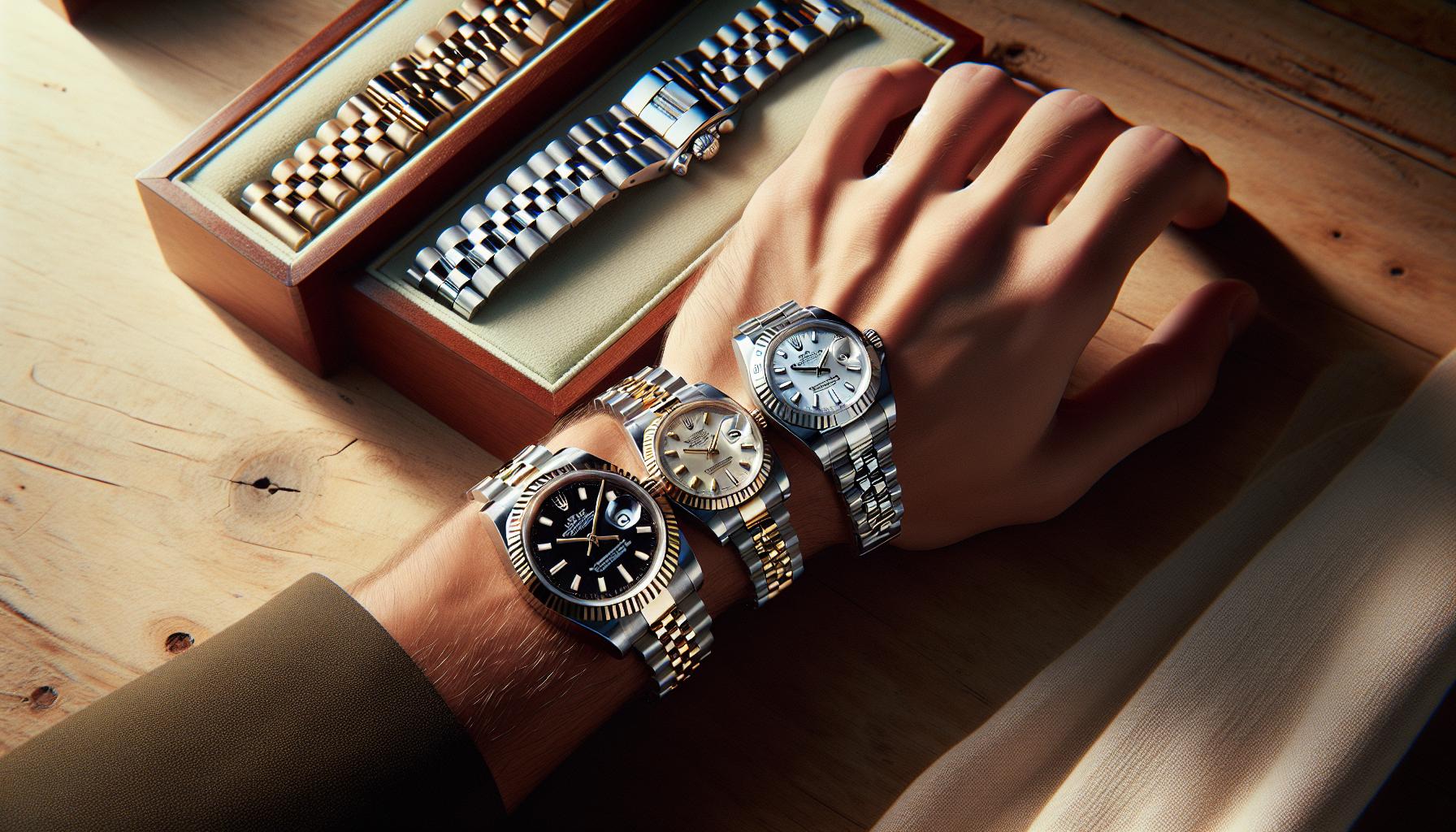
Few things influence how a Rolex Datejust wears on the wrist more than the bracelet style. Beyond aesthetics, the bracelet type directly impacts sizing options, comfort, and even how the watch moves throughout the day. Rolex has three primary bracelet designs for Datejusts-the Oyster, Jubilee, and President-each with unique characteristics that collectors and newcomers alike should understand to optimize fit and feel.
The Oyster bracelet, with its solid links and sporty, robust look, is often favored for its durability and straightforward elegance. Its flat three-link design tends to feel chunkier but also incredibly secure,which some wearers appreciate on larger wrist sizes because it holds close without excessive flexing. However, the Oyster can feel a bit stiff at first, especially on smaller wrists. When sizing, it’s crucial to allow for a fraction more room so the less-flexible links don’t pinch or chafe during wrist movement.
In contrast, the Jubilee bracelet sports a five-link construction, which is more flexible and generally lighter on the wrist. This design naturally contours better to various wrist shapes, including flatter or more oval profiles, enhancing comfort while maintaining that instantly recognizable vintage charm. Jubilee bracelets can offer a slightly closer fit due to their supple feel, making them excellent for those who prefer a snug yet gentle embrace. Just keep in mind that the smaller links mean more potential adjustment points-great for fine-tuned sizing but sometimes slightly more fiddly if you’re doing it yourself.
Then there’s the illustrious President bracelet, mostly reserved for higher-tier Datejust models and Day-Date watches. featuring three semi-circular links, it strikes a balance between the Oyster’s robustness and Jubilee’s fluidity. Because it’s crafted with precious metals often, the President bracelet not only adds weight but also a premium tactile experience. Sizing here demands extra attention; because metal expansion and skin movement vary, an overly tight President bracelet can feel restrictive, while a loose one may detract from its dignified presence. You’ll want the bracelet to flow naturally with your wrist’s movement-balancing elegance and practicality.
Key Practical Tips for Finding the Right Bracelet Fit
- Consider bracelet flexibility: More flexible bracelets like the Jubilee adapt better to slight size fluctuations caused by temperature or activity, enhancing comfort.
- Account for link size: Larger link constructions,as on the Oyster,mean fewer removal options and coarser increments in sizing adjustments.
- Test the load distribution: A heavier bracelet on a small wrist can cause the watch head to slide around. Try shifting the bracelet through typical wrist motions to check stability.
- Try on all bracelet types if possible: Even with correct wrist measurements, personal comfort can vary widely based on bracelet design and wrist shape.
Ultimately, understanding how each bracelet type behaves-and complements different wrist profiles-is just as critically important as measuring wrist circumference. A well-chosen bracelet elevates the Datejust from just a timepiece to a daily companion that feels organic, never intrusive. As a passionate watch enthusiast, I encourage you not just to chase size or prestige but comfort fused with craftsmanship-the kind that keeps you reaching for your Rolex every morning.
| Bracelet Type | Links | Flexibility | Best For Wrist Shapes | adjustment Ease |
|---|---|---|---|---|
| Oyster | 3 flat, solid links | moderate | Medium to large, round wrists | Coarser increments, fewer adjustment points |
| Jubilee | 5 smaller, interlinked segments | High | Smaller, oval/flatter wrists | Fine increments, more pinholes |
| President | 3 semi-circular links | moderate-High | Varied wrist sizes; frequently enough larger for premium watches | Moderate, requires care due to precious metals |
Adjusting the datejust Bracelet: Tools and Techniques
It’s incredible how a simple adjustment to a Rolex datejust bracelet can transform the entire wearing experience-from “too tight” to “just right.” Whether you are fine-tuning for comfort or accommodating seasonal wrist size variations, knowing the right tools and techniques empowers you to keep your watch feeling like an extension of yourself. And yes, you don’t need a full watchmaker’s bench to make precise adjustments-just a few carefully chosen tools and a steady hand.
Most rolex Datejust bracelets use screw-down links, especially the Oyster and President styles, making sizing reasonably straightforward if you have the right screwdriver.Avoid the temptation to use generic tools, as rolex screws are finely finished and can easily be damaged by ill-fitting drivers. A high-quality 1.6mm flat-head screwdriver designed for horology tasks is the go-to tool here. The Jubilee bracelet can be trickier; due to its smaller, more flexible links, it frequently enough uses pin-and-collar construction (though some modern models use screws), which requires a pin pusher or spring bar tool to remove links safely without bending or scratching.
Essential Tools for Rolex bracelet Adjustments
- 1.6mm Screwdriver: For loosening and tightening screws on Oyster and President links. Choose one with a comfortable grip and precise tip to avoid ”cam-out.”
- Spring Bar Tool: Handy for removing the bracelet from the case if you want a thorough sizing job.
- Pin Pushers or Bracelet Pin Remover: Ideal for Jubilee links with pin-and-collar assembly; provides controlled force to push out pins without damage.
- Soft Surface or Non-Marring mat: Protects the bracelet and case during work, preserving the mirror-finish and polished bevels.
- Magnifying Loupe (Optional): Helps inspect screw heads and pin collars closely, ensuring no threading or alignment issues.
Before you start,identify whether your bracelet uses screws or pins-the screw-type links offer easier,reversible removal,while pin types require more care and sometimes collar realignment during reassembly. When removing links, always work incrementally from each side of the clasp rather than just one side to keep the watch centered on your wrist.This will maintain your watch’s visual balance and wearability.
Techniques to Nail a Comfortable Fit
- Loosen screws gently: Resist applying heavy force that can strip the screw head.A bit of “tick-tick” loosening is better than a full turn at once.
- Use steady, even pressure with pin pushers: Tap pins out slowly with a small hammer or push firmly by hand, making sure to support the bracelet underneath.
- Keep screws and pins organized: Losing one isn’t just frustrating-it risks damaging your bracelet integrity.
- test fit often: Insert the watch on your wrist between removals. Remember, a tiny adjustment can make a big difference in comfort.
If your wrist swells in the heat or after exercise, consider leaving the watch finger-tight enough to slide slightly but not loose enough to spin on your wrist. A snug but mobile fit protects your delicate Rolex movement from shock, as fixed contact lessens internal stress on the automatic winding rotor and escapement.Adjusting your Rolex Datejust bracelet isn’t complex once you understand its mechanics and have the right toolkit. Whether you’re a first-time owner or a seasoned collector, taking control over your watch’s fit deepens appreciation for the craftsmanship and transforms the Rolex from a luxury item into a daily joy. And remember: patience and precision always win over brute force-your watch will thank you for it.
| Bracelet Type | Adjustment Method | Tools needed | Tips |
|---|---|---|---|
| Oyster | Remove/Add screw-down links | 1.6mm screwdriver | Loosen screws gently; balance link removal both sides |
| Jubilee | Remove pins with collar or threaded pins | Pin pusher, spring bar tool, small hammer | Work slowly; watch for collar realignment |
| President | Screw-down links similar to Oyster | 1.6mm screwdriver | Extra care due to precious metals; avoid overtightening |
The Impact of Watch Lug to Lug Distance on Wearability
A watch’s lug-to-lug distance frequently enough flies under the radar but plays a critical role in how a Rolex Datejust actually sits on your wrist. Unlike just focusing on diameter-which gets a lot of attention-this measurement determines the horizontal length the watch covers from one end of the lugs to the other.It’s especially important when you consider the varied anatomy of human wrists, which come in countless shapes and profiles.
Think of lug-to-lug as the “footprint” of your watch on your arm. Even if a Datejust has a modest 36mm or 41mm case size, a longer lug-to-lug can make it feel much larger, sometimes awkwardly so, on smaller or flatter wrists. Conversely, if it’s too short, a watch may not have the presence some collectors desire. For reference, classic Datejusts generally range between approximately 44mm to 48mm lug-to-lug, depending on model and case size. when you try one on, notice:
- Does it hug your wrist contours? Watches with lug-to-lug similar to or shorter than your wrist width tend to sit with natural comfort and less side overhang.
- is there lug overhang? If the lugs extend past the sides of your wrist, you might feel the watch shifts or pins and irritates after long wear.
- How does the bracelet integrate? Sometimes, a Datejust with a longer lug-to-lug benefits from the flexible Jubilee bracelet, which follows wrist curvature better than the stiffer Oyster.
Balancing Lug-to-Lug with Wrist Size and Shape
Wrist width and shape aren’t always the same. Such as, a 7-inch (17.8 cm) wrist with a round, full profile can support a longer lug-to-lug watch comfortably, whereas a flatter wrist of the same circumference might not. This is as a flatter surface means the watch will bridge more across your wrist rather than wrap snugly. in practice:
- Flatter wrists: Aim for watches with lug-to-lug within or just under your wrist width. for many flat-wristed Datejust fans, the classic 36mm with ~44mm lug-to-lug fits well without overhang.
- Curvier or rounded wrists: You might wear longer lug-to-lug watches without discomfort. The articulated Jubilee or President bracelets complement these shapes by flexing naturally.
if you’re on the fence about a Datejust model’s lug-to-lug dimensions, try using a ruler or tape to measure your wrist’s width (side-to-side) rather than just circumference and compare that to published specs. A watch with a lug-to-lug that exceeds your wrist width by more than a few millimeters can be a red flag for poor wearability.
Wearability tips for Lug-to-Lug Awareness
– Choose bracelets that contour well; jubilee bracelets frequently enough mitigate lug-to-lug stretch better than Oyster due to their flexible construction.
– Avoid over-tightening the bracelet. even if a long lug-to-lug leads to slight overhang, a well-balanced fit can minimize sliding and irritation.
– Consider aftermarket curved-end bracelets or leather straps that reduce perceived lug-to-lug harshness without modifying the case.
In the grand scheme,lug-to-lug distance complements case diameter and thickness in providing the full ergonomic and visual experience of a Datejust. Don’t underestimate it when sizing your Rolex, especially if you value all-day comfort paired with classic style. The right lug-to-lug match elevates the Datejust from just another elegant watch on your wrist to a perfectly harmonious extension of your personal taste-and that’s the real magic of watch fitting.
Sizing Considerations for Men’s vs. Women’s Datejust Models
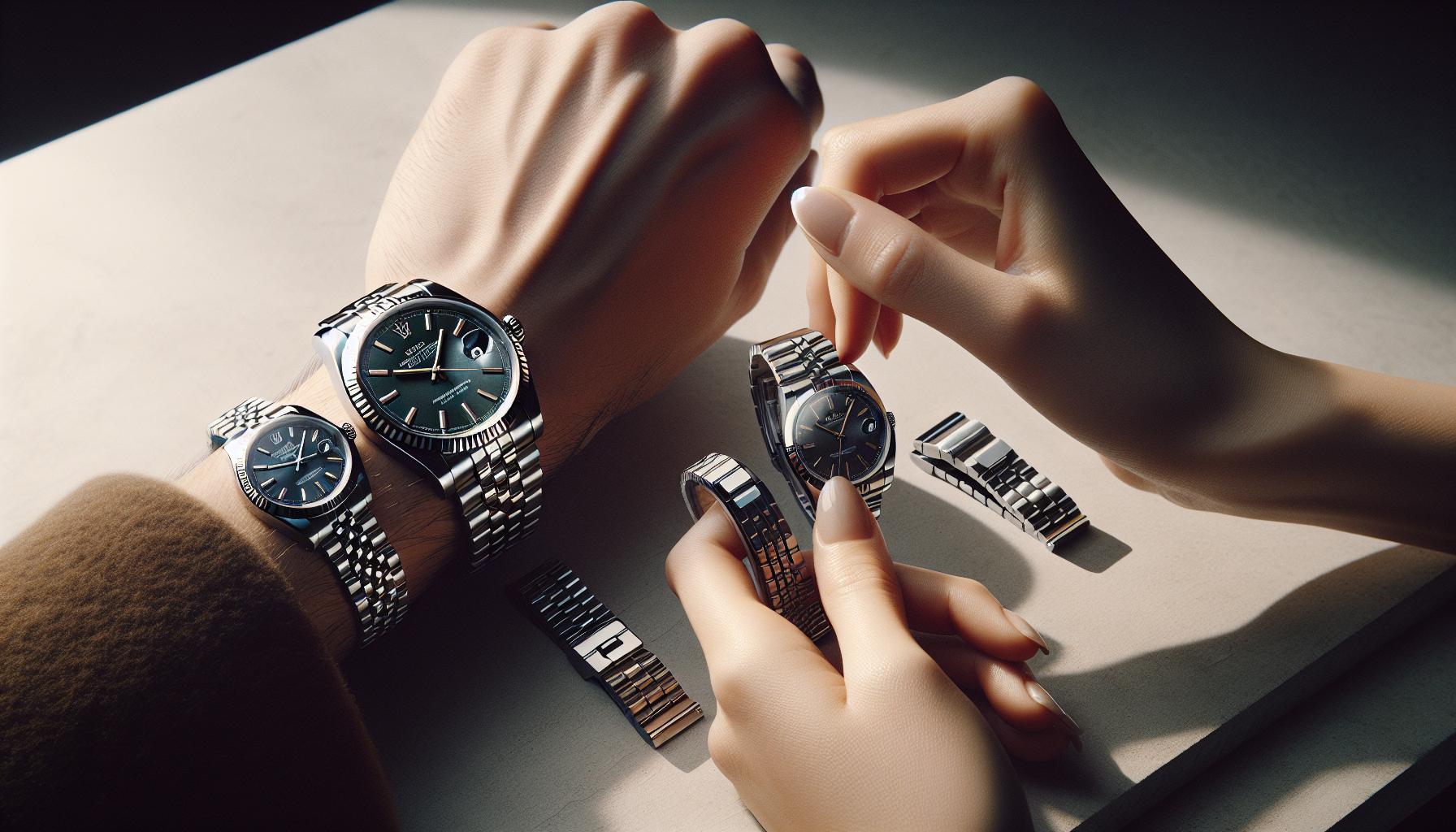
wrist size and personal style preferences shape how different Rolex Datejust models fit, especially when contrasting men’s and women’s versions. While the core Datejust design language is consistent across genders-characterized by clean lines, fluted bezels, and iconic dials-the variations in case size, lug-to-lug length, and bracelet options significantly affect wearability and comfort. For collectors and enthusiasts choosing between men’s and women’s models,understanding these differences beyond simple diameter measurements will ensure a better match for your wrist and lifestyle.
Men’s datejust models typically start around 36mm and extend up to 41mm cases, with lug-to-lug distances that frequently enough range between 44mm to 48mm. These models frequently include robust calibers like rolex’s in-house 3235 automatic movement, offering greater power reserve and precision. Their bracelets-usually Oyster or Jubilee-are designed to carry more substantial wrist presence,sometimes leaning towards sportier or more modern aesthetics. These sizes and proportions favor broader wrists but can also suit smaller wrists if you consider lug-to-lug and bracelet flexibility carefully.
Women’s Datejust variations frequently enough feature smaller cases, commonly 28mm to 31mm, optimizing them for slender wrists with more delicate profiles. These watches balance elegance with technical excellence, incorporating calibers like the 2236, which includes Rolex’s Syloxi silicon hairspring for enhanced accuracy and shock resistance. The smaller case size reduces lug-to-lug length naturally, minimizing overhang on narrow wrists. Women’s models also often showcase more artistic dial options (mother-of-pearl,diamond hour markers) and lighter bracelets that emphasize comfort during all-day wear without compromising Rolex’s unmistakable luxury feel.
Key Differences Affecting Sizing:
| Feature | Men’s Datejust | Women’s Datejust |
|---|---|---|
| Typical Case Sizes | 36mm, 41mm | 28mm, 31mm |
| Lug-to-Lug Range | ~44mm – 48mm | ~38mm - 42mm |
| Movement Caliber | Cal. 3235 (automatic, 70-hr power reserve) | Cal. 2236 (automatic,silicon hairspring) |
| Bracelet Options | Jubilee,Oyster (heavier,robust) | Jubilee,Oyster (lighter,more refined) |
| Common Pricing (New) | $8,000 – $12,000 USD (steel models) | $6,000 – $8,500 USD (steel models) |
Practical Wearability Tips:
- Match lug-to-lug to wrist width: Men with smaller wrists may prefer the 36mm model despite its “men’s” label,especially if the lug-to-lug doesn’t exceed their wrist width much. Women with larger wrists sometimes gravitate toward 36mm models for a bolder statement.
- Bracelet choice influences feeling: The jubilee bracelet’s flexibility can improve comfort,particularly on smaller wrists,regardless of gender.The Oyster bracelet, while sporty and solid, may feel heavier and stiffer on finer wrists.
- Consider wrist shape as well as size: Flatter wrists benefit from smaller lug-to-lug distances found on women’s models, while rounder wrists can accommodate larger Datejusts more naturally.
Ultimately, sizing isn’t about sticking to strict “men’s” or “women’s” norms but about balancing your wrist anatomy, comfort preferences, and style goals. For example, a collector with a 6.5-inch wrist might find the classic 36mm Datejust a perfect middle ground-neither too large nor too small-and works beautifully for both men and women. On the other hand,those seeking a refined dress watch for slender wrists will appreciate the smaller Datejust sizes without sacrificing Rolex’s engineering excellence.
By appreciating these nuanced sizing considerations across men’s and women’s Datejust builds, you can confidently select a model that feels like a natural extension of your wrist rather than just a watch you wear. This thoughtful approach to measurement reflects the true joy of watch collecting: craftsmanship meeting personal expression in balanced harmony.
How to Account for Wrist Shape and Flexibility
Wrist size tells only part of the story when it comes to finding a perfectly fitting Rolex Datejust. Just as crucial-but often overlooked-is the shape and flexibility of your wrist. Two wrists measuring the same circumference can feel very different once a watch is strapped on, influencing both comfort and how the watch visually balances on your arm. This is where a nuanced understanding helps you avoid surprises and truly tailor your Datejust experience.
Wrist shapes generally fall into three broad categories: round, flat, and oval.Each interacts differently with the watch case and bracelet. Round wrists, having a more pronounced curvature, frequently enough accommodate longer lug-to-lug distances comfortably, as the watch follows the natural bend of the arm. Flat wrists, with less vertical curve, tend to find watches with shorter lug-to-lug dimensions less intrusive-overhang can cause the watch to look oversized or feel unbalanced. Oval or slightly angular wrists fall somewhere in between but benefit most from a flexible bracelet that conforms seamlessly to the contours.
Flexibility matters immensely-both in your wrist’s natural movement and in the bracelet construction.For instance, the Rolex Jubilee bracelet shines on smaller or less flexible wrists because its multiple, smaller links create a supple feel that hugs the wrist rather than pressing stiffly. In contrast, the Oyster bracelet, while visually iconic and robust, has larger, flatter links that can feel rigid, especially if your wrist doesn’t flex much during daily wear. Think of it like a tailored suit: the more your watch bracelet can move with you, the more “invisible” it becomes, letting you focus on the occasion rather than the fit.
- Consider wrist flexibility: Test how your wrist moves naturally throughout the day-twisting slightly, bending, or flexing while typing or gesturing.A watch that restricts movement or feels tight at these points will lead to irritation, even if it ”fits” by measurement.
- Measure wrist height: besides circumference, try measuring wrist height (from top to bottom where the watch sits).A taller wrist might handle thicker, chunkier cases better without discomfort or visual distortion.
- Try on different lug-to-lug lengths: don’t get fixated on case diameter alone. Two watches can share identical diameters but vary in how much they extend over your wrist sides,heavily influencing fit.
For collectors and watch enthusiasts passionate about both engineering and style, this attention to the nuances of wrist anatomy transforms watch buying from guesswork into confident decision-making.A 36mm Datejust might look perfectly sized by the tape measure but feel unbalanced on a broad, flat wrist if the lug-to-lug is too long or the bracelet too stiff. Conversely, a smaller 31mm Datejust with a flexible Jubilee bracelet might become your go-to daily wear for its perfect blend of comfort and elegance.
Ultimately, acknowledging your unique wrist shape and flexibility alongside size delivers a more satisfying and lasting fit. treat your wrist as the canvas and your Rolex Datejust as the masterpiece it’s meant to be-a harmonious fusion of craft and comfort that celebrates horology at its best.
Common Sizing Mistakes and How to Avoid them
The search for the perfect Rolex Datejust fit often falters not because of poor measurement,but from subtle yet impactful missteps that many enthusiasts - both new and experienced – tend to make. One common pitfall is fixating solely on wrist circumference without considering the watch’s lug-to-lug distance or the bracelet’s flexibility. It’s easy to assume that a certain millimeter size “fits” because the tape measure says so, but this narrow view overlooks how the watch sits, moves, and feels throughout daily wear.
Another frequent oversight is ignoring wrist shape and height. A flat or broad wrist can make a watch with longer lugs feel oversized or awkward, even if the diameter matches expectations. Conversely, those with rounder, more contoured wrists might find a larger lug-to-lug dimension more comfortable. Choosing the right Rolex bracelet type is equally important; a stiff Oyster bracelet may press uncomfortably against a less flexible wrist, while a Jubilee with its smaller, articulated links can gracefully wrap the wrist, enhancing comfort without sacrificing style.
- Over-tightening or leaving the bracelet too loose: Many assume the watch should hug the wrist tightly to avoid ‘floppiness.’ However, a bracelet that’s too tight causes skin irritation and restricts natural wrist movement, while an overly loose fit risks the watch sliding around or catching on clothing.
- Ignoring bracelet adjustment tools: Rolex bracelets, especially the Datejust’s Oyster and Jubilee, feature micro-adjustments and removable links designed to personalize fit. Bypassing these risks discomfort and compromises wearability.
- Neglecting lug-to-lug consideration: Two watches can share a 36mm case diameter but vary by several millimeters in lug-to-lug length. Those extra millimeters can mean the difference between a comfortable “wearing window” and a watch that extends beyond your wrist edges, creating visual imbalance and discomfort.
Occasionally, enthusiasts skip trial wear altogether-relying on online measurements or others’ experiences to guess their perfect size. This can backfire spectacularly. Watches are mechanical art meant to be worn, after all, not just admired in photos or specs sheets. Trying on various case sizes and bracelets lets you feel how the watch breathes and moves with your wrist dynamics, avoiding surprises.
Real-world example: I once encountered a collector who purchased a 41mm Datejust solely based on wrist circumference. Though the size seemed ideal on paper, its longer lug-to-lug caused pronounced overhang on his flat, wide wrist, making the watch uncomfortable and visually disproportionate. Switching to a 36mm Datejust with a Jubilee bracelet immediately resolved the fit problem, highlighting how holistic sizing – not just diameter – shapes the wearing experience.
Practical Tips to Sidestep Common Fit Issues
- Measure multiple wrist dimensions: Circumference alone isn’t king. Also measure wrist height and try to approximate shape.
- Test different lug-to-lug lengths: don’t fixate on case diameter. Use sample watches or prototypes if possible.
- Consider bracelet flexibility: Try both Oyster and Jubilee styles where available to see what complements your wrist’s movement.
- Use micro-adjustments: Rolex bracelets often have fine-tune options-use them! They’re crafted to support daily wrist swelling and flex.
- Wear the watch during various activities: Check comfort through typing, driving, and gestures, not just standing still.
Understanding these common sizing missteps empowers you to treat your Rolex Datejust not just as a timekeeper, but as a synchrony of engineering, craft, and personal style that fits as naturally as a well-tailored shirt. The payoff? A watch that delights by day’s end, never requiring constant adjustment or feeling like a burden on your wrist.
Exploring Aftermarket vs. OEM Rolex Bracelet Options
It’s tempting to cut costs or customize your Rolex Datejust’s bracelet with aftermarket options, especially given the price premium and scarcity sometimes surrounding OEM parts. But before you swap in alternate bracelets, it’s useful to understand how original equipment manufacturer (OEM) bracelets stand apart – not just in quality and longevity but in overall fit and harmony with the watch’s design and intended wearability.
Rolex’s OEM bracelets, like the iconic Oyster or Jubilee styles, are engineered with exacting precision to complement the datejust’s case curves, lug width, and clasp ergonomics. This precise fit isn’t just aesthetics; it affects comfort, balanced wear, and how the bracelet’s micro-adjustments interact with daily wrist swelling. Aftermarket bracelets, even high-quality ones, rarely hit this sweet spot perfectly – subtle differences in end link fit or clasp geometry can translate to awkward gaps, uneven tension, or a “floating” feeling that undermines the bracelet’s seamless integration.
- Material and Finish Quality: OEM Rolex bracelets use 904L stainless steel, a rare, extra-hard alloy prized for corrosion resistance and lustrous polishing ability. Aftermarket replacements often settle for 316L steel, which is good but not quite the same luxury-grade material. Differences in finishing, brushing, or polishing can also make aftermarket bracelets stand out under close scrutiny.
- Bracelet Flexibility and Wearability: Particular to the Datejust is the Jubilee bracelet’s finely articulated links, offering enhanced comfort and contouring to various wrist shapes. Aftermarket Jubilee-style bracelets may attempt to mimic this flexibility but frequently enough fall short, resulting in a stiffer feel that impacts all-day comfort.
- Adjustment Mechanisms: Genuine Rolex bracelets include micro-adjustment features like Easylink to accommodate wrist expansion throughout the day. many aftermarket options lack these thoughtful details, requiring often imprecise and sometimes damaging link removals for adjustment.
Real-world Considerations When Choosing Between OEM and Aftermarket
For some enthusiasts, aftermarket bracelets offer attractive price points and unique styles - such as leather straps or rubber alternatives – that OEM rarely provides for the Datejust line. These can be great for occasional use or choice looks. Though, if sizing accuracy and watch integration top your priority list, sticking with OEM or verified Rolex-certified parts is usually the safer bet.
Imagine you’ve carefully measured your wrist and confirmed a 36mm Datejust fits best – but then you pair the watch with a generic aftermarket Jubilee. Even a millimeter or two of mismatch in end link length or thickness can cause the watch to shift on the wrist or create pressure points that long-term wearability suffers. There’s also a resale factor: unworn OEM bracelets carry far more market value and appeal among collectors than aftermarket alternatives, which sometimes signal uncertain provenance or even impact watch authenticity perceptions.
- Pro Tip: If cost is a concern, consider pre-owned OEM Rolex bracelets sourced from reputable dealers. Often, these offer a perfect balance of authenticity and savings without compromising the coveted fit.
- Try Before You commit: Whenever possible, test how an aftermarket bracelet feels on your wrist in combination with your Datejust. Comfort can be surprisingly subjective and dependent on bracelet construction nuances.
In sum, while aftermarket bracelets can provide customization and savings, the original Rolex bracelet’s engineering finesse is difficult to match. Getting the sizing right is not only about measuring wrist circumference but also about ensuring that the bracelet’s integration – from metal quality to clasp function - works harmoniously with the Datejust’s architecture. A well-fitted OEM bracelet transforms your datejust from a mere watch into a sleek, comfortable extension of your personal style and wrist dynamics.
Maximizing Comfort Without Compromising Style
Finding the perfect balance between comfort and style is key when wearing your Rolex Datejust. A watch that fits well doesn’t just sit on your wrist-it becomes an extension of your personality. For many,the temptation is to size the bracelet tighter for a sleek look or looser for ease,but both extremes can cause issues,from wrist pinching to the watch sliding annoyingly. The secret lies in understanding how subtle adjustments can make a major difference throughout your day-wrist size naturally fluctuates with temperature,activity,and even hydration,so a degree of dynamic flexibility is essential.
Rolex’s micro-adjustments, especially those on Oyster bracelets with the Easylink system, represent a small but ingenious feature catering precisely to this need. They allow you to fine-tune the bracelet length by about 5mm on the fly without tools. This means no more stopping at a jeweler or fiddling with half-links just to get a better fit in warmer weather or after a workout. These mechanical “comfort zones” are frequently enough overlooked but can transform daily wear into a nearly unnoticeable experience. If you’re pairing your Datejust with a Jubilee bracelet, its finely articulated links add a gentler contour that naturally adapts to wrist shape better than broader flat links-crucial for all-day wear.
- Wear with Wrist Shape and Flexibility in Mind: some wrists are round, others oval; some have prominent bones or tendons that catch the bracelet’s edges. Don’t hesitate to experiment with link combinations or micro-adjustments to avoid pressure points or pinching, especially on bony or angled wrists.
- Material Feel Matters: The 904L stainless steel Rolex uses not only resists corrosion but feels silkier against the skin compared to common steels. This subtle difference matters when sizing for comfort-an all-day-wear metal that your skin welcomes keeps you reaching for the watch rather of removing it.
- Styling Doesn’t Require Sacrificing comfort: Choose the bracelet finish (polished center links on Jubilee versus brushed Oyster) that not only complements your aesthetic preference but also aligns with your comfort-polished links feel smoother, brushed surfaces may breathe a little better on hot days.
Tips to Maximize Both Fit and Style
| Comfort Factor | Styling Consideration | Practical Tip |
|---|---|---|
| Bracelet Flexibility & Micro-Adjustments | Maintains your watch’s sleek silhouette | use Easylink where available; prefer Jubilee for softer contours |
| Correct End Link Fit | No gaps or wiggle enhancing visual cohesion | Source genuine Rolex end links; ensure tight, flush fit |
| Balanced Sizing - Not Too Tight or Loose | Comfort and style blend seamlessly | Test by sliding your finger underneath the bracelet comfortably |
| Consider Wrist Shape & Daily Variations | Ensures style in all environments, from office to outdoors | Adjust sizing during your usual routine for best fit |
Avoiding a bracelet that’s too rigid or too floppy is an art as much as a science. Trusted advice: once appropriately sized, wear the watch during various activities-typing, walking, dining-to assess comfort in motion. Your ideal fit allows wrist movement without excess dragging or clasp pinching. Remember, a Datejust that moves freely but feels securely anchored reflects true watchmaking harmony.on your Rolex datejust is about respecting wrist dynamics and leveraging the watch’s engineering. Authentic Rolex bracelets with micro-adjustments, fine finishing, and ergonomic design effortlessly combine everyday usability with classic elegance.that synergy between flawless comfort and visual appeal makes wearing your Datejust a pleasure rather than a mere routine.
When to Consult a Professional for Rolex Sizing
Finding the perfect fit for your Rolex Datejust sometimes calls for more than just measuring tape and a DIY approach. While many enthusiasts can handle minor adjustments at home using tools like spring bar removers or benefit from rolex’s ingenious Easylink micro-adjustment system, certain situations really warrant bringing in a professional’s expertise. This not only preserves the integrity of your timepiece but also ensures comfort and style without compromise.When your wrist size requires removing or adding several links, especially on delicate Jubilee bracelets with their intricate construction, a skilled watchmaker’s steady hands and proper tools can make all the difference. Incorrectly sized bracelets risk not only discomfort but also damage to the bracelet pins or end links-issues that could lead to unwelcome repair costs. Professionals understand the nuances of Rolex’s solid link bracelets, enabling precise removal without stressing the metal or loosening components, maintaining the watch’s original charm and resale value.
- Complex adjustments: If your wrist fluctuates greatly or you’re switching between multiple sizes seasonally, a pro can help optimize your bracelet setup, balancing comfort with long-term wearability.
- Rare or Vintage rolex Models: Older or discontinued Datejust models sometimes have non-standard bracelet parts or fragile pins. A trained technician familiar with Rolex heritage pieces can offer tailored solutions without risking irreversible damage.
- Bracelet Modifications and Repairs: Adding aftermarket parts or swapping end links may seem simple but can affect the watch’s structural harmony. Professionals can authenticate parts and perform seamless installations that preserve both function and aesthetics.
- First-Time Owners and Gift Receivers: If you’re new to Rolex or have just inherited a Datejust, starting with expert sizing gives peace of mind. They can advise on ideal fit ranges, demonstrate micro-adjustment use, and share tips specific to your model’s movement and bracelet type.
Why Professional Sizing is Worth the Investment
Attempting bracelet adjustments without proper tools or know-how frequently enough results in scratched surfaces, bent pins, or misaligned links-damage that diminishes collector value and personal enjoyment alike. Rolex bracelets feature complex engineering, including screw pins and specialized clasps tailored for durability and comfort. Professionals wield calibrated tools designed for these systems, reducing the risk of unintended slips or damage.Moreover, a certified watchmaker often provides a complete outfit: cleaning, inspection, and lubricating hinges during sizing work. This holistic service can enhance bracelet longevity and clasp function, integrating horological maintenance with fit customization-a real boon for anyone who treasures their Datejust for years to come.
| Scenario | Why Consult a professional? | Benefit |
|---|---|---|
| Multiple Link Removal/Additions | Ensures proper pin handling and prevents bracelet wear | Preserves integrity and appearance |
| Vintage/Non-Standard Models | Fragile parts need expert care to avoid damage | Maintains collector value and fit precision |
| Aftermarket Part Installation | Validate authenticity and ensure seamless fit | Protects watch investment and appearance |
| First-time Sizing | Professional advice on comfort,micro-adjustments,and use | Helps achieve optimal fit and confidence |
Ultimately,seeking professional help for your Rolex Datejust sizing is about honoring the craftsmanship that goes into each piece. It’s an investment not only in your wrist comfort but in preserving the technical artistry and style that Rolex has perfected over decades. Whether you’re a seasoned collector or an excited newcomer, a little expert guidance can transform an ordinary adjustment into a part of your watch’s story-one that keeps ticking with elegance and precision through every moment of wear.
Faq
Q: How can I measure my wrist accurately for a Rolex Datejust without a professional tool?
A: To measure your wrist accurately at home, use a flexible fabric measuring tape or strip of paper wrapped snugly around your wrist just below the wrist bone. mark the overlap, then measure the length with a ruler.This simple method ensures you get a proper wrist size for an ideal Rolex datejust fit. For details, see our guide on *measuring your wrist at home* for precision sizing.
Q: Why does wrist shape affect Rolex Datejust sizing,and how should I adjust for it?
A: Wrist shape influences how the Rolex Datejust sits and feels. For oval or flat wrists, adding a half-link or choosing a bracelet with micro-adjustments ensures comfort and balance.Always consider wrist flexibility and profile to avoid sizing mistakes-refer to our section on *accounting for wrist shape and flexibility* for more tips.
Q: What is the best way to size a Rolex Datejust bracelet for all-day comfort?
A: The best sizing approach balances snugness and movement-bracelets should be tight enough to prevent excessive sliding but loose enough to allow wrist expansion during daily activity. use micro-adjustment features if available, and avoid common errors detailed in *common sizing mistakes and how to avoid them* to maximize comfort.
Q: How do different Rolex datejust bracelet types impact wrist sizing?
A: Bracelet types like Jubilee or Oyster differ in flexibility and link size, affecting fit and comfort.Jubilee bracelets offer more flexibility, ideal for smaller or curved wrists, while Oyster links are sturdier but less flexible. Choosing the right bracelet impacts sizing accuracy; explore *how Rolex bracelet types affect sizing* for guidance.
Q: can lug-to-lug distance affect how my Rolex Datejust fits on my wrist?
A: Yes, lug-to-lug distance influences the watch’s wearability, especially on smaller wrists. A shorter lug-to-lug distance ensures the Datejust doesn’t overhang your wrist edges, improving comfort and aesthetics. Learn more by reviewing our section on *the impact of watch lug to lug distance on wearability*.
Q: How do I size a Rolex Datejust differently if I have a men’s versus a women’s model?
A: Men’s Datejust models usually have larger case sizes (36mm or 41mm), requiring slightly larger bracelet adjustments. Women’s Datejust models (28mm to 31mm) have slimmer bracelets and need precise link removal for a perfect fit. Check *sizing considerations for men’s vs. women’s Datejust models* for tailored advice.
Q: When should I seek professional help to size my Rolex Datejust?
A: Consult a professional watchmaker or authorized dealer if you’re unsure about removing or adding bracelet links, or if you want a precise adjustment without risking damage. Professional sizing ensures optimal fit and preserves your Datejust’s value-see the *when to consult a professional for Rolex sizing* section for more details.
Q: How does wrist measurement affect Rolex datejust resale value?
A: Proper sizing enhances wearability and keeps bracelets and links in better condition, positively affecting resale value. Watches sized professionally typically retain value better as they avoid unnecessary wear or damage. For deeper insight on warranty and value, explore our advice on *maximizing comfort without compromising style* and proper sizing.
—
*For further guidance, explore in-depth topics like bracelet adjustments and measuring techniques in our full article. Accurate sizing is essential for maximizing both Rolex Datejust comfort and collector value.*
In Retrospect
Properly sizing your Rolex datejust ensures not only comfort but also preserves the watch’s iconic aesthetics and value. Remember, the Datejust’s automatic movement, elegant design, and versatile profile make it a timeless investment-one that deserves precise fitment on your wrist.If you’re considering other Rolex models, or want to explore how different calibers and bracelet types affect wearability, check out our detailed guides on the rolex Submariner and Datejust vs. Oyster Perpetual sizing.
Don’t wait to master your watch’s fit-accurate wrist measurement prevents common sizing errors and enhances your daily wear experience. For those looking to refine their collection or explore aftermarket adjustments, our expert consultation services and sizing tools are ready to assist. Dive deeper into watch movements, complications, and durability by visiting our horology resources section, designed for collectors and newcomers alike.
Have questions or want to share your sizing tips? Join the conversation below, subscribe for exclusive insights, and browse our curated watch reviews to keep your passion ticking strong. Your perfect Datejust fit is just a click away-start exploring now.


