

Rolex Oyster Perpetual Datejust How to Open: Access the Crown
Opening the crown of a rolex Oyster Perpetual Datejust is a small but essential step for setting the time, date, or winding the automatic movement-a Caliber 3235 in recent models known for accuracy and robust performance. Understanding how to properly access the crown ensures you preserve the waterproof oyster case and avoid damage that can compromise the watch’s precision and durability. Weather you’re a seasoned collector or new to mechanical watches, mastering this simple action unlocks full control over one of Rolex’s most iconic timepieces. In this guide, we’ll walk through step-by-step how to gently unscrew and operate the crown, demystifying terms like “screw-down crown,” explaining why it’s vital for maintaining water resistance, and sharing practical tips to keep your Datejust running smoothly. By the end, you’ll confidently manage your watch’s settings without hesitation-appreciating Rolex’s blend of engineering elegance and everyday reliability. Let’s dive in and get hands-on with a true classic.
Contents
- Understanding the Rolex Oyster Perpetual Datejust Crown Mechanism
- Step-by-Step Guide to Unlocking the Datejust Crown Safely
- Common Mistakes When opening the Datejust Crown (And How to Avoid Them)
- How to Set Time and Date Using the Rolex Crown
- Maintaining Crown Integrity: Tips for Longevity and Water Resistance
- troubleshooting Crown Issues: What to Do if the Crown Feels Stuck
- Comparing Datejust Crown types: classic vs. Modern Variations
- Rolex Crown Seals Explained: Ensuring Your Watch’s Waterproof Guarantee
- When to Service your Datejust Crown: Signs It needs Professional Care
- Expert tips for Handling Your Datejust Crown Like a Pro
- FAQ
- Q: How can I identify if my Rolex Datejust crown is a screw-down or easy-pull model?
- Q: What is the safest technique to open a stuck Rolex Datejust crown without damage?
- Q: Why does the Rolex Datejust crown sometimes feel tight when opening, and should I be concerned?
- Q: How does humidity affect opening the Rolex Oyster perpetual Datejust crown? Can moisture damage occur if opened improperly?
- Q: When adjusting the time or date, can improper crown handling affect the Rolex Datejust’s movement accuracy?
- Q: Can I use the Rolex Datejust crown to wind the watch manually? How do I do this correctly?
- Q: How often should I check the condition of my Rolex Datejust crown seals to maintain water resistance?
- Q: What are the main differences in crown design for vintage versus modern Rolex Datejust models?
- Future Outlook
Understanding the Rolex Oyster Perpetual Datejust Crown Mechanism
Rolex’s Oyster Perpetual Datejust is renowned not just for its timeless design but also for its meticulously engineered crown mechanism, a small yet vital component that blends form and function seamlessly. The crown acts as the interface between wearer and movement, allowing you to wind the watch, adjust time, and set the date-all while maintaining the watch’s celebrated waterproof integrity. Understanding how this mechanism works enriches both your appreciation of Rolex’s engineering prowess and your ability to care for your Datejust properly.
At the heart of the crown mechanism is the patented Twinlock system, which Rolex implemented to ensure optimal water resistance. This system uses dual sealed zones-a gasket inside the crown and another within the winding tube-forming a formidable barrier against moisture and dust. Unlike simple screw-down crowns found on many watches, the Twinlock design demands a precise alignment and secure sealing every time you close the crown, reinforcing the Oyster case’s legendary robustness. It’s no accident that the Datejust can confidently promise water resistance typically rated to 100 meters, a feature crucial for everyday wear.
When you unscrew and manipulate the crown, you’re engaging a finely calibrated threaded tube and stem assembly. This allows the crown to wind the automatic movement’s mainspring manually if the watch has stopped, and also to interact with the date and time-setting gears with tactile precision. Inside, the movement features a caliber 3235 (in newer models), an in-house automatic movement with a robust 70-hour power reserve and enhanced accuracy thanks to Rolex’s Chronergy escapement. The crown’s ability to smoothly transmit input to such a complex mechanism is a marvel of micro-engineering that balances durability with effortless usability.
For enthusiasts who cherish their Datejust as both an icon and a daily tool, respecting the crown’s mechanical subtlety is key. Applying gentle pressure and turning the crown slowly prevents damage to the winding stem and preserves the gasket seals crucial for waterproofing.By recognizing the crown as more than just a knob,but as a gateway to the precise micro-world inside your watch,you can better appreciate the thoughtful craftsmanship Rolex pours into this everyday masterpiece.
Speedy Breakdown of the Datejust Crown Mechanism Features
- Twinlock water-sealing system: Dual gaskets inside crown and tube for extraordinary waterproofing
- Threaded screw-down design: Ensures firm closure and protects internal components
- Multi-position operation: Manual winding, date quick-set, and time setting
- Compatibility with caliber 3235 movement: Supports precision mechanical operation and power reserve
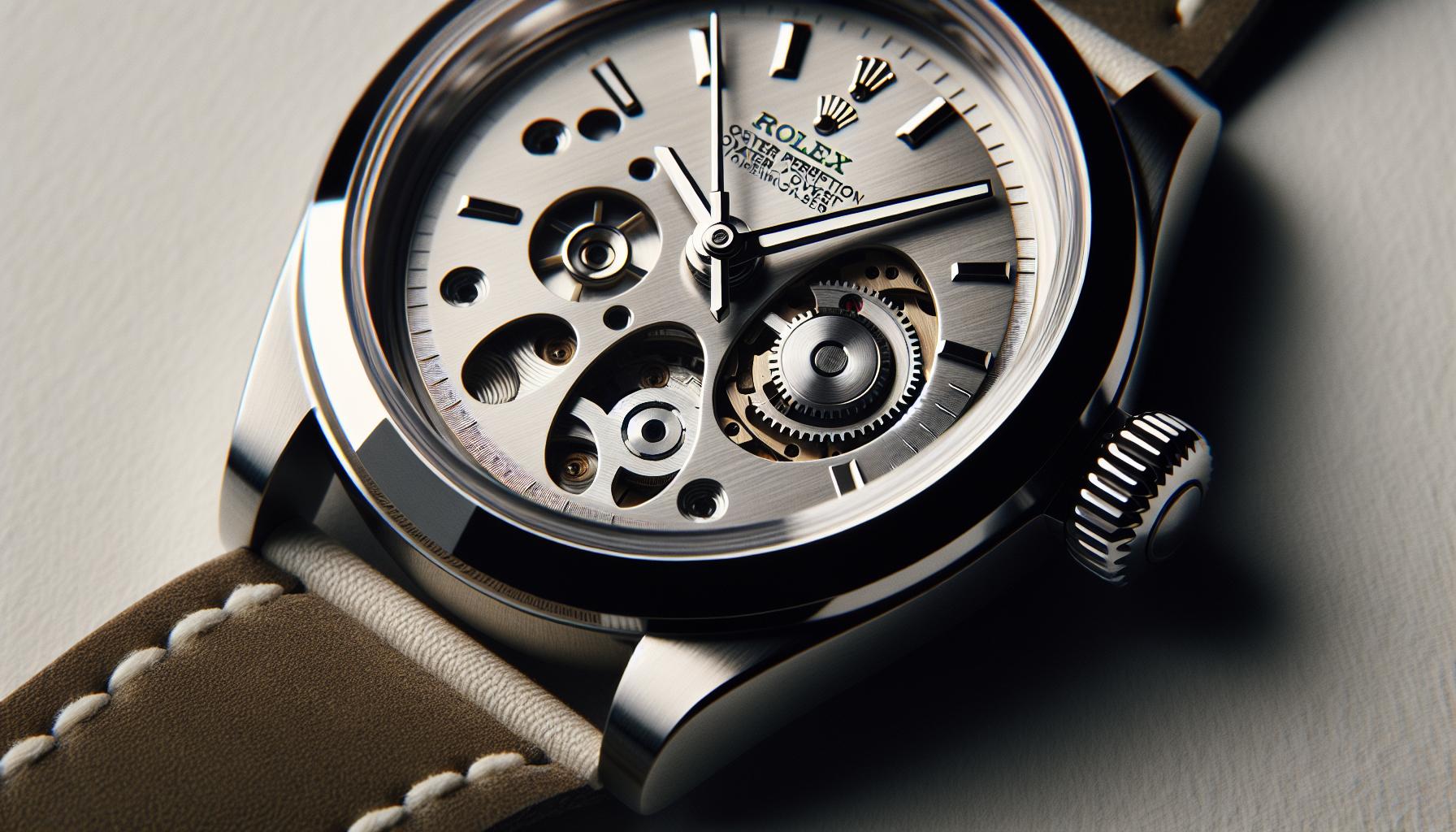
Step-by-Step Guide to Unlocking the Datejust Crown Safely
Unlocking the crown on a rolex Oyster Perpetual Datejust is a deceptively simple task, yet doing it correctly is key to preserving the watch’s legendary waterproof integrity and mechanical precision. The crown employs the patented twinlock screw-down system, which means it’s designed to remain securely sealed untill intentionally unscrewed. This tight seal is what safeguards your Datejust against moisture and dust, so it’s worth approaching the crown with a gentle, deliberate touch.
Start by holding the watch firmly in one hand, preferably with the dial facing up so you can see the crown clearly. Using your thumb and index finger, gently grasp the crown and slowly turn it counterclockwise. This unscrews the threaded tube, allowing the crown to pop out slightly once fully unscrewed. Avoid forceful or rapid twisting motions to prevent stripping the threads or damaging the gasket seals inside. Once released,the crown will be in the neutral “winding” position,ready for you to begin manual winding or proceed to setting the date and time.
It’s important to note that when you first rotate the crown to unscrew it, you’ll feel a subtle resistance as the threads engage. This tactile feedback is your cue to keep turning at a smooth, consistent pace. After this unscrewing motion, do not pull or yank the crown abruptly; the crown stem is delicate, and sudden movements can impact the internal mechanism. Instead, once loosened, gently pull the crown out to the first or second click depending on whether you intend to set the date or time.
- Hold the watch dial-side up for control
- Turn the crown counterclockwise slowly to unscrew
- Feel the threads disengage before gently pulling the crown
- Do not force or yank the crown at any stage
Practicing this controlled approach will not only protect the Twinlock gaskets but also prolong the lifespan of the crown’s threaded assembly, ensuring the water resistance of your Datejust remains uncompromised. Think of the crown like a finely crafted valve: its strength lies in precision, not brute force. By respecting this, you get the best of Rolex’s engineering marvel-a seamless combination of form, function, and resilience perfect for both casual wear and adventurous exploits.
Common Mistakes When opening the Datejust Crown (And How to Avoid Them)
Opening the crown on your Rolex Datejust might seem straightforward, but small missteps here can lead to unnecessary wear or even compromise the watch’s famed waterproofness. One of the most frequent errors is rushing the process-twisting the crown too fast or applying excessive force. The Twinlock threaded system is designed for precision, not brute strength. When you yank or twist aggressively, you risk stripping the threads or damaging the delicate gaskets inside, which can diminish the watch’s water resistance and lead to costly repairs.
Another common mistake is pulling the crown outward before entirely unscrewing it. The crown must be fully disengaged from the screw-down position before any outward pull; otherwise, you could stress or bend the crown stem.Imagine trying to pull the crown out while it’s still locked-the internal mechanics don’t appreciate that rough handling. This is why a slow, counterclockwise turn until you feel the threads release is essential before pulling the crown to set the time or date.
Failing to hold the watch steady during the process can also introduce problems. Many people instinctively grab the watch from any angle, causing unwanted movement of the dial or crown. Holding the watch dial-side up ensures better visibility of the crown and greater control over the twisting motion. Losing control during unscrewing can lead to slipping or applying uneven pressure, which risks damaging the crown or case lugs.
- Twisting the crown too rapidly or forcefully – causes thread wear and gasket damage
- Pulling the crown without fully unscrewing – risks bending the delicate crown stem
- Gripping the watch in unstable positions – leads to accidental slips and inconsistent pressure
- Ignoring tactile feedback – the subtle resistance you feel when unscrewing guides the correct pace
Being mindful of these pitfalls turns crown operation from a risky move into a simple, graceful ritual. Think of it like shaking hands with a fellow enthusiast-you want to be firm, but never harsh. Remember, the crown is not just a lever but a sophisticated mechanical interface critical to your Datejust’s long-term health and functionality. Respecting its design with patience and the right technique goes a long way in preserving the beauty and engineering marvel you proudly wear every day.
How to Set Time and Date Using the Rolex Crown
Unlocking the full potential of your Datejust starts with mastering its crown-a mechanical marvel that controls fundamental functions like telling time and adjusting the date. Rolex equips these watches with an automatic movement, commonly the in-house Caliber 3235 or its predecessors, renowned for reliability and precision. Setting your Datejust’s time and date through the crown might seem straightforward, but understanding the subtle nuances ensures both accuracy and longevity.
Once the crown is fully unscrewed (disengaged from the Twinlock screw-down system), gently pull it out to the first click. This position is dedicated to setting the date and is one of Rolex’s clever “quickset” features-a real time-saver compared to older watches where date changes required cycling through 24 hours repeatedly. Rotate the crown clockwise (or counterclockwise on certain older models) slowly; you will notice the date wheels flipping one day at a time. Avoid rapid or forceful turns to prevent wear on the date change mechanism. For practical everyday use,changing the date in the morning or afternoon is fine,but steer clear of adjusting the date between 9 PM and 3 AM,when the date-change gears are actively engaged. Doing so can damage the system and cause costly repairs.
Pull the crown out one more notch to reach the second click, the time-setting position. Here, the seconds hand stops (hacks) to enable precise synchronization-a useful feature if you enjoy syncing your watch perfectly with a reference time signal. To set the time, turn the crown smoothly either forward or backward depending on your preference; this versatility is not always found in competing luxury watches. While setting, keep in mind that the Datejust’s automatic movement can be manually wound by turning the crown clockwise in its neutral position, helping maintain power reserve on days off the wrist.
- Unscrew crown counterclockwise until fully free (avoid rushing this step)
- Pull to first position: rotate crown slowly to adjust date (avoid change during 9 PM-3 AM)
- Pull to second position: set hours and minutes with hacking seconds
- Push crown back and screw down firmly to restore water resistance
Remember, the crown is your primary interface with this precision instrument, a gateway to both customization and care.Treat adjustments as a delicate ritual and you’ll keep your Datejust performing flawlessly. This mindset pays off in unexpected ways-beyond mechanical harmony, it deepens your connection with a piece of horological heritage that stands the test of time. After all, the crown is not just a knob but the heart of your watch’s user experience.
Maintaining Crown Integrity: Tips for Longevity and Water Resistance
A Rolex Datejust’s crown isn’t just a functional component-it’s a finely engineered seal that protects the heart of the watch,the in-house automatic movement such as the Caliber 3235,from the outside world. Proper care of the crown directly impacts the longevity of your Datejust and ensures water resistance remains uncompromised. When you think about it, the crown essentially acts as the watch’s gatekeeper, preventing moisture, dust, and debris from entering and damaging intricate internal parts. Paying attention to how you handle and maintain this small yet vital piece can save you from costly repairs and preserve your watch’s performance.
- Always screw down the crown firmly after adjusting time or date. the Twinlock screw-down system on the Datejust is designed for a secure seal. If left loose, the watch loses much of its water resistance, allowing condensation or water intrusion that can corrode the movement or cause fogging inside the crystal.
- Avoid overtightening. While the crown needs to be securely screwed in,forcing it beyond feel can strain the threads over time or damage the gasket responsible for sealing.
- Keep the crown clean and dry. Dirt, sand, or skin oils accumulating on the threads can affect how snugly the crown seats.Before unscrewing the crown, a gentle wipe with a soft cloth helps maintain smooth operation and prevents premature wear.
Environmental factors play a role too. If you’ve worn your Datejust at the beach or pool, make a habit of rinsing the watch gently in fresh water afterward and ensure the crown is securely closed.Saltwater can be especially corrosive, so thorough rinsing helps maintain crown gasket health. If you frequently expose your watch to water or extreme conditions, consider having the crown seals checked professionally every couple of years to avoid unnoticed deterioration-Rolex’s gaskets are durable but not invincible.
Safe Crown Handling Habits
When you unscrew and pull out the crown, do so gently and deliberately. Rushing or yanking the crown risks bending the winding stem, an expensive repair that sometimes requires partial disassembly of the movement. The smooth feel when unscrewing the crown of a Datejust is intentional; it encourages care as you interface with one of watchmaking’s most celebrated mechanical features. After use, screw the crown back clockwise with a slight resistance that signals the gasket compressing and resealing. The click-and-tightness of a properly secured crown is a satisfying tactile confirmation you’re protecting your watch.
| Tip | Why It Matters | Practical Advice |
|---|---|---|
| Screw crown down firmly but gently | Maintains water resistance and prevents ingress | Stop tightening when you feel resistance to avoid thread damage |
| Clean crown threads regularly | Prevents grit from wearing down sealing surfaces | Use a microfiber cloth before unscrewing |
| Avoid pulling crown too forcefully | Protects winding stem from damage | Pull out slowly and with steady pressure |
| Rinse watch after saltwater exposure | Removes corrosive salt that affects gaskets | Use fresh water and dry with a soft towel |
| Service gaskets regularly | Ensures continued watertight integrity | Every 3-5 years,or sooner if exposed to harsh conditions |
Essentially,the crown is a delicate balance of mechanical precision and rugged engineering. Treating it with respectful, consistent care honors the craftsmanship inside your Datejust-and helps keep that legendary Rolex reliability ticking perfectly for years to come. Whether you’re a first-time owner or a seasoned collector, incorporating these simple, mindful habits ensures the crown continues to serve you as flawlessly as the rest of this iconic watch.
troubleshooting Crown Issues: What to Do if the Crown Feels Stuck
Sometimes, despite the smooth engineering that goes into a Rolex Datejust’s crown, it can unexpectedly feel stuck or resistant when you try to unscrew or pull it out. this isn’t just frustrating – it can be a red flag that your watch needs immediate attention,especially given the crown’s crucial role in maintaining water resistance and protecting the intricate Caliber 3235 automatic movement inside.
A common culprit behind a stiff crown is dirt, grime, or debris lodged between the threads or inside the Twinlock sealing system. Environmental exposure-think sandy beaches, dusty roads, or sweat and oils-can build up over time and cause the crown to bind. Another frequent cause is corrosion, often accelerated by moisture intrusion if the crown was not fully screwed down or if the gasket seals have aged. The winding stem itself may also become misaligned or bent due to excessive force or improper handling.
Before you panic or force the crown (which can lead to a costly repair), try these practical steps:
- Gently clean the crown area: Use a soft, slightly damp microfiber cloth to wipe around the crown, aiming to remove surface dirt and oils.Avoid soaking or applying any cleaning agents directly.
- Warm water rinse: Submerge the watch briefly in lukewarm fresh water (assuming your Datejust’s water resistance is intact) and gently unscrew and screw back the crown a few times to flush out any trapped particles. Ensure the crown is properly secured afterward.
- Use minimal pressure: Do not force the crown if it resists turning. instead, try rotating back and forth gently to free thread binding. Excessive torque can strip threads or bend the stem.
If the crown still refuses to budge or feels gritty and uneven, it’s essential to seek professional help at an authorized Rolex service center or a trusted watchmaker knowledgeable in Rolex calibers. Attempting to pry or forcibly open a stuck crown risks damage not just to the crown and case threads but potentially the winding stem and automatic movement. Rolex’s Twinlock and Triplock crowns are precision-engineered components that require careful servicing to replace worn gaskets or realign mechanisms.
Preventive Measures to Avoid Future Stickiness
Taking care of your crown’s maintenance can stave off stickiness issues:
| Action | Benefit | How-To Tip |
|---|---|---|
| Regular cleaning around crown | Prevents buildup of dirt, oils, and grit | Wipe gently after daily wear, especially post outdoor activities |
| Rinse after saltwater or chlorine exposure | Removes corrosive residues affecting seals | Flush with fresh water, dry, and ensure crown is screwed down |
| Never force the crown | Avoids bending stem or damaging threads | If stuck, follow gentle easing methods or get expert support |
| Scheduled gasket servicing | Maintains waterproof integrity and smooth crown operation | Professional service every 3-5 years depending on conditions |
A stuck crown frequently enough signals the watch’s sealing system needs evaluation, especially in a Rolex Datejust where maintaining the water resistance linked to the in-house automatic Caliber 3235 is non-negotiable for long-term durability. When treated promptly and carefully, your crown will continue to serve as the perfect gatekeeper for your timepiece’s mechanical heart-guiding time and date settings with flawless precision.Remember, the crown is the interface between you and rolex’s in-house mechanical marvel inside. Approach it with the same respect and patience you’d give a fine mechanical watch you love-whether that’s a Rolex, an everyday classic, or even a rugged G-Shock.Their engineering brilliance deserves it.
Comparing Datejust Crown types: classic vs. Modern Variations
Rolex’s crown design is a subtle yet vital aspect that showcases the brand’s relentless pursuit of functionality and durability, especially in the datejust line. Over the decades, the crown mechanism evolved, reflecting improvements not only in user experience but also in enhancing water resistance and safeguarding the watch’s movement. Whether you own a vintage classic datejust or a modern iteration, understanding these crown variations enriches your appreciation and helps with proper handling.
Early datejust crowns, often referred to as “classic” models, tended to be smaller and simpler in design. These crowns use a straightforward Twinlock system – a two-piece gasket setup that seals the crown against water ingress. While effective for daily wear and occasional water exposure, the classic Twinlock crowns were sometimes more prone to dirt accumulation and required careful manipulation to avoid thread wear. Their modest size demanded a delicate touch when unscrewing or pulling out, especially since these earlier vintage pieces lacked some of the ergonomic refinements seen today.
The “modern” Datejust crowns, by contrast, sport enhanced engineering with Rolex’s Triplock system, a three-piece gasket construction that significantly boosts water-tightness, often rated to 100 meters or more depending on the model. These crowns are larger, frequently enough featuring deeper knurling (the ridged texture) for better grip, even when your hands are wet or wearing gloves. The modern crowns also incorporate more precise threading and advanced materials to reduce wear, making unscrewing and pulling smoother and less likely to stick – a boon for both robustness and ease of use.
Key Differences at a Glance
| Feature | Classic Datejust Crown | Modern Datejust Crown |
|---|---|---|
| Seal system | Twinlock (2 gaskets) | Triplock (3 gaskets) |
| Water Resistance | Up to 50m typical | Up to 100m or more |
| Crown Diameter | Smaller, less grip | Larger, enhanced grip |
| Thread Precision | Conventional threading | Improved, durable threading |
| material & Finish | Classic steel or gold, polished | Enhanced alloys, deeper knurling |
For collectors and everyday wearers alike, these crown differences translate into practical matters – vintage owners should always exercise gentle handling and consider more frequent servicing for their crown gaskets, while modern owners benefit from a more positive and pleasant winding and setting experience, plus better protection against moisture and dust.
One helpful tip regardless of crown vintage: always ensure the crown is fully screwed down after setting time or date. This simple habit preserves the integrity of the sealing system. And if your Datejust features a Triplock crown (usually identifiable by three dots under the Rolex crown logo on the crown), you’re dealing with a truly robust setup designed for higher-stress environments – think daily adventures as well as formal occasions.
Ultimately, whether classic or modern, the Datejust crown embodies Rolex’s mastery in marrying mechanical precision with practical durability, making it a key player in the watch’s enduring legacy. Appreciating these nuances helps you respect the watch as a mechanical marvel and treat the crown as the vital gateway safeguarding those complexities inside.
Rolex Crown Seals Explained: Ensuring Your Watch’s Waterproof Guarantee
Rolex’s reputation for outstanding water resistance stems largely from the meticulous design of its crown sealing systems. The crown, more than just a control interface for winding and setting your Datejust, serves as a critical barrier against moisture and dust infiltration.Whether it’s a casual splash or a brisk swim, understanding how Rolex crown seals function can give you confidence in your watch’s ability to withstand these challenges and help you maintain that performance over time.
At the heart of Rolex crown sealing technology are precision-engineered gaskets made from durable, oil-resistant materials. These small yet vital rings create airtight and watertight seals around the stem where the crown screws into the case. The two primary systems Rolex employs are the Twinlock and the Triplock seals, each reflecting a different level of protection suited for specific watch models and use cases. The Twinlock system uses two gaskets-one inside the crown and another on the stem-to ensure water resistance typically rated to 50 meters. This arrangement is sufficient for many Datejust models,especially vintage editions,providing effective everyday protection.
For those who crave enhanced security, especially in modern Datejust and professional Rolex lines, the Triplock system adds a third gasket, somewhat akin to three layers of defense, capable of resisting depths up to 100 meters or more. You can frequently enough identify the Triplock crown by the three tiny dots beneath the Rolex coronet symbol on the crown’s surface. This tri-gasket design encases the tube and crown stem, dramatically reducing the chance of water or dust making its way inside during vigorous activity.
Why Crown Seals Matter
- Mechanical Protection: Water and dust are enemies of any fine mechanical movement. even microscopic particles or moisture can degrade lubricants, accelerate component wear, and damage delicate parts such as the escapement or calendar mechanism.
- Longevity & Reliability: Proper sealing maintains the habitat inside the watch, ensuring consistent timekeeping and complication performance without premature servicing.
- Peace of Mind: Whether you monthly submerge your Datejust in a pool or just endure rain and sweat, crown seals offer reassurance your watch will keep ticking perfectly.
Neglecting crown care is a common pitfall. Even the most robust Triplock system can fail if the crown isn’t fully screwed down or if dirt accumulates around the threads and seals. This can allow minuscule water ingress or degrade gasket materials faster than normal. Always make a habit of gently tightening your crown until it seats firmly against the case. Avoid forcing it,which can harm the threads or deform seals.If you regularly expose your watch to water or harsh conditions, professional servicing to inspect and replace crown gaskets every few years is advisable. A worn gasket looks invisible to the naked eye but can compromise the entire waterproofing system.Your service center will also clean and lubricate the threading to maintain smooth operation and preserve the crown’s integrity.
| Seal System | Gasket Count | Water Resistance | Common Models |
|---|---|---|---|
| Twinlock | 2 | Up to 50 meters | early & classic Datejust models |
| Triplock | 3 | 100 meters or more | Contemporary Datejust,Submariner,Sea-Dweller |
Ultimately,appreciating the science and craftsmanship behind Rolex’s crown seals deepens your understanding of what makes the Datejust a waterproof powerhouse. Regular care combined with knowledge about Twinlock and Triplock systems ensures your watch continues to guard its precious movement perfectly-rain or shine, on land or in the water. This blend of human ingenuity and engineering elegance is exactly why the Rolex crown is not just a dial-side detail, but a living shield protecting your watch’s soul.
When to Service your Datejust Crown: Signs It needs Professional Care
Rolex crowns are marvels of precision engineering, designed to protect your Datejust’s inner workings against the everyday hazards of water, dust, and shock. but like any mechanical system, their performance depends on regular care and timely professional maintenance. One subtle truth many collectors discover is that crown seals and threading wear out quietly-unnoticed until a problem surfaces. Knowing when your Datejust’s crown needs a watchmaker’s touch can save you from costly repairs and preserve your watch’s legendary durability.
A key sign that service is overdue is when the crown no longer feels as firm or smooth during winding or setting. You might notice unusual looseness, resistance, or even a slight wobble. These sensations frequently enough hint at degraded crown gaskets or worn threading, both of which compromise water resistance. Likewise, if the crown fails to screw down completely or requires excessive force, it’s a red flag signaling the need for gasket replacement and cleaning. Ignoring these symptoms can invite moisture and dust inside, silently damaging your automatic caliber’s delicate escapement or date mechanism.
Another practical indicator is the watch’s behavior in water. Even if you don’t frequently swim with your Datejust, occasional leaks (like fogging under the crystal) or unexplained shifts in timekeeping accuracy could hint that the crown’s sealing system is failing. Rolex uses either the Twinlock or Triplock crown system, each relying on multiple oil-resistant gaskets to maintain a tight barrier. Over time, these seals dry out, harden, or accumulate grime that shrinks their effectiveness. Professional servicing renews all these elements and ensures that the crown’s threaded tube is lubricated and undamaged to guarantee a perfect seal every time you screw it down.
Routine Crown Service: A Small Investment for Big Peace of Mind
While the typical Rolex service interval is around 5 to 10 years depending on use, watch enthusiasts who regularly expose their Datejust to wet or dusty conditions might benefit from more frequent inspections. Having a certified Rolex technician inspect the crown assembly during scheduled maintenance allows early detection of wear and preemptive gasket replacement. It’s a simple intervention that preserves your watch’s integrity and extends the service life of your movement.
- Signs to watch for: soft or gritty crown rotation, difficulty screwing down, condensation under the crystal, or any sudden loss of water resistance.
- What happens during service: Removal of the crown and tube for cleaning, replacement of all gaskets, lubrication of threads, and pressure testing for water resistance.
- Benefits of timely care: Avoidance of moisture-related damage, better reserve power due to stable lubricants, and peace of mind for everyday and aquatic wear.
Think of crown servicing as a checkup for your watch’s “breathing valve.” Like replacing a filter in a car or changing the seal on a pressure cooker, it’s often invisible maintenance that safeguards performance. Rolex’s reputation is not just about beauty and branding-it’s deeply connected to these meticulous engineering details that keep your Datejust running smoothly for decades.Caring for the crown’s sealing system ensures that every twist and pull is as satisfying as the first, and your watch remains the resilient wrist companion it was made to be.
Expert tips for Handling Your Datejust Crown Like a Pro
Rolex’s Datejust crown is a small mechanical marvel designed not just for functionality but for longevity and ease of use when handled properly. Approach it with gentle confidence-the crown isn’t something that needs brute force, but rather a respectful touch. One engaging detail is that the crown screws down onto the threaded tube with incredibly fine precision to ensure water resistance, so aligning it patiently before unscrewing will save you headaches in the long run.Before you attempt to unscrew or adjust the crown, always make sure your hands are clean and dry to avoid transferring oils or grit into the threads.When you unscrew the crown, turn it counterclockwise slowly until it “pops” free into its first position-a light but definitive motion. If you meet resistance early on or hear grinding, stop instantly and assess for dirt or possible wear. This cautious approach helps protect the delicate gaskets inside that guarantee the watch’s robust waterproof seal.
- Engage the crown gently: Apply steady, even pressure when winding or pulling out the crown. Overzealous tugging can stress the stem or threading.
- Use the correct order of setting: Typically, your Datejust crown has three positions-screwed down, quickset date, and time setting. Familiarize yourself with these to avoid unnecessary twisting and pulling.
- Always re-secure the crown firmly: After winding or setting, screw the crown back down with a gentle but sure clockwise turn until you feel resistance. This ensures water resistance and protects internal components.
Many enthusiasts underestimate just how much grime, dust, and oils can build up on the crown and threading over time, subtly complicating smooth operation. Periodically wiping around the crown base with a soft microfiber cloth can prevent buildup. Likewise, if your watch comes with the Triplock system (found on certain Datejust models), it adds an extra sealing layer requiring even more careful securing after use. The tighter, the better-but remember not to force it past its design limits.
If you’re traveling or in environments prone to moisture and dust,take a moment to inspect the crown and its operation daily. It’s a small habit that pays off. And never hesitate to consult a professional if your crown feels loose,gritty,or hard to turn. These are early warning signs that proactive service could save you from more notable-and costlier-movement damage down the line.
With these habits, your Datejust crown becomes not only a functional component but a tactile joy that signals the legacy of Rolex engineering. Treat it as the delicate interface between you and one of the world’s most enduring calibers,and you’ll enjoy reliable performance and that smooth,satisfying crown action that’s a hallmark of the brand’s famed craftsmanship.
FAQ
Q: How can I identify if my Rolex Datejust crown is a screw-down or easy-pull model?
A: Most Rolex Datejust crowns are screw-down, designed to ensure water resistance. To identify,try gently rotating the crown counterclockwise; if it unscrews before pulling out,it’s screw-down. Easy-pull crowns typically pull out without unscrewing. For detailed care, see our rolex Crown Types comparison section to avoid damage.
Q: What is the safest technique to open a stuck Rolex Datejust crown without damage?
A: The safest method is applying gentle, steady pressure while rotating the crown counterclockwise to unscrew it. Avoid forcing or using tools, which can harm the stem or seals. If stuck, consider professional servicing as outlined in our Troubleshooting Crown Issues guide to protect your watch’s mechanism and waterproof integrity.
Q: Why does the Rolex Datejust crown sometimes feel tight when opening, and should I be concerned?
A: A tight crown often indicates firm gasket seals maintaining water resistance, especially after recent servicing. It’s normal for the crown to feel snug but should never require excessive force. Excessive tightness might signal seal degradation or dust intrusion-see our When to Service Your datejust Crown tips for timing professional evaluations.
Q: How does humidity affect opening the Rolex Oyster perpetual Datejust crown? Can moisture damage occur if opened improperly?
A: Moisture can enter if the crown is opened improperly or while submerged,compromising internal components. Always ensure the crown is fully unscrewed and the watch is dry before opening. Avoid crown operation underwater to preserve gasket integrity. For more, review our Rolex Crown Seals Explained for water resistance best practices.
Q: When adjusting the time or date, can improper crown handling affect the Rolex Datejust’s movement accuracy?
A: Yes, improper crown handling, like forced moves or adjusting date during restricted hours, can damage the caliber mechanism and hurt accuracy. Always follow step-by-step guidance for setting the date and time, avoiding adjustments between 8 PM and 4 AM as per our detailed How to Set Time and Date Using the Rolex Crown instructions.
Q: Can I use the Rolex Datejust crown to wind the watch manually? How do I do this correctly?
A: Yes, manually winding is done by unscrewing and pulling the crown to position one, then turning it clockwise about 20-30 turns. This powers the automatic movement’s mainspring. Refer to our Step-by-Step Guide to Unlocking the Datejust Crown Safely for proper winding technique to maintain your watch’s precision.
Q: How often should I check the condition of my Rolex Datejust crown seals to maintain water resistance?
A: It’s recommended to inspect crown seals during your regular 3-5 year Rolex servicing intervals, or sooner if you experience tightness or moisture under the crystal. Proper maintenance ensures optimal waterproof guarantees; see Maintaining Crown Integrity for tips on seal care.
Q: What are the main differences in crown design for vintage versus modern Rolex Datejust models?
A: Vintage Datejust crowns often have smaller sizes and simpler gasket systems, while modern crowns feature enhanced triple-lock seals and larger grips for better water resistance and ease of use. Explore our Comparing Datejust Crown Types for insights on how crown architecture evolved to balance vintage charm and modern durability.
For deeper technical insights on unlocking and caring for your Rolex Oyster Perpetual Datejust crown, explore our complete guides linked above. Handling your crown with proper technique extends your watch’s lifespan and keeps its iconic design working flawlessly.
Future Outlook
Mastering how to open the Rolex oyster Perpetual Datejust’s crown unlocks seamless access to its renowned automatic movement-a precision-engineered caliber that powers both timekeeping and date functions with effortless reliability. whether you’re setting the time or winding your watch, understanding the crown mechanism ensures you preserve the watch’s water resistance and longevity. As a timeless investment with enduring value, proper crown operation safeguards this iconic model’s performance and style.
ready to deepen your horology insights? Explore our expert guides on Rolex maintenance essentials and compare the datejust’s features with other classic Rolex collections like the Submariner or Explorer. for hands-on tips, tools, and trusted service recommendations, subscribe to our newsletter or schedule a consultation with our seasoned watch specialists. Don’t miss out-take control of your Rolex experience today,and join a community passionate about mechanical artistry and authentic craftsmanship.
Have questions or want to share your Rolex Datejust journey? Comment below and connect with fellow enthusiasts. Next up, dive into our in-depth breakdown of Rolex calibers or discover how to care for your watch’s in-house movement properly-your next visit awaits.


