
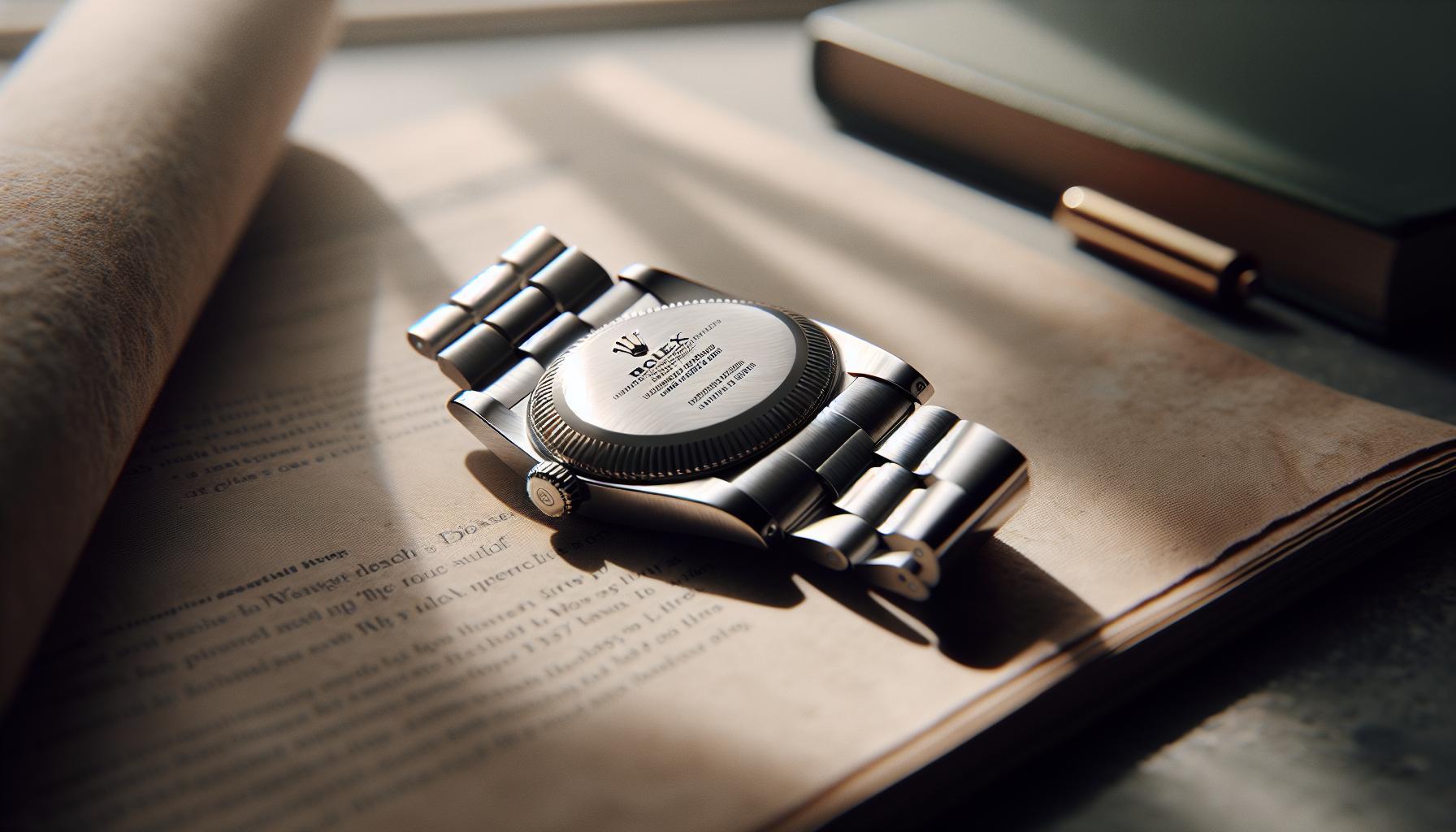
What Does the Back of a Rolex Datejust Look Like: Visual Guide
When you think of a Rolex Datejust, the iconic fluted bezel and classic dial typically come to mind-but what about the watch’s case back? This often-overlooked area holds subtle yet important design cues that speak to Rolex’s commitment to durability and craftsmanship. In this visual guide, we’ll explore exactly what the back of a Datejust looks like, from its solid, corrosion-resistant Oystersteel case to the smooth, unadorned finish that helps protect its reliable automatic movement. Whether you’re a curious newcomer or a seasoned collector, understanding these details enriches your appreciation of the watch’s engineering and authenticity.Plus, knowing what to expect on the case back can definitely help you spot genuine models and avoid common pitfalls in the pre-owned market. Stay with us as we break down these key features visually,providing both technical insights and practical value for anyone passionate about this timeless Rolex classic.
Contents
- Rolex datejust Caseback Design Explained
- Visual Details: What the Datejust Back Looks Like
- Why Rolex uses a Solid Caseback on Datejust Models
- Rolex Datejust Caliber and Movement Insights Through the Back
- Authenticating datejust Watches by Examining the Caseback
- Comparing Datejust Casebacks Across Generations
- How the Caseback Contributes to Datejust Durability and Water Resistance
- Common Myths and Misconceptions About Rolex Datejust Backs
- Aftermarket Modifications and Customizations of Datejust Casebacks
- Photographic Guide: Identifying Genuine vs Fake Datejust Casebacks
- Frequently asked questions
- Q: How can you tell if a Rolex Datejust caseback has been tampered with or opened?
- Q: What materials are used for the back of a Rolex Datejust, and how does it affect durability?
- Q: Does the Rolex Datejust ever feature a transparent caseback to showcase the movement?
- Q: Are there any engravings or markings on the back of a Rolex Datejust that help with identification?
- Q: How does the Rolex Datejust’s solid caseback design contribute to its water resistance?
- Q: Can aftermarket customizations change the look and authenticity of a Rolex Datejust’s caseback?
- Q: What are the differences in caseback thickness and profile between older and modern Rolex Datejust models?
- Q: How does the design of the rolex Datejust caseback aid in routine servicing by watchmakers?
- The Conclusion
Rolex datejust Caseback Design Explained
The Rolex Datejust caseback remains one of the more understated yet pivotal elements of the watch’s overall design and functionality. Unlike some luxury timepieces that flaunt their movements via a sapphire display caseback, the Datejust traditionally uses a solid metal back. This design choice is not merely aesthetic; it preserves the watch’s robustness and water resistance, essential for a daily wear classic that balances elegance and practicality. When you flip a genuine Datejust over, you’re greeted by a clean, unadorned solid caseback often stamped discreetly with subtle Rolex hallmarks, rather than loud or ornate engravings.
Why the Solid Caseback Matters
rolex’s decision to use a solid steel or precious metal caseback serves several technical purposes. First,it maximizes protection against shocks and magnetic fields-key adversaries of precision in mechanical watches.It also contributes to the model’s renowned waterproofness; Datejusts generally offer water resistance up to 100 meters, and the screw-down solid caseback plays a critical role in sealing the case against moisture and dust. For anyone thinking about aftermarket see-through backs, know that Rolex never fitted factory-sapphire casebacks to the Datejust, unlike some othre sportier models. That means a transparent back on a Datejust will always be aftermarket and generally discouraged by collectors due to the risk of compromising integrity or authenticity[[1]](https://www.officialtime.org/Datejust41).
Understanding What’s Beneath the Caseback
Though the solid caseback keeps the movement hidden, the heart inside is anything but ordinary. Modern Datejust models employ Rolex’s in-house calibers, like the Caliber 3235, which features a Chronergy escapement, increased power reserve (about 70 hours), and top-tier COSC-certified precision. Knowing the movement and its capabilities can enrich appreciation, even if it’s concealed by metal. If you ever come across a datejust with a transparent caseback, it’s critically important to inspect carefully-sometimes enthusiasts retrofit sapphire backs for aesthetics, though it’s not standard Rolex practice[[2]](https://www.spiralwinderwatchparts.com/product-page/slim-caseback-for-36mm-rolex-oyster-perpetual-and-datejust).
Visual and Physical Characteristics of Genuine Datejust Casebacks
A genuine Rolex Datejust’s caseback is typically polished to a flawless mirror finish, made of the same robust material as the watch case (stainless steel, gold, or Rolesor mix). On the inside, Rolex uses a unique threading system to secure the back tightly, which requires specialized tools to open without damage-a measure helping both durability and authenticity checks. Due to the solid caseback, there’s minimal outside engraving compared to other luxury watches; this clean design underscores Rolex’s philosophy of timeless, understated luxury rather than flashy ornamentation.
- Material: Grade 904L stainless steel or precious metal matches.
- Finish: Polished mirror surface, sometimes with discreet Rolex logos or serial codes inside.
- Construction: Screw-down design for robust sealing and water resistance.
If you’re curious or cautious about verifying authenticity, the caseback is a crucial area. Many counterfeit Datejust watches falter here because thay either use incorrect fonts, flawed stamping, or improper caseback thickness. Authentic Rolex casebacks also feature a very specific threading pattern and weight-details your trusted watchmaker or experienced collector can spot immediately.
in short, the Rolex datejust caseback might seem plain, but it’s a masterstroke of function meeting subtle design. It’s built less to wow visually and more to ensure the movement it protects runs flawlessly for decades-showcasing Rolex’s no-nonsense commitment to durability, precision, and understated elegance all in one sleek metal disc. For those of us who admire watchmaking as a mechanical art, this solid back is a silent guardian keeping the magic ticking beneath your wrist every day.
Visual Details: What the Datejust Back Looks Like
Few elements of a Rolex Datejust capture the essence of Rolex’s understated mastery quite like its caseback.Unlike many modern luxury watches that flaunt their intricate movements through transparent sapphire crystals, the Datejust’s back is a study in subtle restraint and purposeful design. Flip over a genuine Datejust, and you’ll encounter a smooth, polished metal disk-a pristine mirror finish often appearing almost reflective under the light. this solid caseback exudes quiet confidence, free from ostentatious engravings or exhibition windows, embodying Rolex’s belief that true craftsmanship doesn’t need to shout.
The material choice here is key. typically crafted from 904L stainless steel-the superalloy Rolex favors for its corrosion resistance and lustrous finish-or precious metals like gold on select models, the caseback matches the watch’s exterior flawlessly in color and durability. Its edges are gently curved to blend harmoniously with the case sides, creating a seamless transition that feels smooth against the wrist. On some rare references or vintage pieces, you might spot faint Rolex hallmarks or subtle codes discreetly embossed inside, but externally, the back remains elegantly bare, reinforcing a minimalist aesthetic that’s a signature of the Datejust line.
Opening the caseback reveals a precision-crafted threading system unique to Rolex, designed for a screw-down fit that ensures not only water resistance up to 100 meters but also a tight seal against dust and shocks. This construction detail is critical for preserving the highly refined in-house movements like the Caliber 3235 within. It also means that only properly equipped watchmakers should attempt to remove the back, preserving the integrity and authenticity of the watch. Scrutiny of the thickness, finish, and font of any external stampings here can quickly distinguish a genuine Datejust from common counterfeits, as forgers often overlook or mishandle these subtle details.
- Material: 904L stainless steel or precious metals matching the case
- Finish: Polished mirror surface; smooth and understated
- Design: Solid, screw-down with seamless edge curvature
- Markings: Minimal external engravings, discreet internal Rolex hallmarks in certain specific cases
- Functionality: Ensures water resistance, dust protection, and shock absorption
For photographers or serious collectors trying to document or authenticate a Datejust at arm’s length, the caseback’s reflective quality can be both a blessing and a challenge. The smooth surface elegantly mirrors the surrounding light and habitat, making clear, detailed photos tricky without careful lighting. However, this same trait speaks to the high polishing standards Rolex demands-a mirror finish free of blemishes or unevenness is often a swift litmus test for authenticity. In sum, the Datejust’s back may appear modest but, to those who truly appreciate watchmaking, it showcases Rolex’s philosophy perfectly: power, precision, and luxury rendered through refined simplicity rather than flash.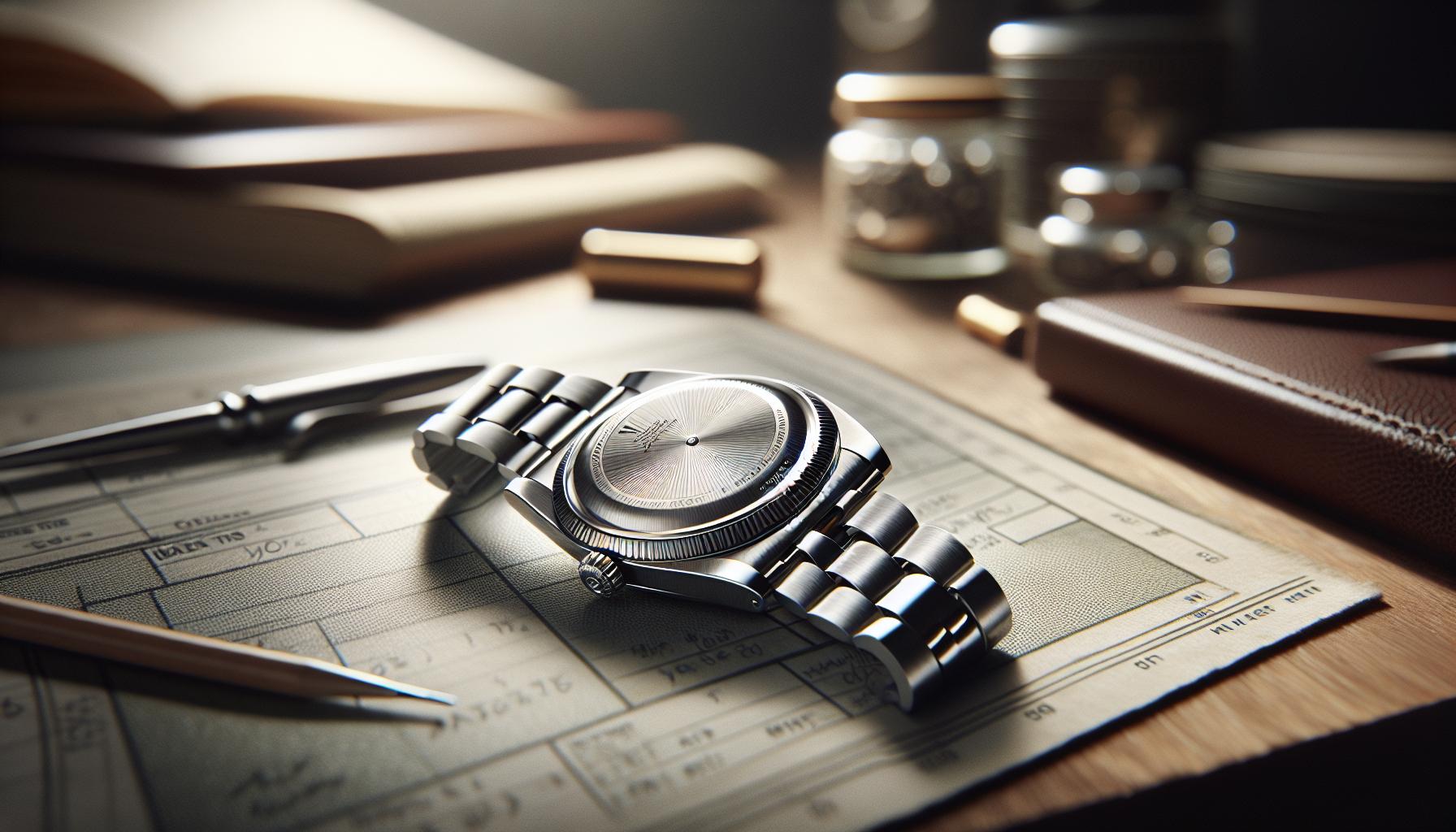
Why Rolex uses a Solid Caseback on Datejust Models
A solid caseback on the Rolex Datejust isn’t just a stylistic choice-it’s a cornerstone of the watch’s rugged reliability and timeless design philosophy. unlike many modern luxury watches that opt for exhibition casebacks showcasing their intricate movements, Rolex purposefully embraces a fully closed, polished metal back. This decision balances aesthetic minimalism with uncompromising protection, keeping the heart of the watch safe under all conditions. Rolex prioritizes longevity and precision over flashiness, and the solid caseback plays a key role in supporting that ethos.
The physical construction of the Datejust’s screw-down caseback is a technical marvel in itself. Crafted primarily from Rolex’s exclusive 904L stainless steel, this back forms a hermetic seal that guards the movement against moisture, dust, and shocks. The screw-down threading system is engineered for a tight fit that withstands water resistance up to 100 meters-a practical feature for daily wear, swim sessions, and even adventurous outings. This ensures that the automatic Caliber movements inside, such as the highly efficient and accurate Caliber 3235, remain perfectly shielded, maintaining performance and reducing the risk of damage over time.
The choice to keep the caseback solid rather than transparent also reflects Rolex’s respect for durability and authenticity. Exhibition backs tend to be more delicate, exposing the movement to potential environmental risks and frequently enough increasing servicing complexity. By contrast, the solid caseback offers a simple, no-nonsense barrier.It reduces the chance of accidental damage and preserves the carefully controlled atmosphere Rolex demands for its in-house calibers. For collectors and enthusiasts, this means less concern about wear and tear on the watch’s “engine” while enjoying a smooth, refined surface that is both pleasant on the wrist and unmistakably Rolex in character.
- Durability: Solid metal protects finely tuned movements from external impacts and particles.
- Water Resistance: Screw-down caseback ensures a water-tight seal vital for 100m water resistance.
- Aesthetic Restraint: polished simplicity supports Rolex’s understated design language and wearability.
- Service Practicality: Reduces vulnerability and facilitates professional servicing by certified watchmakers only.
in essence, Rolex’s preference for a solid caseback on the Datejust brings together mechanical resilience, aesthetic purity, and maintenance foresight. It’s a quiet testament to the brand’s philosophy that functional excellence and timeless elegance go hand in hand-even on parts often overlooked like the watch’s back. For collectors and new owners alike, respecting this design choice deepens appreciation for how the datejust perfectly balances technical robustness with subtle luxury.
Rolex Datejust Caliber and Movement Insights Through the Back
One of the fascinating paradoxes of the Rolex Datejust is that while its solid caseback keeps the movement completely hidden, the heart inside tells a story of engineering brilliance and precise craftsmanship that’s well worth understanding. Rolex equips many modern Datejust models with in-house automatic calibers like the Caliber 3235 – a true workhorse that exemplifies the brand’s pursuit of reliability, accuracy, and innovation beyond mere aesthetics. Though you can’t see it through a transparent back, gaining insight into this movement enriches appreciation for what’s silently powering your wrist.
The Caliber 3235 is a self-winding mechanical movement featuring Rolex’s patented Chronergy escapement and a Parachrom hairspring,both designed to enhance efficiency and robustness against shocks and magnetic fields. It offers a 70-hour power reserve, meaning the watch can continue running for nearly three days off the wrist-ideal if you rotate your collection. This movement also includes a quickset date function, making calendar adjustments smooth and practical. Its precision is certified by COSC (the Swiss Official Chronometer Testing Institute), but Rolex goes further by testing it under simulated real-life conditions, guaranteeing a deviation of only -2/+2 seconds per day, which is stricter than industry standards.While the solid caseback obscures direct observation, this design choice protects the intricate components from environmental threats that could compromise performance. Unlike watches with exhibition backs that expose the balance wheel and rotor – tempting though that may be for a mechanical enthusiast - the sealed back of the Datejust prioritizes stability and water resistance. That means your movement is shielded from dust, moisture, and accidental knocks during everyday wear.For collectors and novices alike, this ensures the longevity of your investment, reducing wear and the risk of costly servicing caused by contamination or damage.
- Automatic Movement: Caliber 3235 winds itself via wrist motion,eliminating the hassle of manual winding.
- Chronergy Escapement: Boosts efficiency by 15%, improving energy use and precision.
- Parachrom Hairspring: Enhances resistance to shocks and magnetic fields, key for daily reliability.
- quickset Date: Allows fast, autonomous date adjustments without disturbing timekeeping.
- COSC + Rolex In-House Testing: Guarantees chronometer-level accuracy with rigorous real-world simulation.
- Power Reserve: 70 hours ensures you can set the watch aside without losing time.
Owning a Datejust means trusting that inside the solid caseback lies a finely tuned, purpose-built machine designed for enduring precision. Though you don’t get a visual “wow” from a skeleton or sapphire caseback, what you gain is peace of mind and an understanding that durability, accuracy, and maintenance practicality were carefully prioritized – a balance not every luxury watch achieves. For those who admire mechanical art and performance, the rolex Datejust’s movement is a quiet, confident presence beneath its polished, unassuming exterior.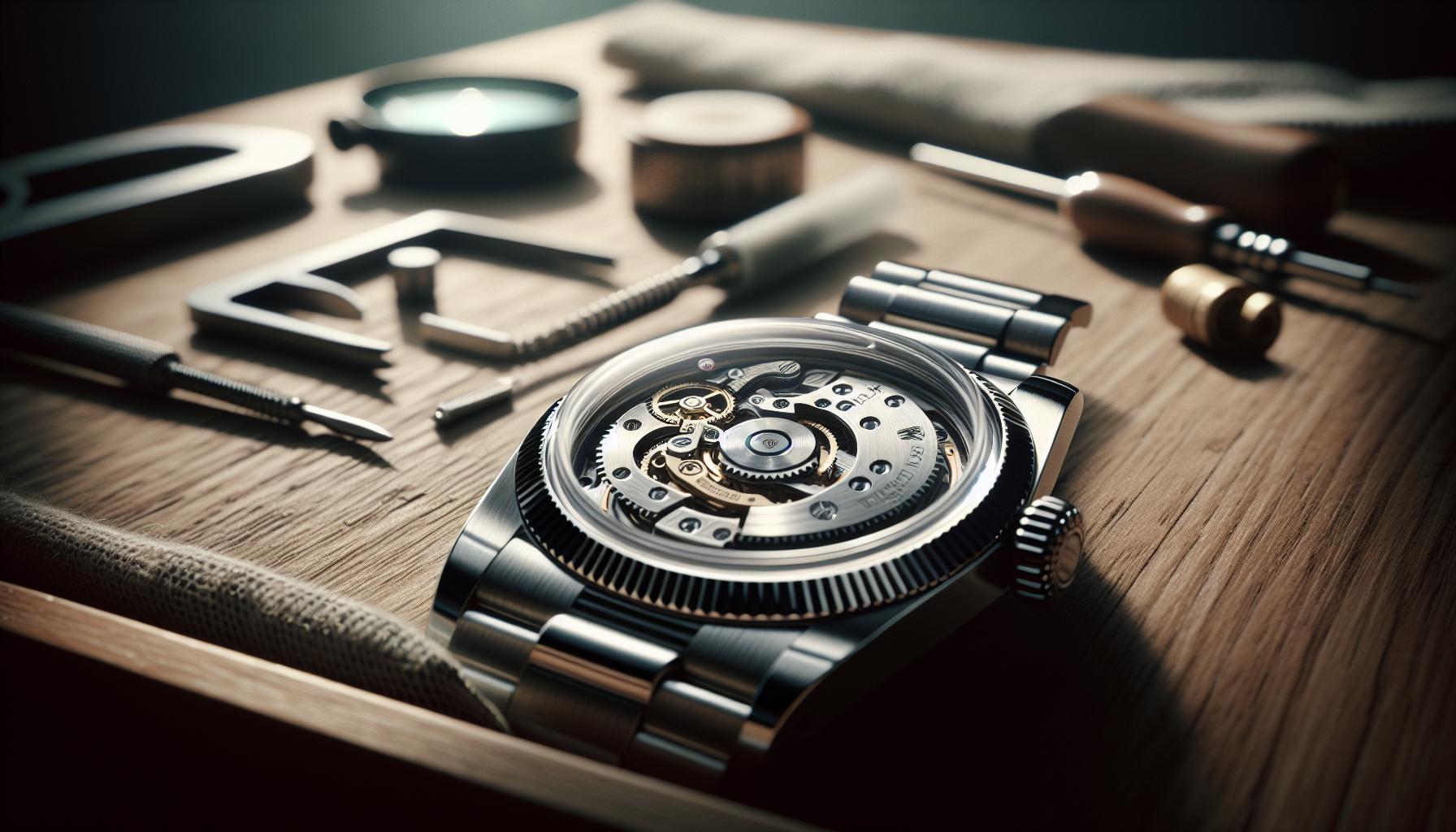
Authenticating datejust Watches by Examining the Caseback
Rolex’s choice to use a solid caseback on the Datejust goes beyond mere tradition-this feature is a essential part of ensuring authenticity and durability. unlike some luxury watches that display their intricate movements through transparent sapphire backs, the Datejust keeps its mechanical marvel under wraps.This solid steel caseback not only guards the movement against dust, moisture, and shocks but also carries subtle markings that are telling signs for authentication. Knowing what to look for here can save you from costly mistakes when acquiring a Datejust, especially in the pre-owned or gray market.
Authentic Datejust casebacks are meticulously stamped with detail,including reference numbers,hallmark stamps,and specific Rolex insignia that counterfeiters often overlook or poorly replicate. For example, genuine models produced post-1990 typically feature a finely engraved Rolex crown, along with a model number and sometimes a hologram sticker on the outside (though this sticker may wear off over time). Inside the caseback, which should only be opened by certified watchmakers, there are precision engravings unique to Rolex’s production sequences and material specifications. Any transparent or exhibition casebacks are immediate red flags,as these are almost never factory-standard on Datejusts-except,rarely,for some highly specialized vintage exceptions[[1]](https://www.exquisitetimepieces.com/blog/rolex-oyster-perpetual-datejust-fake-vs-real/?srsltid=AfmBOoqV7JF8QBs8U_OTUnwFsvcfncclmgMQ6YRMSJdWw1R6GcnXeR1E).
How to Spot Genuine Rolex Caseback Details
- Material Quality and Finish: The steel on a genuine Datejust caseback has a flawless, weighty feel. The finish is smooth and uniform, never rough or overly glossy.
- Engraving Precision: Authentic engravings are crisp, not blurry or shallow. Look for the Rolex coronet, model or reference numbers, and sometimes hallmarks. The typography is clean and consistent.
- Caseback Design: Solid and screw-down, designed to maintain the watch’s water resistance and protect the automatic movement inside (like the Caliber 3235). No sapphire or clear backs here.
- Hologram Stickers (Where Applicable): Many post-90s models carry a green hologram sticker with the Rolex crown and reference number on the outside caseback. Though, a missing or worn sticker doesn’t indicate a fake-it frequently enough gets removed by owners.
Hacking someone else’s watch story by peeking at the caseback isn’t just about spotting fakes.It also helps you confirm the watch’s production era since Rolex uses caseback stamps as “Rosetta Stones” to pinpoint manufacturing years and batch authenticity[[3]](https://www.rolexforums.com/showthread.php?t=876251). Vintage models have distinct hallmarks and caseback features differing from modern variants, so comparing your watch’s back to verified examples or official Rolex archives can be invaluable.
Common Pitfalls and Misinformation
Some newcomers mistakenly believe that a transparent or decorative caseback enhances a watch’s collectibility. In Rolex Datejust’s case, that’s almost always a sign of an aftermarket modification or outright counterfeit. known fakes sometimes try to mimic a luxury trend by adding sapphire casebacks-but this directly conflicts with Rolex’s engineering philosophy for this line and compromises the watch’s integrity[[1]](https://www.exquisitetimepieces.com/blog/rolex-oyster-perpetual-datejust-fake-vs-real/?srsltid=AfmBOoqV7JF8QBs8U_OTUnwFsvcfncclmgMQ6YRMSJdWw1R6GcnXeR1E).
There are also myths floating around about engraved logos or serial numbers on the outer rim of the caseback versus inside it. Authentic Datejusts don’t display serial numbers on the exterior of the caseback-the serial is discreetly engraved between the lugs (underneath the bracelet). Also, the Rolex crown on the winding crown and clasp is typically more reliable for quick authenticity checks than caseback markings alone.
- Don’t rely solely on caseback holograms or stickers; these can be worn or removed.
- Remember that solid steel backs are part of the watch’s durability and water resistance; if it’s transparent or has unusual markings, question its provenance.
- Consult trusted resources or professional appraisers; spotting a fake frequently enough requires comparing multiple details beyond just the caseback.
In short, the caseback of a rolex Datejust is an understated yet vital part of its story-both as a physical protector of the movement and a subtle badge of authenticity. For collectors and enthusiasts, examining this part gives you a deeper connection with Rolex’s commitment to function and form, while helping you steer clear of counterfeits cleverly disguised behind flashy tricks.
Comparing Datejust Casebacks Across Generations
The caseback of the Rolex Datejust may go unnoticed by many, but it tells a fascinating story about the watch’s evolution through the decades. From vintage Datejusts of the mid-20th century to the refined modern versions today, the solid steel caseback has remained a hallmark of robustness and authenticity.Yet subtle changes in engraving styles, finishing techniques, and markings offer insightful clues into a Datejust’s production era and lineage.
Early Datejust models, like those from the 1950s and 60s, feature relatively minimalist casebacks. These solid backs typically showcase light engravings inside, frequently enough including Rolex’s hallmark, production codes, and the case material indication (e.g., “stainless steel” or “gold filled”). Unlike modern models,external engravings were sparse or nonexistent,relying more on discreet serial numbers between the lugs for authentication. The vintage casebacks tend to have a slightly more domed profile and a hand-finished feel, reflecting manufacturing practices of the time.
In contrast,Datejust watches made after the 1980s display a marked shift toward precision machining and more standardized markings. Post-1990 models frequently have finely engraved Rolex coronets on the exterior caseback, along with detailed reference numbers and occasionally green hologram stickers for added verification. these holograms are a useful authenticity cue but, importantly, their absence doesn’t automatically mean a watch is fake as wear and cleaning frequently enough remove them. Internally, the modern caseback houses tight, consistent engravings that identify the exact caliber – like the in-house Caliber 3135 or the newer Caliber 3235 – reflecting Rolex’s progression toward more advanced automatic movements.
The most recent iterations of the Datejust display even crisper engraving, emphasizing clean fonts and sharper relief on all caseback markings. The finishing quality here is impeccable, with a brushed or polished surface tailored to match the case material flawlessly. Rolex continues to refuse transparent casebacks on the Datejust line, underscoring the brand’s commitment to water resistance and movement protection rather than exhibitionism. For collectors and buyers,these stable design choices across generations help maintain the Datejust’s identity as both a robust daily wearer and a timeless classic.
Practical Tips for Comparing Casebacks Across Eras
- Look for engraving style and placement: Older watches tend to have simpler,less precise markings versus ultra-fine,laser-etched details on modern ones.
- Check for hologram stickers on models post-1990: Presence, wear, or absence can indicate production decade, but missing stickers aren’t cause for alarm.
- note the material finish: Vintage casebacks may show more hand-finishing textures, while modern ones have uniform factory polishing or brushing.
- Remember serial number locations: never expect to find the serial engraved on the outer caseback. Instead, inspect between the lugs for proper serial number placement.
- Use high-quality photo references and trusted sources: Comparing your watch’s caseback to verified examples online or through collectors’ forums reduces fraud risk.
| Era | Caseback Engraving | Material Finish | Notable Features |
|---|---|---|---|
| 1950s-1970s | Minimal internal markings, no external logos | Hand-finished, domed profile | Discreet hallmarks, no holograms |
| 1980s-1990s | External Rolex crown engraving introduced | more uniform finish, laser-etching begins | Green hologram stickers on exterior (post-1990) |
| 2000s-Present | Sharp, precise engravings, model & caliber details | High polish/brushed finishes matching case | Consistent solid screw-down backs, no transparent backs |
Understanding these nuances allows collectors and enthusiasts to appreciate not just the external beauty of the Datejust but also the story locked beneath its solid back. it’s a quiet testament to Rolex’s dedication to durability, precision engineering, and tradition across generations – qualities that make the Datejust an evergreen icon in the world of horology.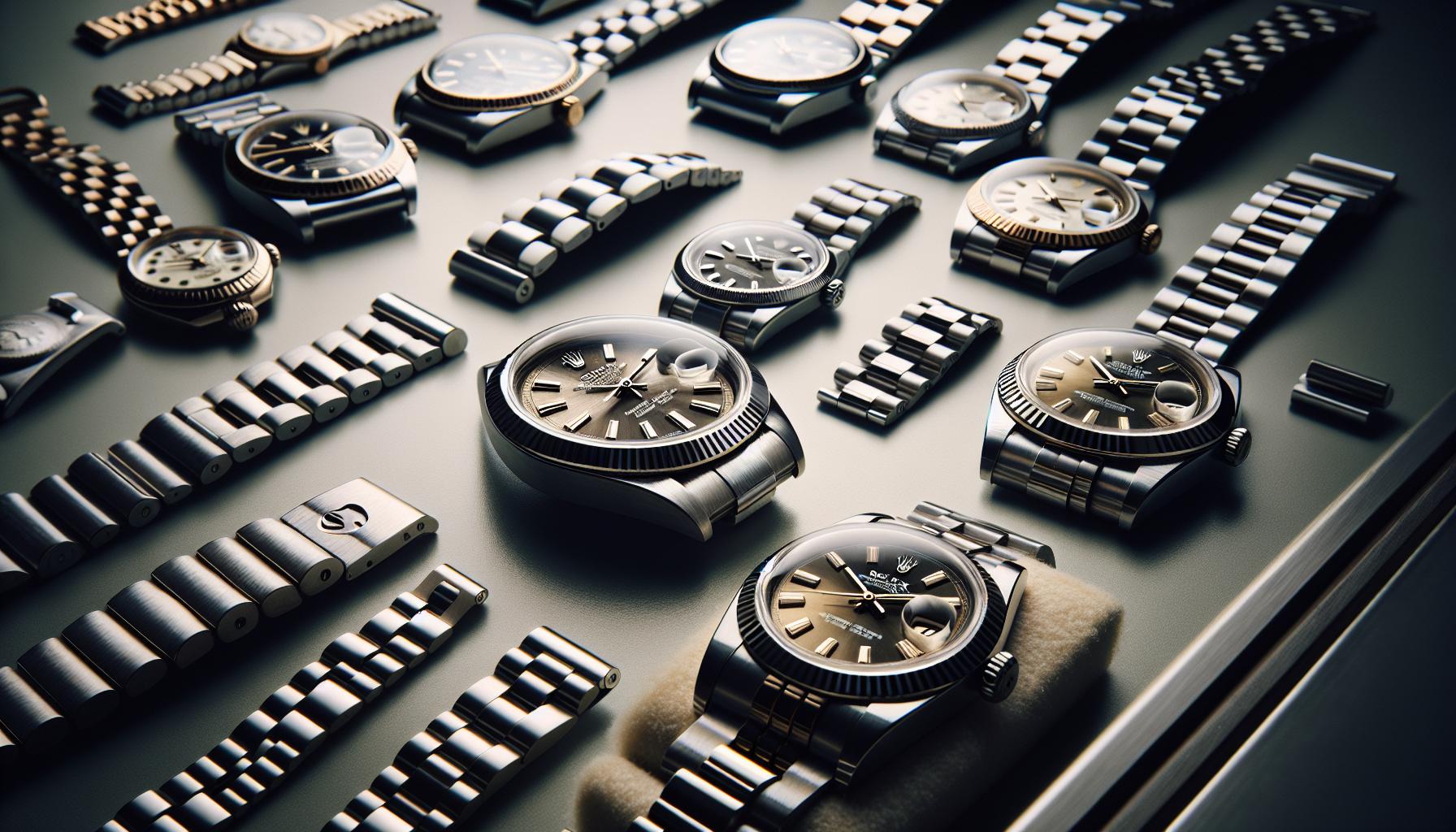
How the Caseback Contributes to Datejust Durability and Water Resistance
The Rolex Datejust’s iconic reputation for lasting durability and reliable water resistance owes a great deal to its meticulously engineered solid caseback. Unlike exhibition-style transparent backs that showcase the movement but may trade off some protection, Rolex opts for a robust, fully sealed caseback crafted from corrosion-resistant Oystersteel or precious metals depending on the model. This design choice isn’t just aesthetic-it’s integral to maintaining the watch’s performance under a variety of daily conditions.
At the heart of this protective system is the screwed-down caseback, which tightly compresses against the middle case with a finely machined thread. This secure closure creates a virtually airtight and watertight seal that shields the delicate in-house movement from dust, moisture, and shocks. This contributes to the Datejust’s typical water resistance rating of 100 meters (330 feet), making it perfectly suited for swimming, showering, or rainy weather, even though it isn’t positioned as a dedicated dive watch like the Submariner. The screw-down construction also aids in maintaining pressure equilibrium inside the watch, forestalling corrosion and lubricants drying out prematurely-a key factor for long-term durability.
another clever design aspect is how Rolex finishes and adjusts the caseback to work seamlessly with the overall Oyster case architecture. The back is slightly domed in vintage models, enhancing rigidity and creating a snug fit against the gasket seals.Modern Datejusts feature precision laser-etched engravings on their casebacks, yet the surface remains smooth and uninterrupted externally to minimize wear points and ensure comfort on the wrist. This smooth profile also helps prevent accidental impacts that could compromise the seal or deform the metal.
For collectors and enthusiasts, understanding this caseback construction helps dispel myths suggesting that a solid back limits maintaining or servicing the watch. In contrast, the screw-down approach enables trained watchmakers to securely access the movement while ensuring that, upon reassembly, original performance benchmarks for durability and water resistance are restored – a hallmark of Rolex’s commitment to functional excellence. For everyday wearers, this means the Datejust gracefully combines mechanical sophistication with rugged resilience, without sacrificing the classic elegance that has made it a true horological icon.
Key Features Supporting Durability and Water Resistance
- Screw-Down Design: Provides a tight, pressure-resistant seal to keep out moisture and dust.
- Oystersteel Construction: corrosion-resistant metal that withstands environmental exposure.
- Precision Gasket Seals: Positioned between the caseback and case for added water-tightness.
- Solid Back Profile: Minimized external wear points and impact protection.
A closer appreciation of these features offers insightful context beyond just the visual aesthetics of the Datejust’s back. It showcases Rolex’s mastery in blending traditional watchmaking craftsmanship with innovative engineering to create a model that’s as trustworthy on the daily grind as it is elegant at a formal event. If you treasure a watch that can keep up with life’s adventures without fuss, the Datejust’s caseback design is foundational to that enduring promise.
Common Myths and Misconceptions About Rolex Datejust Backs
Rolex watches, including the Datejust, often carry an air of mystery about their solid, unassuming casebacks.One of the most persistent myths is that Rolex casebacks are always blank and never bear any engravings or inscriptions. While it’s true the typical Datejust features a smooth, polished caseback free of decorative engravings, the story is more nuanced. There are specific references and limited editions where inscriptions or insignias appear,although these are the exceptions rather than the rule. This variation can sometimes confuse collectors and prospective buyers when authenticating or comparing models[[2]](https://www.fratellowatches.com/rolex-casebacks-always-blank/).
Another common misconception is that the solid, sealed caseback makes the Datejust difficult or risky to service. Some assume transparent or exhibition backs are superior because they showcase the movement and imply easier access. however, Rolex’s screw-down solid caseback design is a practical, engineering-driven choice to optimize water resistance and long-term durability.Trained watchmakers use specialized tools to perfectly unscrew and reseal the caseback during servicing, restoring factory-standard protection every time. This process has ensured the Datejust’s reputation for reliability over decades - no compromise here[[1]](https://forums.timezone.com/index.php?t=msg&th=464314&rid=0).
Many newcomers are also surprised to learn that the absence of an engraved serial number or model reference on the exterior caseback is intentional. Rolex places these identifiers on the watch’s inner casing or between the lugs rather than outside, avoiding potential wear damage or counterfeit confusion. Additionally, aftermarket engravings on Datejust casebacks sometimes cause alarm, but Rolex does not authorize such customizations, and they can affect authenticity and resale value. It’s always safest to verify the watch with authorized sources or trusted collectors rather than rely solely on caseback markings.
- Don’t expect visible engravings: Most Datejust casebacks are polished and blank externally; focus on other authenticity markers like serial numbers and bracelet codes.
- Understand rolex’s design philosophy: The solid caseback prioritizes robustness and water resistance,not showing off the movement.
- Avoid aftermarket modifications: Original factory casebacks maintain value and performance; custom engravings or transparent replacements are rare and frequently enough lower authenticity.
- Trust expert servicing: Authorized Rolex watchmakers expertly handle the screw-down caseback to preserve seals and durability after any repair.
By separating fact from fiction in this often-misunderstood area, watch enthusiasts-whether starting their first Datejust or adding to a collection-can better appreciate how Rolex’s solid caseback is a purposeful, high-precision feature. It embodies the blend of classic elegance and rugged resilience that makes the Datejust both a daily companion and a lasting horological treasure.
Aftermarket Modifications and Customizations of Datejust Casebacks
Few aspects of Rolex Datejust watches spark more curiosity than the caseback, especially when it comes to aftermarket modifications.while Rolex’s factory-issued solid caseback is a hallmark of durability and design precision, some owners seek to personalize or alter this component - often with a mix of intriguing results. Whether it’s adding custom engravings, swapping in clear sapphire exhibition backs, or using third-party replacements, these changes invite both aesthetic allure and practical considerations that every collector should know.
Most Rolex datejust models come with a flawlessly polished, solid steel caseback engineered to ensure remarkable water resistance and protect the movement within. When aftermarket customizers fit a clear caseback, for example, it offers a rare glimpse of the in-house automatic caliber (like the reliable 3135 or modern 3235 series) ticking inside.This clarity appeals strongly to watch enthusiasts who appreciate mechanical artistry.However, these solutions often come at a premium price and can affect the watch’s original water resistance. Swapping a factory caseback with a sapphire crystal one requires expert installation and precise gaskets to maintain sealing – something generally not supported or recommended by Rolex itself[[2]](https://www.reddit.com/r/rolex/comments/1d4dy93/a_bit_unorthodox_but_wanted_a_clear_case_back_for/).
Custom engravings or personalized inscriptions on a Datejust caseback are another popular aftermarket route, yet these tend to raise red flags in terms of authenticity and future resale. Rolex deliberately keeps its Datejust casebacks blank and free from outside markings to prevent counterfeit mischief and to preserve a clean,timeless look. When dealers or collectors come across engraved backs not matching factory styles, skepticism is warranted.While some aftermarket specialists offer tasteful custom work, these modifications can seriously reduce collector value, making the watch less attractive to purists and authorized buyers.
- Originality maintains Value: For those investing or building a collection,staying with factory casebacks ensures maximum authenticity and resale potential.
- Aftermarket Parts Impact Warranty: Replacing or customizing casebacks outside official channels voids Rolex’s warranty and perhaps compromises water resistance.
- Expert Installation is Key: If opting for clear backs or alterations, entrust work to master watchmakers familiar with Rolex’s screw-down caseback system.
- Transparency and Trust: Customized backs may showcase movement beauty, but buyers should seek full disclosure on modifications before purchase.
It’s worth noting a vibrant niche market exists for custom Rolex casebacks among enthusiasts who delight in personal touches or want to display their movement openly. Companies like Custom Watch concepts have built reputations for high-quality sapphire casebacks tailored to models including the Datejust, carefully machining and polishing them to stand up to daily wear[[2]](https://www.reddit.com/r/rolex/comments/1d4dy93/a_bit_unorthodox_but_wanted_a_clear_case_back_for/).Yet, collectors should weigh the joy of these enhancements against the potential trade-offs in originality and factory warranty.
Ultimately, aftermarket modifications of Datejust casebacks are an invitation to balance passion and preservation. Whether you prioritize technical purity, investment security, or aesthetic innovation, understanding Rolex’s original design intent helps you make choices that truly honor the watch’s craftsmanship and legacy.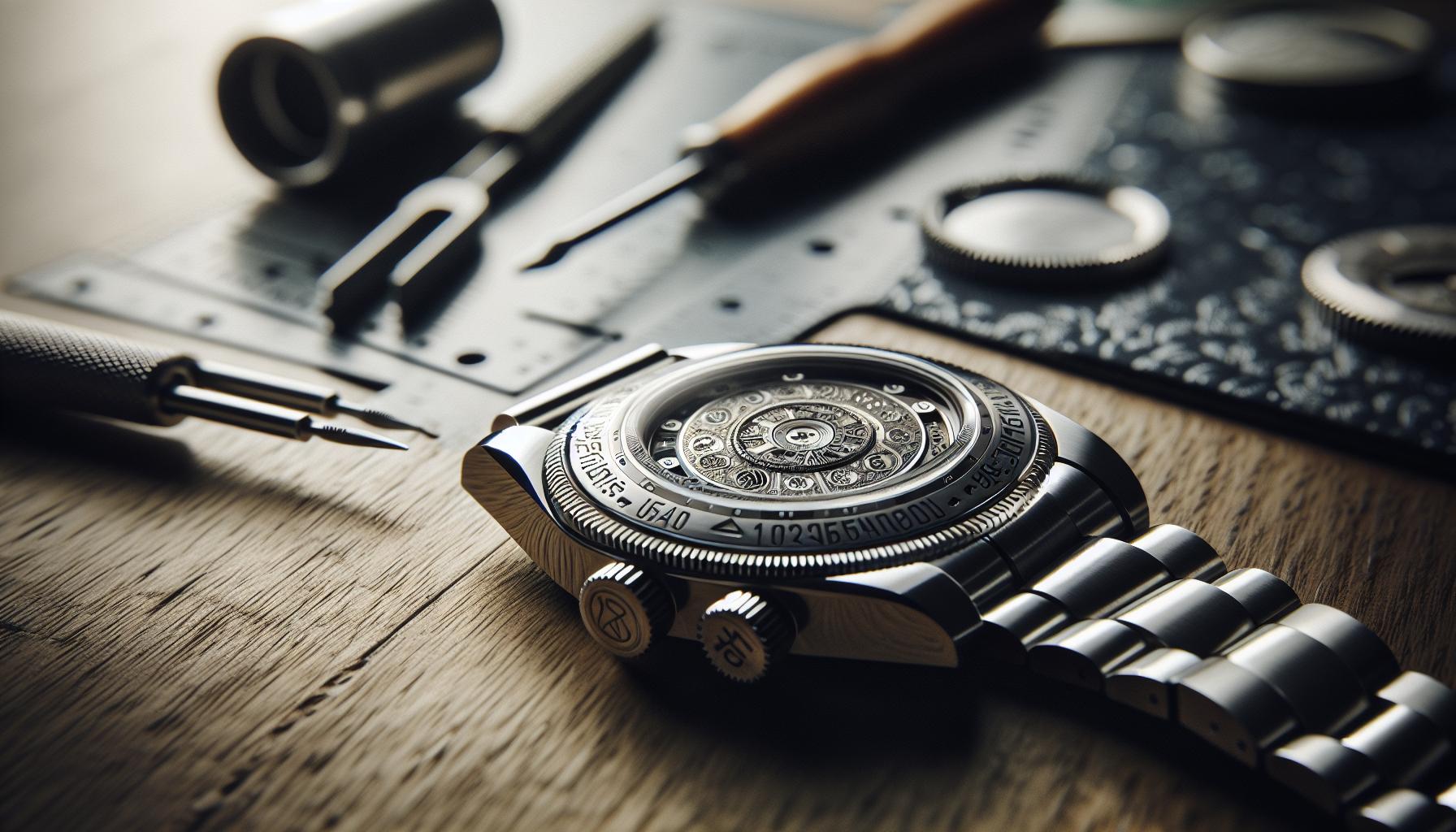
Photographic Guide: Identifying Genuine vs Fake Datejust Casebacks
A Rolex Datejust caseback can appear deceptively simple at first glance-merely a polished, solid steel circle that seems almost featureless. Yet, this understated design is an emblem of Rolex’s commitment to precision engineering and water resistance. For collectors and enthusiasts aiming to spot an authentic Datejust or avoid replicas, the caseback proves to be an unexpectedly revealing element. Unlike many counterfeit attempts that focus heavily on dial and bezel details, the caseback is often overlooked but carries subtle visual cues essential for authentication.
Genuine Datejust casebacks are crafted from robust 904L stainless steel, featuring a precise screw-down design with impeccably smooth edges and even polishing.There are no logos, engravings, or text on the factory-fitted backs; the blank, mirror-like surface is part of the watch’s clean aesthetic and robust water resistance system. Fakes often miss this minimalism, displaying poorly etched markings, misspelled words, or incorrect font styles. Sometimes replicas show shallow engraving that looks laser-printed or chemically etched rather than the deep precision Machining typical of Rolex’s manufacturing.
- Thickness and Weight: Real datejust casebacks have a solid heft and consistent metal thickness, whereas fakes can feel lighter or uneven due to cheaper materials.
- Edge Detailing: The threading on genuine casebacks is finely cut, allowing a secure screw-down seal. Replicas may have rough, inconsistent threading to mimic this but lack Rolex’s tight tolerances.
- Finish Quality: Using macro photography helps examine the polish-real casebacks appear flawlessly smooth and reflective, while counterfeit ones sometimes show visible tool marks or uneven surfaces.
Photographic Tips for Spotting Counterfeit Casebacks
When photographing a Datejust caseback for authentication or sale, lighting and angles are critical. Use diffused, even lighting to capture reflections that reveal polish quality and surface imperfections. Close-up shots of the edge threading will show whether machining is clean or crudely executed. Genuine backs often display a slight chamfered bevel around the edge-the absence of this subtle detail is a warning sign.
Below is a simplified comparison to help visualize key traits:
| Aspect | Genuine Datejust Caseback | Fake/Aftermarket Dateback |
|---|---|---|
| Material | 904L stainless steel, heavy and solid | Lower-grade steel or alloy, lighter feel |
| Finish | Mirror-polished, flawless surface | Uneven polish, possible tool marks |
| Engravings | None on outside caseback (except for rare vintage models) | incorrect or excessive engravings/logos |
| threading | Precise, uniform cut for tight screw-down seal | Rough or inconsistent threading |
Beware of Aftermarket Modifications
Custom sapphire exhibition backs-a favorite aftermarket upgrade-add a crystal window to view the movement. Though visually stunning, these replacements noticeably break with Rolex’s original design and can reduce water resistance. When examining photos, a clear caseback is an immediate authenticity red flag if the watch is sold as all-original. Similarly, any engraving or personalization that isn’t factory-issued suggests aftermarket alteration, which impacts both value and warranty coverage.
Ultimately, a well-photographed Datejust caseback offers an unspoken story about the watch’s origin. By focusing on material quality, finishing precision, threading condition, and absence of unauthorized markings, collectors can arm themselves with visual evidence that supports authenticity claims. Embracing these photographic insights bridges the gap between casual appreciation and expert discernment-empowering every enthusiast to respect the subtle artistry hidden just beneath the wrist.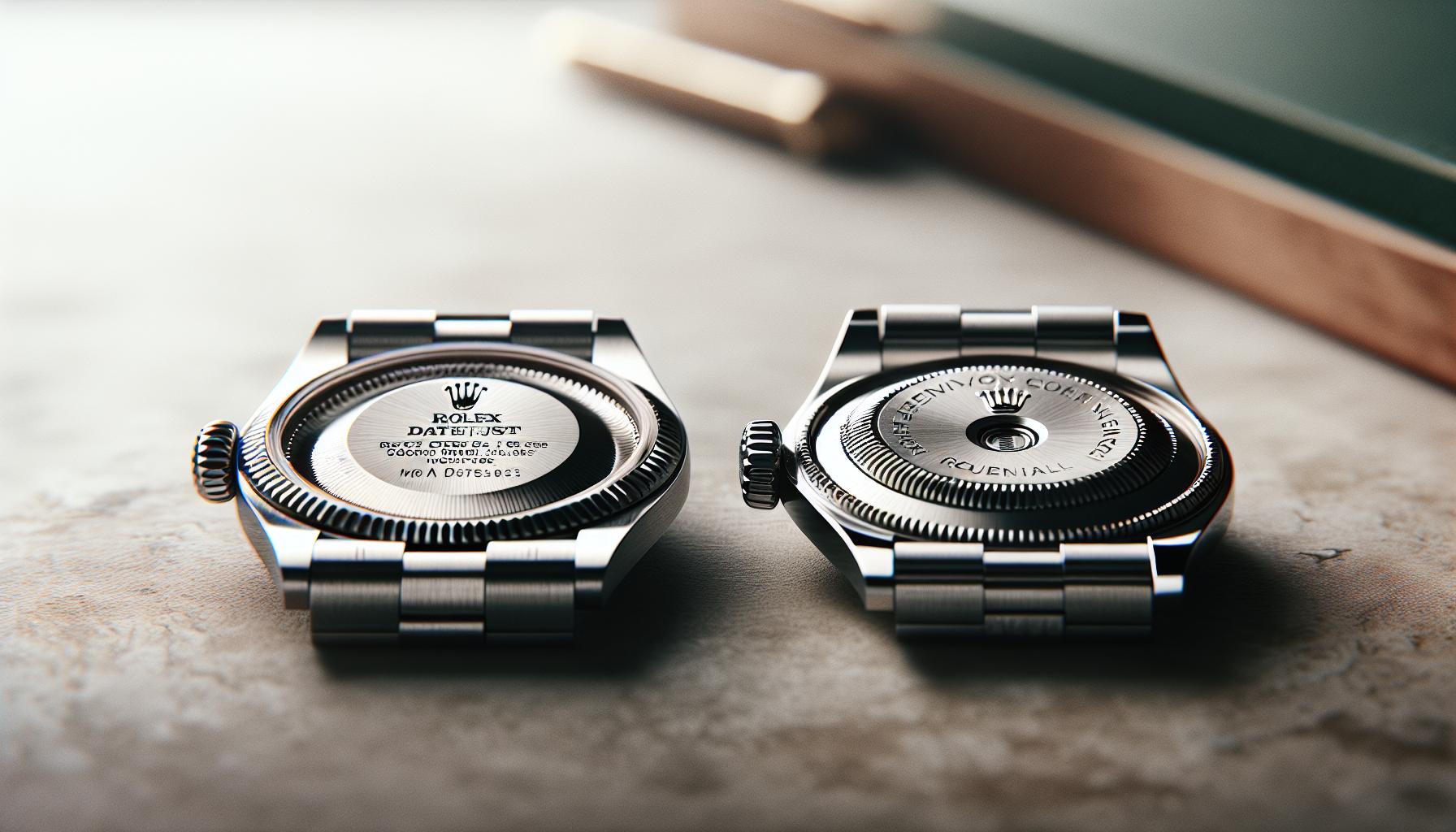
Frequently asked questions
Q: How can you tell if a Rolex Datejust caseback has been tampered with or opened?
A: A genuine Rolex Datejust caseback rarely shows visible tool marks because Rolex uses special sealing techniques and a proprietary tool for opening. If you see scratches, dents, or uneven edges, the caseback was likely opened or tampered with. Always seek expert authentication and refer to our section on authenticating Datejust casebacks for reliable checks.
Q: What materials are used for the back of a Rolex Datejust, and how does it affect durability?
A: The Rolex Datejust caseback is made from solid 904L stainless steel, known for exceptional corrosion resistance and toughness. This material ensures robustness against scratches and water pressure, contributing heavily to the watch’s durability and water resistance. Learn more in the article’s breakdown of caseback materials and protection.
Q: Does the Rolex Datejust ever feature a transparent caseback to showcase the movement?
A: No, Rolex Datejust models traditionally use a solid caseback and do not feature sapphire or transparent backs. Rolex emphasizes durability and water resistance over exhibition, unlike many other luxury watches. For movement insights, consult the Rolex Datejust caliber and movement section instead.
Q: Are there any engravings or markings on the back of a Rolex Datejust that help with identification?
A: Genuine Rolex Datejust backs are generally plain and unmarked externally. However, some vintage or limited-edition models may have discreet engravings internally, visible only when opened by an authorized dealer. Always cross-reference with official guides to spot fakes avoiding misleading external markings.
Q: How does the Rolex Datejust’s solid caseback design contribute to its water resistance?
A: The solid, screw-down caseback with a Twinlock or Triplock seal system creates a tight waterproof barrier, enabling the Rolex Datejust to typically reach 100 meters of water resistance. This robust design protects the automatic movement inside from moisture or dust entry effectively.
Q: Can aftermarket customizations change the look and authenticity of a Rolex Datejust’s caseback?
A: Aftermarket casebacks exist but significantly reduce authenticity and value.Custom engravings or transparent backs compromise Rolex’s original waterproof seal and are not recommended. Always buy watches with original casebacks and verify authenticity using guides like our photographic caseback authentication section.
Q: What are the differences in caseback thickness and profile between older and modern Rolex Datejust models?
A: Older Datejust models feature slightly thinner casebacks with a more rounded profile,while modern versions have thicker,flatter casebacks to accommodate newer calibers and improve durability. Detailed comparisons can be found in the article’s caseback evolution across generations for precise visual identification.
Q: How does the design of the rolex Datejust caseback aid in routine servicing by watchmakers?
A: The Datejust’s screw-down caseback is designed for secure closure yet allows authorized watchmakers to access the movement for servicing using Rolex-specific opening tools. This design balances protection with practicality, explained further in the Rolex servicing and caseback section for maintenance insights.
For deeper technical details and visual examples, explore the linked sections within the main article to enhance your understanding and confidently identify genuine Rolex Datejust casebacks.
The Conclusion
Understanding the subtle details of the Rolex Datejust’s case back-the hallmark of its durable, automatic caliber 3235 movement-provides valuable insight into its enduring craftsmanship and investment appeal. whether you’re appreciating the unadorned steel design or exploring the watch’s solid case contributing to water resistance and longevity, this visual guide equips you with essential knowledge for both collectors and enthusiasts. Ready to deepen your expertise? Explore our detailed comparisons of Rolex Submariner versus Datejust models and uncover tips on authenticating luxury timepieces to sharpen your collector’s eye.
don’t miss out on staying ahead in the world of fine watches-sign up for our newsletter and gain exclusive access to expert reviews, resale value analysis, and buyer’s guides. If you have questions about Rolex movements,complications,or pricing strategies,join the conversation below or visit our comprehensive horology resource center for more in-depth content on automatic watches,calibers,and in-house mechanisms. Keep exploring,because every detail counts when it comes to owning a piece of horological history.


