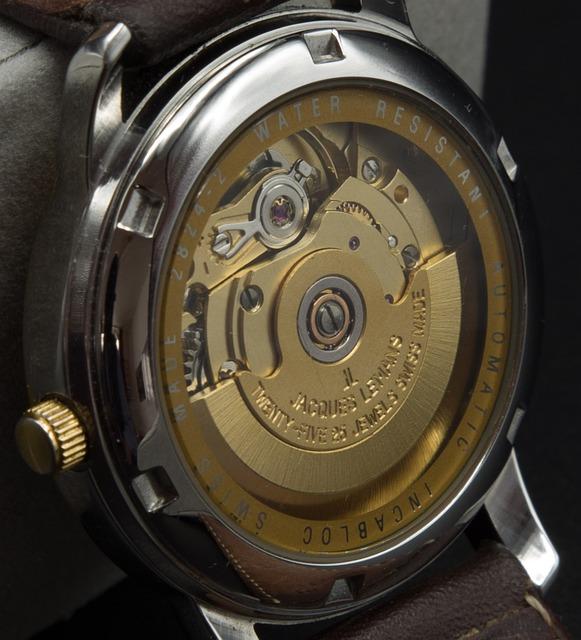
What Does Automatic Movement Mean in a Watch? Essential Info
Have you ever wondered what sets a watch with automatic movement apart from its counterparts? If you’re a timepiece enthusiast or simply curious about horology, you’ve come to the right place. In this article, we delve into the captivating world of automatic movement, shedding light on its definition, functionality, and significance. Join us as we navigate through the intricate workings of these remarkable watches, revealing all the essential information you need to know. Steeped in a natural human tone and presented with confidence and knowledge, let’s demystify the enigma behind automatic movement and explore its fascinating inner workings.
Contents
- How Does Automatic Movement Work?
- The Advantages of Choosing a Watch with Automatic Movement
- Understanding the Components of an Automatic Movement Watch
- Exploring Different Automatic Movement Watch Designs
- Finding the Right Automatic Movement Watch for Your Style and Budget
- A Brief History of Automatic Movement in Watches
- Concluding Remarks
How Does Automatic Movement Work?
Automatic movement, also known as self-winding movement, is a fascinating mechanism that powers many mechanical watches today. It eliminates the need for manual winding and relies on the natural motion of the wearer’s wrist to keep the watch ticking.
Inside an automatic watch, there is a rotor that rotates freely with the movement of your wrist. This rotor is connected to a series of gears, which, in turn, wind the mainspring—the power source of the watch. As you go about your daily activities, the rotor spins and transfers energy to the mainspring, storing it for later use.
Related: What to Watch in the Week Ahead Investing.com? Insider Info
A well-designed automatic movement can provide a power reserve that can last anywhere from 24 to 72 hours, depending on the make and model. When the watch is not being worn, it continues running on the stored energy. However, if the watch is not worn for an extended period, it may stop, requiring manual winding or shaking to restart.
One of the joys of owning an automatic watch is its ability to keep itself wound through regular wear. The continuous motion of the rotor ensures that the watch is always running accurately, without the hassle of constant manual winding. So, whether you’re walking, typing, or simply going about your day, the automatic movement silently and effortlessly powers your timepiece, allowing you to enjoy its precision and craftsmanship without interruption.
In summary, automatic movement is a remarkable feat of engineering that harnesses the natural motion of your wrist to keep your watch ticking. It offers convenience and reliability, making it a popular choice among watch enthusiasts. So the next time you put on your automatic watch, take a moment to appreciate the intricate mechanics at work inside, silently and diligently keeping time.

The Advantages of Choosing a Watch with Automatic Movement
Choosing a watch with automatic movement can offer several advantages that set it apart from other types of watches. Here are some key benefits of opting for a timepiece with automatic movement:
No Battery Required: One of the main advantages of automatic movement watches is that they do not rely on batteries to function. Instead, they rely on the natural movement of the wearer’s wrist to keep the watch powered. This means you don’t have to worry about replacing the battery every few years or experiencing a sudden loss of power. Simply wearing the watch regularly is enough to keep it running smoothly.
Continuous and Reliable Timekeeping: Automatic watches are known for their accuracy and consistent timekeeping. The intricate mechanisms within these watches ensure that they maintain a steady beat, resulting in reliable timekeeping. This is particularly advantageous for those who rely on their watches for professional or personal reasons and need to have precise timekeeping at all times.
Mechanical Craftsmanship: Automatic watches are often crafted with meticulous attention to detail and feature intricate mechanical movements. These watches are a true testament to the artistry and craftsmanship of watchmaking. Wearing an automatic watch allows you to appreciate the tangible mastery behind each timepiece, as you witness the mechanical components working together to keep time ticking.
- Self-Winding Convenience: The self-winding feature of automatic watches makes them incredibly convenient for everyday wear. As the watch detects natural wrist movement, it automatically winds the mainspring, ensuring that it stays charged and accurate. This eliminates the need for manual winding, making automatic watches a hassle-free choice.
Choosing a watch with automatic movement means selecting a timepiece that embodies the fusion of craftsmanship and functionality. Whether you value the convenience, reliability, or the timeless appeal of mechanical watches, automatic movement watches offer a unique experience that is bound to satisfy even the most discerning watch enthusiast.
Understanding the Components of an Automatic Movement Watch
Automatic movement refers to the type of movement used in mechanical watches that allows the watch to self-wind, eliminating the need for manual winding or battery replacement. This makes automatic movement watches highly convenient and popular among watch enthusiasts.
The key component of an automatic movement watch is the rotor, also known as the oscillating weight. This rotor is connected to the mainspring of the watch, and as the wearer moves their wrist throughout the day, the rotor spins, winding the spring and storing energy. This stored energy is then used to power the watch, ensuring continuous and accurate timekeeping.
In addition to the rotor, there are several other important components that make up the automatic movement of a watch. These include:
Mainspring: The mainspring is the heart of the watch, storing the energy that powers its movement. It is wound up by the rotor and releases the stored energy to drive the watch’s gears and hands.
Gear Train: The gear train consists of a series of gears that transfer the energy from the mainspring to the other components of the watch, such as the escapement and the hands.
Escapement: The escapement controls the release of energy from the mainspring, allowing the gears to move in a precise and regulated manner. It includes components such as the balance wheel, pallet fork, and escape wheel.
- Balance Wheel: The balance wheel is responsible for controlling the accuracy of the watch’s timekeeping. It oscillates back and forth, driven by the energy released from the mainspring, and its rate of oscillation determines the watch’s beat rate.
Understanding these components of an automatic movement watch gives you a deeper appreciation for the intricate mechanics and craftsmanship involved in creating these timepieces. So the next time you look at an automatic movement watch, you can better understand how it works and enjoy the seamless, self-winding experience it provides.
Exploring Different Automatic Movement Watch Designs
Automatic movement is a term that you often come across when browsing for watches, but what does it actually mean? In simple terms, it refers to a type of mechanical movement that powers a watch without the need for a battery. Instead, it uses the natural motion of the wearer’s wrist to wind the watch’s mainspring, making it a truly self-winding timepiece.
When it comes to , there are several styles that you can choose from. Each design offers unique features and characteristics that cater to different preferences and needs. Here are some popular options to consider:
Swiss Automatic: Known for their precision and craftsmanship, Swiss automatic watches are highly esteemed in the watchmaking industry. They often boast intricate movements with complex mechanisms, making them a favorite among collectors and enthusiasts.
Japanese Automatic: Japan is renowned for its technological advancements, and this extends to the world of watches. Japanese automatic watches are known for their reliability and affordability. They usually feature robust movements and offer excellent value for money.
Skeleton Automatic: If you’re fascinated by the inner workings of a watch, a skeleton automatic design is a perfect choice. These watches feature transparent dials or case backs, allowing you to admire the complex gears and intricate details of the movement.
- Diver’s Automatic: For those with an adventurous spirit, a diver’s automatic watch can be a great companion. These watches are built to withstand underwater pressures and are equipped with features like water resistance, luminous markers, and rotating bezels, making them ideal for diving and other water sports.
No matter which automatic movement watch design you choose, it’s important to consider factors like brand reputation, materials used, and price range. Additionally, keep in mind that automatic watches require regular wearing or winding to maintain accurate timekeeping. With so many options available, you’re sure to find a design that suits your style and preferences while embracing the beauty of mechanical watchmaking.
Finding the Right Automatic Movement Watch for Your Style and Budget
Choosing the right automatic movement watch can be a daunting task, especially with the wide variety of options available in the market today. Whether you’re a seasoned watch enthusiast or a beginner, finding a watch that suits your style and budget is essential. So, what does automatic movement mean in a watch? Let’s delve into some essential information to help you make an informed decision.
The Basics:
Automatic movement, also known as self-winding movement, refers to the mechanism that powers a watch without the need for manual winding or a battery. Instead, it harnesses the energy generated by the wearer’s wrist movements to keep the timepiece ticking. While mechanical watches require manual winding to keep them running, automatic watches provide a convenient and hassle-free experience.
Benefits of Automatic Watches:
There are several advantages to choosing an automatic movement watch:
- No Winding: With an automatic watch, you don’t have to worry about daily winding or replacing batteries. The watch is powered by your natural movements, so it remains operational as long as it is worn regularly.
- Precision: Automatic movements are renowned for their precision and accuracy. They generally have fewer mechanical parts than quartz watches, resulting in less wear and tear and overall better timekeeping.
- Prestige: Automatic watches are often associated with craftsmanship and luxury. They are highly regarded by watch connoisseurs and collectors due to their intricate movements and timeless design.
Considerations for Your Style and Budget:
When choosing an automatic movement watch that suits both your style and budget, there are a few factors to keep in mind:
- Design: Decide whether you prefer a classic, minimalist design or a bold, statement-making timepiece. Consider factors such as case material, dial color, and strap type to find a watch that matches your personal style.
- Price Range: Determine your budget range and explore watches within that bracket. Automatic movement watches come in various price ranges, from affordable options to high-end luxury pieces. Consider the quality and features you desire within your budget.
- Complications: Consider what additional features or complications you would like in your watch, such as a date window, chronograph, or moon phase display. These factors can influence the overall price and functionality of the timepiece.
By understanding the basics of automatic movement, considering the benefits, and taking into account your style and budget, you’ll be well-equipped to find the perfect automatic movement watch that suits your needs. Remember to explore various brands and models, read customer reviews, and take your time to make an informed decision. Happy watch hunting!

A Brief History of Automatic Movement in Watches
Automatic movement in watches is a fascinating innovation that has revolutionized the way timepieces function. While manual winding has been the traditional way to keep watches running, automatic movement offers a convenient and efficient alternative. Let’s dive into the history of automatic movement and explore why it is an essential feature in modern watches.
The concept of automatic movement dates back to the late 18th century when Abraham-Louis Perrelet, a Swiss watchmaker, invented the first self-winding mechanism. His invention was inspired by the movement of a person’s arm, which could provide the necessary energy to keep a watch running. This breakthrough led to the creation of the first automatic pocket watches.
Over the years, automatic movement technology has undergone significant advancements. In the early 20th century, renowned watch manufacturers like Rolex and Omega developed their own automatic movements, incorporating intricate mechanisms and high-quality components. These advancements not only improved the accuracy and reliability of automatic watches but also enhanced their aesthetic appeal.
Today, automatic movement is a coveted feature in luxury and high-end watches. It operates based on the natural motion of the wearer’s wrist, utilizing a rotor that winds a mainspring to power the watch. The movement of the user’s arm causes the rotor to spin, converting kinetic energy into mechanical energy and storing it in the mainspring. This stored energy then drives the watch’s gears, hands, and complications, ensuring its continuous and accurate timekeeping.
The benefits of automatic movement are numerous. It eliminates the need for manual winding and allows the wearer to simply wear the watch for it to remain powered. Automatic watches also offer an uninterrupted movement, resulting in smoother and more precise timekeeping. Additionally, their self-winding mechanism ensures that the watch remains powered even during periods of inactivity.
In conclusion, automatic movement has a rich history and has significantly impacted the world of horology. It has brought convenience, reliability, and exceptional craftsmanship to the realm of watches. Whether you are an avid watch enthusiast or simply appreciate the artistry of timekeeping, understanding automatic movement is essential to appreciating the beauty and functionality of these intricate timepieces.
Concluding Remarks
In conclusion, understanding what automatic movement means in a watch is essential for any watch enthusiast or collector. We’ve learned that automatic movement refers to the self-winding mechanism within a watch, eliminating the need for manual winding. This innovative technology relies on the natural movements of the wearer’s wrist to power the watch. The key takeaway here is that automatic watches offer convenience and reliability without sacrificing style or precision.
By grasping the concept of automatic movement, you now have the knowledge to appreciate the intricate craftsmanship behind these timepieces. You can confidently choose a watch that suits your personal style and meets your functional needs. Whether you’re diving into the world of luxury watches or simply looking for a reliable timekeeping companion, you can trust in the reliability and accuracy of automatic movement.
Embrace the elegance and sophistication that an automatic watch brings to your wrist. With its ability to keep ticking without manual intervention, you can enjoy the convenience and seamless functioning of this remarkable horological innovation. So, the next time you come across a watch boasting automatic movement, you can confidently understand the significance and appreciate the ingenuity behind this mesmerizing mechanism.
Get our latest guides, news, and insights highlighted in your Google Search & AI Overviews.