

What Size Is a Rolex Datejust: Choosing Your Perfect Fit
Choosing the right Rolex datejust size is about more than just aesthetics-it’s key to daily comfort, style versatility, and long-term wearability. From the classic 36mm to the modern 41mm, pinpointing your perfect fit hinges on understanding how diameter, case thickness, and wrist proportions interact. Whether you’re hunting your first Datejust or adding to a collection, nailing the size ensures this iconic automatic watch with its signature date complication and timeless Oyster case feels like it was made just for you. Let’s explore how diffrent Datejust sizes impact both presence and performance, helping you find a balance between elegance and wrist presence. This guide will clear the fog around size options, crystalize your preferences, and boost your confidence in choosing a watch that blends Rolex’s outstanding heritage and reliable caliber engineering with your personal style. Keep reading to discover how subtle size differences can transform how this legendary timepiece wears-and why the right fit matters as much as the watch itself.
Contents
- Rolex Datejust Size Overview: Finding Your Ideal Diameter
- How Case Size Impacts Comfort and Wearability
- Comparing Datejust Sizes: 31mm, 36mm, 41mm Explained
- Influence of Wrist Size and Shape on Your choice
- Design Differences Across Datejust Sizes and Models
- Rolex Datejust Size vs. Other Iconic Rolex watches
- Movement and Functionality Across Datejust sizes
- Styling Tips: Matching Datejust size with Dress and Casual Looks
- Resale and Investment Considerations by Datejust Size
- How to Try and Measure your Perfect datejust Fit
- Customized Fits: Strap and Bracelet Options for Different Sizes
- Frequently asked questions
- Q: How do different dial sizes affect the visual balance of a Rolex Datejust on the wrist?
- Q: What factors should I consider beyond diameter when choosing a Rolex Datejust size?
- Q: Can a larger Rolex Datejust size affect movement precision or durability?
- Q: How does the choice of Rolex Datejust size influence resale value and collectability?
- Q: What is the easiest way to test which Rolex Datejust size fits my wrist best before purchase?
- Q: How do Rolex bracelets and straps adapt to different Datejust case sizes?
- Q: are certain Rolex Datejust sizes better suited for casual versus formal wear?
- Q: Why do some collectors prefer a non-standard Rolex Datejust size, and how does that affect the watch’s uniqueness?
- To Wrap it Up
Rolex Datejust Size Overview: Finding Your Ideal Diameter
Rolex Datejust watches come in a variety of sizes, each tailored to fit different wrist sizes and style preferences, making it one of the most versatile collections in Rolex’s lineup. Finding your ideal diameter is more than just picking the biggest or smallest option-it’s about striking a balance between comfort, presence, and the personality you want your watch to express.The Datejust family ranges from traditionally modest 28mm models up to bold 41mm options, each offering unique aesthetics and wearability that can complement different outfits and occasions.
Selecting the right diameter affects how the watch feels on your wrist throughout the day. A 36mm Datejust, the original and classic size introduced back in 1945, remains a perennial favorite due to its versatility-it is large enough to make a statement yet small enough to slide comfortably under a shirt cuff. This size works well for a broad range of wrist sizes and styles, seamlessly bridging masculine and feminine tastes. On the other hand, the 41mm Datejust, a more modern interpretation with a sportier edge, suits larger wrists starting at about 7 inches in circumference and offers a contemporary appeal, integrating Rolex’s latest in-house Caliber 3235 movement technology with a slimmer, refined case profile.
Below these, the Lady-Datejust line caters to smaller wrists with 28mm and 31mm variants that offer greater options for elegance without sacrificing the signature Datejust look. These sizes are especially prized for their delicate proportions and offer an excellent balance for those who want a watch that whispers rather than shouts presence. The now-discontinued 26mm models remain popular in the secondhand market, cherished for their petite, vintage charm.
Key Points to Consider When Choosing Your Size
- Wrist size: Measure your wrist circumference to narrow down suitable case diameters. Roughly, wrists under 6.7 inches favor 31mm to 36mm, while 7 inches and above suit 41mm and up.
- Wearability: Think about comfort-larger watches feel weightier, smaller sizes offer unobtrusive, all-day wear.
- Style preference: Do you want a bold focal watch or a subtle classic? the size heavily influences that visual impact.
- Movement and future-proofing: Newer, larger models like the 41mm benefit from Rolex’s latest calibers with longer power reserves, which may appeal to collectors valuing technological refinement.
Ultimately, the best approach is to try on multiple sizes in person, if possible. Seeing how each diameter interacts with your wrist shape and personal style will quickly reveal what feels ”right.” Remember, a Datejust is more than just a watch; it’s a blend of art, heritage, and precision engineering that deserves to fit as comfortably on your wrist as it fits in your lifestyle.Whether you’re a passionate collector or a first-time luxury watch buyer, the spectrum of Datejust diameters ensures there’s a perfect match for every wrist and every story.

How Case Size Impacts Comfort and Wearability
Rolex’s mastery in watchmaking shines not only in precision and style but also in how the case size profoundly influences comfort and wearability. A watch case isn’t merely about how big it looks on your wrist-it’s about how it feels during the countless hours you wear it every day. The interplay between diameter,thickness,and lug design can either make a watch disappear into your daily routine or feel bulky and cumbersome,no matter the brand’s prestige.
The classic 36mm Datejust strikes a near-perfect balance for many wearers, embodying a size that suits both formal occasions and casual settings. Its relatively moderate diameter, paired with a slim profile, means it slides effortlessly under shirt cuffs and sits comfortably without overhanging smaller wrists. The weight distribution here benefits from Rolex’s iconic Oyster case construction, which ensures a solid yet ergonomic presence. Such as,if you’re wearing this size on a wrist around 6.5 inches, the watch feels ample but never overwhelming, allowing you to forget it’s there-a hallmark trait for a daily wearer.
Conversely, the 41mm model, which carries Rolex’s advanced Caliber 3235 movement boasting a 70-hour power reserve, offers enhanced technical sophistication and a contemporary visual impact. Though, larger cases naturally add weight and presence. For individuals with wrists over 7 inches, the 41mm is designed to feel assertive without being bulky, thanks to refined lugs and a slimmer case relative to its predecessor, the Datejust II. Yet, on smaller wrists, this size can occasionally feel top-heavy or less harmonious, affecting comfort especially during extended wear.
Factors to Help Optimize Your Comfort
- Case Thickness and Lug-to-lug Distance: While the diameter is the headline number, thickness and lug-to-lug length heavily influence how a watch hugs your wrist. Rolex’s modern datejust 41 trims some thickness and slims lugs compared to older larger models, improving fit.
- Wrist Shape and Adaptability: Flat wrists may experience overhang more prominently with bigger cases like the 41mm,while rounder wrists accommodate larger watches better. Evaluating your wrist curvature can help guide size choice beyond simple circumference.
- Material and Weight: Stainless steel Datejusts have a reassuring heft, balancing sturdiness and wearability. In contrast, gold or Rolesor versions add more weight, making a smaller size more practical for everyday comfort.
- Strap vs. bracelet: The Oyster or Jubilee bracelet of the Datejust can distribute weight evenly. A well-fitted bracelet or strap tailored to wrist size considerably enhances the feel, reducing any pinching or shifting.
Real-world example: One collector shared that while the 41mm Datejust commands admiration on their 7.5-inch wrist for its commanding presence and superior movement tech, the 36mm is their go-to for longer days when comfort is paramount and they want a watch that pairs effortlessly with tailored shirts.
Choosing a Datejust size isn’t just a formula; it’s a tactile experience. The nuances of case size inform not just how the watch looks but how it integrates into your lifestyle-whether that means a low-key elegance you forget you’re wearing or a bold statement piece that turns heads. In every case, rolex’s thoughtful engineering ensures that the datejust, nonetheless of diameter, excels in comfort while honoring horological artistry.
For those balancing ambitions between modern tech advances and classic wearability, the size you select will shape your day-to-day enjoyment as much as your collection’s character.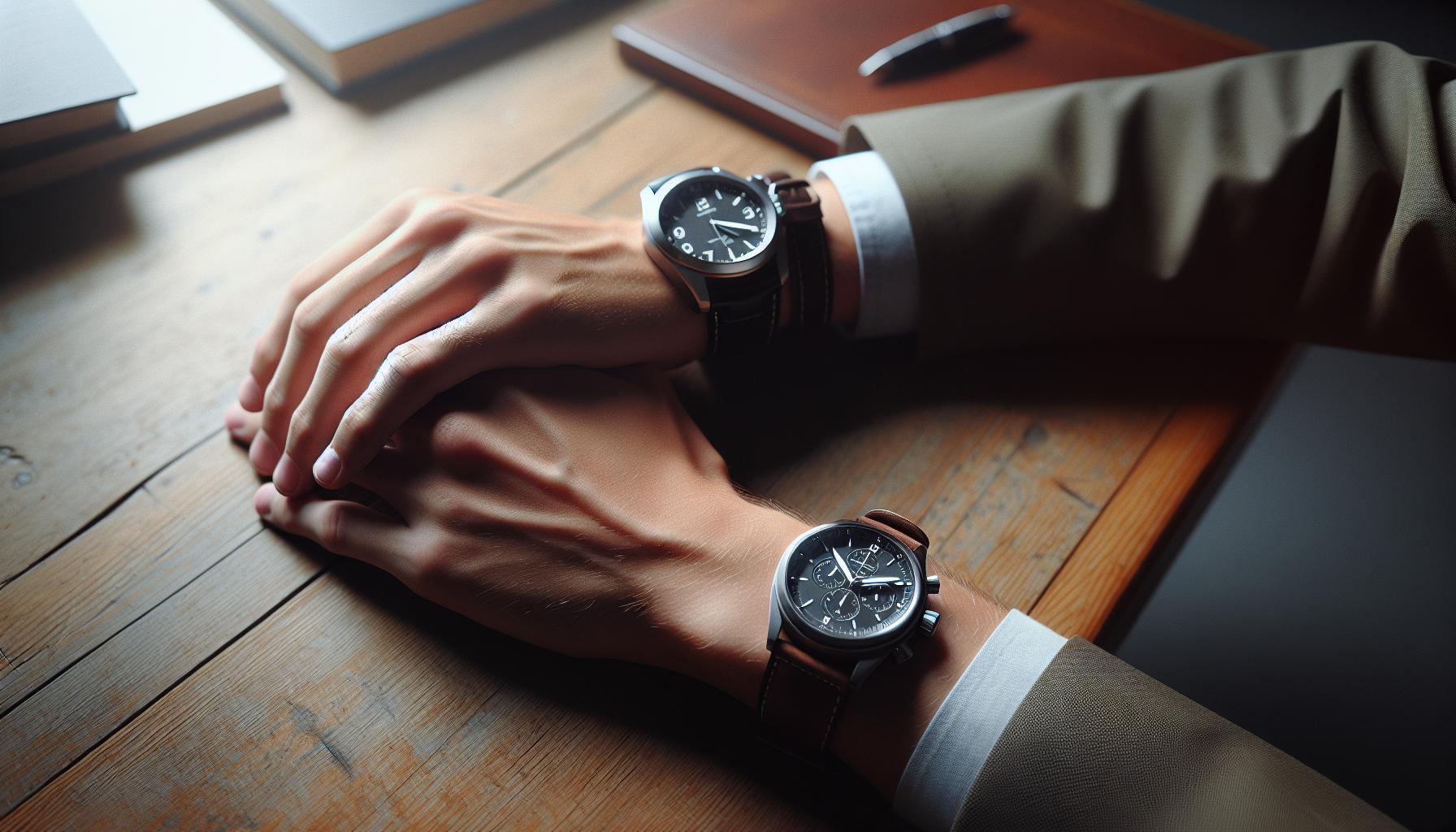
Comparing Datejust Sizes: 31mm, 36mm, 41mm Explained
Rolex’s Datejust collection is a masterclass in versatility, offering sizes that cater to a broad spectrum of wrists and styles. Among the most popular sizes-31mm,36mm,and 41mm-each strikes a different chord in terms of presence,comfort,and technical features,making it vital to understand their distinctions before committing.
The 31mm model sits neatly between the smaller Lady-Datejust and the classic 36mm, presenting a modern mid-size that blends elegance with a subtle wrist presence. Powered by refined in-house calibers, this size is often favored by those who want something more prominent than a conventional ladies’ watch but less commanding than the larger Datejusts. Its smaller footprint translates into lighter weight and easier wearability,especially for narrower wrists or those who prioritize understatement. In day-to-day wear, it’s a versatile choice, equally suitable for casual and formal settings without overwhelming the wrist.
The 36mm Datejust remains Rolex’s iconic classic and the original case size. Loved for its timeless proportions, it’s the Swiss Army knife of Datejust sizes, celebrated for fitting a wide range of wrist sizes comfortably. Powered by efficient automatic movements, its balanced dial-to-case ratio provides excellent legibility and aesthetic harmony. For many men and women,the 36mm size offers sweet spot wearability-slipping effortlessly under shirt cuffs while maintaining a presence that is neither too dainty nor bulky.Its long-standing production history means the 36mm is available in an extensive palette of dial designs, bezel options, and materials, making it a playground for collectors and style chameleons alike.
At the larger end, the 41mm Datejust makes a bolder statement and houses Rolex’s modern Caliber 3235, notable for a substantial 70-hour power reserve, enhanced chronometric precision, and wrist presence. the 41mm debuted as the datejust II but was refined in 2016 to have slimmer lugs and a sleeker profile, ensuring the watch maintains elegance despite the size jump. This version suits men with bigger wrists-typically 7 inches and above-offering a more balanced look for larger frames. While it’s undeniably more commanding, refined ergonomics and bracelet comfort help keep wearability at the forefront. On smaller wrists, it can feel top-heavy, so trying it on before purchase is essential for gauging comfort.[[1]](https://watchmydiamonds.com/blog/post/rolex-datejust-sizes-compared/?srsltid=AfmBOoo9ooXh8sBTza1RWTeDPO09DlsOA9DT3J0q3GiTFJs9QSHoWNiy)
Size Considerations and Practical Advice
- Wrist Size matching: The 31mm is ideal for slender wrists or those wanting a discreet yet refined piece; 36mm remains the universally agreeable middle ground; 41mm appeals to larger wrists or those desiring a more assertive, contemporary look.
- Movement and Power Reserve: The 31mm and 36mm Datejust models typically run on the Caliber 2236 and 3235, respectively, with the 41mm exclusively featuring the robust 3235, offering better performance and a longer power reserve.
- Weight and Wearability: Larger size inevitably adds weight; however, Rolex offsets this with carefully engineered case thickness and lug angles, notably in the 41mm, making even the bigger Datejust surprisingly comfortable.
- Dial Presence: Larger diameters facilitate larger dial elements, improving legibility and making details like the Cyclops date window more pronounced on the 41mm compared to the 31mm’s delicacy.
| Size | Diameter | Recommended Wrist Size | Movement | Power Reserve | Ideal Wear |
|---|---|---|---|---|---|
| 31mm | 31mm | Small to medium wrists (5.5″-6.5″ approx.) | Caliber 2236 (in-house,automatic) | 55 hours | Elegant,subtle everyday wear |
| 36mm | 36mm | Medium wrists (6″-7″ approx.) | Caliber 3235 (in-house, automatic) | 70 hours | Classic versatile, formal and casual |
| 41mm | 41mm | Medium-large wrists (7″+) | Caliber 3235 (in-house, automatic) | 70 hours | Bold, contemporary statement piece |
Putting it Into Perspective
Imagine a collector with a 6.5-inch wrist debating between the 36mm and 41mm models. While the 41mm offers cutting-edge movement and a modern aesthetic, it might appear oversized, perhaps overwhelming slim wrist proportions during extended wear. The 36mm, thanks to its heritage and balanced profile, becomes the trusted daily companion-equally at ease in a boardroom or weekend brunch. Conversely, someone with a 7.5-inch wrist might relish the robust size and grandeur of the 41mm Datejust, enjoying both its technical sophistication and visual impact.
The 31mm caters well to those craving a more intimate scale without sacrificing mechanical excellence. This size is frequently enough overlooked by newcomers but represents a brilliant blend of legibility, comfort, and sleekness for modern wrists-particularly women or those with smaller frames. Beyond just sizing, it invites a dialog on personal taste, lifestyle, and how subtle the watch should be on the wrist.
Ultimately, choosing between the 31mm, 36mm, and 41mm comes down to how the watch fits your wrist’s shape and size, the intended use (formal vs. casual), and the statement you wish to make. Try them on, note the weight, observe how the dial fills your wrist, and consider which movement’s capabilities matter most to you. Rolex’s Datejust line is wonderfully accommodating, ensuring each size offers a rewarding blend of timeless style and Rolex’s renowned mechanical prowess.[[3]](https://www.youtube.com/watch?v=9mdF5Li4-8g)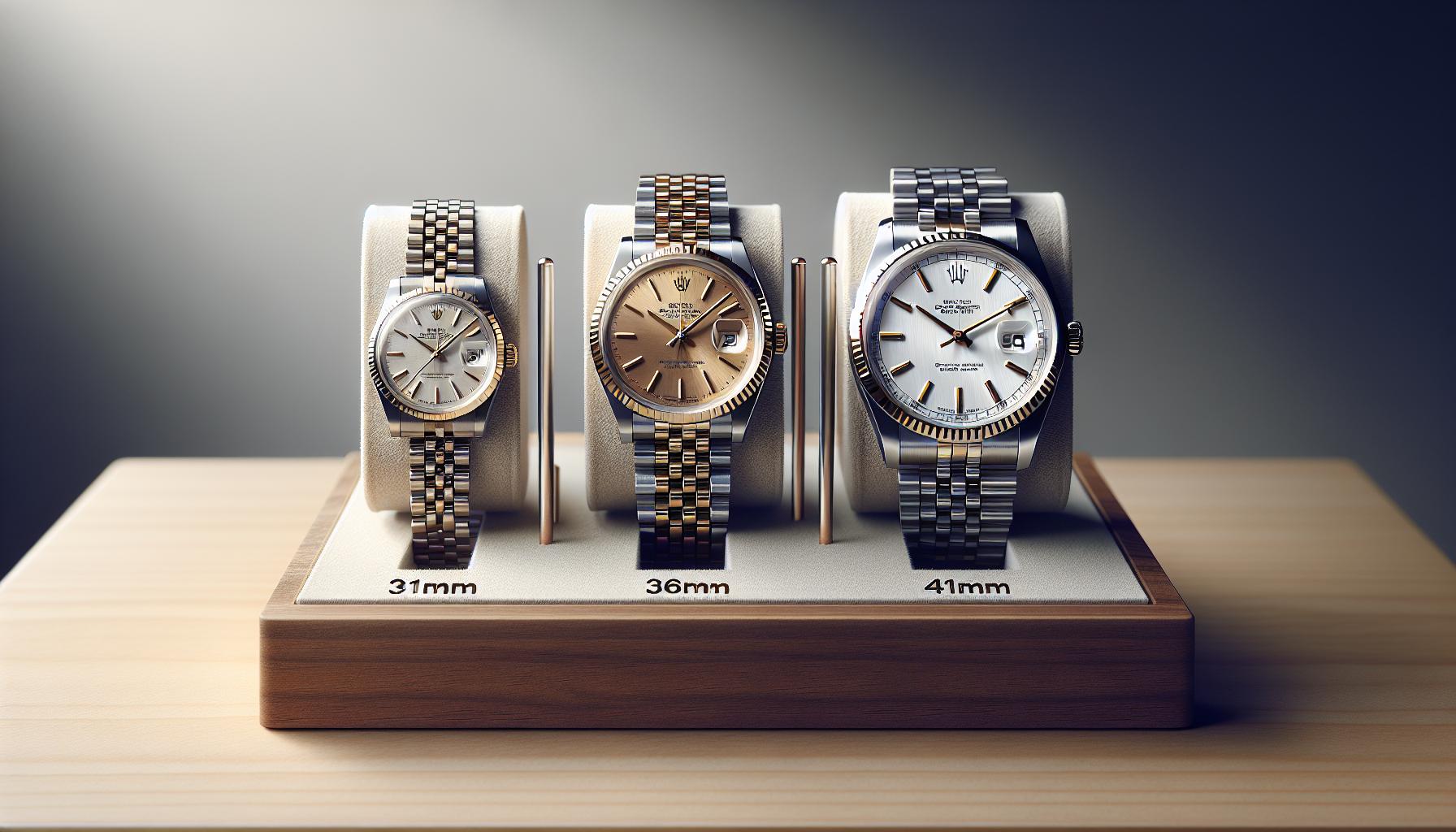
Influence of Wrist Size and Shape on Your choice
Choosing a Rolex Datejust isn’t just about the case diameter stamped on the specs sheet-it’s about how the watch harmonizes with the unique contours of your wrist. Wrist size sets the stage, but wrist shape often steals the show when it comes to comfort, presence, and style. A 36mm watch can feel perfectly scaled on one person yet slightly bulky or delicate on another,even if their wrists measure identically. This is because factors like wrist width, bone structure, and curvature deeply influence how a watch sits and feels throughout the day.
For those with slender or flatter wrists, smaller case sizes like the 31mm or the classic 36mm tend to wear more naturally.The smaller diameter prevents the watch case from overhanging the edges, reducing that awkward “floating” look where the lugs extend beyond the wrist bones. meanwhile, thicker wrists or those with a pronounced roundness can comfortably accommodate the 41mm Datejust, which benefits from Rolex’s ergonomic lug design and tapered bracelets. These design tweaks ensure the larger model hugs the wrist without feeling like you’re carrying a mini clock on your arm.
Comfort isn’t just about size matching; it’s also about balance. A watch with a slim profile and well-integrated bracelet can appear larger yet still feel weightless, while a bulkier watch with thicker lugs may wear heavier than expected despite a smaller diameter. For example, a 36mm Datejust with a Jubilee bracelet and fluted bezel often feels dressier and lighter than a similarly sized Oyster bracelet model, which can influence your daily wear experience significantly. Trying different case and bracelet combinations during the selection phase is invaluable.
Shape over Size: Key Considerations
- Wrist Width: Narrow wrists (under 6.5 inches) typically suit 31mm and 36mm datejust models better, as these sizes stay proportional without overpowering.
- Wrist thickness and Contour: Rounder wrists with more curvature benefit from watches with more curved lugs and thinner cases to reduce uncomfortable gaps and “top-heavy” sensations.
- Crown and Lug Geometry: Rolex’s careful lug design on the newer 41mm Datejust slims visual bulk, aiding wearability even on those with slightly smaller wrists near 7 inches.
- Personal Style & Comfort: Some prefer a “statement piece” that’s clearly visible from a distance (favoring larger sizes), while others prioritize subtle elegance with smaller, understated cases.
Here’s a simple guideline that many collectors use to help bridge wrist anatomy with size choice:
| Wrist Circumference | Suggested datejust Size | Why it effectively works |
|---|---|---|
| 5.5″ – 6.5″ | 31mm | Prevents overhang,lightweight,fits narrow wrists comfortably |
| 6″ – 7″ | 36mm | Balances presence and versatility on medium wrists |
| 7″ and up | 41mm | Bold appearance,fills larger wrists nicely,suits aggressive styles |
ultimately,the watch should feel like a natural extension of your wrist. Too large, and it dominates; too small, and it disappears. Pairing the technical specs with a hands-on trial-observing weight, lug fit, and dial readability on different parts of your wrist-will provide clarity beyond numbers. Whether your wrist is slim or broad, flat or rounded, Rolex offers thoughtful Datejust sizes designed to celebrate those differences with mechanical excellence and timeless style.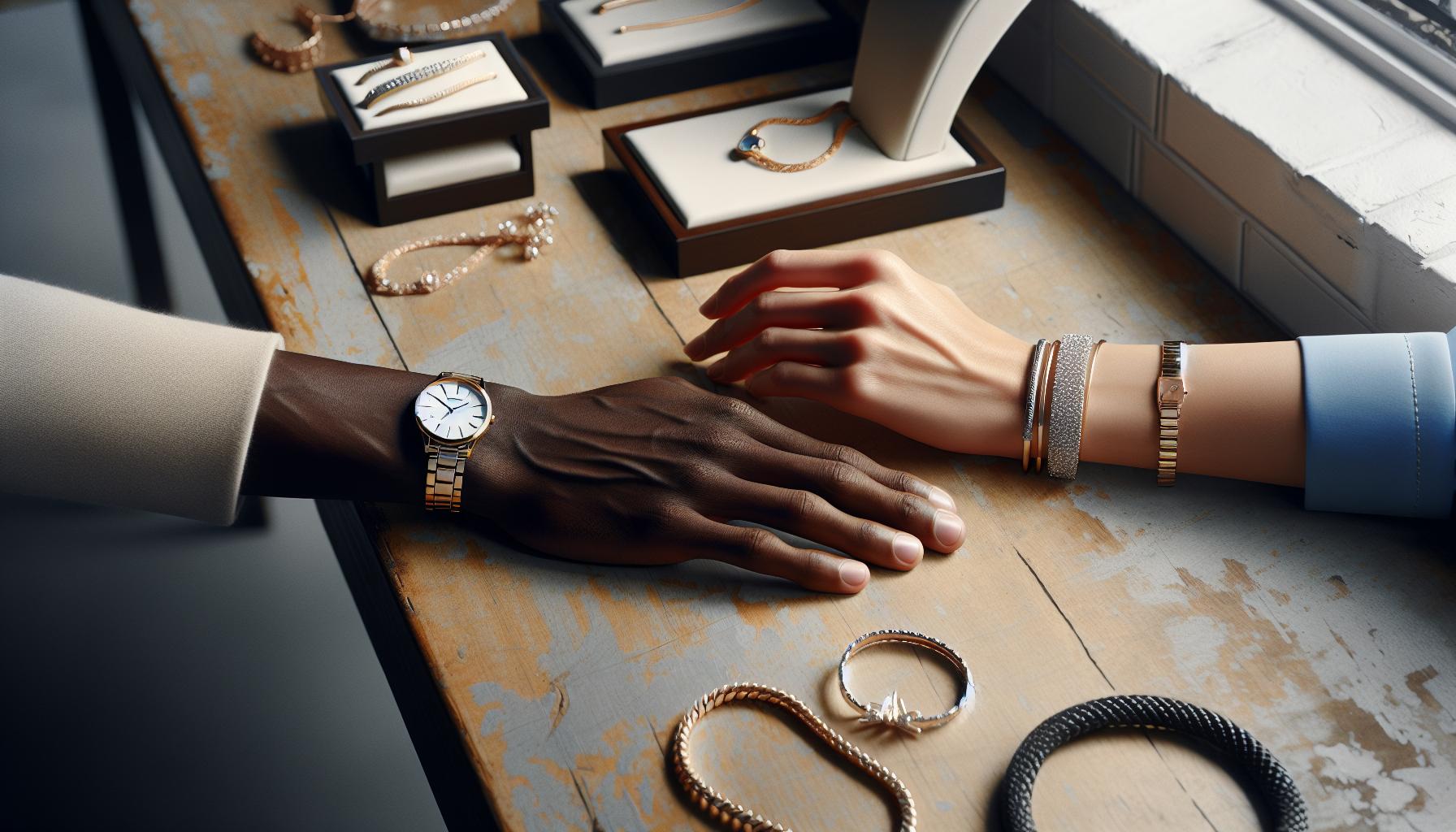
Design Differences Across Datejust Sizes and Models
Rolex Datejust models offer more than just size variations; they embody subtle design shifts that speak to different tastes and occasions while maintaining the collection’s signature elegance. Whether you’re looking at a modest 31mm or the robust 41mm, each size iteration brings with it distinctive proportions, bezel styles, dial details, and bracelet options that profoundly impact both aesthetics and wearability.
A key factor differentiating the smaller Datejust models (31mm and 36mm) from the larger 41mm is how the dial layout and bezel treatment translate into visual harmony. For instance, the 31mm model often embraces a more delicate and refined look, frequently paired with intricate dial textures such as Mother of Pearl or floral motifs. This smaller canvas allows for nuanced detailing without overwhelming the wrist, ideal for those seeking a watch that complements rather than dominates. Conversely, the 41mm datejust leans into boldness-with larger hour markers, pronounced bezels (be it fluted, smooth, or gem-set), and a dial that maximizes legibility at distance, all while benefiting from Rolex’s refined lug curvature that ensures it wears comfortably despite its size.Bracelet choices also shift subtly across the sizes, affecting both feel and style. The smaller models predominantly come equipped with the classic Jubilee bracelet, known for its comfort and shimmering five-link design that enhances the watch’s dress appeal.The 41mm models, while available with Jubilee, often feature the Oyster bracelet option-a sportier, three-link design that lends a more substantial wrist presence and can shift the watch’s vibe towards casual or even semi-sporty, without abandoning its refined roots.
Design Nuances That Impact Everyday Wear
- Bezel Variation: The interplay between the fluted and smooth bezels becomes more pronounced as you move up in size. A fluted bezel on a 36mm Datejust can feel elegantly understated, whereas on 41mm, it commands attention with its reflective facets.
- Dial Proportions: Larger sizes allow for come bolder dial elements such as increased luminous material on markers and broader handset designs. This improves nighttime legibility and gives a more contemporary flair.
- Case Thickness and Profile: Despite the size increase, Rolex manages to keep the 41mm Datejust relatively slim, preserving wearability. In contrast, the smaller Datejusts emphasize sleekness, often appealing more to those who prefer a thin, dress-watch profile.
- Crown Size and Protection: The crown on the 41mm tends to be slightly larger and benefited by more pronounced crown guards, reinforcing the watch’s sturdy character without compromising elegance.
What makes these design differences truly interesting is how Rolex carefully balances tradition and modernity in the varying Datejust sizes. For example, the iconic Cyclops lens (the magnifier over the date window) appears visually balanced across all models, a feature that might seem technical but heavily influences the watch’s everyday usability and signature look. Moreover, limited editions or gem-set models frequently enough appear first in smaller sizes, catering to collectors interested in luxurious accents rather than sheer wrist presence.
If you’re debating between sizes, consider how these design elements speak to your lifestyle and style preferences. A 36mm with a jubilee bracelet and fluted bezel delivers a classic dress watch vibe perfect for formal occasions and daily office wear. Meanwhile, the 41mm with an oyster bracelet is an excellent all-rounder, robust enough for casual weekends yet polished enough for business settings.
each Datejust size offers a thoughtfully crafted personality, not simply bigger or smaller versions of the same watch. by appreciating these subtle yet impactful design differences, you can better match your choice to your wrist anatomy, style goals, and practical needs-a harmony of form and function that defines Rolex’s enduring appeal.[1] | [2] | [3]
Rolex Datejust Size vs. Other Iconic Rolex watches
Rolex Datejust watches are frequently enough celebrated not just for their classic style but also for their versatility in size-a characteristic that sets them apart within the Rolex lineup. When comparing the Datejust to other iconic Rolex models like the Submariner, Explorer, or day-Date, size becomes a key aspect not just in aesthetics but also in intended use and wearability.
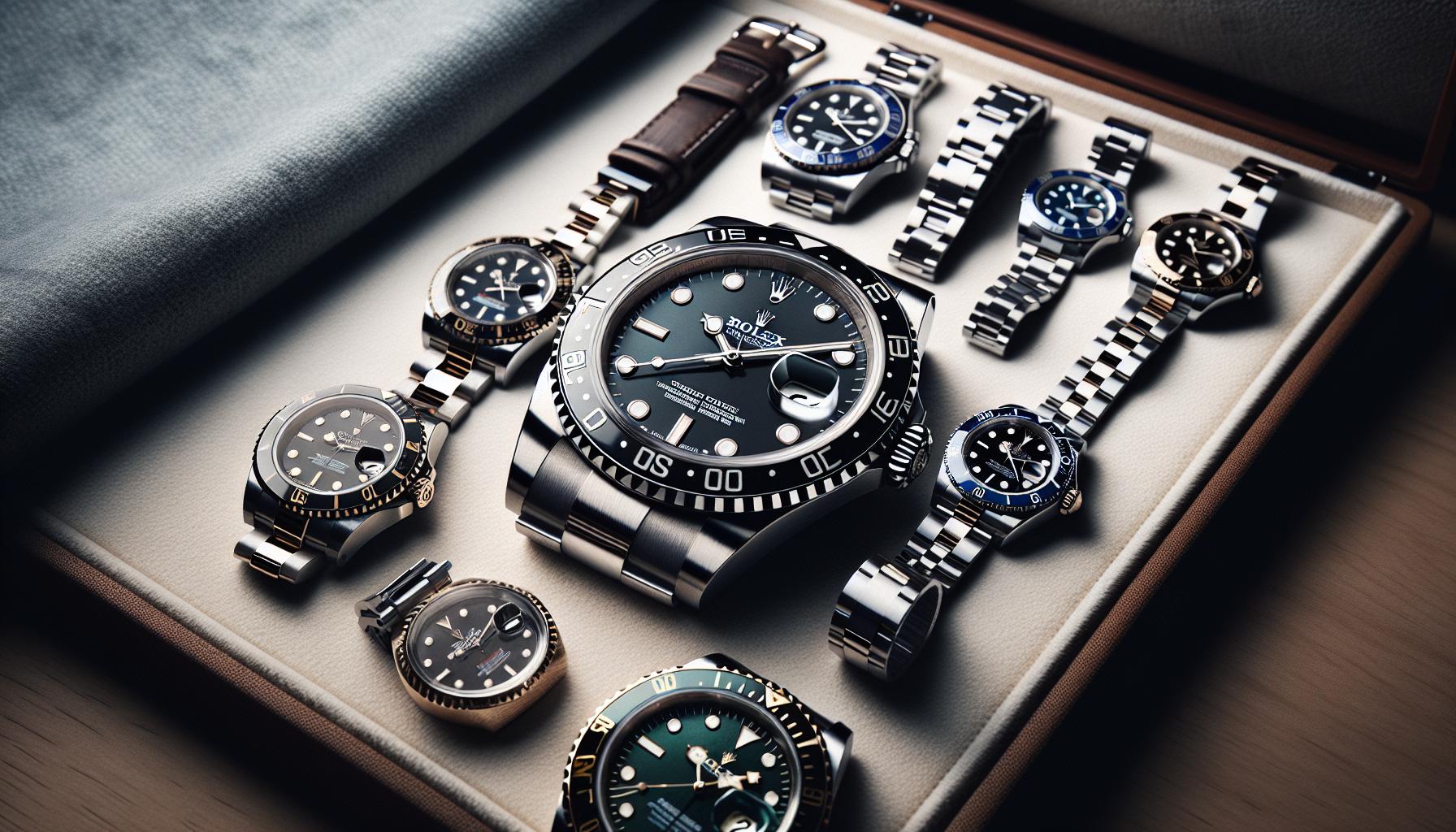
One of the most striking things about the Datejust is its broad size range, from compact 31mm versions to the robust 41mm variants. This range offers a unique middle ground between sporty tool watches and more formal timepieces. Such as, the Submariner-Rolex’s quintessential dive watch-has traditionally hovered around a 40mm case size, offering a substantial wrist presence with rugged capability. Though, the Submariner’s thicker case and unidirectional bezel give it a distinctly sportier, more purpose-driven feel, contrasting the Datejust’s polished elegance even at similar dimensions.
In contrast, the Day-Date tends to sit in the 36mm to 40mm size range but leans into its status as the “President’s watch” with precious metal cases and opulent dial options that appeal more to those seeking a formal statement piece.The Datejust’s size variety actually outshines the Day-Date and Submariner in flexibility, making it accessible for a wider range of wrist sizes and style preferences. This flexibility is enhanced by the Datejust’s slimmer case profile compared to bulkier tool watches, making it an easier fit under cuffs and for everyday wear.
wearability and style Across Models
- Comfort: The Datejust’s thinner profile at nearly all sizes helps it sit flatter on the wrist than the typically thicker Submariner or GMT-Master II, which prioritize robustness and water resistance.
- Dial and Bezel Dynamics: Unlike the utilitarian dive bezels on the Submariner,the Datejust offers fluted,smooth,or gem-set bezels that customize the watch’s personality. This feature is size-dependent; such as,the 41mm Datejust’s bezel appears bolder and more pronounced compared to the subtler 36mm models.
- Bracelet Choices: While the Oyster bracelet is a staple across many Rolex sport models, the Datejust offers the delicate Jubilee bracelet as an option, enhancing elegance and comfort, especially on smaller sizes.
| Model | Typical Case Size(s) | Case Thickness | Bracelet Style(s) | Styling Context |
|---|---|---|---|---|
| Datejust | 31mm, 36mm, 41mm | Approx.11.7mm (36mm), 12mm (41mm) | Jubilee, Oyster | Dress to casual, versatile |
| Submariner | 40mm, 41mm (latest) | approx. 12.5mm | Oyster | Sport, diving, casual |
| Day-Date | 36mm, 40mm | Approx.11-12mm | President bracelet | Formal, luxury |
From a technical perspective, the Datejust models share Rolex’s enduring Perpetual automatic movement lineage renowned for reliability and precision. While the Submariner incorporates movements optimized for diving with increased water resistance (up to 300m), the Datejust focuses on everyday functionality with a classic date complication and the iconic Cyclops magnifier, which remains consistent across sizes for excellent legibility.
For those contemplating a first Rolex or expanding their collection, understanding these size differences can profoundly affect buying satisfaction. The Datejust’s range allows new enthusiasts to experience Rolex’s signature craftsmanship in layouts tailored for smaller or larger wrists, unlike the mostly single-size or limited-size options for other models. If you have a preference for a watch that transitions seamlessly from boardroom to weekend or want a “one-watch” lifestyle piece, the Datejust’s size flexibility paired with varied styling is a huge advantage.
In essence, the Datejust’s broad size matrix and elegant versatility position it uniquely within Rolex’s iconic portfolio. While the Submariner and Day-date carry bold identities linked to sport and luxury symbolism, the Datejust quietly offers the best-of-both-worlds: technical excellence, tasteful size options, and a design that adapts beautifully across lifestyles and wrists-a true mechanical friend for every occasion.
Movement and Functionality Across Datejust sizes
A remarkable aspect of the Rolex datejust lineup is the consistent integration of Rolex’s cutting-edge automatic movements across all case sizes,from the petite 31mm to the bold 41mm. This means whether you’re drawn to a smaller watch for elegance or a larger size for wrist presence, you’re getting the same renowned precision and reliability under the hood. The heart of these watches is Rolex’s in-house Caliber 3235 for larger models (36mm and 41mm), and Caliber 2236 powers the 31mm version. Both calibers showcase advanced innovations such as the Chronergy escapement, boasting enhanced energy efficiency and a power reserve of approximately 70 hours – a big leap over many competing models in this category.
Rolex’s automatic (or self-winding) movements are celebrated because they harness the wearer’s natural wrist movements to keep the mainspring wound,eliminating the need for daily manual winding. This robust engineering ensures smooth, accurate timekeeping with a precision rate of about -2/+2 seconds per day after casing, which is an remarkable feat certified under COSC standards and Rolex’s own stringent in-house testing. The presence of the date function is subtly optimized through the iconic cyclops lens, mounted on the sapphire crystal, which magnifies the date numerals for effortless legibility - an especially welcome feature on smaller dials where minute details might or else be harder to discern.
Variations in Movement Across Sizes
- 31mm Models: Equipped with Caliber 2236, which includes a silicon Syloxi hairspring resistant to magnetic interference and temperature variations. This ensures excellent timekeeping stability in everyday environments. The compact size suits those with smaller wrists or anyone preferring a lightweight daily wear watch that doesn’t compromise on sophistication or functional prowess.
- 36mm and 41mm Models: Powered by the Caliber 3235, featuring a higher jewel count and improved shock absorption. This movement benefits from Rolex’s patented Chronergy escapement,contributing to better efficiency and reliability. Particularly for larger Datejust models, this caliber ensures that performance keeps pace with the watch’s slightly bigger, more commanding presence.
Beyond the core timekeeping and date functions, the datejust’s movements offer simple yet practical complications that enhance everyday use without overcomplicating the interface or maintenance. The Parachrom hairspring and Paraflex shock absorbers contribute robustness valued in daily wear, whether you’re at a business meeting or enjoying casual weekend activities. This resilience contrasts nicely with more specialized rolex lineups like the Submariner, whose movements are tailored specifically for dive readiness with greater water resistance and anti-magnetic coatings.
Functionality In Action: from Wrist to Lifestyle
The Datejust’s movement lineup is ideal for watch lovers who appreciate mechanical artistry without the fuss of multiple complications. Its clean functionality underscores Rolex’s philosophy of ”perpetual” refinement: advancing technology quietly behind a demure dial.Such as, the 41mm Datejust is frequently enough favored by those who want a larger dial to appreciate the date window and sweeping seconds hand, while smaller sizes deliver an intimate, classic wristwatch feel with the same trusty mechanical core.
| Case Size | Movement caliber | Power reserve | Key Features |
|---|---|---|---|
| 31mm | Caliber 2236 | ~55 hours | Silicon Syloxi hairspring, date function, COSC + Rolex Superlative Chronometer certified |
| 36mm & 41mm | Caliber 3235 | ~70 hours | Chronergy escapement, date function, enhanced shock resistance, COSC + Rolex Superlative Chronometer certified |
From a practical perspective, the consistency of movement quality across sizes means you won’t sacrifice technical excellence for aesthetics or wearability. When deciding on a Datejust size, your focus can rest on how the watch fits and looks rather than compromises in mechanical fundamentals. This approach makes the Datejust not only a design icon but also a mechanical champion well suited to a variety of lifestyles.
In short,the Datejust’s movements represent the blend of Rolex’s storied craftsmanship and modern innovation,scaled elegantly across sizes for every wrist and preference. Whether you’re a seasoned collector appreciating the mechanical nuances or a first-timer eager to enter the world of fine horology, the Datejust’s movement options promise timeless reliability wrapped in versatile dimensions.
Styling Tips: Matching Datejust size with Dress and Casual Looks
A Rolex Datejust’s size plays a pivotal role in shaping its overall style and how it meshes with your wardrobe, whether you’re dressing up for a formal occasion or keeping things casual. The beauty of the Datejust collection lies in its versatility – from the petite 31mm models, perfect for subtle elegance, to the bold and contemporary 41mm statement pieces. Each size offers a unique canvas for expressing personal style while maintaining Rolex’s signature blend of refinement and durability.
Smaller sizes such as the 31mm and 36mm excel when paired with classic dress attire. Their balanced proportions fit neatly under cuffed shirts and suit jackets, making them ideal companions for business meetings, weddings, or fine dining evenings. Such as, a 36mm Datejust with a fluted bezel and a champagne dial embodies timeless sophistication without overwhelming the wrist. Women and men alike gravitate toward these sizes for their understated elegance and adaptability across formal and semi-formal outfits.
When shifting to a sportier or casual look, larger Datejust sizes like the 41mm come into their own. The expanded dial surface offers enhanced legibility and a more pronounced wrist presence, which holds its own alongside smart casual ensembles or weekend wear. A 41mm Datejust on an Oyster bracelet, paired with a crisp polo or even a tailored bomber jacket, exudes confident modernity. It’s also worth noting that the 41mm size benefits from Rolex’s latest Caliber 3235 movement, blending performance and style seamlessly for daily wear and active lifestyles.
Blend Your Datejust Size with Your Wardrobe
- 31mm Models: Ideal for smaller wrists or those seeking a delicate touch. Works wonderfully with minimalist outfits,soft fabrics,and smaller cuffs. These models are excellent for those who appreciate subtlety without sacrificing mechanical excellence.
- 36mm Models: The true classic that bridges casual and formal effortlessly. Its size makes it a dependable choice for nearly any scenario, from boardrooms to weekend brunches. Consider a Jubilee bracelet to add a touch of vintage charm or a leather strap for a relaxed yet polished vibe.
- 41mm Models: Perfect for larger wrists or when you want the watch to serve as a focal point. The bolder dial is great for casual polos,denim,or even business casual environments where presence and clarity of the dial matter.
Beyond size, consider the Datejust’s dial and bezel aesthetics to complement your look. A diamond-set dial or a fluted bezel adds a sparkle suited for evening attire, while smooth bezels and simpler dials lean towards everyday practicality. Mixing and matching these elements with your clothing colors and textures enhances the watch’s role as an extension of your personal style.
In essence, choosing a Datejust size that suits your dressing habits is as much about lifestyle as it is about wrist dimensions. whether you opt for the petite charm of the Lady-Datejust 31mm or the commanding aura of the 41mm Datejust, each size unlocks different styling possibilities – proving that Rolex’s iconic design is as flexible as it is enduring.
Resale and Investment Considerations by Datejust Size
A Rolex Datejust, beyond being a stunning timepiece, can also hold important value as an investment, though the impact of case size on resale and investment potential is often underappreciated. Traditionally, the 36mm size has been the most iconic and recognizable Datejust dimension, favored by collectors due to its timeless appeal and strong market presence. This size model tends to retain value well and occasionally appreciates, especially vintage references or those with sought-after dial and bezel combinations. The 36mm format benefits from a broad collector base and steady demand, which helps maintain liquidity if you decide to resell.
In contrast, the trend toward larger watches has buoyed the 41mm Datejust’s desirability in recent years, particularly among younger buyers and those seeking a bolder wrist presence. With the 41mm Datejust harboring Rolex’s latest Caliber 3235 automatic movement, it provides a modern movement upgrade that can make it more attractive from both functional and investment standpoints. Though, as the 41mm size is relatively newer, its long-term resale performance is still crystallizing.That said, if you favor contemporary style and value innovation, the 41mm may offer greater potential for growth as preferences shift further toward larger watches.
For the smaller 31mm Datejust, often worn by women or those who prefer a more subtle look, resale value tends to hinge more on rarity, dial options, and precious metal variants rather than size alone. While these models enjoy steady demand,their investment potential may not be as pronounced because smaller sizes are less commonly collected by men,historically the primary market drivers for Rolex investment. still, a well-chosen 31mm Datejust with exclusive dial configurations or diamond settings can outperform expectations in resale.
Key Insights to Consider Before Buying
- Population and Demand: The 36mm model’s established collector base ensures robust resale demand, helping preserve value over time.
- Movement and Innovation: 41mm Datejusts, equipped with Caliber 3235, offer cutting-edge movement technology that appeals both practically and investment-wise.
- Rarity & Aesthetics: Unique dial colors, precious metals, or vintage 31mm models may attract niche buyers willing to pay premiums regardless of size.
- Market Trends: Larger watches continue gaining popularity, but classic sizes occasionally witness spikes due to nostalgia and timeless design.
| Size | Typical Buyer Profile | Investment Prospects | Movement | Resale Demand |
|---|---|---|---|---|
| 31mm | Women, collectors of vintage/smaller watches | Stable; specialty models may appreciate | Caliber varies; newer models have modern calibers | Moderate; niche market |
| 36mm | Classicists, vintage collectors, broad appeal | Consistently strong; iconic size with lasting value | Caliber 3135 for older, 3235 for modern variants | High; strong secondary market |
| 41mm | Modern enthusiasts, larger wrist wearers | Emerging; potential growth with newer collectors | Latest Caliber 3235 | Growing; trending favorably |
Ultimately, while the Rolex Datejust makes an excellent mechanical asset in any size, your best bet for investment lies in balancing personal wearability with market preferences. The 36mm remains the workhorse size for collectors, blending heritage, style, and value retention. Simultaneously occurring, the 41mm offers modern innovation and growing collector interest, making it a solid choice for buyers who prefer a contemporary edge. Smaller 31mm models, simultaneously occurring, can be lucrative for those who focus on individuality, rarity, and craftsmanship over pure size trends. Whichever you choose, understanding these dynamics will help you select a Datejust that feels perfect on your wrist now-and may reward you later in the resale market.
How to Try and Measure your Perfect datejust Fit
Trying on and measuring a Rolex Datejust for the perfect fit is both an art and a science, blending personal comfort with aesthetics. It’s easy to get caught up in case diameter numbers like 31mm, 36mm, or 41mm, but the true measure lies in how the watch feels and wears on your wrist throughout the day. A watch, especially the Datejust, should feel like a natural extension of you – not a cumbersome object.The first step is, naturally, to try on different sizes whenever possible. Many authorized dealers and reputable watch boutiques offer a range of Datejust sizes. Pay close attention to how the case diameter interacts with your wrist width but also note the lug-to-lug length - that’s the distance from one lug tip to the other, which affects how enveloping or balanced the watch feels front-to-back on your wrist. A 36mm Datejust can sit much more comfortably on a smaller wrist because of this proportional treatment, whereas a 41mm might visually “dominate” the same wrist despite only being a few millimeters bigger.
Practical Tips for Measuring and Fitting
- Measure your wrist circumference: Use a soft tailor’s tape or strip of paper to wrap around where you want to wear your watch, typically just below the wrist bone. Note this measurement and compare it against recommended wrist sizes for each Datejust variant. Such as, the 41mm fits best on wrists about 7 inches (17.8 cm) and up,while the 31mm suits wrists closer to 5.5 to 6.5 inches (14-16.5 cm).
- Consider lug shape and thickness: The modern Datejust 41 features slimmer, reshaped lugs compared to its precursor Datejust II, allowing it to wear less bulky despite a larger diameter.If you try the older Datejust II, it might feel chunkier even if similar in size.
- Test the bracelet and clasp comfort: The feel of the Oyster or Jubilee bracelet is a major part of Datejust wearability. A well-fitted bracelet (adjusted via micro-adjustments in the clasp or removable links) should allow slight movement without sliding excessively. The right tension reduces fatigue and complements the case fit.
- Try shape and dial size perception: Dial design, bezel width, and markers impact how “big” a watch looks beyond pure millimeters. A fluted bezel or larger dial markers on a 36mm can make it appear larger, whereas a smoother bezel on a 41mm can help keep things balanced.
One helpful approach is to photograph yourself wearing different Datejust sizes from multiple angles-wrist side, top-down, and even in natural light. This visual feedback can reveal how the watch’s dimensions harmonize with your hand size and daily style. Some collectors keep a note or photo archive of these fittings to reference when comparing different watches or variants.
Wearability Beyond Size: Lifestyle and Movement Considerations
Remember that Rolex Datejust watches come equipped with automatic movements-some with Caliber 3135, others with the latest 3235 caliber in newer 36mm and 41mm models. These movements impact not only the watch’s performance but also its thickness and weight, which can subtly affect comfort. Trying the watch on allows you to feel these nuances firsthand.for instance, a slimmer case profile makes fitting under shirt cuffs easier, a factor often overlooked but essential for daily wear.
In essence, the best way to find your perfect Datejust size is to combine objective measurement, hands-on trial, and honest self-assessment of how the watch feels and looks with your natural style. Patience pays off here-don’t rush this step.Whether you’re wearing a 31mm Lady-Datejust that exudes elegant subtlety or a more commanding 41mm Datejust innovated with the new Caliber 3235, the ideal fit is the one that makes you reach for your watch every day with joy and confidence.
Customized Fits: Strap and Bracelet Options for Different Sizes
One of the frequently enough-underappreciated factors in achieving the perfect Rolex Datejust fit is the choice of strap or bracelet. While the core appeal of the Datejust lies in its iconic design and case sizes ranging from 28mm to 41mm, the flexibility offered by its well-crafted Oyster and Jubilee bracelets-or even choice straps-can dramatically influence overall comfort, style, and wrist presence. this versatility means that even if you have settled on a particular case diameter,you still have room to customize how the watch sits and feels every day.
Rolex’s signature bracelets are engineered for both durability and refined comfort. The Oyster bracelet, characterized by its solid three-link construction, offers a classic sporty look with robust links that provide a sturdy feel on larger wrists-particularly well-suited for the 36mm and 41mm models. Conversely, the Jubilee bracelet, with its five-piece link design, is lighter and more fluid, creating an elegant drape that complements smaller sizes like the 31mm and 36mm Datejusts. The Jubilee’s refined articulation makes it a favorite for those who prize wrist flexibility while maintaining luxury aesthetics. Both bracelet types incorporate an ingenious concealed Crownclasp or Oysterclasp, featuring micro-adjustments that allow users to fine-tune the fit by a few millimeters-a game-changer for those who experience fluctuations in wrist size due to temperature or activity.
If metal bracelets don’t quite meet your preference, Rolex offers a range of OEM leather and rubber straps that can be swapped in to enhance wearability or style personality. For instance, pairing a lady-Datejust 28mm with a high-quality leather strap can soften its appearance, making it ideal for more formal or vintage-inspired looks. Meanwhile, a rubber strap option-like Rolex’s Oysterflex (found in other tool models, though less common on Datejust models)-offers shock absorption and moisture resistance, adding a sporty edge and comfort for active wearers without sacrificing high-end quality.
Tailoring Bracelet and Strap Options Based on Case Size
- 28mm to 31mm (Lady-Datejust and Mid-Size): The Jubilee bracelet’s smaller, polished center links blend perfectly with these sizes for a dressier profile.Leather straps add versatility and lightness, making these watches ideal for petite wrists or those seeking subtler wrist presence.
- 36mm: A true unisex option, the 36mm fits comfortably on most wrists and benefits equally from both Oyster and Jubilee bracelets. The more robust Oyster appeals to those leaning toward a sportier look, while Jubilee enhances formal styling. Leather or rubber straps can add seasonal variety.
- 41mm: This larger case calls for the Oyster bracelet for visual balance and structural integrity.Its broad links and solid construction support the watch’s wrist dominance without feeling bulky. Micro-adjustments and removable links are particularly useful at this size for achieving a perfect ergonomic fit.
Embracing a customized fit doesn’t have to end at factory options; aftermarket straps can also elevate your Datejust’s personality and comfort.Options like finely crafted alligator leather, tropical rubber, or NATO straps introduce color, texture, and casual flair without compromising the watch’s engineering integrity. Just ensure any aftermarket strap respects lug width and spring bar quality to preserve the watch’s security and aesthetics.
Ultimately, the best fit blends visual harmony, physical comfort, and lifestyle suitability. Whether you prefer the cool heft of steel, the warmth of leather, or the casual resilience of rubber, understanding how strap and bracelet choices interact with datejust sizes enables you to make an informed decision-and wear your Rolex with pride every day.
Frequently asked questions
Q: How do different dial sizes affect the visual balance of a Rolex Datejust on the wrist?
A: Different dial sizes impact visual balance by altering how the watch face complements your wrist. Smaller dials (31mm) offer a classic, understated look, while larger dials (41mm) provide a bold, contemporary feel. choose a dial size that balances proportion with your wrist shape for optimal aesthetics. For more, see the section on Design Differences Across Datejust Sizes and Models.
Q: What factors should I consider beyond diameter when choosing a Rolex Datejust size?
A: Beyond diameter,consider case thickness,lug design,and bracelet width,as these affect comfort and style. Also, your wrist curvature and personal preference for watch presence matter. These subtle features influence wearability and visual impact-explore How Case Size Impacts Comfort and Wearability for detailed advice.
Q: Can a larger Rolex Datejust size affect movement precision or durability?
A: The movement inside a Rolex Datejust remains consistent across sizes, so precision and durability are unaffected by case size differences. Rolex uses reliable in-house calibers in all models, ensuring excellent timekeeping no matter the diameter. Learn more under Movement and Functionality across Datejust Sizes.
Q: How does the choice of Rolex Datejust size influence resale value and collectability?
A: Size influences resale and collectability; classic sizes like 36mm often retain value better due to their timeless appeal, while larger sizes may attract modern buyers. Limited editions or rare dial combinations in any size also boost desirability. Check Resale and Investment Considerations by Datejust Size for deeper insights.
Q: What is the easiest way to test which Rolex Datejust size fits my wrist best before purchase?
A: The easiest way is to try on different sizes at authorized dealers and use a soft measuring tape or printable sizing guides at home to estimate diameter against your wrist. Checking for comfort and proportion live helps confirm your choice. See How to Try and Measure Your Perfect Datejust Fit for step-by-step guidance.
Q: How do Rolex bracelets and straps adapt to different Datejust case sizes?
A: Rolex offers customized bracelet and strap options for each Datejust size, including Oyster, Jubilee, and leather straps tailored to maintain proportional wrist fit and comfort. Adjusting links or switching straps can refine your watch’s feel. Refer to Customized Fits: Strap and Bracelet Options for Different Sizes to explore customization.
Q: are certain Rolex Datejust sizes better suited for casual versus formal wear?
A: Generally, smaller Datejust sizes (31-36mm) lean toward formal, elegant wear, while larger sizes (41mm) suit casual or sporty styles. Though,modern styling allows mix-and-match versatility based on personal taste. See Styling Tips: Matching Datejust Size with Dress and Casual Looks for expert outfit pairing advice.
Q: Why do some collectors prefer a non-standard Rolex Datejust size, and how does that affect the watch’s uniqueness?
A: Collectors may prefer less common sizes (like 31mm or rare vintage sizes) to emphasize uniqueness and rarity, enhancing a watch’s individuality and collector appeal. These sizes can highlight distinctive movements or design quirks not found in mainstream sizes. Explore more in Rolex Datejust Size vs. Other Iconic Rolex Watches for context on uniqueness.
For detailed insights, visit related sections like Rolex Datejust Size Overview and Movement and Functionality Across Datejust Sizes to build your perfect watch fit. Keep exploring your Rolex journey with confidence!
To Wrap it Up
Choosing the ideal Rolex Datejust size means balancing classic design with personal wearability-whether you prefer the versatile 36mm or the bold presence of the 41mm, each houses rolex’s in-house automatic caliber offering precision and lasting value. Understanding these dimensions alongside movement type and style nuances helps you select a datejust that fits both your wrist and lifestyle perfectly. For those exploring the broader spectrum, don’t miss our detailed guide on Rolex Submariner vs.Datejust comparisons or the essentials of automatic watch movements explained to deepen your horological knowledge.
Ready to find your perfect fit? Explore our curated Rolex collections or book a personalized consultation to discover how these iconic timepieces can complement your collection. Sign up for our newsletter to stay updated on the latest releases, reviews, and expert tips on choosing watches that marry craftsmanship with everyday elegance. Have questions or want to share your experience with Datejust sizing? Drop a comment below-let’s keep the conversation going and celebrate this timeless blend of precision, style, and heritage together.


