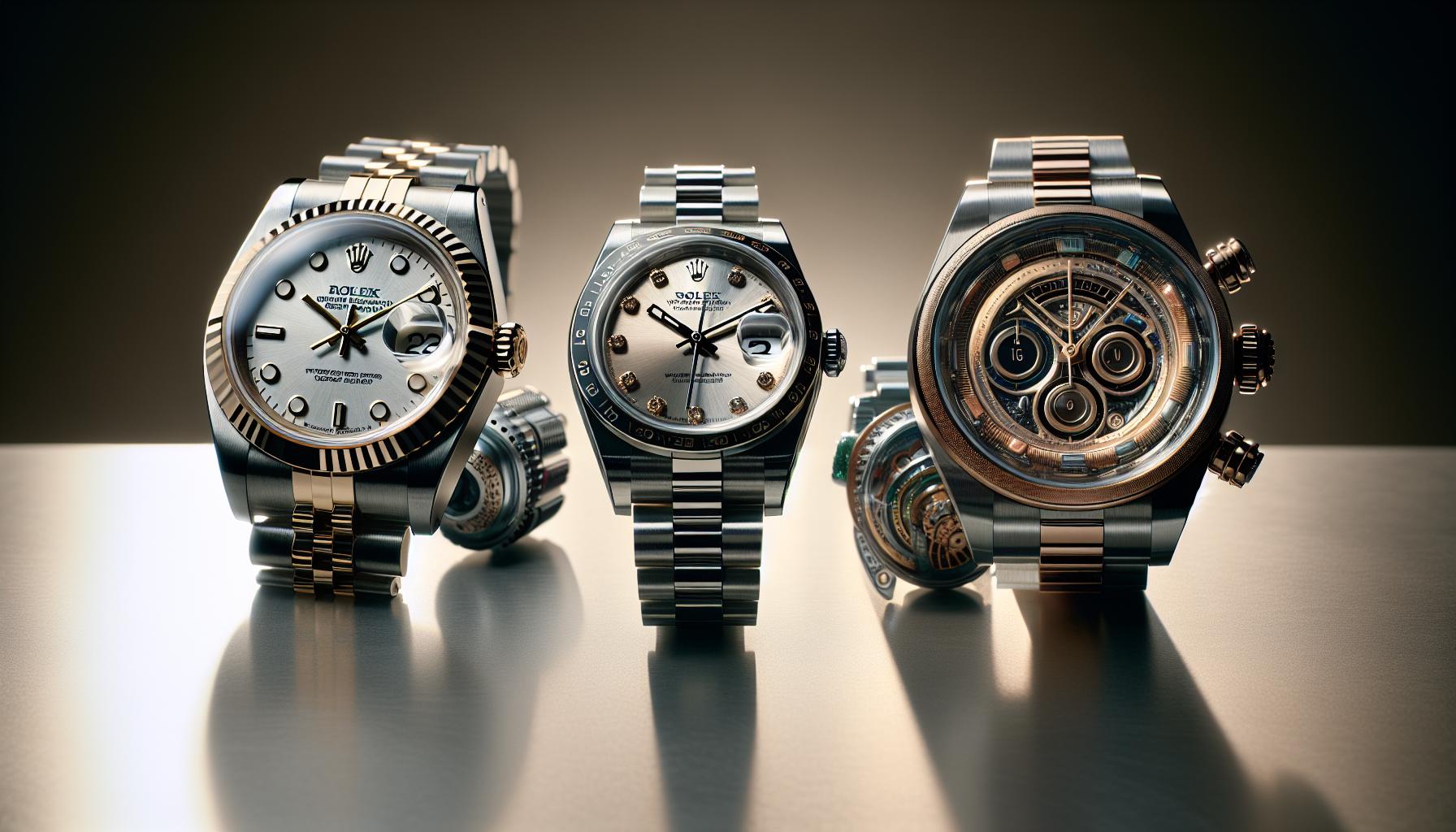
When Did Rolex Stop Making 26mm Datejust: Production History
Rolex’s 26mm Datejust has long been cherished for its elegant size and classic design, especially favored by those seeking a smaller yet sophisticated automatic watch. But when exactly did Rolex cease production of this iconic size? Understanding teh timeline behind the 26mm Datejust’s discontinuation not only clarifies the evolution of Rolex’s lineup but also sheds light on shifts in watchmaking trends and collector preferences. For enthusiasts and buyers alike, knowing when this model stopped being made helps evaluate availability, pricing, and its place in Rolex history. this article dives into the production history of the 26mm Datejust,exploring the reasons behind its phase-out and what replaced it,connecting past craftsmanship with today’s market realities. Whether you’re hunting for a vintage gem or comparing compact luxury watches, this guide offers insight into a cherished chapter of Rolex’s legacy and why the 28mm Lady-Datejust eventually took its place in the spotlight.Understanding these details enriches gratitude for Rolex’s continuous balance of tradition and innovation.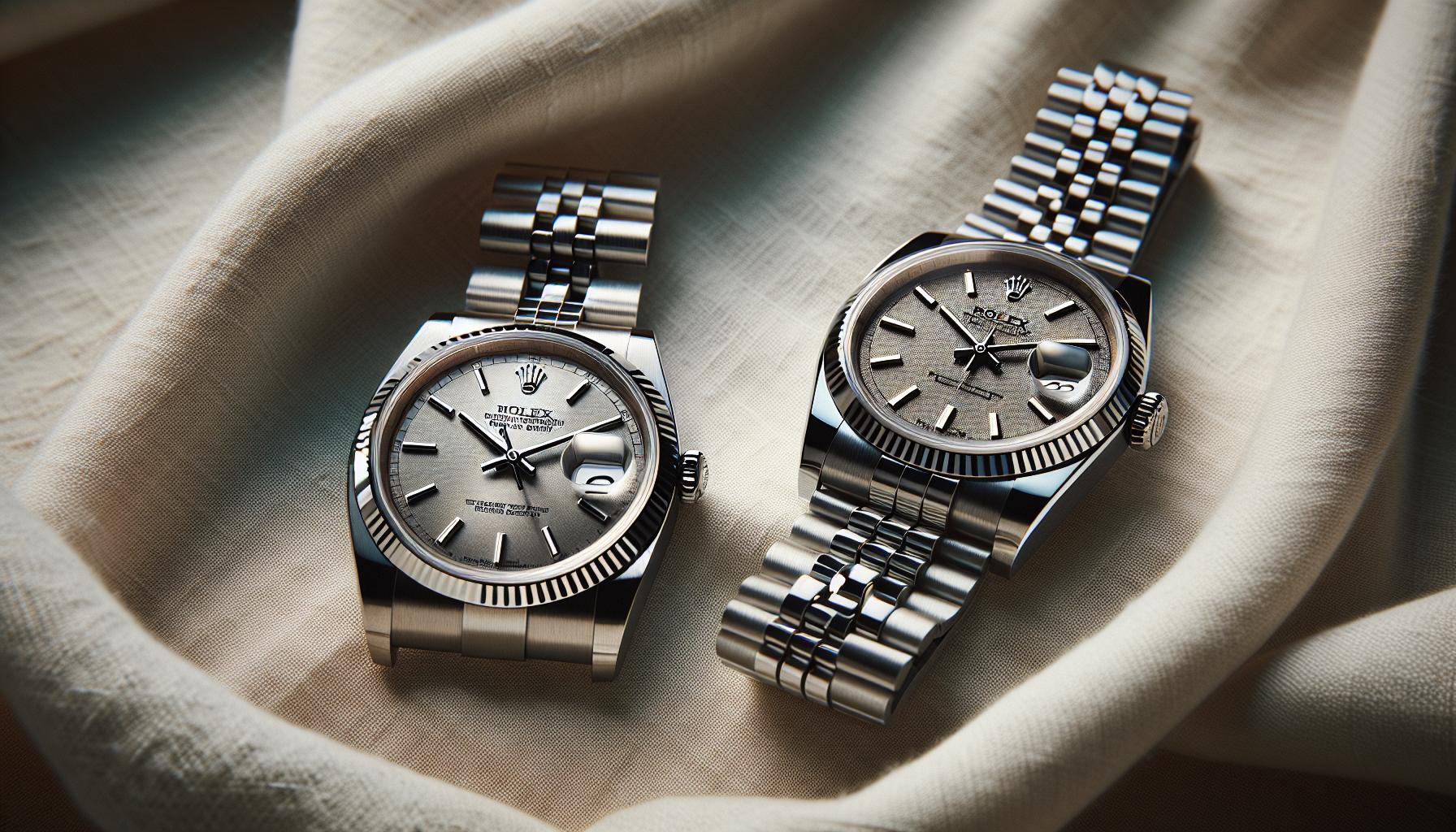
Contents
- Rolex 26mm Datejust Production Timeline Explained
- Key Design Features of the 26mm Datejust model
- Why Rolex Discontinued the 26mm Datejust
- Comparing 26mm Datejust Movements and Calibers
- Impact of Size Trends on Rolex Women’s Watches
- Collectibility and Market Value of Vintage 26mm Datejusts
- How Rolex Datejust Sizing Evolved After 26mm
- Identifying Authentic 26mm Datejust Models and references
- Rolex 26mm Datejust alternatives and Successors
- Tips for Buying Pre-Owned 26mm Datejust Watches
- Rolex Women’s Watch Trends: Past, Present, Future
- Q&A
- Q: when exactly did rolex discontinue the 26mm Datejust model?
- Q: What were the main reasons Rolex phased out the 26mm Datejust?
- Q: How did the movement calibers differ before and after the 26mm Datejust was phased out?
- Q: Are vintage 26mm Datejust watches still sought after by collectors post-discontinuation?
- Q: How did Rolex’s sizing strategy evolve for women’s watches after the 26mm Datejust ended?
- Q: What alternatives did Rolex introduce to replace the 26mm Datejust for women?
- Q: How can buyers identify authentic discontinued 26mm Datejust watches today?
- Q: What should buyers consider when purchasing a pre-owned 26mm rolex Datejust?
- The Way Forward
Rolex 26mm Datejust Production Timeline Explained
Rolex introduced the 26mm Lady-Datejust in 1957 as the brand’s dedicated women’s version of the iconic Datejust line, which originally debuted in 1945. This smaller diameter watch retained the core features of its larger 36mm counterpart, like the date complication with the Cyclops magnifier and Rolex’s signature Oyster case.Over the decades, the 26mm Datejust became a classic choice for those seeking a blend of elegance, precision, and modest size-perfectly suited to smaller wrists or a more understated look. Despite its long-standing presence, Rolex ultimately phased out the 26mm size in the mid-to-late 2010s, as trends evolved toward slightly larger women’s watches with bolder wrist presence.
Chronology and Evolution
Throughout its nearly 60-year production run, the 26mm Datejust underwent incremental updates rather then major redesigns. Initially equipped with earlier-generation automatic calibers, the Lady-Datejust moved through a series of in-house calibers as technology progressed, improving accuracy and durability while maintaining classic aesthetics. Rolex typically refreshed dial options, material combinations (stainless steel, Rolesor two-tone, and precious metals), and bracelet designs, but the core case dimensions and design language remained consistent to preserve its identity. By the late 2000s and early 2010s, Rolex began introducing slightly larger 28mm and 31mm models to cater to changing size preferences – signaling a gradual shift away from the 26mm variant.
The End of an Era
Production of the 26mm Datejust ceased around 2015-2018,though exact dates can vary depending on reference numbers and regional availability. The decision aligned with Rolex’s broader strategy to streamline its collection and focus on sizing that better matches market demand. The rise of women opting for bigger watches-either for style or versatility-pushed Rolex to phase out the smaller 26mm and promote slightly larger models that balance femininity with modern trends. For collectors, this marks the 26mm as a vintage or “classic” size Rolex women’s watch, one offering charm, distinctiveness, and a quieter design presence in contrast to today’s trend-driven sizes.
- 1957: Launch of the Lady-Datejust 26mm as a counterpart to the men’s 36mm Datejust.
- 1960s-2000s: Continuous refinement of movements and materials, with the model maintaining the 26mm footprint.
- 2010s: Introduction of larger 28mm and 31mm Datejust Lady models.
- Circa 2015-2018: Rolex ends production of the 26mm Datejust, shifting focus to larger sizes.
This evolution underscores how Rolex balances heritage with evolving tastes. For buyers and collectors drawn to the 26mm Datejust, knowing this timeline helps pinpoint production years and appreciate the watch as a distinctive chapter in Rolex’s approach to women’s luxury timepieces. Whether hunting for a vintage find or comparing sizing and movement generations, understanding this production arc makes the search more meaningful and informed.
Key Design Features of the 26mm Datejust model
One of the most captivating aspects of the 26mm Datejust lies in how Rolex masterfully translated the iconic Datejust DNA into a smaller, elegantly feminine package without compromising on function or style. Despite its compact size, every hallmark of the Datejust was preserved – from the instantly recognizable Cyclops lens magnifying the date to the robust Oyster case that offers both water resistance and durability. This model perfectly bridges classic Rolex aesthetics with practical wearability, making it a favorite for those who prefer understated sophistication over the bold presence of larger watches.
Rolex’s design for the 26mm Datejust skillfully balances elegance and durability. The modest case size was ideal for smaller wrists yet was never delicate or fragile. Its proportions were thoughtfully maintained so that design elements like the fluted bezel (in precious metal versions) or smooth polished bezels (in steel models) appeared harmonious rather than cramped. Additionally, the dial layouts offered clean legibility with applied hour markers often in gold or diamond settings, conveying a sense of luxury without overwhelming the compact canvas.
Materials and Bracelet Choices
Rolex gave the 26mm Datejust a generously diverse palette of case materials and bracelet options, enhancing its appeal across different tastes and occasions.Here’s what made it stand out:
- Case Materials: Stainless steel for wearability and day-to-day resilience,Rolesor (a smart mix of steel and 18k gold) for people looking for the classic two-tone shine,and full gold or white gold variants for a dressier touch.
- Bracelets: The iconic Jubilee bracelet was a common feature, prized for its comfort and elegant multi-link construction. The Oyster bracelet appeared from time to time, delivering a sportier edge. Leather straps were also offered on some models, adding vintage charm and versatility.
This variety allowed wearers to customize the experience-whether you wanted a gleaming dress watch or a subtle daily companion, the 26mm datejust could cater to your personal style.
Movement Highlights and User Experience
While the compact size naturally limited the movement options,Rolex ensured that the 26mm Datejust housed reliable,high-quality automatic calibers. These in-house movements featured the hallmark automatic winding mechanism, meaning the watch harnessed the wearer’s natural wrist motion to maintain power-no battery or manual winding required under normal use.
Over the decades, the calibers were updated to enhance precision, hacking (the ability to stop the seconds hand to set time exactly), and power reserve. This gave the 26mm Datejust a performance edge often reserved for larger watches.Practical features like the quickset date complication simplified everyday use, allowing the wearer to adjust the date swiftly via the crown without cycling through irrelevant hours.
Design Details That Create Timeless Appeal
It’s notable how Rolex paid attention to the small design details that make the 26mm Datejust special for collectors and enthusiasts alike:
- Dial Options: From classic champagne and silver to mother-of-pearl and diamond-studded dials,the variety matched the evolving tastes over six decades while maintaining vintage charm.
- Indices and Hands: Applied baton or Roman numeral markers and dauphine or stick hands ensured easy readability while adding tasteful elegance.
- The Cyclops Lens: A small but signature design touch, magnifying the date window neatly without overwhelming the dial real estate.
For anyone hunting vintage or pre-owned examples, spotting these details can help authenticate and appreciate the watch’s intended balance of style and utility. The 26mm Datejust doesn’t shout for attention but rewards the wearer with sophistication and a subtle mechanical prowess – a perfect entry point or cherished addition for anyone passionate about horology’s artistry across sizes.
Why Rolex Discontinued the 26mm Datejust
Rolex’s decision to phase out the 26mm Datejust reflects broader shifts in watch design preferences and evolving technical priorities within the brand. While the 26mm size was beloved for decades due to its elegant balance of femininity and classic Datejust features, by the mid-2010s, consumer tastes had migrated towards slightly larger watch sizes-even in women’s models. A major factor here was the growing demand for watches that made a bolder style statement while still retaining refined proportions. This trend nudged Rolex to update its women’s lineup towards 28mm or larger cases, aligning with both aesthetic and functional modern standards.From a technical standpoint, the 26mm Datejust’s compact case intrinsically limited the calibers Rolex could fit inside. Modern improvements like enhanced power reserves, anti-magnetic innovations, and new escapement designs require more space and frequently enough more complex movements. Rolex’s newer 28mm Datejust models utilize updated in-house calibers with improved accuracy, longer service intervals, and contemporary features that simply wouldn’t fit comfortably into the smaller 26mm architecture. So, discontinuing the 26mm models gave Rolex the freedom to integrate these advances without compromising reliability or watch robustness.
Balancing Tradition With Market Demand
Even though some purists and vintage collectors deeply cherish the charm and wearability of the 26mm Datejust,Rolex faces the reality of the wider market’s evolving expectations. For women especially, watches between 28mm and 31mm now strike the optimum balance of elegance and presence, allowing the brand to capture new customers and satisfy existing collectors seeking modern performance upgrades.
Rolex’s Practical Approach to Discontinuation
Rather than abruptly ending the 26mm line and alienating loyal fans, Rolex gradually phased it out over several years, offering ample time for the secondary market to absorb remaining stock. This tactic also ensured that collectors today can still find excellent vintage 26mm Datejusts, which frequently enough trade favorably due to their discontinued status.For buyers considering a pre-owned 26mm, understanding this context helps appreciate why these watches hold a unique spot in Rolex’s lineage-a classic size with an era-appropriate caliber and finishing not replicated in smaller modern alternatives.
- Ultimately, the discontinuation was not about abandoning tradition but evolving it -allowing Rolex to innovate movements and adapt sizing to contemporary trends.
- The 26mm Datejust remains a timeless collector’s piece, cherished for its wearable size and historic meaning.
- Modern replacements in the 28mm range ensure the continued relevance of women’s Datejusts with advanced technology and fresh design language.
If you love the slim profile and vintage elegance of the 26mm Datejust, it’s wise to consider pre-owned options now-models in good condition continue to be highly sought after and appreciated for their balance of style, comfort, and mechanical craftsmanship.
Comparing 26mm Datejust Movements and Calibers
The 26mm Datejust models from Rolex encapsulate a interesting chapter in the brand’s watchmaking history, notably because of their compact size which dictated the movement choices and caliber limitations. These timepieces typically housed smaller automatic calibers tailored for the petite case dimensions, balancing refined elegance with reliable mechanical performance. While these movements delivered solid everyday utility, they differ in design philosophy and technical scope from the larger, modern calibers rolex now prefers for women’s watches measuring 28mm and above.
Early 26mm Datejust calibers frequently included the Caliber 2235, one of Rolex’s in-house automatic movements specifically engineered for mid-sized and ladies’ watches. Launched in the late 1980s, the 2235 offered a 48-hour power reserve and was praised for its durability, precision, and robustness, despite its small size. It featured the brand’s signature automatic winding mechanism (sometimes called a Perpetual rotor), a quickset date complication, and utilized Rolex’s Parachrom hairspring that improved resistance to shocks and magnetic fields in later iterations.The 2235 embodied Rolex’s approach to marrying compactness with dependable, easy-to-service mechanics.
In comparison, larger Datejust models (such as the 31mm and 36mm versions) were fitted with calibers like the 3135, a workhorse known for its larger size that allowed for more advanced technical features, including increased power reserves (approximately 48 hours) and enhanced chronometric accuracy. The 3135 and its derivatives also benefit from technological upgrades like the blue Parachrom hairspring and high-performance lubricants that extend maintenance intervals. But these innovations were challenging to miniaturize and fit reliably into the smaller 26mm cases. This technical constraint is a key reason why Rolex eventually discontinued the 26mm Datejust.
Why Movement Choices Matter for Collectors and buyers
Collectors who appreciate the 26mm Datejust frequently enough value the Caliber 2235-powered models for their historical significance and the purity of mechanical watchmaking expressed in a smaller package – a rarity in today’s trend towards larger watches. When shopping for pre-owned 26mm Datejusts, familiarizing yourself with these calibers helps differentiate models in terms of serviceability and performance longevity.
- Servicing the Caliber 2235: As of the compact design, repair and servicing require skilled watchmakers familiar with Rolex’s smaller movements. Maintaining clean parts and lubrication is critical for reliable timekeeping.
- Performance: While the power reserve is adequate for daily wear, it doesn’t match the 70+ hours found in modern calibers found in newer Datejust sizes.
- Value proposition: The 26mm Datejust with Caliber 2235 offers timeless style with vintage mechanical integrity, often found at more accessible prices in the pre-owned market compared to larger, more recent models.
How Movement Innovation Influenced Rolex’s Design Evolution
The compact architecture of the 26mm case inherently limited Rolex’s ability to upgrade movements with newer features like the Chronergy escapement or extended power reserves introduced in calibers such as the 2236 and 3235. These modern calibers brought meaningful improvements: enhanced precision certified by COSC and Rolex’s internal standards, longer service intervals, better anti-magnetic properties, and more stable timekeeping. Their size required slightly larger cases, which motivated Rolex’s shift toward 28mm and above for women’s watches to accommodate these performance upgrades.
By moving past the Caliber 2235 in the 26mm case, Rolex gained freedom to innovate without squeezing technological advances into too-small spaces. This transition illustrates the brand’s commitment to both heritage and forward-thinking engineering, ensuring that each movement caliber matches the case size optimally for wearability and mechanical excellence.
| Caliber | Typical Datejust Case Size | Power Reserve | Key Features | Production Era |
|---|---|---|---|---|
| Caliber 2235 | 26mm | ~48 hours | Automatic winding, quickset date, Parachrom hairspring (later versions) | Late 1980s-2010s |
| Caliber 2236 | 28mm (and above) | ~55 hours | Chronergy escapement, silicon hairspring, improved accuracy | 2014-present |
| Caliber 3235 | 31mm and 36mm | ~70 hours | Chronergy escapement, improved precision and longevity | 2015-present |
For those drawn to the charm of the 26mm Datejust, understanding these movement nuances is critical in appreciating both the technical limitations and the craftsmanship Rolex invested into making a compact yet enduring ladies’ mechanical watch. Whether you’re collecting vintage gems or scouting well-maintained pre-owned models, this knowledge ensures you make informed choices about wearability, service expectations, and long-term value.
Impact of Size Trends on Rolex Women’s Watches
Fashion and function have always danced closely in the world of Rolex women’s watches, and the evolution away from the 26mm Datejust perfectly illustrates how shifting style preferences shape technical choices. For decades, the 26mm case size was a staple, prized for its delicate proportions that suited classic, refined tastes. Yet as cultural and fashion dynamics leaned toward bolder wrist presence, the appetite for larger women’s watches grew steadily, nudging Rolex to rethink its offerings.This trend toward bigger watch sizes was not only aesthetic but also practical. Larger cases allow for more sophisticated movements to be housed-movements with longer power reserves, enhanced stability, and modern innovations like Rolex’s Chronergy escapement. The 26mm case simply couldn’t accommodate these advancements without compromising reliability. By the mid-2010s, Rolex responded by expanding the Lady Datejust to 28mm, discontinuing the 26mm size around this period[[[[[2]](https://www.pursebop.com/history-of-the-rolex-lady-datejust/).This subtle increase might sound minimal, but it unlocks performance upgrades that appeal to today’s wearer who values both elegance and modern mechanical excellence.
- Wearability and wrist presence: Many modern women prefer watches that make a statement-not bulky like some men’s models but with enough size to be noticed. The shift to 28mm and beyond reflects a balance between delicate design and visible sophistication.
- Technological evolution: Larger sizes have facilitated the integration of updated calibers such as the 2236, bringing better accuracy, longer running times, and enhanced resistance to magnetic fields, benefiting daily reliability.
- Collector and market impact: The 26mm Datejust now enjoys a nostalgic charm, seen as a classic “vintage” style that contrasts with the sportier, larger watches dominating the market. This has created a distinct niche for enthusiasts who appreciate compact craftsmanship.
Balancing Heritage and Contemporary Appeal
The move away from 26mm watches wasn’t about dismissing traditional feminine elegance but adapting it for a new generation.Rolex managed to preserve the core identity of the lady Datejust-timeless design, impeccable finishing, and reliable automatic movements-while embracing current sizing trends and mechanical innovations. Today’s models provide a more robust wearable experience without losing the dainty appeal that first made the collection so beloved.
For buyers and collectors, understanding this size trend is key. If you seek a watch that embodies vintage grace and smaller proportions, the 26mm models offer a charming, historically significant option, frequently enough available at gentler price points on the pre-owned market.On the other hand, if you want advanced technology paired with a slightly larger-and currently more popular-case size, the later 28mm Datejusts represent Rolex’s forward-looking approach.By appreciating why size trends evolved, enthusiasts can better navigate the Lady Datejust’s options, recognizing how style and substance blend uniquely at each stage in Rolex’s women’s watch journey. This awareness enriches the watch-wearing experience, letting you celebrate the craftsmanship behind each model, whether classic or contemporary.
| Era | Typical Case Size | Movement | Power Reserve | style Appeal |
|---|---|---|---|---|
| Pre-2010s | 26mm | Caliber 2235 | ~48 hours | Traditional, delicate, vintage charm |
| 2014 onwards | 28mm | Caliber 2236 | ~55 hours | Modernized, wearable, enhanced performance |
Collectibility and Market Value of Vintage 26mm Datejusts
Few Rolex watches capture the essence of vintage feminine elegance quite like the discontinued 26mm Datejust. As a compact, delicate timepiece, it holds a special place for collectors who appreciate subtle wrist presence paired with Rolex’s signature craftsmanship. The 26mm Lady Datejust models, most commonly powered by the reliable in-house Caliber 2235, offer a blend of classic design and robust automatic movement that still charms enthusiasts decades after production ceased in the mid-2010s.
From a market perspective, these vintage 26mm Datejusts typically trade within a range of roughly $3,000 to $5,000 on the pre-owned market for stainless steel examples, with prices climbing for two-tone or diamond-set variants[[[[[1]](https://www.jfjco.com/rolex-datejust-value/). This price bracket makes the 26mm Datejust an accessible entry point for those looking to own a piece of Rolex history without the heftier premiums found on larger, newer models.Notably, certain references like the two-tone fluted bezel 179171 or 179173 can command $7,000 to $15,000 depending on dial conditions and the inclusion of diamonds[[[[[2]](https://watchmydiamonds.com/collection/rolex-26mm/?srsltid=AfmBOoqfRqRRJ7c8O0J8rLs9Rb5isDEduziolhUUn6EZuOTV1Urtf7WT). Solid gold or rare dial variations push values higher still, making them coveted for both investment and style.
Why Vintage 26mm Datejusts Hold Collectible Appeal
- Timeless Design: The slender profile and restrained dial aesthetics embody classic Rolex femininity. For collectors seeking elegance without ostentation, the 26mm datejust offers nostalgia paired with subtle sophistication.
- Movement Reliability: Powered by the caliber 2235, an automatic movement heralded for durability and precision, these watches maintain performance that is easy to service-even decades after production.
- Market Niche: In an era dominated by oversized watches, the 26mm datejust stands out as a vintage icon appealing to those who favor smaller wrist sizes or vintage proportions. This specialized demand supports steady value retention.
The market for vintage 26mm datejusts is less subject to hype spikes compared to flamboyant sports models, cultivating a stable collector base that respects the watch’s understated quality rather than chasing fashion trends. Though, condition remains king. Well-preserved pieces with original bracelets, unpolished cases, and intact dials consistently outperform those with heavy wear or aftermarket modifications. This nuance is crucial for buyers aiming to balance value and authenticity.
| Model Type | movement | Material | Typical Pre-Owned Price Range | Collector Notes |
|---|---|---|---|---|
| Stainless Steel 26mm | Caliber 2235 | SS | $3,000 – $5,000 | Classic, vintage appeal, entry-level gold |
| Two-Tone/Fluted Bezel (refs 179171/179173) | Caliber 2235 | Steel & Gold | $7,000 – $15,000+ | Highly collectible, dial/diamond options vary |
| Solid Gold with Diamonds | Caliber 2235 / Others | Gold | $12,000 – $20,000+ | Luxury market niche, investment potential |
practical Advice for Prospective Buyers
When shopping for a vintage 26mm Datejust, prioritize condition and provenance over mere aesthetics. Confirm the presence of original parts-especially dial, hands, and bracelet-and verify service history. These elements decisively influence both enjoyment and long-term value. Models with rare dial colors or configurations can present unique collecting angles but require careful authentication to avoid common aftermarket modifications.
the vintage 26mm Datejust offers a compelling blend of heritage, mechanical reliability, and approachable pricing.It invites both new collectors and seasoned aficionados to embrace the understated art of Rolex’s smaller watches-reviving a style that remains timeless even as sizing trends evolve. Whether worn for everyday elegance or preserved as a treasured heirloom,these watches continue to celebrate Rolex’s dedication to precision and feminine design excellence.—
Sources indicate the 26mm Datejust enjoys a solid position in today’s pre-owned market, bridging the gap between vintage allure and practical luxury without the premium jump newer models command [[[[[1]](https://www.jfjco.com/rolex-datejust-value/),[[[[[2]](https://watchmydiamonds.com/collection/rolex-26mm/?srsltid=AfmBOoqfRqRRJ7c8O0J8rLs9Rb5isDEduziolhUUn6EZuOTV1Urtf7WT),[[[[[3]](https://luxurywatchesusa.com/collection/rolex-26mm/?srsltid=AfmBOooeVzq_5tKsnVCMhpw3UlCb_cO6IIISSA-m5tOsMhtXle7hjFPn).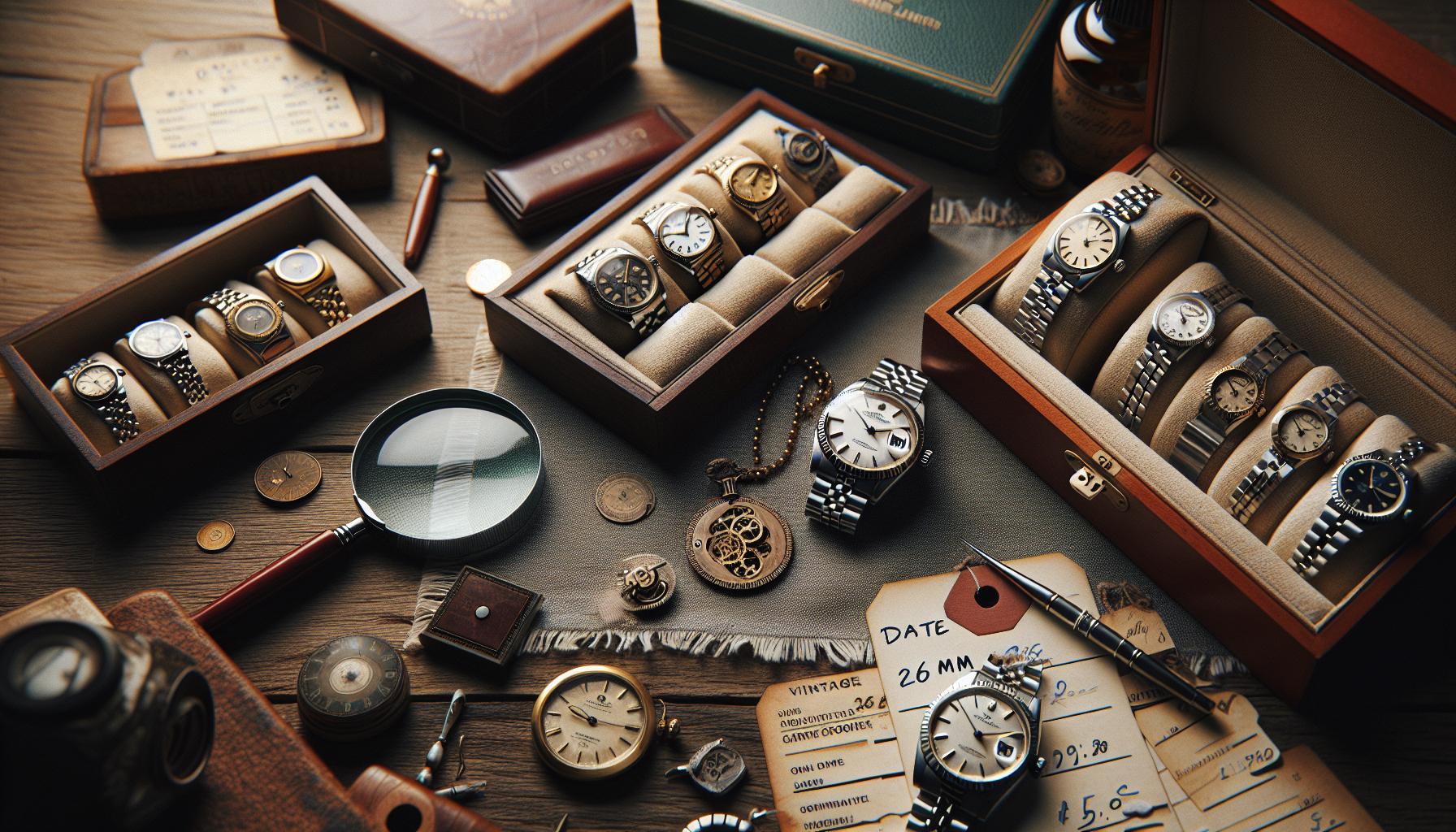
How Rolex Datejust Sizing Evolved After 26mm
Rolex’s transition away from the 26mm Datejust marked more than just a change in size-it reflected broader shifts in consumer preferences and watch design trends over the last decade. While the 26mm Lady Datejust was cherished for its classic, delicate proportions and timeless elegance, Rolex began phasing out this size in favor of slightly larger dimensions that better matched evolving wrist size trends and modern aesthetics.
Rolex introduced the 28mm Lady Datejust as the new entry point for the smaller Datejust models, bringing with it updated calibers such as the in-house Caliber 2236, which boasts improved precision, a longer power reserve, and enhanced resistance to shocks and magnetic interference. This subtle size increase maintained the watch’s feminine appeal but catered to wearers seeking a wrist presence that felt current yet still refined. The 28mm, while larger, remained elegantly compact, striking a balance between vintage charm and contemporary styling.
Why the Shift Happened
- Changing Trends in watch Sizes: The broader trend in both men’s and women’s watches has leaned toward slightly larger cases. Consumers today often desire watches that offer more wrist presence without sacrificing wearability, prompting Rolex to adapt its sizing accordingly.
- Technological Advances: Newer calibers, like the 2236, tended to be designed with slightly larger movements, necessitating a modest increase in case diameter to optimize durability and serviceability.
- Expand Market Appeal: The move to 28mm and above also aligned with an aim to capture a wider audience who prefer modern proportions while maintaining Rolex’s hallmark quality.
The Broader Evolution of Women’s Datejust Sizes
Following the phase-out of the 26mm, Rolex expanded its women’s Datejust offering to include models in 28mm, 31mm, and even 36mm sizes – the latter traditionally considered a men’s size but now embraced by women favoring a bolder style. This scaling up reflects growing fluidity in watch sizing norms and enables collectors and casual wearers alike to choose from a spectrum of sizes that suit personal style and wrist dimensions.
| Case Size | Typical Movement | target Wearer Profile | Value Proposition |
|---|---|---|---|
| 26mm (Discontinued) | Caliber 2235 | Classic, vintage-loving wearers; petite wrists | Accessible price, timeless elegance, collector appeal |
| 28mm | Caliber 2236 | Modern elegant style; those wanting a slightly larger watch | Enhanced movement, updated features, contemporary design |
| 31mm | Caliber 2236 or 3235 | Medium wrist sizes; versatile daily wear | Balance between subtlety and presence; increased complication options |
| 36mm | Caliber 3235 | Bold wearers; unisex appeal | Largest size in line, advanced movements, strong resale value |
Tips for Choosing Your Next Datejust Size
If you’re drawn to the vintage charm of the 26mm Datejust, consider what fits your wrist and lifestyle best. The discontinued 26mm remains a collectible classic but can feel small by today’s standards, especially if you’re used to larger watches. On the other hand, the 28mm Datejust offers a modern upgrade with all the benefits of Rolex’s latest movement technology while preserving a similarly refined look.
- Try on multiple sizes: Visiting a boutique or authorized dealer to experience each size firsthand is invaluable. The 28mm or 31mm sizes often feel pleasant for most women who want elegance with a touch of substance.
- Consider future-proofing: Newer calibers offer improved performance and accuracy, which may justify opting for the modern sizes over vintage models depending on your priorities.
- Think about resale value: While vintage 26mm Datejusts have their niche, Rolex’s current sizing lineup aligns more with market demand, impacting long-term value retention positively.
This evolution in sizing underscores Rolex’s responsiveness to changing tastes while continuing to honour its legacy of craftsmanship. The move beyond 26mm didn’t discard the heritage of the Lady Datejust but rather expanded its horizons, enabling a new generation of wearers to appreciate Rolex’s blend of technical excellence and timeless style. Whether you lean nostalgic or contemporary, understanding this sizing journey helps inform a well-rounded choice in the Rolex Datejust family.
Identifying Authentic 26mm Datejust Models and references
One of the most compelling aspects of hunting down a 26mm Rolex Datejust is the reassurance of authenticity. These vintage Lady-Datejust models hold a particular charm, but they’re also prime targets for counterfeiting due to their enduring popularity and accessible price point compared to larger Datejust variants. If you want a genuine 26mm Datejust, learning where to look and what to check is crucial.
The hallmark 26mm Lady-Datejust usually houses the robust Caliber 2235, a self-winding movement known for its precision and reliability. If a model claims the smaller size but is paired with modern calibers like the Caliber 2236 or even quartz movements, that’s an immediate red flag-especially as Rolex only transitioned to those movements with larger case sizes post-26mm production. The case diameter, measured from one side of the bezel to the other (excluding the crown), should ideally be verified with calipers for accuracy, as aftermarket cases or ”mods” sometimes alter proportions subtly.
- Serial and Reference Numbers: These are your most reliable tools. The serial number is engraved between the lugs at the 6 o’clock position, while the model reference can be found at 12 o’clock. Genuine 26mm Datejust references typically start with “6917,” “69173,” or “79240” for various precious metal and bracelet configurations. Cross-referencing these with Rolex’s archive or trusted databases ensures a match between case, dial, and movement.
- Dial and Date Window: Authentic Datejusts feature a 2.5x magnification cyclops lens perfectly centered over the date at 3 o’clock. Signs of misalignment or weaker magnification (often closer to 1.5x) usually point to replicas. The dial printing should be crisp, with precise fonts and evenly applied lume. be cautious of altered dials that can affect value and authenticity.
- Bracelet and Clasp: Original oyster or Jubilee bracelets on 26mm models have a distinct feel-solid, yet elegant. The clasp should bear Rolex hallmarks, including the crown logo and proper stamping inside. Aftermarket straps are common but won’t negatively impact authenticity if the original bracelet is preserved or can be verified separately.
Spotting Details That Matter
The 26mm Lady Datejust boasts subtle refinements, often overlooked, that set genuine pieces apart. Such as, the weight of the watch can tell stories. Fake models often feel lighter due to cheaper metals and thinner cases.Another key is finishing quality: the polished and brushed surfaces must be flawlessly executed, reflecting Rolex’s commitment to craftsmanship-even on their smallest pieces. Also, check the smooth sweep of the second hand, typically moving around 28,800 beats per hour on automatic Rolex calibers-an erratic or jerky motion typically indicates a quartz or fake movement.
| Feature | Authentic 26mm Datejust | Common Replica Sign |
|---|---|---|
| Case Diameter | Precisely 26mm (plus-minus 0.1mm) | Often inconsistent sizing; may be slightly off |
| Movement | Caliber 2235 automatic, smooth sweeping second hand | Quartz or unverified automatic with jerky motion |
| Serial/Reference Numbers | Clear, deep engraving between lugs matching archive | Shallow or poorly executed engravings; mismatch in numbers |
| Magnification | 2.5x cyclops perfectly centered over the date window | Weak or off-center magnifier |
Buying from a reputable dealer or platform that provides authenticity guarantees and provenance drastically reduces risk. Online forums and collector communities can also be valuable allies; enthusiasts love sharing notes and spotting details in photos and videos, which is a big help when assessing hard-to-verify watches remotely.
Ultimately, the joy of owning a 26mm Datejust lies not just in its aesthetics but in knowing the story behind its craftsmanship.By carefully verifying these crucial details, you walk confidently into the world of classic Rolex collecting-aware of potential pitfalls but equipped to appreciate every well-made tick of this iconic timepiece.
Rolex 26mm Datejust alternatives and Successors
Few Rolex models illustrate the brand’s delicate balancing act between tradition and modern watch trends like the 26mm Datejust. When Rolex phased out this classic Lady-Datejust size, collectors and enthusiasts naturally wondered what filled its niche for smaller-wristed wearers seeking that quintessential Rolex look. The good news is that Rolex didn’t just stop at discontinuing the 26mm; they smartly evolved their lineup to better suit changing tastes and advances in watch technology – giving buyers compelling alternatives and successors that maintain the spirit of the original while bringing modern upgrades.
from 26mm to 28mm and Beyond: the New Small lady-Datejust
The immediate and most direct successor is the Rolex lady-Datejust 28mm, which replaced the 26mm models sometime around the mid-2010s.This modest increase in diameter may seem subtle,but it allowed Rolex to fit newer,more advanced movements like the Caliber 2236 – notable for its precision and the use of a silicon Syloxi hairspring that improves shock resistance and magnetic resistance,without sacrificing the smooth automatic winding expected in a Rolex. This movement upgrade offers better timekeeping performance and efficiency compared to the Caliber 2235 found in the 26mm versions.
The slightly larger case diameter also corresponds with the broader industry trend toward bigger women’s watches, but Rolex kept the classic slender profile, elegant dial options, and the iconic Jubilee or Oyster bracelets that Lady-Datejust fans adore. For collectors, this means the 28mm models blend heritage aesthetics with contemporary reliability and durability, effectively respecting the vintage lineage while embracing modern horology ([source](https://www.bobswatches.com/rolex-blog/editorial/rolex-datejust-sizes-guide.html)).
Stepping Up Size: The 31mm and 34mm Datejust Variants
For those who appreciate the Datejust look but want something slightly more substantial on their wrist, rolex offers mid-size Datejust options in 31mm and 34mm case diameters. These sizes serve as bridges between traditional women’s watches and unisex or men’s model dimensions, appealing to a wider demographic without losing the Datejust’s elegant proportions.
the 31mm Datejust is particularly notable as it shares many movement upgrades with larger Datejust Ladies, including the Caliber 2236, offering similar performance benefits. The 34mm size, on the other hand, often pairs with even more robust calibers like the Caliber 3235 (depending on the year and specific model), known for enhanced power reserve and chronometric precision.
Alternatives Outside the Datejust Line: Oyster Perpetual and Lady Professional Models
If staying loyal to Rolex but exploring beyond the Datejust terminology is your preference, the Oyster Perpetual 31mm and 34mm models offer clean, straightforward designs without a date complication. These watches come at a relatively accessible price point in the Rolex lineup and use cutting-edge calibers like the 2232 or 3230, depending on sizes, catering well to enthusiasts attracted by minimalist, classic watches with no fuss.
For those interested in sporty or tool-watch aesthetics at smaller sizes, models such as the Lady Submariner (discontinued but collectible) or the current Lady Explorer 36mm might also be compelling alternatives, though these skew larger and less dressy compared to the classic Lady-Datejust profile.
practical Considerations When Choosing a 26mm Datejust Successor
When hunting for a replacement or alternative to the coveted 26mm Datejust, consider these points:
- Movement Precision and Durability: Later models generally employ the Caliber 2236 or 3235, both Rolex in-house automatics with silicon components that resist magnetism and shocks better than the older Caliber 2235. This results in longer service intervals and consistent accuracy.
- Wearability: The slight size increase to 28mm or 31mm often better suits contemporary tastes. While 26mm is ideal for very petite wrists, many find the newer sizes more versatile, pairing well with both casual and formal attire.
- Design Adaptability: Newer models come in a broader range of dial colors, materials (steel, Rolesor, and precious metals), and bracelet styles, opening up many stylistic options that weren’t widely offered during the 26mm Datejust’s heyday.
- Resale and Collectibility: While vintage 26mm Datejust watches hold nostalgic value and collectibility, the recent successors’ modern technology and broader appeal often translate to better long-term investment resilience and daily practicality.
| Model/Size | Typical Movement | Case Material Options | Price Range (New) | Ideal For |
|---|---|---|---|---|
| lady-Datejust 26mm (Discontinued) | Caliber 2235 | Steel, Rolesor, Gold | Varies (pre-owned market) | Small wrists, vintage charm |
| Lady-Datejust 28mm | Caliber 2236 | Steel, Rolesor, Gold | $7,000 – $12,000+ | Small to average wrists, modern tech with elegance |
| Datejust 31mm | Caliber 2236 / 3235 | Steel, Rolesor, Gold, Two-tone | $8,000 – $14,000+ | Versatile wearers, dressy plus casual |
| Oyster Perpetual 31mm or 34mm | Caliber 2232 / 3230 | Steel only | $5,000 - $8,000+ | Minimalists, entry-level Rolex fans |
Exploring these alternatives reveals how Rolex adapts timeless designs to modern needs-preserving what’s beloved while introducing meaningful improvements. Whether you cherish the vintage charm of the 26mm Datejust or crave the latest in comfort and tech, the Lady-Datejust and Oyster Perpetual lines offer a watch for every sensibility, blending tradition with forward-thinking craftsmanship.
Tips for Buying Pre-Owned 26mm Datejust Watches
Finding the perfect pre-owned 26mm Rolex Datejust can feel like uncovering a small treasure-these watches carry vintage charm, unmatched craftsmanship, and a distinct presence on smaller wrists. As Rolex discontinued the 26mm Lady-Datejust around the mid-2010s, these models have become increasingly sought after, especially for collectors who appreciate the classic feel paired with the reliable caliber 2235 automatic movement. the 26mm’s compact size isn’t just about aesthetics; it’s a testament to Rolex’s historical design philosophy for women’s watches before the trend toward larger sizes took hold.
Know Your Reference Numbers and Authenticity Clues
When hunting for a genuine 26mm Lady-Datejust, focusing on reference numbers is vital. Common examples include the 69173,179173,and 69174,among others,distinguished by material (steel,Rolesor,or precious metals) and bezel style. These nuances influence both the watch’s character and market value.Authenticity isn’t just about spotting the rolex crown or the etched serial number; it’s about understanding subtle design cues-font styles on the dial, lug shape, bracelet end-links, and especially the caliber engraving on the movement if the caseback is accessible during servicing. Buying from reputable dealers or trusted auction platforms with clear provenance and service history reduces the risk of encountering counterfeit or heavily polished pieces that erode original charm.
Inspect Movement and Service History Closely
The 26mm Datejust is powered by the in-house Caliber 2235, known for its robustness, accuracy, and smooth automatic winding. As these models are over a decade old and frequently enough older, verifying recent servicing is key.A watch that’s been regularly maintained by certified Rolex service centers ensures the movement’s reliability, water resistance, and overall longevity.Beware of watches with uncertain service records; movement repairs from non-authorized watchmakers may compromise parts authenticity or long-term durability. For enthusiasts fascinated by mechanical artistry,a freshly serviced Caliber 2235 will tick with the crisp precision you expect from a Rolex,ensuring that your pre-owned purchase feels as good on the wrist as it looks.
Weigh Condition Against Price and Collector Value
When evaluating pre-owned 26mm Datejusts, condition heavily influences value. A watch with a gorgeous, original dial-especially rare finishes or factory-set diamonds-commands a premium. However,some collectors appreciate “honest wear” that reflects a watch’s life story,favoring lightly polished or gently worn cases over over-serviced shiny examples,which can thin out the lugs or remove serial numbers. Price expectations vary widely: well-maintained steel or two-tone models typically fetch between $4,000 to $7,000, with gold or diamond-set versions climbing higher. Understanding market trends and comparing different listings will help you spot fair deals and avoid inflated prices fueled by hype.
Key Buying Tips for a Smooth Experience
- Ask for detailed photos: Look closely at the dial, case sides, lugs, bracelet stretch, clasp engravings, and crown logo. The smaller size means even slight wear shows more, so inspect carefully.
- Verify bracelet authenticity and fit: The Jubilee bracelet is iconic for the 26mm Datejust. Ensure the bracelet corresponds to the reference and has proper end-links for a snug wrist fit without excessive stretch.
- Compare multiple listings: Prices can fluctuate dramatically based on condition,box and papers included,and regional demand.
- Consider the investment horizon: While the 26mm Datejust holds nostalgic and collector value, remember it’s a vintage piece without the newest innovations like silicon hairsprings or extended power reserves found in later models.
- Use trusted dealers or platforms: To avoid surprises, buy from sellers who offer guarantees, returns, and have strong reputations in vintage Rolex circles.
| Aspect | What to Look For |
|---|---|
| Movement | caliber 2235; recent Rolex service preferred |
| Reference Numbers | Common: 69173, 179173, 69174; matches material & style |
| Dial | Original factory dial; avoid refinished or heavily restored |
| Bracelet | Jubilee or Oyster; authenticate end-links and clasp |
| Condition | Minimal scratches, no over-polishing, intact engravings |
Owning a 26mm Datejust today means embracing a piece of Rolex history tailored for those who prefer a dial presence that is both elegant and discreet.With diligent research,patience,and a keen eye for detail,buying a pre-owned 26mm Datejust can become a rewarding experience,blending vintage allure with dependable Swiss movement technology-a true classic that continues to charm enthusiasts around the world.
Rolex Women’s Watch Trends: Past, Present, Future
Rolex’s approach to women’s watches has always balanced elegance with technical innovation, and the story of the 26mm Datejust perfectly illustrates this evolving dynamic.Introduced in 1957, the 26mm Lady Datejust was designed as a refined, smaller counterpart to the iconic 36mm men’s Datejust, catering to women who wanted precision and durability wrapped in a subtly classy size. For decades, the 26mm case diameter was the gold standard for women’s Rolex watches, delivering slender profiles without compromising on the brand’s signature robustness and automatic Caliber movements like the reliable 2235[[[[[2]](https://www.coveted.com/discover/rolex-lady-datejust-26-watches).
Over time, watch sizing trends shifted dramatically. Throughout the 2000s and into the 2010s, larger wristwatches became fashionable for women, influenced by broader fashion trends and the unisex appeal in design aesthetics. This cultural shift led to Rolex expanding and eventually replacing the 26mm Datejust with slightly larger cases, most notably the 28mm Lady-Datejust models. These watches maintained Rolex’s precision and craftsmanship but offered a bolder wrist presence that resonated with contemporary tastes.Consequently, the classic 26mm Lady-Datejust quietly exited Rolex’s regular catalog around the mid-2010s[[[[[1]](https://aandewatches.com/everything-you-need-to-know-about-the-rolex-lady-datejust).
Why Size Matters and What It Means Today
The trend toward bigger women’s watches isn’t just about aesthetics-it reflects changing lifestyles and preferences. The 26mm Datejust remains beloved by purists and collectors for its vintage charm and perfect fit on petite wrists, but larger models with updated calibers and modern features like silicon hairsprings and longer power reserves offer practicality and visibility that appeal to many today. When choosing between vintage 26mm and newer size options, consider:
- Wearability: Smaller diameters suit smaller wrists and dressier occasions, while larger sizes work as everyday statements and sportier styles.
- Technical features: Newer calibers in the 28mm and above often offer improved performance and durability.
- Investment and collectibility: The discontinued 26mm models have increased in desirability among collectors, often representing a well-crafted snapshot of Rolex’s heritage.
Looking Forward: Rolex Women’s Watches in the Next Decades
Rolex continues to innovate subtly-introducing fresh dial colors, refined bracelet options, and modern materials without altering the fundamental designs that define its women’s watches. As fashion evolves, expect Rolex to keep blending classic elegance with contemporary trends, potentially offering mid-size options to bridge vintage and modern tastes. The enduring love for models like the 26mm Lady-Datejust reminds us that precision engineering and tasteful proportions will never go out of style.
For anyone diving into Rolex women’s watches, whether as a first purchase or a seasoned collector’s treasure, understanding these shifts in sizing and style will help you find the perfect watch that not only suits your wrist but also fits your appreciation of horological artistry-past, present, and future. The 26mm Datejust is a timeless icon that celebrates Rolex’s dedication to crafting movements and designs that marry form and function elegantly, inspiring collectors and enthusiasts across generations.
Q&A
Q: when exactly did rolex discontinue the 26mm Datejust model?
A: Rolex officially stopped producing the 26mm Datejust model around 2018 as part of a strategy to align with growing consumer preferences for larger women’s watches. This transition saw the introduction of models like the 28mm Datejust to replace the smaller sizing. For detailed timeline insights, see the Rolex 26mm Datejust Production Timeline explained section.
Q: What were the main reasons Rolex phased out the 26mm Datejust?
A: Rolex discontinued the 26mm datejust primarily due to market trends favoring larger women’s watches and enhanced mechanical calibers. The move allowed Rolex to offer more contemporary sizes with upgraded movements and styling,responding to evolving design preferences and technical advancements. More on this in Why Rolex Discontinued the 26mm Datejust.
Q: How did the movement calibers differ before and after the 26mm Datejust was phased out?
A: The 26mm Datejust typically housed the caliber 2235 automatic movement, known for its precision and reliability.After discontinuation, Rolex upgraded to newer calibers like the caliber 2236, featuring silicon components for superior accuracy and anti-magnetic properties, discussed in Comparing 26mm Datejust Movements and Calibers.
Q: Are vintage 26mm Datejust watches still sought after by collectors post-discontinuation?
A: Yes, vintage 26mm Datejust models have increased collectibility due to their discontinued status, classic proportions, and quality movements.This makes them valuable both sentimentally and financially, especially well-maintained or rare references. See Collectibility and Market Value of Vintage 26mm Datejusts for buying tips.
Q: How did Rolex’s sizing strategy evolve for women’s watches after the 26mm Datejust ended?
A: After ending the 26mm Datejust, Rolex expanded women’s sizing options, favoring models like the 28mm Datejust and beyond, offering better wearability, modern aesthetics, and advanced calibers. This strategic size evolution improved versatility while maintaining Rolex’s design DNA, as explained in How Rolex Datejust Sizing Evolved After 26mm.
Q: What alternatives did Rolex introduce to replace the 26mm Datejust for women?
A: Rolex replaced the 26mm Datejust primarily with the Datejust 28mm and Lady-Datejust models, which provide a balance between elegance and modern size preference, with updated movements and design refinements. Explore Rolex 26mm Datejust Alternatives and Successors to find comparisons and specs.
Q: How can buyers identify authentic discontinued 26mm Datejust watches today?
A: Authentic 26mm Datejusts can be identified by checking reference numbers, dial details, and caliber type (caliber 2235). Provenance and detailed inspection of hallmark engravings are key to avoid fakes.For a full guide, refer to Identifying Authentic 26mm Datejust Models and References in the main article.
Q: What should buyers consider when purchasing a pre-owned 26mm rolex Datejust?
A: When buying a pre-owned 26mm Datejust,focus on movement condition,authenticity verification,and service history. Also, assess market value trends for vintage pieces to ensure a fair price. Learn more practical advice from Tips for Buying Pre-owned 26mm Datejust watches for confident purchasing decisions.
For further insights on 26mm Datejust history and transitions, explore the in-depth sections in the main article-your trusted guide to Rolex women’s watches evolution and collector essentials.
The Way Forward
Understanding when Rolex ceased production of the 26mm Datejust sheds light on its unique place in the brand’s history-famed for its reliable automatic movement and classic design that blends elegance with everyday wearability. While no longer in current production, this model remains a compelling choice for collectors valuing compact sizing and timeless style, frequently enough maintaining strong resale value. If you’re exploring alternatives or want to dive deeper into Rolex’s evolution,check out our detailed reviews on the Rolex Datejust 31mm variations and comparisons with other iconic Rolex models.
to stay ahead on vintage Rolex trends and recieve expert insights on calibers, complications, and market pricing, consider subscribing to our newsletter. Have questions about sourcing an authenticated 26mm Datejust or comparing in-house movements across Rolex’s lineup? Drop a comment below or explore our buyer’s guides and maintenance tips for pre-owned luxury watches. Your journey through Rolex’s horological craftsmanship is just beginning-let’s keep uncovering the stories behind these mechanical masterpieces together.