
How to Start Watch Collection: Beginner’s Expert Guide
Starting a watch collection is about more than just owning timepieces; it’s a journey into appreciating mechanical artistry, design, and personal style. Weather you’re drawn to an automatic Seiko under $300 or dreaming of the intricate complications in a $10,000 IWC, understanding the basics-like movement types, value, and wearability-helps you build a collection that’s meaningful and enjoyable. Many newcomers feel overwhelmed by brands, jargon, and investment potential, but with clear guidance, you’ll learn to identify quality craftsmanship across all price points without the snobbery. This guide breaks down essential watchmaking concepts in straightforward language, helping you choose watches that fit your lifestyle and budget. Expect honest insights on why certain calibers matter, how to spot in-house movements, and what makes a watch a lasting treasure rather than a fleeting trend. Whether you want a versatile daily piece or a focused collection highlighting vintage automatics or tool watches, you’ll find practical advice here to turn curiosity into confident collecting. Let’s explore how to start a watch collection that tells your story, balancing passion, knowledge, and value every step of the way.
Contents
- Choosing Your First Watch: Key Features to Consider
- Understanding Watch Movements: Quartz,Automatic,and Manual Explained
- Setting a Realistic Budget: finding Value Across Price Ranges
- Exploring Watch Styles: Dress, Dive, Pilot, and Everyday
- Top Trusted Brands for Beginner Collectors
- Where to Buy Watches Safely: Authorized Dealers vs. Marketplaces
- How to Spot Quality: Case, Crystal, Dial, and Strap Insights
- Essential Watch Complications and What They Mean
- Maintaining and Caring for Your Watches Like a Pro
- Building a Collection Strategy: Focus vs. variety
- Investing in Watches: Myths, Realities, and Resale Value
- Connecting with the Watch community: Events, Forums, and Resources
- Frequently asked questions
- Q: How can I identify authentic vintage watches when starting a collection?
- Q: What are the best practices for organizing and storing my watch collection safely?
- Q: When is the right time to upgrade from entry-level to luxury watches in my collection?
- Q: Why is understanding watch provenance important for beginner collectors?
- Q: How do limited editions and special releases impact a beginner’s watch collecting strategy?
- Q: Where can I find trustworthy online resources or communities for beginner watch collectors?
- Q: What should I consider about watch warranties and after-sales service as a beginner collector?
- Q: How can I balance collecting watches for passion versus potential investment benefits?
- Key Takeaways
Choosing Your First Watch: Key Features to Consider
One of the most exciting moments in starting a watch collection is deciding which piece will join your wrist first. This choice sets the tone for your journey and can teach you a lot about your tastes and priorities. When selecting that inaugural watch, focus on features that blend style, function, and personal connection rather than chasing hype or perceived status. A great first watch isn’t about price tags alone; it’s about enduring appeal, reliable craftsmanship, and how it fits your lifestyle.
Start by thinking about the movement type, because it defines how your watch functions and what kind of ownership experience to expect.Quartz watches,powered by batteries,offer excellent accuracy and minimal maintenance-perfect for daily wear or if you want something fuss-free. Mechanical watches-either automatic (self-winding) or manual (hand-wound)-deliver a tactile bond with horology. An automatic watch like the Seiko SKX or Hamilton Khaki Field illustrates accessible mechanical craftsmanship, while more intricate calibers become a passion as you explore deeper. Knowing this upfront guides you toward watches whose heartbeat you appreciate.
From there,consider the case size and material to match comfort and style. For beginners, a case size between 38mm and 42mm typically suits most wrists and versatile occasions. Materials like stainless steel combine durability with classic appeal and are commonly found across budgets. Titanium or ceramic might come later as you expand, but starting with solid, scratch-resistant steel builds a sturdy foundation. Also,let your lifestyle influence choice-if you’re active or outdoorsy,a robust dive watch or durable resin G-Shock might outperform delicate dress watches in everyday dings.
think about aesthetic and versatility. A watch that looks good with casual wear,office outfits,and special occasions adds tremendous value. Simple,clean dials with legible hour markers and moderate complications (like date or day/date) help avoid overwhelm and keep daily use enjoyable. For example, the Tissot Visodate or the Citizen Eco-Drive BM8180 offer classic style with practical features, making them perennial favorites for newcomers. Remember, this first watch will likely be your most worn, so choose something that resonates with your personality and offers comfortable wear.
Key Features to Weigh Before You Buy
- Movement: Quartz (accurate, low-maintenance), Automatic (self-winding, requires wear), Manual (requires hand-winding, intimate connection)
- Case Size & Material: 38-42mm recommended; stainless steel preferred for durability
- Dial & Design: Legible markers, simple complications; styles fitting everyday versatility
- Strap or Bracelet: Comfort, adjustability, and replaceability (leather, metal, nylon)
- Water Resistance: At least 50m for resilience, higher if active or aquatic use intended
Selecting your first watch is about balancing practical needs with dreams of horology. Think of it as inviting a small mechanical marvel into your daily rythm-one that marks time and sparks curiosity. Whether you start with a rugged Casio G-Shock, a heritage-rich Hamilton, or an elegant Tissot, the key is finding a watch that feels right on your wrist and inspires you to learn more about this interesting craft.
Understanding Watch Movements: Quartz,Automatic,and Manual Explained
Few things connect us to the art of watchmaking quite like the subtle pulse of a mechanical movement or the precise tick of a quartz crystal. Understanding how these different watch movements operate unlocks a vital layer of thankfulness and guides you toward a timepiece that fits your lifestyle, taste, and how you want to experience owning a watch. Whether you’re drawn to the fuss-free accuracy of quartz or the romantic craftsmanship of hand-wound calibers, each movement type represents a fascinating blend of engineering, tradition, and personal preference.
Quartz movements are the champions of accuracy and low maintenance. Powered by a tiny battery and regulated by a vibrating quartz crystal, these watches often require only a battery change every few years. Their affordability and reliability make them popular daily wearers – think casio G-Shock or Citizen Eco-Drive models. These watches don’t just keep time well; they can pack useful features like alarms, solar charging, or atomic timekeeping without breaking the bank.Quartz watches are perfect if you want precision without fuss, and they allow beginners to enjoy watch collecting on a budget without compromising style and quality.
Mechanical watches-further divided into automatic and manual-offer an entirely different ownership experience, one defined by movement and interaction. Automatic watches wind themselves using the motion of your wrist, storing energy in a mainspring for smooth, sweep-second-hand operation. The Seiko SKX or Hamilton Khaki Field are accessible models that illustrate this long-standing mechanical tradition beautifully. On the other hand,manual (hand-wound) watches require you to wind the crown regularly,building a direct,tactile connection with the watch – an intimate ritual for many collectors. Brands like Nomos and smaller self-reliant makers excel at producing elegant manual-wind calibers that invite wearers to engage with time on their own terms.
Movement Comparison at a Glance
| Movement Type | Key Features | Typical Price Range | Ownership Experience |
|---|---|---|---|
| Quartz | Battery-powered, highly accurate, low maintenance | $50 – $500 (varies by brand and features) | Set & forget, great for active lifestyles, minimal upkeep |
| Automatic | Self-winding via wrist motion, mechanical, smooth seconds hand | $200 – $10,000+ | Wears best when used regularly, mechanical appreciation |
| Manual | hand-wound, mechanical, requires daily winding | $300 – $8,000+ | Interactive ritual; deep connection with watchmaking craft |
Understanding these movement types helps you decide what kind of relationship you want with your watch. A quartz timepiece offers heady convenience and precision, ideal if you want a reliable tool at a amiable price. Mechanical automatics add a layer of craftsmanship and tradition, great for those who enjoy the magic of gears and springs in motion. Meanwhile,manual watches create an intimate daily routine,perfect for collectors who see watches as living objects with heartbeat and history.
Whichever movement type you lean toward, remember that every watch shares a basic purpose-to mark your moments with certainty and style. Exploring these differences early on sets you on a path to collecting that’s enjoyable, informed, and truly personal.
Setting a Realistic Budget: finding Value Across Price Ranges
few hobbies balance art,engineering,and personal style quite like watch collecting-and setting your budget thoughtfully can unlock incredible value at every price point. Whether you’re drawn to the precision of quartz, the romance of automatic calibers, or the craft of hand-wound mechanics, there’s a perfectly suited watch waiting for you without needing to empty your wallet. Understanding the relationship between price, movement, brand heritage, and features will help you maximize your enjoyment while avoiding common pitfalls of hype and overspending.
Budget Categories and What to Expect
- Under $500: This is the sweet spot for many beginners, where quartz and entry-level automatics shine. Brands like Seiko,citizen,Tissot,and Orient offer exceptional build quality,reliable Swiss or Japanese movements,and solid designs that hold up well daily. Watches here often feature sapphire crystals, stainless steel cases, and sometimes in-house movements-meaning the brand develops the mechanical engine themselves, not just sourced calibers. For example, the Seiko 5 SNK series or the Tissot Everytime offer mechanical charm without breaking the bank.
- $500 to $2,000: In this mid-range segment, you see refinement and heritage step up a notch. Swiss brands like Longines, Oris, and Hamilton deliver sophisticated automatic movements with more polished finishing and often additional complications like date windows or chronographs. This range rewards buyers with watches that balance wearability and craftsmanship, offering value that can possibly retain some resale when cared for. Consider the Hamilton Khaki Field Mechanical-a proven classic with robust history and reliable movement.
- $2,000 and above: Now you enter the realm of luxury, unique complications, and sometimes haute horlogerie. Iconic brands such as Rolex, Omega, Tudor, and grand Seiko introduce in-house calibers with meticulous decoration, increased accuracy, and often proprietary materials. These watches appeal not only as timekeepers but as investments and status symbols-but beware of hype-driven pricing. real value comes from understanding the watch’s story, quality, and market demand rather than chasing names alone.
Making Every Dollar Work
Finding value means balancing your passion with practicality. Here are a few buyer-friendly tips:
- focus on movement quality: Whether quartz or mechanical, a solid, well-regarded caliber will provide years of service and easier servicing down the road.
- Check materials: Stainless steel cases and sapphire crystals offer durability that protects your investment. Avoid watches with mineral glass or plated cases unless budget demands it.
- Understand in-house vs. outsourced movements: In-house movements can be a sign of craftsmanship but may come with heftier price tags and servicing complexity; outsourced movements (like ETA, Sellita) are reliable and widely supported.
- Consider pre-owned: Certified pre-owned watches often deliver luxury craftsmanship at a fraction of retail and can include warranties for peace of mind.
| Price Range | Typical movement Types | Brands to Explore | Value Proposition |
|---|---|---|---|
| Under $500 | Quartz & Entry-Level Automatics | Seiko, Citizen, Tissot, Orient | Reliable, affordable, accessible mechanical experience or precision quartz |
| $500 – $2,000 | Swiss Automatics, Mechanical with Complications | Hamilton, Longines, Oris, Mido | Refined design, stronger heritage, better finishing |
| $2,000+ | In-House Movements, Luxury Mechanical | Rolex, Tudor, Omega, Grand Seiko | Collectible quality, status, investment potential |
Ultimately, a watch’s value transcends its price tag. A $150 Tissot with a robust automatic caliber and great design can offer as much joy and collecting merit as a $50,000 Hublot masterpiece. Whether you pick your first timepiece from a beloved affordable brand or aim for a higher-tier icon, investing time in researching features, craftsmanship, and brand reputation will empower you to build a collection you genuinely cherish. Watch collecting is a journey-not a sprint-and budget-conscious choices lay the strongest foundation for years of appreciation and delight.
Exploring Watch Styles: Dress, Dive, Pilot, and Everyday
Few things capture the spirit of watch collecting like exploring the distinct personalities found in different watch styles-from the sharp elegance of dress watches to the rugged utility of dive watches. Each style carries a unique history, purpose, and design language that can profoundly shape how you curate your collection and express your personal style. Whether you’re drawn to classic simplicity or technical prowess, understanding these categories helps you choose models that resonate both aesthetically and functionally.
dress watches: Understated Elegance for Every Occasion
Dress watches embody refinement. Typically slim, with clean dials and minimal complications, these watches prioritize subtlety and sophistication. Often paired with leather straps and precious metals, they fit seamlessly with formal wear. Think of the iconic Jaeger-LeCoultre Reverso or the elegant Tissot Everytime-models that you can wear comfortably under a shirt cuff yet still make a statement. From a movement perspective, many dress watches feature automatic calibers with minimal complications to maintain a sleek profile. For beginners, affordable Swiss brands like Longines or Hamilton offer compelling dress watches that balance craftsmanship with accessibility, often powered by reliable ETA movements. Dress watches are less about flash and more about classic style, making them timeless additions that rarely go out of fashion.
Dive watches: Crafted for Adventure and Durability
Dive watches carry an aura of ruggedness and reliability, originally conceived for underwater exploration but now beloved for their robust design and legibility. Key features include high water resistance (commonly 200m+),unidirectional rotating bezels for tracking elapsed time,and luminous markers for visibility in low light. The legendary Rolex Submariner and the approachable Seiko SKX007 exemplify this genre, offering mechanical movements built to endure. Dive watches typically have stainless steel cases with screw-down crowns and sapphire or Hardlex crystals to withstand shocks and scratches. For newcomers, Seiko and Citizen dive watches serve as excellent gateway pieces due to their robust build and affordability. Beyond functionality, dive watches make versatile everyday companions that pair well with casual or sporty attire.
Pilot Watches: The Legacy of Aviation instruments
Inspired by the cockpit instruments of early aviators, pilot watches emphasize legibility, precision, and simplicity.classic traits include large Arabic numerals, luminous hands, and oversized crowns that can be operated with gloved hands. Watches like the IWC big Pilot or the more accessible Hamilton Khaki Pilot represent this style with mechanical automatic movements engineered for reliability under demanding conditions.These watches frequently enough feature chronograph functions or additional time zones, useful tools for aviators and world travelers alike. For beginners, pilot watches offer a blend of technical sophistication and everyday practicality.Their bold dials and distinctive design narrate a story of adventure and innovation, perfect for collectors who appreciate both history and utility.
Everyday Watches: The Versatile Workhorse
Everyday watches live up to their name by being adaptable companions suited for daily wear. These timepieces usually balance style and comfort with durability and moderate complications-think date windows, reliable automatic movements, and scratch-resistant crystals. Brands like Citizen, Seiko, and Tissot deliver some of the best value here, combining solid engineering, versatile designs, and approachable pricing. The Seiko 5 series, for example, is beloved in the watch community for giving beginners a genuine mechanical experience without breaking the bank. Everyday watches aren’t about extravagance but about dependable performance and wearability, making them ideal first picks that you can rotate through different outfits and occasions.
| Watch Style | Key Features | Popular Models | Price Range | Value Proposition |
|---|---|---|---|---|
| Dress | Slim case, minimal dial, leather strap, subtle complications | Jaeger-LeCoultre Reverso, Tissot Everytime, Longines Master | $300 – $5,000+ | Timeless elegance, formal versatility |
| Dive | Water resistance 200m+, rotating bezel, luminous dial | Rolex Submariner, Seiko SKX007, Citizen Promaster | $200 – $10,000+ | Robustness, sportiness, everyday durability |
| Pilot | Large numerals, luminous hands, oversized crown, chronographs | IWC Big Pilot, Hamilton Khaki Pilot, Laco Flieger | $400 – $8,000+ | legibility, technical heritage, functional style |
| Everyday | Moderate complications, versatile aesthetics, durability | Seiko 5, Citizen Eco-Drive, Tissot PRC 200 | $150 – $1,000 | Reliability, comfort, value |
Many collectors start with one style that fits their lifestyle and gradually expand to others, broadening their appreciation of watchmaking diversity. Whether marveling at the delicate automation in a dress watch or tracking time in the depths with a dive watch,each style offers unique experiences. Celebrate what excites you most, and remember: the best watch is the one that speaks to your passion and fits your daily rhythm.
Top Trusted Brands for Beginner Collectors
Few things inspire confidence in a budding watch collector like discovering brands that genuinely combine craftsmanship, reliability, and value without demanding you empty your savings. Great beginner watches aren’t just about logos-they’re about movements you can trust,timeless designs,and pieces that invite you to learn and grow as a collector. Whether your budget is $150 or a few thousand dollars, the brands below offer a robust starting point, bridging the gap between horological tradition and practical everyday wear.
Seiko: The Everyday Mechanical Marvel
Seiko is a cornerstone for new collectors thanks to its in-house movements,impressive build quality,and accessible price points.The brand’s legendary Seiko 5 series embodies reliability with automatic calibers that require minimal fuss-excellent for understanding basic watch mechanics like mainsprings and balance wheels. Models like the SKX007 dive watch deliver serious durability with screw-down crowns and 200m water resistance,while offering a true mechanical experience under $300. Seiko’s attention to detail, from Hardlex crystals to LumiBrite luminous dials, exemplifies how thoughtful engineering need not be expensive.
Tissot: Swiss Craftsmanship at Friendly Prices
As part of the Swatch Group, Tissot brings authentic Swiss movements-frequently enough ETA-based automatics-into an affordable realm, pricing many of their models between $300 and $1,000. Their dress watches, such as the Everytime or PRC 200 collections, showcase elegant simplicity balanced with rugged sapphire crystals and reliable calibers. Tissot also shines with pilot and sport styles that offer versatile aesthetics and complications like chronographs or powermatic 80 movements boasting 80 hours of power reserve. For beginners,Tissot represents a perfect blend of heritage,precision,and attainable luxury.
citizen: Solar Power Meets Practical Innovation
Citizen excels in quartz and eco-friendly solar-powered watches that remove the hassle of battery changes while maintaining robust accuracy. A standout is the Eco-Drive line,which features light-powered calibers that can run for months without exposure to light. With prices starting under $200, Citizen’s everyday watches offer durable stainless steel cases, sapphire glass options, and water resistance suited for daily wear. Their diver and pilot models bring functional design with fewer moving parts, making them ideal for those leaning towards reliability and low maintenance.
Hamilton: American spirit Meets Swiss Precision
Hamilton blends storytelling with technical substance, producing automatic watches that appeal to both novices and aficionados. Many Hamilton models run on Swiss ETA movements, ensuring serviceability and smooth operation. Pieces like the Khaki Field and Khaki Pilot introduce military and aviation heritage while maintaining legibility and modern wearability. Prices generally range from $400 to $1,500-still approachable but offering a confident step into more serious collecting. Their combination of sturdy cases, sapphire crystals, and solid straps add up to watches built both to impress and endure.
Balancing Value and Potential Resale
While brands like Rolex or Omega command transfer value based on their iconic status, beginner collectors should prioritize watches that foster appreciation for mechanics and design without the pressure of appreciating resale-though some models do hold value well. Brands like Seiko and Tissot are respected for consistent quality but have modest resale markets, making them wonderful daily wrist companions without the stress of investment anxiety. Over time, a well-cared-for piece from these brands can serve as a foundation for adding rarer or more complex watches.
| Brand | Key Movement Types | Typical Price Range | Style Highlights | Value Proposition |
|---|---|---|---|---|
| Seiko | In-house Automatic, Quartz | $150 - $700 | dive, Everyday, Sport | Reliable mechanics, affordable, robust |
| Tissot | Swiss ETA Automatic, Quartz | $300 – $1,000+ | Dress, Pilot, Everyday | Swiss heritage, versatile, elegant |
| Citizen | Eco-Drive Solar Quartz, Quartz | $150 – $600 | Everyday, Pilot, Dive | Low maintenance, accurate, innovative |
| Hamilton | Swiss ETA Automatic | $400 – $1,500 | Military, Pilot, Dress | Heritage-inspired, durable, precise |
No matter where your passion or pocket leads you first, these brands welcome beginners with open arms. They combine mechanical artistry and practical values that encourage learning while wearing something you love.Embrace the journey-each watch in your collection is a step closer to mastering horology’s fascinating craft.
Where to Buy Watches Safely: Authorized Dealers vs. Marketplaces
When diving into the world of watch collecting, knowing where to buy your watches safely is equally crucial as understanding their mechanics or styles. The route you choose-whether an authorized dealer or a third-party marketplace-can significantly impact authenticity, warranty coverage, pricing, and peace of mind. Let’s break down the pros and cons of each, equipping you with the clarity to make secure, confident purchases.
Authorized Dealers: Trust Through Direct Brand Connection
Purchasing from an authorized dealer means buying straight from the brand or their officially sanctioned retailer. This path guarantees genuine products, full manufacturer warranties, and access to the latest models fresh from the factory. authorized dealers often provide expert service, including official maintenance and authentication, which can be invaluable especially for mechanical watches with intricate movements like automatic calibers or complex chronograph complications. Moreover,dealers typically offer flexible return policies and customer support that protect beginners navigating their first purchase.
While authorized channels might sometimes carry premium price tags compared to the open market, the transparency and security frequently enough justify the cost-especially on higher-end models where fakes and gray-market issues are rampant. For example, when acquiring a Tissot Powermatic 80 or a Hamilton Khaki Field, buying from an authorized dealer ensures your ETA-based movement is genuine and the sapphire crystal and case meet quality standards. This direct connection to the brand also tends to foster trust when exploring warranties on eco-friendly Citizen eco-Drive or Seiko automatic watches.
Marketplaces: variety, Deals, and the Art of Vigilance
Online marketplaces, auction sites, or forums represent tempting options for snagging rare pieces, limited editions, or simply watches at discounted prices. Whether you’re browsing eBay, Chrono24, or watch forums, the breadth of choices is unparalleled. You may stumble upon a vintage Seiko diver at a bargain or a discontinued Citizen pilot model with unique solar tech.
However, the greatest caveat here is the risk of counterfeit parts, inaccurate descriptions, and missing authenticity guarantees. Unlike authorized dealers,warranty coverage depends on the seller,often void or limited. So,a savvy collector habitually cross-checks seller ratings,demands clear photos of movement and casebacks,and requests proof of purchase or service history. Many beginners find it helpful to learn key spotting techniques, such as examining the dial printing quality, movement finishing, and case symmetry before committing.
- tip: Use an escrow service on high-value purchases to protect yourself until you verify the watch.
- Tip: Engage with community forums for seller references and authenticity checks.
Buying from a trustworthy secondary market seller specializing in vintage watches or microbrands can also offer a middle ground-combining expert curation with fair pricing. Just be transparent about your collector goals, your budget, and ask questions about servicing histories or any modifications done.
Buying Checklist for Peace of Mind
Here’s a practical framework for beginners evaluating purchase platforms:
| Factor | Authorized Dealer | Marketplace |
|---|---|---|
| Authenticity guarantee | 100% guaranteed by brand | Varies; dependent on seller integrity |
| Warranty Coverage | Full factory warranty included | Usually none or seller-specific |
| Price | standard MSRP, occasional promotions | Potentially discounted, risk of overpaying for fakes |
| Model Availability | Latest collections, full catalogue | Rare, discontinued, or hard-to-find pieces |
| After-Sales service | Official servicing, genuine parts | Varies widely; frequently enough independent watchmakers |
Ultimately, blending these avenues thoughtfully can enrich your collecting experience. Start with authorized dealers to build a foundation of authentic, reliable watches. gradually, as you grow confident, explore marketplaces for that unique find or vintage charm-armed with knowledge, community support, and a discerning eye.This balanced approach respects craftsmanship at every price point, from a humble Seiko 5 to an aspirational Hamilton pilot, and prevents rookie pitfalls. Remember, the essence of collecting lies in the joy of revelation and appreciation, not just the purchase itself.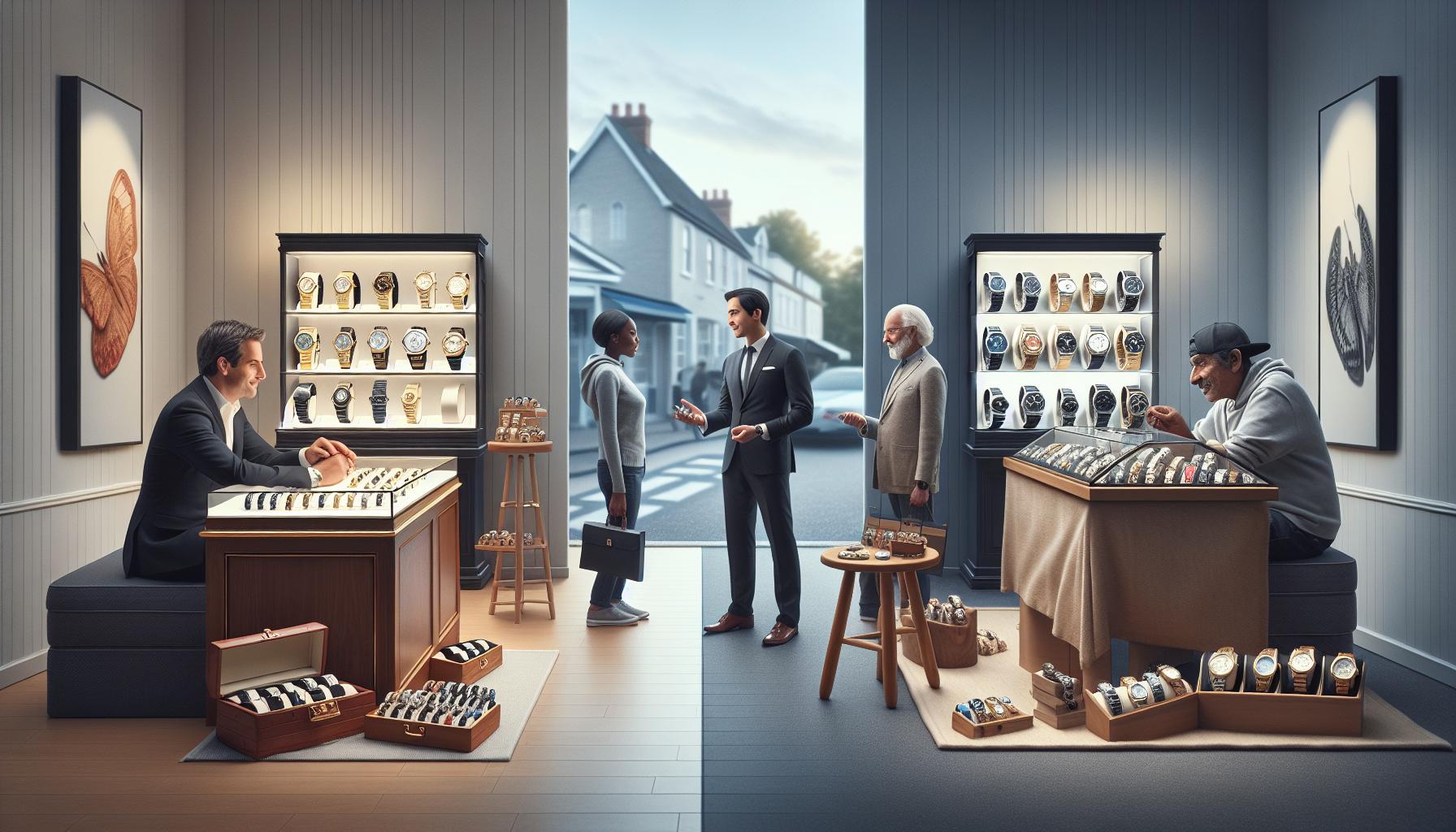
How to Spot Quality: Case, Crystal, Dial, and Strap Insights
Few aspects reveal the soul of a watch quite like its physical build; the case, crystal, dial, and strap aren’t just components-they’re the handshake between craftsmanship and daily wear. Identifying quality in these elements helps you appreciate the watch beyond a pretty face and ensures your purchase holds value, durability, and above all, genuine charm. Whether you’re eyeing an affordable Tissot or a high-end Omega, these details tell you if a watch is built to last or just looks good in a glossy photo.
Cases: The Foundation of Style and Strength
Watch cases protect the movement and set the tone for the watch’s personality. Premium cases are often crafted from stainless steel, titanium, or precious metals like gold; each material balances weight, durability, and price differently. For instance, stainless steel is the workhorse-resistant to scratches and corrosion, found in models from Seiko’s reliable 5 Sports to Rolex’s iconic Submariner. titanium offers lightweight toughness seen in brands like Citizen and casio G-Shock,perfect for active lifestyles or allergy-prone skin.
Look closely at finishing techniques: polished, brushed, or sandblasted surfaces should feel smooth and consistent, with sharp, clean edges that highlight thoughtful design. Watch out for uneven surfaces, rough edges, or off-center pushers and crowns-these are red flags for cost-cutting or lower craftsmanship. Also, the presence of screw-down crowns and casebacks often implies better water resistance and sturdier construction, key features in dive and sports watches.
Crystals: Transparency That Protects and Enhances
The crystal is more than clear glass; it’s a critical barrier shielding your watch’s dial and hands from impacts and moisture. Quality watches typically use synthetic sapphire crystals, prized for their outstanding scratch resistance. Many mid-tier brands such as Hamilton or Tissot upgrade to sapphire to enhance longevity, while entry-level options might rely on hardened mineral glass, which is more prone to scratches but easier and cheaper to replace.
Look for anti-reflective coatings that reduce glare and improve dial legibility-noticeable by a subtle blue or purple sheen under certain light angles. This is a hallmark of a well-thought-out watch design, seen in higher-end brands like Longines or Tudor. Plastics or acrylic crystals, while prone to scratches, add a vintage charm popular with collectors of certain Omega or Seiko divers from past decades, but generally not recommended for daily wear in modern pieces.
Dials: The Watch’s Voice and Visual Heart
A dial is where artistry meets utility-good dials combine clarity with flair. Inspect the printing for crispness; the brand name, indices, and numerals should have sharp, clean edges with no smudging or misalignment. Raised indices, applied markers, and polished hands frequently enough hint at a higher build standard, as seen in classic Rolex or Nomos models.Dial textures and finishing styles-matte, sunburst, guilloché-create captivating plays of light. For example,the sunburst finish on a Seiko Presage adds dynamic sparkle without over-the-top flash. Lume quality matters too: top-performing watches like the Seiko SKX or Marathon use proprietary luminescent compounds (e.g., LumiBrite, Super-LumiNova) that glow bright and long, critical for pilots, divers, or anyone needing nighttime legibility.
Straps and Bracelets: Comfort Meets Durability
Straps are personal expressions that affect comfort and style. Metal bracelets, typically stainless steel, should have solid links (not hollow), smooth edges, and a reliable clasp mechanism-features that separate a quality Rolex Oyster bracelet from cheaper alternatives. Integrated bracelets in brands like Audemars Piguet or certain microbrands scream refinement with seamless case flow, but also add cost and complexity to maintenance.
For leather, examine the texture, stitching, and versatility. Genuine leather straps from Swiss brands like Oris or Hamilton usually feature fine stitching and supple feel, shaping comfortably over time. Beware of stiff, plasticky straps or uneven stitching common in lower-priced watches. Rubber or silicone straps, favored in sporty divers like the Citizen Promaster or Casio G-Shock, should be pliable yet tough, easily cleaned, and resistant to wear from sun or salt.
| Component | Signs of Quality | Common Materials | Example Models |
|---|---|---|---|
| Case | Smooth finish, solid construction, screw-down crown/caseback | Stainless steel, titanium, gold, ceramic | Rolex Submariner, Seiko Prospex, Citizen Eco-Drive |
| Crystal | Sapphire (scratch-resistant), anti-reflective coating | Sapphire, mineral glass, acrylic | Omega Seamaster (sapphire), Timex Weekender (mineral) |
| Dial | Sharp printing, applied indices, quality lume | Metal base with various finishes (sunburst, matte) | Nomos Tangente, Seiko SKX007, Hamilton Khaki Field |
| Strap/Bracelet | Solid links or quality leather, durable clasp, stitching | Stainless steel, leather, rubber, nylon | rolex Oyster bracelet, Hirsch leather, Casio rubber |
Learning to spot these quality markers provides you with confidence, saves you from buyer’s remorse, and deepens the connection to your new timepiece. Every element reflects a blend of art and engineering, whether it’s a no-nonsense Hamilton Khaki or a blingy Hublot Big Bang.The world of watches rewards the curious eye and passionate heart alike.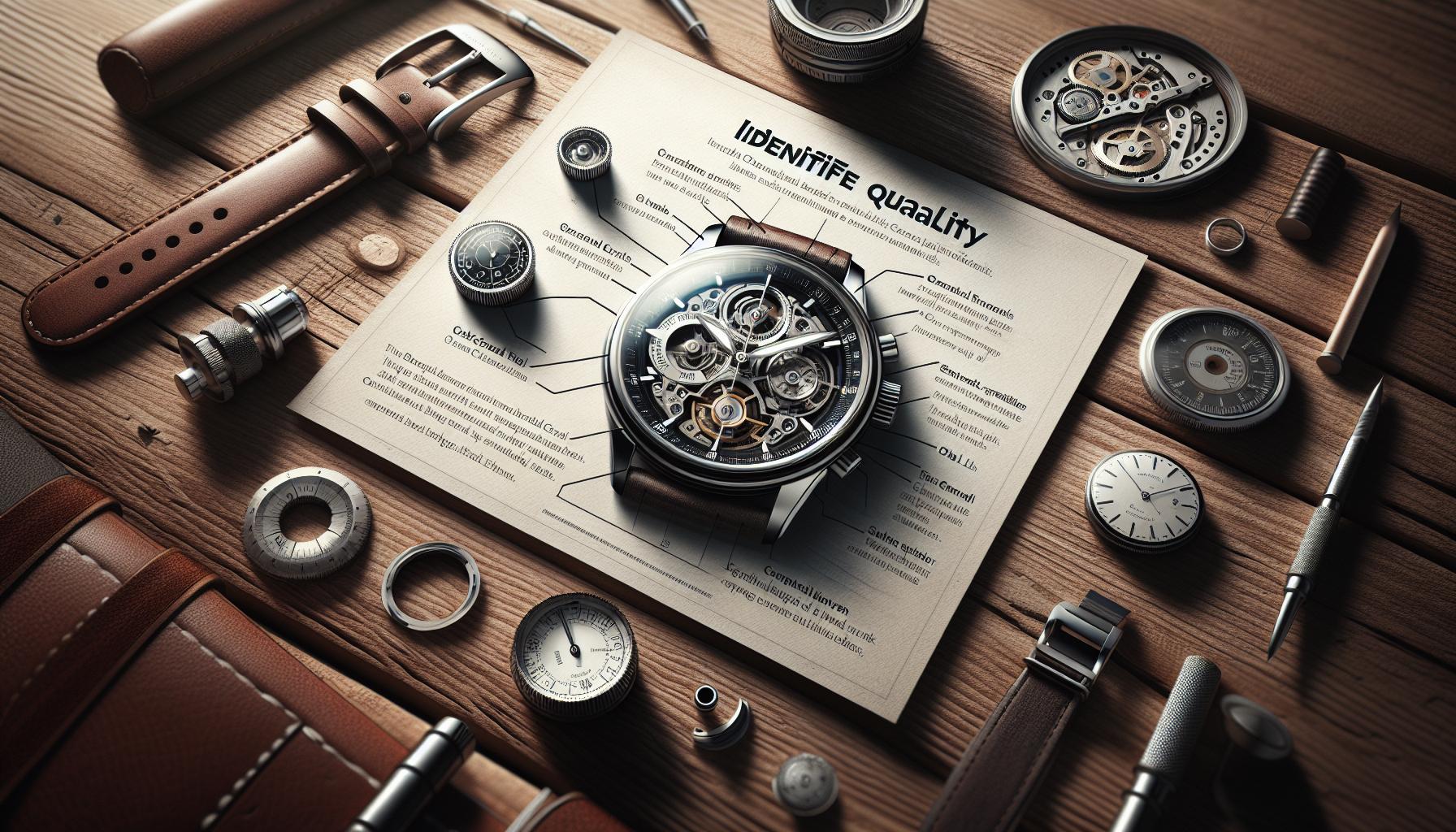
Essential Watch Complications and What They Mean
Many watches do more than just tell time-they perform feats of mechanical ingenuity known as complications. For newcomers, complications might sound intimidating, but they’re simply additional features that enhance a watch’s usefulness and character.Whether you’re admiring a rugged Casio G-Shock’s world time function or marveling at a Patek Philippe’s perpetual calendar, understanding these features will deepen your appreciation for watchmaking craftsmanship and help you choose a timepiece that fits your lifestyle and interests.
Common Complications and Their Practical Uses
- Date Window: The most familiar complication, showing the current day of the month. Found in everything from affordable Seiko 5s to luxury Rolex Datejusts, it’s a simple yet handy feature. Just remember some watches require manual adjustment for months shorter than 31 days.
- Day-Date: Adds the day of the week alongside the date. Popular in models like the Citizen Eco-Drive or the Omega Seamaster, this feature balances practicality and elegance without cluttering the dial.
- Chronograph: Essentially a stopwatch integrated into a watch. Pushers start, stop, and reset the timer, perfect for timing events or laps. Affordable models like the Tissot PRC 200 and the Hamilton Khaki Field Chrono offer strong value here, while brands such as TAG Heuer specialize in iconic chronographs built for racing enthusiasts.
- GMT (Dual Time): Shows time in two time zones together via an additional hand or subdial. Ideal for travelers or those who often coordinate across time zones,examples include the Rolex GMT-Master II and the Seiko Alpinist.
- Power Reserve Indicator: Displays how much energy remains before a mechanical watch needs winding or motion. Seen in some orient watches and higher-end pieces like the IWC big Pilot, this complication takes guesswork out of keeping your watch running smoothly.
More Advanced Complications: For the Curious Collector
For those drawn deeper into horology, complications can become works of art and engineering:
- Moon Phase: Displays the lunar cycle on the dial, a poetic touch found in classics like the Longines Master Collection and even more luxurious Philippe Dufour pieces. It’s a subtle complication beloved for its beauty rather than practicality.
- Perpetual Calendar: Tracks date, day, month, and leap years accurately without manual correction for decades. This complexity drives the price and prestige of watches like the Patek Philippe Grand Complications but isn’t commonly needed for everyday use.
- Tourbillon: A fascinating mechanical solution designed to improve accuracy by counteracting gravity’s effects on the movement. Primarily found in ultra-high-end watches by Audemars Piguet,Jaeger-lecoultre,or Hublot,tourbillons are prized for their visual spectacle as much as their technical prowess.
choosing Complications as a Beginner
Start with what excites you and fits your daily needs. The date is an easy win for practical wear, while a chronograph or GMT adds functionality without overwhelming mechanics or your budget. Such as, the Seiko Presage Chronograph offers complexity with elegant design at a reasonable price. Remember, every complication adds mechanical parts, so watches with many features typically require more care and can be pricier. If durability and simplicity are your focus, a watch with fewer complications might serve you better.
| Complication | Common Watch Examples | Price Range | Value Proposition for Beginners |
|---|---|---|---|
| Date Window | Seiko 5, Tissot Everytime, Rolex Datejust | $100 – $10,000+ | Simple, useful, found in most watches |
| Chronograph | Hamilton Khaki Field Chrono, TAG Heuer Carrera | $300 – $5,000+ | Great for sports and timing events; visibly dynamic dial |
| GMT (Dual Time) | Rolex GMT-Master II, Seiko Alpinist | $350 – $15,000+ | Perfect for frequent travelers; practical second timezone |
| moon Phase | Longines Master Collection, Frederique Constant | $1,000 – $8,000+ | Elegant, artistic, less about function, more about style |
| Perpetual Calendar & Tourbillon | Patek Philippe, Audemars Piguet | $50,000 – $200,000+ | For collectors; high horology craftsmanship and investment pieces |
embracing complications enhances your watch experience far beyond mere time-telling. Each added feature invites you into the rich world of mechanical creativity and offers insight into how centuries of watchmaking innovation continue to thrive. don’t hesitate to ask dealers or enthusiasts about these features-they’ll gladly share stories and advice that enrich both your collection and your passion for watches.
Maintaining and Caring for Your Watches Like a Pro
Few things reveal a watch enthusiast’s true respect for horology like the way they care for their collection. Whether it’s a $150 Tissot with a reliable automatic movement or a $50K Hublot masterpiece showcasing haute horlogerie, proper maintenance ensures longevity and keeps each piece performing flawlessly. Watches are intricate mechanical artworks, and treating them right deepens your appreciation while preserving their value and beauty.
Basic Daily Care: Protecting Your Investment
Daily habits greatly impact a watch’s lifespan.Avoid exposing your timepiece to extreme temperatures, strong magnetic fields, or harsh chemicals such as perfumes and cleaning agents – all can damage delicate internal components or degrade seals. For automatic watches, wearing them regularly keeps the movement lubricated through natural motion, reducing the chances of oil thickening or parts seizing. When not worn, store your watches in a cool, dry place-preferably in a watch box or pouch, which offers protection from dust and scratches. Investing in a quality watch roll or winder can be a game changer, especially for automatic watches with complications like chronographs or GMTs, ensuring they stay ready to wear without losing accuracy.
Routine Maintenance: When and What to Expect
Mechanical watches typically require servicing every 3 to 5 years, depending on make and usage. During service, skilled watchmakers dismantle the movement (the “caliber”), clean and lubricate parts, replace worn components, and reseal the case to maintain water resistance. For quartz watches, battery replacement every 1-3 years is standard, along with gasket checks to prevent moisture ingress.For example, a robust Seiko automatic might need a basic service every few years to keep its famed reliability, while a complex Rolex Submariner not only benefits from routine services but also from official authorized care to ensure any proprietary parts or in-house movements are handled expertly.
Cleaning and Handling Tips: Loving your Watch Every Day
keeping your watch clean doesn’t require harsh chemicals or professional tools. Use a soft microfiber cloth to wipe away fingerprints and dirt regularly.For metal bracelets, a gentle scrub with a soft toothbrush dipped in soapy water (mild dish soap, not detergents) can restore shine-just ensure the crown is screwed down and the watch is water-resistant before doing this. Leather straps are more delicate; avoid prolonged exposure to moisture, sunscreen, or sweat, and condition them occasionally with leather-specific products to prevent cracking. Always handle your watch with clean hands, and avoid pushing or pulling the crown or buttons underwater to preserve internal seals.
Storage and Travel: Keeping Watches Safe Beyond the Wrist
When traveling or storing watches long-term, a padded watch case offers the best protection against bumps and knocks. Avoid leaving watches with mechanical movements unused for months-regular winding or using a watch winder keeps lubricants spread evenly, preventing damage. Also, be mindful of airport security magnetic detectors; a swift removal of your watch will avoid unintended magnetization, which can temporarily affect timekeeping accuracy.
| Care Aspect | Recommended Practice | Example Models |
|---|---|---|
| Regular Wearing | Wear automatic watches frequently or use a winder | Seiko Presage, Tissot Automatic |
| Cleaning | Use microfiber cloth; clean metal bracelet with mild soap; condition leather straps | Rolex Oystersteel, casio G-Shock Resin Band |
| servicing Interval | Every 3-5 years for mechanical; battery change for quartz | Rolex Submariner, Citizen Eco-Drive |
| Storage | store in watch boxes, rolls, or winders in dry, temperature-stable environment | Omega Seamaster, Hamilton Khaki Field |
Mastering watch care elevates the collecting journey beyond simple ownership. It shows respect for the artistry and innovation behind each tick and tock. Whether your collection begins with affordable classics or luxury icons, thoughtful maintenance secures a lifetime of precise timekeeping and joy-from the daily wear to the heirloom treasured across generations.
Building a Collection Strategy: Focus vs. variety
A thoughtfully curated collection doesn’t just happen-it reflects a clear intent between depth and breadth, where each piece either amplifies a theme or adds a fresh dimension.Collecting with focus means diving deep into a specific style, brand, or movement type, such as building a lineup of robust dive watches or exploring the evolving art of automatic chronographs. This approach cultivates expertise and often uncovers the subtle nuances that separate an entry-level Seiko diver from a luxury Tudor Pelagos, or a classic Tudor Black Bay from an ultra-modern Hublot Big Bang. On the flip side, embracing variety allows you to experience watchmaking’s rich diversity firsthand-mixing dress watches like a Tissot Le Locle with rugged tool watches like the Casio G-Shock, and pilot watches such as the Hamilton khaki Aviation. Variety keeps your wristwear versatile and can fuel curiosity across price points and complications.
Focus: Mastery Through Depth
Focusing your collection brings depth and increased knowledge, making it easier to gauge value and quality within your chosen niche. Such as, a collector centered around vintage Rolex Submariners will quickly learn about the various calibers, dial variations, and case refinements spanning decades. This detailed familiarity not only sharpens your eye for authenticity but frequently enough leads to discovering rare or undervalued models that generalists might overlook. Moreover, focused collecting simplifies servicing and maintenance-knowing which calibers or case parts work best streamlines interactions with watchmakers, especially for brands with in-house movements. Though, one must consider potential downsides, such as emotional fatigue from owning too many similar watches, or missing out on exciting innovations found outside the chosen category.
Variety: The Joy of Exploration
A diverse collection celebrates horology’s vast spectrum, sparking excitement with every new addition. beginners often find value here, as exploring different brands, styles, and movements helps shape personal taste. Buying a reliable, affordable automatic like the Seiko Presage alongside a bold Casio G-Shock resin watch introduces contrast in both design and function-classic elegance versus rugged utility.Mixing styles (dive, dress, pilot, field) also matches lifestyle habits: a water-resistant dive watch for weekends, a sleek dress watch for work, and a sporty chronograph for active days. Variety guards against the collection becoming monotonous while educating on mechanical difference, from quartz precision to manually wound calibers. The trade-off is that it might potentially be harder to develop deep expertise or sustain long-term investment value.
Find Your Balance
Ultimately, most collectors benefit from blending these strategies early on-starting with a solid core of a few watches focused on your passion, then gradually branching out.For example, begin with one versatile automatic everyday watch like a Hamilton Khaki Field or a Tissot Gentleman, add a sporty diver such as a Seiko SKX or a Citizen Promaster, then introduce a pilot or dress model as you explore tastes. A manageable number (say 5-7 watches) keeps upkeep and storage simple while diversifying wear options. A watch roll or box tailored to your needs protects your collection and encourages rotation, maintaining movement health and keeping wear fresh.
| Approach | Strengths | Potential challenges |
|---|---|---|
| Focused Collection |
|
|
| Diverse Collection |
|
|
Whichever path you choose, remember that watches are mechanical art that resonate differently with everyone. From the precise ticking of a $150 Tissot Powermatic 80 to the intricate design of a $50,000 Hublot Big Bang, respect for craftsmanship across all levels enriches the journey.Personal enjoyment and connection trump hype or investment myths,so seek pieces you genuinely appreciate. This mindset turns every addition into a story, each watch a chapter in an ever-evolving collection that reflects your unique horological adventure.
Investing in Watches: Myths, Realities, and Resale Value
It’s a common dream to start collecting watches not just for their craftsmanship, but also as a potential investment that might appreciate over time. Yet, the reality of watch investing is more nuanced than headlines about vintage rolexes selling for hundreds of thousands might suggest. Most watches-even beautifully engineered ones-do not drastically increase in monetary value quickly, especially new models, so entering collecting with balanced expectations is key.
Understanding What Makes a Watch Hold or Gain Value
Several factors influence a watch’s resale value and investment potential. Limited editions, iconic designs, and pieces with past importance tend to perform better. As a notable example,vintage rolex Submariners and Daytona chronographs have long been collector favorites due to their enduring design,robust automatic calibers,and brand prestige - qualities that create high demand decades after release. In contrast, many affordable automatics like the Tissot Powermatic 80, with its reliably engineered yet widely produced movement, are less likely to appreciate, but they offer excellent value for everyday wear and horological education.
Separate Emotional Passion from Financial Expectation
Collecting for investment means understanding that market trends fluctuate. The secondary market is influenced by rarity, condition, provenance, and brand desirability, but also by broader economic factors. Watches from newer brands or with ubiquitous quartz movements, like many Casio G-Shocks, may not skyrocket in value, but their durability, unique features, and cult following offer intrinsic enjoyment. Appreciating craftsmanship across all price ranges-whether a $150 Tissot or a $50,000 Hublot-grounds the hobby in passion rather than speculation.
Practical Tips for Collectors Considering Investment
- Buy What You Love: The best ”investment” watch is one you genuinely enjoy wearing, because value can take years or decades to manifest, and the market is unpredictable.
- focus on Brand and Model Legacy: Established Swiss brands with in-house movements and rich histories (Rolex,Omega,Patek Philippe) are generally safer bets,as they have proven collector appeal and servicing infrastructure.
- Condition is King: Carefully maintaining your watches preserves value. Original boxes, papers, and minimal wear scores points with resellers.
- diversify Your Collection: Spread your budget across a mix of reliable classics and more speculative pieces; this reduces risk and builds broader appreciation.
- Stay Educated: Familiarize yourself with horological terms like “automatic” (self-winding mechanical movement),”caliber” (movement model),and “complications” (functions beyond timekeeping,like date or chronograph) to confidently assess watches’ qualities and investment potential.
| Watch Type | Typical Price Range | Investment Outlook | Value Drivers |
|---|---|---|---|
| High-End Luxury (e.g., Rolex Submariner, Patek philippe Nautilus) | $7,000 – $50,000+ | Strong long-term potential | Brand heritage, rarity, in-house automatic caliber |
| Mid-Range Automatic (e.g., Tissot, Hamilton, Omega Seamaster) | $500 – $5,000 | Stable, low appreciation | Reliable movement, design, moderate collector interest |
| Quartz and Tool Watches (e.g., casio G-Shock, Citizen Eco-Drive) | $50 – $500 | Limited investment potential | Durability, functionality, cult following |
A watch’s worth goes beyond numbers-it’s a wearable story of craftsmanship, technology, and style.For beginners, collecting watches as a passion first, investment second, creates a richer, more rewarding journey. When prospect arises, the knowledge and connections you build can help you recognize true value amidst the hype. Whether admiring the intricate rotor on an automatic Caliber or the rugged resilience of a resin G-Shock, your appreciation fuels the heart of collecting: joy combined with curiosity.
Connecting with the Watch community: Events, Forums, and Resources
The world of watch collecting is as much about the community as it is indeed about the watches themselves. Connecting with other enthusiasts can open doors to new knowledge, rare finds, and shared passion that enriches every step of your collecting journey. Whether you’re captivated by the mechanical artistry of a vintage Omega Seamaster or the rugged innovation behind a Casio G-Shock, engaging with fellow collectors helps balance hobby enthusiasm with practical insights – and it’s a lot of fun.
Finding Your Tribe: Forums and Online Communities
Online forums remain the beating heart of watch discussions. Platforms like WatchUSeek, Reddit’s r/Watches, and the TimeZone community bring together collectors ranging from first-timers to seasoned experts. These spaces let you ask technical questions about calibers (the “engine” of a watch), learn about authenticating rare pieces, and get honest feedback on wearability and value. For example, if you’re curious about the merits of an automatic movement versus quartz, or want recommendations on balancing durability with elegance, seasoned forum members often share real-life user experiences alongside technical details.Some threads focus on specific brands or types, such as Rolex vintage collecting or dive watches, which can definitely help you dive deeper into your interests without feeling overwhelmed. Remember,the best online communities foster respect for all price points-from appreciated $150 Tissot classics to dazzling $50,000 haute horlogerie-welcoming everyone without the gatekeeping that can discourage newcomers.
Events and Meetups: Worn Experience beyond the Screen
Nothing beats seeing, holding, and trying on watches in person. Local watch meetups or larger events like watch fairs and auctions provide immersive environments where collectors and dealers exchange stories and swap knowledge. For newcomers, attending an event like a regional watch meetup or visiting established shows such as Baselworld or Watches & Wonders can demystify complex topics like complications (think chronographs, moon phases) and in-house movements crafted by top-tier brands.
These gatherings also reveal the human side of collecting: passion that unites strangers,shared excitement when spotting a rare find,and the joy of comparing how different bracelets feel on the wrist. Many collectors start by bringing their daily wear pieces and leave with new friends and fresh ideas for their next addition.
Essential Resources to Cultivate Knowledge
Books, YouTube channels, and podcasts make learning about watches accessible and engaging. For example, channels devoted to watch collecting frequently enough feature detailed breakdowns of movements, comparisons of styles like dress versus pilot watches, and honest reviews covering durability and resale potential. Topics are explained with approachable language-like what “automatic” means (a watch that winds itself from your wrist’s motion) or how “caliber” names indicate the specific movement model inside the watch.
Consider creating a “learning pipeline” by bookmarking trusted blogs,subscribing to industry newsletters,and regularly checking auction sites where invaluable insights can be gleaned from watch descriptions and price realized data. Staying informed sharpens your eye for quality and helps spot when a watch is priced fairly or when a great deal emerges.
- Join forums early: Don’t hesitate to ask beginner questions; community members usually love to share knowledge.
- Attend local meetups or brand events: Firsthand experience frequently enough clarifies things that reading alone can’t.
- Keep a watch journal or digital collection: Track your purchases, watch specs, and personal impressions to see your growth over time.
By plugging into these vibrant networks, your collecting hobby becomes more than just acquiring timepieces – it transforms into an ongoing dialog about craftsmanship, history, and style that feels rewarding at every price range. Whether marveling at the ingenuity of a self-winding rotor in a Rolex Submariner or appreciating the resilience of a battery-powered Casio G-Shock, the community you build will deepen your joy and understanding with every tick.
Frequently asked questions
Q: How can I identify authentic vintage watches when starting a collection?
A: To identify authentic vintage watches, check for original parts, serial numbers, and manufacturer markings. Use reliable references or consult experts in watch forums. Authenticity often correlates with documented provenance and consistent wear matching the watch’s age.Review our section on How to Spot Quality for deeper insights and verification tips.
Q: What are the best practices for organizing and storing my watch collection safely?
A: Organize your watch collection by style or movement type in a dedicated watch box with soft cushions to prevent scratches. Store watches in a dry, cool place away from direct light and magnetic fields. Consider automatic watch winders for mechanical pieces, as explained in the Maintaining and Caring for Your Watches section.
Q: When is the right time to upgrade from entry-level to luxury watches in my collection?
A: The right time to upgrade depends on your growing knowledge, budget, and collecting goals. Wait until you’re comfortable identifying quality and understanding watch complications and movements. Upgrading is smoother after mastering basics in Choosing Your First Watch and Building a Collection Strategy.
Q: Why is understanding watch provenance important for beginner collectors?
A: Understanding watch provenance helps verify authenticity and historical value, crucial for avoiding fakes and appreciating your collection’s story. Provenance adds emotional and financial value, enhancing long-term satisfaction and potential resale. Explore this concept alongside Investing in Watches to gauge true worth.
Q: How do limited editions and special releases impact a beginner’s watch collecting strategy?
A: Limited editions can boost uniqueness and potential value but may come at a premium. For beginners, focus on watches with strong brand reputation and timeless design before chasing special releases. Balance rarity with personal enjoyment, linking this approach to Building a Collection Strategy: Focus vs. Variety.
Q: Where can I find trustworthy online resources or communities for beginner watch collectors?
A: Trusted watch sites, forums like WatchUSeek, and platforms such as Reddit’s r/Watches provide valuable insights and peer support. Attend events or local meetups mentioned in connecting with the Watch Community to deepen knowledge and network safely while avoiding misinformation.
Q: What should I consider about watch warranties and after-sales service as a beginner collector?
A: Always buy from authorized dealers or reputable sellers offering clear warranties and reliable after-sales service. This ensures repairs and maintenance support, preserving watch value and longevity. For details, see Where to Buy Watches Safely and Maintaining and Caring for Your Watches Like a Pro.
Q: How can I balance collecting watches for passion versus potential investment benefits?
A: Balance passion and investment by prioritizing watches you love while factoring in brand reputation, condition, and market trends for resale value. Educate yourself on myths and realities in watch investing through the Investing in Watches section to develop a fulfilling and smart collection.
Key Takeaways
Starting your watch collection opens a world where mechanical artistry meets personal style-from durable in-house automatic movements in affordable brands like seiko and Tissot,to the exquisite complications of luxury icons like Rolex or Omega. Remember,a thoughtfully curated collection balances design,function,and value retention,tailored to your taste and budget. Don’t hesitate to explore how different calibers and complications shape the watch’s appeal-whether it’s the rugged reliability of quartz or the timeless elegance of a manual winding caliber.
Ready to deepen your journey? Check out our detailed guide on how to evaluate watch investments, explore our top picks for beginner collectors, or learn about watch care and maintenance essentials to protect your timepieces. Take the next step by signing up for our newsletter to receive insider tips and exclusive releases curated just for watch enthusiasts at every level. Have questions or want to share your first acquisition? drop a comment below-our community thrives when collectors connect and learn together. Your perfect watch collection is just a tick away.


