
Watch the Collection Film: Essential Viewing for Collectors
Did you know that every watch in a collector’s lineup tells a story-not just about timekeeping but about craftsmanship, history, and personal taste? Watch the Collection Film dives deep into these stories, offering an essential look at how diverse pieces-from a robust automatic Seiko diver to a finely engineered Swiss chronograph-come together to form a meaningful collection. Whether you’re drawn to the precise engineering of in-house movements, intrigued by horological complications like GMT or chronographs, or simply hunting for models that hold value over time, this film navigates it all without jargon overload or elitism. it’s the perfect companion for anyone looking to understand what makes a watch collection more than just an assortment of timepieces-celebrating the beauty and mechanics behind each caliber,the wearability across price points,and the emotional connection that keeps collectors hooked. Get ready to see watches not as mere status symbols but as mechanical art worth both gratitude and investment, inviting enthusiasts old and new to explore the interesting world of horology with clarity and passion.
Contents
- Understanding Collection Films: What They Are and Why They Matter
- Top Collection Films every watch Collector Should Watch
- How Collection Films Enhance Collector Knowledge and Passion
- Analyzing Watchmaking Techniques Through Film
- Spotlighting Iconic Timepieces Featured in Collection Films
- Behind the Scenes: Watchmakers and Their Stories in Film
- Evaluating Vintage vs Modern Watches in Collection Films
- Investment Insights Gleaned from Collection Films
- Where to Find and Stream Essential Collection Films
- Building Your Collection Inspired by Film insights
- FAQ
- Q: How can watching collection films help collectors understand rare watch complications?
- Q: What are the best streaming platforms to watch essential watch collection films?
- Q: Why are watch collection films significant for evaluating vintage versus modern timepieces?
- Q: how do collection films influence watch investment decisions?
- Q: When is the best time to watch watch collection films for collector beginners?
- Q: where can collectors find exclusive behind-the-scenes watchmaking stories featured in collection films?
- Q: How do collection films enhance appreciation for iconic timepieces beyond their aesthetics?
- Q: What should collectors look for in a collection film to validate its educational value?
- In conclusion
Understanding Collection Films: What They Are and Why They Matter
Watches are more than just instruments to tell time-they’re stories, craftsmanship, and culture all wrapped around yoru wrist. Collection films serve as a unique gateway into this rich universe by showcasing the artistry, history, and technical genius behind horology.Unlike a typical documentary, these films blend storytelling with technical insight, making complex watchmaking concepts accessible and engaging for both newcomers and seasoned collectors. they cultivate appreciation not only for elite brands like Patek Philippe or Audemars Piguet but also for well-engineered pieces at every price point-from reliable automatics under $500 to impressive high-complications costing hundreds of thousands.
These films matter because they bridge the gap between abstract facts-like how a movement’s escapement works or the intricacies of in-house calibers-and the emotional connection collectors develop with their timepieces. Watching a skilled watchmaker assemble a balance wheel or hearing a collector’s journey through vintage Rolex hunting brings the mechanical heartbeat of watches to life. Collection films also democratize watch knowledge, stripping away any sense of snobbery and celebrating craftsmanship as a form of art rather than a mere status symbol. This inclusive viewpoint can help enthusiasts who typically admire a G-Shock or Tissot equally alongside luxury micro-rotors or tourbillons understand what makes each watch meaningful.
What Collection Films Teach Beyond the Surface
- Movement Types and Complications Explained: Few things are more satisfying than seeing the difference between a quartz movement and a mechanical automatic broken down with crisp visuals. Collection films frequently enough dive into complications like chronographs, GMT functions, or perpetual calendars-showing how and why these features add value beyond aesthetics.
- Past Context and Brand Stories: Understanding the origins of iconic timepieces like the Rolex Submariner or the Heuer Monaco enhances collecting insight.Films frequently spotlight design evolution and how key models gained legendary status, helping collectors make more informed choices about building their collections.
- Emotional Connection and Collector Identity: Watching collectors share their “why” behind their pieces helps viewers reflect on their own taste and values-whether that’s functionality, provenance, or sheer beauty.
By immersing yourself in these films,you gain firsthand appreciation for the delicate hand-finishing,the precision engineering,and even the sometimes quirky challenges watchmakers face during advancement. This combination of technical insight with human stories turns mere curiosity into passionate collecting. For example, learning about the evolution of the automatic winding mechanism-or seeing firsthand how vintage watches compare to modern pieces in durability and design-equips collectors with balanced perspectives beyond marketing gloss.
In essence, collection films act as both an educational tool and a source of inspiration, nurturing a thoughtful community of watch lovers who value skill, innovation, and storytelling equally-not just price tags or brand hype. Whether you’re trying to decide between a Seiko 5 or a Tudor Black Bay, or simply want to admire the complexity of a manually wound chronograph, these films provide clarity, context, and connection that printed articles alone can’t match. Embrace these narratives as part of your watch exploration-they’re where passion meets precision, on and off the wrist.
Top Collection Films every watch Collector Should Watch
watches come alive on screen like no other timepiece-cinematic storytelling brings the ticking heart of horology into sharp focus, illuminating not just the technical brilliance but the emotional layers each watch carries. For collectors, certain films rise above the rest by combining rich history, in-depth craftsmanship, and compelling personal narratives.These movies and documentaries serve as visual masterclasses and cultural archives, profoundly shaping how we appreciate both haute horlogerie and accessible classics.
A cornerstone for any enthusiast’s watch-list is *Le Mans* (1971), featuring Steve McQueen’s sport pioneer persona matched with the iconic Heuer Monaco. This film did more than immortalize a brand; it placed the Monaco on the horological map as a design and technical icon. That bold square case encases one of the earliest automatic chronograph movements-the Calibre 11-a pivotal development in watchmaking history. Beyond its racing drama, the film appeals to collectors who admire mechanical ingenuity and vintage aesthetic equally, proving that innovations beneath the dial frequently enough make the most compelling stories[[2]](https://www.fratellowatches.com/movies-for-the-watch-lovers/).Documentaries like *The watchmaker’s Apprentice* explore the painstaking artistry behind the scenes, capturing the delicate hand-finishing and centuries-old techniques that underlie modern masterpieces. These films detail what “in-house movement” really means, showing how brands balance tradition and innovation. For example, Admirers of Audemars Piguet or Patek Philippe can witness how micro-rotors and tourbillons are expertly crafted, while fans of reliable, affordable automatics see similar passion mirrored in brands like Seiko and tissot. This side-by-side appreciation nurtures respect across the price spectrum and highlights that mastery isn’t exclusive to exorbitant price tags.
several watch films emphasize iconic pieces that have transcended time, such as the Rolex Submariner or the Omega Speedmaster.These watches have not only technical merit, like robust automatic calibers or chronograph functionality, but storied legacies-whether from surf culture, lunar missions, or cinema blockbusters. Understanding these narratives enriches collectors’ perspectives, allowing them to differentiate between watches that hold their value as investments and those appreciated for heritage or style. Films about these legends often include expert insights and striking macro photography,perfect for dissecting details like bezel engravings,dial textures,and movement finishing.
Must-Watch Films for Watch Collectors
- Le Mans (1971) – The Heuer Monaco’s star-making moment. A vintage racing epic with entrancing brand history and mechanical drama.
- The Watchmaker’s Apprentice (2016) – An intimate documentary focusing on rare craft and artisanal techniques central to haute horlogerie.
- Apocalypse Now and the Rolex Submariner – Learn why this rugged diver became synonymous with military toughness and adventure.
- Hamilton Ventura and elvis Presley – Iconic designs meet pop culture, perfect for lovers of mid-century style and innovative quartz movements.
- Citizen and Seiko Documentaries – For the technically curious, these films dive into reliable Japanese automatics and quartz technology at accessible prices.
Embracing this mix of narratives-from blockbuster classics to niche artisan documentaries-cultivates a deeper understanding of movement types, design language, and brand beliefs. It dispels myths about watch collecting being a purely elitist hobby, instead rooting passion in knowledge, storytelling, and community.Collectors come away better equipped to balance personal taste with market realities, empowered by seeing the clocks’ inner workings and histories come to vibrant life on screen.In a market crowded with options, these films spotlight what truly matters: the seamless marriage of engineering, artistry, and human connection embodied in every tick.
How Collection Films Enhance Collector Knowledge and Passion
It’s surprising how much watching a film about watches can deepen your understanding far beyond reading specs or browsing forums.Collection films uniquely blend storytelling, technical insight, and emotional resonance, creating an immersive learning experience that’s as accessible to newcomers as it is indeed rewarding for seasoned collectors. By seeing watches in context-on wrist, in use, or crafted by hands skilled over decades-viewers develop a richer appreciation for the nuances of horology that books or articles alone can’t convey.
These films often unpack complex concepts like automatic movements (self-winding watches powered by the wearer’s motion), in-house calibers (movements designed and manufactured internally rather than bought off-the-shelf), and complications (additional functions beyond telling time, such as chronographs or moonphases) through visually engaging explanations and close-up visuals. For example, documentaries focusing on brands like Audemars Piguet or Patek Philippe reveal how artisans apply finishing touches such as Geneva stripes and beveling-details frequently enough invisible without macro photography. Meanwhile, titles exploring accessible brands like Seiko or Tissot remind collectors that excellence exists across all price levels, cultivating respect for craftsmanship whether a watch costs $150 or $50,000.
What You Gain From Watching Collection Films
- Technical Literacy: Watchmakers and experts break down movement architecture and watch design with clarity, helping you recognize differences in calibers and how they influence accuracy, durability, and value.
- Contextual History: Seeing the heritage behind iconic models like the Rolex Submariner or TAG Heuer Monaco in film enriches your knowledge of why these watches matter culturally and economically.
- Investment Perspective: Films often explore market trends and collector preferences, offering candid insights into which watches historically hold or increase value, and which are prized chiefly for style or innovation.
- Passion Feeding: Engaging narratives about watchmakers’ dedication or a model’s role in pop culture spark emotional connections, fueling a true collector’s passion that goes beyond hype.
Consider the impact of seeing steve McQueen wear the Heuer Monaco in Le Mans-it’s more than a cameo, it cements the Monaco’s status as a design and technical milestone, making it desirable not just for looks but for its pioneering Calibre 11 movement.Films like The Watchmaker’s Apprentice go even deeper, showing handcrafted assembly and finishing, fostering an appreciation for the time and skill behind every dial and gear. This transforms the way collectors assess watches-not just as commodities but as living artworks and engineering marvels.
By watching production processes, component breakdowns, and expert interviews, collectors become equipped to spot authentic craftsmanship, better judge condition and quality, and avoid pitfalls like overpaying for hype-heavy models. Plus, films widen your horizons by highlighting lesser-known brands and innovations that might align perfectly with your taste and budget, helping you build a collection that reflects both passion and informed choice.In short, collection films educate, inspire, and bring horology to life. They turn the quiet tick of a watch into a symphony of history, technique, and human artistry-an experience that enriches every collector’s journey.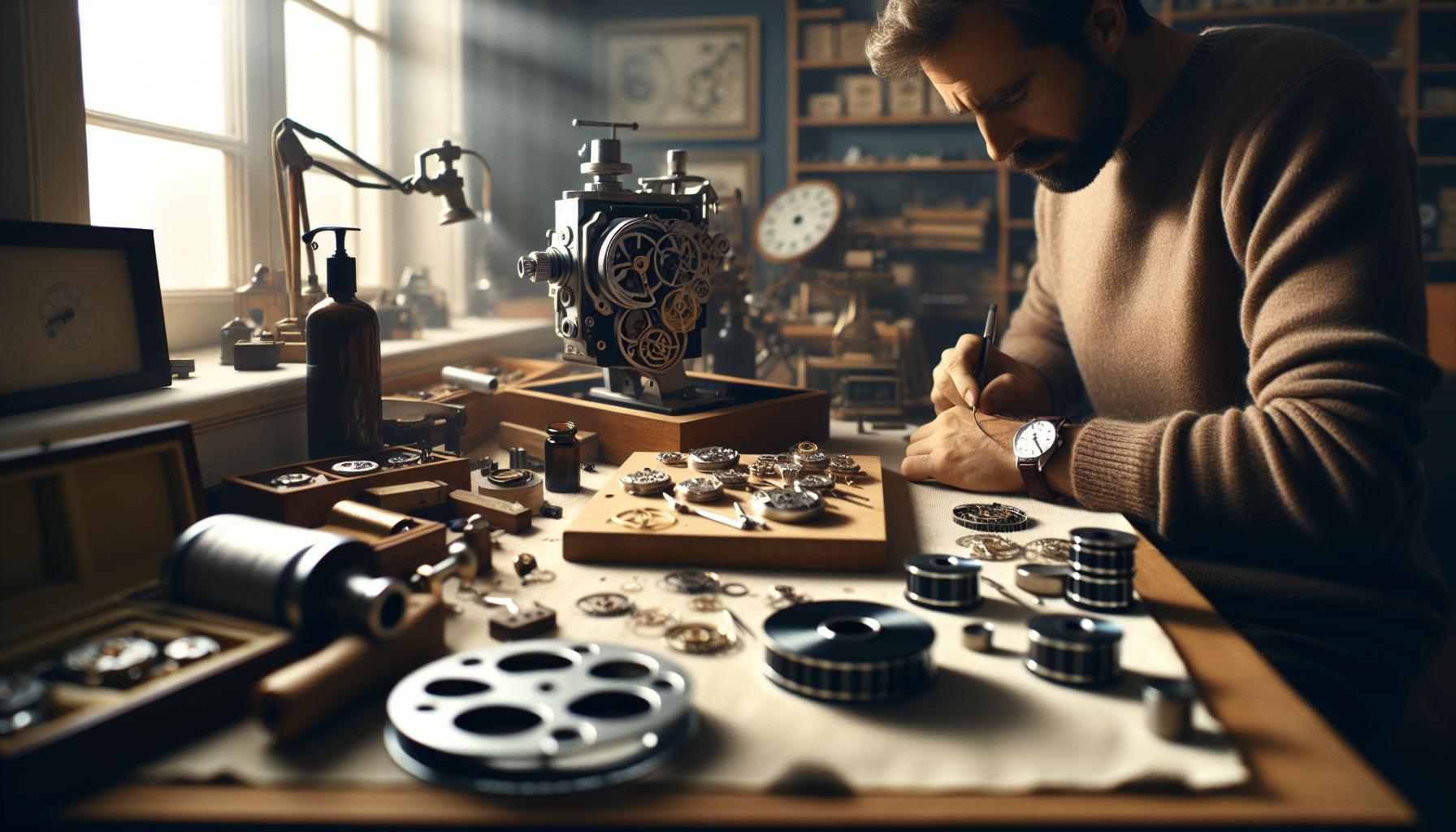
Analyzing Watchmaking Techniques Through Film
Few experiences deepen one’s appreciation for watchmaking quite like seeing the intricate mechanics revealed in motion, framed through the lens of film. Collection films often provide a rare window inside workshops,giving collectors-from casual admirers to seasoned enthusiasts-an opportunity to witness the living heart of horology: the movements,craftsmanship,and technique that define a watch’s soul. Rather of static images or jargon-heavy texts, these visual narratives break down complex processes with clarity and warmth, enriching your understanding of how design choices and technical prowess shape performance, aesthetics, and ultimately, value.Many films spotlight the anatomy of mechanical timepieces by focusing on the movement-the engine that powers the watch. Watching detailed close-ups of automatic calibers winding from the wearer’s motion or observing the delicate layering of complications like chronographs or perpetual calendars lets collectors grasp why certain movements are celebrated. Such as, films centered on brands like audemars Piguet and Patek Philippe emphasize in-house calibers crafted entirely within their ateliers, contrasting them with watches using outsourced or modified movements. This visual education sharpens your ability to discern not only movement origin but finishing details such as Geneva stripes, perlage, and chamfering-hallmarks of artisanal value often lost in conventional reviews.
Seeing Craftsmanship Across Price Points
A meaningful strength of collection films lies in their ability to democratize horological knowledge. Documentaries that highlight accessible brands such as Seiko, Tissot, or even Casio demonstrate the engineering brilliance behind watches priced as low as $150-thanks to innovations like Spring Drive or advanced quartz movements. Understanding these techniques equips collectors to appreciate craftsmanship nonetheless of cost, curbing the common misconception that only luxury equals quality. As an example, films illustrating the precision assembly of a Seiko mechanical watch reveal tolerance levels and component quality that defy its modest price, enabling you to make more informed comparisons and build collections that balance passion and budget.
Practical Tips for Analyzing Watchmaking On Screen
- Focus on movement Types: Identify whether a watch runs on a manual, automatic, or quartz caliber. Films often visually show how rotors wind mainsprings or how escapements regulate time, clarifying these concepts.
- Watch Finishing Techniques: Pay attention to decorative techniques like circular graining or anglage. These visually enhance functionality (e.g., reducing friction) and elevate collectible value.
- Complications in Action: Observe how functions beyond time-telling operate-chronographs start and reset, calendars advance, moonphases track lunar cycles. Seeing these in motion demystifies complexity.
- Compare Vintage vs. Modern Builds: Films frequently enough contrast old movements with contemporary ones, revealing shifts in materials, precision engineering, and manufacturing methods that affect durability and performance.
By integrating these visual insights with technical knowledge, you sharpen your ability to judge originality, quality, and maintenance needs when inspecting watches in person or evaluating auction catalogs. Notably, films like Keeper of time expose the human element behind these processes-the artisans’ patience, skill, and passion-adding credibility to your assessment beyond specs or price tags. Ultimately, transforms you from a passive admirer into a discerning collector who understands what truly makes a timepiece extraordinary, whether you’re comparing a vintage rolex Submariner’s venerable Caliber 1530 or a high-beat Grand Seiko Spring Drive.
| Watch Brand | Movement Type | Typical Price Range | Key Watchmaking Features Highlighted in Films |
|---|---|---|---|
| audemars Piguet | In-house automatic calibers | $20,000 – $150,000+ | Hand-finishing, beveling, complex complications |
| Seiko | spring Drive, mechanical automatics | $400 – $10,000 | Precision regulation, affordable craftsmanship |
| Patek philippe | In-house manual and automatic calibers | $30,000 – $500,000+ | Minute repeaters, perpetual calendars, haute finishing |
| Tissot | Swiss automatic and quartz | $150 – $1,500 | Robust basics, accessible mechanical education |
films provide a multidimensional education in watchmaking-combining sight, sound, and story to highlight technical artistry. This approach helps collectors wherever they are on their journey to grasp the nuances that set a $150 Tissot apart from a $50,000 Hublot, not just in price but in engineering ingenuity and aesthetic depth. with the right films in your rotation, analyzing watchmaking techniques becomes both informative and inspiring-a vital skill that enriches your collecting experience far beyond the showroom or browser window.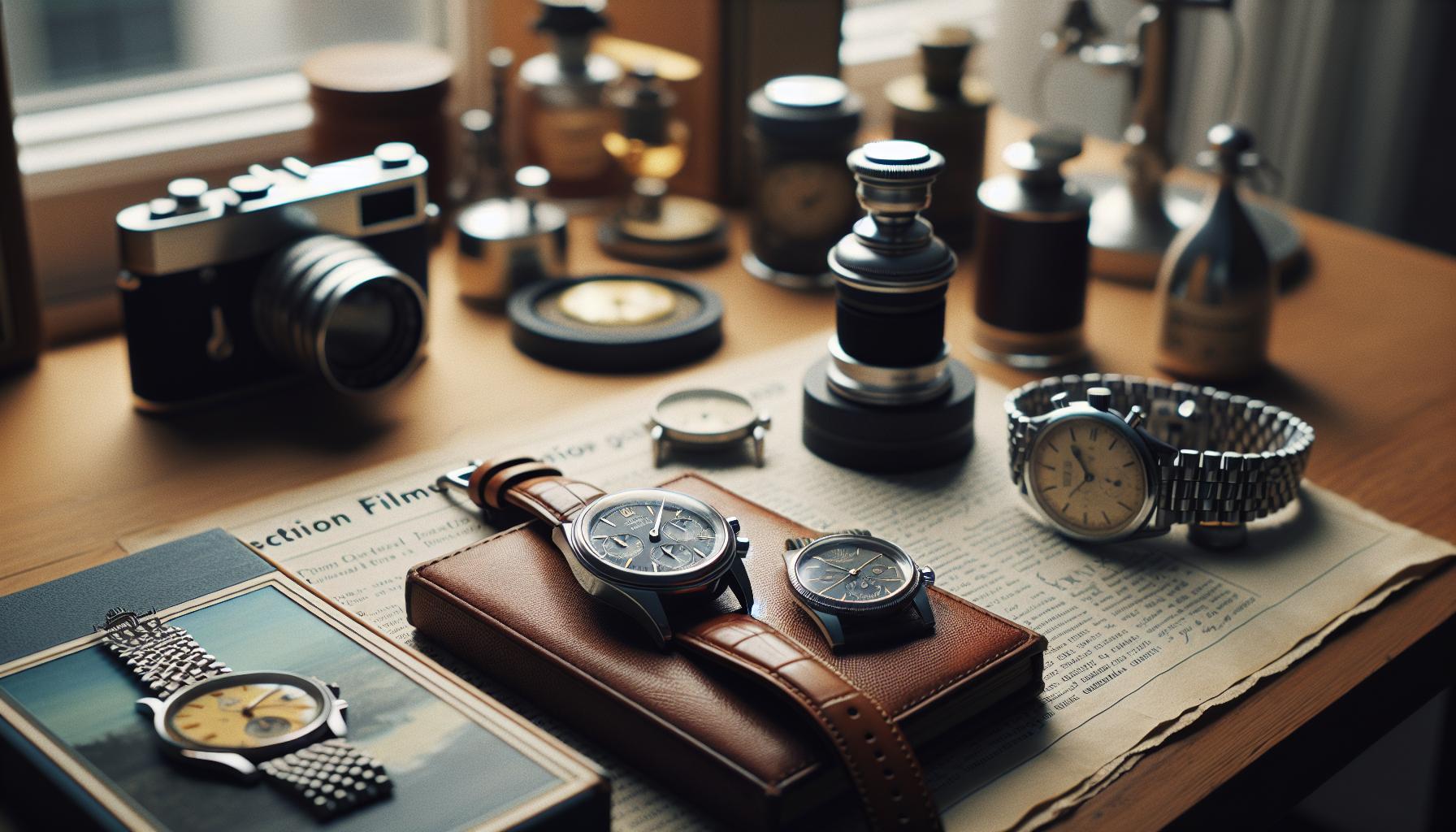
Spotlighting Iconic Timepieces Featured in Collection Films
Few objects in horology carry as much aura and storytelling power as the watches spotlighted in collection films. These timepieces, often chosen for their innovation, history, or design, serve as starring characters-each with a story that enriches your understanding far beyond price tags or brand logos. Whether it’s a vintage Rolex Submariner’s rugged charm or the intricate complexity of a Patek philippe grand complication, films illuminate what makes these watches legendary in both technical mastery and cultural significance.
Rolex Submariner: The Quintessential Dive Watch
The Rolex Submariner repeatedly appears in documentaries and films due to its pioneering waterproof design and timeless style. With its automatic movement-historically the caliber 3135 and more recently the 3235-this watch offers reliability, precision, and easy wearability. Collection films often emphasize its durable Oyster case and the patented Triplock crown system,illustrating why it remains a favorite among divers,collectors,and even pop culture icons.Seeing the bezel’s unidirectional mechanism and luminous markers in action helps demystify its practical appeal, while also showcasing the impressive Rolex finishing that supports its robust reputation. This watch underscores the value of combining functional design with enduring aesthetics.
Seiko Spring Drive: Bridging Quartz and Mechanical Worlds
Seiko’s Spring Drive is a masterpiece of horological innovation that frequently garners praise in collection films for its unique hybrid movement. Combining the traditional mainspring power source with an electronic regulator, the Spring Drive achieves unmatched accuracy with a sweeping seconds hand that seems almost hypnotic on screen. For collectors, watching close-up footage of the Glide Wheel and Tri-Synchro regulator brings to life the genius behind a watch often priced between $1,000 to $10,000-a democratization of cutting-edge technology. Films featuring Spring Drive models remind us that true craftsmanship transcends price points, delivering precision and finishing rivaling Swiss luxury brands.
Patek Philippe: Haute Horlogerie in Every Frame
When films zoom in on Patek Philippe timepieces, expectations soar-and these watches never disappoint. Known for their in-house calibers and artisanal finishing, Patek watches like the Perpetual Calendar Chronograph (Ref. 5270) dazzle with complications that blend functionality with artistry. Documentaries capture the tiny hand-engraved details, the masterful layering of complications, and exquisite dial work that justify prices ranging well above $100,000. Watching these elements come alive on film deepens appreciation for the patient skill and precision engineering that go into haute horlogerie, offering collectors a richer context for valuing these remarkable investments.
Affordable Icons: Tissot and Casio G-Shock
Film isn’t just for ultra-luxury watches. Brands like Tissot and Casio G-Shock also earn their spotlight, celebrating craftsmanship accessible to everyday collectors. Tissot automatics,priced between $150 and $1,500,frequently enough feature Swiss ETA movements that underscore robust basics done well-making them perfect entry points into mechanical watch appreciation.Meanwhile, Casio G-Shock watches showcase shock resistance and quartz innovation, proving that horological value isn’t confined to mechanical marvels. Seeing their technology explained and demonstrated in films empowers viewers to respect and enjoy watches that prioritize durability and innovation over tradition.
| Watch Model | Movement Type | Price Range | Key Features Highlighted in Films |
|---|---|---|---|
| Rolex submariner | Automatic (calibers 3135, 3235) | $9,000 – $15,000 (new) | Waterproof Oyster case, unidirectional bezel, durable and precise |
| Seiko Spring Drive | Spring Drive hybrid mechanical-electronic | $2,000 – $10,000 | Accurate Glide Wheel, smooth seconds hand, innovative regulator |
| Patek Philippe Perpetual Calendar | in-house mechanical automatic/manual | $80,000 – $150,000+ | minute repeater, perpetual calendar, haute finishing |
| Tissot Le Locle Automatic | Swiss automatic (ETA 2824-2) | $400 – $600 | Classic styling, reliable Swiss movement, accessible craftsmanship |
| Casio G-Shock DW-5600 | Quartz digital | $100 – $150 | shock resistance, battery longevity, rugged design |
The strength of these films lies in revealing not just the watches themselves, but their character-how design choices speak to specific lifestyles and collector priorities. Watching a chronograph’s pushers click and reset, or a moonphase dial shift with lunar precision, creates an intimate connection between viewer and timepiece hard to replicate in static images. For collectors, this immersive experience sharpens the eye and deepens appreciation, helping distinguish between mere brand prestige and genuine horological artistry. It’s a reminder that iconic status in watches doesn’t always come from price alone, but from the stories, engineering triumphs, and cultural legacies these timepieces carry on their dials and in their movements.
Behind the Scenes: Watchmakers and Their Stories in Film
Few things ignite a collector’s passion quite like getting an insider’s glimpse into the meticulous craft that brings legendary timepieces to life.Collection films often go beyond showcasing watches as static objects; they reveal the human stories-the watchmakers’ dedication,artistry,and innovation that pulse through every gear and bridge.These intimate portrayals help demystify complex horological concepts, enriching your appreciation for both the humble Tissot and the exalted Patek Philippe with equal respect.
Craftsmanship Across the Spectrum
Documentaries and films frequently highlight the range of watchmaking-from the industrial precision of entry-level models with affordable Swiss ETA automatic movements, like the $400 Tissot Le Locle, to the hand-finished in-house calibers of haute horlogerie masterpieces requesting six-figure investments. Understanding production differences through film footage enables collectors to grasp why certain details matter: the hand-engraving on a Patek Philippe Perpetual Calendar versus the robust modular assembly of a Casio G-Shock’s quartz module.Watching watchmakers assembling or regulating movements, frequently enough under magnification, shows the patience and skill behind:
- complications: How functions like moonphases, chronographs, or perpetual calendars operate mechanically.
- Movements: Differences between automatic (self-winding), manual, quartz, and hybrid systems (like Seiko’s Spring Drive).
- Finishing: Techniques such as polishing, anglage (bevelling), perlage, and gold plating that elevate a caliber from functional to art.
This exposure offers invaluable insights for collectors making buying decisions. Seeing a chronograph’s column wheel in action or the silky glide of a Spring Drive seconds hand conveys performance nuances and build quality details that specs sheets alone don’t capture.
Meet the Masters Behind the Watches
Films frequently enough profile renowned watchmakers whose personalities and philosophies shape iconic brands. Whether it’s the captivating story of John Harrison and his epoch-making marine chronometers or contemporary self-reliant legends like Philippe Dufour and Vianney Halter, hearing their journeys contextualizes innovation within human passion and perseverance. These narratives remind collectors that watches are not just tools or trophies but the product of countless hours of delicate craftsmanship.
As a notable example,observing Philippe Dufour’s meticulous hand-finishing reveals a dedication to perfection that defies industrial trends. Simultaneously occurring, glimpses into the Rolex manufacture’s rigorous quality control expose how consistent, in-house production underpins the brand’s famed durability. This behind-the-scenes access can affirm or challenge preconceived notions about brand prestige, provenance, and value stability.
Practical Takeaways for Collectors
Engaging with watchmakers’ stories and workshops via film also teaches practical skills:
- Spotting Quality: Learn how to identify finely finished movement components versus mass-produced ones.
- Understanding Service: Gain awareness of why high-complication watches demand specialized servicing and maintenance costs.
- Investment Perspective: Appreciate the role of craftsmanship and scarcity in long-term value retention.
Moreover, films documenting restoration projects-like those featuring John Harrison’s historic marine chronometers-illustrate the care needed to preserve horological heritage, deepening respect for vintage pieces in your collection.
By humanizing watchmaking and revealing the artistry behind engineering, collection films foster a more nuanced and lasting connection with timepieces. This broadened understanding helps collectors move beyond resale values or brand hype, appreciating each watch as a living embodiment of creativity, tradition, and precision.
| Featured Watchmaker or Subject | Notable Film/Documentary | Key Insights for collectors |
|---|---|---|
| John Harrison | Longitude (2000) | development of marine chronometers; innovation saving lives; restoration efforts |
| Philippe Dufour & Vianney Halter | Timepiece: The Poetry of Independent Watchmaking (2007) | Independent craftsmanship; hand-finishing artistry; blending tradition and creativity |
| Rolex Manufacturing | Various documentaries (e.g., official brand films) | Quality control processes; in-house movement development; reliability standards |
| Seiko Spring Drive Development | Specialized segments in horology films | Hybrid movement innovation; combining quartz accuracy with mechanical beauty |
Evaluating Vintage vs Modern Watches in Collection Films
Watches have evolved tremendously over the decades, blending tradition with modern innovation. When watching collection films, the tension and harmony between vintage and modern timepieces spring vividly to life-showcasing not only changing aesthetics but also shifts in technology, manufacturing, and collector appreciation. Far from a simple comparison, these films invite collectors to understand what makes each era’s watches uniquely valuable and fascinating.Vintage watches frequently enough shine through their history and mechanical soul.Films chronicling pieces like John harrison’s marine chronometers or mid-century Rolex Submariners reveal movements crafted by hand, with in-house calibers that carried technology leaps of their day. This category emphasizes mechanical purity: manual winding,enduring complications,and subtle aging that adds character-from patina on dials to softly rounded cases. Yet, vintage watches sometimes come with challenges such as sourcing authentic parts, servicing ageing mechanisms, or managing variability of condition in the secondary market. Collection films that detail restoration projects or archival anecdotes help demystify these realities, equipping collectors with the knowledge to spot well-preserved pieces versus relics best left to museums.
Modern watches, in contrast, frequently enough emphasize refined precision, innovation, and durability. Whether it’s the Seiko Spring Drive’s ingenious hybrid movement or the robust, purpose-built engineering in a Casio G-Shock, today’s watches marry cutting-edge materials and technologies-like silicon escapements, ceramic bezels, and advanced water resistance-with design sophistication informed by decades of tradition. Films that dive into factory tours, like those chronicling Rolex’s legendary quality controls, allow enthusiasts to appreciate how mass production now seamlessly integrates artisanal finishing, creating consistent value even at high volumes. For collectors, modern watches often offer reliable performance, warranty-backed servicing, and transparent provenance-factors that make them appealing for everyday wear or investment.
Key Considerations for Collectors
- Movement Type and Craftsmanship: Vintage watches typically feature manual or early automatic calibers with visible aging. Look for distinct finishing signatures-Côtes de Genève, anglage, or hand-engraved balances-that manifest the era’s hands-on approach. Modern watches may use quartz, automatic, or advanced hybrid systems with higher precision and often more complex technology.
- Condition and Authenticity: Vintage watches risk dial degradation, case polishing, and replaced parts. Films that document restoration processes (like those on Harrison’s chronometers) help collectors understand what impacts originality and value. For modern watches, condition usually centers on wear and how factory warranties or certifications confirm authenticity.
- Wearability and Style: Many vintage models wear smaller and more understated compared to today’s trend of larger,bolder watches. Insights from collection films guide collectors to weigh personal comfort alongside historical aesthetics and resale desirability.
- Investment Value: Appreciation of vintage watches hinges on rarity, provenance, and condition-all vividly illustrated in films featuring auction highlights or spotlighting iconic references. Modern watches may retain or increase value due to brand strength, wearability, and technological edge, with films showing factory innovations underscoring quality-driven value retention.
| Aspect | Vintage Watches | Modern Watches |
|---|---|---|
| Movement | Manual/early automatic, hand-finished, mechanical charm | Automatic, quartz, hybrid (e.g., Spring Drive), advanced tech |
| Condition | Varied; patina, wear, restoration needed | Near mint to lightly worn; warranty-backed |
| Design | Smaller cases, classic proportions, vintage aesthetics | Larger sizes, modern materials, technical innovation |
| Value Drivers | Rarity, history, artisanal craft, collector demand | brand, innovation, reliability, trend relevance |
Ultimately, collection films serve as balanced lenses where vintage’s romance meets modern innovation. They embolden collectors to appreciate the enduring craftsmanship behind a 1950s Omega Seamaster just as much as the pioneering spirit of a contemporary Grand Seiko or Tudor black Bay.Whether your passion gravitates toward the intricate simplicity of an antique manually wound piece or the refined robustness of a freshly minted automatic, these films reveal that every watch-old or new-is a testament to human ingenuity, artistry, and the timeless pursuit of telling time well.
Investment Insights Gleaned from Collection Films
Investment potential is one of the most compelling reasons collectors turn to watch collection films. These films go beyond glossy advertisements; they offer authentic storytelling around the craftsmanship, rarity, and history that drive value in both vintage and modern timepieces. By watching how experts appraise, restore, and auction watches on screen, collectors gain insights unfeasible to glean from static catalogs or sales pitches alone.
Collection films frequently enough dive deep into specific references that have appreciated considerably, like the Rolex Submariner 5513 or the Omega Speedmaster Professional “Moonwatch.” Seeing a watch’s provenance unfold-the paper trails, unique dial variants, and condition nuances-helps viewers appreciate why certain models command premiums. For example, a vintage Daytona with an exotic “Paul Newman” dial isn’t just a pretty face; films highlight how its scarce production run and documented ownership cement its desirability at auction.
In modern collecting, films capture factory visits to brands like Grand Seiko or Tudor, illustrating how innovations in movement technology, such as the Spring Drive or advanced in-house automatic calibers, enhance value retention. These mechanical achievements aren’t just technical trivia; they form a core part of a watch’s investment narrative. Collectors learn to assess value by looking at movement craftsmanship, brand reputation, and production transparency-critical factors for watches priced from a few thousand to tens of thousands of dollars.
Practical Investment Takeaways from Collection Films
- Understand Movement Types and Brand Heritage: Watches with in-house calibers usually hold value better than those with generic movements. Collection films often spotlight these technical distinctions in approachable detail.
- Spot Condition and Originality: Films that document restoration or damage educate collectors on how over-polishing or replaced parts can harm resale value, especially on vintage models.
- Follow Market Trends Illustrated through Auction Stories: Viewing real auction footage and collector testimonials reveals how timing and provenance can dramatically sway a watch’s price.
- Appreciate the Narrative: Emotional connection matters. watches tied to events or famous owners frequently enough emerge as top investments-films bring these stories vividly to life.
| Category | Value Drivers | investment Considerations |
|---|---|---|
| Vintage Watches | rarity, historical significance, condition | Watch restoration authenticity, dial originality, patina desirability |
| Modern Watches | Innovation, brand strength, production transparency | Warranty coverage, movement quality, limited editions |
| Affordable Classics | Reliable calibers, clean design, market demand | Service history, wearability, brand cult following |
Ultimately, the balanced portrayal in collection films arms collectors with a realistic perspective on investment. These visual narratives celebrate watchmaking artistry without succumbing to hype or snobbery, whether showcasing a $150 Seiko 5 or a $50,000 Audemars Piguet Royal Oak Offshore. For newcomers wondering how to start building value alongside passion, and for seasoned collectors seeking nuanced knowledge, this dynamic medium offers both inspiration and actionable intelligence.
Where to Find and Stream Essential Collection Films
Few things immerse you deeper into watch collecting than seeing timepieces come alive on screen-from the legendary aura of the Rolex Submariner worn by Steve McQueen in Le Mans to the intricate artistry demonstrated in grand seiko’s Spring Drive movements. Access to these collection films, rich with horological insights and stories behind iconic models, is increasingly simple thanks to a growing range of platforms catering specifically to watch enthusiasts and curious newcomers alike.
Many essential collection films and documentaries are available through mainstream streaming services like Netflix, Amazon Prime Video, and HBO Max, where titles often surface in the documentary or lifestyle categories. Beyond these,watch-focused platforms such as Fratello Watches,Worn & Wound,and hodinkee’s YouTube channel provide expertly curated film content,including interviews with watchmakers,deep dives into vintage pieces,and restoration stories. For example, Hodinkee’s well-produced episodes regularly spotlight the delicate nuances of iconic models like the Omega speedmaster and Tudor Black Bay, making technical and historical details accessible without jargon overload.
Specialized Platforms and Community Resources
- Fratello Watches: Besides articles, this site often recommends and hosts watch-related film screenings and documentaries such as the Le Mans film, which famously showed the Heuer Monaco in action, bridging watch culture and cinema history[1].
- Watch Enthusiast Channels: Communities on forums like Reddit’s r/Watches regularly share links and suggestions for films that highlight historical context or technical aspects of watches in wartime, racing, or aviation settings[2].
Curating Your Viewing List
When compiling your personal watch film library, mix documentaries chronicling historic watchmakers (think: the rise of Patek Philippe or the rebirth of A. Lange & Söhne) alongside films centered on watch culture and sporting legends. These visual narratives can deepen your understanding of movement types-automatic, manual, quartz-and complications like chronographs or moon phases, explained through vivid visuals rather than dry text. Plus, many films include breathtaking macro shots that highlight dial textures, hands finishes, and case craft, giving you a real sense of a watch’s allure before even holding one.
| Source | Content Highlights | Access Tips |
|---|---|---|
| Netflix / Amazon Prime | General documentaries on craftsmanship, racing watches, and auctions | Search for horology keywords; enable notifications for new watch titles |
| Hodinkee YouTube | Technical watchmaker interviews, restoration stories, model deep dives | Subscribe and explore playlists tailored to watch collecting |
| Fratello Watches | Movie recommendations and watch culture articles tying cinema to watches | Visit site regularly for curated film lists and release notifications |
| Reddit r/Watches | Community-sourced film suggestions, discussion of watch appearances in movies | Participate in threads and ask for recommendations tailored to interests |
Streaming or purchasing these films and documentaries doesn’t just entertain; it sharpens your ability to discern authentic craftsmanship from marketing gloss, enabling you to recognize good investments and collectible gems.Whether you’re enthralled by the rugged Seiko diver worn by adventurers or marvel at haute horlogerie like Audemars Piguet’s Royal Oak Offshore, watching collection films is an enjoyable, educational step in your journey-accessible wherever you choose to stream or seek out physical editions.
Building Your Collection Inspired by Film insights
Few collector journeys begin without a spark-often ignited by watching a legendary timepiece come alive on-screen. Films and documentaries do more than entertain; they provide a visceral connection to watchmaking heritage, design evolution, and cultural significance.Harnessing these cinematic insights, you can make informed choices when building a collection that reflects both passion and discernment, regardless of your budget or experience level.
When selecting pieces inspired by collection films,start by identifying watches that resonate with you visually and technically. For example, the TAG heuer Monaco’s bold square case first captured mainstream attention in Steve McQueen’s Le Mans (1971), showcasing how iconic design can transcend eras while retaining vintage appeal Key Considerations When Building From Film Inspiration Watching documentaries that zoom in on brands like Grand Seiko or Audemars piguet can introduce you to nuanced complications such as Spring Drive or ultra-thin calibers. use this knowledge to compare models side-by-side:Practical Steps to Curate Your Collection
| Model | Movement | Price Range | Notable Features | Ideal Use |
|---|---|---|---|---|
| Rolex Submariner | Automatic (In-house Caliber 3235) | $9,000-$12,000 | Robust dive watch, date complication, unidirectional bezel | Daily wear, casual & semi-formal |
| Tissot PRX Powermatic 80 | Automatic (Powermatic 80) | $600-$700 | Retro design, 80-hour power reserve, sapphire crystal | Entry-level, versatile vintage-inspired |
| Grand Seiko Spring Drive | Spring Drive (Hybrid quartz-mechanical) | $5,000-$10,000 | high precision, smooth sweeping second hand | Collector’s daily or dress watch |
| Hublot Big Bang | Automatic (In-house UNICO) | $15,000-$50,000+ | Skeleton dial, bold design, chronograph complication | Statement piece, haute horlogerie fans |
This side-by-side encourages balance: pursue a blend of affordability, heritage, and technical innovation. Just like films showcase watches from diver’s tools to artisanal masterpieces, your collection benefits from diverse expressions.
Applying Film-Driven Inspiration to Your Buying strategy
use films not just for wish-list creation but also for sharpening your buying criteria:
- Study details: Close-ups in documentaries reveal finishing quality-brushed vs. polished cases, dial textures, and hand shapes-that photos alone may obscure.
- Contextualize provenance: Films frequently enough narrate a model’s origin and evolution, helping you spot limited editions or rare references that might appreciate in value.
- Understand complications: Visual description of chronographs, moon phases, or tourbillons makes these intimidating terms approachable, so you can better decide which features truly interest you.
- Follow watchmakers’ stories: Personalities and philosophies behind brands foster emotional connections that deepen collector satisfaction.
Remember, a collection inspired by film is not about chasing hype. It’s about cultivating curiosity,respect for craftsmanship,and assembling watches with stories you’ll cherish wearing and sharing.
By integrating cinematic insights with practical research, your collection will grow as both a personal archive and a living tribute to the artistry that captured your inventiveness on screen.
FAQ
Q: How can watching collection films help collectors understand rare watch complications?
A: Watching collection films helps collectors grasp rare complications like tourbillons or perpetual calendars by visually showcasing their mechanics and function. Films provide detailed insights into caliber design and movement artistry, enhancing technical understanding. For deeper knowledge, see our section on analyzing watchmaking techniques through film to connect theory with real models.
Q: What are the best streaming platforms to watch essential watch collection films?
A: The best streaming platforms for essential watch collection films include YouTube, Vimeo, and boutique watch site subscriptions like Hodinkee and WatchBox. These platforms offer curated documentaries and interviews with watchmakers. check the article’s “Where to Find and Stream Essential Collection Films” section for recommendations tailored to collectors.
Q: Why are watch collection films significant for evaluating vintage versus modern timepieces?
A: Watch collection films provide side-by-side comparisons highlighting design evolutions, movement upgrades, and wearability differences between vintage and modern watches. They reveal real-world condition and craftsmanship,aiding collectors in sourcing authentic,valuable pieces. Refer to our “Evaluating Vintage vs Modern Watches in Collection Films” for expert perspectives.
Q: how do collection films influence watch investment decisions?
A: Collection films expose viewers to market trends, brand histories, and resale values, enabling informed investment choices. They often discuss price fluctuations and highlight models with strong value retention or appreciation potential. Explore “Investment Insights Gleaned from Collection Films” for strategic buying tips from film narratives.
Q: When is the best time to watch watch collection films for collector beginners?
A: The best time for beginners to watch collection films is early in their collecting journey to build foundational knowledge about watch types, terminology, and brands. Films stimulate passion while introducing critical concepts like automatic movements and in-house calibers.Start with entry-level documentaries detailed in the article’s introduction for accessible learning.
Q: where can collectors find exclusive behind-the-scenes watchmaking stories featured in collection films?
A: Collectors can find exclusive behind-the-scenes watchmaking stories on specialized platforms like brand websites, film festival line-ups, and horology-focused streaming services. These stories reveal craftsmanship and innovation rarely seen elsewhere. For curated recommendations, see the “behind the Scenes: Watchmakers and Their stories in Film” section.
Q: How do collection films enhance appreciation for iconic timepieces beyond their aesthetics?
A: Collection films deepen appreciation by highlighting technical achievements, historical context, and maker narratives behind iconic timepieces.They explain movement complexity and brand legacy, transforming watches from mere fashion into mechanical art. See “Spotlighting Iconic Timepieces Featured in Collection Films” for enriching perspectives.
Q: What should collectors look for in a collection film to validate its educational value?
A: Collectors should seek films with expert commentary, clear explanations of horological terms (like complications and caliber), and accurate depictions of watch models and movements. Films that balance technical depth with engaging storytelling offer the most educational value. Our article’s section on enhancing collector knowledge through films provides criteria for selection.
Explore these FAQs alongside the main article to expand your collector insight and elevate your horological journey.
In conclusion
Whether you’re drawn to the precision of an automatic caliber or intrigued by the subtle art of complications, this collection film highlights essential timepieces that blend craftsmanship with value. From iconic Rolex Submariners to innovative in-house movements in affordable classics like Tissot, each watch shares a unique story of design, wearability, and investment potential. Don’t miss exploring our in-depth reviews on Haute Horlogerie essentials and affordable Mechanical Watches-perfect next steps to deepen your collector’s journey.
ready to enhance your knowledge and refine your collection? Subscribe to our newsletter for exclusive insights, or schedule a personalized consultation to discuss your horological interests.If questions remain,visit our watch Buying Guide for expert advice on movement types,pricing,and resale trends. Engage with fellow enthusiasts by sharing your thoughts below-your input shapes our community. Keep discovering the art of mechanical watches and return often for the latest reviews, comparisons, and collector tips, all crafted to celebrate both timeless tradition and modern innovation.


