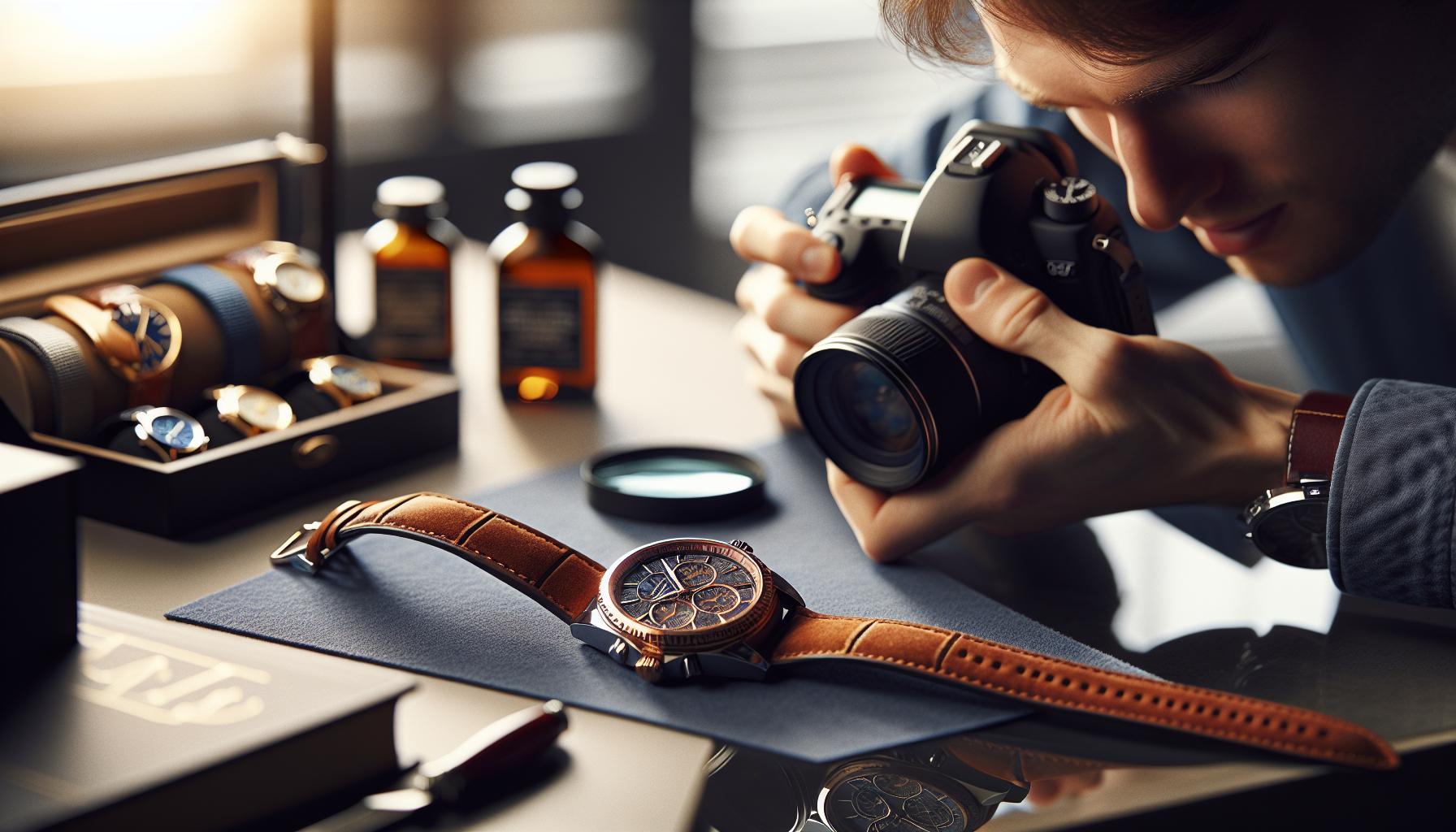
Watch The Great Courses Signature Collection: Learn Horology
Did you know that the heart of every mechanical watch-the movement-can be a tiny marvel of engineering,combining art and precision in ways that captivate collectors and casual wearers alike? Watch The Great Courses Signature Collection: Learn Horology offers a unique journey into this fascinating world,demystifying key concepts like automatic calibers,complications,and in-house movements. Whether you’re curious about the craftsmanship behind a rugged casio G-Shock or the intricate artistry of a high-end Hublot, this course breaks down complex watchmaking details into clear, approachable lessons. Its designed not just for seasoned enthusiasts but also for newcomers eager to understand what makes wristwatches tick beyond their looks and brand names. By exploring design, function, and value across a wide price range, you’ll gain the kind of insight that transforms watch appreciation into a lifelong passion-helping you make informed choices whether collecting, investing, or simply admiring these mechanical masterpieces. Dive in and discover how watches combine technical brilliance with wearable art, revealing stories and skills that every watch lover deserves to know.
Contents
- Understanding Horology: The Art and Science of Timekeeping
- Exploring Watch Movements: Mechanical, Automatic, and Quartz Explained
- Mastering Watch Complications: From Chronographs to Tourbillons
- Detailed look at Calibers: In-House vs. Third-Party Movements
- Essential Tools and Techniques for Horology Enthusiasts
- Evaluating Watch Design: Case, Dial, and Crystal Insights
- Maintenance and Repair: Keeping Timepieces Precise and Reliable
- Collecting Watches: How to Build a Meaningful Horology collection
- The History and Evolution of Watchmaking Craftsmanship
- Investing in Watches: Value, Rarity, and Market Trends
- Comparing Haute Horlogerie with Affordable Classics
- Photography Tips: Capturing Your Watches Like a Pro
- FAQ
- Q: How does “The Great Courses Signature Collection: Learn Horology” help beginners understand complex watch mechanisms?
- Q: What makes “The Great Courses Signature Collection” unique compared to other horology learning resources?
- Q: Can I learn how to evaluate watch brands and value through this horology course?
- Q: How does this course address the skill of photographing watches professionally?
- Q: What are the technical prerequisites to start learning horology with this collection?
- Q: How can this course improve my ability to maintain and repair watches at home?
- Q: Does ”Learn Horology” cover modern trends like smartwatches or focus only on traditional watchmaking?
- Q: How long does it typically take to complete “The Great Courses Signature Collection: Learn Horology”?
- Future Outlook
Understanding Horology: The Art and Science of Timekeeping
Timekeeping blends artistry with science in a way few crafts do. At its heart, horology is the study and measurement of time, expressed through devices both intricate and purposeful. Whether it’s the gentle ticking of a mechanical watch or the instant precision of quartz technology, understanding this union of mechanics and design elevates appreciation beyond a mere glance at the time.
Watches are marvels of micro-engineering, where dozens-even hundreds-of tiny components work harmoniously to transform energy into consistent motion. The balance wheel, escapement, mainspring, and gear train form the core of mechanical movements, showcasing centuries of refinement. Meanwhile, the introduction of quartz movements in the 1960s revolutionized accuracy and affordability without dismissing the charm of customary craftsmanship. embracing both offers a wider perspective: a $150 Tissot automatic tells a different story than a $50,000 haute horlogerie tourbillon, but each deserves admiration for its ingenuity and purpose.
Why Learn the Language of Watches?
Understanding basic horological terms sharpens your ability to assess and evaluate timepieces confidently. Terms like caliber (the specific movement design inside a watch) or complications (functions beyond simple timekeeping such as date, chronograph, or moonphase) are not just jargon-they are keys to unlocking what makes a watch special. For example, knowing that a Rolex Submariner uses an in-house automatic caliber with a date complication helps you appreciate its engineering and long-term value.At the same time, recognizing that a Casio G-Shock uses a reliable quartz movement underlines how durability and utility can triumph over luxury.
Exploring horology also encourages a mindful approach to collecting and wearing watches. Watches are functional art-combining materials like sapphire crystal, stainless steel, or ceramic with design choices that range from understated to dramatic. Collectors often find joy in understanding what goes into these details and how they affect a watch’s personality on the wrist. For those just starting out, investing time in horological knowledge pays dividends whether choosing a first vintage piece or navigating the current market’s investment landscape.
Getting Started: Core Concepts to Keep in Mind
- Mechanical vs. Quartz: Mechanical watches run on a mainspring wound either manually or automatically through wrist movement. Quartz watches use a battery and crystal oscillator, offering superior accuracy with less maintenance.
- Caliber Types: in-house movements are developed and manufactured within a brand, frequently enough carrying premium status.third-party or modified base calibers offer reliable alternatives with less exclusivity but often better value.
- complications: Beyond telling time, complications add layers of complexity-some purely functional, like a chronograph stopwatch, others decorative, like the mesmerizing tourbillon cage.
- Design Considerations: Watch case shape, dial layout, and crystal materials influence wearability, durability, and aesthetic appeal.
By embracing these fundamentals, both newcomers and seasoned collectors develop a richer connection with their watches. The journey into horology isn’t about chasing status but about celebrating human ingenuity in miniature form. Whether it’s appreciating a $150 swiss automatic or marveling at a $100K minute repeater, horology invites everyone to join the conversation-hands-on, eyes open, and passion running deep.
Exploring Watch Movements: Mechanical, Automatic, and Quartz Explained
Watches might seem simple at first glance, but beneath the surface lies a fascinating world of engineering that tells time with precision-powered primarily by three types of movements: mechanical, automatic, and quartz. Each movement style has its own history, mechanics, and charm, and understanding these can transform how you select and appreciate timepieces from affordable classics like the Tissot Le Locle to luxury icons such as the Rolex Submariner or Hublot Big Bang.
Mechanical watches represent the heritage and craftsmanship of traditional horology.They run entirely on a mainspring-a coiled wire of metal-that needs manual winding to store energy. As the spring unwinds,it releases energy through a series of gears and the escapement,which controls the transfer of energy to the balance wheel,the “heartbeat” of the watch. Mechanical movements embody pure craftsmanship with intricate finishing visible through sapphire case backs on many modern watches. Though less accurate than quartz, they shine in their artistry and connection to watch history. Brands like Patek Philippe and Omega are renowned for highly refined mechanical calibers that frequently enough run smoothly for decades with proper care.
Automatic watches broaden the mechanical story by incorporating a rotor: a semicircular weight that spins with wrist movement to wind the mainspring automatically. This ingenious self-winding system makes daily manual winding mostly unnecessary, combining convenience with tradition. Automatic calibers power some of the most popular watches worldwide, from the Rolex Submariner’s in-house 3235 movement to the reliable ETA 2824-2 widely used in affordable swiss automatics. Whether you’re wearing a Seiko SKX or a Tudor Black Bay, the automatic movement allows that classic mechanical soul to beat on your wrist with minimal hassle.
Quartz movements, by contrast, are the modern workhorses introduced during the quartz revolution of the 1960s. powered by a tiny battery and regulated by a quartz crystal oscillator, they offer remarkable accuracy, often deviating just seconds a month. Quartz watches demand less maintenance, making them ideal for practicality, sports, and everyday wear. Models like the Casio G-Shock elevate the quartz movement’s reputation by emphasizing durability and multi-functionality over traditional mechanics. Though quartz watches lack the complex charm of a mechanical movement, their role in horology is vital-offering accessible precision and robustness that mechanical watches struggle to match.
Comparing Movements at a Glance
| Movement Type | Power Source | Accuracy | Maintenance | Typical Price Range | Character & Appeal |
|---|---|---|---|---|---|
| Mechanical (Manual-Wind) | Hand-wound mainspring | +/- 10 to 30 seconds/day | Regular servicing (~3-5 years) | $150 to $50,000+ | Artisan craftsmanship, visible mechanics, tradition |
| Automatic | Self-winding rotor + mainspring | +/- 5 to 20 seconds/day | regular servicing (~3-5 years) | $200 to $50,000+ | Convenience + mechanical beauty, widely popular |
| Quartz | Battery + quartz crystal | +/- 10 to 30 seconds/month | Battery replacement every 1-3 years | $20 to $5,000+ | Precision, durability, low maintenance |
Practical Advice for Choosing Your Movement
- For daily wear and active lifestyles: Quartz watches like the Casio G-Shock excel with shock resistance, long battery life, and easy upkeep.
- If you love the feel of traditional watchmaking: Mechanical or automatic watches offer a tactile experience, rhythmic ticking, and craftsmanship narratives you wear proudly.
- On a budget but want Swiss DNA: automatic watches from brands like Tissot,Hamilton,or Seiko provide quality movements with respectable accuracy and classic aesthetics.
- Collectors and enthusiasts: Exploring in-house mechanical calibers from brands like Rolex, Omega, or Grand Seiko reveal the artistry behind haute horlogerie and innovation.
no movement is inherently better-each serves a purpose molded by tradition, innovation, and user needs. Appreciating these differences not only sharpens your watch knowledge but opens your eyes to the amazing micro-engineering marvels ticking quietly on countless wrists worldwide. Whether it’s the precise thrum of an automatic Rolex or the dependable pulse of a quartz Casio, the joy is in the journey through time, powered by movement.
Mastering Watch Complications: From Chronographs to Tourbillons
Few features spark as much admiration and curiosity among watch lovers as complications-the specialized functions beyond telling hours, minutes, and seconds. These mechanical feats showcase watchmakers’ ingenuity and elevate even modest timepieces into captivating marvels. whether you’re fascinated by the stopwatch precision of a chronograph or mesmerized by the gravity-defying tourbillon, appreciating complications deepens your connection to horology’s art and engineering.
Chronographs remain the most accessible and practical complication, prized by brands from affordable Tissot to venerable Omega. Essentially, a chronograph adds a stopwatch function controlled by pushers that start, stop, and reset timing. Movements like the ETA Valjoux 7750, powering countless models in the $800-$5,000 range, combine robustness with ease of service. At the luxury end, the Rolex Daytona, with its in-house caliber 4130, epitomizes precision and smooth operation-features that make it highly sought after. For newcomers, a mechanical chronograph offers both tactile joy and utility, whether measuring lap times or cooking intervals.
Beyond timing, complications can track calendars with variants ranging from simple date windows to full perpetual calendars. These sophisticated mechanisms automatically adjust for leap years-a remarkable feat of mechanical memory and engineering. Brands like Patek Philippe and A. Lange & Söhne have elevated the perpetual calendar to haute horlogerie art,frequently enough integrating moon phases and day/night indicators. For a more approachable option, many Longines or Oris models offer annual calendars that require yearly adjustment but provide a rewarding blend of complexity and accessibility.
The tourbillon, once solely a haute horlogerie hallmark, stands as the symbol of mechanical mastery. Invented in the early 19th century to counteract gravity’s effects on accuracy, this rotating cage holding the escapement and balance wheel captivates collectors visually and technically. Watches like the $50K+ Breguet Classique Tourbillon demonstrate how this complication is art in motion-visible through transparent case backs or dial apertures. Today, brands such as Omega and even Seiko offer tourbillons at surprisingly accessible prices, broadening the appreciation of this mesmerizing complication.
Common Complications and Their Appeal
| Complication | Purpose | Typical price Range | brands / Models | Value to Collector |
|---|---|---|---|---|
| Chronograph | Elapsed time measurement | $300 to $50,000+ | Seiko SSB, Omega Speedmaster, rolex Daytona | Highly practical, sporty appeal, collectible |
| Calendar (Date / Annual / Perpetual) | Displays date, automates complex calendar functions | $200 to $100,000+ | Longines Master, Patek Philippe Perpetual, Oris Artelier | Combines utility and mechanical complexity |
| Tourbillon | Improves accuracy by counteracting gravity | $10,000 to $500,000+ | Breguet Classic Tourbillon, Omega De Ville, Seiko Presage | Visual spectacle, horological prestige |
| GMT / dual Time | Tracks multiple time zones simultaneously | $400 to $20,000+ | Tudor black Bay GMT, Rolex GMT-Master II | Travel utility, popular among professionals |
| Moonphase | Shows lunar cycle | $300 to $50,000+ | Frederique Constant, Jaeger-LeCoultre Master | Elegant aesthetic, romantic allure |
- Start with what fits your lifestyle. Chronographs offer sporty, everyday utility, while calendar complications add sophistication to dress watches.
- Understand servicing needs. watches packed with complications typically require more frequent and specialist servicing-budget accordingly.
- Look for visual openness. Exhibition casebacks or dial apertures let you admire complication mechanics-especially satisfying on manual-wind or automatic calibers.
- Affordable complex watches exist. Brands like Seiko, Tissot, and Frederique Constant deliver complications at accessible prices-great for learning and appreciating mechanical nuance without high investment.
- Value provenance and innovation. In-house complications often carry distinct designs and improved performance but come at premium pricing compared to third-party calibers.
Embracing complications transforms watch collecting from casual time-telling to an exploration of mechanical artistry and historical ingenuity. Whether you treasure the crisp push of a chronograph pusher or the hypnotic sweep of a tourbillon cage,each complication tells a story of craftsmanship and passion. The world of horology invites you to discover, wear, and celebrate these intricate narratives ticking quietly on your wrist.
Detailed look at Calibers: In-House vs. Third-Party Movements
A watch’s caliber-the specific movement powering its timekeeping-forms the heart of its identity, performance, and value. Whether a timepiece houses an in-house caliber or relies on a third-party movement profoundly influences everything from craftsmanship authenticity to servicing and cost. For collectors and enthusiasts, understanding these differences sharpens buying decisions and deepens appreciation for the artistry behind every tick.
Many respected brands adopt third-party movements-like the reliable ETA 2824 or the robust Sellita SW200-especially in entry-level to mid-range watches. These calibers offer proven accuracy, easier maintenance due to widespread availability of parts and watchmakers familiar with their architecture, and typically lower prices. For example, Tissot, Hamilton, and Oris frequently equip watches with versions of these workhorse calibers, making them excellent choices for newcomers who want mechanical reliability without a premium. Third-party movements also often serve as ideal platforms for brands to add complications affordably, from date windows to chronographs.On the other hand, in-house calibers are designed, developed, and produced entirely within one brand’s manufacture, often representing a higher level of innovation and exclusivity. Rolex’s caliber 3235 or Omega’s Co-Axial 8800 exemplify movements tailor-made to enhance brand signature qualities like precision,shock resistance,or power reserve. While they often command higher prices-consider the in-house Heuer 02 in the TAG Heuer Carrera or Patek Philippe’s meticulously crafted calibers-the premium also reflects unique engineering, distinct finishing, and sometimes patented technologies not found in generic movements. Investing in in-house movement watches is frequently enough about owning a slice of a brand’s horological story and technical leadership, alongside traditional timekeeping.
Balancing Practicality and Passion
- Serviceability: Third-party calibers benefit from easier servicing worldwide, thanks to many watchmakers trained on them.In-house movements may require specialized service, sometimes limited to the brand’s boutiques or authorized centers, with elevated costs.
- Collectability: Watches with in-house movements frequently enjoy stronger collector interest due to perceived craftsmanship and exclusivity. But many reliable third-party movement watches uphold solid resale value, especially when paired with appealing designs and brand heritage.
- Innovation and complications: Building complications like chronographs or perpetual calendars atop a third-party base can be practical but sometimes less elegant in design. In-house calibers allow brands to custom-engineer such functions for better integration and smoother operation.
- Price and Accessibility: Third-party caliber watches enable enthusiasts to experience mechanical art without breaking the bank. In-house movement watches typically reside higher on the price spectrum but reward with distinctive technical character.
| Aspect | In-House Caliber | Third-Party Movement |
|---|---|---|
| Craftsmanship | Tailored design, often hand-finished | Mass-produced, standardized quality |
| Servicing | Specialist, costlier, limited service centers | Widely available, more affordable |
| Innovation | Brand-specific improvements, patented tech | Proven, but less customizable |
| Price impact | Premium pricing reflecting exclusivity | Enables more accessible pricing |
| Examples | Rolex Caliber 3235, Omega Co-Axial 8800, Patek Philippe 324 | ETA 2824-2, Sellita SW200, Miyota 9015 |
Some brands blur these lines by developing proprietary modules added onto third-party bases, like the Frederique Constant Flyback chronograph built on an ETA foundation. These hybrid approaches offer a taste of in-house feel while benefiting from the proven backbone of mass-produced movements.
Ultimately, whether you prize the prestige and unique personality of an in-house caliber or the practicality and value of high-quality third-party movements, both paths offer rich horizons for watch lovers. Understanding these core differences empowers you to navigate the vast watch landscape confidently-finding joy in everything from a finely tuned $200 mechanical Seiko to a masterfully engineered $50,000 Grand Seiko Spring Drive, each movement telling a story of human ingenuity and passion.
Essential Tools and Techniques for Horology Enthusiasts
Horology is as much about the tools in your hand as it is about the watch on your wrist. Whether you’re taking apart a vintage Seiko for a cleaning or adjusting the regulator on a luxury Rolex,having the right instruments and knowing the right techniques transforms a frustrating experience into a rewarding one. For enthusiasts keen to dive deeper, understanding essential watchmaking tools and mastering basic skills lays the groundwork for both appreciating and maintaining timepieces across all price ranges.
the toolkit for horology may seem daunting at first, but it’s surprisingly approachable. At minimum, start with a quality set of precision screwdrivers, a pair of fine-tip tweezers, and a reliable case opener-these handle the majority of basic adjustments and battery replacements. Such as, a beginner-friendly brand like Bergeon offers excellent screwdrivers that won’t strip screws, which is a small investment that protects your watch’s integrity. complement these with a loupe (usually 3x to 5x magnification) to inspect intricate components such as the balance wheel or pallet fork. This enables you to catch issues like dirt buildup or corrosion, key in deciding when a professional cleaning is necessary.
Beyond Basics: Tools That Elevate Your Horology Practice
- Movement Holder: this stabilizes the watch movement securely during work. Especially critical when performing delicate operations like changing hands or adjusting escapements, a movement holder prevents slips that could damage parts.
- Spring Bar Tool: Widely used for strap or bracelet changes, this small but essential tool lets you manipulate spring bars without scratching your case or bracelet.
- Case Back Opener: Depending on the case style-screw-down, snap-on, or integrated-different case back tools are necessary. A set with adjustable jaws allows flexibility across brands from Casio G-Shock to Omega.
- Hand Removers and Hand Pressers: Removing and installing hands requires finesse to prevent bending or scratching. Specialized hand removers lift hands cleanly,while hand pressers ensure perfect seating,preserving alignment and function.
- Cleaning Solution and Ultrasonic Cleaner: For enthusiasts taking the leap into maintenance, an ultrasonic cleaner paired with dedicated cleaning fluid can gently remove dust and oils, reviving vintage watches with accumulated grime.
techniques for Precision, Safety, and Success
Patience and steady hands are paramount but starting with the right technique prevents mishaps. When unscrewing or tightening, always turn tools counter-clockwise to loosen and clockwise to tighten-avoiding excessive force that strips threads. Work on a clean, well-lit surface with a soft mat that catches tiny parts. Organize screws and components in a segmented tray or magnetic pad to avoid loss; even the smallest spring can vanish quickly if misplaced.
When handling movements, ground yourself to discharge static electricity, protecting sensitive electronic components in quartz watches. Practice proper hand placement-avoid touching jewel bearings or balance wheels directly. Instead, use tweezers to lift parts or hold movements by sturdier plates and bridges.before reassembling a watch, carefully check each part under the loupe for scratches or worn teeth that might cause timing issues.
Learning and Growing Your Horology Skills
many enthusiasts find value in step-by-step video tutorials-channels like “The Watch Repair Channel” on youtube provide hands-on demonstrations for everything from cleaning quartz movements to adjusting automatic calibers. For those wanting to deepen skills academically,reputable guides such as the ”Theory of Horology” offer foundational knowledge that complements physical practice.
In sum, your journey into horology doesn’t demand a professional-grade workshop from day one. A modest set of quality tools, combined with mindful handling techniques and a readiness to learn, unlocks hands-on appreciation of watches from affordable Tissots to boutique independents. You’ll quickly discover the joy of understanding what lies beneath the dial, turning each watch not just into a style statement but a marvel of mechanical ingenuity.
| Tool | Purpose | Recommended For |
|---|---|---|
| precision Screwdrivers | Removing and tightening screws in movements and cases | All enthusiasts, especially beginners |
| Tweezers (anti-magnetic) | Handling small movement parts without magnetizing | Intermediate and advanced hobbyists |
| Case Back Opener | Opening various watch case backs safely | Anyone who changes batteries or inspects movements |
| Loupe (3x-5x) | Magnifying small components for inspection | Visual inspection, repair, and cleaning |
| Movement Holder | Stabilizing movement during repairs | Intermediate users working on mechanical watches |
| Spring Bar Tool | Removing and installing watch straps or bracelets | All collectors who rotate or clean straps regularly |
Evaluating Watch Design: Case, Dial, and Crystal Insights
The case, dial, and crystal form the triad that shapes not just a watch’s aesthetic but also its character and longevity. When evaluating these elements, it’s crucial to recognize how materials, craftsmanship, and design choices interplay to affect wearability, durability, and visual impact. Whether you’re admiring the rugged utilitarian charm of a Casio G-Shock or the refined elegance of a Rolex Submariner, each component carries both functional and artistic meaning.
Cases come in a variety of materials-stainless steel reigns supreme for its balance of durability, corrosion resistance, and price accessibility. However, collectors often encounter titanium, ceramic, and precious metals like gold or platinum in higher-end models. Cases aren’t just about looks; their finishing also tells a story. A well-executed brushed or polished surface demands precision and reflects the maker’s attention to detail. For instance, the sharp, crisp edges on a Grand Seiko case contrast the softer curves of many vintage omega pieces, influencing how light plays across the metal and how the watch sits on your wrist. Water resistance ratings, varying from everyday 30 meters to a professional-grade 300 meters or more, hinge heavily on case construction and seal integrity-essential for both diver’s watches and daily wear toughness.
The dial is frequently enough the emotional heart of a watch. Beyond simple time display, dials serve as templates for complexity and artistry-from minimalist Bauhaus-inspired layouts to intricate sunburst patterns, guilloché engraving, or multi-layered subdials on chronographs. Legibility is king here: clean fonts, balanced indices, and the right contrast between hands and background elevate usability. Consider Tissot’s PRX Powermatic, which sports a textured dial playing with light reflections, versus a matt black dial in a Sinn 104, prized for straightforward readability in demanding conditions. Lume application is a practical design feature that varies widely; Swiss Super-LumiNova is a standard, but some brands employ proprietary compounds for longer glow and better visibility in darkness.
The crystal might be the most overlooked aspect but arguably the most vital for durability and clarity. Acrylic crystals, common on vintage watches and affordable models, offer flexibility and easy polishing to remove scratches. Sapphire crystals,now standard on mid-to-high-end watches,provide extraordinary scratch resistance and clarity but can shatter under strong impact-a trade-off to consider when choosing a tool watch. Anti-reflective (AR) coatings, placed either on one or both crystal surfaces, greatly enhance dial legibility under direct light or glare. Brands like Rolex and Omega apply multi-layer AR coatings for that clear, almost invisible window effect, whereas watches built for hardcore outdoor use might forgo coatings to preserve scratch resistance.
Key Considerations When Comparing Designs
- Material & Finish: Does the case resist scratches or develop a unique patina? Titanium, such as, is lighter but prone to color shifts, while steel maintains shine longer.
- Dial Texture & Contrast: Textured dials add depth but can affect legibility; high contrast between hands and background improves speedy time reading.
- Crystal Type & Coating: Acrylic for vintage charm and polishability; sapphire for scratch resistance; AR coatings for glare reduction and clearer dial view.
- Wearability factors: Case thickness and diameter affect comfort; curved vs. flat sapphire can distort or enhance dial visibility depending on angle.
| Component | Common Materials | Pros | Cons |
|---|---|---|---|
| Case | Stainless steel, titanium, ceramic, gold, platinum | Durable, corrosion-resistant, aesthetic variety | Weight variance, scratch susceptibility (ceramic brittle) |
| Dial | Brass base with paint, enamel, guilloché, applied markers | Visual depth, legibility, artistic expression | Complex designs can reduce readability |
| Crystal | Acrylic, mineral glass, sapphire with AR coatings | Scratch resistance (sapphire), polishable (acrylic), clarity | Sapphire can shatter, acrylic scratches easily |
By analyzing these facets closely, you gain a fuller appreciation of why a $150 entry-level Tissot can impress with thoughtful design just as much as a $50,000 haute horlogerie masterpiece dazzles with artisanal finesse.After all, greatness in watch design isn’t confined to price-it’s how all elements harmonize for beauty, functionality, and personality on your wrist.
Maintenance and Repair: Keeping Timepieces Precise and Reliable
From the intricate mechanical gears driving a Rolex Submariner to the reliable quartz movement ticking inside a Casio G-shock, timepieces demand attentive care to stay precise and dependable. Nonetheless of whether your watch costs $150 or $50,000, good maintenance is the unsung hero that preserves functionality and prolongs life. Many new enthusiasts assume watches are “set it and forget it” gadgets, but even quartz watches benefit from periodic attention, and mechanical watches deserve regular servicing to prevent wear and accuracy loss.
routine care: The Foundation of Longevity
Simple daily habits can considerably extend your watch’s lifespan. Keep your watch clean by wiping the case and bracelet with a soft microfiber cloth,removing dirt and oils that may damage seals or metal finishes. Avoid magnetic fields (like speakers or smartphones), as they can disrupt mechanical calibers’ accuracy. For automatic watches, wearing them regularly or using a watch winder helps maintain power reserve and lubricates movement parts evenly.When not in use, store watches in a cool, dry place away from direct sunlight to prevent dial fading and lubricant breakdown.
Water resistance can be a tricky subject-many watches specify a rating like “100 meters,” but this doesn’t guarantee lifetime waterproofing. Gaskets and seals dry out over time, so testing the watch’s seal every 1-2 years, especially after battery changes or exposure to water, ensures reliable protection. Even dive watches with remarkable ratings rely on proper maintenance to keep up performance.
Servicing Mechanical Watches: Why and When?
mechanical watches, whether manual-wind or automatic, depend on precise lubrication and parts alignment. Over time, oils degrade and dust infiltrates, causing increased friction and accuracy drift. Experts usually recommend a full service every 3 to 5 years. This involves completely disassembling the movement, cleaning parts ultrasonically, re-oiling, replacing worn components, and calibrating timekeeping through multiple positions.
Brands offering in-house calibers like Grand Seiko or Rolex produce movements designed for durability but still require these intervals to perform optimally. For example, the Rolex 3135 movement-a classic automatic caliber-can maintain amazing precision with proper care, but skipping services risks permanent damage. By contrast, quartz watches require less frequent attention but do need battery replacement every few years, with seal replacement checked concurrently to maintain water resistance.
Basic Repairs and Watchmaker Collaboration
Many issues, such as fogging crystals, jammed crowns, or loss of water resistance, can be addressed by professional watchmakers before costing serious damage. While DIY cleaning (like gentle brushing and removing dirt in crevices) is safe, opening the case or lubricating requires specialized tools to avoid errors-for example, improper gasket seating can compromise water resistance.
Consider the following when deciding on repair or servicing:
- Watch Value & Complexity: A $150 Tissot with a robust Powermatic 80 movement deserves service but may not merit costly component replacements. A $50,000 haute horlogerie tourbillon needs expert hands and rare parts.
- Authorized Service vs. Autonomous Watchmaker: brand-authorized centers guarantee original parts and warranty but can be pricier. Experienced independents provide high-quality service often at lower cost, especially valuable for vintage or less common watches.
- Watch history & Usage: If your watch is heavily worn or frequently used in harsh conditions (saltwater, extreme temperatures), shorter service intervals are wise.
| Watch Type | Maintenance Frequency | Typical Services | Estimated Cost Range |
|---|---|---|---|
| Mechanical (Automatic/manual) | Every 3-5 years | Disassembly,cleaning,oiling,adjustment,gasket replacement | $300 – $1,000+ |
| Quartz (Battery) | Battery replacement every 2-4 years; seals checked each time | Battery swap,seal/gasket inspection | $50 – $150 |
| Diver’s Watch | Every 1-3 years (water resistance test essential) | Full service with pressure testing | Varies; often +$200 |
Embracing Craftsmanship,Big and Small
Maintenance is more than a chore-it’s a party of horology’s mechanical artistry. Whether you’re marveling at Hublot’s intricate complications or respecting the reliability of a budget-friendly Casio, honoring their engineering through proper upkeep links you to centuries of watchmaking tradition. Tools like dry brushing and gentle soapy washes,as seen in historical repair manuals,reflect basic but effective care steps that anyone can adopt to keep watches running smoothly[[[[[1]](https://academic.oup.com/book/46577/chapter/408690160).
By understanding the needs of your watches and partnering with skilled professionals for deeper repairs, you not only safeguard your investment but actively participate in the living craft of horology. The joy of a well-maintained watch is more than its accuracy-it’s the intimate connection between wearer, mechanism, and timeless design.
Collecting Watches: How to Build a Meaningful Horology collection
A watch collection tells a story-not just of time, but of passion, craftsmanship, and discovery. Whether you’re drawn to the rugged reliability of a Casio G-Shock or the elegant engineering of a Rolex submariner, building a meaningful horology collection is about more than amassing pieces. It’s about curating a set of timekeepers that resonate with your interests, lifestyle, and budget, while capturing the diverse art and science behind watchmaking.
Start with What Moves You
Begin by understanding the core of your captivation: movement type and brand heritage. Mechanical watches (manual or automatic) often fascinate collectors for their intricate gears and craftsmanship. By contrast, quartz watches are celebrated for precision and low maintenance. Try exploring both ends of the spectrum in small doses. For example:
- Affordable Mechanical: Brands like Seiko and Tissot offer reliable automatic calibers under $500, making them ideal for newcomers eager to experience traditional watchmaking without breaking the bank.
- Quartz Classics: Casio G-Shock models serve rugged, feature-rich tool watches that are both affordable and packed with technology-perfect for daily wear and sporty contexts.
- Iconic Mid-Range: Look for well-regarded models like the Hamilton Khaki Field or the Oris Divers 65, which blend recognizable designs and solid movements with approachable pricing.
This approach balances budget with appreciation. It fosters understanding of how different complications and calibers function before moving on to investment pieces or haute horlogerie.
Broaden Your Collection with Purpose
Avoid the mistake of buying random watches simply for hype or brand prestige. Instead, define what your ”meaningful collection” means to you.Some collectors prioritize:
- diverse Styles: Include a dress watch, a diver, a chronograph, and maybe a GMT to cover a range of occasions and technical interests.
- Movement Study: Pursue a range of calibers-quartz, automatic, and manual-wind-to deepen your understanding of horology’s mechanical nuances.
- Brand Stories: Focus on brands with rich histories and in-house movements for added provenance, such as Grand Seiko, Tudor, or Omega.
For example, pairing a Grand Seiko Spring Drive with its unique hybrid movement alongside a classic TAG Heuer Monaco chronograph communicates both horological innovation and motorsport heritage. Each watch adds a chapter and context, invigorating the collection beyond a mere assortment of wristwear.
Value, rarity, and Wearability
A meaningful collection strikes a balance between personal taste, investment potential, and everyday usability. Always consider:
- Movement and Build Quality: Watches with proven, durable calibers and solid materials hold value better and withstand daily wear.
- Market Trends vs. Personal Value: Avoid chasing extreme hype or speculative buys-many so-called “investment” watches fluctuate unpredictably. instead,acquire pieces you genuinely appreciate wearing.
- Size and Comfort: Your collection shouldn’t just look good-watches must feel good on your wrist. Popular sizes range from 38mm to 42mm, but know your preferences early.
| Example Model | Movement Type | Price Range (USD) | Key appeal |
|---|---|---|---|
| Rolex Submariner | Automatic (In-House 3235) | $8,000-$12,000 | Iconic diver, solid resale, timeless design |
| Casio G-Shock DW5600 | Quartz | $50-$100 | Durable, tech-packed, budget-friendly daily |
| Seiko SARB033 | Automatic (6R15) | $400-$600 | Classic dress design, robust movement |
| Grand Seiko Snowflake SBGA211 | spring Drive (in-House) | $5,000-$6,000 | Innovative movement, elegant dial texture |
Collecting watches is a continuous learning experience. Engage with online forums, local watch meets, or even appointments to see rare pieces in person. It’s equally rewarding to photograph your collection thoughtfully, capturing details like dial texture or movement finishes-this enhances appreciation and shares your passion visually.
Remember: a collection is personal. Celebrate craftsmanship from haute horlogerie masterpieces to the ingenious engineering behind everyday classics. Each watch in your collection is a testament to horology’s rich past and ever-evolving future, making the entire endeavor as timeless as the watches themselves.
The History and Evolution of Watchmaking Craftsmanship
Timekeeping devices have journeyed from rudimentary sundials and water clocks to intricate mechanical marvels treasured by collectors today. The evolution of watchmaking craftsmanship reflects centuries of innovation, artistry, and mechanical mastery, weaving together science and aesthetics-a tradition equally alive in a rugged Casio G-shock as in a hand-finished Patek Philippe.Understanding this rich history deepens appreciation, offering perspective beyond price tags or brand status.
early mechanical watches emerged in the 15th and 16th centuries, powered by mainsprings and simple gear trains. These first portable timekeepers were bulky and imprecise, often worn as pendants or carried in pockets. The invention of the balance spring in the 17th century revolutionized accuracy, setting the stage for modern horology. As techniques matured, watchmaking hubs like Geneva, Glashütte, and Le Locle became centers of both technical and artistic excellence, blending engineering advances with decorative arts-engraving, guilloché, enameling-that elevated watches into wearable art.
Industrialization and the rise of Mass Production
The 19th century saw watchmaking adapt to industrial age demands. Brands like Waltham and Elgin in america pioneered assembly-line production, making reliable watches accessible to middle-class buyers without sacrificing basic craftsmanship. Simultaneously occurring, Swiss manufacturers maintained a commitment to both quality and tradition, developing movements that balanced robustness with refinement.
- Mass-produced Movements: Standard calibers and interchangeable parts lowered costs.
- Decorative finishes: Despite scale, brands retained hand-applied decoration on higher grades.
- Complications: Innovations like chronographs and calendars became more affordable to own.
This era planted the seeds for today’s layered collectability, distinguishing affordable classics from haute horlogerie.
Quartz Disruption and Mechanical Renaissance
The 1970s brought the “Quartz Crisis,” as inexpensive, ultra-precise quartz movements nearly decimated traditional mechanical watchmaking. Brands scrambled to integrate electronic technology, sometimes at the cost of craftsmanship values. However, passion-driven firms like Seiko innovated quartz technology while preserving mechanical roots-hinting at the future convergence of tradition and tech.
By the 1980s and ’90s, mechanical watches saw a renaissance. Collectors revived appreciation for automatic calibers, in-house movements, and complex complications such as tourbillons and perpetual calendars. watchmakers emphasized hand-finishing and proprietary calibers, focusing on limited editions and bespoke artistry that celebrated the craft.
| Era | Key Developments | Notable Brands | Craftsmanship Focus |
|---|---|---|---|
| 16th-17th Century | Balance spring invention, portable watches | Breguet, Blancpain (origins) | Mechanical innovation, decorative arts |
| 19th Century Industrial Age | Mass production, standardized calibers | Waltham, Elgin, Longines | Durability, accessibility, early complications |
| Quartz Crisis (1970s) | Electronic movements disrupt industry | Seiko, Citizen | Precision, affordability, hybrid tech |
| Modern Era | Mechanical resurgence, haute horlogerie | Rolex, Patek Philippe, Grand Seiko | In-house calibers, hand finishing, exclusivity |
Bridging Craftsmanship Across Price Points
Craftsmanship isn’t the exclusive domain of six-figure luxury watches. Brands like Tissot, Seiko, and Hamilton showcase excellent mechanical engineering and finishing within accessible price ranges. A $150 Tissot Powermatic 80, for example, delivers an 80-hour automatic movement with trusted reliability and tasteful design-a sleek introduction to mechanical watchmaking. Simultaneously occurring, high-end manufactures elevate craftsmanship with hand-polished bridges, intricate complications, and precious materials to justify premium investment.
Respecting all tiers nurtures knowledgeable collecting and greater horological literacy. It also encourages appreciation of the unique stories behind each watch, from the mechanical ingenuity inside a humble Casio quartz to the artisanal skill embodied in a tourbillon-crowned masterpiece.
—
No matter your budget or collecting goals,understanding the historical arc of watchmaking craftsmanship enriches the experience. Every watch tells a tale of technical progress, artist dedication, and cultural trends, connecting you with generations of passionate horologists who crafted the passage of time into lasting beauty.
Investing in Watches: Value, Rarity, and Market Trends
Few investments combine artistry, engineering, and emotional resonance quite like fine watches. While a well-crafted timepiece can undoubtedly hold or increase its value over time, the reality of watch investing is nuanced and requires a keen eye for rarity, brand heritage, and market momentum. Unlike stocks or bonds, watches straddle the worlds of mechanical art and collectible treasure-meaning their value depends as much on craftsmanship and provenance as on typical market forces.
Several key factors influence a watch’s investment potential.First and foremost, rarity and production volume play crucial roles. Limited editions, discontinued models, or pieces with unique dial variations tend to attract collector fervor, which often translates into solid resale values. Brands like Rolex, Patek Philippe, and Audemars Piguet exemplify this; their iconic designs-think Rolex Submariner or Patek Philippe Nautilus-maintain strong demand partly due to controlled production and enduring brand desirability. for newcomers on a budget, well-made Seiko mechanicals or Tissot automatics offer reliability and quality, though these usually have less investment upside and serve better as entry points into horology appreciation rather than pure financial plays.
Understanding Market Trends and Value Drivers
Watch values fluctuate with broader collector enthusiasm, pop culture influence, and economic factors. Vintage models, especially those with documented history and original parts, often outperform modern pieces in auction results. Simultaneously occurring, modern in-house calibers-those movements designed and manufactured entirely by the brand-add exclusivity and frequently enough help maintain brand prestige, supporting secondary market strength. A chronograph or a watch with complications like a moon phase or perpetual calendar can bring additional desirability, but only if backed by reputable craftsmanship and recognition.
Demand may also be influenced by celebrity associations, limited collaborations, or unforeseen hype cycles-elements that can temporarily inflate prices but may not sustain long-term value. Thus, a balanced perspective is essential: investing in watches thrives on combining passion with patience rather than chasing trends or hype alone.
Practical Advice for Prospective Buyers
- Buy what you love: treat watch investing as a way of building a meaningful collection, not just a portfolio. Your enjoyment matters as much as potential resale value.
- Go for timeless designs: Models with classic styles age better and attract broader collector interest.
- consider brand heritage and scarcity: Watches from manufacturers with strong reputations for craftsmanship and limited production tend to hold value better.
- Maintain provenance: Keep original boxes, papers, and service records-these significantly affect collectability.
| Brand/Model | Movement Type | Typical Price Range | Investment Outlook |
|---|---|---|---|
| Rolex Submariner | Automatic, In-House Caliber | $9,000-$15,000 (new, varies by model) | Strong value retention; high demand globally |
| Patek Philippe Nautilus | Automatic, In-House Caliber | $30,000-$70,000+ (market premium common) | Highly collectible and appreciating |
| Tissot Powermatic 80 | Automatic, Standard movement | $150-$400 | Entry-level quality; good value for money; limited upside |
| Seiko Prospex Diver | Automatic, Seiko Caliber 4R36 | $300-$700 | Reliable and respected; collector interest growing |
Ultimately, investing in watches blends appreciation for craft and mechanical ingenuity with a savvy understanding of market dynamics.Genuine collectors who respect both accessible classics and haute horlogerie find joy and potential value equally rewarding. Whether marveling at the intricacies of a Hublot Big Bang or valuing the trusted durability of a Casio G-Shock, the world of watches invites curiosity, care, and a lifetime of discovery. For those seeking more formal financial returns, partnering passion with research and patience is the best strategy to navigate this unique and fascinating horological landscape.[1] [2]
Comparing Haute Horlogerie with Affordable Classics
Few things highlight the wonder of horology quite like the contrast between haute horlogerie and affordable classics. On one hand, you have masterpieces featuring hand-finished in-house calibers, intricate complications, and artisan craftsmanship commanding tens of thousands of dollars. On the other, reliable, well-made timepieces offer essential watchmaking functions and robust designs that cost a fraction of the price. Both ends of this spectrum celebrate mechanical art; understanding their differences amplifies appreciation for watches at every level.
High-end watches like Patek Philippe, A.Lange & Söhne, or a Hublot Big Bang showcase exceptional technical prowess. They commonly feature complex movements – think perpetual calendars, tourbillons, or minute repeaters – designed, engineered, and hand-assembled in-house. these calibers frequently enough include beautifully decorated components like Côtes de Genève stripes, anglage (hand beveled edges), and meticulously polished screws, details that demand expert skill and countless hours of labor. This dedication to detail is reflected not only in function but in heritage and exclusivity, contributing to strong secondary market demand and collectible status. Such as, a Patek Philippe Nautilus with its proprietary automatic movement and steel case can easily command six figures, owing to rarity, historical importance, and superior craftsmanship.
By contrast, approachable classics such as the Tissot Powermatic 80 or a Seiko Prospex dive watch leverage mass-produced but thoroughly tested calibers-often reliable automatics or quartz-that may not boast hand-finishing but excel in durability and accuracy. These watches focus on delivering core functions and clean design without overwhelming complexity. The Powermatic 80 features an automatic movement with an impressive 80-hour power reserve, a spec that rivals some luxury models, at a base price under $400. Its solid construction, dependable timekeeping, and timeless design make it an excellent entry point for newcomers and collectors seeking everyday watches that won’t break the bank.consequently, affordable classics offer excellent wearability, approachable maintenance costs, and considerable value for money.
Movement and Craftsmanship: What Sets Them Apart
- Haute Horlogerie: Movements are fully in-house designed with hand-assembled components. Complications like tourbillons or perpetual calendars are common. Finishing is artisanal and observable through sapphire case backs. Prices often exceed $20,000, with some limited editions pushing well beyond $100,000.
- Affordable Classics: Usually employ third-party or standardized movements (e.g., ETA, Seiko 4R36).Focus is on reliability, not lavish finishing. Prices typically range from $150 to $1,000, making them far more accessible.
Design and Wearability
Haute horlogerie pieces often flaunt precious metals,intricate dials with guilloché patterns,and hand-applied indices. Their weight and presence can command wrist attention for formal or special occasions. Affordable classics employ stainless steel, sapphire crystals, and functional aesthetics tuned for daily wear and active lifestyles, like dive watch bezels or chronograph pushers, offering versatility and robustness.
Value and Investment Considerations
While luxury watches may appreciate due to rarity, brand prestige, and highly specialized craftsmanship, entry-level models generally retain value primarily through brand reputation and condition rather than significant financial gain. Such as:
| Brand/Model | Movement Type | Typical price Range | Value Proposition |
|---|---|---|---|
| Patek Philippe Nautilus | Automatic,In-House Caliber 26-330 S C | $35,000-$70,000+ | Exceptional craftsmanship; high collector demand; limited production |
| Rolex Submariner | Automatic,In-House Caliber 3235 | $10,000-$15,000 | Strong resale value; iconic design; robust and precise |
| Tissot Powermatic 80 | Automatic,ETA-based Caliber 80.111 | $250-$400 | Excellent entry-level automatic; solid accuracy and power reserve |
| Seiko Prospex SRP777 | Automatic, Seiko Caliber 4R36 | $400-$600 | Durable dive watch; respected for reliability and value |
the key takeaway for enthusiasts is to match watches not only to financial expectations but to lifestyle and personal taste.An $8,000 Rolex Submariner combines durable, precise automatic movement and enduring design that can be worn daily and passed down generations. Meanwhile, an accessible Tissot or Seiko introduces watch lovers to the mechanical world affordably, often sparking lifelong passion and curiosity.
Ultimately, horology is about celebrating mechanical ingenuity at every price point. Whether marveling at the finishing on a $50,000 tourbillon or admiring the rugged reliability of a sub-$500 automatic dive watch, each timepiece enriches your journey through timekeeping. By embracing both haute horlogerie and affordable classics, collectors cultivate diverse collections that honor watchmaking’s broad spectrum-offering enjoyment beyond investment or status alone.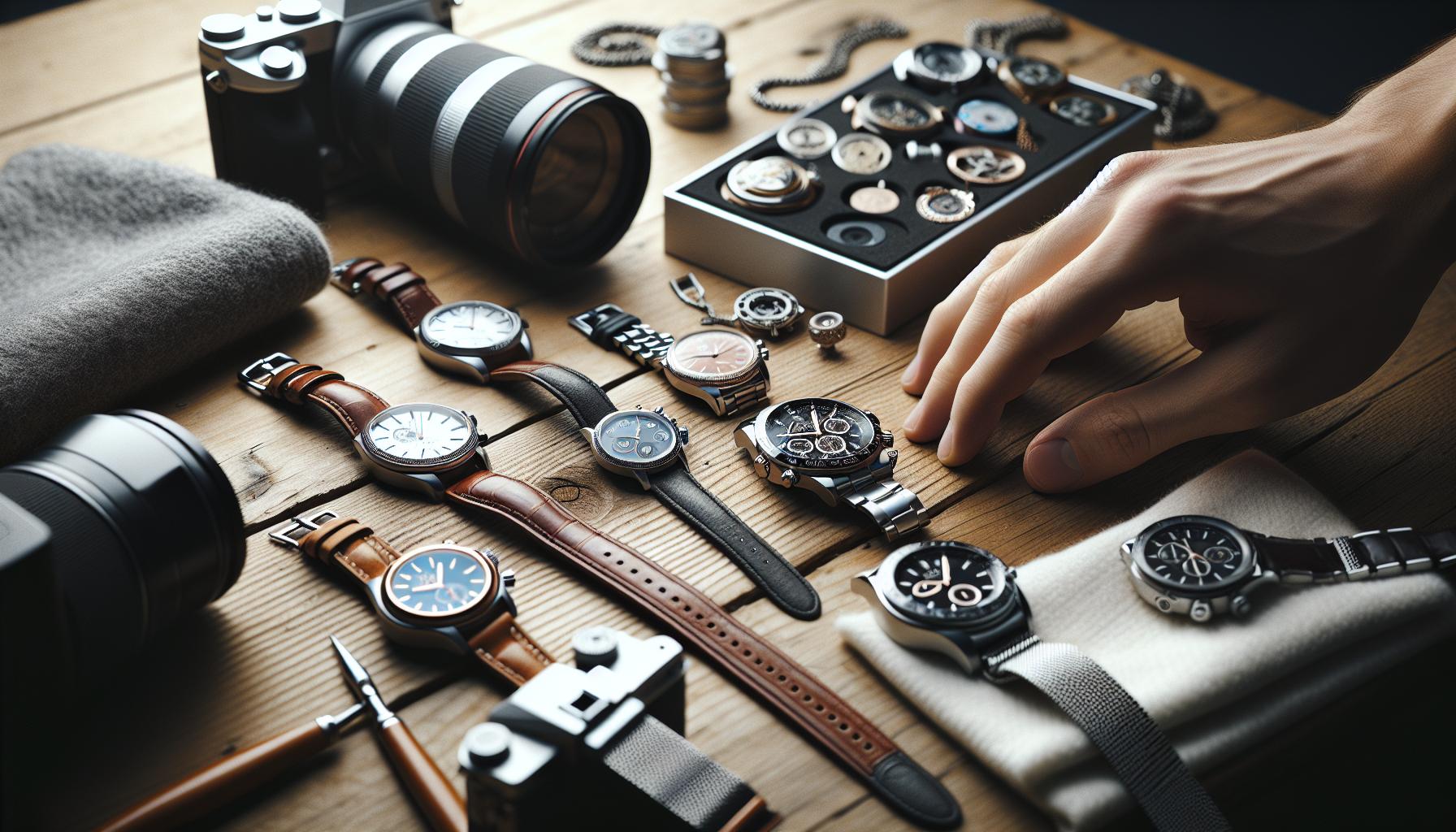
Photography Tips: Capturing Your Watches Like a Pro
Capturing the intricate beauty and mechanical artistry of a watch in a photograph is both an art and a science. Whether you’re showcasing a $10,000 Rolex Submariner or a $200 Seiko dive watch, the goal is to convey the craftsmanship, design details, and personality of the timepiece without overwhelming the viewer.A great watch photo invites viewers to appreciate finer points-be it the guilloché dial on a Patek Philippe or the rugged bezel of a Casio G-Shock-while remaining accessible and true to the watch’s character.
Lighting is absolutely basic. Natural diffused light or soft artificial lighting helps highlight textures like polished cases, brushed metal finishes, and subtle dial details without harsh reflections or shadows. Experiment by shooting near a window with indirect sunlight or using light tents and diffusers to soften and spread light evenly. Avoid direct flashes that cause glare, especially on sapphire crystals. Also, pay attention to reflections-the crystal and polished bezels act like tiny mirrors, so adjust angles or use polarizing filters on your camera or phone lens to minimize distracting reflections.
Backgrounds and Composition
The background should complement but never compete with your watch. Simple, neutral tones-matte blacks, greys, or natural wood-often work best to let the watch stand out. However, layering textures like leather straps, watch rolls, or even book pages can add storytelling elements that reflect a watch’s soul or lifestyle without clutter. Such as, a chronograph might pair well with a vintage leather jacket texture, while a diver shines against nautical-themed backgrounds.
Use composition techniques like the rule of thirds, leading lines, and selective focus to guide viewers’ eyes to key features such as the dial, complications, or the movement visible through a sapphire case back. Macro capabilities are invaluable-shoot close-ups to reveal the fine details: hand-applied indices, Côtes de Genève stripes on movements, or subtle lume plots. Steady your camera using a tripod or a solid surface to preserve sharpness.
Gear and Editing Tips
You don’t need a professional DSLR to get great shots-modern smartphones with macro lenses or clip-on tools can capture excellent detail for online sharing. Still, investing in a small lightbox setup or external lighting kits can dramatically improve consistency.
Post-processing helps refine your images, but keep edits natural-enhance clarity, adjust exposure, and correct color balance to keep the watch true to life. Avoid heavy saturation or artificial filters that distort the watch’s real textures and colors.
- Key accessories: tripod, macro lens, diffusers
- Lighting: soft, indirect light to highlight details without glare
- Background: minimal, textured materials compatible with watch style
- Angles: shoot dial-on, slight tilt for depth, and macro close-ups of complications or engraving
Ultimately, watch photography is about respecting and sharing the story behind each timepiece-whether that’s the engineering marvel of a Swiss-made in-house caliber or the reliable, everyday toughness of an entry-level automatic. Approaching your photos with patience and curiosity elevates your ability to communicate horological passion visually. After all, every click of the shutter is a chance to celebrate watchmaking as an accessible, inspiring art form for collectors at all levels.
FAQ
Q: How does “The Great Courses Signature Collection: Learn Horology” help beginners understand complex watch mechanisms?
A: This course breaks down complex watch mechanisms into easy-to-follow lessons using clear explanations and visual demonstrations. It covers key concepts like movement types and complications, making horology accessible for beginners. For insights on movement types, see the section on Exploring Watch Movements. This foundation encourages deeper learning and hands-on appreciation.
Q: What makes “The Great Courses Signature Collection” unique compared to other horology learning resources?
A: The collection offers extensive, expertly structured content combining history, technical details, and practical skills. unlike fragmented tutorials, it integrates watch design, maintenance, and collecting strategies, suitable for both hobbyists and collectors. Refer to Understanding Horology and Maintenance and Repair for unique in-depth perspectives that foster a holistic grasp.
Q: Can I learn how to evaluate watch brands and value through this horology course?
A: Yes, the course includes detailed guidance on evaluating watch brands by quality, rarity, and resale potential. It covers market trends and investment insights to help build a valuable collection. For specifics, check the Investing in Watches and Collecting Watches sections, which empower smart buying decisions.
Q: How does this course address the skill of photographing watches professionally?
A: The course offers practical tips on lighting, angles, and composition to capture watches vividly, covering techniques suited for both casual and professional photography. Visit the Photography Tips section for step-by-step advice that enhances watch presentation, ideal for enthusiasts sharing collections online or cataloging pieces.
Q: What are the technical prerequisites to start learning horology with this collection?
A: No advanced technical skills are required to start; the course opens with foundational knowledge and gradually progresses to more complex topics. Basic familiarity with watches is helpful but not necessary. For practical hands-on skills, refer to Essential Tools and Techniques for Horology Enthusiasts, which introduces the must-have tools.
Q: How can this course improve my ability to maintain and repair watches at home?
A: It provides practical, step-by-step tutorials on diagnosing common watch issues, basic repairs, and routine maintenance to keep timepieces precise. the Maintenance and Repair section details essential techniques and tools, helping learners gain confidence in DIY care and prolong watch longevity.
Q: Does ”Learn Horology” cover modern trends like smartwatches or focus only on traditional watchmaking?
A: The course primarily emphasizes traditional horology principles and mechanical movements, focusing on craftsmanship and vintage techniques. While modern trends are touched on briefly for context, the core content celebrates classic watchmaking art, as explored in The History and Evolution of Watchmaking Craftsmanship.
Q: How long does it typically take to complete “The Great Courses Signature Collection: Learn Horology”?
A: Completion time varies, but most learners spend approximately 10 to 15 hours engaging with the full course. The modular format allows flexible pacing, enabling users to revisit sections like Mastering Watch Complications or Evaluating Watch Design as needed for mastery and enjoyment.
Feel free to explore these FAQs alongside the full course modules to deepen your understanding and passion for horology. Each answer guides you to relevant sections, enriching your learning experience and watch collecting journey.
Future Outlook
Delve deeper into the art and mechanics of watchmaking with The Great Courses Signature collection: Learn Horology, where every lesson unpacks key elements like automatic movements, complications, and in-house calibers with clarity and passion. Whether you’re drawn to the precision of a Rolex Submariner’s craftsmanship or the rugged reliability of a Casio G-Shock, this course offers valuable insights that satisfy both newcomers and seasoned collectors. Now is the perfect time to refine your horological knowledge and build your appreciation for watches that balance design, wearability, and value retention.
Explore related topics such as “Understanding Mechanical Movements” and “Top Affordable Watches for Collectors” to expand your expertise and find watches suited to your style and budget. Don’t miss out-sign up for our newsletter to receive exclusive reviews, buying guides, and updates on upcoming courses that deepen your mechanical watch insights. Have questions or favorites to share? Join the conversation in the comments below and connect with a community of passionate enthusiasts who celebrate horology at every level. Keep exploring, stay curious, and let your journey through watches continue with confidence.