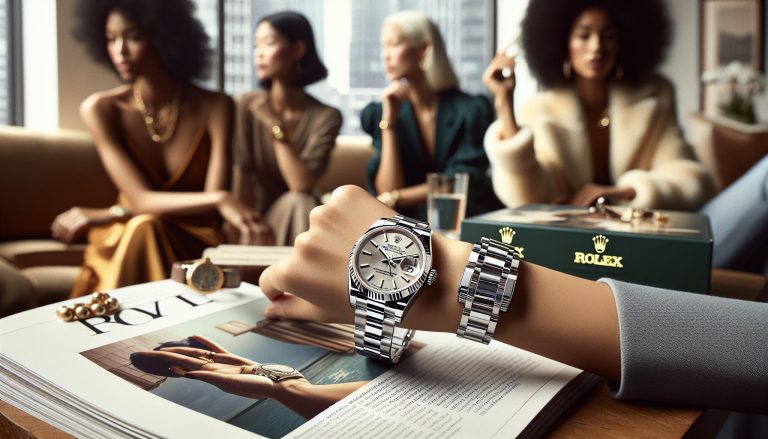
How Much Gold Is in a Rolex Datejust Two Tone: Gold Weight
when exploring the allure of the Rolex Datejust Two Tone, one key question often arises: how much gold does it actually contain? understanding the gold weight in this iconic watch matters not just for appreciating its craftsmanship, but also for gauging its value, wearability, and investment potential. This blend of stainless steel and precious gold creates a timeless statement of elegance and durability, balancing luxury with everyday practicality. whether your a seasoned collector or a first-time buyer curious about what makes a two-tone Rolex special, knowing the exact gold content enriches your recognition of the watch’s design and material worth. Let’s dive into the details behind the gold used in the Datejust Two tone, unpacking its significance in both technical and collectible terms-helping you see beyond the surface and truly understand what you’re wearing on your wrist.
Contents
- Rolex Datejust Two Tone Gold Composition Explained
- Exact Gold Weight in Different Datejust Variants
- How Rolex Combines Gold and Steel in Two Tone Models
- Visual Impact of Gold on Datejust Design and Wearability
- Comparing Gold Content: datejust vs other Rolex Collections
- The Craftsmanship Behind Rolex’s Gold Applications
- Gold Purity and Its Effect on Value and Durability
- rolex Datejust Two Tone Resale and Investment Potential
- Care Tips to Preserve Gold Quality on Two tone Datejusts
- Common Misconceptions About Gold Weight in Rolex Watches
- Faq
- Q: How can I estimate the actual gold content in a Rolex datejust Two Tone without professional tools?
- Q: Why does the gold weight vary between different Rolex Datejust Two Tone models?
- Q: How does the two-tone gold weight influence the Rolex Datejust’s overall durability?
- Q: What impact does the amount of gold in a rolex datejust Two Tone have on its resale value?
- Q: How does the gold used in Rolex Datejust Two Tone watches compare to other luxury brands?
- Q: Can the gold in a Rolex Datejust Two Tone be safely polished without affecting its weight?
- Q: Are there differences in gold weight between vintage and modern Rolex Datejust Two Tone models?
- Q: How does Rolex ensure consistent gold purity across its Datejust Two Tone collections?
- To Wrap It up
Rolex Datejust Two Tone Gold Composition Explained
Rolex’s two-tone Datejust models strike a compelling balance between luxury and durability, showcasing gold’s warmth alongside the robustness of steel. Understanding what “two-tone” really means in terms of gold content can clear up a lot of mystery for enthusiasts curious about the precious metal’s actual presence in these iconic watches.Simply put, the Datejust two-tone-commonly referred to as “Rolesor” by Rolex-combines 18k gold with Oystersteel, blending beauty with practical everyday wear.
What Makes the Two-tone Composition Unique?
Unlike solid gold Rolexes, two-tone Datejust watches feature gold only on specific parts-typically the bezel, crown, and center links of the bracelet-while the case and outer bracelet links remain crafted from corrosion-resistant stainless steel (Oystersteel). This purposeful mix results in a watch that offers a visually rich experience without the full weight (or cost) of solid gold.
- Gold Type: Rolex uses exclusively 18k gold, often in yellow or ever-rose (Rolex’s proprietary rose gold alloy).
- Placement: Gold is strategically placed to maximize both eye-catching allure and durability.
- Weight Considerations: The total gold weight depends on the Datejust’s size and bracelet type, but because gold is restricted mostly to the bezel, crown, and central bracelet links, it typically amounts to under 50 grams of gold in the entire watch.
balancing gold Weight and Wearability
One of the fascinating aspects of the two-tone Datejust is how Rolex balances heft and comfort. The steel case keeps the watch lighter and more resistant to dents or scratches compared to full gold models. Meanwhile, the gold accents provide that irresistible luxury feel and visually elevate the watch’s status. For collectors and casual wearers alike, this means owning a watch that looks like a precious-metal piece but feels practical for daily wear and less vulnerable to damage.
From a collector’s outlook, the gold in the two-tone Datejust is both a style and value factor. While it doesn’t match the raw gold mass of solid-gold Rolexes, it nonetheless retains good intrinsic value and a strong market presence-especially as the demand for Rolesor models historically remains steady. This composition also appeals to those drawn to the unique look of alternating metals, embodying Rolex’s mastery of marrying form and function.
Practical Tips for Buyers and Owners
If you’re considering a two-tone Datejust, it’s useful to note:
- Check for genuine 18k hallmark stamps on gold components to avoid counterfeits or misleading sales-Rolex’s gold is never plated or filled; it’s always solid 18k underneath.
- Wear patterns on gold center links and bezel may become apparent over time-regular polishing by a professional ensures your Rolesor maintains its original luster without wearing down the delicate gold parts.
- For value retention,a properly maintained two-tone Datejust strikes a strong balance between collecting appeal and everyday utility,making it a smart entry point into Rolex’s world of precious metals.
Ultimately, the two-tone Datejust represents Rolex’s thoughtful approach to precious metal use: showing off gold’s luxury in a thoughtful, restrained way that elevates the steel’s ruggedness, giving watch lovers a striking blend of elegance and practicality.
Exact Gold Weight in Different Datejust Variants

Rolex’s two-tone Datejust models captivate many not just with their iconic style but also the fascinating way they incorporate precious metal.Pinpointing the exact gold weight inside these watches requires looking at the specific model, case size, and bracelet style as each factor subtly shifts the total gold content. Typically, the gold pieces are limited to the bezel, the crown, and the center links of the bracelet, all crafted from solid 18k gold – Rolex does not plate or fill their gold components, ensuring long-term value and authenticity.
Smaller Datejust sizes, like the 31mm and 36mm models, naturally carry less gold by weight, as the bezel and bracelet center links are more compact. In these variants, expect the total gold content to hover around 20 to 35 grams. When you step up to the 41mm models, the gold elements are larger and thicker, nudging the gold weight closer to 40 to 50 grams depending on the bracelet choice-whether it’s the classic oyster or more intricate Jubilee design. The Jubilee bracelet, with its five-piece links, often weighs a bit more in gold than the simpler three-piece Oyster bracelet, especially since the central links are fully 18k gold.
Gold Weight Estimates Across Popular Datejust Variants
| Model Size | Common Bracelet type | Approximate Gold Weight* |
|---|---|---|
| 31mm Datejust | Jubilee / Oyster | ~20-28 grams |
| 36mm Datejust | Jubilee / Oyster | ~30-38 grams |
| 41mm Datejust | Jubilee / Oyster | ~38-50 grams |
*Weights are approximate and can vary slightly by production year or clasp design.
While these numbers represent the pure gold components, keep in mind that the overall watch weight also includes the stainless steel case and outer bracelet links, which are far denser and heavier relative to gold. This balance is what keeps the Rolesor Datejust manageable in daily wear, providing heft without the dense feel of solid gold.For collectors and buyers, this granular appreciation of gold weight matters beyond mere numbers. It informs authenticity verifications, maintenance expectations, and resale considerations. For example, knowing that a 36mm two-tone Datejust will generally contain around 30-38 grams of 18k gold helps in assessing whether a given piece matches factory specs or has been modified. Also, polishing the gold parts requires special care to avoid thinning these gold links or bezel edges over time, which are precious both materially and historically.
Ultimately, the nuanced differences in gold weight reflect Rolex’s pursuit of balance – offering just enough precious metal to imbue prestige and warmth, while leveraging steel’s toughness for resilience. Enthusiasts gain a tangible connection to this craftsmanship when they understand exactly how much gold they’re wearing, not just what it looks or feels like.
How Rolex Combines Gold and Steel in Two Tone Models

rolex’s mastery in blending precious metals with robust materials shines through in the two-tone Datejust, where gold and stainless steel come together not as separate parts but as a harmonious whole. This careful mix-commonly known as Rolesor-embodies both the elegance of 18k gold and the durability of Oystersteel, giving each watch a unique balance of preciousness and practicality.Rolex doesn’t simply bolt gold components onto steel; each element is thoughtfully designed and engineered to preserve structural integrity, wearability, and timeless style.At a technical level, the combination starts with Rolex’s proprietary 904L Oystersteel, prized for its corrosion resistance and lustrous finish. The steel forms the foundation, making up the case body and the outer bracelet links, which need to withstand everyday knocks and maintain a crisp aesthetic over years of wear. Into this robust frame, Rolex integrates solid 18k gold for the bezel, crown, and bracelet center links.The gold is never plated or filled-it’s solid,guaranteeing the metal’s intrinsic and lasting value.For example, the characteristic fluted bezel of many Datejust models is carved from solid gold, offering not only visual appeal but a tactile richness that ages beautifully.
How the two-tone construction enhances function and aesthetics:
- Seamless integration: Precision machining ensures gold and steel components fit flawlessly, avoiding gaps or unevenness that could compromise comfort or style.
- Wear-resistance synergy: Steel reinforces areas prone to abrasion and impact, while the gold highlights add warmth and luxury without the watch feeling too delicate.
- Bracelet complexity: The Jubilee bracelet, popular on Datejusts, showcases this blend well-the five-piece link design skillfully mixes steel outer links with polished gold center links, creating an interplay of textures that catch the light differently throughout the day.
This melding is more than cosmetic; it’s a carefully calibrated choice that respects gold’s softer nature. By limiting gold to smaller components-bezel, crown, and center links-Rolex avoids over-exposing precious metal to wear while maximizing its visual impact. Steel’s strength supports the watch’s longevity and keeps the overall weight balanced. The result is a watch you can wear confidently every day without worrying about the precious metal wearing down quickly or feeling overly extravagant.
Collectors and enthusiasts often appreciate how this blend subtly broadcasts luxury without shouting. You get the allure and value of heavy gold content-roughly 20 to 50 grams depending on model and bracelet-but anchored by steel’s sporty resilience. This duality not only preserves Rolex’s reputation for rugged elegance but also differentiates the Datejust’s design language within their extensive lineup.
In short, Rolex’s two-tone Datejust models are a testament to horological engineering that respects the strengths and limitations of both metals. By combining them in a way that prioritizes durability and elegance equally, Rolex creates watches that are as enduring mechanically as they are timeless in style.
Visual Impact of Gold on Datejust Design and Wearability
A two-tone Rolex Datejust has a remarkable ability to catch the eye without ever feeling ostentatious, striking a perfect balance between subtlety and luxury.The inclusion of solid 18k gold-usually yellow,white,or Everose gold-on key elements like the bezel,crown,and bracelet center links creates a warm contrast against the cool sheen of 904L Oystersteel. This interplay of metals elevates the Datejust’s design, providing a rich depth and visual texture that’s apparent both up close and from a distance.
What’s fascinating is how Rolex leverages gold not just as a flashy accent but as a core design element that enhances wearability.The fluted gold bezel, for example, not only adds a distinctive gleam but casts dynamic shadows that change with the light, lending the watch a vibrant personality through subtle reflections. Simultaneously occurring, the polished gold center links of the Jubilee bracelet catch light throughout the day, turning your wrist into a quiet showcase of craftsmanship. Rather than overwhelming the wrist, the two-tone composition creates a versatile look that pairs equally well with casual and formal attire.
- Weight and Comfort: Despite the gold content, the Datejust maintains a comfortable wrist feel. The steel foundation keeps the watch balanced and prevents it from feeling heavy or fragile, even when worn daily.
- Durability and Wear: Since Rolex confines gold to smaller, high-visibility parts, these sections stand up well over time. Gold’s natural softness is a known challenge, but the blend with steel minimizes exposure to rough wear, preserving that shining golden shimmer longer.
- Visual Versatility: The richness of gold adds warmth without sacrificing the sporty, robust DNA that Rolex is known for-making two-tone Datejusts equally at home at a weekend brunch or a board meeting.
A practical example comes from collectors who own similar-sized all-steel datejusts and then experience the two-tone version. The presence of gold instantly elevates the wrist’s presence, yet it avoids the “loud” factor that some gold-heavy watches can fall into. This nuanced effect is why Rolex’s Rolesor concept is frequently enough praised as one of the most wearable luxury metal combinations in the watch world.
In daily wear, the visual impact of gold is a bit like having a classic sports car with gold trim: it sparks joy every time you glance down, but it doesn’t demand attention or limit occasions. This makes the two-tone Datejust a favourite for those who appreciate mechanical craftsmanship wrapped in a versatile, elegant package that feels both special and understated.
Comparing Gold Content: datejust vs other Rolex Collections

Rolex’s mastery in blending gold and steel shines most notably in the Datejust,where the balance of precious metal is carefully moderated to deliver elegance without excess. Compared to other Rolex collections,the Datejust’s two-tone models contain a moderate amount of solid 18k gold,strategically placed in the bezel,crown,and bracelet center links. This restrained use contrasts with models like the Day-Date or certain Submariner variants, where gold presence can be far more pronounced, often extending to the entire case and bracelet.
While the Datejust Rolesor models typically feature gold components weighing roughly between 40 to 50 grams depending on size and configuration, full gold models in other collections can easily push gold weights well above 100 grams. As an example, a full-gold Day-Date can contain roughly double the gold content due to a solid gold case and bracelet. Even some Yacht-Master editions lean heavier on gold, showcasing Rolex’s capacity to escalate precious metal usage for distinct stylistic and luxurious statements.
What makes Datejust’s Gold Content Stand Out?
- Balanced Gold Distribution: Rather of a full gold case,the Datejust reserves gold for visible,impact-driven components,which means less wear and better durability,marrying luxury with everyday practicality.
- Versatile Weight and Wearability: the reduced gold weight compared to other collections means the watch is lighter and more comfortable for daily wear, especially important for collectors who switch between a rugged Submariner and a refined Datejust.
- Cost-Effectiveness and Value: Two-tone Datejusts strike a sweet spot in price; they offer a significant upgrade over all-steel models without the premium of full gold watches, maintaining strong resale value thanks to that elegant but restrained gold use.
Table: approximate Gold Weights by Popular Rolex Models
| Model | Gold Type | Typical Gold Content (grams) | Gold Areas |
|---|---|---|---|
| Datejust Two-Tone Rolesor | 18k Yellow, White, or Everose Gold | 40-50 | Bezel, crown, Bracelet Center Links |
| Day-Date (President) | 18k Yellow, White, or Everose Gold | 90-110+ | Full case and Bracelet |
| Submariner two-Tone (Rolesor) | 18k Yellow Gold | 50-60 | Bezel, Crown, Center Links |
| Yacht-Master Rolesium (Gold and Platinum) | 18k Gold & Platinum | Varies, Typically 60+ | Bezel (Gold or Platinum), Case |
One practical way to understand these differences is to think about the Datejust as a gateway into Rolex’s precious metal offerings.It’s a model that lovingly demonstrates the watchmaker’s gold craftsmanship without overwhelming the wrist or the wallet. By contrast, stepping up to a full gold day-Date is like moving into a different league altogether-heavier, more precious metal, and often a statement piece for special occasions or collectors focused on investment-grade watches.
Collectors appreciate this tiered approach because it opens doors to the Rolex gold experience at multiple levels. The Datejust’s gold is enough to showcase refined luxury and capture those signature gleams in the light, but precisely calibrated to stay wearable and practical like a true daily companion. This nuance often makes the Datejust’s gold feel more “alive” during wear,reflecting its roles as both an elegant dress watch and a versatile tool.
while other rolex collections may flaunt their precious metals more broadly, the Datejust’s measured gold content is a thoughtful blend of aesthetics, function, and value-perfect for those who want a taste of gold without committing to a full-gold watch. This is part of why it remains one of the brand’s most beloved and enduring models.
The Craftsmanship Behind Rolex’s Gold Applications
Rolex’s expertise in working with gold is not just about raw material-it’s an art form that combines precision metallurgy with jewellery-grade finishing. The brand’s proprietary 18k gold alloys-yellow, white, and Everose (Rolex’s signature rose gold)-are crafted in-house to meet exacting standards for hue, durability, and corrosion resistance. This level of control ensures that every Datejust two-tone model carries gold components that aren’t just stunning but engineered to last a lifetime of daily wear.
When Rolex fuses gold with steel in the Datejust two-tone models, it’s a meticulous process that goes beyond mere assembly. The precious metals undergo specialized polishing and brushing treatments that highlight their contrasting textures, creating a dynamic visual interplay. For example, the polished bezel and center bracelet links made of gold catch the light with a warm glow, while the steel case and outer links provide robust structural integrity and a sporty edge.This deliberate juxtaposition enhances both aesthetics and comfort, giving the watch a balanced weight and a well-considered wrist presence.
A practical illustration of Rolex’s craftsmanship lies in the way the two-tone bracelet-most commonly the Jubilee or Oyster-is produced. The center links crafted entirely from 18k gold are individually finished to eliminate any rough edges, a painstaking step that few mass-market watches achieve. Case components like the screw-down crown also receive a similar level of care, ensuring perfect alignment and a smooth tactile experience when winding or setting. These details contribute not only to luxury appeal but to long-term durability, preserving the visual integrity of gold areas that naturally attract wear over time.
- In-House Gold Casting: Unlike many brands that source gold externally, Rolex melts and alloys its gold on-site to maintain color consistency and purity, vital for the overall harmony of two-tone models.
- Expert Finishing Techniques: Hand polishing and micro-abrasion give gold parts a mirror-like shine or subtle satin finish, reflecting light differently depending on the angle-an element that breathes life into the watch’s design.
- Precision Assembly: Integrating gold and steel demands tight tolerances. Rolex’s superlative chronometer standards extend to case fitting, ensuring gold and steel parts don’t just look seamless but also protect the movement efficiently.
Enthusiasts frequently enough ask how Rolex handles the challenges of combining two metals with different hardness levels and wear characteristics. The secret lies in Rolex’s patented Rolesor concept, which seamlessly bonds gold and steel without compromising either’s structural strengths. This thoughtful craftsmanship means the delicate gold bezel resists scratching better than typical gold alloys, while the steel parts add resilience against shocks and daily abrasion. The result is a watch that feels as solid as it looks, with every gold element radiating quality without sacrificing performance.
Through this blend of metallurgy, finishing skill, and precise engineering, Rolex elevates the Datejust’s two-tone models beyond simple bi-metal watches into emblems of watchmaking excellence. For collectors and newcomers alike, understanding this craftsmanship enriches appreciation-not only of the watch’s beauty but of the quiet, masterful work that turns gold from raw material into a living part of Rolex’s horological legacy.
Gold Purity and Its Effect on Value and Durability
Gold in Rolex’s two-tone Datejust models isn’t just a shine factor-it’s a carefully balanced element that directly impacts both the watch’s durability and its intrinsic value. The 18k gold Rolex uses contains 75% pure gold alloyed with other metals to boost hardness and resist the everyday scratches that pure gold, being quite soft, would accumulate quickly. This smart alloy choice means the watch retains its luxurious glow far longer than you might expect from traditional gold jewelry,while still standing up well to daily wear.
As gold is precious and heavy, its presence noticeably influences the overall weight and feel of a Datejust two-tone. Though, Rolex intentionally limits gold primarily to the bezel, the winding crown, and the center links of the bracelet, optimizing both aesthetics and cost.The durability advantage here isn’t just theoretical: gold’s corrosion resistance ensures these components resist tarnishing over time, maintaining their appeal and thus supporting the watch’s resale and collector value. Conversely, steel parts provide structural robustness that gold alone couldn’t deliver at this price point or practicality level.
Examples of Gold Content Impact
Consider the Datejust 36 two-tone models where the gold bezel weighs roughly 5 to 7 grams, complemented by about 15 grams of gold in the bracelet’s center links. This strategic distribution means a watch with approximately 20-22 grams of gold total. Compared to all-gold Rolex watches, which can tip the scales at upward of 50 grams of gold, these two-tone pieces offer a more wearable weight and a modest price step-up over steel models-providing a “best of both worlds” scenario for style-conscious collectors.
| Component | Gold Weight (Approx.) | Gold Purity |
|---|---|---|
| Bezel | 5-7 grams | 18k (75%) |
| Bracelet center links | 15 grams | 18k (75%) |
| Winding Crown | 1-2 grams | 18k (75%) |
| Total Gold weight | ~20-22 grams | 18k (75%) |
This composition ensures the two-tone Datejust strikes an ideal balance: enough gold to confer luxury appeal and investment value while leveraging steel’s practical strengths for longevity. For buyers and collectors new to Rolex or to precious metals, recognizing this harmony helps set realistic expectations about wear, maintenance, and appreciation potential.Ultimately, understanding the purity and carefully measured gold distribution enriches your appreciation of why Rolex’s two-tone Datejust remains an enduring icon-not just for its beauty, but for the technical wisdom baked into every gram of gold worn on the wrist.
rolex Datejust Two Tone Resale and Investment Potential
Rolex’s two-tone Datejust models carry a distinctive appeal that extends beyond their elegant design-their gold content plays a tangible role in shaping their resale and investment potential. While these watches don’t have the hefty gold weight of solid gold models, the careful application of 18k gold on elements like the bezel, crown, and bracelet center links creates a compelling blend of luxury and durability. This balance frequently enough means that two-tone Datejusts hold value more consistently than all-steel versions, especially when properly cared for and maintained.
Unlike pure steel Datejusts, the precious metal content adds an intrinsic base value, cushioning price fluctuations in the resale market. That said, the premium you pay over a steel variant doesn’t solely reflect gold weight – craftsmanship, condition, provenance, and desirability within collectors heavily influence market prices. For instance, a well-preserved Datejust with its original two-tone bracelet and minimal refinishing can command a higher resale price than a similarly gold-composed piece that has suffered wear or amateur polishing.
- Market Demand: Two-tone Datejusts have wide appeal as entry-level luxury watches-especially popular for buyers seeking a watch with some “bling” but without the price tag of full gold. This demand typically supports steady resale prices,fluctuating less than many mid-range luxury watches.
- Investment Outlook: While not a guaranteed way to “make money,” the combination of Rolex’s brand strength and the watch’s gold elements mean that two-tone Datejusts often outperform generic luxury watches in long-term value retention.
- Condition & Originality: Maintaining original parts like the gold bezel and bracelet center links is critical. Over-polishing can wear down the gold, reducing both aesthetic appeal and resale value-professional servicing that preserves metal thickness is key.
Practical Tips for Resale and Investment
| Factor | Impact on Value | Advice |
|---|---|---|
| Gold Content | Provides intrinsic material value and luxury cachet | Understand the ~20g gold composition; ask for authenticity and hallmarks |
| Watch Condition | Strong influence on price, especially for vintage models | Keep original parts and limit refinishing |
| Market trends | Rolex off and on-shore demand shifts resale values | Follow trusted dealer markets and auctions to time sales and purchases |
| Box & Papers | Enhances provenance and collector interest | Retain all original packaging and documentation |
In essence, a two-tone Datejust’s gold not only elevates its visual and tactile luxury but also adds a durable foundation for value retention. Compared to all-gold models, these watches offer a lighter wrist feel and a friendlier entry price while still benefiting from Rolex’s precise craftsmanship and brand prestige. Collectors drawn to the harmony of steel and gold will often find these models easier to buy and sell than higher-priced solid gold watches, making them practical yet aspirational choices.
Remember, the best investment approach combines an appreciation for the watch’s mechanical artistry with realistic expectations about market dynamics. Two-tone Datejusts embody this principle neatly-offering a celebrated blend of heritage, style, and precious metal content that rewards owners who nurture their watches well over time.
Care Tips to Preserve Gold Quality on Two tone Datejusts
Gold on a two-tone Rolex Datejust is not just about luxury-it’s a living material that requires mindful care to maintain its signature glow and structural integrity. Because Rolex applies 18k gold primarily on the bezel, crown, and center links of the bracelet, these areas are more exposed to daily wear and environmental factors. Unlike steel, gold is softer and can develop scratches or wear down over time if not properly cared for. Protecting this gold is essential not only to the watch’s look but also to preserving its value and authenticity.
Keeping your Datejust looking its best begins with routine cleaning and thoughtful handling. Simple steps-like wiping the gold surfaces gently with a microfiber cloth after wearing-help remove dirt, oils, and salts that accumulate during daily use. avoid harsh chemicals and abrasive materials; mild soapy water and a soft brush are your best friends when a deeper clean is necessary. When washing,ensure the crown is securely screwed down to maintain water resistance.This basic hygiene keeps the gold vibrant and prevents corrosive build-up, especially since sweat and environmental pollutants can subtly affect surface luster over time.
smart Wearing Habits to Minimize Gold Wear
- Rotate your watches: Wearing your Datejust every day increases friction that can thin the gold layer, especially on the bracelet’s center links. Alternating with steel or other watches helps distribute wear and extends the life of gold parts.
- Be mindful with activities: High-impact or rough tasks-like manual labor or sports-can easily cause scratches or dents in gold.Though Rolex’s 18k alloy is harder than pure gold, it remains softer than steel. Consider removing your two-tone Datejust during such activities to avoid unnecessary damage.
- Store properly: When not in use, store your watch in a soft pouch or its original box to prevent contact with harder objects, which might scratch the delicate gold surfaces.
Professional Servicing: Preserve Gold Thickness and Finishing
Over-polishing gold is one of the most common and costly mistakes owners make-too frequent or heavy polishing strips away the precious metal layers, reducing both aesthetic appeal and resale value. Rolex watches, especially vintage Datejusts, frequently enough come with hallmarks and distinct thicknesses that collectors prize. Trust only authorized Rolex service centers or experienced watchmakers who understand the exact gold alloy specifications and polish minimally to maintain the watch’s factory contours.Regular servicing intervals-roughly every 5 to 7 years-ensure the watch’s movement stays precise, but also give the prospect for a professional evaluation of the case and bracelet surfaces. if polishing is needed, request a careful, light approach focused on restoring luster without sacrificing dimensions. This balance preserves the gold’s depth,longevity,and unmistakable two-tone charm.
| care Step | Purpose | Tip |
|---|---|---|
| Regular gentle cleaning | Remove grime and prevent corrosive buildup | Use mild soap and soft brush, avoid harsh chemicals |
| Rotate watch usage | Reduce wear from daily friction | Alternate with steel or other watches |
| Limit exposure during activities | Prevent scratches and dents on gold parts | Remove watch during heavy manual work or sports |
| Proper storage | Protect surfaces when not worn | Use padded box or soft pouch |
| Authorized professional polishing | Preserve gold thickness and finish | Use Rolex service or trusted watchmaker only |
Gold’s warm glow and weight subtly elevate the presence of a two-tone Datejust, but that beauty is a partnership between careful ownership and Rolex’s remarkable craftsmanship. By adopting these care habits, you not only protect the gold’s physical composition but also safeguard the emotional and financial value wrapped up in this iconic watch. it’s a celebration of heritage and precision that every enthusiast can appreciate-whether you came from a Submariner obsession or a interest with affordable everyday reliability. The key is respect for the material and the mechanics, ensuring your two-tone Datejust remains as captivating tomorrow as when it first graced your wrist.
Common Misconceptions About Gold Weight in Rolex Watches
Few topics stir debate like the exact gold content of a two-tone Rolex Datejust. The allure of combining steel and precious metal often sparks myths about weight, purity, and even the “realness” of that golden sheen. Understanding what’s actually beneath the surface empowers collectors and enthusiasts alike to appreciate Rolex’s craftsmanship without chasing illusions.
When people hear “two-tone,” it’s tempting to picture vast amounts of solid gold coating every visible part. In reality, Rolex applies 18k gold primarily where it’s most impactful-bezel, winding crown, and center links of the bracelet-rather than making the entire watch solid gold. This strategic use balances luxury with durability and price. The steel portions are robust,lightweight,and more resistant to daily wear,while the gold elements add elegance and value without excessive bulk. So, a Datejust’s ”gold weight” doesn’t match the heft of a full gold model, but the elegant blend is part of Rolex’s signature aesthetic.
Why Gold Weight Isn’t the Whole Story
It’s a common misconception to equate gold weight directly with quality or value. While heavier gold content can mean more intrinsic value, Rolex’s 18k gold alloys are designed for durability and beauty rather than sheer bulk. the alloy’s composition, mixing pure gold with metals like copper and silver, influences hardness and color, making the watch better suited for everyday wear. For instance, the iconic “Rolesor” finish isn’t just about layering gold over steel; it’s a patented method ensuring seamless integration and long-term preservation of color and luster.
Another frequent misunderstanding relates to “gold plating” versus solid gold components. Rolex two-tone watches do not rely on simple gold plating-a thin layer easily worn away-but instead use solid gold parts forged and polished to precision. This means regular polishing and care maintain the gold’s glow, but aggressive buffing can reduce its thickness over time. Recognizing this distinction helps collectors appreciate the engineering behind these models and avoid mistakenly devaluing them based on misinformed assumptions.
Common Questions from Enthusiasts
- Does the weight affect comfort? Yes, steel makes the watch lighter and more balanced on the wrist compared to full gold models, which can feel notably heavier.
- Is the gold on all two-tone watches the same? Typically, yes-Rolex uses 18k yellow or Everose gold, but exact amounts can vary by bracelet style or model year.
- Can I estimate gold content by looking? Visual cues help, but precise weight requires measurement and knowledge of model-specific specs. Don’t trust unofficial hearsay or online estimates.
- Does less gold mean less value? Not necessarily. Two-tone Datejusts maintain strong resale value thanks to their timeless appeal, technical quality, and brand prestige.
| Misconception | Reality |
|---|---|
| Two-tone watches are just gold plated | Rolex uses solid 18k gold parts, not thin plating, ensuring lasting quality. |
| More gold weight equals better watch | Balance between steel and gold ensures durability, comfort, and style. |
| Gold content always visible or easy to estimate | Precise gold weight depends on specific model details and manufacturing variations. |
| Less gold lowers overall value substantially | Value embraces craftsmanship, heritage, and demand, not gold weight alone. |
Embracing these facts doesn’t diminish the watch’s status or allure. Instead, it highlights Rolex’s mastery in uniting precious materials with robust engineering. Whether you’re fascinated by the Datejust’s reliable automatic movement or the subtle shine of Everose gold, it’s this thoughtful harmony that makes the two-tone models true icons. Respecting what lies beneath the gleam enriches your ownership experience far beyond pure carats.
Faq
Q: How can I estimate the actual gold content in a Rolex datejust Two Tone without professional tools?
A: To estimate the gold content in a Rolex Datejust Two Tone, examine the case back and bracelet links for 18k gold hallmarks, then consider the watch’s components-bezel and center links typically contain solid gold. For precise measurement, a professional jeweler or Rolex service center can conduct a detailed assay. for further details, see the *Gold Purity and Its Effect on Value and Durability* section.
Q: Why does the gold weight vary between different Rolex Datejust Two Tone models?
A: Gold weight varies due to differences in case size, bezel style, and bracelet type. Larger Datejust models or those with fluted bezels have more gold content. Additionally, variations in the Jubilee or Oyster bracelet designs affect the total gold weight. Learn more in *Exact Gold Weight in Different Datejust Variants* for a detailed breakdown.
Q: How does the two-tone gold weight influence the Rolex Datejust’s overall durability?
A: The blend of 18k gold with stainless steel enhances both aesthetics and durability. While gold adds luxury and corrosion resistance, stainless steel provides strength and scratch resistance.This balance makes the Datejust Two Tone both elegant and robust. See *How Rolex Combines Gold and Steel in Two Tone Models* for an in-depth explanation.
Q: What impact does the amount of gold in a rolex datejust Two Tone have on its resale value?
A: Greater gold content generally increases a Datejust Two Tone’s resale value due to material worth and collector demand. However, condition and provenance greatly affect pricing too. For smart investment tips, visit *Rolex Datejust Two Tone Resale and Investment Potential* to optimize your watch’s value retention.
Q: How does the gold used in Rolex Datejust Two Tone watches compare to other luxury brands?
A: Rolex uses proprietary 18k gold alloys, renowned for their color stability and scratch resistance, which often exceed industry standards. Compared to other brands, Rolex’s gold balance maximizes durability without sacrificing luster. See the *Comparing Gold Content: Datejust vs Other Rolex Collections* section for more comparative insights.
Q: Can the gold in a Rolex Datejust Two Tone be safely polished without affecting its weight?
A: Polishing can remove a very thin layer of gold, but when done professionally and sparingly, it doesn’t significantly alter overall gold weight. Over-polishing may reduce gold thickness and reduce long-term durability. Always consult authorized service experts to maintain your Datejust’s finish. Refer to *Care Tips to Preserve Gold Quality on Two Tone Datejusts* for maintenance best practices.
Q: Are there differences in gold weight between vintage and modern Rolex Datejust Two Tone models?
A: Yes, vintage Datejust Two Tone watches can have slightly different gold weights due to changes in manufacturing techniques and design updates. Modern models often use refined gold alloys and balanced two-tone integration for improved durability and aesthetics. For ancient context, see *Common Misconceptions About Gold Weight in Rolex watches* for more on model evolution.
Q: How does Rolex ensure consistent gold purity across its Datejust Two Tone collections?
A: Rolex uses rigorous in-house refining and alloying processes to maintain strict 18k gold purity standards, ensuring color consistency and corrosion resistance. This craftsmanship guarantees every Datejust Two Tone meets Rolex’s hallmark standards. Explore *The Craftsmanship Behind Rolex’s Gold Applications* for detailed insights into their gold quality control.
To Wrap It up
Understanding the gold content in the Rolex Datejust Two Tone not only highlights its exquisite craftsmanship but also reinforces its lasting value in the luxury watch market.Featuring Rolex’s reliable automatic caliber, this watch blends durable stainless steel with carefully measured gold elements, balancing elegance and wearability.whether you’re a collector or first-time buyer, grasping the gold weight helps clarify pricing, value retention, and investment potential, essential if you’re considering your next horological acquisition.
For a deeper dive into Rolex movements and comparisons with other iconic models, explore our detailed guides on the Rolex Submariner’s automatic calibers and the nuances of Two Tone versus full gold watches. Don’t miss our expert tips on maintaining your luxury timepiece’s value over time.Ready to elevate your collection? Subscribe to our newsletter for insider insights, or reach out for a personalized consultation to find the perfect watch that fits your style and budget. Share your thoughts or questions below-we love engaging with fellow enthusiasts eager to celebrate mechanical artistry without the snobbery.
Get our latest guides, news, and insights highlighted in your Google Search & AI Overviews.