
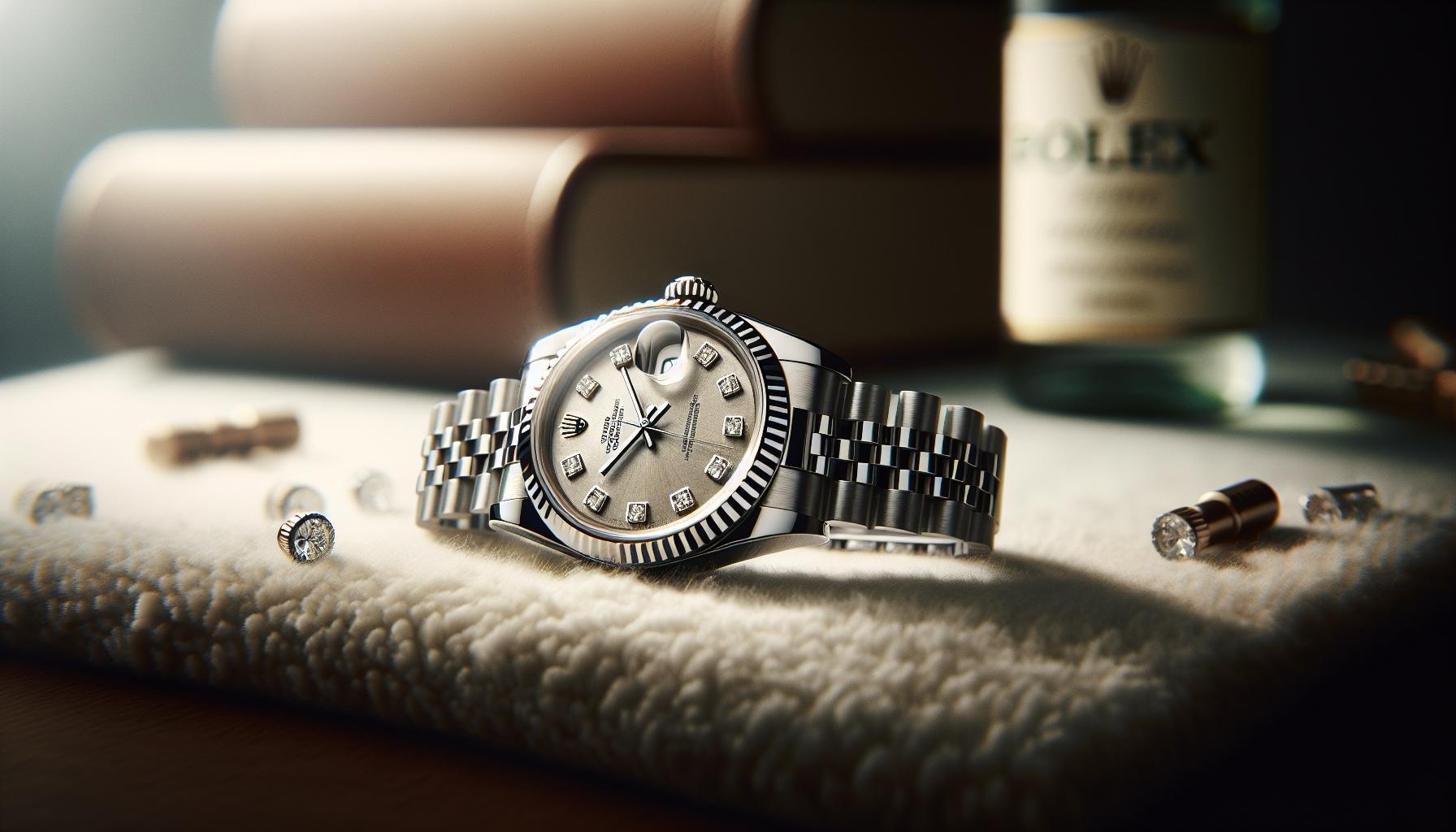
How Much Is a Rolex Datejust With Diamonds: Gem-Set Values
Rolex Datejust watches are celebrated for their timeless design, reliable automatic movements-like the robust in-house calibers-and versatile wearability. When diamonds enter the mix, the equation changes: materials, craftsmanship, and exclusivity drive value in new directions. But exactly how much is a gem-set Datejust worth? Whether you’re a collector curious about investment potential or simply captivated by the sparkle and precision, understanding diamond-set datejust pricing adds clarity to your watch passion.In this guide, we’ll break down what influences thes prices-factory-set diamonds versus aftermarket, the role of craftsmanship, movement specifications, and how value holds up over time. Expect an honest evaluation that respects the artistry behind Rolex’s gem setting without getting lost in hype-perfect whether you’re hunting your first diamond Datejust or comparing resale options. Stick around to explore how diamonds transform not just the look but the very value proposition of one of horology’s most beloved icons.
Contents
- Rolex Datejust Overview: Key Features and Variants
- Understanding Diamond Settings on Rolex Datejust Models
- Price Factors Influencing Gem-Set datejust watches
- Comparing Factory vs. Aftermarket Diamond Enhancements
- Detailed Pricing Breakdown by Diamond Quality and Size
- Movement and Craftsmanship Inside Diamond Datejust Watches
- Evaluating Resale and Investment Potential of Gem-Set Datejusts
- Styling Tips: Wearing Diamond Datejusts with Confidence
- Authenticity Checks and Avoiding Counterfeit Gem-Set Rolexes
- Top Rolex Datejust Gem-set Models Worth Collecting
- Maintaining and Servicing Diamond-Set watches Properly
- Q&A
- Q: How does the quality of diamonds affect the price of a Rolex Datejust with gem-setting?
- Q: What is the price difference between factory-set and aftermarket diamonds on a Datejust?
- Q: are there specific Datejust models with diamonds that hold value better over time?
- Q: how do diamond sizes impact the overall value of a gem-set Rolex Datejust?
- Q: Is it worth buying a diamond-set Datejust for investment purposes?
- Q: When comparing different gem-set Datejusts,what movement types should buyers consider?
- Q: What maintenance tips are essential for preserving gem-set Rolex Datejust value?
- Q: Where can I find authentic diamond-set Rolex Datejust watches without risking counterfeits?
- To Conclude
Rolex Datejust Overview: Key Features and Variants
Few watches combine timeless design, reliable performance, and versatile elegance quite like the Rolex Datejust. Introduced in 1945 to mark Rolex’s 40th anniversary, the Datejust quickly became a flagship model celebrated for its date complication with the iconic Cyclops magnifier. Beyond its visual appeal, this watch houses a robust automatic in-house movement-often from the calibers 3135 or the newer 3235 family-known for precision, durability, and a respectable 70-hour power reserve.
What sets the Datejust apart in the modern luxury watch market is its incredible breadth of variants. Whether you prefer a more discreet steel Oyster case or the warm glow of Rolesor (Rolex’s term for gold and steel fusion), the Datejust offers multiple sizes ranging from 28mm to 41mm, catering to all wrists and style tastes. Dial colors, bezel types (smooth, fluted, or gem-set), and bracelet options including Jubilee, Oyster, or President add further layers of personalization.
Models and Material Variants
- Classic Stainless Steel: Known for understated luxury, these models balance durability and style, typically priced lower and favored for everyday wear.
- Rolesor Models (steel and gold): These embody Rolex’s signature two-tone look, providing a blend of elegance and sportiness with either yellow, white, or Everose gold accents.
- Full Gold Variants: Crafted from 18k yellow,white,or Everose gold,these Datejusts lean more firmly into the luxury side,often paired with diamond hour markers or gem-set bezels.
- Diamond and gem-Set Editions: Ranging from tasteful hour markers to fully gem-encrusted bezels and dials, these raise the wrist presence and value considerably.
For collectors and enthusiasts curious about gem-set Datejust watches, key differences lie in the origin and setting of diamonds-factory-set Rolex diamonds uphold stringent quality and provenance standards, which often reflect in pricing and resale value.
With the Datejust, Rolex achieves an ideal blend of classic aesthetics and modern technology. Its enduring appeal rests partly on a movement that’s easy to service and known for reliability,which means even a diamond-set Datejust can remain fully functional and a pleasure to wear for decades,retaining value through shifting trends.
Whether your interest lies in a subtle diamond accent or a more flamboyant gem-set masterpiece, understanding the foundational features and variants of the Datejust provides the lens to appreciate its value beyond just the sparkle on the dial.
Understanding Diamond Settings on Rolex Datejust Models
The allure of a diamond-adorned Rolex Datejust goes far beyond simple glitz-it’s a festivity of precision gem-setting craftsmanship married to horological excellence.Rolex diamonds are not placed casually; each stone undergoes meticulous selection and is set by master jewelers following exacting standards. This process ensures not only the brilliance and fire of the gems but also their secure integration into the watch’s design, preserving durability and wearability.A key thing to understand is the difference between factory-set and aftermarket diamond embellishments. Rolex’s factory diamonds are matched for color (commonly in the range of D to G), clarity (generally VS to SI), and cut to harmonize with the overall aesthetic and value of the Datejust model. The settings themselves-be it on hour markers, bezels, or dials-are executed with precise prong or pavé techniques that protect the stones while maximizing their sparkle. As these diamonds are part of the original manufacturing process, they carry the full patina of authenticity, complementing the watch’s in-house automatic movement (such as calibre 3135 or 3235) and finishing.
On the flip side, aftermarket diamond settings can be tempting for a more personalized, often flashier look at a reduced price point. However, these gems usually don’t match Rolex’s strict grading, and the setting work can sometimes compromise water resistance or overall structural integrity. For collectors and enthusiasts mindful of resale, a factory-set diamond Datejust will nearly always outperform any aftermarket modification in value retention and assurance of authenticity.
when considering the types of diamond settings commonly found on Datejust models, several styles stand out:
- Hour Marker Diamonds: Typically small brilliant cuts embedded in gold settings or applied as indices, these add subtle luxury without overwhelming the dial.
- Gem-set Bezels: These range from single-row pave styles to double-row or fully gem-encrusted bezels, elevating the watch’s wrist presence considerably.
- Dial Gem-Setting: Leveraging precious stones beyond diamonds (such as sapphires or emeralds), these dials transform the Datejust into a veritable jewelry piece, often limited in production.
The interplay of setting style and diamond quality influences how the watch catches light from every angle. Rolex uses mounting methods that slightly raise each stone, allowing more light to enter and reflect-a subtle art that passionate collectors appreciate deeply.
Ultimately, understanding diamond settings on Rolex Datejust watches is about appreciating the union of timeless design and technical mastery. For a seasoned collector or a first-time luxury buyer, recognizing the craftsmanship and the provenance behind those sparkling points not only enriches the ownership experience but also offers clarity on how these factors shape price, desirability, and lasting value.
Price Factors Influencing Gem-Set datejust watches
A Rolex Datejust adorned with diamonds commands attention not only for its aesthetic allure but also for the complex variables that shape its price. Beyond the inherent value of the diamonds themselves, several nuanced factors influence how these gem-set watches are priced and perceived in the market. Understanding these elements can definitely help you make informed decisions whether you’re buying new, investing, or selling.
First and foremost, diamond quality directly impacts value. Rolex carefully selects diamonds for characteristics like color (commonly D to G), clarity (often VS to SI), and cut precision. These factors dictate a diamond’s brilliance and rarity. Even minute differences can cause notable price swings. For example, a Datejust with factory-set VS1 grade stones generally commands a premium over one with SI2 clarity, simply as the former shows fewer inclusions and greater sparkle under magnification.
The type and placement of the gem setting also play a major role. Watches featuring modest diamond hour markers offer a subtle enhancement that appeals to collectors prioritizing understated luxury. On the other hand, a Datejust with a fully gem-encrusted bezel or dial can see its price escalate sharply due to the volume and carat weight of stones used, as well as the technical craftsmanship required to securely set them. These settings-pavé, prong, or channel-each have their labor cost and affect both visual impact and durability.
Factory vs. Aftermarket considerations
Rolex factory-set diamonds come with the assurance of authenticity, perfect matching, and guaranteed water resistance. This in-house expertise translates into higher initial prices but better long-term value retention. Aftermarket diamond enhancements, while frequently enough less expensive upfront, can compromise a watch’s structural integrity and make it harder to resell at a desirable price. they rarely meet Rolex’s exacting standards for diamond grading or setting technique, which makes collectors cautious and influences market valuation accordingly.
- Movement Type: gem-set Datejusts equipped with modern calibers like the 3235 generally hold better value due to improved precision, durability, and newer features.
- Metal Choice: Models in precious metals like white gold or platinum fetch higher prices versus stainless steel options, especially when combined with diamonds.
- Limited Editions & Rarity: Unique dial configurations or limited production runs featuring rare stones like sapphires or colored diamonds influence desirability and pricing upwards.
Market Demand and Condition
Market trends heavily sway pricing. Demand for diamond-clad luxury watches tends to rise in strong economic climates and among collectors interested in statement pieces. Equally crucial is the watch’s condition-original factory-set gem Datejusts with complete documentation and minimal wear command premium resale values. Watches requiring re-polishing or with aftermarket stones depreciate due to the high premium Rolex aficionados place on originality and service history.
| Key Factor | Impact on Price | Example |
|---|---|---|
| Diamond Quality (Color, Clarity, Cut) | High impact, premium stones increase value by 20-40% | D VS1 factory-set stones vs aftermarket SI2 clarity |
| Gem Setting Type | Moderate to high; bezel-encrusted models often cost double hour marker-set | Single-row pave bezel vs diamond hour markers |
| Movement & Metal | Modern movement + precious metal adds 15-30% | Cal. 3235 platinum vs cal. 3135 stainless steel |
| Aftermarket vs Factory | Aftermarket frequently enough reduces value 10-25% | Rolex-factory-set vs re-set on third party |
In sum, while diamonds certainly raise the upfront cost of a Datejust, their impact on value retention depends heavily on quality, provenance, and craftsmanship. For enthusiasts seeking both beauty and long-term satisfaction, investing in factory-set gem models combined with robust Rolex movements and precious metals generally provides the best balance between splendor and sound value over time.
Comparing Factory vs. Aftermarket Diamond Enhancements
Few decisions impact both the aesthetic appeal and long-term value of a Rolex Datejust as much as choosing between factory-set diamonds and aftermarket gem enhancements. While the sparkle of aftermarket diamonds can be tempting-frequently enough at a more accessible price point-the subtle but crucial differences in craftsmanship, authenticity, and warranty coverage significantly influence a watch’s desirability and resale potential.
Rolex factory-set diamonds are meticulously selected and set under strict quality control standards. Each stone is carefully matched for color, clarity, and size to ensure uniform brilliance and harmony with the watch’s overall design. The in-house setting process is seamlessly integrated into the manufacturing line, preserving the watch’s water resistance, durability, and original integrity. Because of this, factory gem-set Datejusts maintain stronger warranty coverage and typically command a premium in the resale market, with price premiums often ranging from 10% to 25% higher than their aftermarket counterparts.
Aftermarket diamond enhancements, on the other hand, are frequently performed by third-party jewelers who may not have access to Rolex’s proprietary diamond grading or specialized setting techniques. While they enable customization and can dramatically alter a watch’s appearance, these upgrades often come with trade-offs:
- Variable diamond quality: Aftermarket stones may not match Rolex’s stringent criteria (usually D-G color and VS-SI clarity), resulting in potential inconsistencies in brilliance and durability.
- Compromised structural integrity: Adding stones post-manufacture can involve drilling or modifying cases and bezels, which risks undermining water resistance and may create vulnerabilities to damage.
- Resale complications: Collectors and dealers prefer originality; aftermarket modifications usually reduce liquidity and lower trade-in values by 10-25%, sometimes more if the setting looks unprofessional.
Why Movement and Metal Matter in This Debate
A factory gem-set Datejust paired with Rolex’s modern cal. 3235 movement and precious metals like white gold or platinum commands top-tier valuation. The combination of cutting-edge automatic movement reliability and in-house refined finishing complements the premium quality of factory diamond settings.
Conversely, stainless steel datejusts refashioned with aftermarket diamonds often don’t enjoy the same appreciation.The contrast between a mass-market base model and a non-factory gem setting can foster skepticism among buyers about authenticity and workmanship.
Practical Advice for Buyers and Collectors
If you’re drawn to a dazzling datejust, prioritize watches with documented factory-set stones-especially if long-term value or collectible desirability matters. Verify paperwork for diamond quality and servicing history, notably if diamonds are integral to the model’s appeal (like fully gem-set bezels). If opting for aftermarket customization,consider the watch primarily for personal enjoyment rather than investment. Choose reputable jewelers who disclose stone origins and provide quality craftsmanship to minimize future problems and value loss.
| Aspect | Factory-Set Diamonds | Aftermarket Diamonds |
|---|---|---|
| Diamond Quality | Strict Rolex standards (color,clarity,cut) | Varies widely; often lower and inconsistent |
| Setting Craftsmanship | In-house,perfect fit,maintains integrity | Varies; risk of suboptimal or damaging work |
| Water Resistance | Guaranteed by Rolex testing | Perhaps compromised |
| Resale Value | Generally higher; premium collector appeal | Typically reduced by 10-25% or more |
| Warranty Coverage | Fully valid | Often voided or limited |
Ultimately,the choice between factory and aftermarket diamond settings boils down to your priorities: unmatched confidence in craftsmanship and value retention,or personalized customization and initial savings. Embracing the story behind your Datejust-whether it’s a pristine factory gem or a lovingly customized piece-adds charm to your collection, so choose what resonates most with your watch passion.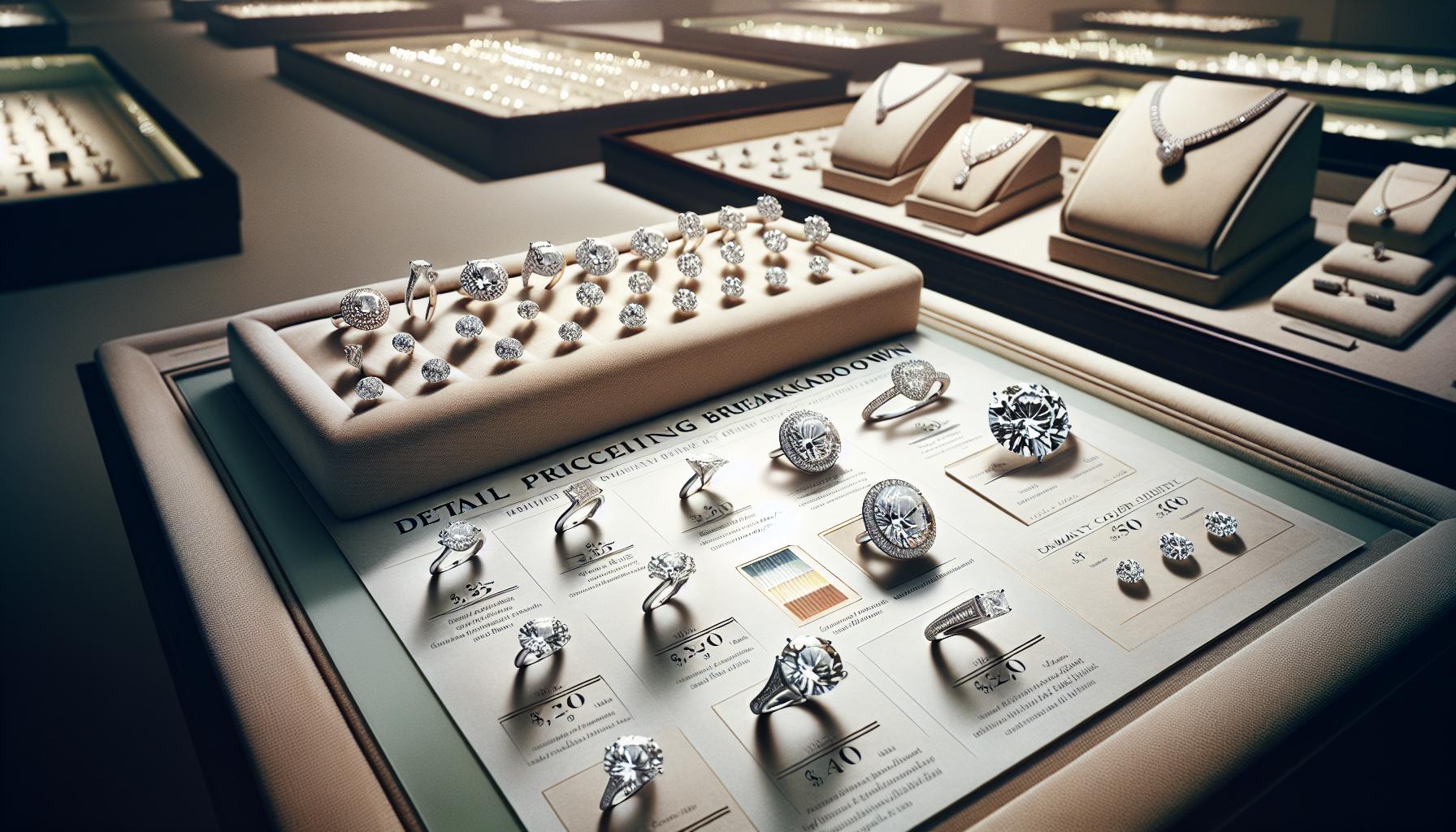
Detailed Pricing Breakdown by Diamond Quality and Size
A Rolex Datejust with diamonds quickly transitions from mere timekeeping to a shimmering statement piece, but understanding how diamond quality and size influence pricing can save you from sticker shock and help identify fair value. Whether you’re eyeing a factory-set piece or weighing a customized option, the diamond characteristics-color, clarity, cut, and carat weight-play starring roles in establishing cost. Rolex’s stringent standards dictate stones typically in the D-G color range with VS-SI clarity, reflecting not just beauty but the brand’s commitment to lasting brilliance and performance.Carat weight remains the single biggest pricing driver. A handful of small, factory-set diamonds on the hour markers might add a few thousand dollars or a 10-15% premium on top of the base datejust price. In contrast, fully diamond-set bezels, lugs, and bracelets frequently enough push prices exponentially higher-sometimes doubling the retail price-as of the sheer volume and size of stones involved. For example, a Datejust with smaller melee diamonds averaging around 0.01-0.02 carats each on a bezel is far more affordable than one with larger stones around 0.05 carats or more densely packed gem pavé. Quality consistently tightens this scale: superior color and clarity jewels fetch noticeably higher premiums.
Pricing Tiers Based on Diamond Quality and Size
| Diamond Attribute | Typical Range | Pricing impact |
|---|---|---|
| Color | D (colorless) to G (near-colorless) | High-end value reserved for D-F; noticeable price step down towards G |
| Clarity | VS1 to SI1 | VS diamonds prized for rarity; SI clarity slightly lowers cost without big visible sacrifice |
| Carat Size | 0.01 to 0.10+ carats per stone | Price scales exponentially with carat weight; larger stones can multiply total price rapidly |
| Cut & Setting | Ideal to Excellent cut; factory setting | Cut quality directly affects brilliance; Rolex’s factory setting ensures durability and premium; aftermarket can reduce value |
Putting this into perspective, a Datejust with diamond hour markers set in factory standards may command an additional $4,000 to $8,000 depending on metal and dial options, from a base stainless-steel Datejust priced around $9,000 to $12,000. Add a gem-set bezel and the premium might jump $10,000 or more on top, particularly in precious metals like white gold or platinum. The market also values uniformity-Rolex’s matching stones guarantee consistent sparkle, which aftermarket jobs sometimes struggle to replicate, impacting both price and desirability.
The Role of Diamond Size Distribution
Size distribution matters more than one might expect. Watches with a few larger accent diamonds contrasted by smaller melee stones command a layered visual appeal and tend to retain value better than those densely packed with tiny,lower-carat stones alone. This nuanced design balance speaks to Rolex’s gem-setting artistry and careful deliberation during production.Ultimately, informed buyers should always seek complete documentation detailing the diamond grading and carat totals. Authentic factory gem-set Datejust models will have these records, providing clarity on why the price stands where it does. For those considering aftermarket modifications,price negotiation becomes trickier because aftermarket diamonds rarely match Rolex’s precision or grading standards-and that is why such pieces tend to be priced lower,reflecting both quality variance and diminished resale appeal.
Understanding how diamond quality and size interplay with metal types, factory craftsmanship, and overall movement (like the modern cal. 3235 automatic caliber) is key to assessing true value. Remember: a Rolex Datejust is not just about diamonds-it’s a mechanical masterpiece paired with a timeless design. Diamond quality and size flourish only when complemented by the watch’s horological excellence.
Movement and Craftsmanship Inside Diamond Datejust Watches
Few watches marry artistry and mechanical excellence quite like the diamond-set Rolex Datejust. Beneath the sparkle of precious stones lies a beating heart crafted with rolex’s legendary precision: the in-house automatic movement. Most modern gem-set Datejusts feature the caliber 3235, a state-of-the-art movement designed to blend robust reliability with remarkable accuracy and a power reserve exceeding 70 hours. This technical backbone ensures that the watch performs flawlessly while exuding luxury.
What makes the Datejust’s movement stand out is not just its accuracy, but the thoughtful engineering tailored for daily wear. Rolex’s proprietary Chronergy escapement enhances energy efficiency without sacrificing durability. The Parachrom hairspring resists shocks and magnetic fields, vital details for a watch that doubles as a diamond-studded statement piece yet endures everyday life. When paired with the careful craftsmanship of gem-setting, Rolex manages to maintain both function and form – the diamonds don’t interfere with the watch’s mechanical integrity or water resistance, which typically rates to 100 meters.
Meticulous Craftsmanship Beyond the Movement
Rolex’s gem-setting process is as disciplined as their watchmaking. Unlike aftermarket jewelers who might prioritize flashiness, Rolex employs master setters who carefully select diamonds for optimal color and clarity, then position each stone into carefully milled gold or platinum surfaces. This factory setting uses secure prong,bezel,or pavé techniques that maximize sparkle without compromising durability.the stones sit flush and tight, minimizing the risk of loosening, which is a key resale and wearability consideration for collectors and enthusiasts alike.
- Precision Fit: Each diamond is measured and placed with micron-level precision, ensuring uniformity and flawless alignment – no “off” stones here.
- Material Harmony: Gem-setting occurs only after the case and bracelet are crafted, so setting tools avoid damaging finishes or internal components.
- longevity Focus: Rolex watches with factory-set diamonds maintain their structural integrity and water resistance, essential for those who intend to wear their timepiece regularly rather than just storing it as jewelry.
This holistic approach-melding cutting-edge caliber engineering with painstaking aesthetic craftsmanship-is why diamond Datejust models hold their value better than aftermarket customizations. From a collector’s perspective, owning a gem-set datejust means having a mechanical marvel enhanced by Rolex’s horological artistry. It’s a storytelling piece: diamonds that dazzle paired with a movement that thrills.
In short,when evaluating the expense of a diamond Rolex Datejust,remember you’re paying not only for remarkable gemstones but for a timeless mechanical tour de force that marries art and science seamlessly.The movement ensures your investment keeps impeccable time, while the craftsmanship amplifies its allure without compromising function or durability. For manny, this perfect balance defines the true essence of Rolex gem-set watches.
Evaluating Resale and Investment Potential of Gem-Set Datejusts
Few timepieces combine the allure of precious stones with dependable mechanical artistry quite like the gem-set Rolex Datejust. When considering their value over time, it’s essential to understand how both the watch’s craftsmanship and the diamonds themselves influence resale and investment potential. Unlike many luxury goods that depreciate rapidly, certain gem-set Datejust models can hold-or even appreciate-their value when chosen wisely.
One of the biggest factors supporting strong resale value is the factory-set nature of the diamonds. Rolex’s in-house gem-setting employs master craftsmanship ensuring not only beauty but durability, which collectors prize highly. Factory-set pieces maintain structural integrity and water resistance,unlike aftermarket settings which can degrade the watch’s value. Moreover, the brand’s proprietary movements like the caliber 3235-known for precision and robustness-add confidence that the timepiece remains a mechanical investment, not just ornamental bling.
What Drives Value in Gem-Set Datejusts?
- Authenticity and provenance: Watches with original factory diamonds typically fetch higher prices and attract serious buyers. Documentation confirming the gem-set status and factory origin is key to maximizing value.
- Diamond Quality & Placement: Color,clarity,and cut matter enormously. Rolex selects stones with exacting standards, so only pieces with top-tier diamonds retain premium resale prices.
- Condition and Completeness: Keeping the watch in excellent physical and mechanical condition-and including original boxes, papers, and receipts-directly supports resale value.
- Market Trends and Rarity: Limited-edition or vintage gem-set Datejusts can command significant premiums, especially models featuring rare dial or bracelet combinations.
Balancing Emotional and Financial Returns
While many wearers prize gem-set Datejusts for their striking aesthetics and enduring build, it’s wise to temper investment expectations. Unlike conventional stocks or real estate, watches can experience market fluctuations; diamond-set models may carry a premium that fluctuates with gemstone trends. That said, purchasing a factory-set gem Datejust from authorized dealers or trusted secondary sources often yields a comparatively stable value retention.
For example, a Datejust 36 mm with factory pavé diamonds on the bezel and dial typically commands a notable price premium over standard steel versions, often retaining upwards of 70-80% of original retail value in the secondary market. vintage models with impeccably preserved factory gem settings have shown rare instances of appreciation, particularly when tied to provenance or limited production years.
| Model | Diamond Setting | Estimated Retail Price | Typical Resale Value | Value Retention % |
|---|---|---|---|---|
| datejust 36, Factory Pavé Bezel & Dial | Top-grade Diamonds | $22,000-$28,000 | $16,000-$22,500 | 70-80% |
| Vintage datejust With Factory Diamonds | varied Vintage Cuts | $15,000-$20,000 | $17,000+ | 100%+ (Rare cases) |
| Aftermarket Diamond Customization | Variable Quality | $12,000-$25,000 (Base watch + setting) | $7,000-$15,000 | 50-60% |
Tips for Maximizing resale and Investment Potential
- buy Factory-Set Whenever Possible: Avoid aftermarket customizations which frequently enough damage value long-term.
- Keep All Original Accessories: Factory boxes, warranty cards, and certificates boost buyer confidence and price.
- Regularly Service with Authorized Centers: Preserves mechanical integrity and maintains warranty status.
- track Market Demand: Stay informed about which gem-set models and diamond styles are trending among collectors.
- Consider Long-Term Wearability: Watches regularly worn and well-maintained tend to enjoy higher resale.
Ultimately, gem-set Rolex Datejusts stand as both horological marvels and dazzling jewelry-but their true investment strength lies in a balanced respect for both precision engineering and gemstone artistry.Whether you’re a seasoned collector or a newcomer appreciating craftsmanship, choosing a factory-set model backed by careful maintenance offers the best chance to preserve your watch’s financial and sentimental value alike.
Styling Tips: Wearing Diamond Datejusts with Confidence
Few watches make as bold a statement as a diamond-set Rolex Datejust-and wearing one confidently is as much about attitude as it is about style. These watches effortlessly blend high-precision mechanics, like Rolex’s in-house automatic caliber 3235, with captivating gem artistry, creating timepieces that are both horological and sartorial masterpieces. The key to confidently sporting a gem-set datejust lies in embracing its unique blend of utility and luxury without hesitating to showcase its brilliance, all while matching it to your personal aesthetic.
Balance Elegance with Everyday Wearability
Diamonds on a Datejust elevate the watch’s presence, making it suited for occasions where you want to subtly (or boldly) stand out. However, these watches are designed with robustness in mind-water resistance and rugged Oystersteel or precious metal cases ensure you’re not just wearing jewelry but a serious tool watch.Wear your gem-set datejust as a daily companion; its automatic movement means no battery fuss, just smooth sweeping seconds and extraordinary precision. Pairing it with clean, well-tailored outfits-think crisp shirts, blazers, or sleek sweaters-lets the watch’s sparkle complement rather than compete with your look.
Coordinate Accessories with the Watch’s Character
A diamond-paved bezel or dial adds luxurious sparkle, so keep other accessories minimal to avoid overdoing it. Silver or gold tones that mirror the watch’s metal finish work best. Such as, a Rolesor Datejust (steel and gold) with factory-set diamonds pairs beautifully with subtle gold cufflinks or a delicate chain necklace. Wearing chunkier rings or multiple bracelets can distract from the watch’s refined sparkle and sometimes clash with its elegant dial. Letting the watch be the centerpiece creates a elegant, curated statement.
- Choose neutral or dark wardrobe staples: These colors enhance the contrast and make the diamonds pop without overwhelming your ensemble.
- Consider the setting: Factory-set diamonds have a subtle yet brilliant shimmer thanks to expert craftsmanship. Avoid aftermarket settings that may look flashy but lack refinement.
- Match occasion to model complexity: Larger Datejust models with extensive diamond pavé work suit gala events or evening wear, while smaller, delicately set versions fit well with smart-casual looks.
Confidence Through Care and Knowledge
Knowing the history and craftsmanship behind your diamond Datejust enhances how you wear it. These are not just “bling” watches but rather precision machines designed to last decades. Regular servicing at authorized Rolex centers preserves their mechanical and aesthetic integrity, making it easier to wear them without worry. A well-maintained gem-set Datejust subtly signals you value tradition, engineering, and timeless design over fleeting trends.
wearing your diamond Datejust confidently ultimately comes down to owning the story it tells. It’s a celebration of expert gem-setting, robust movement technology, and enduring style. Whether you pair it with a tailored suit, weekend jeans, or a casual shirt, this watch doesn’t ask for attention-it commands respect with a quiet, unmistakable glow.
| Styling Tip | why It Matters | Example |
|---|---|---|
| Keep other jewelry minimal | Prevents visual clutter; lets the watch shine | Wear a diamond Datejust with a simple band ring, rather than stacking multiple rings |
| Match metal tones | Harmonizes overall look; elevates sophistication | Gold-accented Datejust with matching gold cufflinks |
| Wear with neutral colors | Makes diamonds stand out without overwhelming | pair silver diamond bezel Datejust with a black dress shirt |
| adapt watch size to outfit formality | Ensures versatility and appropriateness | 36mm pavé Datejust for formal wear; smaller diamond-dial versions for casual |
| Understand and articulate your watch’s features | Builds personal confidence and pride in wearing | Knowing your Datejust has the caliber 3235 enhances storytelling and connection |
Authenticity Checks and Avoiding Counterfeit Gem-Set Rolexes
Few things frustrate a collector or enthusiast more than realizing a sought-after gem-set Rolex Datejust is not genuine. The market for diamond Rolexes-including those with factory-set diamonds-has grown substantially, which sadly means counterfeit and heavily modified pieces have also proliferated. Because gem-setting requires specialized skills, fake or aftermarket diamond enhancements often stand out under close scrutiny. Fortunately, developing a keen eye for authenticity and understanding key checkpoints can save you thousands and preserve the joy of owning a true Rolex masterpiece.
Recognizing Genuine Factory Diamond Settings
Rolex is famously meticulous about its gem-setting standards. Factory diamonds are always perfectly matched for cut, color, and clarity, set flush and secure within the metal. The settings themselves use precise prongs or pave techniques with expert symmetry and minimal metal visibility to maximize sparkle without compromising comfort or durability. If a Datejust’s diamonds look uneven, overly large, or flashy in a way that feels “off,” it’s frequently enough a sign of aftermarket modification or counterfeit.
look closely at the dial, bezel, and lugs-factory-set diamonds have a distinctive high-end refinement you can feel, almost tactile compared to the sometimes rougher finish on aftermarket stones. Authentic pieces also integrate factory-set diamonds seamlessly with rolex’s exclusive metals like Rolesor (steel and gold) or solid gold and platinum variants.
Practical Steps to Verify Authenticity
- Examine the movement first: Genuine Rolex Datejust watches use in-house automatic movements such as the caliber 3235. if the watch runs with a quartz or unknown third-party movement, that’s an immediate red flag. Opening the caseback for a peek at the mechanism (done professionally) is a definitive authenticity check.
- Scrutinize engravings and markings: Serial numbers, model references, and Rolex logos on the case, bracelet clasp, and crown are finely detailed and consistent on authentic watches. Fakes frequently enough have shallow engraving or uneven fonts.
- Use a loupe or macro lens: Inspect the diamonds with magnification to check for filling (tiny adhesive used in fakes), unusual inclusions, or stones that don’t match each other perfectly. Factory-set diamonds will exhibit uniformity, clarity, and quality consistent with Rolex standards.
- Request official paperwork and service history: Rolex’s authorized dealers and service centers keep detailed records. A genuine gem-set Datejust will have certificates verifying diamond authenticity and factory modification.
Why Aftermarket Enhancements Impact Value and Authenticity
While aftermarket diamond setting can visibly enhance a Datejust, it almost always diminishes the watch’s value and collectible appeal. Watches altered outside Rolex lose factory warranty and complicate future servicing. And because aftermarket stones typically don’t meet Rolex’s strict quality criteria-nor fit as precisely-they can affect water resistance, bracelet flexibility, and even mechanical reliability. In forums frequented by watchmakers and enthusiasts, such as NAWCC, users often report that aftermarket gem enhancements are telltale signs a watch isn’t fully genuine or properly maintained [[1]].
Buying from reputable dealers who specialize in gem-set Rolex watches or directly purchasing factory-set models from authorized retailers is the best way to avoid counterfeit pitfalls. Also,consider professional authentication services if you’re investing in pre-owned Datejusts with diamonds-an expert opinion can make all the difference between a stunning heirloom and an expensive mistake.
| Authentication Check | What to Look For | Why It Matters |
|---|---|---|
| Movement Inspection | Caliber 3235 automatic mechanical movement | Confirms watch is genuine Rolex, not a fake quartz or third-party movement |
| Diamond Quality & Setting | Consistent size, color, clarity; expertly set flush in metal | Ensures factory-level craftsmanship and value retention |
| Engraving and Serial Numbers | Clean, deep Rolex markings and serial references | Indicates authenticity and production origin |
| Official Documentation | Rolex warranty card, diamond certificates, service receipts | Verifies provenance and factory gem-setting history |
Watches bearing hallmark Rolex factory enhancements preserve not only their mechanical sophistication but also the artistry and exclusivity that diamond gem-setting embodies. Approaching your purchase armed with knowledge and attention to detail transforms the hunt for a genuine gem-set Datejust into a rewarding journey that honors Rolex’s true craftsmanship-no matter your budget or collection size.
Top Rolex Datejust Gem-set Models Worth Collecting
Few watches combine timeless elegance and gem-set opulence quite like the Rolex Datejust. collectors seeking diamond-set models frequently enough pursue particular references and configurations that represent the brand’s pinnacle of gem-setting artistry while maintaining strong value retention.Among these, certain editions stand out for their design balance, movement sophistication, and collectible cachet, making them excellent choices for both new enthusiasts and seasoned collectors.
Rolex’s flagship gem-set Datejust models typically feature the robust in-house caliber 3235, a modern automatic movement celebrated for its precision, 70-hour power reserve, and durable chronergy escapement. Watches equipped with this caliber provide not only beauty but also reliable day-to-day wearability-critical for collectors wanting their investments to be practical, not just decorative. Whether framed by a diamond-set bezel or enlivened by a pavé dial, these references marry Rolex’s iconic Oyster case construction and Cyclops date magnifier with dazzling gem accents.Among the most sought-after are Datejust 36 models in Rolesor (steel and gold) with factory factory-set diamond bezels and lugs. The subtle two-tone contrast allows the diamonds to sing without overwhelming the watch’s classic silhouette. Similarly, the full-gold models-especially those with champagne or mother-of-pearl dials accented by diamond hour markers-are highly prized for their luxurious yet wearable day-to-day appeal. For collectors drawn to more extravagant expressions, the Datejust 41 variant frequently enough features larger diamonds set with meticulous symmetry along the bezel and dial, appealing to those who appreciate a bolder statement.
Collectible Features and Variants to Watch
- Diamond Bezels: Factory-set diamond bezels crafted by Rolex use stones of uniform size and exceptional clarity.Models with full diamond bezels tend to appreciate more steadily than those with aftermarket additions.
- Diamond Hour Markers: Classic gem-set Datejust dials often include diamond indices replacing numerals or baton markers-an elegant upgrade that balances sparkle with legibility.
- Pavé Dials: These richly diamond-dusted dials are rarer and showcase Rolex’s technical prowess. Their higher price points reflect exclusivity and intricate gem-setting skill.
- Material Mix: Rolesor models give a versatile look combining stainless steel and gold with diamonds, balancing ruggedness and refinement.Pure gold (yellow, white, or Everose) variants skew more formal and collectible.
| Model reference | Case Size | Movement | Typical Price Range (USD) | Key Features |
|---|---|---|---|---|
| 126334 | 41mm | Caliber 3235 | $14,000 – $20,000 | Rolesor steel and white gold, diamond bezel, diamond hour markers |
| 126233 | 36mm | Caliber 3235 | $12,000 – $17,000 | Rolesor yellow gold, factory diamond bezel, diamond indices |
| 116139 | 36mm | Caliber 3135 | $20,000 – $28,000 | White gold, pavé dial, full diamond bezel |
| 278285RBR | 28mm | Caliber 2236 | $30,000+ | Everose gold with factory-set diamonds on bezel and dial |
What truly makes these gem-set Datejusts coveted is Rolex’s unwavering attention to factory customization and enduring movement quality. Watches retaining original documentation and factory gem-setting certificates command premium prices and offer stronger resale reliability.While aftermarket diamond enhancements can seem tempting for visual impact, they almost always hinder long-term value and complicate servicing. Collectors should focus on examples with factory provenance, authenticated by authorized retailers or trusted vintage specialists.
In addition, certain dial colors and gem combinations carry niche appeal-unique mother-of-pearl variants or rare diamond color hues can spike collector interest. Patience pays dividends as availability fluctuates, and Rolex does not mass-produce bespoke gem-set Datejust editions. For watch lovers who appreciate micro-engineering alongside fine jewelry craft, investing in these iconic gem-set Datejusts means celebrating Rolex’s legacy as both a watchmaking and gem-setting artisan.
By combining a robust caliber, immaculate gem craftsmanship, and timeless design, these models stand as shining jewels in any collection-not simply because of their diamonds, but because they embody Rolex’s mastery of blending function and form. Whether acquiring a new model or hunting down a vintage rarity, prioritizing factory-set authenticity and proven movement technology will ensure your Datejust shines for generations.
Maintaining and Servicing Diamond-Set watches Properly
Diamond-set Rolex Datejust watches marry exquisite jewelry craft with precision horology, but their opulence comes with particular maintenance needs. Keeping these sparkling timepieces in peak condition is essential, not just for preserving their beauty but also for maintaining value and mechanical integrity. Unlike simpler models, diamond bezels, pavé dials, and gem-set hour markers require gentle handling and attentive care throughout their lifespan.
The first step to proper upkeep is understanding that all Rolex watches-especially gem-set ones-benefit from routine servicing approximately every 5 to 10 years. These intervals depend on wear frequency and environmental exposure. A full service includes disassembling the movement (often the highly regarded in-house calibers like the 3235), cleaning, oiling, and recalibrating the watch for optimal chronometric performance.However, diamond-set pieces require an additional layer of caution: the delicate gem settings must be inspected thoroughly to ensure no stones have loosened or shifted. Factory-set stones are meticulously secured, but impacts or drastic temperature changes can introduce risks.
Routine at-home care also helps extend a diamond Datejust’s brilliance and function. avoid direct contact with harsh chemicals and abrasive surfaces; diamonds are hard but the metal settings-Rolesor steel and gold or Everose-can scratch or erode. After wearing, gently wipe the watch with a soft microfiber cloth. For more thorough cleaning, a lukewarm water rinse with mild soap-avoiding soaking the crown area unless secured-can remove oils and dirt that dull the sparkle. Never attempt home polishing on the bezel or bracelet as this can damage the gem settings and alter contours. Instead, rely on professional polishing during authorized Rolex services to maintain the factory finish.
Servicing Insights Specific to Gem-Set Models
- Authorized Service Centers: Always prioritize Rolex-authorized service centers or trusted specialists experienced with gem-set watches. They have the expertise and tools to delicately handle and inspect the diamonds and ensure the movement is serviced without jeopardizing gem security.
- gemstone Inspections: During service intervals, request explicit verification of all diamond settings. Any minor loosening requires immediate professional correction to avoid loss-a costly and irreplaceable problem.
- Movement Care: The Caliber 3235 and other Rolex in-house movements feature advanced components like the Chronergy escapement and Parachrom hairspring, ensuring resilience and precision. Proper lubrication with manufacturer-approved oils prevents wear despite constant motion.
- Water Resistance Checks: Rolex Datejust watches, including gem-set variants, boast robust Oyster cases with water resistance up to 100 meters. However, repeated opening during servicing mandates resealing and pressure testing, a critical step to safeguard internal movement and gem settings from moisture damage.
A practical example from fellow collectors: a vintage Datejust 36 with a factory pavé dial and diamond bezel was entrusted only to an experienced Rolex technician during servicing. This approach preserved the intricate gem work and restored the movement flawlessly, extending the watch’s lifespan and resale value. Conversely,some owners opting for unauthorized aftermarket polishing ended up with loosened stones and diminished visual appeal-an expensive lesson underlining the value of expert care.
Ultimately, caring for a diamond Rolex Datejust goes beyond routine mechanical servicing-it’s about respecting an artisanal masterpiece where watchmaking excellence meets fine jewelry. With thoughtful maintenance, these gem-set icons will reward you not only with timeless beauty and precision but also with enduring investment confidence.
| Maintenance Aspect | Recommended Action | Why It Matters |
|---|---|---|
| Regular Service Intervals | Every 5-10 years at authorized center | Ensures movement accuracy & gem security |
| Daily Cleaning | Soft cloth wipe; gentle soap rinse | Preserves sparkle, removes debris |
| Polishing | Only by professionals during servicing | Prevents damage to metal & stones |
| Inspection of Gems | Check settings during service | Prevents loss of diamonds |
| Water Resistance Testing | Pressure test after case opening | Protects movement & gems from moisture |
Q&A
Q: How does the quality of diamonds affect the price of a Rolex Datejust with gem-setting?
A: Diamond quality significantly impacts the Rolex Datejust’s price, with higher clarity, color, and cut grades driving costs upward. Factory-set diamonds by Rolex ensure premium standards, enhancing both beauty and value. For detailed insights on diamond grading and pricing, see the section on Detailed Pricing Breakdown by Diamond Quality and Size in the article.
Q: What is the price difference between factory-set and aftermarket diamonds on a Datejust?
A: Factory-set Datejust diamonds typically cost 20-50% more than aftermarket settings due to Rolex’s rigorous quality control and guaranteed authenticity. Aftermarket diamonds may lower initial cost but frequently enough reduce resale value and authenticity assurance. Explore Comparing Factory vs. Aftermarket Diamond Enhancements for a deeper comparison.
Q: are there specific Datejust models with diamonds that hold value better over time?
A: Models like the Datejust 36 and 41 with factory gem-set bezels and dials tend to retain value better,especially limited or discontinued editions. Look for iconic dial variations and premium diamond cuts. Check the Evaluating resale and Investment Potential section for top-performing gem-set Datejusts.
Q: how do diamond sizes impact the overall value of a gem-set Rolex Datejust?
A: Larger diamonds exponentially increase a Datejust’s value, as carat weight is a critical pricing factor alongside cut and clarity. Even small size differences in bezel or dial diamonds can affect price by thousands. Refer to Detailed Pricing Breakdown by Diamond Quality and Size for specifics.
Q: Is it worth buying a diamond-set Datejust for investment purposes?
A: diamond-set datejust watches can be strong investments if they feature factory-set stones and maintain Rolex provenance. High-quality diamonds with original documentation and limited production models tend to appreciate or hold value well. See Evaluating Resale and investment Potential for a comprehensive guide.
Q: When comparing different gem-set Datejusts,what movement types should buyers consider?
A: Look for the latest Rolex in-house automatic movements like the Caliber 3235 or 2236 in gem-set Datejust models,which enhance value and reliability. Superior movement craftsmanship complements diamond quality and overall watch desirability. The Movement and Craftsmanship section explains this detail thoroughly.
Q: What maintenance tips are essential for preserving gem-set Rolex Datejust value?
A: Regular servicing by authorized Rolex technicians and careful cleaning preserve gem integrity and mechanical accuracy, maintaining value. avoid amateur diamond resetting or polishing to prevent damage.Consult Maintaining and Servicing Diamond-Set Watches Properly for expert care recommendations.
Q: Where can I find authentic diamond-set Rolex Datejust watches without risking counterfeits?
A: purchase from official Rolex dealers or trusted, certified pre-owned retailers to guarantee authenticity. Factory gem-set models include Rolex documentation, and expert verification of the movement and setting is critical.The Authenticity Checks and Avoiding Counterfeit Gem-Set Rolexes section guides safe buying.
—
For more detailed explanations and pricing insights, explore the full guide sections linked above. Your next gem-set Datejust awaits with perfect balance between mechanical excellence and stunning diamond artistry!
To Conclude
Exploring the Rolex datejust with diamonds reveals not just a timepiece, but a masterful blend of automatic precision and refined gem-setting artistry. With its reliable in-house caliber and iconic design, the Datejust offers both elegance and robust value retention-a compelling investment for collectors and enthusiasts alike. If you’re considering adding this gem-set classic to your collection, now is the time to act before market demand influences pricing.
for deeper insights, explore our detailed guides on Rolex submariner value trends and vintage Rolex investing tips to broaden your horological knowledge. Don’t miss our watch buying consultation tool, designed to help you confidently navigate your next purchase. Have questions or personal experiences with gem-set Rolex models? Share your thoughts below or join our community newsletter for expert updates and exclusive reviews. your journey into the world of luxury mechanical watches continues here-where craftsmanship meets lasting value.
Get our latest guides, news, and insights highlighted in your Google Search & AI Overviews.


