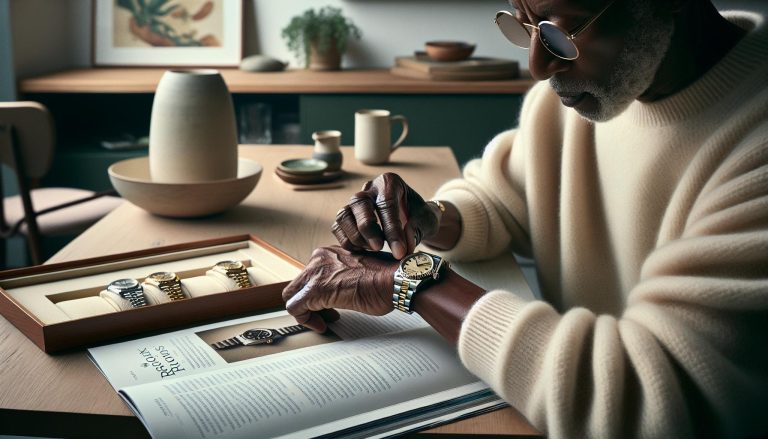
How to Authenticate a Rolex Datejust: Verification Checklist
Owning a Rolex Datejust is about more than just telling time-it’s about wearing a piece of horological history known for its precision automatic movement, timeless design, and lasting value.But with counterfeit versions flooding the market, knowing how to authenticate a genuine Datejust is essential for collectors and enthusiasts alike.From examining the serial numbers engraved on the case to feeling the weight and studying the bezel and crown craftsmanship, each detail offers clues to a watch’s authenticity. Whether you’re buying your first Datejust or adding to a seasoned collection, understanding these verification steps protects your investment and deepens your appreciation of Rolex’s meticulous artistry. This guide breaks down a straightforward checklist to help you confidently distinguish real from fake,so you can shop with peace of mind and enjoy the legacy of one of Rolex’s most iconic models.
Contents
- Rolex Datejust Overview: Key Features and History
- How to Examine the Datejust Dial and markings
- Authenticating the Datejust Case and Bracelet Details
- Inspecting the Movement: Caliber Verification Guide
- Reading and Verifying Serial and Model Numbers
- Checking the Datejust’s Crystal and Cyclops Lens
- Spotting Common Rolex datejust Counterfeit Signs
- Using Reference Materials and Official documentation
- Advanced Tools and Techniques for Authentication
- Understanding Datejust Variants and Model Differences
- Evaluating Value and Resale of Authentic Datejusts
- Frequently Asked Questions
- Q: How can I verify the authenticity of the Rolex Datejust’s laser-etched crown in the crystal?
- Q: What role does the bracelet clasp code play in authenticating a Rolex Datejust?
- Q: Why is the weight of a Rolex Datejust critically important in authenticity checks?
- Q: How do authentic Rolex Datejusts handle date changes at midnight?
- Q: What distinguishes authentic Rolex Datejust crown logos on the winding crown?
- Q: How important is the font consistency on the Rolex Datejust’s case back and bracelet?
- Q: Can a loupe reveal hidden anti-counterfeit features on the Datejust dial?
- Q: Where should I find the Rolex Datejust’s laser-engraved serial number for authentication?
- Future Outlook
Rolex Datejust Overview: Key Features and History
Few watches can claim the timeless appeal and revolutionary impact of the Rolex Datejust. Introduced in 1945, the Datejust was the very first wristwatch to feature an instantaneous date window on the dial-a small but game-changing complication that set the bar for practical luxury timepieces. With its pioneering combination of reliable automatic movement and elegant design,the Datejust quickly became an icon embraced by both collectors and everyday wearers alike.
Key features That Define the Datejust
The Datejust is renowned for several hallmarks that serve as guideposts when authenticating a genuine piece. At its core, the watch houses a robust automatic movement from Rolex’s in-house calibers, which ensures precision timing and the hallmark “date jump” that occurs exactly at midnight. Typically, modern datejust models use calibers like the 3235 or its predecessors, known for their reliability and enhanced power reserve.
Beyond the movement, the Datejust’s design blends functional elegance with everyday durability:
- Date window with Cyclops lens: A magnifying lens at 3 o’clock enlarges the date for quick reading-a signature Rolex touch that is impeccably crafted and centered.
- case and bracelet options: Crafted from Oystersteel, Rolesor (steel and gold mix), or full precious metals, Datejust cases vary in diameter (commonly 36mm or 41mm), but all maintain Rolex’s famed Oyster case water resistance and robustness.
- Versatile dial designs: From classic Roman numerals and baton indices to textured surfaces and diamond hour markers, the Datejust dial offers countless variations, all meticulously finished.
- Bezel styles: Fluted, smooth, or gem-set bezels offer distinctions that factor into authenticity-each executed with precise craftsmanship.
The Historical Evolution that Enriches Its Character
Rolex has consistently evolved the Datejust without losing its core identity. The reference 1601 brought in the fluted bezel and acrylic crystal in the 1960s. Later, sapphire crystals replaced acrylic, upgrading scratch resistance. The transition to quickset date functionality and improved movements through the 1970s and ’80s reflects Rolex’s dedication to perfecting wearability and accuracy.
Today’s Datejust models benefit from advances like the Parachrom hairspring, Chronergy escapement, and Superlative chronometer certification-a testament to Rolex’s commitment to modern precision married to classic design.
For authentication purposes, understanding these historical shifts is crucial. Certain features-such as specific dial fonts, bezel types, or movement models-can firmly place a Datejust in its correct production era, helping collectors avoid anachronistic details common in counterfeits.
Price Range and Value Outlook
The Datejust spans a wide price spectrum depending on material, size, dial, and age. Roughly ranging from $7,000 for a stainless steel 36mm new model, up to $20,000+ for gold or gem-set variants, it offers an accessible entry into Swiss luxury watches while maintaining solid resale value. Vintage pieces,especially with rarer dial types,can sometimes appreciate notably.
This blend of historical importance, mechanical sophistication, and broad appeal makes the Datejust not only an attractive daily wearer but a smart collectible. Recognizing its key features and history ensures you are equipped to distinguish genuine craftsmanship from less inspired replicas-a fundamental first step in authenticating any Rolex Datejust confidently.
For in-depth techniques on verifying each crucial element-from dial markings and case details to serial numbers and movement-we’ll dive into the hands-on verification process in the upcoming sections. But first, understanding what makes the Datejust special offers the indispensable context every collector and enthusiast needs.
How to Examine the Datejust Dial and markings
A Rolex Datejust dial offers far more than just the time-it’s a canvas where precision engineering meets elegant design, and that interplay is a key authentication checkpoint. When examining the dial and markings, start by appreciating the clarity and quality that Rolex applies to every detail. Genuine Datejust dials display crisp printing without any smudges, uneven fonts, or misalignments. The text-whether it spells out “Rolex,” “Oyster Perpetual Datejust,” or certification details like “Superlative Chronometer Officially Certified”-should have clean, sharp edges and occupy correct positions relative to the hands and markers.
A especially telling feature is the Rolex crown logo,usually placed at 12 o’clock with impeccable symmetry. Its tiny detailing must be finely executed, with no rough or uneven edges, indicative of Rolex’s commitment to quality control. Additionally, look closely at the hour markers, which vary across models-from polished baton indices to Roman numerals or diamond-set applications. Authentic markers are flawlessly attached, with consistent spacing and perfectly aligned to the minute markers on the dial’s peripheral chapter ring.
- Dial Fonts and Lettering: Rolex uses proprietary fonts that remain consistent within each Datejust era. Compare suspected watches with reference photos from Rolex archives or trusted dealers to catch inconsistencies in letter spacing or thickness.
- Lume Submission: Modern Datejust dials often feature Chromalight-a luminescent material that glows blue in low light. The lume is applied precisely and evenly on all markers and hands. Uneven or patchy lume application is a common counterfeit giveaway.
- Date Window Execution: The defining hallmark of the Datejust is its instantly changing date window magnified by the Cyclops lens. Genuine Rolex date discs use a perfectly centered font, typically in black sharp type on a white background, without off-center printing or misaligned numerals.
Another subtle yet vital element is the micro-etched Rolex crown laser-engraved into the sapphire crystal at six o’clock on modern Datejusts produced post-2002. This near-invisible crown can be viewed under magnification and is a strong indicator of authenticity.in vintage models, watch for consistent dial aging or patina-for example, lighter ivory tones or slight spotting in a 1960s Datejust dial are expected and add character. In contrast, a perfectly ”new” dial on a clearly older watch is suspect and may point to a replaced or counterfeit dial.
Understanding dial references and variations can further help identify authenticity and era. The interplay of dial text,fonts,finishing,and materials is part history lesson,part technical inspection. thoughtful collectors benefit from scrutinizing these nuances using high-resolution images or, ideally, direct comparison to known originals.This balanced approach honors the Datejust’s heritage and the artistry Rolex pours into every dial, empowering you to spot subtle red flags without being overwhelmed by unnecessary complexity.
By honing your eye on these key dial clues-the sharpness of lettering, quality of indices, execution of the date window, luminescence quality, and presence of micro-etched details-you’ll gain a foundational skillset crucial for confidently authenticating any Rolex Datejust model.
Authenticating the Datejust Case and Bracelet Details
The case and bracelet are the tactile heart of a rolex Datejust, merging robust engineering with elegant design. When authenticating these components, pay close attention to the feel, finish, and subtle hallmark details that set genuine models apart. Rolex’s meticulous craftsmanship means every edge, bevel, and surface polish is executed with precision-not a single rough spot or uneven transition.
start by handling the case: it should feel solid and weighty but balanced, crafted from top-grade stainless steel (904L), precious metals, or Rolesor-a unique blend of steel and gold. The case back on genuine Datejust models is typically smooth and plain, without engraved logos or transparent windows (exceptions exist but are rare).the lugs connecting the bracelet to the case will have tight tolerances with crisply defined chamfers. Counterfeit cases often show sloppy finishes, uneven brushwork, or mismatched polishing. The crown-Rolex’s signature winding mechanism-features deeply etched logo details and a smooth, satisfying screw-down action, an critically important hallmark of their Oyster case water resistance.
The bracelet is equally telling and comes in classic forms such as the Jubilee or Oyster, each with distinct visual and structural cues. Authentic Rolex bracelets exhibit perfectly aligned links with consistent brushing or polishing, and no rattling or play when flexed. The jubilee’s five-piece links are finely crafted, offering smooth curvature and comfort, while the Oyster’s three-piece links have a sturdier, sportier profile. On the clasp, the Rolex coronet is impeccably engraved or stamped, frequently enough with a crisp “Rolex” logo on the inside, along with reference and production codes matching the bracelet style and era.
- End Links: Check the solid end links for tight, gap-free fits against the case.Loose or poorly fitting end links are a red flag.
- Bracelet Code Stamps: Underneath the bracelet, you’ll find small stamped codes indicating the production date and model compatibility-these must correspond correctly to the watch’s serial number and era.
- Clasp Mechanics: Rolex clasps use sturdy,refined locking mechanisms with seamless open/close action. Cheap or flimsy clasps, or those lacking micro-adjustment systems, suggest a replica.
Modern Datejust cases also incorporate advanced corrosion resistance and subtle design refinements, such as rehaut engravings (the inner bezel ring between dial and crystal with repeated “Rolex” text and serial numbers) that appeared post-2004.Vintage models will differ, so consulting era-specific references when authenticating can save a lot of guesswork.
The overall goal is to assess whether the metalwork’s finishing and construction reflect Rolex’s hallmark balance of elegance and durability. A well-worn Datejust with minor desk scratches is perfectly normal, but imperfections like misshapen lugs, inconsistent brushing, or loose bracelets should raise suspicion. Remember, the case and bracelet don’t just hold the movement-they tell a story of care, precision, and timeless style that’s hard for counterfeiters to replicate convincingly.
Inspecting the Movement: Caliber Verification Guide
A Rolex Datejust’s heart lies in its movement-the intricate mechanism that powers its flawless timekeeping and signature date function. When verifying authenticity, the caliber inside isn’t just a technical detail; it’s a hallmark of genuine craftsmanship that counterfeiters often struggle to replicate accurately. Rolex Datejust watches are equipped with in-house automatic movements, renowned for their reliability, precision, and robust engineering. Knowing which calibers correspond to specific Datejust models and production years is your first line of defense.
For vintage enthusiasts, early Datejusts featured calibers like the 1530 and 1565, which laid the groundwork for Rolex’s automatic date mechanism. From the late 1970s through the mid-2000s, the Caliber 3035 and then the Caliber 3135 became the movement workhorses. More recent releases boast the Caliber 3235,with technological improvements such as the Chronergy escapement enhancing power reserve (up to 70 hours) and accuracy while maintaining COSC certification. These calibers exhibit finely finished bridges, polished screws, and the signature rolex “Perpetual” rotor, all crafted with precision under the highest standards.
Opening the case back should be left to professionals unless you have the proper tools and experience, as Rolex screw-down case backs require a specific proprietary opener. However, once opened, inspection of the movement should focus on key features:
- engravings: Genuine Rolex caliber numbers and the ”Rolex” name should be deeply and cleanly engraved on bridges or rotor, never printed superficially. The font and spacing are consistent in authentic pieces.
- Movement Architecture: Familiarize yourself with the unique layout of Rolex movements-balance wheel positioning,gear train bridges,and the distinctive Perpetual rotor design will differ from cheap clones.
- Quality of Finishing: Look for beveling, polished slots on screws, and clean assembly lines. Even though Rolex movements are less decorative than haute horlogerie,their build quality is immaculate under magnification.
- Serial Numbers and Stamps: Inside the movement, you might find caliber reference numbers, but these should always correspond with official production data and markings elsewhere on the watch.
| Typical Datejust Calibers | Production Years | Key Features |
|---|---|---|
| Caliber 1530 / 1565 | 1950s-1960s | Early automatic date function, 19-21 jewels, slower beat rate (18,000bph) |
| Caliber 3035 | 1977-1988 | Quickset date, higher beat 28,800bph, 27 jewels |
| Caliber 3135 | 1988-2018 | Proven robust movement, 31 jewels, Parachrom hairspring |
| Caliber 3235 | 2018-present | Improved power reserve (70h), Chronergy escapement, 31 jewels |
It’s critically important to note that counterfeiters frequently enough attempt to mimic the look of genuine Rolex movements, sometimes inserting Asian automatic movements or even swapping dials and hands onto non-Rolex calibers. Such movements lack the characteristic finishing, layout, and engraved detail. If the movement appears too plain, has parts that don’t line up correctly, or lacks Rolex markings, it’s a meaningful red flag.
For many collectors, having documented evidence from an authorized service center or professional watchmaker who has inspected the movement can be invaluable, especially when buying pre-owned Datejusts. Aside from aesthetics, the movement’s functionality-smooth date change at midnight, consistent power reserve, and reliable winding-can also indicate authenticity and health.
Ultimately, appreciating the precision engineering within a Datejust’s movement enriches your connection to the watch. Whether you’re admiring a vintage caliber’s mechanical heritage or marveling at the modern innovations of the 3235,understanding these inner workings arms you with the knowledge to confirm a rolex Datejust’s authenticity confidently.
Reading and Verifying Serial and Model Numbers
Rolex serial and model numbers are like a watch’s fingerprint.Each number uniquely identifies production details and model type, making them crucial when confirming a Datejust’s authenticity. These numbers are not just random engravings-they tell a story about when and where the watch was made, its reference in the Rolex catalog, and offer a reliable way to cross-check against known production runs.
Rolex typically engraves the serial number on the case between the lugs at the 6 o’clock position,while the model (reference) number is found between the lugs at 12 o’clock. With quartz watches phased out decades ago, all Datejusts use mechanical movements, but the model number helps you pinpoint exact design features, such as bezel type, dial variant, and bracelet style.
Why These Numbers Matter
- dating the Watch: Serial numbers correspond to production years, allowing you to date vintage or newer models confidently. Such as, a Datejust with serial number starting “L” would trace back to early 1990s production, while “M” or ”N” indicates early 2000s.
- Verifying Model Consistency: Matching the model number to genuine Rolex catalogs or trusted reference guides ensures that the dial, case, and bracelet styles correspond correctly. Rolex has never released certain combinations, so spotting an unexpected pairing is a red flag.
- Spotting Counterfeits: Fake watches sometimes show poorly etched, shallow, or inconsistent numbers. The font, spacing, and alignment are precise on real Rolex Datejusts. Counterfeit engravings often look uneven or font styles differ from authentic templates.
Tips for Examining Serial and Model Numbers
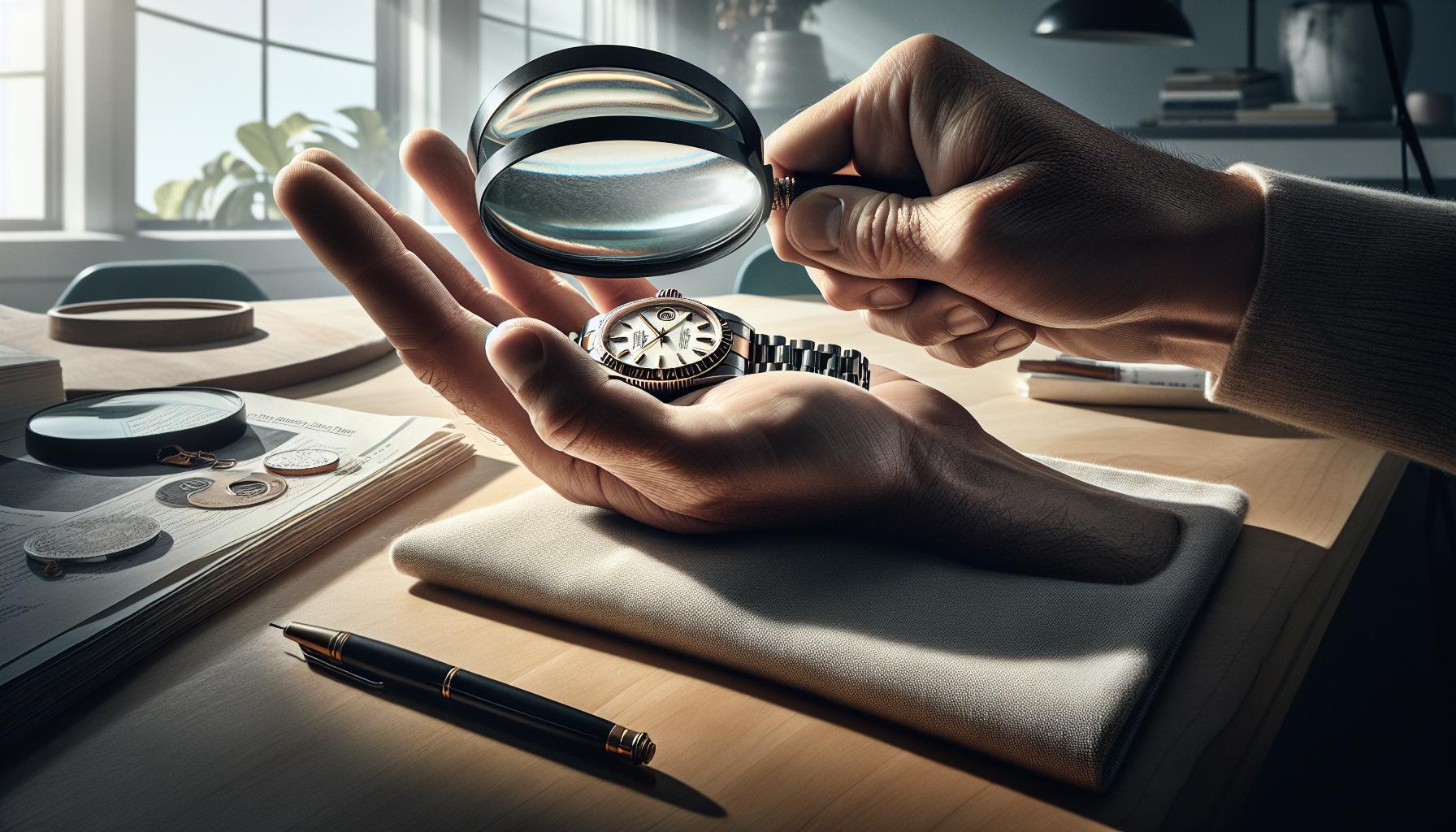
When you inspect the numbers on a datejust, use a loupe or magnifying glass to ensure clarity and precision. Genuine Rolex engravings are deep and clean, never printed or superficially applied. Also, make sure the numbers align perfectly on a straight baseline without any wobbling or irregular spacing.
It’s worth noting that since around 2005, Rolex moved serial numbers to the inner rehaut (the flange around the dial), adding another layer of security. This engraved rehaut number should match the case serial number and paperwork. If the rehaut engraving is missing or sloppy, it’s perhaps a fake or an aftermarket alteration.
Helpful Resources and Cross-Referencing
Using extensive Rolex serial number charts and datejust reference guides can instantly validate the legitimacy of your Serial and Model numbers. For instance, cross-reference your serial number against online databases to identify the production year. Then compare the model number against known versions to ensure all elements, including dial type and bezel style, fit the expected configuration.
| Component | Location | Details |
|---|---|---|
| serial Number | Between Lugs at 6 o’clock / Rehaut (post-2005) | Unique production number; indicates manufacturing year |
| model (Reference) Number | Between Lugs at 12 o’clock | Identifies specific Datejust variant and features |
Lastly, always request official documents or service papers when available. Rolex authorized dealers and service centers keep detailed records that include these numbers. Matching the watch’s physical numbers with paperwork adds a layer of trust and traceability that’s essential in an era flooded with convincing replicas.
In short, becoming pleasant with these numbers transforms a watch into a storybook filled with clues. They help separate coveted Rolex craftsmanship from cheap imitation, preserving not only your investment but the joy of owning a true horological masterpiece.
Checking the Datejust’s Crystal and Cyclops Lens
A Rolex Datejust’s crystal is not just a protective layer-it’s a window into the watch’s authenticity and craftsmanship. Genuine Datejust models from the mid-1980s onward use a synthetic sapphire crystal prized for its remarkable scratch resistance and clarity. Unlike cheaper mineral glass or acrylic substitutes found in fakes, sapphire crystals offer that distinctive smooth feel and superior durability that every enthusiast prizes. When held at an angle under light, the sapphire should exhibit minimal distortion, with a crystal-clear view of the dial beneath.
One of Rolex’s signature touches is the Cyclops lens positioned over the date window. This tiny magnifier is carefully integrated into the sapphire crystal to enlarge the date by 2.5 times, making it incredibly legible at a glance. Counterfeits often miss the mark here: they either magnify too little or too much, or the cyclops sits unevenly, sometimes appearing glued on rather than seamlessly fused. On a real Datejust, the Cyclops is perfectly centered above the date aperture with crystal edges polished and flush - a subtle detail highlighting Rolex’s obsession with precision.
Key Elements to Inspect in the Crystal and Cyclops Lens
- Magnification Power: Genuine Rolex Cyclops lenses magnify the date sharply by 2.5x. Anything less than this crisp enlargement is a warning sign.
- Crystal Material: Sapphire crystal should feel glass-like and smooth, resisting scratches from everyday wear. Test gently with a professional to differentiate it from acrylic or standard mineral glass.
- Alignment and Positioning: Check that the Cyclops aligns dead center on the date window without tilt or misplacement. Uneven placement is common in replicas.
- Anti-reflective Treatment: While customary Datejust models have minimal anti-reflective coating, later versions include subtle AR layers to reduce glare. Excessive glare or unnatural hues can be clues for fakes.
Even polished eyes sometimes struggle to detect high-level replicas, so adding a loupe or macro lens to your toolkit can reveal whether the Cyclops’s edges are cleanly beveled or show rough boundaries. An authentic piece’s crystal sits nearly flush with the bezel, giving a seamless look. If you spot glue residue, bubbles under the lens, or an overly tall Cyclops bulging from the crystal, steer clear.
Practical tips for Enthusiasts and Collectors
if you’re inspecting a vintage Datejust, remember that pre-1980 models typically have acrylic crystals without a sapphire Cyclops. In those cases,expect a slight domed shape and a smaller magnification factor. For modern collectors, it’s wise to compare images of the exact reference you’re considering against verified examples online or in official Rolex literature. This side-by-side approach highlights tiny differences in lens shape, crystal thickness, and Cyclops curvature that separate authentic watches from near-perfect fakes.
Ultimately, the crystal and Cyclops lens reflect Rolex’s philosophy: every detail, no matter how small, is designed to work harmoniously. Respecting these nuances not only ensures you’re buying a genuine Datejust but enriches your appreciation for the understated brilliance of Rolex’s legendary design.
| Aspect | Authentic Rolex Datejust | Common fake Traits |
|---|---|---|
| Crystal Material | Synthetic sapphire (scratch-resistant, smooth) | Acrylic or mineral glass (scratches easily) |
| Cyclops Magnification | 2.5x (sharp, clear enlargement) | Lower magnification, distorted view |
| Cyclops Positioning | Perfectly centered and flush | off-center, glued, or raised |
| Crystal Edge Finish | Polished beveled edges, seamless to bezel | Rough edges, glue residue, bubbles |

Spotting Common Rolex datejust Counterfeit Signs
Rolex datejust watches are favored targets for counterfeiters due to their iconic status and desirability, yet even the best replicas frequently enough falter on nuanced details that genuine collectors know to watch for. Spotting common counterfeit signs isn’t just about calling out obvious flaws-it’s about training your eye to appreciate the subtle craftsmanship Rolex consistently delivers. Many fakes excel at mimicking the overall look but stumble on precision and finishing touches that a genuine Datejust boasts naturally.
One of the first giveaways is the weight and feel.Real Datejust models use high-quality solid metals like Oystersteel or precious gold alloys, making them noticeably weighty and substantial. Fakes frequently opt for cheaper materials that feel light or flimsy. Coupled with that, examine the bracelet and clasp: authentic Datejust bracelets have a silky smooth finish, tight tolerances, and don’t rattle or feel loose. If the bracelet or links squeak or show uneven gaps, this should raise a red flag instantly.
Dial Details and Font Inconsistencies
Rolex dials are masterpieces of legibility and symmetry.Look closely at the date window’s font style and alignment-clumsy or imbalanced prints often betray counterfeits. The text on a genuine Datejust dial is crisp, perfectly aligned, and consistent in thickness.The iconic coronet (Rolex crown logo) positioned delicately below the 12 o’clock marker should be sharp, not smudged or poorly finished. Fakes sometimes have dial markers that reflect light differently due to inferior application, or the lume (glow-in-the-dark material) might be uneven and dimmer.
Movement and Sound Clues
A real Datejust houses a Rolex automatic movement, like the caliber 3235 or its predecessors, known for its distinctive sweep and smooth operation. Unlike quartz or cheap Asian movements commonly seen in replicas, the seconds hand on a genuine Datejust glides fluidly with no ticking noise. Listening carefully to the movement’s hum or tick can be surprisingly telling-Rolex automatics are virtually silent. If you hear a loud ticking or if the sweep looks stuttered, proceed with caution. Opening the caseback (best left to a professional) reveals an in-house Rolex caliber, identifiable by specific markings, polished parts, and finishing.
Serial Numbers and Engravings
Serial and model numbers engraved between the lugs or on the inner bezel ring (rehaut) help pinpoint authenticity. Genuine engravings are clean, sharp, and perfectly spaced. many counterfeits have etched or acid-etched numbers lacking depth or consistency. As a handy check, verify these numbers with official Rolex databases or trusted dealers. Misaligned or misshapen numerals are a common red flag.
- Caseback: Genuine Datejusts typically have a smooth caseback. If you see engraved logos or transparent backs, beware.
- Crown and Bezel: The winding crown on a true Datejust has well-defined grooves and the Rolex coronet deeply embossed. Look for uneven or shallow markings.
- Packaging and Papers: Even though easily faked, poor-quality boxes, missing warranty cards, or inconsistent documentation can raise suspicion.
To illustrate, some sophisticated replicas get the dial fonts close but falter on the Cyclops lens magnification or have a crystal that’s easily scratched glass instead of sapphire. This is why combining multiple checks-weight, dial detail, movement quality, and serial verification-is key.No single flaw always means counterfeit, but a cluster of inconsistencies almost certainly does.
Engaging with official Rolex materials and comparison photos of verified authentic Datejusts can be your best friend. Many fraudsters overlook the power of detailed side-by-side scrutiny, so training your eye with reference watches sharpens your confidence in authentication.
| Feature | Authentic Rolex Datejust | Common counterfeit Sign |
|---|---|---|
| Weight & Material | Solid Oystersteel/gold; substantial heft | Lightweight, cheap alloy or plated metals |
| Dial Print & Markers | Crisp fonts, aligned date, sharp coronet | blurry text, uneven lume, misaligned date |
| Movement Quality | Automatic caliber, smooth sweep, silent | Ticking quartz or noisy movement |
| Serial/Model engraving | Sharp, consistent laser engraving | Etched crudely, inconsistent spacing |
| Cyclops Lens | 2.5x magnification, perfectly centered | Low magnification, off-center, glued on |
While counterfeiters improve yearly, combining tactile inspection, visual scrutiny, and verification tools such as a loupe or blacklight will steadily close the gap. At the end of the day, appreciating the mechanical artistry behind a genuine Datejust sharpens your senses and deepens your enjoyment-not just of Rolex, but the timeless craft of watchmaking itself.
Using Reference Materials and Official documentation
Authenticating a Rolex Datejust isn’t just about what you see or feel on the outside-it’s also about digging into the papers and references that anchor the watch’s identity. Official documentation and trusted reference materials act like a historical fingerprint, granting insight into the watch’s origin, production year, model specifics, and service history. These resources aren’t just for show; they provide valuable benchmarks for comparing your Datejust against known authentic examples and can help you spot inconsistencies that even skilled counterfeiters often overlook.
when evaluating paperwork, start with the warranty card or certificate. Genuine Rolex warranty cards carry engraved holograms and precise print quality, showing the model number, serial number, purchase date, and authorized dealer’s name. Missing or blank warranty cards-or ones printed on flimsy stock-are immediate cause for skepticism.Additionally, the purchase receipt, service records, and original manuals enrich the watch’s backstory and verify ongoing care-an often underestimated value, especially if you’re eyeing resale or long-term investment potential.
Leveraging Trusted Reference Guides and Online Databases
Besides physical paperwork, authoritative reference books and online databases are essential tools. Well-known guides on Rolex history and model variations provide detailed specifications,dial options,bezel styles,and even known production quirks that help distinguish between authentic pieces and replicas. Websites maintained by collectors,official Rolex forums,or specialized dealers often offer high-resolution photos and timely registry info on serial numbers and production periods.
Cross-referencing your Datejust’s engraved serial and model numbers with these sources can confirm if the watch’s components correspond correctly to its claimed era and type. Mismatched fonts, spacing, or incorrect serial formats frequently surface in counterfeit pieces. Even better,some platforms allow you to double-check service history or verify authorized service centers,which bolsters trust in the watch’s provenance.
- Check Serial and Model Numbers: Verify format and matching production time frame.
- Compare Dial and Case Details: Use official photos for alignment and finishing accuracy.
- Review Documentation Quality: Scrutinize printing,holograms,and dealer details.
- Follow Service Paper Trails: Confirm authorized maintenance and repair authenticity.
Even in a digital age, nothing replaces firsthand examination paired with a strong foundation of trusted documents and references. A well-rounded approach combining tactile scrutiny, verified paperwork, and comprehensive side-by-side comparisons will significantly shrink the chance of being deceived. whether you’re a first-time buyer or a seasoned collector, integrating these materials into your authentication checklist enhances confidence and deepens your appreciation of Rolex’s storied craftsmanship. Remember, the beauty of watch collecting lies in unraveling the story beneath the surface-official documentation is your guidebook on that journey.
Advanced Tools and Techniques for Authentication
Every seasoned collector knows that relying solely on naked-eye inspections can limit your ability to spot a high-quality counterfeit. Thankfully, technology and horological advancements offer a variety of specialized tools and techniques that bring authenticity checks to a whole new level. These resources not only empower enthusiasts to dive deeper into the intricate details of a Rolex Datejust but also enhance confidence when confirming provenance or prepping for a purchase.
Magnification and Microscopy
A loupe with at least 10x magnification is a collector’s absolute must-have. Under magnification, fine engraving details-from the iconic Rolex coronet at 6 o’clock on the dial to the micro-etched crown in the crystal-become crystal clear. some counterfeiters overlook or poorly replicate these subtleties, making loupe examination a quick, actionable step. For even more precision, digital USB microscopes offer the advantage of capturing images and videos for side-by-side comparisons with verified originals or expert reference images online.
X-Ray Fluorescence (XRF) Analyzers
Rolex uses premium stainless steel alloys, precious metals, and gold types that counterfeit materials rarely match perfectly. Portable XRF analyzers let you perform non-destructive testing to analyze the watch’s metal composition. While these are usually tools of professional authenticators or experienced dealers, they provide a definitive chemical signature that distinguishes authentic Datejust metals from fakes sporting subpar or inconsistent alloys. This is especially useful when examining cases, bracelets, and clasps that should adhere strictly to Rolex’s known material standards.
Timegrapher Machines
Checking the Datejust’s heart-the automatic movement-calls for a different set of tools. A timegrapher measures rate accuracy, amplitude, and beat error to determine proper functioning. Most Rolex datejust models run on in-house calibers like the 3135 or its successors, renowned for precision and robustness. A poorly functioning or wildly inaccurate rate reading might hint at a swapped movement or counterfeit internals. Even newcomers can learn to interpret basic outputs with some practice, turning a timegrapher into an invaluable authenticity checkpoint beyond just aesthetic inspections.
UV Light and Filters
Ultraviolet light testing exposes inconsistencies that normally escape the eye. Rolex dials and hands sometimes feature specific lume compounds that fluoresce distinctively under UV rays. Counterfeit watches often use cheaper luminova variants with different glow patterns or colors.Combined with magnification, UV checks can also reveal signs of dial refinishing or replacement parts that degrade a watch’s collectible value or outright negate authenticity claims.
- Practical Tip: Use a combination of loupe and UV light to carefully inspect the dial numerals, hour markers, and dial signature for crispness and correct luminescence color.
- Pro Advice: Photograph your watch with a microscope or USB scope, then compare against high-resolution reference photos of genuine Datejust dials and case markings available from trusted online platforms.
Ultimately, advanced tools and techniques don’t replace your intuition or a solid knowledge foundation-they amplify them. The more layers of inspection you apply, the tougher it becomes for a fake to slip through. Whether you’re vetting a potential buy or caring for your collection, combining magnification, material analysis, movement diagnostics, and luminescence testing forms a robust defense against fraud. Embrace these tools as extensions of your horological passion-not just gadgets, but keys unlocking the full story behind every Rolex Datejust’s craftsmanship.
Understanding Datejust Variants and Model Differences
The Rolex Datejust is a remarkable watch precisely because it blends tradition with innovation, and understanding its many variants is essential for accurate authentication. built on the foundation of a self-winding automatic movement, the Datejust has evolved through decades, offering subtle-and sometimes striking-differences that reflect technological advances and design trends. Knowing these distinctions helps owners and collectors spot inconsistencies and identify genuine pieces.One of the most noticeable points when comparing Datejust variants is the case size and material. Originally introduced in the 1940s as a classic 36mm, modern Datejusts also come in 31mm, 34mm, 41mm, and other sizes to cater to diverse wrist sizes and tastes. authentic models maintain impeccable craftsmanship identical at all sizes, while counterfeit watches often fail to replicate finishing quality consistently across variants. Additionally, Rolex’s choice of metals-commonly stainless steel (904L grade known as Oystersteel), Rolesor (a blend of steel and gold), full gold (yellow, white, or Everose)-is a definitive clue. Be mindful that the bracelet and clasp materials should match the case’s metal profile precisely without discrepancies in weight or finish.
Movement and Caliber Differences
The heart of any Datejust is its movement. Over the years, Rolex has upgraded calibers, moving from the venerable Caliber 3035 to the more modern Caliber 3135, and today to the 3235 series in many newer models. These in-house automatic movements feature innovations like Parachrom hairsprings and Chronergy escapements,boosting robustness and precision. When authenticating, confirm the movement type matches the model’s production era-as a notable example, a vintage Datejust shouldn’t have a 3235 caliber.Opening the case (ideally by a professional) can definitely help verify this,as counterfeit watches frequently enough use lower-grade generic movements that deviate visually and technically from Rolex’s engineering.
Dial Variations and Features
Varied dial designs are a hallmark of the Datejust line,ranging from classic champagne and silver sunburst finishes to intricate guilloché or mother-of-pearl dials. The hour markers can be Roman numerals, applied indices, or diamonds set meticulously on precious metal surrounds. Authentic dials exhibit perfect printing-whether the Rolex logo, the word “datejust,” or the Swiss manufacture markings-without smudging or irregular spacing. Models with “fluted” bezels often carry a distinct sparkle, as genuine Rolex uses 18k gold in these cases, which counterfeit versions frequently fake poorly.
- Practical advice: Study board reference tables to match the dial’s font style, color, and luminescence characteristics with your watch’s production year.
- Example: A 36mm datejust from the late 1970s typically features tritium lume, visible by its aging patina under UV light, differing from modern Super-LumiNova markers.
Bracelet Types and Clasps
Rolex equips the Datejust with either Jubilee or Oyster bracelets. The Jubilee bracelet, introduced with the Datejust’s first release, is elegant with its five-piece link design and softer feel. Oyster bracelets, characterized by their broader, flatter three-link construction, provide a sportier look. Authentic bracelets have precise dimensions and high-quality machining.Be vigilant about the clasp-forged with detailed Rolex engravings and often stamped with reference and hallmark codes-clasp quality is a subtle but telling sign of authenticity. Fake clasps tend to have rough edges, incorrect fonts, or imperfect logo placement.
| Model Variant | Typical Case Size | Common Movement (Caliber) | Popular Bracelets | Approximate market Value (USD) |
|---|---|---|---|---|
| Vintage Datejust 36 (1970s-80s) | 36mm | Cal. 3035 or 1570 | Jubilee | $5,000 – $8,000 |
| Modern Datejust 41 | 41mm | Cal. 3235 | Oyster or Jubilee | $9,000 – $12,000 |
| lady-Datejust | 28 – 31mm | Cal. 2236 | jubilee mostly | $7,000 – $10,000 |
| Rolesor Datejust (Steel & Gold) | 36mm or 41mm | cal. 3135 or 3235 | Oyster or Jubilee | $9,000 – $14,000 |
Recognizing these model nuances equips a collector or buyer to thoroughly verify authenticity and appreciate the craftsmanship behind each Datejust variant.Every detail-from bezel style to movement caliber and bracelet type-plays a critical role in forming the watch’s identity. Authentication is not just about spotting fakes; it’s about joining a legacy of watchmaking that respects precision, style, and innovation. Embrace these differences as a gateway to deeper horological knowledge and more confident collecting.
Evaluating Value and Resale of Authentic Datejusts
Authentic Rolex Datejust watches have long been recognized not only for their elegance and precision but also for their strong value retention and desirability in the resale market. Unlike many luxury timepieces that depreciate once worn, well-maintained Datejust models often retain a substantial portion of their value or even appreciate over time, especially vintage pieces and rare variants.This resilience makes the Datejust an appealing choice for collectors and enthusiasts looking for both a timeless wristwatch and a potentially sound investment.
Factors Influencing Value and Resale
Several key elements affect a datejust’s market value. The movement caliber is a foundational component-watches powered by hallmark Rolex in-house calibers like the 3135 or the modern 3235 series tend to command higher prices. These calibers feature advanced technologies (e.g., Parachrom hairspring, Chronergy escapement) enhancing durability and accuracy. Vintage calibers such as the 3035 or 1570 also draw strong interest, especially when paired with original dials and case finishes. Naturally, provenance plays a strong role: original box and papers significantly boost resale potential, while documented servicing history reassures buyers of proper maintenance.
Materials and configuration have a major impact, too.Stainless steel “Oystersteel” Datejusts maintain broad appeal due to their versatility and robust build, often providing the best balance between affordability and value retention. rolesor models (steel and gold) and solid gold variants typically command premiums, though their market can be more niche. It’s critically important to recognize that bracelet type and condition-including Jubilee or Oyster styles-and clasp authenticity affect buyer confidence. Scratches, stretch, or replaced parts headlined by non-Rolex components tend to lower resale prices.
Market Trends and Real-World Examples
The secondary market has seen steady demand for both vintage and modern Datejust models. For instance, a well-preserved 36mm vintage Datejust from the 1970s boasting a Caliber 1570 movement and original Jubilee bracelet can sell around $5,000-$8,000, often rising further if collectors prize its dial variant or unique patina. Modern Datejust 41 pieces with the Caliber 3235 typically range between $9,000 and $12,000, reflecting strong interest but also the watch’s relative newness and availability.
for buyers contemplating long-term ownership, limited-production variants or models with rare dial colors (like mother-of-pearl or detailed guilloché) may provide added value. Conversely, watches missing serial/model number engravings or equipped with aftermarket parts risk diminished resale value-and potential difficulty in authentication later. This risk underscores the importance of thorough inspection and verification before purchase.
- Tip: Always verify serial and model numbers against Rolex’s historical production records to confirm authenticity and narrow down the production year.
- Tip: Seek watches with full original packaging and service history for best resale prospects.
- Example: A Rolesor Datejust 36 with Cal. 3135 in pristine condition and complete set can fetch upwards of $9,000-$14,000 depending on market conditions.
| Model Variant | Movement (Caliber) | Typical Resale Price Range (USD) | Key Value Factors |
|---|---|---|---|
| Vintage Datejust 36 (1970s-80s) | Cal. 1570 / 3035 | $5,000 – $8,000 | original dial, box & papers, well-preserved bracelet |
| Modern Datejust 41 | Cal. 3235 | $9,000 – $12,000 | Service history, original clutch/bracelet, Rolesor versions command premium |
| Lady-Datejust (28-31mm) | Cal. 2236 | $7,000 - $10,000 | Condition, bracelet style, dial rarity |
| Rolesor Datejust (Steel & Gold) | Cal. 3135 / 3235 | $9,000 - $14,000 | Mix metal appeal, gold type, bezel style (fluted vs smooth) |
Practical Advice for Buyers and Sellers
If you’re investing in a Datejust, authenticity verification is paramount-not just for peace of mind but also resale value. Works like verifying the crystal’s cyclops lens magnification, dial printing precision, and clasp engravings can protect you from costly counterfeits. Remember: a gorgeous watch loses value fast if it’s discovered to be a replica or has significant non-Rolex parts hidden inside.
When selling, highlight the watch’s originality and maintenance, and include high-resolution photos showcasing hallmark details like the bezel finish, serial numbers between lugs, and movement caliber when possible. Transparent interaction regarding servicing or part replacements builds buyer confidence and often secures a better price than those with opaque histories.
Ultimately, the Rolex Datejust remains a pillar of horological craftsmanship accessible to a wide range of enthusiasts-from collectors hunting vintage gems to newcomers seeking a robust, stylish everyday automatic. Its blend of historical importance, technical innovation, and timeless design underpins a vibrant secondary market and enduring value that few watches can match.By approaching value and resale thoughtfully,you can enjoy the Datejust’s mechanical artistry today while preserving its legacy for tomorrow.
Frequently Asked Questions
Q: How can I verify the authenticity of the Rolex Datejust’s laser-etched crown in the crystal?
A: The authentic Rolex Datejust features a tiny laser-etched crown at the 6 o’clock position on the crystal, visible only under magnification. It should be finely detailed and perfectly centered.Check this detail with a loupe to avoid counterfeit crystals. Learn more in the Checking the Datejust’s Crystal and Cyclops Lens section.
Q: What role does the bracelet clasp code play in authenticating a Rolex Datejust?
A: The bracelet clasp contains a code indicating the production date and manufacturer. Inspect this code for consistency with the watch’s serial number and production year. Authentic clasps have clear, precise engravings and sturdy construction, which helps distinguish genuine from fake bracelets.
Q: Why is the weight of a Rolex Datejust critically important in authenticity checks?
A: Genuine Rolex Datejust watches have a substantial weight due to their high-quality metals and solid construction. Lighter watches may indicate cheaper materials typical of fakes. Compare the watch’s heft with official specs to verify authenticity.
Q: How do authentic Rolex Datejusts handle date changes at midnight?
A: A genuine Datejust’s date advances sharply and precisely at midnight. If the date change is slow or gradual, it may signal a fake or faulty movement. This characteristic ties to Rolex’s in-house caliber, detailed in the Inspecting the Movement: Caliber Verification Guide section.
Q: What distinguishes authentic Rolex Datejust crown logos on the winding crown?
A: On an authentic Rolex Datejust, the winding crown features a finely engraved Rolex coronet logo with sharp edges and consistent depth. Look for smooth operation and lack of roughness around the logo area, which counterfeit crowns frequently enough lack.
Q: How important is the font consistency on the Rolex Datejust’s case back and bracelet?
A: Authentic Rolex Datejust watches have uniform, sharp, and well-spaced fonts engraved on the case back and bracelet. Variations in font style, size, or spelling errors often signal a counterfeit. Always cross-reference with official Rolex fonts and markings.
A: yes,using a loupe can expose micro-printed text,such as the repeated “ROLEX” around the dial’s rehaut (inner bezel). These details are extremely precise on authentic Datejusts and difficult to replicate by counterfeiters. Check this closely as part of dial verification.
Q: Where should I find the Rolex Datejust’s laser-engraved serial number for authentication?
A: The serial number is laser-engraved between the lugs on the 6 o’clock side of the case. It should be crisp, clean, and match the number on the authenticity papers. This is crucial for confirming genuine manufacture dates and model identities [2].
For a detailed dive into these points and more, refer to our full How to Authenticate a Rolex datejust: Verification Checklist article, where you’ll also find guidance on movement inspection and spotting subtle counterfeit signs. Happy collecting!
Future Outlook
Authenticating a Rolex Datejust is a crucial step in protecting your investment and appreciating its in-house automatic caliber’s craftsmanship.With verified design details, serial numbers, and movement integrity, you unlock confidence in your purchase’s authenticity and value-a key factor when considering resale or collection growth. Don’t wait to apply this checklist before buying or selling; a genuine Datejust blends timeless style with reliable Swiss engineering that’s well worth ensuring.
Ready to deepen your horology knowledge? Explore our detailed comparisons on Rolex models and dive into our buyer’s guide for vintage vs. modern Datejust references.For hands-on verification, consider using official Rolex service centers or trusted appraisal tools to complement your inspection. If you want insider insights tailored to collectors and newcomers alike, subscribe to our newsletter or reach out for personalized watch advice.
Your journey into Rolex authentication is just beginning. Share your questions or experiences below-your feedback not only helps fellow collectors but keeps this community thriving. Keep exploring classic and contemporary watches with us,where passion meets precision and authenticity is always the standard.
Get our latest guides, news, and insights highlighted in your Google Search & AI Overviews.