Selling Watch Collection: Maximize Your Return in 2026
Did you know that knowing how to sell your watch collection strategically can considerably boost your return in 2026? Whether you hold a sapphire-crystal automatic with an in-house caliber or a rugged quartz classic, understanding market trends, condition grading, and buyer preferences is key to maximizing value.Watches aren’t just timekeepers-they’re small mechanical artworks whose worth depends on more than just brand names or hype.
If you’re considering parting with pieces like a reliable Seiko diver or even a luxury Rolex Submariner, it pays to approach selling with insider knowledge.From recognizing which complications or limited editions hold steady value, to presenting your watches with detailed specs and authentic provenance, every detail counts. This guide breaks down how to navigate resale platforms, timing your sale against 2026’s evolving collector landscape, and highlighting factors such as movement type-automatic vs. quartz-and overall wearability. Whether you’re a passionate collector trimming your collection or a dealer moving inventory, mastering these insights means turning your horological treasures into the best possible return, all while respecting the craft behind each timepiece. Let’s dive into the art and science of selling watches thoughtfully in today’s dynamic market.
Contents
- Understanding the Watch Market in 2026: Trends and insights
- Evaluating Your Watch Collection’s Current Value Accurately
- Choosing the Best Selling Platforms: Online vs. In-Person
- Preparing Watches for Sale: Cleaning, Servicing, and Presentation
- Role of Brand, Model, and Rarity in Maximizing Profit
- Timing Your Sale: When to Sell for Highest Returns
- Negotiation Tips for Getting Top Dollar from Buyers
- Legal and Tax Considerations When Selling High-Value Watches
- Spotting and Avoiding Common Selling Scams and Pitfalls
- Leveraging watch Communities and Forums for Buyer Connections
- Comparing Resale Value: Luxury vs. Affordable Watch Brands
- Using Professional Appraisals and Authentication services
- Q&A
- Q: how can limited edition watches impact the sale price of my collection in 2026?
- Q: What role do watch condition grading systems play in selling my collection?
- Q: How does provenance influence the selling price of luxury watches?
- Q: Can bundling watches in a collection sale increase overall returns?
- Q: What are effective marketing tactics to promote my watch collection online?
- Q: How do global economic trends affect the timing to sell a watch collection in 2026?
- Q: Why should I consider offering flexible payment options when selling high-end watches?
- Q: How important is watch original packaging and documentation in resale value?
- In Retrospect
Understanding the Watch Market in 2026: Trends and insights
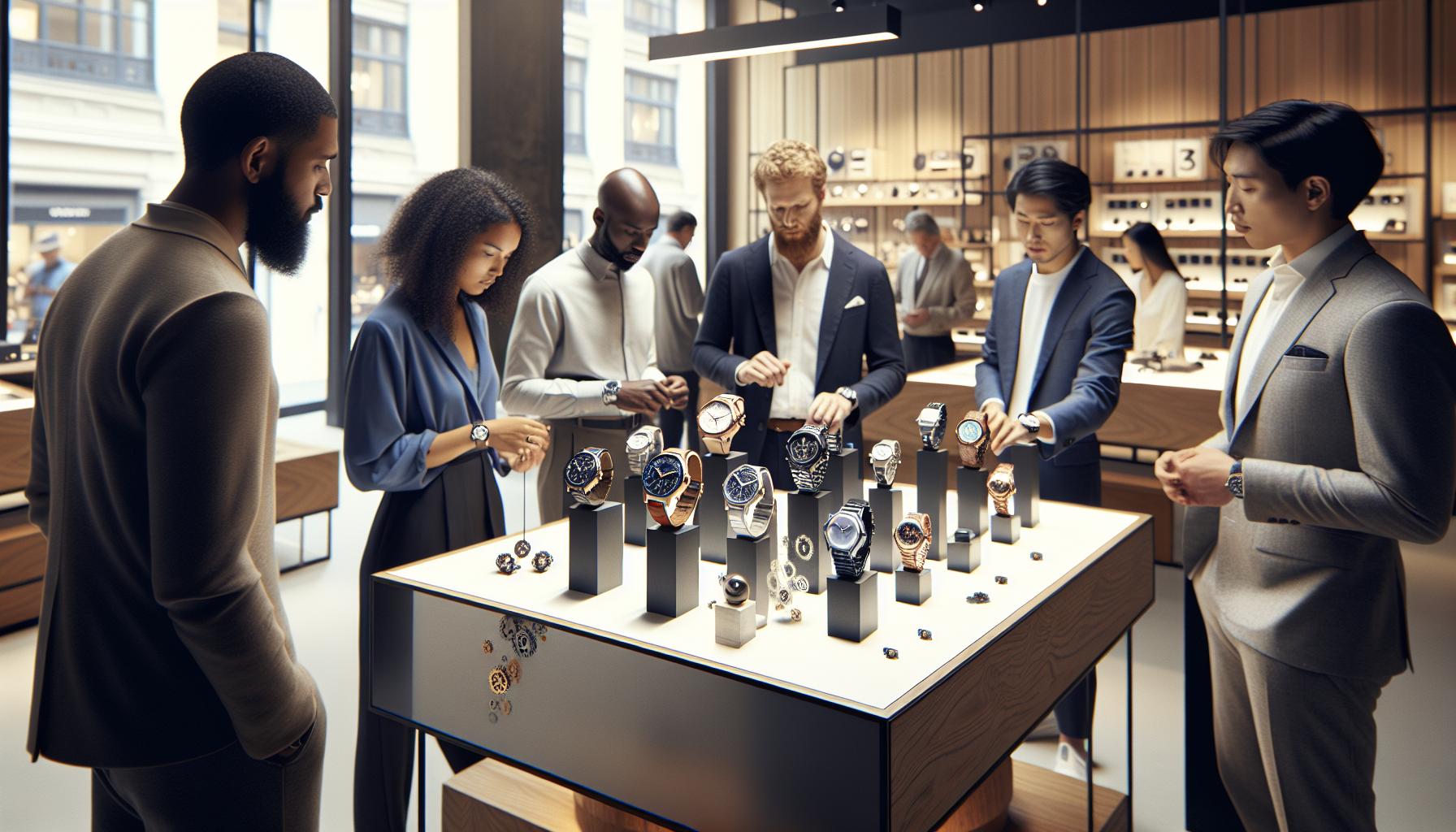
The luxury watch market in 2026 is navigating a subtle but notable shift-a market recovering from recent volatility while embracing deeper recognition for craftsmanship and timeless style over flash and hype. After the pandemic-fueled boom,prices for many sought-after brands like Rolex and Patek Philippe have cooled,returning closer to past norms. This “normalization” phase means both buyers and sellers are now focusing more on intrinsic watch quality-movements, design, and heritage-than speculative gains. It’s a refreshing change for collectors who value watches as mechanical art, not just status symbols.
Understanding the market landscape today means recognizing the diverse forces at play. Factors such as economic headwinds, evolving tastes favoring minimalist “Quiet Luxury,” and even downturns in related markets-like cryptocurrency-have tempered exuberance and curtailed price spikes witnessed in 2021-2022. Nonetheless, fundamentals remain strong. Brands with robust in-house calibers (like Omega’s Co-Axial or Tudor’s MT series), limited editions, and classic tool watches still command attention and resale value. For example, the enduring appeal of the Rolex Submariner or the approachable engineering of a Tissot Powermatic 80 reflects how broad the enthusiast base is, from haute horlogerie to accessible mechanical excellence.
Key Trends Impacting Sellers
- Market Stability with Selective Growth: While overall “bubble” pricing has dropped, watches that exemplify horological innovation, heritage, and rarity retain strong demand.
- Shift Toward Authenticity: Collectors increasingly research movements (e.g., automatic vs.quartz, presence of complications like chronographs or GMT functions) before purchasing, driving the need for sellers to provide detailed, clear watch histories.
- Embracing Quiet Luxury: Minimalist, less ostentatious timepieces are gaining momentum, influencing what buyers currently seek.
- Resilience of Iconic Models: Watches like the Rolex Submariner, Omega Seamaster, or Seiko Prospex continue to offer resale stability due to broad collector and casual buyer appeal.
For sellers, this means it’s no longer just about having any luxury watch but offering something with proven desirability and programmatic value.Clear documentation on the caliber, service history, and condition-and well-lit photos showcasing craftsmanship-are critical.
The watch market in 2026 rewards sellers who present honesty paired with horological enthusiasm. By aligning your collection’s value with collector interests and broader market trends,you’ll unlock better returns and create buyer confidence,even in a more measured landscape. This balanced era highlights the beauty of mechanical timekeeping as wearable art across all price points, allowing sellers-from those parting with a cherished vintage Seiko to flagship Rolex investments-to maximize potential in meaningful ways.[1][2][3]
Evaluating Your Watch Collection’s Current Value Accurately
Few things excite a watch owner more than discovering the true worth of their collection. Though, evaluating a watch’s value accurately today demands more than just glancing at recent auction results or online listings. It’s about understanding the watch’s movement, brand prestige, condition, and the growing appetite for authentic mechanical craftsmanship that defines the 2026 market.Whether you treasure a rugged Casio G-shock or a refined Rolex Submariner, each watch tells a story-and knowing how to translate that into current market value is key to maximizing your return.
Key Components Influencing Value
- Movement Type and Quality: Automatic (self-winding) movements typically maintain better value than quartz models because of their complex mechanical engineering. Watches featuring in-house calibers-movement designs developed by the brand itself-often carry a premium, highlighting craftsmanship and exclusivity, e.g.,Omega’s Co-Axial or Tudor’s MT series.
- Brand and Model Popularity: Some names have near-worldwide recognition. Rolex, Patek Philippe, and Audemars Piguet naturally command high prices due to brand heritage and collector demand. But don’t underestimate lesser-known yet respected brands like Seiko’s Prospex or Tissot Powermatic 80, which offer remarkable value retention relative to cost.
- Condition and Service History: A watch’s mechanical health, cosmetic state, and documentation significantly affect its worth. Watches regularly serviced by authorized centers, accompanied by service records, sell more confidently. Even minor scratches or worn straps can influence buyer perception.
- box and Papers: Original packaging, certificates, and warranty cards aren’t just sentimental-they authenticate provenance and often boost resale price by 5-20% depending on brand and model.
- Rarity and Special Features (complications): Limited editions, chronographs, GMT functions, or other complications add layers of desirability. For instance, a vintage Omega Speedmaster with original moon-phase complication may outpace a standard model in valuation.
Practical Steps to Nail Your Watch’s Market Value
1. Start by researching recent sales of the same model with comparable condition on platforms like Chrono24 or trusted dealer sites such as SwissWatchExpo or ECI Jewelers. This builds a realistic price range, avoiding inflated expectations from hype-driven listings.
2. Get a professional appraisal,preferably from an independent horologist or authorized dealer,to validate authenticity and estimate condition-based value.
3. Consider the watch’s movement and craftsmanship honestly-highly engineered watches with in-house movements tend to weather market shifts better than generic quartz models.
4. take high-quality photographs showcasing dial details, movement (if visible), case side, and bezel, which help verify condition and attract serious buyers.
5. Be mindful of market cycles: such as, diver watches like Rolex Submariner usually maintain or increase value slowly over time, while some fashion brands can depreciate quickly post-purchase.
Example Value Ranges to Illustrate Market Nuances
| Model | Movement | Estimated market Value (USD) | key Value Drivers |
|---|---|---|---|
| Rolex Submariner 124060 | Automatic (In-house caliber 3230) | $10,000 – $12,500 | Iconic brand, robust design, strong resale |
| Omega Seamaster Diver 300M | Automatic (Co-Axial 8800) | $3,500 – $4,800 | In-house movement, limited editions add value |
| Tissot Powermatic 80 | Automatic (ETA-based powermatic 80) | $350 – $450 | Excellent value, good mechanical quality |
| Casio G-Shock DW5600 | Quartz | $70 – $120 | Durability, collector interest in vintage pieces |
Understanding these factors lets you frame your asking price strategically and honestly. Remember, the goal isn’t just a high number but securing a sale that reflects true worth and builds buyer trust. For many watches, especially those with genuine mechanical artistry and compelling provenance, transparency about movement, servicing, and condition converts curiosity into confident offers.
In 2026, the watch market favors those who respect the intrinsic value of their timepieces-beyond brand labels or hype cycles. Embracing this mindset will help you not only price your collection accurately but also connect more meaningfully with buyers who share your passion for horology in all its diverse forms.
Choosing the Best Selling Platforms: Online vs. In-Person

Selling a watch today means navigating a marketplace that’s both vast and varied. Whether you hold a vintage Casio G-Shock or a modern Rolex Submariner, the choice between online platforms and in-person sales can significantly impact your final return.Online sales offer unbelievable reach-connecting you with collectors from Tokyo to Toronto-while in-person transactions bring immediate trust and tangibility, elements frequently enough missing in the digital world.
Online marketplaces like Chrono24, WatchBox, and eBay give sellers access to a global audience, increasing the chances of finding that rare buyer willing to pay a premium. These platforms allow you to showcase your watch with detailed photos, highlighting elements like the movement, dial condition, and any special complications. Though, this broader reach comes with challenges: fees, shipping risks, and the waiting game for genuine offers. For watches with rich mechanical history or limited editions-think Omega’s Co-Axial models or a rare Seiko Prospex-online exposure can unearth passionate buyers worldwide, frequently enough pushing prices higher than local demand might support.
In contrast, selling in person-whether through authorized dealers, watch shows, or trusted local jewelers-provides an immediate connection.Buyers can examine your watch firsthand; they can appreciate the crispness of a freshly serviced Tudor MT caliber or the subtle patina on a vintage Speedmaster. This face-to-face contact builds confidence and often results in faster payments, something that online sales rarely guarantee. Brick-and-mortar dealers may not always offer the top dollar seen online but tend to provide a smoother, less risky path to a completed sale, especially for pieces valued under $5,000 or for buyers valuing tactile trust over auction excitement[[[[[1]](https://www.fratellowatches.com/in-defense-of-brick-and-mortar-why-buying-watches-in-person-beats-buying-online/),[[[[[3]](https://www.talentedladiesclub.com/articles/online-vs-in-person-choosing-the-best-way-to-sell-your-rolex/).
Key Considerations When Choosing Your Selling Platform
- Movement Type and Brand Recognition: High-demand automatics with iconic calibers (rolex’s 3230, Omega’s 8800 Co-Axial) tend to perform better in online auctions or global marketplaces. Conversely, standard quartz-based or entry-level automatics (like Tissot Powermatic 80) may find more straightforward sales in local markets or stores.
- Price Points and Buyer Expectations: Watches over $10,000 frequently enough sell better with online exposure to specialized collectors willing to pay a premium. Lower-value watches or practical daily wearers might move faster and with less hassle in person.
- Presentation and Documentation: Nonetheless of the platform, strong presentation with clean photos and complete box and papers dramatically improves transaction success. In-person buyers especially appreciate seeing service history and condition without digital guesswork.
- Security and Payment Speed: Physical sales often mean payment on the spot,reducing risk. Online sales require diligence to avoid scams, delayed payments, or disputes, which can eat into your profits or cause unwanted delays[[[[[2]](https://allminpinrescue.com/the-pros-and-cons-of-selling-your-watch-online-vs-in-store/).
Example Platform Suitability by Watch Category
| Watch Category | Best Platform | Why |
|---|---|---|
| luxury Mechanical Watches (Rolex, Patek, audemars Piguet) | Online Marketplaces & Auctions | Maximum exposure, global collector reach, higher final prices |
| Mid-Tier Automatics (Omega, Tudor, Seiko Prospex) | Both Online & In-Person | Online for collectors seeking rare editions; in-person for hassle-free, quick sales |
| Affordable & Quartz Watches (Tissot, Casio G-Shock) | In-Person or Local Online Classifieds | Lower risk, faster transactions, realistic pricing expectations |
In 2026, savvy sellers often blend approaches: starting with online listings to gauge interest and price levels, then pivoting to in-person sales for watches that don’t move fast or require an immediate sale. Remember, a casual buyer at a local meet-up could be just as passionate about your $150 Tissot as a high-end collector chasing a $50,000 Hublot. Matching the platform to your watch’s story and target buyer mindset is the key to not just making a sale, but making the sale count.
Preparing Watches for Sale: Cleaning, Servicing, and Presentation
Few things can influence a buyer’s perception and willingness to pay more than the initial impression your watch makes. A well-prepared timepiece demonstrates care,attention,and respect for craftsmanship. Whether you’re selling a rugged Casio G-Shock or a delicate rolex Submariner, meticulous cleaning and servicing can noticeably boost your watch’s appeal and ultimately, its value.
Cleaning Without compromise
It’s tempting to give your watch a quick wipe, but the key is a professional-grade, gentle approach. For metal bracelets and cases, start with a soft microfiber cloth to remove fingerprints and dust. If your watch is water-resistant (check manufacturer specs before any wet cleaning!), a lukewarm soap-and-water soak with a soft brush can lift grime from tight links and crevices. Leather straps deserve special attention-avoid water here fully. Instead,use leather conditioners or saddle soap sparingly to refresh worn bands while maintaining suppleness.
If you own a quartz model like a Tissot PR 100 or seiko quartz diver,basic cleaning often suffices. But mechanical watches, especially those with complex complications like chronographs or moon phases, warrant a more detailed service to avoid unseen issues sabotaging your sale.
Servicing: The Investment That Pays Dividends
A recent, documented service history is a powerful selling point.It confirms the watch’s reliability and suggests it’s been cared for properly. Full servicing includes disassembling, cleaning, lubricating, and precisely syncing components of the movement-be it a Rolex Caliber 3230 automatic or an affordable Miyota 8215. Service intervals vary by brand and use, generally every 3-5 years. For high-value pieces like Patek Philippe or Audemars Piguet, servicing at authorized centers also preserves factory warranties and authenticity, critical for discerning collectors.
Neglecting service can mean poor timekeeping or even sudden mechanical failure-red flags for educated buyers. A freshly serviced watch often overlaps with a higher asking price. One clever tip: if you plan to sell a vintage Speedmaster, ensuring the chronograph functions flawlessly and that the bezel and pushers are in optimal shape can elevate interest dramatically.
Presentation: Showcasing Craftsmanship and History
Presentation raises your watch from a mere object to a story waiting to be told. High-resolution photos are mandatory when listing online. Capture every angle: the dial’s texture, the crown’s engraving, the caseback insignia, and-if applicable-the movement through a sapphire exhibition back.Lighting is everything; soft natural light reveals true colors and minimizes reflections without losing detail.
Include the original box, warranty cards, manuals, and service receipts to affirm provenance and thorough care.If these are missing, consider professional appraisal or authentication services to reassure potential buyers. Even for in-person sales, having these documents ready shows professionalism and fosters trust.
- Highlight unique features: Limited edition dials, meteorite patterns, or in-house calibers add narrative value.
- Condition reports: Be transparent about any scratches, replaced parts, or dial patina to avoid surprises and build confidence.
- Accessories: extra straps, original tags, or regional-specific packaging can tip the scales in your favor.
Ultimately, the combination of a gleaming, well-functioning watch and thoughtful presentation creates a powerful value proposition. Buyers aren’t just investing in timekeeping-they’re investing in craftsmanship, heritage, and your confidence as a seller.Whether you’re flipping a $150 Tissot or a $50K Hublot, these actions signal respect for the watch’s soul and the buyer’s passion, leading to smoother sales and better returns.
Role of Brand, Model, and Rarity in Maximizing Profit
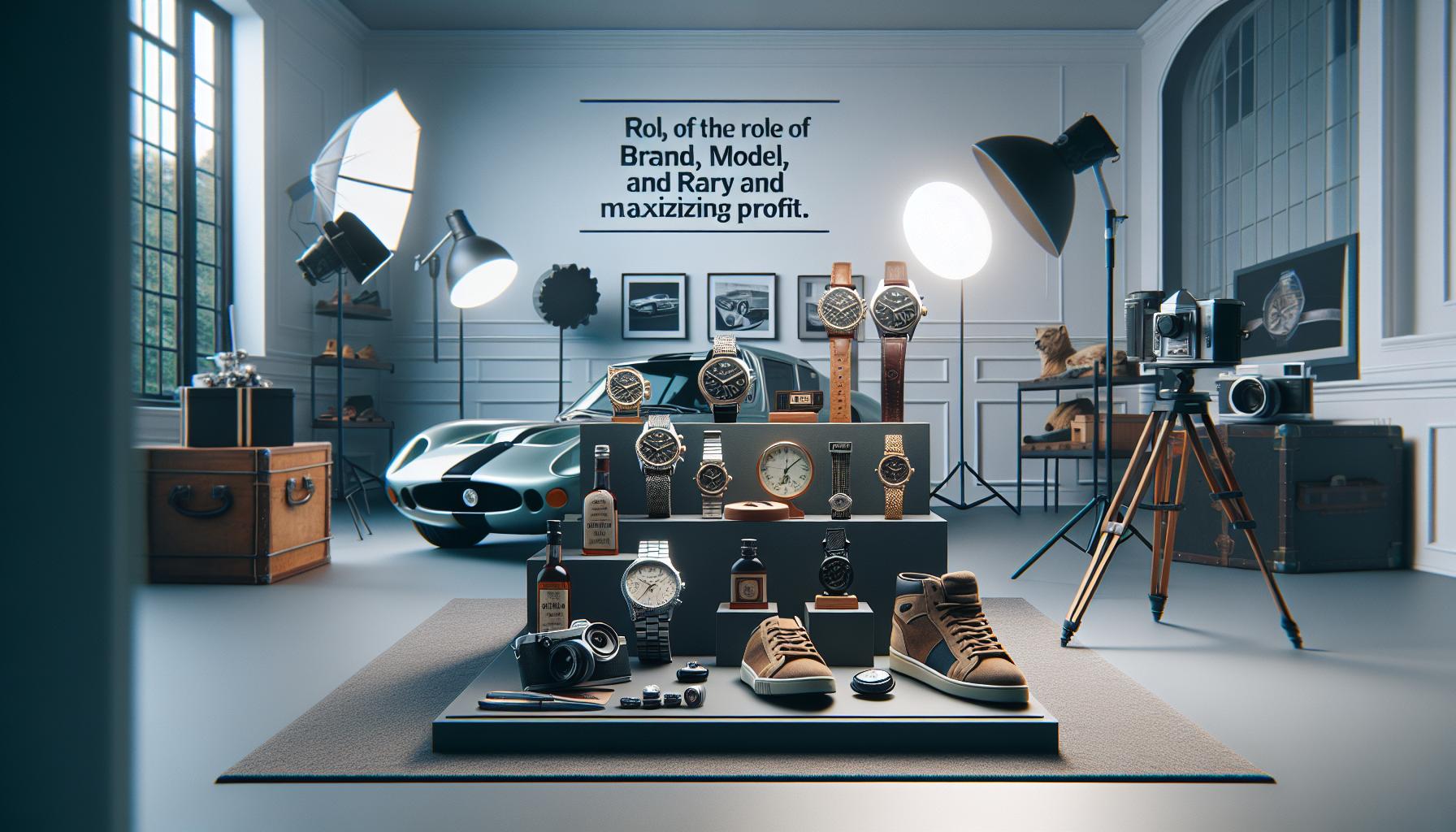
A watch’s brand, model, and rarity form the core pillars determining its resale value, often making the difference between a quick sale and a record-breaking transaction. Buyers gravitate toward established brands with a strong heritage because these manufacturers combine trusted craftsmanship with recognized prestige-think Rolex, Patek Philippe, Audemars Piguet, and Cartier. These names have built reputations for reliability, innovative in-house movements, and iconic designs that remain coveted through the decades. Such as, a Rolex Submariner with the Caliber 3230 automatic movement holds value not only due to its technical robustness but its cultural importance and familiarity worldwide.On the flip side,respected brands like Tissot or Seiko offer fantastic engineering for their price points,earning the appreciation of emerging collectors who prize durability and design over sheer status.
Rare editions and limited releases elevate this further by injecting exclusivity into the equation. Limited runs, discontinued models, or watches with unique features-like a meteorite dial or a vintage Omega Speedmaster “Moonwatch” featuring original pushers and bezel-create scarcity that enthusiast communities actively chase. These factors can cause prices to jump significantly on the secondhand market because collectors recognize that rarity protects against dilution and mass availability. Even Cartier’s recent surge, now outpacing Omega in global sales, confirms how a brand’s strategic launch of unique models can shift market dynamics rapidly. When assessing your collection, highlight these details to potential buyers by describing production numbers, special complications (chronographs, moon phases, perpetual calendars), and distinguishing design traits that speak to the watch’s story and craftsmanship[[[[[2]](https://www.afr.com/life-and-luxury/fashion-and-style/presenting-the-it-watch-of-2026-one-of-them-anyway-20251110-p5n97v).
Balancing Brand Strength with Model Specifics
While the brand opens doors, the model and its specific attributes often dictate the final price bracket. Iconic models with enduring demand-rolex’s Submariner, Patek Philippe’s Nautilus, Audemars Piguet’s Royal Oak-consistently fetch strong resale prices. The reason lies in their blend of design appeal, mechanical excellence, and proven market desirability.Conversely, less popular or entry-level models from these brands may not appreciate as quickly but can still offer solid returns if properly serviced and well-preserved.
Consider that “in-house movement” watches, where manufacturers develop their own calibers rather than relying on third-party engines, often hold more allure because of perceived technical superiority and rarity. For instance, Rolex’s proprietary Caliber 3230 is famed for robustness and precision, a selling point often emphasized by dealers. Meanwhile, mechanical complications add layers of desirability. Watches featuring chronographs (stopwatch function), tourbillons (device to improve accuracy), or perpetual calendars attract buyers who appreciate horological craftsmanship and are willing to pay a premium.
Rarity as a Multiplier: Limited Editions and Discontinued Runs
Scarcity’s power cannot be overstated in this market. Limited editions-whether produced in hundreds rather than thousands, or commemorating special milestones-frequently enough appreciate faster due to tight supply. For example, a Patek Philippe Nautilus ref.5711 with Tiffany & Co. branding recently broke auction records because only a small number were made. Similarly, vintage watches with original unpolished cases or rare dial variants are prized by collectors valuing originality and unaltered patina.
If your collection includes these rarities, make sure to document provenance and condition meticulously. Authenticity and verified history add tangible value. Beyond that, educate potential buyers on how rarity affects long-term desirability and should be factored into initial price expectations.
| Brand | Popular Models | Movement Type | Average Resale Range (USD) | Rarity Impact |
|---|---|---|---|---|
| Rolex | Submariner, Daytona | Rolex Caliber In-house Automatic | 10,000 - 50,000+ | Critically important Premium for Vintage & Limited Editions |
| Patek Philippe | Nautilus, Aquanaut | In-House Mechanical Complications | 30,000 – 150,000+ | Very High for Limited Runs & Unique Pieces |
| Audemars Piguet | Royal Oak, Royal Oak Offshore | In-House Automatic & Chronographs | 15,000 – 100,000+ | Premium on Discontinued & Special Editions |
| Tissot | PR 100, Le Locle | Quartz & Automatic Movements | 150 – 1,000 | Low; value Based on Condition & Demand |
In summary, a thoughtfully curated watch collection that emphasizes iconic brands, sought-after models, and genuine rarity will nearly always yield better profits when selling.Share specifics about movement types, limited production runs, and any certified provenance to position your watches as valuable pieces of horological art-not merely timekeepers. Celebrating the passion and craftsmanship behind each watch resonates deeply with buyers, from the seasoned collector admires a Patek Philippe, to the everyday enthusiast who treasures a precision-engineered Casio G-Shock.
Timing Your Sale: When to Sell for Highest Returns
Timing your sale strategically can significantly impact the returns you achieve from your watch collection. The watch market isn’t static; it ebbs and flows in response to broader economic climates, collector enthusiasm, and product life cycles. Watches, especially luxury models with in-house mechanical movements and notable complications, frequently enough see seasonal demand spikes. For instance, January and February tend to be prime months, partly because many collectors use the start of the year as a reset for their collections-selling outgoing pieces to fund new acquisitions. This is echoed by expert advice encouraging downsizing watches in February 2026 to optimize value as buyers become more active post-holidays and before new releases debut later in the year[[[[[1]](https://sellusyourjewelry.com/blog/retirement-transitions-why-february-2026-is-the-perfect-time-to-downsize-your-luxury-watch-collection-and-simplify-your-estate/).
The timing also aligns with the release cycles of major brands. Limited editions or refreshed models typically launch in spring or fall at watch fairs or exclusive brand events. Selling just before these new drops can be beneficial, especially for models about to be discontinued, since anticipation drives up demand and prices. Conversely,if your watch is a recent release,holding onto it for a year or two might increase its rarity and desirability,as production settles and scarcity creeps in.
- Market Sentiment and Trends: Keep an eye on industry news and collector community chatter. Such as, 2025 and 2026 are marked by rising prices and growing secondary market interest in brands like Rolex, Patek Philippe, and emerging independents such as F.P. Journe. Awareness of these trends helps you avoid selling during market downturns or when interest wanes[[[[[3]](https://www.hodinkee.com/articles/prices-volumes-and-passion-the-business-of-watches-in-2025-and-what-to-expect-in-2026).
- Economic Cycles and Global Events: Watches are often luxury investments, sensitive to economic confidence. For collectors and sellers alike, times of economic growth or recovery boost discretionary spending, elevating watch prices. Conversely, during recessions, selling may require more patience or accepting slightly lower offers.
- Special Occasions and Auction Seasons: Auction houses tend to schedule prominent watch sales in spring and fall, capitalizing on collector attendance peaks. Publicizing your watch for sale around these times-whether via auctions or private sales-can enhance visibility and competitive bidding, pushing prices higher.
Understanding your watch’s story is equally crucial for timing. Watches from a prominent era, like a 2010s Rolex Submariner with caliber 3230, achieve best returns once they’ve proven reliability and gained collector recognition. Simultaneously occurring, vintage pieces with original components and unpolished cases can command premiums at any time, but especially during market cycles favoring nostalgia and rarity.
Real-world example: Many collectors observed a strong surge in demand for Tudor watches in the last decade, prompting holders to time their sales around announcements of new models or brand milestones, allowing them to capitalize on the buzz and limited availability that follow. This kind of market awareness pays off across the luxury spectrum-even for well-engineered quartz watches like a Seiko or Tissot, timing sales to coincide with collector attention peaks or expansions in brand popularity boosts resale value.
In short, profitable watch selling relies on balancing watch-specific factors (movement type, rarity, condition) with broader market timing strategies.Staying engaged with the watch community, monitoring industry news, and choosing your moment wisely often distinguish a good sale from a great one.
Key Timing Considerations
| Timing Factor | Impact on Sale | Best Practice |
|---|---|---|
| Seasonal Demand Peaks | Higher buyer activity; competitive pricing | Sell early year or before major watch shows |
| New Model Releases | Discontinued models spike in value; hype surrounding new models | Sell just before new releases or after hype settles |
| Economic Conditions | Market liquidity and buyer confidence influence prices | sell during economic growth or recovery phases |
| Auction & Event Cycles | Increased visibility and bidding pressure | Align sales with major auctions or collector events |
Negotiation Tips for Getting Top Dollar from Buyers
few experiences match the thrill of negotiating a watch sale that truly reflects your timepiece’s worth. Whether you’re parting with a meticulously crafted Tudor with an automatic METAS-certified movement or a rugged, value-packed Casio G-Shock, maximizing your return depends on savvy negotiation tactics rooted in knowledge, patience, and clear communication.
Start by positioning yourself as an informed seller. Know your watch’s specifics inside out - its caliber, complications (like chronographs or GMT functions), condition, provenance, and recent servicing history. For example, if you own a Tudor Black Bay with an in-house caliber MT5602, highlighting that it outperforms many Swiss luxury counterparts on precision and durability will strengthen your case. Similarly, for quartz or entry-level automatics (think Seiko’s 4R36 movement or Tissot Powermatic 80), emphasize reliable engineering and the watch’s value for money. Awareness of recent market trends, like the growing collector demand for Christopher Ward’s transparent pricing or Serica’s military-validated tool watches, equips you to justify your asking price credibly[[[[[1]](https://www.youtube.com/watch?v=A6qKQ42Ep8E).
Mastering the Art of Negotiation
- Set a real but flexible price: Research recent sales and current listings, keeping a sweet spot between fair market value and room for negotiation. Overpricing can scare buyers off, while underpricing leaves money on the table.
- Highlight condition and service: Watches freshly serviced or professionally polished command premium offers.Documentation of calibration or COSC certification (in COSC-certified models) acts like a quality stamp, assuring buyers of your watch’s flawless function.
- Leverage storytelling: Convey a brief, compelling narrative about the watch’s history or uniqueness-was it sourced from an authorized dealer, or is it a limited edition? Stories add emotional value, often turning negotiations in your favor.
- Be patient and listen: Let buyers express their concerns or hesitations. Sometimes,gentle reassurance about post-sale support,return policies,or transfer of warranties can tip the scales.
Examples from the Field
Seasoned sellers often recall how a Rolex Submariner “Hulk” with a nearly untouched dial and original box settings whent for over asking due to the collector’s familiarity with hard-to-find production runs and the well-documented in-house 3235 caliber. Conversely, sellers of popular but more affordable models like a Seiko SKX007 saw better returns when negotiating began after educating buyers about its rugged automatic movement and cult following, dispelling any notion that only Swiss watches hold true value.
Psychology and Timing in Offers
The power of timing continues during negotiations. Buyers might test lower offers initially-expect it. Firm but friendly counters with facts (for example, a “discount” that’s less than the cost of servicing your watch) create transparency and build buyer trust. It’s smart to quietly hold back your best price (known as a “walk-away” price) to avoid snapping up an offer too early.
| Negotiation Strategy | Effective Tactic | Reason |
|---|---|---|
| Anchor High | Quote a price slightly above market value | Gives room for discounting without losing value |
| Prepare Documentation | Provide service records, original box, warranty cards | Builds buyer confidence in authenticity and condition |
| Showcase Details | Share high-resolution photos or videos | Highlights quality and deters lowballing |
| express Flexibility | Offer minor perks like free shipping or adjusted payment terms | Encourages buyer goodwill without cutting price |
Navigating negotiations also means recognizing when to walk away. If a buyer’s offer undervalues your piece significantly or neglects key watch attributes (like rarity or movement excellence), remain firm. The watch market in 2026 rewards sellers who balance passion with pragmatism,knowing that a well-informed collector will pay for craftsmanship and provenance-not just brand prestige alone.
Ultimately, blending horological knowledge with sharp negotiation skills transforms watch selling from a transaction into a rewarding exchange. Whether you’re dealing with a $200 vintage quartz beauty or a $50,000 haute horlogerie masterpiece, the principle remains: respect for the craft, transparent communication, and understanding the buyer’s mindset will earn you the best return possible.
Legal and Tax Considerations When Selling High-Value Watches
selling high-value watches isn’t just about finding the right buyer or setting the right price-it also means navigating an often overlooked but crucial layer: legal and tax obligations. Many collectors are surprised to learn that variables like capital gains taxes, import duties, or resale regulations can significantly impact the actual profit you pocket. Whether parting with a $1,000 vintage Seiko or a $50,000 Audemars Piguet Royal Oak, being informed about these factors can save you headache-and money.
Knowing When and How Taxes Apply
In many countries, selling a luxury watch is treated as a taxable event, especially if the watch’s value has appreciated since purchase. For example, in the U.S., the IRS considers profits from private sales as capital gains, subject to short- or long-term capital gains tax depending on how long you held the watch. This means even casual sellers might owe taxes if their collection includes sought-after pieces like a Rolex Submariner with an in-house 3235 caliber or a Patek Philippe with complex complications. keep accurate records of your original purchase price, any servicing costs, and sale price to calculate gains precisely.
In addition, some states or countries impose sales tax or VAT on luxury watch sales, particularly when using dealers, auction houses, or online platforms. For instance, consigning watches to major auction houses such as Sotheby’s may include VAT depending on location and buyer status. Notably, when selling internationally, customs duties can apply if the watch crosses borders, so be sure to declare it properly and understand import/export rules.
Documentation is Your Best Defense
Retain all paperwork: sales receipts, service history, original warranty cards, and authentication certificates.These not only boost buyer confidence but also assist in legal and tax filings. Some collectors favor having professional appraisals or third-party authentication before sale. These documents support your declared sale price and demonstrate transparency if audited or questioned by tax authorities.
Practical Tips for Smooth Compliance
- Consult a tax professional: Laws can differ dramatically by jurisdiction, especially for high-value transactions, so professional advice custom-tailored to your situation is invaluable.
- Declare all income: Even casual sales should be reported honestly; undisclosed income can trigger fines or legal trouble.
- Use trustworthy platforms: Selling through reputable dealers or auction houses can simplify tax compliance,as many handle tax collection and reporting on your behalf.
- Understand personal exemptions: Some countries exempt private sellers under certain thresholds, so research if you qualify to reduce your tax burden.
The Legal Side of Ownership Transfer
Ownership laws vary, particularly concerning resale rights and warranty transfers. As an example, some brands provide transferable warranties only if watches are sold through authorized channels. Reselling a Cartier Tank or Omega Speedmaster “moonwatch” without proper documentation and warranty transfers can affect perceived value and buyer trust. Always be transparent about the watch’s provenance. If you’re selling secondhand, avoid any misrepresentation, as warranties against counterfeit or stolen watches carry legal weight.
| Watch Sale Feature | Key Legal/Tax Consideration | Practical Advice |
|---|---|---|
| Private Sale | Capital gains tax may apply; personal exemptions vary | Keep detailed records and consult tax specialist |
| Dealer or Consignment | sales tax/VAT frequently enough included; dealer handles part of reporting | Use licensed dealers with transparent policies |
| Auction Sale | May attract auction fees, VAT, import/export duties | Clarify terms and tax responsibilities upfront |
| International Sale | Customs declaration and import duties possible | Declare item correctly; understand cross-border laws |
By embracing these considerations, you turn potential pitfalls into well-managed checkpoints. The legal and tax landscape behind watch selling doesn’t have to be intimidating. Rather, view it as another facet of the craftsmanship behind trading horological treasures from your collection-just like tracking the caliber inside your Tissot Powermatic 80 or the complication set on your Hublot Big Bang.
Selling your watches with clarity and legal mindfulness preserves your reputation as a passionate, honest collector and ensures your returns reflect the true value of your pieces-not unexpected penalties. Whether you’re handling a modest Casio G-Shock reissue or a haute horlogerie masterpiece, smart planning here is a win-win for all parties involved.
Spotting and Avoiding Common Selling Scams and Pitfalls
Few things sting more than losing a prized watch-or its value-to scams or simple pitfalls that could have been avoided with a bit of savvy and preparation. Whether you’re moving a $200 Casio or a high-end Rolex Submariner with an in-house caliber 3235, understanding the common traps in watch selling helps keep your transaction secure and profitable. The luxury watch market in 2026 is vibrant, but it also rewards buyers and sellers who do their homework and don’t rush.
Common Tactics to Watch Out For
- Fake Buyers and Overpayment Scams: Beware of buyers who offer to pay more than your asking price, often promising to send a check or wire transfer-only for the payment to bounce or prove fraudulent after you’ve shipped the watch. Always verify funds have cleared before handing over your prized timepiece.
- Counterfeit and altered Watch Claims: Some buyers may suddenly question the watch’s authenticity or state it’s “replica” after payment, in attempt to request refunds or partial returns. Protect yourself with professional authentication certificates and comprehensive photos showing serial numbers, hallmark stamps, and unique signs of your watch’s originality.
- Shipping and Insurance Pitfalls: Shipping a watch without adequate insurance or tracking is a recipe for disaster.Watches are prized not just for brand but often for the movement’s craftsmanship-think automatic calibers or precious metal cases. Insure your shipment at full declared value, and use trusted carriers with signature-on-delivery protocols.
- Phantom Auctions and Fake Sellers: When turning to online platforms or lesser-known auction sites, confirm their legitimacy. Scam auctions lure sellers by promising low fees but never deliver payment. Similarly, personal meetups can be risky without safe exchange venues, especially for high-value watches.
How to shield Yourself
- Authenticate before you list: Professional appraisals or third-party certifications strengthen buyer confidence and provide you legal protection.This is especially invaluable for complex watches with multiple complications or unique calibers, like a Patek Philippe grand complication or a Seiko Presage with intricate movements.
- Use reputable platforms: Trusted dealers, established auction houses, and specialist marketplaces offer built-in protections for sellers.Some platforms even handle escrow services, ensuring you get paid before the watch changes hands.
- Document every step: keep thorough records of communications, payment confirmations, and shipping receipts. Take clear, well-lit photos of the watch from multiple angles-dial, crown, caseback, clasp-highlighting serial numbers and signs of authenticity or condition issues.
- Meet in safe spaces: For in-person sales, choose public locations such as bank lobbies or certified watch boutiques, ideally with video surveillance. Avoid private residences or remote areas to minimize risk.
| scam Type | Warning Signs | Protective Action |
|---|---|---|
| Fake Payment | Overpayment offers; payment delays; wire transfers from unusual sources | Confirm funds cleared with your bank before shipping; prefer cash or escrow |
| Authenticity Disputes | buyer claims watch is replica after purchase | Obtain professional authentication pre-sale; keep detailed photos and documents |
| Shipping Loss/Theft | Undervalued insurance or untracked shipping | Fully insure shipment; track and require signature confirmation |
| Fake Seller / Auction Scam | Unverified website; requests for upfront fees; lack of contact info | Research platform reviews; use known, trusted dealers or auction houses |
Above all, clear communication is your best ally.Genuine buyers value transparency about a watch’s condition, service history, and any relevant quirks-whether it’s a vintage Tissot Powermatic 80 or a modern Hublot Big Bang with proprietary materials.Being upfront not only builds trust but can preempt disputes that lead to refunds or chargebacks.
selling watches is as much an art as crafting them. Applying the same patience and care to your sale as the watchmakers put into their calibers will score you better returns and lasting relationships in the watch community. Keep your passion and your profits intact by spotting red flags early and protecting yourself every step of the way.
Leveraging watch Communities and Forums for Buyer Connections
Connecting with fellow watch lovers can be one of the smartest moves when selling your collection. Watch communities and forums are more than just chatrooms-they’re vibrant marketplaces where knowledgeable collectors, casual hobbyists, and seasoned dealers converge. If you have a well-maintained Seiko Presage with an in-house automatic movement or a rugged Casio G-Shock, these networks can be invaluable for reaching buyers who truly appreciate the nuances of your pieces and are willing to pay fair value for them.
Many forums foster a spirit of trust through verified seller programs or reputation systems, which help minimize scams-a crucial factor when selling online. Engaging actively before listing your watch builds credibility; sharing detailed photos highlighting the dial, crown, caseback, and clearly showing the serial and model numbers assures buyers of authenticity and condition. For example, communities like WatchUSeek and Reddit’s r/Watchexchange often encourage sellers to provide full disclosure on service history and any minor flaws, improving buyer confidence and smoothing negotiations. These platforms also allow you to tap into niche collectors-as an example, those passionate about vintage Tissots or exclusive, handmade calibers from independent brands-possibly fetching higher returns than broader marketplaces.
How to Make the Most of Watch Forums
- Be Transparent and Detailed: Post high-resolution photos in natural light. Showcase angles that highlight the movement (if visible), lume quality, or patina on vintage dials. Detail servicing dates and include copies of authentication certificates if available.
- Leverage User Feedback: Engage in forum discussions to build a reputation. Positive feedback from previous sales adds weight during price discussions and reassures hesitant buyers.
- Match Your Watch to the Audience: Certain forums have strengths in specific segments-luxury Swiss brands, affordable dive watches, or military-style pieces. Research where your particular model draws the most interest.
- Negotiate Respectfully: Collectors appreciate honesty and knowledge, so be prepared to explain the watch’s unique features (such as a Rolex Submariner’s in-house caliber 3235 with improved precision) and justify your asking price logically.
For sellers wary of scams,communities often recommend secure payment methods like PayPal Goods & Services or escrow services integrated within some platforms. Shipping advice and best practices are commonly shared, reflecting collective wisdom from past transactions. in contrast to general sales sites, watch forums bring the advantage of buyer and seller education: enthusiasts recognize the difference between a mass-produced quartz movement and a complex GMT complication with a full calendar, adjusting offers accordingly. This shared technical respect elevates the conversation beyond mere haggling and supports fair market value.
By tapping into these passionate circles, you’re not just selling a watch-you’re connecting with fellow devotees who appreciate the craftsmanship behind every gear and spring. This dynamic often leads to smoother sales, repeat buyers, and even trading opportunities that might not show up on mainstream platforms. Whether you’re moving a humble $150 Tissot or a prized $50,000 Hublot, these communities can be your secret weapon for maximizing value while fostering genuine horological camaraderie.
Comparing Resale Value: Luxury vs. Affordable Watch Brands
Watches,whether humble or haute,tell stories not just through their hands and dials but also through their resale journeys. While luxury brands like Rolex, patek Philippe, and Audemars Piguet often headline headlines with remarkable resale value, the resurgence of well-crafted affordable watches is a crucial narrative for 2026 sellers. Understanding how these two segments perform in the secondary market helps you strategically position your collection for maximum returns.Luxury watches typically hold or appreciate value thanks to their in-house automatic movements, iconic designs, and limited production runs. For example, a Rolex Submariner fitted with the caliber 3235 movement-a robust, high-precision automatic caliber designed entirely in-house-can retain upwards of 70-80% of its retail price after several years, and in some cases appreciate if the model becomes scarce or discontinued. These watches combine technical complexity, brand prestige, and historical cachet, making them desirable assets for collectors and investors alike.
In contrast,affordable watches from respected brands like Seiko,Tissot,or Hamilton deliver excellent craftsmanship at accessible prices but usually depreciate once worn. However, exceptions abound. Models with cult followings,such as the Seiko Presage line featuring finely decorated automatic calibers or limited editions,can generate solid resale values by appealing to enthusiasts who appreciate horological detail without luxury price tags. Meanwhile, tough, quartz-powered watches like the Casio G-Shock don’t typically rally as investments, but their durability, functionality, and brand reputation afford steady demand in the used market.
Factors Influencing Resale between Luxury & Affordable
- Movement Type: Luxury watches usually have in-house mechanical movements with complications (date, GMT, chronograph) that collectors prize. Affordable watches frequently enough rely on reliable but mass-produced automatic or quartz calibers, impacting resale appeal.
- Brand Heritage and Prestige: Names like Patek Philippe or Omega bring decades of history, elevating perceived and real value. Affordable brands rely more on design quality and innovation for appeal.
- Rarity and Production Volume: Limited editions and discontinued luxury models can see strong price increases. On the affordable side, rarer or vintage pieces sometimes rise in value as collectors discover them.
- Wear and Condition: regardless of segment, condition significantly affects resale. Luxury watches may command premium for factory service records and original packaging; affordable watches benefit from honest disclosure and care.
Practical Resale Comparison
| Watch Segment | Typical Purchase Price Range | Average Resale Value After 3 Years | Key Value Drivers | Examples |
|---|---|---|---|---|
| luxury | $5,000 – $50,000+ | 70% – 110% (depends on rarity and demand) | In-house caliber, brand prestige, limited edition, iconic design | Rolex Submariner, Patek Philippe Nautilus, Audemars Royal Oak |
| Affordable | $150 – $1,500 | 40% – 70% (higher if limited edition or vintage) | Movement reliability, cult status, design uniqueness | Seiko Presage, Tissot PRX, Hamilton Khaki field, casio G-Shock |
While luxury timepieces are often seen as investments, affordable watches offer a different value proposition: accessible access to fine watchmaking with a lower entry barrier and less financial risk. For sellers, recognizing this can help balance expectations and tailor your selling strategy. As a notable example, sharing detailed service history and emphasizing rarity when selling affordable watches can tilt buyer interest and yield better offers.
Approaching resale with respect for both ends of the spectrum honors watchmaking as a craft-celebrating the precision of a $150 automatic as much as the engineering excellence of a $50,000 tourbillon. Whether your collection leans luxury or everyday classics, understanding these resale dynamics helps you price competitively and connects your timepieces with buyers who truly value them.
Using Professional Appraisals and Authentication services
True confidence in selling watches-whether it’s a vintage Rolex or a well-loved Seiko-comes from knowing exactly what you own and being able to prove it. Professional appraisals and authentication services are the secret weapons in your resale toolkit, helping you unlock the best possible value by providing buyers with trusted, objective proof of authenticity and condition. In a market where craftsmanship spans from a $150 Tissot automatic to a $50,000 Hublot tourbillon, these services level the playing field and put you in control.
Getting a professional appraisal means having your watch examined by experts who understand not just the make and model, but the intricate details that define its worth. This is especially vital for watches featuring *in-house movements*-those designed and built by the brand itself-which often hold higher value due to their technical exclusivity.For example,a Rolex submariner with the caliber 3235 movement benefits from not only brand prestige but also mechanically advanced features like improved accuracy and power reserve. An appraisal will confirm the movement’s authenticity, current condition, and any recent servicing, all of which directly affect resale prices. Even affordable classics like the Seiko Presage can benefit from appraisal to highlight original components and verify limited editions, helping you differentiate your piece in a crowded market.
Authentication services go hand in hand with appraisals. These involve thorough visual inspections and sometimes high-tech analyses-such as examining serial numbers, case stamps, dial printing, and movement finishes-to detect fakes or unauthorized modifications.This is essential in 2026’s watch market, where replicas and aftermarket alterations can deceive even savvy buyers.Providing an authentication certificate elevates buyer confidence and often results in quicker sales at higher prices. Remember, a fully authenticated and appraised watch reflects transparency and care, qualities buyers appreciate whether they’re hunting for a bold Cartier Santos Dumont or a rugged Casio G-Shock.
Maximizing Value Through professional Expertise
- Detailed Condition Reports: Professional evaluations detail wear and tear, polishing history, and whether the watch retains original parts-vital info for collectors who prize originality.
- Verification of Limited Editions and Rarity: Appraisers can confirm if your model matches documentation or identify rarities that might otherwise be overlooked-potentially boosting selling price.
- Supporting Documentation: Certificates and written appraisals become part of the watch’s provenance, enhancing trust during negotiations.
- Insurance Purposes: Besides resale, these documents help you insure your collection properly against loss or damage.
| Service Type | Purpose | Value Added | Typical Cost Range (USD) |
|---|---|---|---|
| Appraisal | Value & condition assessment | Supports pricing & insurance | $100 - $300+ depending on watch & detail |
| Authentication | Verify originality & prevent fraud | Builds buyer confidence & ensures legitimacy | $50 – $200 depending on brand & method |
Ultimately, professional appraisals and authentication services convey care and credibility, signifying that your watch has been respected in its journey and can be confidently passed on. Whether you’re selling a sought-after Omega chronograph or a dependable Hamilton Khaki Field, these steps turn uncertainty into a selling advantage, satisfying buyers and helping you secure top dollar in 2026’s vibrant watch market.
Q&A
Q: how can limited edition watches impact the sale price of my collection in 2026?
A: Limited edition watches often command higher sale prices due to their rarity and exclusivity. Collectors value unique attributes like special dials, serial numbers, or collaborations. Highlighting these in listings boosts desirability and return, making limited editions a smart focus when aiming to maximize your watch collection’s value in 2026. Refer to the section on *Role of brand, Model, and Rarity* for deeper insights.
Q: What role do watch condition grading systems play in selling my collection?
A: Watch condition grading (e.g., “mint,” “excellent,” “worn”) directly affects buyer confidence and pricing. Providing standardized condition reports,including details like scratches or service history,helps justify your asking price and attracts serious buyers. Use condition grading alongside professional appraisals to maximize your returns.
Q: How does provenance influence the selling price of luxury watches?
A: Provenance-documentation of a watch’s history, previous owners, and original purchase details-can significantly boost value. Watches with verified provenance, especially celebrity or historical connections, appeal more to collectors and increase trust, leading to higher offers.Consider including provenance info with your listings to stand out.
Q: Can bundling watches in a collection sale increase overall returns?
A: Selling watches as bundled collections can attract buyers looking for variety or investment sets and might speed up sales. However, individual high-value pieces generally fetch better prices when sold separately. Strategically bundle lower-value watches and sell premium models individually to optimize your overall profits. For strategies, see *Choosing the Best Selling Platforms*.
Q: What are effective marketing tactics to promote my watch collection online?
A: Utilize targeted SEO techniques such as detailed product descriptions with keywords like “vintage automatic chronograph” or ”men’s luxury dive watch” to improve visibility.High-quality photos and storytelling about each watch’s features enhance engagement. Leveraging watch forums and social media communities amplifies reach and buyer interest[[[[[1]][[[[[2]].
Q: How do global economic trends affect the timing to sell a watch collection in 2026?
A: Economic conditions like inflation, currency fluctuations, and interest rates influence luxury watch demand. Strong economies boost buyer confidence and prices, while downturns may delay sales or lower offers. Monitoring global trends alongside market data helps optimize *Timing Your Sale* for highest returns.
Q: Why should I consider offering flexible payment options when selling high-end watches?
A: Offering payment plans or accepting secure financing increases buyer accessibility and can accelerate sales, especially for premium pieces over $10,000.Flexibility builds trust, attracting serious collectors who may be willing to pay a premium. Include clear terms to avoid confusion.
Q: How important is watch original packaging and documentation in resale value?
A: Original boxes, manuals, and warranty cards can add 10-20% or more to resale value by confirming authenticity and enhancing collector appeal. Always include these items and photograph them in listings. Maintaining documentation supports your *Evaluating Your Watch Collection’s Current Value* efforts and reassures buyers.
—
For more detailed strategies on maximizing your return, explore our sections on *Professional Appraisals* and *negotiation Tips*. Your passion for watches combined with smart selling tactics ensures 2026 can be your most profitable year yet.
In Retrospect
Maximizing your return when selling a watch collection in 2026 means understanding market trends, movement types-from reliable automatic calibers to sought-after in-house complications-and the nuanced value retention across brands like Rolex, omega, and even affordable classics such as Seiko or Tissot. Now that you’re equipped with strategies to time your sale for optimal pricing,consider exploring our detailed guides on “Top Resale Watches of 2026” and “How to Authenticate Luxury Timepieces” to refine your approach further.
Don’t wait-market conditions and collector demand can shift quickly, so initiating your sale process now can secure the best returns. Whether you’re navigating aftermarket pricing or deciding between direct sale vs. auction, tools like our Watch Valuation Calculator and personalized consultation services are here to guide you. Ready to take the next step? Subscribe to our newsletter for exclusive insights or contact our expert team for tailored advice that balances technical detail with real-world market data.Have questions or want to share your selling experience? Drop a comment below or share this article with fellow collectors. Dive deeper into watchmaking craftsmanship and resale strategies with our ongoing content-because every watch tells a story worth maximizing.