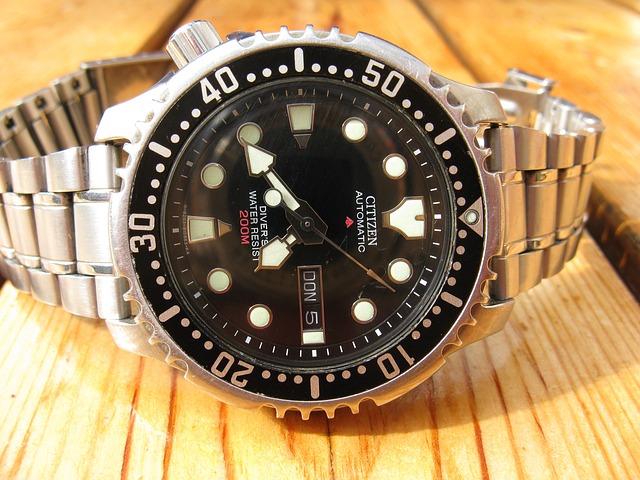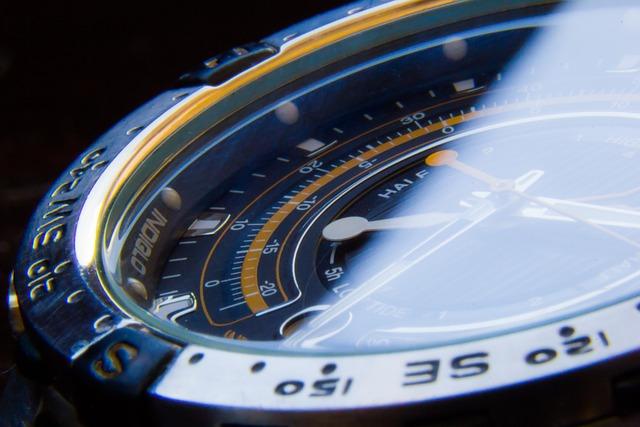
Are All Mechanical Watches Wind Up? The Truth Unveiled
Have you ever wondered if all mechanical watches need to be wound up manually? In this article, we will delve into the truth behind mechanical watches and uncover whether they all require winding. Join us as we explore the fascinating world of timepieces and dispel any misconceptions you may have about how these intricate mechanisms operate. Get ready to uncover the truth about mechanical watches and how they keep ticking without any help from a winding key.
Contents
- Are All Mechanical Watches Self-Winding?
- Are All Mechanical Watches Wind Up? The Truth Unveiled
- The Difference Between Manual and Automatic Watches
- Understanding the Components of Mechanical Watches
- Exploring the History of Wind-Up Watches
- Benefits of Manual Wind Watches
- Common Misconceptions about Wind-Up Watches
- How to Properly Wind a Mechanical Watch
- Understanding the Proper Way to Wind a Mechanical Watch
- Choosing Between Manual and Automatic Watches
- Maintenance Tips for Wind-Up Watches
- The Value of Traditional Mechanical Watchmaking
- In Summary
Are All Mechanical Watches Self-Winding?
Are All Mechanical Watches Wind Up? The Truth Unveiled
It is a common misconception that all mechanical watches are self-winding, but the truth is that not all mechanical watches are self-winding. In fact, there are two main types of mechanical watches: manual winding and automatic (self-winding) watches.
Manual winding watches require the wearer to manually wind the watch by turning the crown to tighten the mainspring. This type of watch needs to be wound daily to ensure accuracy and longevity.
Automatic or self-winding watches, on the other hand, have a rotor that winds the mainspring as the wearer moves their wrist throughout the day. This eliminates the need for daily winding, making it a more convenient option for those on the go.
So, next time you’re in the market for a mechanical watch, be sure to consider whether you prefer the traditional manual winding method or the modern convenience of a self-winding watch.

The Difference Between Manual and Automatic Watches
When it comes to mechanical watches, there is often confusion about whether all mechanical watches need to be manually wound. The truth is that not all mechanical watches need to be manually wound. In fact, there are two main types of mechanical watches: manual and automatic.
Manual watches, also known as hand-wound watches, require the wearer to manually wind the watch by turning the crown. This action tightens the mainspring, which stores the energy needed to power the watch. Manual watches typically need to be wound once a day to ensure they keep accurate time.
On the other hand, automatic watches, also referred to as self-winding watches, do not need to be manually wound. These watches have a rotor inside that moves with the motion of the wearer’s wrist, automatically winding the mainspring. Automatic watches are often preferred for their convenience, as they do not require daily winding like manual watches.
In summary, while manual watches need to be manually wound, not all mechanical watches require this action. Automatic watches offer the convenience of self-winding, making them a popular choice for many watch enthusiasts.

Understanding the Components of Mechanical Watches
Mechanical watches are intricate timepieces that are powered by a complex system of gears and springs. Contrary to popular belief, not all mechanical watches are wind-up. There are two main types of mechanical watches: manual and automatic.
Manual mechanical watches require regular winding by turning the crown to tighten the mainspring. This manual winding process ensures that the watch’s movement functions properly and keeps accurate time. On the other hand, automatic mechanical watches have a self-winding mechanism that utilizes the natural motion of the wearer’s wrist to wind the mainspring.
Regardless of the type, all mechanical watches have three main components that work together to power the timepiece: the mainspring, gear train, and escapement. The mainspring stores energy that is released in a controlled manner by the gear train, which transfers the energy to the escapement. The escapement regulates the release of energy to the balance wheel, which oscillates back and forth to ensure accurate timekeeping. Understanding these components is key to appreciating the craftsmanship and precision of mechanical watches.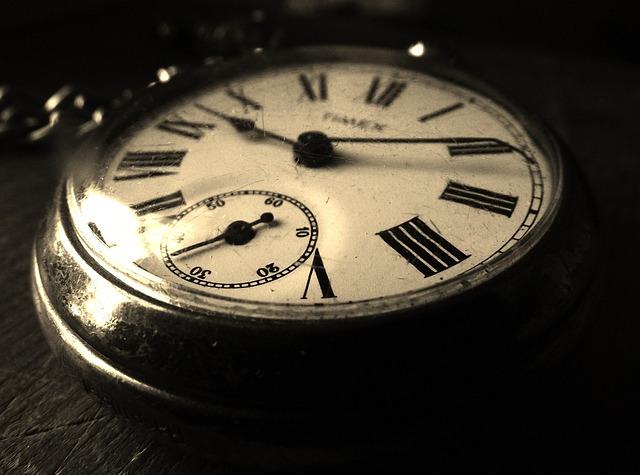
Exploring the History of Wind-Up Watches
Throughout history, mechanical watches have been a symbol of craftsmanship and precision. While many people may think all mechanical watches are wind-up, the truth is a bit more nuanced.
– **Simpler Mechanisms**: Not all mechanical watches require winding. Some are self-winding, also known as automatic watches, which use the motion of the wearer’s arm to keep the watch running.
– **Vintage Charm**: Wind-up watches, on the other hand, require manual winding to keep them ticking. This process involves turning the crown of the watch to tighten the mainspring, storing energy for the watch to function.
– **Historical Significance**: Wind-up watches have a rich history, dating back to the early 15th century. They have evolved over time, with technological advancements improving accuracy and reliability.
– **Collectors’ Items**: Today, wind-up watches are not only functional timepieces but also collectible items cherished for their mechanical beauty and historical significance.
In conclusion, while not all mechanical watches are wind-up, the tradition of manually winding a timepiece remains a timeless and elegant practice that continues to captivate watch enthusiasts around the world.
Benefits of Manual Wind Watches
Manual wind watches, also known as hand-wound watches, offer a unique charm and connection to the traditional art of watchmaking. While they may require a bit more effort to keep running smoothly, there are several benefits to choosing a manual wind watch over an automatic or quartz timepiece.
- Connection to Tradition: Hand-wound watches harken back to a time when craftsmanship and attention to detail were paramount in watchmaking.
- Control Over Power Reserve: With a manual wind watch, you have the ability to control exactly how much power is stored in the mainspring by winding it yourself.
- Learning Opportunity: Owning a manual wind watch can provide a hands-on learning experience in understanding the inner workings of a mechanical timepiece.
| Benefit | Description |
| Connection to Tradition | Hand-wound watches connect to the traditional art of watchmaking. |
| Control Over Power Reserve | You have control over how much power is stored in the mainspring. |
| Learning Opportunity | Owning a manual wind watch provides a hands-on learning experience. |

Common Misconceptions about Wind-Up Watches
One common misconception about wind-up watches is that all mechanical watches are wind-up. However, this is not entirely true. While wind-up watches fall under the category of mechanical watches, not all mechanical watches require manual winding. Some mechanical watches are automatic, meaning they are self-winding due to the movement of the wearer’s wrist.
Another misconception is that wind-up watches are outdated and unreliable. In reality, many watch enthusiasts prefer wind-up watches for their craftsmanship, precision, and longevity. Wind-up watches are often seen as a symbol of traditional watchmaking and can be passed down through generations with proper care.
Additionally, there is a misconception that wind-up watches are difficult to maintain and require constant winding. While it is true that wind-up watches need to be wound regularly to keep them running, the process is simple and can be done in a matter of seconds. With regular winding and occasional servicing, a wind-up watch can last a lifetime.
| Myth | Fact |
|---|---|
| Wind-up watches are outdated | Many watch enthusiasts prefer wind-up watches for their craftsmanship and longevity |
| Wind-up watches require constant winding | With regular winding and servicing, a wind-up watch can last a lifetime |
How to Properly Wind a Mechanical Watch
Understanding the Proper Way to Wind a Mechanical Watch
There is a common misconception that all mechanical watches need to be wound up manually, but this is not always the case. While many mechanical watches do require manual winding, some feature automatic movements that wind themselves as you wear them throughout the day.
For those watches that do need to be wound manually, it is important to follow the proper technique to avoid damaging the delicate internal components. Here are some key steps to keep in mind when winding your mechanical watch:
- Know Your Watch: Before you begin winding, make sure you know whether your watch is manual or automatic.
- Use the Correct Technique: To wind a manual watch, gently turn the crown in a clockwise direction until you feel resistance. Be careful not to overwind.
- Be Consistent: It is important to wind your watch at the same time each day to maintain accuracy and prevent excessive wear on the mechanism.

Choosing Between Manual and Automatic Watches
When it comes to , it all boils down to personal preference and lifestyle. While both types of watches are powered by mechanical movements, there are key differences that set them apart.
Manual watches, also known as hand-wound watches, require you to manually wind the crown to power the watch. This daily ritual can be seen as a way to connect with your timepiece, as you are actively involved in keeping it running smoothly. On the other hand, automatic watches are self-winding, utilizing the natural motion of your wrist to keep the watch wound. This convenience makes automatic watches a popular choice for those who prefer a more hands-free experience.
If you value tradition and enjoy the ritual of winding your watch each day, a manual watch may be the perfect fit for you. On the other hand, if you lead a busy, active lifestyle and prefer a watch that requires minimal maintenance, an automatic watch may be more suitable. Ultimately, the choice between manual and automatic watches comes down to your personal style and preferences. Whichever type you choose, both offer the timeless appeal of mechanical craftsmanship that can be appreciated for generations to come.
Maintenance Tips for Wind-Up Watches
Maintaining wind-up watches is essential to ensure their longevity and accuracy. Here are some tips to keep your mechanical timepiece in top condition:
- Regularly wind your watch to keep it running smoothly. Aim to wind it at the same time each day to establish a routine.
- Keep your watch away from magnets as they can disrupt the movement and affect its timekeeping abilities.
- Store your watch in a cool, dry place away from direct sunlight to prevent damage to the delicate components.
- Consider getting your watch serviced by a professional every 3-5 years to maintain its performance and address any potential issues.
By following these maintenance tips, you can ensure that your wind-up watch remains in excellent working condition for years to come. Remember, proper care and attention to detail will preserve the beauty and functionality of your timepiece.
The Value of Traditional Mechanical Watchmaking
Traditional mechanical watchmaking is an art form that has been passed down through generations, dating back to a time when precision and craftsmanship were highly valued. Many people often wonder if all mechanical watches need to be wound up manually. The truth is, not all mechanical watches require manual winding. There are two types of mechanical watches: manual and automatic.
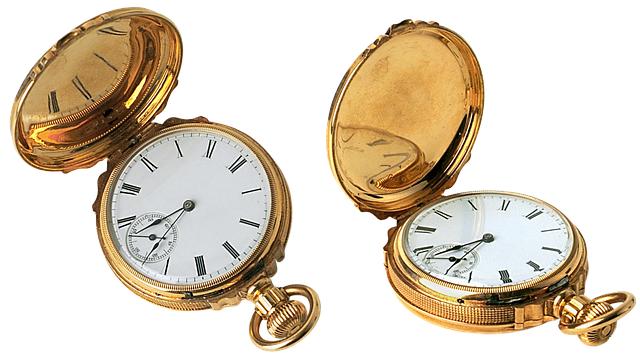
Manual Mechanical Watches: These watches need to be wound up by hand on a regular basis to keep them running. The wearer must turn the crown clockwise until it reaches its maximum tension. This transmits energy to the mainspring, which then powers the watch.
Automatic Mechanical Watches: These watches have a rotor inside that spins with the movement of the wearer’s wrist. This spinning motion winds the mainspring, eliminating the need for manual winding. Automatic watches are often preferred for their convenience and ease of use.
In Summary
In conclusion, not all mechanical watches are wind-up. While traditional manual wind watches require regular winding by hand, there are also automatic watches that are self-winding and are powered by the motion of the wearer’s wrist. Understanding the differences between these two types of mechanical watches can help you choose the right one for your lifestyle and preferences. Remember to care for your mechanical watch properly to ensure its longevity and accuracy. Thank you for joining us as we unveiled the truth about mechanical watches.
Get our latest guides, news, and insights highlighted in your Google Search & AI Overviews.