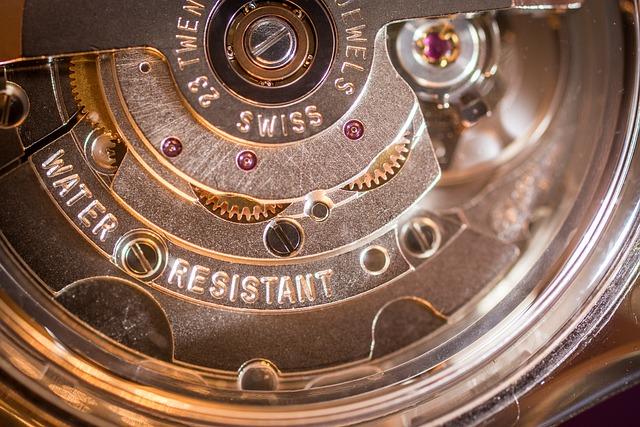
Automatic Watches

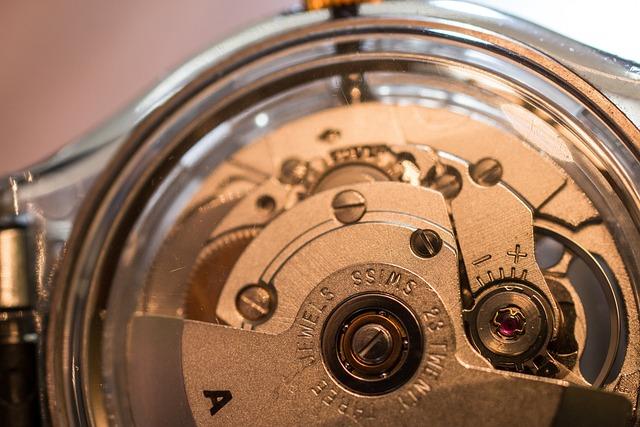
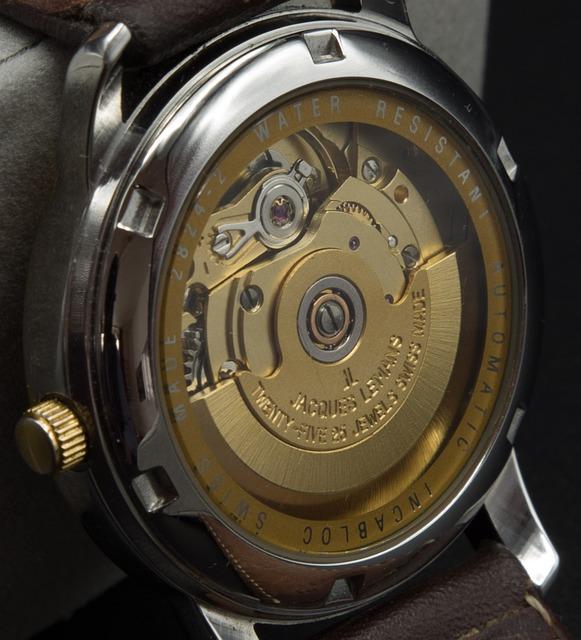
Automatic watches are self-winding mechanical timepieces that convert natural wrist motion into stored mainspring torque via a weighted oscillating rotor. Operating predominantly at 21,600 to 28,800 vibrations per hour with 38 to 80 hour power reserves, self-winding calibers span 36mm dress models to 44mm 300m dive instruments.

This category evaluates self-winding movements across GMT travel complications, moonphase modules, entry-level 200m divers, and budget tiers from $200 to $1,500. Child guides connect frequency choices, hacking seconds mechanisms, and 3 to 5 year lubrication intervals to Swiss and Japanese caliber value.

Key Entity Attributes:self-winding rotor 28,800 vph beat rate power reserve (38–80 hrs) automatic GMT complication automatic dive watches Swiss vs. Japanese calibers moonphase automatics service intervals (3–5 years)

Core Framework Specifications & Reference Matrix

The core framework specifications and reference matrix below compare primary parameters, structural standards, and empirical applications across foundational guides.

Automatic Watches — Core Framework Specifications & Reference Matrix
Reference Study / GuideKey Parameters & Empirical ScopePrimary Application
Tissot GMT Automatic Dual-Time Caliber Guide28,800 vph Swiss automatic GMT, independent 24-hour hand, 100m water resistanceComplication Analysis
Best Automatic Watches Under $1,00038–42mm stainless cases, 40–80 hour power reserves, sapphire crystal specificationsBudget Comparison
Swiss Automatic Watches Under $500ETA 2824-2 and Sellita SW200-1 derivatives, 10–30 s/day tolerance, 50–100m ratingsEntry-Tier Benchmarking
Automatic Watch Service Intervals & Maintenance3–5 year gasket inspection, full movement overhaul cycles, amplitude > 270 degMaintenance Protocol

Specialized Sub-Domains & Analytical Guides

Specialized sub-domains and analytical guides organize secondary protocols, structural methods, and targeted evaluations.

Budget Tiers & Dive-Complication Segments

Brand Value & Ownership Economics

Additional Specialized Guides & Case Studies

Core Analytical & Methodological Questions

Core analytical and methodological questions address primary structural rules, operational standards, and verification criteria.

What beat rate and daily accuracy do standard automatic watches achieve?

Most modern automatic watches operate at 21,600 vph (3 Hz) or 28,800 vph (4 Hz), delivering mechanical tolerances between -20/+40 seconds per day on entry calibers and -4/+6 seconds per day on COSC-certified chronometers.

How long does an automatic watch run off the wrist?

Standard automatic movements store between 38 and 42 hours of power reserve when fully wound, whereas modern silicon-hairspring calibers such as the Tissot Powermatic 80 and Tudor MT5602 extend autonomy to 70 or 80 hours.

How frequently does an automatic watch require professional servicing?

Watchmakers recommend water-resistance gasket testing every 12 to 24 months for dive models and full movement disassembly, ultrasonic cleaning, and synthetic re-lubrication every 4 to 7 years depending on daily wear and amplitude stability.