Are Mechanical and Automatic Watches the Same Thing?
Have you ever wondered if mechanical and automatic watches are one and the same? It’s a question that often perplexes watch enthusiasts and newcomers alike. In a world where technology continues to advance at an astonishing pace, understanding the differences between these two remarkable timekeeping marvels is key in appreciating their craftsmanship. In this article, we will delve into the intricacies of mechanical and automatic watches, unveiling the secrets behind their operation, dispelling any confusion, and leaving you with a firm grasp on the distinction between these horological wonders. So fasten your seatbelts and embark on this enlightening journey into the world of mechanical and automatic timepieces. Get ready to be amazed!
Contents
- The Mechanics Behind Mechanical Watches: A Closer Look
- Demystifying Automatic Watches: How They Differ from Mechanical
- Key Distinctions: Comparing Mechanical and Automatic Watches
- Choosing the Right Watch: Mechanical vs Automatic
- Daily Winding or Worry-Free: Pros and Cons of Mechanical and Automatic
- About Mechanical and Automatic Watches
- Pros and Cons of Mechanical and Automatic Watches
- Investment Value: Exploring the Resale Market for Mechanical and Automatic Watches
- Insights and Conclusions
The Mechanics Behind Mechanical Watches: A Closer Look
When it comes to timepieces, there is often confusion surrounding the terms “mechanical” and “automatic” watches. Many people use these terms interchangeably, but the truth is, these two types of watches have distinct differences. Let’s take a closer look at what sets them apart.
1. How They Work
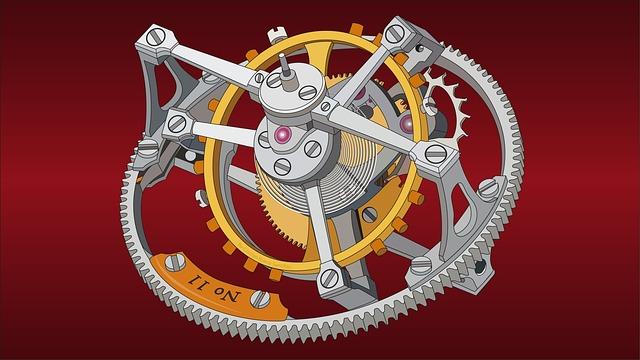
A mechanical watch is powered by a spring that needs to be wound manually, either by turning the crown or using a special winding tool. This spring stores potential energy, which is slowly released to power the movement of the watch’s hands. On the other hand, an automatic watch also relies on a spring but has a self-winding mechanism that automatically winds the spring as the wearer moves their wrist. This ingenious mechanism ensures that the watch remains powered even when it is not being worn continuously.
2. Precision and Accuracy
Due to their intricate and precise mechanical movements, mechanical watches are known for their high precision. These watches are often handcrafted and require regular maintenance to ensure their accuracy. Automatic watches, while also remarkably accurate, may not be as precise as their mechanical counterparts. However, advancements in technology have significantly improved the accuracy of automatic watches in recent years.
3. Complexity and Craftsmanship
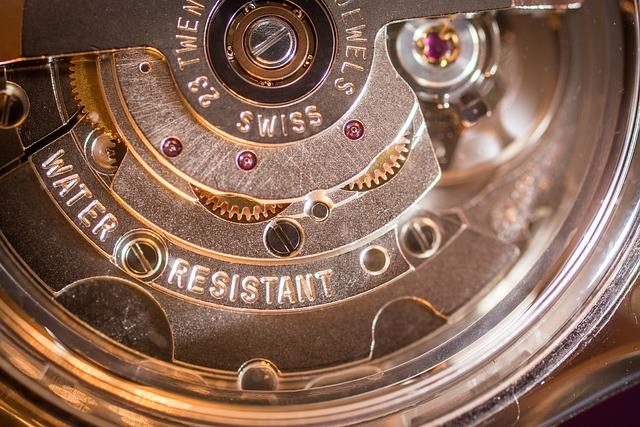
Mechanical watches are renowned for their exquisite craftsmanship and complexity. They often feature beautifully engraved or decorated movements that can be admired through a transparent case back. These timepieces require skilled watchmakers who painstakingly assemble each component by hand. Automatic watches, while still requiring craftsmanship, are generally less complex and have a more straightforward construction.
4. Personal Preference
Ultimately, the choice between a mechanical or automatic watch comes down to personal preference. Some individuals appreciate the tradition and artistry associated with mechanical watches, while others prefer the convenience and practicality of automatic movements. Whichever type you choose, both mechanical and automatic watches offer timeless elegance and a link to the captivating world of horology.

Demystifying Automatic Watches: How They Differ from Mechanical
Many people have a misconception that mechanical and automatic watches are the same thing, but that couldn’t be further from the truth. While both types of watches are powered by a series of gears and springs, there are some key differences that set them apart.
One of the main differences between mechanical and automatic watches is how they are wound. Mechanical watches require manual winding by the wearer on a regular basis, usually once every 24-48 hours. On the other hand, automatic watches have a self-winding mechanism that automatically winds the watch as the wearer moves their wrist throughout the day. This makes automatic watches more convenient for those who lead an active lifestyle and may forget to wind their watch regularly.
Another difference is the power reserve. Mechanical watches often have a shorter power reserve, usually lasting anywhere from 40 to 48 hours. This means that if you don’t wind your mechanical watch regularly, it will eventually stop running. On the other hand, automatic watches typically have a longer power reserve, lasting anywhere from 24 to 72 hours. This allows automatic watches to keep running even if you haven’t worn them for a day or two.
Additionally, automatic watches usually have a smoother and more continuous movement compared to mechanical watches. The self-winding mechanism in automatic watches helps to reduce any jerky movements that may occur in mechanical watches when the wearer manually winds them. This results in a more accurate and precise timekeeping experience.
Overall, while mechanical and automatic watches share some similarities, they also have distinct differences that set them apart. Automatic watches offer the convenience of self-winding, longer power reserve, and smoother movement, making them a popular choice among watch enthusiasts. However, both types of watches hold their own charm and appeal, and it ultimately comes down to individual preference when choosing between the two.

Key Distinctions: Comparing Mechanical and Automatic Watches
Mechanical and automatic watches may seem similar at first glance, but they have key distinctions that set them apart. While both types of watches rely on mechanical movements to keep time, there are some important differences to consider before making a purchase.1. **Winding mechanism**: One of the main distinctions between mechanical and automatic watches is the way they are wound. Mechanical watches require manual winding, typically done by turning the crown on the side of the watch. On the other hand, automatic watches are self-winding and do not require manual winding. They are powered by the movement of the wearer’s wrist, which winds a rotor inside the watch that keeps it ticking.
2. **Power reserve**: Another notable difference between these two types of watches is their power reserve. Mechanical watches often have a shorter power reserve, meaning they need to be wound more frequently to keep them running accurately. Automatic watches, on the other hand, have a longer power reserve because they can store the energy generated by the rotor to keep them running for an extended period, even when not worn.
3. **Accuracy**: When it comes to accuracy, both mechanical and automatic watches can be highly precise. However, mechanical watches are known for their craftsmanship and intricate movements, which can result in slightly better accuracy compared to automatic watches. This is because there are no external factors like wrist movement affecting the accuracy of a mechanical watch, whereas an automatic watch might experience slight variations in accuracy due to the wearer’s activity level.
4. **Maintenance**: Maintenance requirements can also differ between mechanical and automatic watches. Due to their intricate mechanisms, mechanical watches often require more frequent servicing to keep them in optimal condition. Automatic watches, on the other hand, benefit from the continuous motion of the rotor, which helps to keep their internal components lubricated and reduces the need for frequent servicing.
In conclusion, while mechanical and automatic watches share similar characteristics as mechanical timepieces, they have distinct differences in terms of winding mechanism, power reserve, accuracy, and maintenance. Understanding these key distinctions can help you make an informed decision when choosing the right watch for your needs and preferences. Whether you opt for the traditional charm of a mechanical watch or the convenience of an automatic one, both types offer a unique experience and craftsmanship that make them highly valued timepieces.

Choosing the Right Watch: Mechanical vs Automatic
When it comes to watches, there is often confusion about the difference between mechanical and automatic timepieces. While they may seem similar at first glance, there are distinct characteristics that set them apart. Let’s delve into the world of watches and explore the differences between mechanical and automatic options.Mechanical watches are powered by a mainspring, which needs to be wound manually either by hand or using a special tool. As the spring begins to unwind, it releases energy that is transferred through the watch’s intricate system of gears, ultimately powering the movement of the hands. This traditional method of timekeeping has been around for centuries and is renowned for its craftsmanship and precision.
On the other hand, automatic watches employ a self-winding mechanism. These innovative timepieces harness the everyday motion of the wearer’s wrist to automatically wind the mainspring. As you move throughout your day, the motion of your wrist causes a small rotor in the watch to rotate, which in turn winds the mainspring. This results in a constant supply of energy to power the watch, eliminating the need for manual winding.
One advantage of mechanical watches is their exquisite craftsmanship. Each mechanism is carefully assembled by skilled watchmakers, who painstakingly test and adjust every component to ensure accurate timekeeping. This craftsmanship is often reflected in the price, as mechanical watches tend to be more expensive than their automatic counterparts.
Automatic watches, while still crafted with precision, offer convenience and ease of use. By simply wearing the watch regularly, the wearer ensures that it stays powered and accurate. This makes automatic watches a popular choice for those who appreciate the blend of traditional watchmaking with modern functionality.
In summary, while mechanical and automatic watches share many similarities in their exquisite craftsmanship, the difference lies in how they are powered. Mechanical watches require manual winding, while automatic watches rely on the natural movement of the wearer’s wrist. Understanding these distinctions will help you make an informed decision when choosing the right watch for your preferences and lifestyle.

Daily Winding or Worry-Free: Pros and Cons of Mechanical and Automatic
About Mechanical and Automatic Watches
While many people use the terms “mechanical” and “automatic” interchangeably when talking about watches, they are actually not the same thing. Both types of watches are powered by mechanical movements, but they function differently.
A mechanical watch, also known as a manual-wind watch, requires regular winding by turning the crown to store energy and keep the watch running. This daily winding ritual can be seen as a romantic and traditional aspect of owning a mechanical timepiece, as it creates a close connection between the wearer and their watch.
On the other hand, an automatic watch, often referred to as a self-winding watch, eliminates the need for manual winding. It utilizes a clever mechanism that converts the natural movements of the wearer’s wrist into energy, which powers the watch. This means that as long as the watch is being worn, it will continue to self-wind, ensuring that it remains functional at all times.
Pros and Cons of Mechanical and Automatic Watches
Both mechanical and automatic watches offer their own set of advantages and disadvantages. Here are a few key points to consider:
- Accuracy: Automatic watches are generally more accurate than mechanical watches, as they are constantly wound and powered by the wearer’s movements. Mechanical watches, on the other hand, can experience slight variations in accuracy due to factors such as the tension of the mainspring.
- Convenience: While automatic watches eliminate the need for daily winding, they do require regular wear or the use of watch winders to keep them running smoothly. Mechanical watches, on the other hand, require manual winding, which can be seen as a time-consuming task for some individuals.
- Tactile Experience: With mechanical watches, the act of winding the watch by hand offers a tactile experience that some watch enthusiasts find enjoyable. It adds a sense of craftsmanship and interaction with the intricate mechanics of the timepiece. Automatic watches lack this hands-on experience but compensate with their effortless self-winding feature.
In conclusion, whether you prefer the daily winding ritual of a mechanical watch or the worry-free convenience of an automatic watch, both types have their own unique charm. Ultimately, the choice comes down to personal preference and the experience you desire from your timepiece.

Investment Value: Exploring the Resale Market for Mechanical and Automatic Watches
When it comes to investing in watches, the terms “mechanical” and “automatic” are often used interchangeably. However, there are some key differences between these two types of timepieces that make them unique in their own right.Mechanical watches, also known as manual-wind watches, are powered by a mainspring that must be wound by hand. This energy is then transferred through a series of gears and springs to power the movement of the watch hands. These watches require regular winding to keep accurate time, usually daily or every few days.
On the other hand, automatic watches are self-winding, meaning they do not require manual winding. They have a rotor inside the watch that moves with the natural motion of the wearer’s wrist. This motion winds the mainspring, powering the watch as long as it is being worn.
Both mechanical and automatic watches are highly sought after in the resale market by watch collectors and enthusiasts. They are prized for their craftsmanship, intricate movements, and timeless appeal. However, there are a few factors to consider when investing in these timepieces.
Firstly, the brand and reputation of the watchmaker play a significant role in determining its value. Luxury brands such as Rolex, Omega, and Patek Philippe often command higher prices due to their prestige and craftsmanship.
Another factor to consider is the condition of the watch. Collectors prefer watches that are in excellent working condition and have been well-maintained. This includes having all original parts, a clean dial, and minimal signs of wear.
Additionally, limited edition or rare watches tend to have higher investment value. These timepieces are often produced in limited quantities, making them more desirable and collectible.
In conclusion, while mechanical and automatic watches share similarities, they have distinct differences that make them appealing to collectors. Investing in these timepieces requires careful consideration of the brand, condition, and rarity. By understanding these factors, you can navigate the resale market and make informed investment decisions.
Insights and Conclusions
In conclusion, while mechanical and automatic watches share some similarities, they are not the same thing. Mechanical watches are powered by manual winding, requiring the wearer to wind the watch regularly. On the other hand, automatic watches utilize a self-winding mechanism, requiring no manual winding as they are powered by the movement of the wearer’s wrist.Key takeaways from this article include:
1. Mechanical watches require manual winding, whereas automatic watches are self-winding.
2. Automatic watches utilize a rotor mechanism to store energy from wrist movement.
3. Both mechanical and automatic watches offer precise timekeeping abilities.
4. Mechanical watches often require more maintenance and care, including regular winding and servicing.
5. Automatic watches offer more convenience for wearers, as they do not require manual winding.
Understanding the differences between mechanical and automatic watches allows you to make an informed choice when purchasing a timepiece. Whether you prefer the traditional charm of manual winding or the convenience of self-winding, both types of watches have their own unique appeal. So, choose the one that suits your personal style and needs, and enjoy the timeless elegance of mechanical or automatic watches on your wrist.
Related reading: How to Authenticate a Rolex Submariner? Verification Steps
Get our latest guides, news, and insights highlighted in your Google Search & AI Overviews.