Are Mechanical Watches the Future of Timekeeping? Expert Predictions
As technology continues to advance at a rapid pace, the question arises: Are mechanical watches still relevant in the ever-evolving world of timekeeping? Expert predictions suggest that despite the rise of smartwatches and digital timepieces, mechanical watches are not only here to stay but may even be the future of timekeeping. Let’s delve into the insights and opinions of industry insiders to uncover why mechanical watches remain a timeless classic in the realm of horology.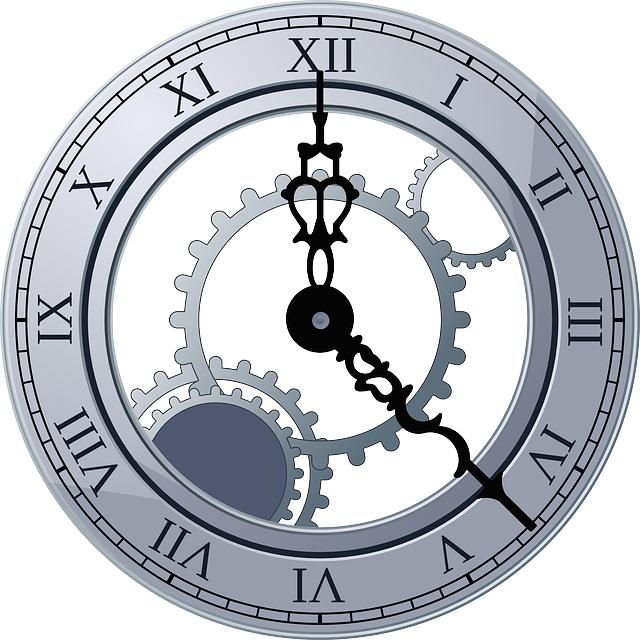
Contents
- Mechanical Watches vs. Quartz Watches: A Comparison
- The Art of Craftsmanship: The Appeal of Mechanical Watches
- Expert Insights on the Future of Timekeeping Technology
- The Durability and Longevity of Mechanical Watches
- Trends in the Watch Industry: What Experts Are Saying
- Why Mechanical Watches Are Making a Comeback
- Recommendations for Investing in a Mechanical Watch
- Exploring the Environmental Impact of Mechanical Watches
- The Role of Tradition in the Future of Timekeeping
- Challenges and Opportunities for Mechanical Watches in the Modern World
- To Wrap It Up
Mechanical Watches vs. Quartz Watches: A Comparison
When it comes to choosing between mechanical watches and quartz watches, there are several key factors to consider. While both types of watches have their own unique characteristics, it ultimately comes down to personal preference and what you value most in a timepiece.
One major difference between mechanical and quartz watches is their method of timekeeping. Mechanical watches use intricate mechanisms powered by a mainspring, while quartz watches rely on the oscillations of a quartz crystal to keep time. Here are some key points to consider when comparing the two:
- **Accuracy:** Quartz watches are known for their superior accuracy, typically losing or gaining only a few seconds per month. Mechanical watches, on the other hand, may lose or gain several seconds per day.
- **Craftsmanship:** Mechanical watches are often prized for their intricate craftsmanship and attention to detail. Many watch enthusiasts appreciate the artistry and tradition behind mechanical timepieces.
- **Maintenance:** Quartz watches generally require less maintenance, as they are powered by batteries that can last several years. Mechanical watches, on the other hand, require regular winding or servicing to ensure they keep accurate time.
| Aspect | Mechanical Watches | Quartz Watches |
|---|---|---|
| Accuracy | Varies, may lose or gain several seconds per day | Highly accurate, typically lose or gain a few seconds per month |
| Craftsmanship | Prized for intricate craftsmanship and attention to detail | Less emphasis on craftsmanship, focus on functionality |
| Maintenance | Require regular winding or servicing | Minimal maintenance required, battery replacements every few years |

The Art of Craftsmanship: The Appeal of Mechanical Watches
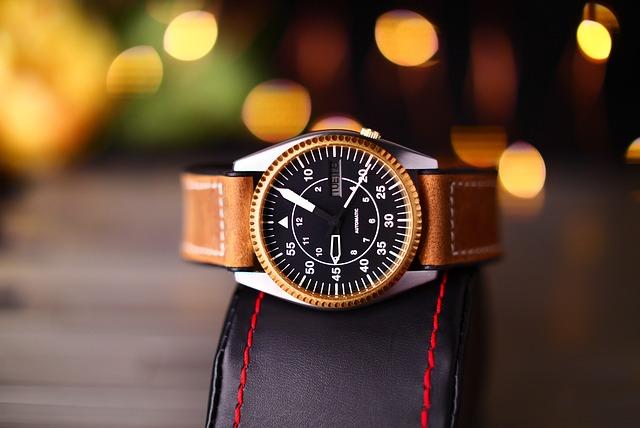
In the world of horology, mechanical watches are often revered for their intricate craftsmanship and timeless appeal. These timepieces are meticulously assembled by skilled artisans, with each component carefully designed to precision. The art of crafting a mechanical watch involves a level of mastery that is rare in today’s digital age, making these watches highly coveted among enthusiasts and collectors alike.
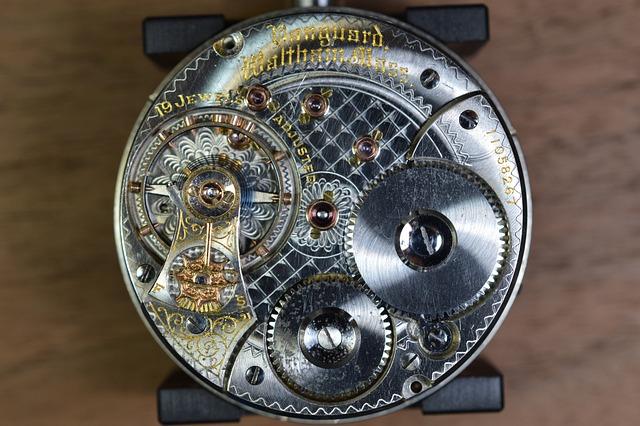
One of the main appeals of mechanical watches is the intricate movement that powers them. Unlike quartz watches that rely on batteries, mechanical watches utilize a complex system of gears, springs, and levers to keep time accurately. This mechanical marvel not only showcases the craftsmanship of the watchmaker but also adds a sense of magic and wonder to the art of timekeeping.
Experts in the watch industry predict that mechanical watches will continue to hold a special place in the hearts of watch connoisseurs. While smartwatches and digital timepieces may offer convenience and functionality, mechanical watches offer a level of artistry and tradition that cannot be replicated. The sheer beauty of a mechanical watch in motion is a testament to the dedication and passion that goes into creating these timeless pieces.
Expert Insights on the Future of Timekeeping Technology
Experts in the watch industry have been debating the future of timekeeping technology, particularly when it comes to mechanical watches. While digital and smartwatches have been gaining popularity in recent years, there is still a strong following for traditional mechanical timepieces.
Some experts believe that mechanical watches will always have a place in the market due to their craftsmanship, longevity, and timeless appeal. These timepieces are often seen as heirlooms that can be passed down from generation to generation.
On the other hand, there are experts who argue that the advancement of technology will eventually overshadow mechanical watches, making them obsolete. The convenience and functionality of digital and smartwatches are hard to ignore, especially with the integration of features like fitness tracking, notifications, and connectivity.
Ultimately, the future of timekeeping technology remains uncertain, but one thing is for sure: both traditional mechanical watches and modern digital watches will continue to coexist, each catering to a different set of consumers and preferences.

The Durability and Longevity of Mechanical Watches
Mechanical watches have long been prized for their durability and longevity, making them a timeless investment for watch enthusiasts. Unlike their quartz counterparts, mechanical watches are powered by intricate movements that require no batteries, ensuring that they can last for generations with proper care and maintenance.
One of the key factors contributing to the longevity of mechanical watches is their robust construction. Made with high-quality materials such as stainless steel, sapphire crystal, and precise mechanical components, these watches are designed to withstand the test of time and daily wear.
In addition to their durability, mechanical watches also have a timeless appeal and craftsmanship that simply cannot be replicated by digital or smartwatches. Their intricate movements, visible through a transparent case back, showcase the artistry and engineering that go into creating these timepieces.
With expert predictions pointing towards a resurgence in traditional watchmaking and craftsmanship, mechanical watches are poised to remain a staple in the world of horology for years to come. Whether you’re a seasoned collector or a novice enthusiast, investing in a mechanical watch is a decision that will stand the test of time.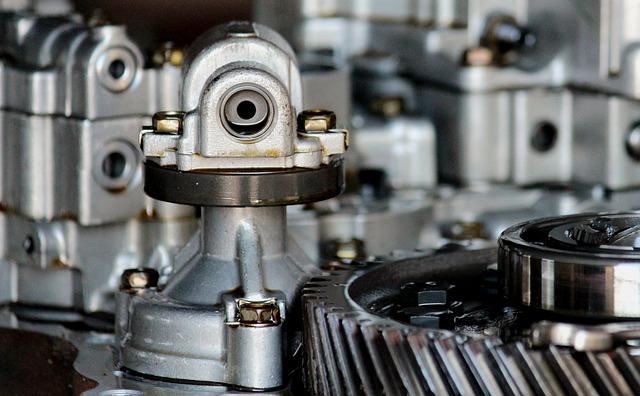
Trends in the Watch Industry: What Experts Are Saying
Experts Predict the Future of Mechanical Watches
When it comes to the watch industry, experts have differing opinions on whether mechanical watches are the future of timekeeping. Some believe that the traditional craftsmanship and precision of mechanical watches will always have a place in the market, while others argue that technology is rapidly advancing, making smartwatches the preferred choice for consumers.
Despite the rise of smartwatches, many experts still believe that mechanical watches will continue to thrive in the industry. Here are some key points that experts are saying about the future of mechanical watches:
- Eternal appeal: Mechanical watches have a timeless appeal that transcends trends, making them a staple in any watch collection.
- Craftsmanship: The intricate craftsmanship and attention to detail in mechanical watches are unmatched, appealing to those who appreciate traditional watchmaking techniques.
- Prestige: Mechanical watches are often seen as luxury items, with prestigious watch brands leading the way in innovation and design.
Overall, while the debate between mechanical watches and smartwatches continues, it’s clear that experts see a bright future for mechanical timepieces in the ever-evolving watch industry.
Why Mechanical Watches Are Making a Comeback
Experts in the watch industry have been noticing a trend in recent years – a resurgence of interest in mechanical watches. These timepieces, which rely on intricate movements and craftsmanship rather than electronic components, are capturing the attention of watch enthusiasts and collectors alike. But what is driving this renewed fascination with mechanical watches?
One reason for the comeback of mechanical watches is the appreciation for the artistry and skill that goes into creating these timepieces. Unlike quartz watches that are mass-produced in factories, mechanical watches are often handcrafted by skilled artisans. This human touch adds a level of authenticity and craftsmanship that appeals to those who value tradition and history.
Another factor contributing to the popularity of mechanical watches is their longevity and durability. While quartz watches may require battery replacements and servicing every few years, a well-maintained mechanical watch can last for generations. This longevity is not only eco-friendly but also adds to the value and allure of mechanical watches.
Furthermore, the nostalgia and vintage appeal of mechanical watches are also driving their resurgence. In a world dominated by digital technology and instant gratification, the timeless elegance and charm of a mechanical watch offer a welcome break from the fast-paced modern lifestyle. As more people seek authenticity and connection in their possessions, mechanical watches are becoming a symbol of timeless elegance and sophistication.

Recommendations for Investing in a Mechanical Watch
When it comes to investing in a mechanical watch, there are several key recommendations to keep in mind. Firstly, it’s important to do your research and understand the different types of movements available. From automatic to manual winding, each has its own set of pros and cons. Consider what features are most important to you and choose accordingly.
Another important factor to consider is the brand and reputation of the watchmaker. Well-established brands with a history of producing high-quality timepieces are often a safer investment. Look for brands with a strong heritage and a commitment to craftsmanship.
In addition, consider the design and aesthetic appeal of the watch. A classic and timeless design is more likely to hold its value over time. Opt for a watch that speaks to your personal style and that you will enjoy wearing for years to come.
Finally, don’t forget to factor in the potential for future maintenance and servicing costs. Mechanical watches require regular upkeep to ensure they continue to function properly. Make sure to budget for these additional expenses to keep your investment in top condition.
Exploring the Environmental Impact of Mechanical Watches
| Environmental Impact Factors | Explanation |
|---|---|
| Carbon Footprint | Mechanical watches have a lower carbon footprint compared to quartz watches due to less energy consumption. |
| Materials Used | The materials used in mechanical watches, such as stainless steel and sapphire crystal, are durable and can be recycled. |
| Longevity | Mechanical watches can last for generations if properly maintained, reducing the need for frequent replacements. |
Experts predict that as consumers become more environmentally conscious, the demand for sustainable products like mechanical watches will continue to rise. With advancements in technology, watchmakers are finding innovative ways to reduce the environmental impact of their timepieces. From using recycled materials to implementing energy-efficient manufacturing processes, the future of timekeeping looks bright for mechanical watches.
Furthermore, the craftsmanship and artistry involved in creating mechanical watches add to their appeal as timeless pieces that can be passed down through generations. As consumers prioritize quality and sustainability, mechanical watches are positioned to become a staple in the watch industry. Watch enthusiasts and environmentalists alike are recognizing the value of these intricately designed timepieces that not only tell time but also contribute to a greener planet.
The Role of Tradition in the Future of Timekeeping
In the world of timekeeping, tradition plays a crucial role in shaping the future of watches. Many experts believe that mechanical watches, with their intricate mechanisms and timeless design, will continue to hold a special place in the hearts of watch enthusiasts.
One of the key reasons why mechanical watches are predicted to thrive in the future is their craftsmanship and attention to detail. Unlike their quartz counterparts, mechanical watches are painstakingly assembled by skilled artisans, resulting in a timepiece that is not just a tool for telling time, but a piece of art.
Additionally, the longevity of mechanical watches is another factor that contributes to their appeal. With proper maintenance and care, a high-quality mechanical watch can last for generations, becoming a cherished heirloom that is passed down from one generation to the next.
As technology continues to advance at a rapid pace, there is no doubt that digital and smartwatches will play an increasingly important role in timekeeping. However, for those who appreciate the artistry and tradition of watchmaking, mechanical watches are likely to remain a timeless choice for the foreseeable future.

Challenges and Opportunities for Mechanical Watches in the Modern World
While mechanical watches have a long-standing tradition and a loyal following, they face both challenges and opportunities in the modern world. Let’s take a closer look at what experts predict for the future of mechanical timepieces.
Challenges:
- Competition from smartwatches with advanced technology and features.
- Cost of maintenance and repairs for mechanical movements.
- Changing consumer preferences towards convenience and functionality.
Opportunities:
- Aesthetic appeal and craftsmanship that attract watch enthusiasts and collectors.
- Timeless appeal and longevity of mechanical watches compared to electronic devices.
- Embracing innovation with new materials and designs to stay relevant in the market.
| Expert Predictions | Outcome |
|---|---|
| Increased interest in vintage and luxury mechanical watches. | Rising demand for high-quality timepieces with heritage. |
| Collaborations between traditional watch brands and technology companies. | Integration of smart features in mechanical watches for hybrid models. |
To Wrap It Up
In conclusion, while mechanical watches may not be the future of mainstream timekeeping, they will always hold a special place in the hearts of watch enthusiasts for their intricate craftsmanship and timeless appeal. Experts predict that mechanical watches will continue to be prized for their artistry and heritage, even as technology advances in the watch industry. Ultimately, whether mechanical or digital, the future of timekeeping will likely offer a diverse range of options for consumers to choose from based on their personal preferences and style.
Get our latest guides, news, and insights highlighted in your Google Search & AI Overviews.