Are Movement Watches Mechanical? Deciphering Watch Jargon
Have you ever wondered if Movement Watches are truly mechanical, or if it’s just another confusing term in the world of horology? In this article, we’ll decipher the jargon surrounding watch movements and discuss what it means for your timepiece. So, grab a cup of coffee and let’s dive into the fascinating world of watch mechanics!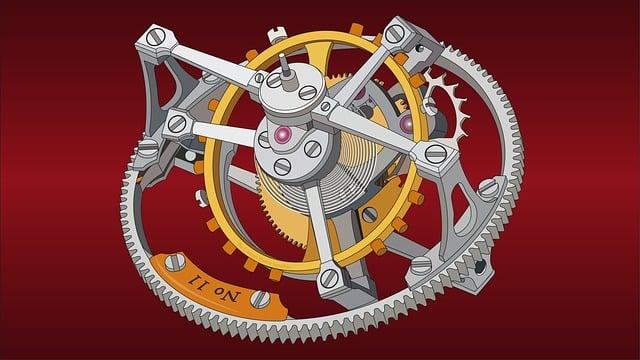
Contents
- Are Movement Watches Mechanical?
- Understanding the Different Types of Watch Movements
- Deciphering Watch Jargon: Quartz vs. Mechanical vs. Automatic
- Recommendations for Choosing the Right Movement Watch
- Exploring the Inner Workings of Mechanical Watches
- Breaking Down the Components of a Mechanical Watch
- Key Differences Between Quartz and Mechanical Watch Movements
- Pros and Cons of Investing in Mechanical Watches
- Tips for Maintaining and Caring for Mechanical Watches
- Future Outlook
Are Movement Watches Mechanical?
When it comes to the world of watches, terms like “mechanical” can often be confusing for the average consumer. So, let’s break it down. In the case of Movement Watches, they are actually known for their high-quality mechanical movements. Here’s what that means:
What is a mechanical watch?
- A mechanical watch is powered by a complex system of gears, springs, and other mechanical components.
- These watches require manual winding to keep them running, typically needing to be wound every 1-2 days.
- Mechanical watches are known for their craftsmanship and precision, making them a favorite among watch enthusiasts.
Why choose a mechanical watch?
- Mechanical watches have a timeless appeal and are often considered a luxury item.
- They do not require batteries, making them more environmentally friendly.
- The intricate inner workings of a mechanical watch are a marvel of engineering and craftsmanship.

Understanding the Different Types of Watch Movements
There are several types of watch movements that make up the inner workings of a timepiece. Understanding these different movements can help you make an informed decision when purchasing a watch. One common question that often arises is whether movement watches are mechanical.
**Mechanical Watch Movements**
- Mechanical movements are powered by a mainspring that must be wound either manually or through an automatic winding mechanism.
- The intricate gears and cogs within a mechanical watch work together to power the watch’s hands.
- These movements are known for their craftsmanship and durability, often being passed down through generations.
**Types of Mechanical Movements**
| Movement Type | Description |
|---|---|
| Manual | Must be wound by hand regularly to keep the watch running. |
| Automatic | Utilizes the movement of the wearer’s wrist to automatically wind the mainspring. |
| Tourbillon | A high-end mechanical movement with a rotating cage that improves accuracy. |
While movement watches are often associated with mechanical movements, there are also quartz and hybrid movements to consider. By delving into the world of watch jargon and understanding the differences between these movements, you can find the perfect timepiece that suits your style and needs.

Deciphering Watch Jargon: Quartz vs. Mechanical vs. Automatic
When it comes to choosing a watch, understanding the different types of movements can be quite confusing. The most common movement types are quartz, mechanical, and automatic. Each has its own unique characteristics and features that cater to different preferences and needs.
Quartz Watches:
- Operates on battery power
- Precision timekeeping
- Low maintenance
- Affordable option
Mechanical Watches:
- Powered by a mainspring
- Hand-wound or automatic winding
- Traditional craftsmanship
- Higher price point
Automatic Watches:
- Self-winding mechanism
- No need for battery or manual winding
- Combines precision and traditional craftsmanship
- Versatile option for everyday wear

Recommendations for Choosing the Right Movement Watch
When it comes to choosing the right movement watch, there are a few key factors to consider. One of the most important things to understand is the type of movement the watch uses. Mechanical movement watches are a popular choice for many watch enthusiasts. These watches use intricate gears and springs to keep time, giving them a unique charm and a sense of craftsmanship.
Another important consideration when choosing a movement watch is the brand reputation. It’s essential to choose a reputable brand known for quality and craftsmanship. Some popular brands known for their mechanical movement watches include Rolex, Omega, and Seiko.
One thing to keep in mind when selecting a movement watch is the maintenance required. Mechanical movement watches require regular servicing to keep them running smoothly. It’s essential to factor in the cost of maintenance when considering purchasing a mechanical movement watch.
Overall, when choosing a movement watch, it’s important to consider the type of movement, brand reputation, and maintenance requirements. By taking these factors into account, you can ensure you choose the right movement watch for your style and preferences.

Exploring the Inner Workings of Mechanical Watches
When it comes to mechanical watches, the term “movement” is frequently used to describe the inner workings of the timepiece. But are all movement watches truly mechanical?
To decipher this watch jargon, it’s essential to understand the different types of movements found in watches:
- Mechanical Movements: These watches are powered by a mainspring which is wound either manually or through the movement of the wearer’s wrist. The intricate gears and springs within the movement work together to keep time accurately.
- Automatic Movements: A type of mechanical movement that self-winds through the natural motion of the wearer’s wrist. This eliminates the need for manual winding of the watch.
- Quartz Movements: While not classified as mechanical, quartz movements are powered by a battery that sends an electric current through a quartz crystal to keep time accurately.
To determine if a watch is truly mechanical, look for the presence of gears, springs, and a mainspring that powers the movement. Understanding these distinctions can help you appreciate the craftsmanship and technology behind mechanical watches.

Breaking Down the Components of a Mechanical Watch
can be both fascinating and complex. Many people wonder, “Are movement watches mechanical?” The short answer is yes, movement watches are indeed mechanical timepieces that operate without the need for a battery. Let’s delve deeper into the intricacies of these elegant timepieces to decipher the watch jargon that often surrounds them.
**Main Components of a Mechanical Watch:**
– **1. Movement:** This is the heart of a mechanical watch, housing the intricate system of gears, springs, and escapements that drive the hands.
– **2. Dial:** The face of the watch where the hour markers and hands are located, displaying the time in a clear and aesthetically pleasing manner.
– **3. Case:** The outer shell of the watch that protects the movement from dust, moisture, and physical damage, while also providing a stylish and personalized touch.
**Types of Mechanical Movements:**
– **1. Automatic:** Also known as self-winding, an automatic movement harnesses the kinetic energy generated by the wearer’s movements to power the watch.
– **2. Manual:** A manual movement requires regular winding by hand to keep the watch running smoothly, offering a more traditional and interactive experience for the wearer.
In conclusion, understanding the components of a mechanical watch can enhance your appreciation for the craftsmanship and engineering that goes into creating these timeless pieces. Whether you prefer the convenience of an automatic movement or the hands-on approach of a manual movement, mechanical watches exude a sense of sophistication and heritage that is truly timeless.
Key Differences Between Quartz and Mechanical Watch Movements
When it comes to watch movements, there are two main types that dominate the industry: quartz and mechanical. Understanding the key differences between these two types of movements is essential for any watch enthusiast. Let’s delve into the world of horology and decipher the jargon surrounding movement watches.
Quartz Movements:
- Quartz movements are powered by a battery and utilize a quartz crystal to regulate timekeeping.
- They are known for their accuracy, often only deviating a few seconds per month.
- Quartz watches are typically more affordable and require less maintenance than mechanical watches.
Mechanical Movements:
- Mechanical movements are powered by a mainspring and require regular winding to keep time.
- They are prized for their craftsmanship and mechanical complexity, often seen as a work of art.
- Mechanical watches are generally more expensive and require servicing every few years to ensure optimal performance.

Pros and Cons of Investing in Mechanical Watches
Investing in mechanical watches has its fair share of pros and cons that every watch enthusiast should consider. Here are some key points to help you navigate the world of horology:
- Pros:
- 1. Craftsmanship: Mechanical watches are often handcrafted by skilled artisans, showcasing intricate details and precision.
- 2. Longevity: With proper care and maintenance, mechanical watches can last for generations, becoming heirloom pieces.
- 3. Value Appreciation: High-quality mechanical watches from reputable brands can appreciate in value over time, making them a good investment.
- Cons:
- 1. Maintenance Costs: Mechanical watches require regular servicing by experienced watchmakers, which can be costly.
- 2. Accuracy: Mechanical watches are not as precise as quartz watches, losing or gaining a few seconds per day.
- 3. Fragility: Due to their intricate mechanical movements, mechanical watches are more susceptible to damage from impacts or water exposure.

Tips for Maintaining and Caring for Mechanical Watches
Mechanical watches are often prized for their craftsmanship and longevity, but they do require some special care to keep them running smoothly. Here are some tips for maintaining and caring for your mechanical watches:
- Regularly wind your watch: Mechanical watches need to be wound regularly to keep them running properly. Be sure to follow the manufacturer’s instructions on how often to wind your specific watch.
- Keep your watch clean: Dust and dirt can clog the moving parts of a mechanical watch, so be sure to clean it regularly with a soft, dry cloth.
- Avoid magnets: Magnetic fields can disrupt the delicate inner workings of a mechanical watch, so be sure to keep your watch away from magnets such as those found in smartphones and laptops.
| Tip | Description |
|---|---|
| Service your watch regularly | It’s recommended to have your mechanical watch serviced every 3-5 years by a professional watchmaker to keep it in top condition. |
| Store your watch properly | When you’re not wearing your mechanical watch, store it in a watch box or case to protect it from dust, moisture, and other elements. |
By following these simple tips, you can help ensure that your mechanical watch stays in great condition for years to come.
Future Outlook
In conclusion, Movement watches can be either mechanical or quartz, with mechanical watches being powered by a winding mechanism. When it comes to watch jargon, it’s important to understand the difference between these terms to make an informed decision when purchasing a timepiece. Remember, mechanical watches are a traditional choice that offer a unique charm and craftsmanship, while quartz watches are known for their accuracy and affordability. Whichever type you choose, knowing the distinction between the two can help you find the perfect watch that suits your style and needs. Happy watch shopping!
Get our latest guides, news, and insights highlighted in your Google Search & AI Overviews.