Automatic Watch vs Smartwatch: Which Should You Choose?
Are you torn between the classic elegance of an automatic watch and the cutting-edge technology of a smartwatch? In this article, we will delve into the differences between these two timepieces to help you make an informed decision on which one suits your lifestyle and needs best. Join us as we explore the pros and cons of automatic watches and smartwatches, guiding you towards choosing the perfect wrist companion for you.
Contents
- Automatic Watch vs Smartwatch: An In-depth Comparison of Features
- Automatic Watches:
- Smartwatches:
- The Classic Appeal of Automatic Watches: Timeless Elegance and Craftsmanship
- The Modern Convenience of Smartwatches: Connectivity and Functionality at Your Fingertips
- Understanding the Mechanics: How Automatic Watches Work Vs How Smartwatches Operate
- Battery Life Battle: The Longevity of Automatic Watches vs the Efficiency of Smartwatches
- Style and Versatility: Choosing Between the Classic Look of an Automatic Watch and the Tech-Savvy Design of a Smartwatch
- Fitness Tracking and Health Monitoring: Evaluating the Capabilities of Smartwatches
- Price Point Considerations: Factoring in the Cost of an Automatic Watch vs a Smartwatch
- Personal Preference: Which Timepiece Fits Your Lifestyle and Needs Better
- Future Outlook
Automatic Watch vs Smartwatch: An In-depth Comparison of Features
When it comes to choosing between an automatic watch and a smartwatch, there are several key features to consider. Both types of watches have their own set of unique characteristics that cater to different preferences and needs. To help you make an informed decision, let’s take an in-depth look at the features of automatic watches and smartwatches.
Related: Tissot PRX vs Powermatic 80: Which Watch Should You Choose?
Automatic Watches:
- Powered by the movement of your wrist
- Classic design and craftsmanship
- No need for frequent charging
- Typically more durable and long-lasting
Smartwatches:
- Multi-functional with various apps and features
- Connectivity with smartphones for notifications
- Health and fitness tracking capabilities
- Customizable watch faces and bands
Ultimately, the choice between an automatic watch and a smartwatch depends on your lifestyle, preferences, and needs. If you appreciate traditional craftsmanship, long-lasting durability, and a timeless design, an automatic watch may be the perfect choice for you. On the other hand, if you prioritize functionality, convenience, and the ability to track your health and fitness goals, a smartwatch could be the ideal option. Whichever type of watch you choose, both automatic watches and smartwatches offer unique features that cater to a range of preferences.

The Classic Appeal of Automatic Watches: Timeless Elegance and Craftsmanship
When it comes to choosing between an automatic watch and a smartwatch, it ultimately comes down to personal preference and what you value in a timepiece. Automatic watches have a classic appeal that exudes timeless elegance and craftsmanship. These watches are powered by the natural motion of the wearer’s arm, eliminating the need for battery replacements and providing a sense of connection to the watchmaking tradition.
On the other hand, smartwatches offer cutting-edge technology and versatility, allowing you to receive notifications, track your fitness goals, and even make payments right from your wrist. While they may lack the traditional charm of automatic watches, smartwatches cater to the tech-savvy individual who values functionality and convenience.
Consider the following factors when deciding between an automatic watch and a smartwatch:
- Style: Automatic watches are known for their timeless design, while smartwatches come in a variety of modern styles and materials.
- Functionality: Smartwatches offer a range of features such as fitness tracking and app integration, whereas automatic watches focus on the art of timekeeping.
- Longevity: Automatic watches can last a lifetime with proper care, while smartwatches may require regular upgrades due to technological advancements.

The Modern Convenience of Smartwatches: Connectivity and Functionality at Your Fingertips
Smartwatches have become increasingly popular in recent years, offering a range of features that go beyond just telling time. With connectivity and functionality at your fingertips, these devices have revolutionized the way we interact with technology on a daily basis.
One of the main differences between an automatic watch and a smartwatch is the level of interactivity they offer. While automatic watches are purely mechanical and rely on movement to function, smartwatches are equipped with a variety of sensors and features that allow for a more dynamic user experience. From receiving notifications and tracking fitness goals to making contactless payments and controlling smart home devices, the possibilities are endless with a smartwatch.
In terms of design, smartwatches often come with customizable watch faces and straps, allowing you to personalize your device to suit your style. With a vibrant touchscreen display, navigating through apps and widgets is seamless and intuitive. Additionally, many smartwatches are water-resistant, making them suitable for an active lifestyle.
When it comes to choosing between an automatic watch and a smartwatch, it ultimately comes down to personal preference and lifestyle. If you value tradition, craftsmanship, and a timeless design, an automatic watch may be the right choice for you. However, if you desire connectivity, convenience, and the latest technology at your fingertips, a smartwatch is definitely worth considering. Both options have their own unique appeal, so take the time to weigh the pros and cons before making your decision.
Understanding the Mechanics: How Automatic Watches Work Vs How Smartwatches Operate
One of the key differences between automatic watches and smartwatches lies in their core mechanics. Automatic watches are purely mechanical timepieces that rely on intricate movements and springs to function. On the other hand, smartwatches are essentially mini computers worn on the wrist, equipped with a plethora of features beyond just telling time.
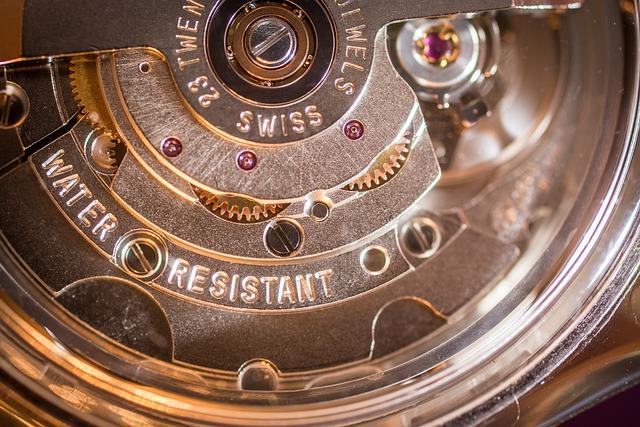
– **Automatic Watches:** Operating without the need for a battery, automatic watches are powered by the natural motion of the wearer’s arm. As the arm moves, a rotor inside the watch winds the mainspring, which then powers the movement of the hands. This traditional method of timekeeping has a charm and elegance that many watch enthusiasts appreciate.
– **Smartwatches:** In contrast, smartwatches are powered by rechargeable batteries and come equipped with digital displays that can show notifications, track fitness metrics, play music, and even make calls. These devices are synced with smartphones to provide a seamless integration of technology into everyday life.
In terms of choosing between the two, it ultimately comes down to personal preference and lifestyle. Automatic watches appeal to those who appreciate the craftsmanship and history behind traditional watchmaking, while smartwatches cater to tech-savvy individuals who value convenience and functionality. Both have their unique advantages and drawbacks, so the decision should be based on individual needs and preferences.
Battery Life Battle: The Longevity of Automatic Watches vs the Efficiency of Smartwatches
When it comes to choosing between an automatic watch and a smartwatch, one of the key factors to consider is the battery life. Automatic watches are powered by the movement of your wrist, meaning they never need to be charged or have their batteries replaced. This makes them a great option for those who prefer a low-maintenance timepiece.
On the other hand, smartwatches are known for their efficiency and functionality. With features like fitness tracking, notifications, and apps, smartwatches are designed to make your life easier. However, this convenience comes at a cost – most smartwatches need to be charged daily or every few days depending on usage.
So, if you value longevity and tradition, an automatic watch may be the best choice for you. But if you prioritize efficiency and modern technology, a smartwatch might be the way to go. Ultimately, the decision comes down to your personal preferences and lifestyle.

Style and Versatility: Choosing Between the Classic Look of an Automatic Watch and the Tech-Savvy Design of a Smartwatch
When it comes to choosing between an automatic watch and a smartwatch, it all comes down to your personal style and what features you value most in a timepiece. Both options offer unique benefits and cater to different needs, so it’s important to weigh the pros and cons of each before making a decision.
Automatic Watch:
- Timeless and classic design
- Mechanical movement that reflects craftsmanship
- No need for batteries, powered by wrist movements
- Often considered as a luxury accessory
Smartwatch:
- High-tech features like fitness tracking, notifications, and apps
- Customizable watch faces and bands
- Ability to sync with your smartphone for added functionality
- Modern and versatile design
Ultimately, the choice between an automatic watch and a smartwatch depends on your lifestyle, preferences, and budget. If you appreciate tradition, craftsmanship, and a classic look, an automatic watch may be the perfect choice for you. On the other hand, if you lead an active lifestyle, value functionality, and enjoy the convenience of modern technology, a smartwatch could be the ideal option.

Fitness Tracking and Health Monitoring: Evaluating the Capabilities of Smartwatches
Smartwatches have become increasingly popular due to their ability to track fitness and monitor health metrics conveniently and accurately. These devices offer a wide range of features that cater to different individual needs and preferences. When it comes to choosing between an automatic watch and a smartwatch for fitness tracking and health monitoring, there are a few key considerations to keep in mind.
**Key Differences:**
– **Functionality:** Smartwatches are designed specifically for tracking fitness and health metrics, offering features such as heart rate monitoring, activity tracking, sleep tracking, and GPS capabilities. Automatic watches, on the other hand, are primarily focused on telling time and may not offer the same level of functionality for health monitoring.
– **Customization:** Smartwatches allow users to customize their tracking preferences and set goals for various metrics, providing a more personalized experience. Automatic watches, while stylish and elegant, lack the customization options for fitness tracking and health monitoring.
**Which Should You Choose?**
If you are someone who is serious about tracking your fitness and monitoring your health metrics, a smartwatch would be the ideal choice. With its advanced features and capabilities, a smartwatch can provide you with the data and insights you need to achieve your health and fitness goals effectively. On the other hand, if you are more interested in a classic timepiece with minimal functionality for health monitoring, an automatic watch may be more suited to your preferences. Ultimately, the decision between an automatic watch and a smartwatch comes down to your specific needs and priorities.
Price Point Considerations: Factoring in the Cost of an Automatic Watch vs a Smartwatch
When considering whether to purchase an automatic watch or a smartwatch, one of the key factors to take into account is the price point. Both types of watches come with their own set of costs and benefits, so it’s important to weigh them carefully.
Automatic Watch:
An automatic watch is a traditional timepiece that relies on mechanical movement to function. While these watches can be more expensive upfront, they are often seen as a timeless investment due to their craftsmanship and durability. Additionally, automatic watches do not require batteries, which can save money in the long run.
Smartwatch:
On the other hand, a smartwatch is a more modern and technologically advanced option. These watches typically come with a higher initial cost, but offer a range of features such as fitness tracking, notifications, and customizability. However, smartwatches do require regular charging, which could result in additional costs over time.
Ultimately, the decision between an automatic watch and a smartwatch will depend on your personal preferences and lifestyle. Consider factors such as design, functionality, and long-term costs when making your choice.

Personal Preference: Which Timepiece Fits Your Lifestyle and Needs Better
When it comes to choosing between an automatic watch and a smartwatch, your lifestyle and needs play a significant role in making the right decision. Each type of timepiece offers unique features and benefits that cater to different preferences.
Automatic Watch:
- Perfect for traditionalists who appreciate craftsmanship and heritage.
- No need for charging, as it relies on the movement of your wrist to power the watch.
- Offers a classic and timeless look that can elevate any outfit.
Smartwatch:
- Ideal for tech-savvy individuals who value connectivity and functionality.
- Provides notifications, fitness tracking, and other smart features to enhance daily life.
- Requires regular charging to maintain functionality.
| Feature | Automatic Watch | Smartwatch |
|---|---|---|
| Power Source | Movement of wrist | Battery |
| Connectivity | N/A | Bluetooth/Wi-Fi |
| Features | Timekeeping | Notifications, fitness tracking, apps |
| Style | Classic, timeless | Modern, tech-forward |
Future Outlook
In conclusion, when deciding between an automatic watch and a smartwatch, it ultimately comes down to personal preference and what you value in a timepiece. If you appreciate craftsmanship, tradition, and simplicity, an automatic watch may be the right choice for you. On the other hand, if you prioritize functionality, connectivity, and convenience, a smartwatch might better suit your lifestyle. Whichever option you choose, remember that both types of watches have their own unique benefits and can enhance your daily routine in different ways. Ultimately, the decision is yours to make based on your individual needs and preferences.
Get our latest guides, news, and insights highlighted in your Google Search & AI Overviews.