How Much Gold Is in a Rolex Datejust: Precious Metal Content
did you know that not all Rolex Datejust models carry the same amount of gold, despite sharing a luxurious reputation? Understanding how much precious metal goes into a Datejust isn’t just about curiosity-it’s key to appreciating its craftsmanship, value retention, and what truly sets a bi-metal or full-gold model apart from its stainless steel cousin. Whether you’re eyeing a datejust 41 in Oystersteel and Everose gold or the classic Datejust 36 with yellow gold accents,knowing the exact gold content helps clarify pricing,durability,and investment potential.In this guide, we’ll break down the gold proportions in different Datejust versions, explain Rolex’s hallmark use of 18k gold, and share why these details matter for collectors and first-time buyers alike. If you’ve ever wondered how Rolex balances robust design with precious metal elegance-or what you’re really paying for beyond the brand name-stick around. this isn’t just about metal weight; it’s about gaining a deeper appreciation for how Rolex fuses artistry, engineering, and value in every piece. Let’s dive into the world of gold within the Datejust and see what makes these watches shimmer so distinctly.
Contents
- Rolex datejust Materials Overview: Gold Variants Explained
- Evaluating the Karat Purity in datejust Gold Models
- Visual and Tactile Differences of Gold in Datejust Watches
- Inside the Case: Measuring Actual Gold Weight in Datejust
- Comparing Yellow, White, and Everose Gold Datejust Editions
- The Role of Gold in Datejust’s Durability and Wearability
- Impact of Gold Content on Datejust Resale and Investment Value
- Manufacturing Techniques Behind Rolex’s Gold Mastery
- How Rolex Sources and Certifies Precious Metals
- Expert Tips for identifying Genuine Gold in Datejust Watches
- Why Gold Datejusts Appeal to Collectors and Enthusiasts
- Frequently Asked Questions
- Q: How does the gold content in a Rolex Datejust influence its overall weight?
- Q: What are key signs that indicate the genuine gold purity in a Rolex Datejust?
- Q: Why is Everose gold unique in Rolex Datejust models compared to other gold variants?
- Q: How does the amount of gold in a Datejust impact its resale and investment value?
- Q: Are there differences in gold sourcing for Rolex Datejust models that affect purity?
- Q: How can collectors verify the gold content without opening a Rolex Datejust case?
- Q: What role does gold content play in the durability and maintenance of Rolex Datejust watches?
- Q: How much actual gold (in grams) is typically used in a Rolex datejust’s construction?
- Concluding Remarks
Rolex datejust Materials Overview: Gold Variants Explained
Rolex Datejust watches stand as a shining example of how precious metals elevate not just aesthetics but also durability and value. When we talk about gold in the Datejust line, it’s more than just shiny material-Rolex carefully crafts each gold variant to balance luxury, wearability, and longevity.Unlike other brands that might slap gold plating on a steel base,rolex uses solid gold components in its Rolesor models,where gold accents are paired with stainless steel,as well as in its precious metal references. This ensures a considerable presence of gold within the watch’s case, bezel, and bracelet links.
Gold Variants in Datejust Models
Rolex offers Datejust variants primarily in three gold types:
- Yellow Gold: The classic gold tone that exudes warmth and traditional luxury.
- White Gold: A cooler, more contemporary look that pairs beautifully with diamonds and crisp dial colors.
- Everose Gold: rolex’s proprietary rose gold alloy, designed to retain its pink hue without fading over time.
Each of these gold types uses an 18-karat purity, meaning 75% of the alloy is pure gold combined with other metals to optimize hardness and color stability. This purity is standard across all Rolex gold timepieces, including Datejusts, ensuring a premium feel without sacrificing robustness.
Practical Insights for Collectors and enthusiasts
If you’re deciding which gold variant suits your style or investment goals, consider not only the look but also how the alloy behaves over time. For example, Everose Gold’s unique blend resists the natural fading of rose gold alloys, making it highly prized for daily wear-especially in environments where exposure to sunlight and chemicals is constant. simultaneously occurring,Yellow Gold remains a timeless choice but can show surface scratches more readily,inviting gentle care.
It’s also worth highlighting that Rolex doesn’t currently produce full 18k gold Datejust models in solid gold cases alone; the line often features Rolesor options-a mix of steel and gold elements-striking a perfect balance between precious metal weight and durability.This unique construction means the gold content varies depending on model and configuration, something collectors should verify through official specifications or trusted dealers.
Material Craftsmanship Beyond Purity
What elevates Rolex’s use of gold is the company’s in-house mastery of alloy creation. Every gram of gold is meticulously mixed in rolex’s own foundry, ensuring uniform color consistency and resilience-a meaningful edge over standard jeweler-sourced gold.This control extends to the finishing process where gold surfaces are polished and brushed to perfection, adding visual depth and a tactile quality that synchronizes with the watch’s mechanical excellence.This dedication to craftsmanship means that when you hold a gold Datejust, you’re experiencing a harmony of art and engineering-where the precious metal not only shines but feels integral to the watch’s identity and longevity.
For collectors curious about precise gold measurements and how much actual gold is present inside their Datejust, further sections will break down karat purity, weight, and comparative analysis by metal type in detail, helping both new buyers and seasoned enthusiasts appreciate the real value encapsulated within every gleaming Datejust.
Evaluating the Karat Purity in datejust Gold Models
Gold purity is at the heart of what makes a Rolex Datejust not just a watch, but a lasting symbol of luxury and craftsmanship. Rolex exclusively uses 18-karat gold in its Datejust models, a deliberate choice that balances the richness of gold with the durability necessary for daily wear.At 18k, the gold content constitutes 75% pure gold, alloyed with other metals to enhance hardness, color stability, and corrosion resistance. This consistent karat purity is a key factor in why each datejust’s gold components maintain their luster and structural integrity for decades.
Unlike simple gold plating or lower-karat alloys used by some manufacturers,Rolex’s 18k gold ensures that every yellow,white,or Everose gold Datejust contains a substantial and genuine amount of precious metal. This also means the watch carries inherent value beyond aesthetics,directly reflecting the physical gold content embedded in its case,bezel,and bracelet links. For collectors and enthusiasts, understanding this purity clarifies not only the tangible worth of the watch but also how it will age and hold value over time.
Why 18k Gold? Practical Considerations Beyond purity
While 24k gold is 100% pure, it’s to soft for watchmaking, prone to scratches and deformation. Rolex’s 18k gold hits the sweet spot by mixing pure gold with other metals like copper, silver, and palladium, depending on the gold variant. For example:
- Yellow Gold: Combined typically with copper and silver, it delivers that warm, vivid glow we associate with traditional gold timepieces.
- White Gold: Alloyed mainly with palladium and silver, it produces a cooler, more subdued tone with a natural resistance to tarnishing, perfect for contemporary looks.
- Everose Gold: Rolex’s exclusive rose gold blend includes copper and a touch of platinum, designed to prevent fading and maintain its unique pink hue year after year.
This alloying is no accident; it’s Rolex’s way to optimize the physical and visual properties of gold,ensuring that the metal performs under everyday conditions without compromising its luxurious appearance.
Simple Gold Purity Metrics and What They Mean for You
Here’s a speedy summary table showing Rolex Datejust gold purity and its practical implications:
| Gold Type | Karat Purity | pure Gold Content (%) | Key Alloy Metals | Impact on durability |
|---|---|---|---|---|
| Yellow Gold | 18k | 75% | Copper, Silver | Warm tone, moderate hardness |
| White Gold | 18k | 75% | Palladium, Silver | Cool tone, enhanced tarnish resistance |
| Everose Gold | 18k | 75% | Copper, Platinum | Rose hue, fade-resistant |
Knowing these details empowers buyers and collectors alike to make smarter decisions according to lifestyle, wear patterns, and aesthetic preferences. Such as, if you work often outdoors, Everose’s resistance to fading might be preferable. If you want traditional luxury with a golden glow, yellow gold remains the timeless favorite.
In short, the 18k purity standard applied to all Rolex gold Datejusts represents a thoughtful intersection of heritage, engineering, and long-term value that’s hard to match in the watch industry. Understanding this helps demystify why a Rolex Datejust’s gold content is not just for show-it’s a core part of its identity and lasting appeal.
Visual and Tactile Differences of Gold in Datejust Watches
Few materials convey luxury quiet like gold, and when it comes to Rolex Datejust watches, the difference between yellow, white, and Everose gold isn’t just about color - it’s an experience you see and feel right from the moment you hold the watch. Each gold variant presents unique visual depth and tactile characteristics shaped by Rolex’s meticulous alloy formulas, turning precious metal into wearable art that holds its own presence on the wrist.
The warm radiance of yellow gold is unmistakable. It offers a rich golden glow that highlights the classic DNA of Rolex’s heritage. This tone comes alive under natural light, creating subtle shifts between deep amber and sunlit gold hues that feel almost organic. Tactilely, yellow gold carries a slightly softer, more yielding feel compared to steel but thanks to the 18k mix with copper and silver alloys, it still has enough hardness to resist everyday scratches gracefully. This means wearers get that buttery luxury without sacrificing durability.
In contrast, white gold delivers a cooler, more understated elegance.Rolex’s use of palladium and silver alloys gives it a near-steel shimmer that’s sharper and more contemporary, with a slightly lustrous satin finish that appeals to the modern eye.It’s less flashy than yellow gold but carries an urbane subtlety that works as well with formal wear as casual looks.Touching a white gold Datejust offers a firmer, slightly denser sensation - an almost industrial solidity that speaks to the alloy’s resilient nature and Rolex’s expert finishing techniques.
Then there’s Everose gold, Rolex’s proprietary rose gold blend beloved for its ability to age beautifully without fading into the typical “rose” tones that can dull on lesser watches. It has a warm blush that’s more muted than yellow gold but richer than standard rose gold, thanks to copper combined with a hint of platinum. Visually, everose glows softly, changing hues gently with the light – from coppery peach to a subtly pink gold. on the skin,it carries a pleasant,weighty warmth that’s inviting and unique,striking the perfect balance between noticeable and refined.
Touch and Shine: Making Sense of the Differences
- Color Depth: While yellow gold pops with classical brilliance, Everose offers a nuanced glow that modernizes the warmth, and white gold’s cool sheen fits a minimalist aesthetic.
- Surface Feel: Despite appearances,all Rolex gold alloys impress with a smooth,finely polished finish – but slight differences in hardness mean white gold feels a bit firmer,yellow gold more pliable,and Everose offers a middle ground.
- Luster and Aging: Thanks to Rolex’s alloy expertise and protective coatings, the lustrous finish on all three variants resists tarnish and maintains its brilliance much longer than typical gold watches.
This tactile and visual interplay isn’t just luxury window dressing – it influences how a watch blends into everyday life. For instance, collectors who crave a standout vintage look might gravitate toward yellow gold’s warmth, while those wanting rugged day-to-day wear might prefer white gold’s subtle toughness and scratch resilience. Everose gold remains a favorite among lovers of unique, contemporary watches that command attention gently without screaming for it.
In practice, selecting a gold Datejust means weighing the sensory differences as much as the aesthetic. Hold one in your hand or try it on wrist to feel how each metal’s temperature, weight, and light interact with your skin tone and style.The result is a more intimate connection – one that underlines why Rolex gold watches thrive not just as objects of value but as personalized, evolving companion pieces.
| Gold Type | Visual Tone | Tactile Impression | Best For |
|---|---|---|---|
| Yellow Gold | Warm, classic gold glow | Softer, slightly pliable feel | Traditionalists and vintage allure fans |
| White Gold | Cool, silvery luster | Denser, firmer surface feel | Modern aesthetics and hardy daily wear |
| Everose Gold | Muted rose with subtle copper tones | Comfortably warm and weighty | Contemporary style with a refined edge |
Inside the Case: Measuring Actual Gold Weight in Datejust
One of the most interesting aspects of owning or collecting a Rolex Datejust in gold is understanding just how much precious metal you’re holding on your wrist. Unlike simple plated watches or pieces with minimal gold content, a Rolex Datejust, especially in 18k gold, contains a significant amount of solid gold – but exactly how much? Getting a precise gold weight involves looking beyond just the case and bezel, since every component, from the bracelet links to the crown, contributes to the overall gold content.
Typically, a mid-size Rolex Datejust (like the 36mm models) crafted entirely in 18k gold weighs somewhere between 70 to 90 grams total, with roughly 75-80 grams being a common figure for full yellow gold variants. This total weight includes the case, bracelet, bezel, winding crown, and internal movement components where applicable (tho movements are largely steel and other metals). When breaking down the actual gold content, it’s essential to remember that 18k gold is 75% pure gold alloyed with other metals for increased robustness and color tone.
Estimating Gold Weight: What Really Counts?
- Case and Bezel: These are the largest gold elements,frequently enough accounting for more than half the watch’s gold weight. Rolex’s precision machining ensures every millimeter is solid gold, not hollow or plated.
- Bracelet and Clasp: In full-gold Datejusts like the president or Oyster bracelet, each link is carved from 18k gold, adding substantial weight and luxurious heft.
- Crown and Dial Components: While smaller, these parts still contribute, especially when diamond-set dials or gold markers are factored in.
Owners often ask about the gold content compared to two-tone Datejusts (steel and gold). For reference, a two-tone Datejust usually contains about 30-40 grams of 18k gold, primarily in the bezel and bracelet center links, whereas full gold models nearly double this figure, reaching around 75 grams or more [2], Why Gold Weight Matters to Collectors and Buyers Knowing the actual gold weight gives insight into both the watch’s intrinsic value and its functional qualities. A heavier, more gold-saturated datejust delivers that reassuring solid feel and luxurious heft collectors treasure. From a practical standpoint, the precise gold weight can influence: For anyone seriously considering purchasing a Datejust in gold, trying the watch on to experience its weight firsthand remains the best approach.But if that’s not possible, knowing the typical gold weights and where the metal is applied helps bridge the gap between expectations and reality.
| Model type | Total Weight (grams) | Approx. Gold Content (grams) | Gold Purity |
|---|---|---|---|
| Full Yellow Gold Datejust 36mm | 75 – 85 | ~75 | 18k (75%) |
| Two-Tone Datejust 36mm (Steel & Gold) | 100 (heavier due to steel) | 30 – 40 | 18k (75%) |
| Full Everose Gold Datejust | Approx. 75 – 80 | ~75 | 18k (75%) |
Ultimately, Rolex’s mastery is reflected not just in design and movement, but in the thoughtfully measured use of precious metals that marry practicality with iconic luxury.The substantial gold weight in each Datejust is part of what makes it such a captivated treasure in any serious collection.
Practical tip for buyers: When evaluating a pre-owned Datejust in gold, always check if the bracelet matches the head in terms of metal type. Mismatched parts (like swapped steel bracelets on gold cases) reduce overall precious metal content and affect both feel and value. reliable dealers and Rolex boutiques can provide detailed authenticity reports confirming precise specifications.
Measuring gold weight isn’t just a technical curiosity – it’s a way to connect more deeply with the art and value nestled inside rolex’s legendary cases.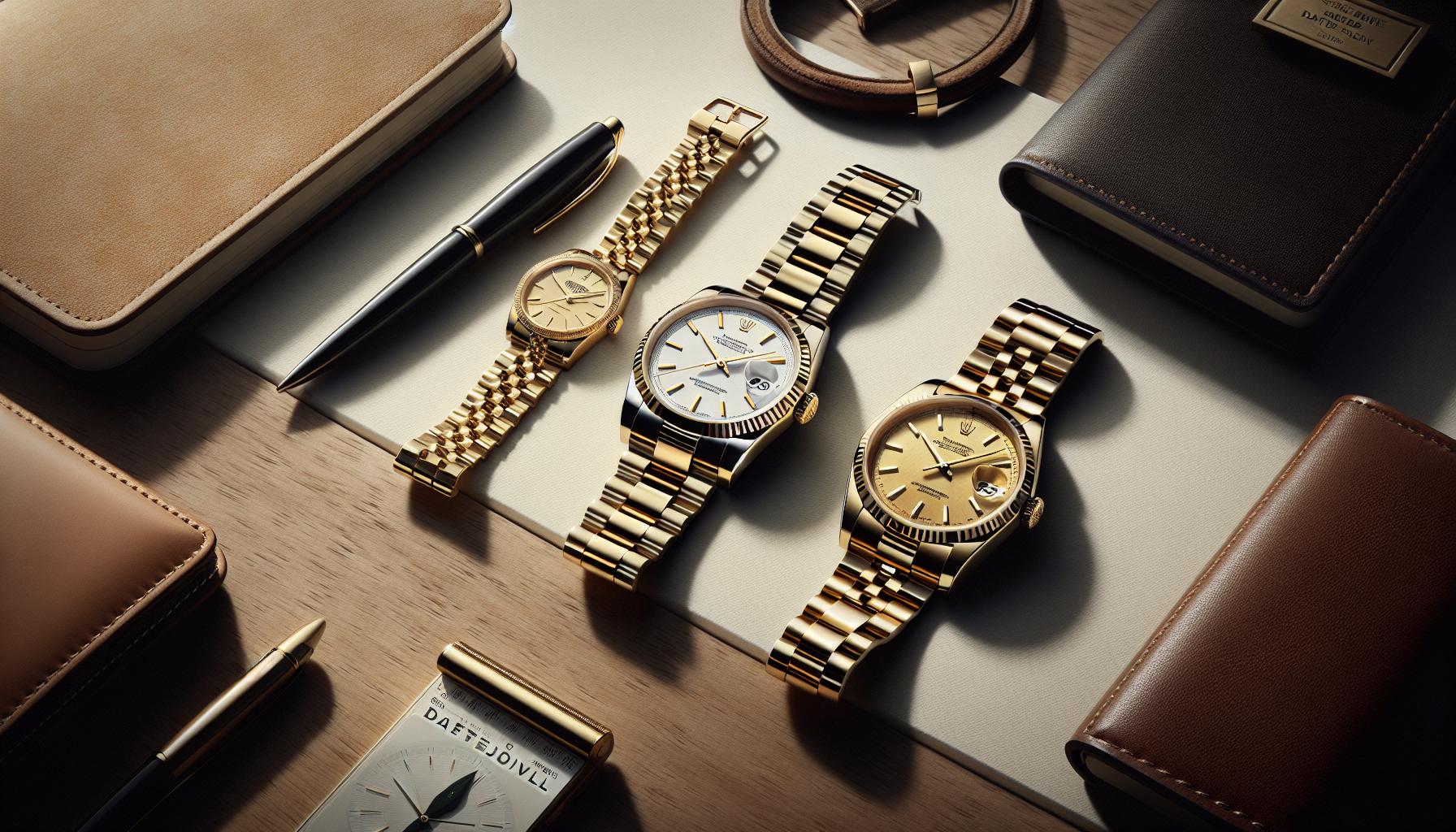
Comparing Yellow, White, and Everose Gold Datejust Editions
Few things capture the inventiveness of watch lovers quite like the subtle yet distinct differences between Yellow, White, and Everose gold Rolex Datejust models. While each edition shares the same hallmark 18k gold purity, the choice of gold alloy and finishing affects everything from visual appeal to wearability – and, of course, the tactile experience on your wrist. Understanding these nuances enhances your appreciation of Rolex’s craftsmanship and helps make a confident choice when hunting for your ideal Datejust.
Everose gold, Rolex’s proprietary rose gold alloy, brings warmth and richness that stands apart from traditional gold hues. Crafted from 18k gold mixed with copper and a dash of platinum, it boasts a vibrant, long-lasting pinkish tint that resists fading over time. This durability factor is key since rose gold alloys can sometimes lose their color with exposure to elements, but Everose keeps its signature glow thanks to rolex’s patented formula. Everose Datejusts carry roughly the same gold weight as yellow gold variants – around 75 grams of solid 18k gold for the 36mm sizes – but the color profile adds a modern, elegant twist that collectors instantly recognise.
In contrast, yellow Gold Datejusts embody classic luxury with their warm, golden shine. This gold alloy consists of 75% pure gold mixed with silver, copper, and zinc, producing the traditional rich yellow hue that has long symbolized timeless opulence[[[[[1]](https://watchmydiamonds.com/blog/post/rose-gold-vs-yellow-gold-rolex/?srsltid=AfmBOoo4tAx0YO1y3wyGWWVyhVvov_EFNKOeefTHrW_imV7MiTSSLDzi). Much like Everose, a full yellow gold Datejust is crafted entirely from solid gold components - the case, bezel, bracelet and clasp, creating not only a substantial heft but a cohesive precious metal presence on the wrist. This is a watch for those drawn to the classic Rolex prestige look, often preferred by traditionalists and collectors who value the historical significance of yellow gold.
White Gold Datejusts, frequently enough less frequently featured but equally luxurious, take a slightly different approach in tone and finishing. The white gold alloy usually comprises gold mixed with palladium and silver, resulting in a cooler, more understated metallic finish. While visually similar to stainless steel at a glance,white gold Datejusts offer higher value and exclusivity beneath that sleek exterior. Rolex typically opts for a polished or satin white gold finish that complements diverse styles – from buisness wear to formal occasions. Despite sharing the 18k purity, the white gold Datejust’s slightly lower weight compared to yellow or Everose variants is barely perceptible but sometimes preferred by those seeking a refined, modern aesthetic without the warmth of yellow or rose tones.
Balancing Wearability and Visual Appeal
- Color Longevity: Everose’s platinum content helps maintain color over time, while yellow gold holds its classic radiance naturally. White gold watches can show scratches more easily due to their polished surface and often require regular refinishing.
- weight and Feel: All variants cluster around 75-85 grams of solid gold depending on bracelet style, ensuring a reassuring weight. Those new to gold watches should be prepared for the substantial feel compared to steel models.
- Versatility: White gold’s neutral tone pairs well with varied outfits, Everose suits warm or earthy palettes, and yellow gold shines brightest with traditional or formal attire.
| Gold Type | Primary Alloy Components | Visual Tone | Approx. Gold Content (g) in Datejust 36mm | Notable Characteristics |
|---|---|---|---|---|
| Yellow Gold | Gold, Silver, Copper, Zinc | Classic warm yellow | ~75 | Timeless look, traditional appeal, highly reflective |
| Everose Gold | Gold, Copper, Platinum | Warm pinkish rose | ~75 | Color stable, luxurious warmth, Rolex proprietary alloy |
| White Gold | Gold, Palladium, Silver | Cool, silver-white | ~70-75 | Elegant subtlety, modern aesthetics, requires occasional refinishing |
Choosing between these gold editions ultimately comes down to personal style, intended use, and appreciation for subtle craftsmanship details. Whether you’re drawn to the glowing richness of yellow gold, the rosy allure of Everose, or the sleek sophistication of white gold, each Datejust variant delivers the solid 18k gold content Rolex is famous for. This ensures not only lasting value but the kind of wrist presence and luxury feel that transforms a watch into a lifelong companion. When possible, trying on all three under natural light will quickly reveal which tone resonates most deeply – an experience every collector should savor prior to purchase.
The Role of Gold in Datejust’s Durability and Wearability
gold in a Rolex Datejust does much more than catch the eye with its radiant sheen-it plays a crucial role in the watch’s durability and everyday wearability. Rolex uses 18k gold alloys (roughly 75% pure gold) not only for the luxury and prestige associated with these metals but also for their physical properties that impact how the watch wears over time. While pure gold is quite soft and prone to scratches, the alloys Rolex uses add the ideal mix of hardness and resilience without compromising the iconic luster.
Among the gold variants,the difference in alloy composition substantially affects durability. Yellow gold, blended with copper, silver, and zinc, maintains a classic look while offering solid scratch resistance and resistance to corrosion.Everose gold, which Rolex developed in-house, adds platinum to its copper and gold mix, enhancing its ability to maintain its warm rose hue over years of wear. This patented alloy also proves more resistant to discoloration from UV rays and oxidation-two common enemies of traditional rose gold watches. White gold, alloyed with palladium and silver, results in a cooler tone and a relatively harder metal surface compared to yellow or Everose gold, though it often requires periodic polishing to retain its mirror-like finish due to micro scratches on its polished surfaces.
- Scratch resistance: Gold alloys in Datejust models provide a balance-firm enough to resist daily bumps yet soft enough to preserve that luxurious sheen that hard metals like titanium can never replicate.
- weight and comfort: The dense nature of gold alloys gives these Datejusts a satisfying heft between 75-85 grams (for 36mm), grounding the watch on the wrist without feeling cumbersome. This weight contributes to the perception of quality, drawing a tactile connection to the precious metal inside.
- Longevity of appearance: The use of Everose’s platinum-enhanced alloy and Rolex’s meticulous finishing reduce tarnishing and ensure the watch ages gracefully. White gold’s polished sheen can require occasional maintenance, but its durability suits a modern, understated aesthetic.
Balancing Everyday wear with Luxury
For everyday wearers, understanding these subtle endurance differences is key.For example, if you love a warm tone and want the least maintenance, a yellow gold Datejust stands out with its natural, time-tested endurance. If you prefer a modern take with rich color that won’t fade,Everose offers a genuine technical advantage thanks to its unique alloy. Meanwhile, white gold appeals to those who seek refined elegance with a cooler undertone but are comfortable with the mild upkeep of periodic refinishing.
This nuanced metallurgy doesn’t just serve aesthetics or durability-it directly impacts the watch’s resale value and longevity. Watches that keep their color and resist superficial wear stay more desirable and command better prices in the secondary market. Rolex’s choice of gold alloys reflects a deep understanding of the trade-off between beauty and resilience, striking just the right chord for collectors and daily wearers alike. The precious metal content inside your Datejust isn’t just a marker of luxury-it’s a vital contributor to the watch’s character and lifespan, ensuring your investment remains as timeless as the brand itself.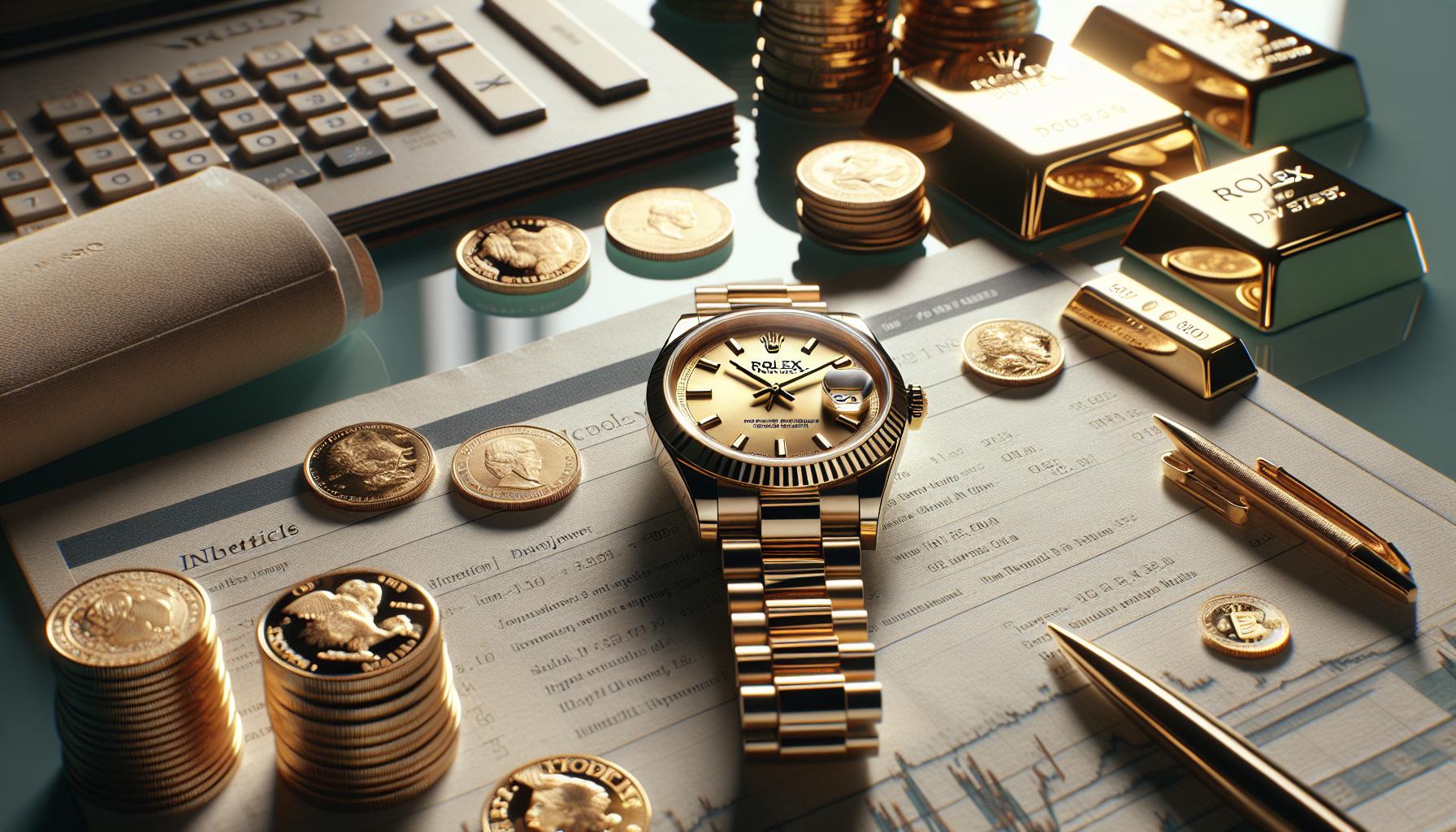
Impact of Gold Content on Datejust Resale and Investment Value
gold content significantly shapes the resale appeal and investment potential of Rolex Datejust watches. Because these models are fashioned from 18k gold-meaning approximately 75% pure gold-the inherent value of the precious metal forms a stable baseline for their worth, regardless of market fluctuations or trends. Yet, the impact of gold in a Datejust extends far beyond just the raw material cost; it influences collector interest, rarity, and how well the watch holds up cosmetically over time.
In practical terms, a solid gold Datejust generally retains value better than stainless steel counterparts. This owes partly to the intrinsic value of the gold, which fluctuates but typically appreciates over long periods. Such as, a gold Rolex Datejust, depending on the variant, can contain roughly 100 to 130 grams of 18k gold, translating to several thousand dollars worth of gold alone at current prices[[[[[2]](https://www.watchuseek.com/threads/rolex-worth-its-weight-in-gold.568254). However, pure metal value doesn’t capture the entire story. The craftsmanship, brand heritage, and the watch’s condition weigh equally in resale discussions.
the condition of the gold surface is vital.Gold alloys used by Rolex, including Rolex’s own in-house everose gold, resist tarnishing and remain vibrant longer than many other gold alloys. This superior durability reassures buyers and collectors that their investment will maintain luster and appeal without excessive upkeep. Models that show minimal scratches and preserve their original finish fetch higher resale prices, while heavily worn watches without proper polishing history may see value diminish. Watches with box and papers also tend to outperform those without, as verified provenance always adds reassurance in resale markets[[[[[1]](https://www.facebook.com/groups/337459928886989/posts/787936920505952).
Gold Variants and Market Demand
- Yellow Gold Datejusts appeal to traditionalists who value the classic look and resilience of the alloy, often commanding strong resale desirability because of consistent demand.
- Everose Gold, Rolex’s proprietary rose gold, offers a unique selling point with enhanced color retention and rarity, often attracting collectors keen on distinctive models that hold color and value over time.
- White Gold editions feature a cooler aesthetic and may require slightly more maintenance, but their subtle elegance appeals to a niche buyer who prizes refinement-this can sometimes translate to stable resale prices in certain markets.
Balancing Investment with Enjoyment
while gold Datejusts carry inherent investment value, it’s crucial to approach them not solely as financial assets but as wearable art that delivers daily enjoyment. Watches that get regular use yet are well looked after frequently enough outperform static pieces in value retention as they demonstrate practicality without excessive wear. For those entering the market, focusing on well-maintained pieces with full documentation, and understanding how gold content intertwines with aesthetic longevity, offers the best blend of investment potential and horological satisfaction.
| Factor | Impact on Value | Tips for Buyers |
|---|---|---|
| Gold Weight & Purity | Sets a stable baseline value tied to precious metal prices. | Verify karat stamp and consider gold variant (yellow, Everose, white). |
| Condition of Gold Surface | Minimizes value loss from scratches and tarnish. | Look for minimal polishing and original finish retention. |
| Documentation (Box & Papers) | Boosts resale confidence and price premium. | Prioritize watches with full provenance. |
| Rarity and model Popularity | Elevates demand and long-term value. | Research market trends and preferred gold variants. |
Ultimately, the presence of substantial 18k gold in a Rolex Datejust provides both an intrinsic and emotional value that few materials can match. Gold content anchors the watch’s baseline worth, but craftsmanship, alloy innovation, and market dynamics define how that value is realized in resale. For collectors, this means investing in a gold Datejust is as much about celebrating horological artistry as it is about securing a resilient asset-one that carries both history and beauty on the wrist.
Manufacturing Techniques Behind Rolex’s Gold Mastery
Rolex’s approach to working with gold is a masterclass in precision,quality control,and innovation. Unlike many luxury brands that source precious metals externally, Rolex takes the extraordinary step of managing much of the gold production in-house. This vertical integration ensures exceptional consistency in the alloy’s purity, color, and durability-key elements that profoundly impact both the aesthetics and long-term value of a Datejust crafted in gold.
The gold used in Datejust watches is 18-karat, meaning about 75% pure gold blended with other metals tailored for each variant: yellow gold mixes with copper and silver to achieve that classic warm tone; Everose gold-a proprietary rose gold alloy-contains platinum additions to enhance color retention and prevent fading; and white gold incorporates palladium to maintain its crisp, silvery sheen while offering hypoallergenic properties. This careful alloy balancing acts not only to refine the look but also to dramatically improve how the metal ages on the wrist, resisting scratches and tarnishes much better than common gold alloys found elsewhere.
rolex’s manufacturing process starts with melting and casting precious metals in their Geneva foundry-one of the few brands globally that still perform these steps internally. From there, the raw gold ingots undergo rigorous testing, including spectrometry to verify elemental composition down to minuscule tolerances. This guarantees that every gram meets Rolex’s demanding standards before it even enters the machining phase. The gold is then precision-milled using advanced CNC machines, producing the components like cases, bezels, and bracelets that define the Datejust’s distinct silhouette. These parts go through multiple polishing and finishing stages, combining mirror-like surfaces with subtle brushed textures, highlighting the alloy’s natural beauty.
Innovations in gold Crafting
- Everose Gold Longevity: Introduced in 2005, Rolex’s secret to Everose’s lasting glow is its patented blend, which combats oxidation better than typical rose gold alloys, a crucial factor for wearers wanting their Datejust to look pristine decades later.
- High-Precision Casting: Casting gold in-house allows Rolex to avoid impurities and microscopic bubbles that affect strength and finishing, protecting the watch from premature wear.
- State-of-the-Art Finishing: Using diamond-tipped tools and laser technology ensures ultra-fine surface textures, reinforcing the lure of gold without compromising scratch resistance.
For collectors and enthusiasts, understanding these manufacturing subtleties emphasizes that a Rolex Datejust’s gold is far more than just raw material value. It is a combination of metallurgy,engineering,and artisanal touch that together create a timepiece worthy of its premium status. When handling a gold Datejust, the weight, the warm glow under light, and the flawless finishing all whisper the story of unparalleled craftsmanship that justifies-and often exceeds- its price tag. This fusion of tradition and technology is why Rolex’s gold watches remain a coveted investment for both new enthusiasts and seasoned insiders alike.
How Rolex Sources and Certifies Precious Metals
Rolex’s meticulous attention to sourcing and certifying gold for the Datejust is a cornerstone of the brand’s reputation for quality and authenticity. unlike many watchmakers who buy precious metals from third parties, Rolex controls nearly the entire gold supply chain-from raw material to finished component-allowing it to maintain unparalleled standards for purity and consistency. This direct oversight means every piece of 18-karat gold (approximately 75% pure) used in a Datejust is thoroughly vetted before it sees the light of day on a wrist.
Their Geneva foundry is one of the few in-house operations among luxury watch brands, where gold is not just melted and cast but also rigorously tested using state-of-the-art spectrometry. This technique pinpoints elemental composition with extreme precision, confirming that each gold ingot adheres strictly to Rolex’s exacting formula-whether it’s yellow, white, or their proprietary Everose gold. By tightly controlling alloying metals like copper, silver, palladium, and platinum, Rolex achieves consistent color tones and enhanced durability that stand the test of time and daily wear.Certification isn’t just about purity; it also touches on sustainability and traceability. Rolex continuously emphasizes responsible sourcing, blending mined gold with recycled gold obtained mainly from their own production waste. This strategy not only reinforces environmental stewardship but also ensures every gram of gold entering the Datejust’s fabrication process has a clear and verifiable origin. For collectors and buyers, this traceability adds a layer of confidence that goes beyond hallmark stamps-it’s a sign of integrity that supports long-term value retention.
- in-House Casting: Minimizes impurities and microscopic structural inconsistencies common in outsourced materials.
- Rigorous Testing: Each batch is verified to meet tight tolerances for karat purity, alloy composition, and color uniformity.
- traceability & Sustainability: Gold is tracked from mine to case, blending newly mined and recycled metals responsibly.
This depth of control assures that when you invest in a gold Datejust, you’re not just getting a precious metal timepiece, but a culmination of metallurgy expertise, ethical practices, and Rolex’s engineering beliefs.It’s the reason why genuine Datejust gold watches exhibit consistent weight, perfect color saturation, and resilience unmatched by many competitors-and why collectors regard them as trustworthy long-term investments.
Expert Tips for identifying Genuine Gold in Datejust Watches
Spotting authentic gold in a Rolex Datejust can be surprisingly approachable once you know what to look for. Genuine Datejust models with gold, whether yellow, white, or Everose, feature solid gold components-not gold plating. A quick giveaway for fluted bezels: they always appear in solid gold, a signature Rolex detail, not merely coated with gold finish. If you come across a Datejust boasting a fluted bezel that feels light or shows signs of wear through a gold layer, it’s a red flag[[[[[1]](https://realstyle.therealreal.com/real-rolex-datejust-watch/).
Physical Clues That Reveal Authentic Gold
Start with the unmistakable heft and feel. Rolex’s in-house casting processes give each watch solid, dense gold parts that have a distinctive substantial weight compared to cheaper imitations. The texture of the gold will be silky and smooth, with a natural warmth that cold-plated metals simply can’t replicate. Such as, Everose gold has a soft, almost rosy glow that white or yellow gold doesn’t share. This subtle nuance is due to Rolex’s exclusive alloy composition, fine-tuned for both color and durability[[[[[2]](https://www.rolex.com/en-us/watches/datejust/m126333-0010).
Precision Markings and Detailing
Look closely at the stamped hallmarks and engravings inside the case back and on the clasp. Genuine Rolex Datejust watches use 18k gold (about 75% purity) and have crisp, precise karat markings, often paired with a small crown logo indicating Rolex’s guarantee. Fakes usually feature either missing, blurry, or off-center stamps. Also, check the date wheel alignment; authentic datejusts have impeccably centered dates, while counterfeit models frequently enough misalign these details[[[[[3]](https://legitcheck.app/guides/watches/rolex/fake-vs-real-rolex-datejust/).
Additional tips for Visual and Tool-Assisted verification
- Use a Loupe: Magnification reveals the flawless edges on gold components and perfectly polished surfaces Rolex is known for. Imperfections or uneven coloration can spell fake.
- Magnetic Test: Gold is non-magnetic, so a simple home magnet can flag suspicious metals, but this isn’t definitive as many non-magnetic metals exist.
- Consult Authorized Source or expert: When in doubt, professional appraisal with XRF (X-ray fluorescence) spectrometry can non-invasively verify the exact gold content-something Rolex itself employs during manufacturing.
even with all these tips, trusting your instincts and researching the provenance of a Datejust is crucial. Genuine gold Datejusts carry Rolex’s reputation for meticulous sourcing and wonder-working metallurgy; counterfeit gold watches rarely capture that feel of lasting quality.Whether you’re an armchair collector or a seasoned enthusiast, these cues help you navigate beyond the shine and into the heart of authentic Rolex craftsmanship.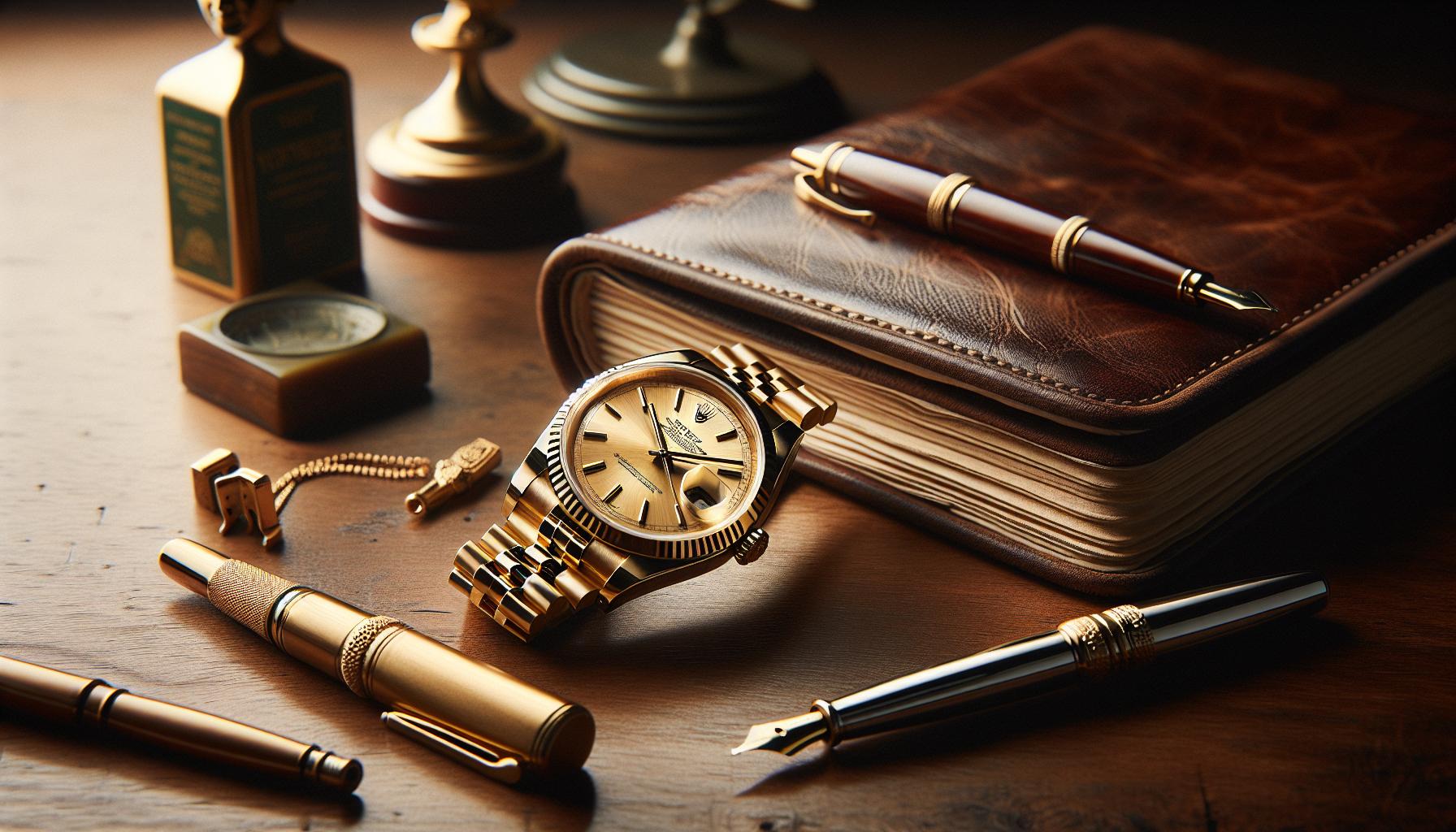
Why Gold Datejusts Appeal to Collectors and Enthusiasts
Few things capture the imagination of watch collectors quite like a Rolex datejust crafted in gold. The allure goes far beyond mere luxury or status symbols-it’s about owning a piece of horological craftsmanship that elegantly marries form, function, and precious materials.Gold Datejusts offer a unique tactile and visual experience that steel variants simply can’t replicate. The dense, warm glow of 18k gold, whether yellow, white, or Everose, commands attention on the wrist and carries with it the rich history of Rolex’s metallurgical mastery.
Collectors often appreciate how the actual gold content-solid 18k alloy with a precise balance of metals-influences not just the look but the feel and weight of the watch. Unlike gold-plated or gold-filled watches, these Datejust models boast solid gold bezels, bracelets, and crowns, visible in every glint and signature fluted edge. This tangible density delivers a satisfying heft that resonates with quality and longevity.For enthusiasts who admire brilliant craftsmanship, the subtle differences in Rolex’s proprietary Everose gold alloy, which maintains its rosy hue over time, add a layer of technical appreciation alongside aesthetics.
Beyond Beauty: Function and Investment Value
Gold Datejusts are prized not only for their beauty but for their enduring value. Solid gold models tend to retain value better than non-precious metal counterparts, partly due to fluctuating gold markets but also as of inherent rarity in Rolex’s production. Savvy collectors understand that the intrinsic worth of gold combined with Rolex’s brand cachet creates watches that frequently enough appreciate or maintain steady prices, especially when condition and provenance are strong. This awareness makes gold Datejusts a balanced choice for both wearing pleasure and long-term investment, despite the premium upfront cost.
- Wearability and durability: Rolex’s in-house alloy formulas are engineered to balance resistance to wear and corrosion while showcasing the precious metal’s natural beauty.
- Craftsmanship Highlight: The precision finishing on gold components, from polished surfaces to satin-brushed links, showcases Rolex’s commitment to artistry.
- Collector Appeal: Fans often seek specific gold variants or limited editions that feature uncommon dial colors, complication options, or bracelet styles.
another reason gold Datejusts captivate collectors is their symbolic resonance. They represent a heritage of innovation (the datejust was the first wristwatch with an automatic date function) and a confluence of timeless design and precious metal expertise. This positions them as both daily-wear icons and heirloom pieces worth preserving. Whether paired with a classic Jubilee bracelet in yellow gold or a sporty Oyster in Everose, these watches offer collectors a tangible connection to Rolex’s legendary craftsmanship and an opportunity to appreciate fine watchmaking from multiple angles.
In all, gold Datejust models invite enthusiasts into a world where metallurgy meets horology in perfect harmony. They appeal to those who value a watch not just as a time-telling device but as an exquisite object reflecting decades of innovation, style evolution, and precious metal mastery. For newcomers and seasoned collectors alike, owning a gold Datejust is like holding a small piece of art infused with both tradition and enduring substance.
Frequently Asked Questions
Q: How does the gold content in a Rolex Datejust influence its overall weight?
A: The gold content significantly increases a Rolex datejust’s weight compared to steel models. Solid 18k gold components, like the case and bracelet, add substantial heft, enhancing the watch’s luxurious feel and durability. For precise gold weight details, see our section on measuring actual gold weight in the Datejust. This added mass also signals authenticity to collectors.
Q: What are key signs that indicate the genuine gold purity in a Rolex Datejust?
A: Authentic Rolex Datejust gold models feature 18k gold purity hallmarks visibly engraved on the watch. These stamps certify gold content and quality. Examining these marks alongside tactile gold feel and visual color cues helps verify genuineness. Refer to our expert tips on identifying genuine gold for clear verification methods.
Q: Why is Everose gold unique in Rolex Datejust models compared to other gold variants?
A: Everose gold is Rolex’s proprietary 18k pink gold alloy, designed to resist fading and preserve its warm tone over time.Unlike standard yellow or white gold, Everose’s specific copper and platinum mix ensures lasting color and durability, making it a popular choice for Datejust collectors seeking a distinctive, enduring precious metal finish.
Q: How does the amount of gold in a Datejust impact its resale and investment value?
A: Rolex Datejusts with higher gold content generally maintain stronger resale value due to intrinsic precious metal worth and collector appeal.Solid gold watches attract premium prices, especially well-preserved models with certified authenticity.For deeper insights, see the impact of gold content on Datejust resale and investment sections in the main article.
Q: Are there differences in gold sourcing for Rolex Datejust models that affect purity?
A: Rolex exclusively sources custom-melted, certified 18k gold from trusted suppliers to ensure consistent purity and quality across Datejust models. This vertical integration avoids impurities common in recycled metals, guaranteeing the precious metal content meets Rolex’s rigorous standards, as detailed in our manufacturing and sourcing overview.
Q: How can collectors verify the gold content without opening a Rolex Datejust case?
A: Collectors should check hallmark stamps on the bracelet clasp and case back, combined with weight, color consistency, and authorized dealer authentication. using non-invasive tools like X-ray fluorescence (XRF) testing can definitely help confirm gold purity without dismantling the watch, complementing expert tips provided in the article.
Q: What role does gold content play in the durability and maintenance of Rolex Datejust watches?
A: Gold’s density and softness affect Datejust durability; 18k gold alloys used by Rolex balance elegance with strength, offering scratch resistance and corrosion protection. Regular professional servicing preserves the gold finish and integrity, especially on bracelets prone to wear, as discussed under gold’s role in durability and wearability.
Q: How much actual gold (in grams) is typically used in a Rolex datejust’s construction?
A: A typical 36mm Rolex Datejust in solid 18k gold contains approximately 50-60 grams of gold, including the case and bracelet. Weight varies slightly by model and bracelet style. For exact gold weights and comparisons across yellow, white, and Everose gold editions, see our dedicated gold weight measurement section.
—
For further details on precious metals and durability, explore our full article sections on Rolex Datejust Materials Overview and Manufacturing Techniques Behind Rolex’s Gold Mastery. Stay curious and keep discovering the craftsmanship behind each Rolex!
Concluding Remarks
Understanding the precise amount of gold in a Rolex Datejust not only highlights the model’s exceptional craftsmanship but also reinforces its enduring value as both a luxury timepiece and a solid investment. With its reliable automatic caliber, iconic Oyster case, and elegant blend of precious metals, the Datejust stands out among classic horology favorites. whether you’re considering the iconic Rolesor two-tone or the full gold variants, appreciating the precious metal content sharpens your insight into Rolex’s design choices and resale potential.
If you’re curious about how the Datejust compares to other Rolex models or want to explore the impact of gold purity on pricing and longevity, be sure to check out our detailed guides on Rolex Submariner materials and how gold content affects watch value. Ready to deepen your watch knowledge? Subscribe to our newsletter for expert tips or reach out for personalized advice tailored to your collector’s journey. Don’t miss out-unlock more on exclusive watch insights and master the art of horology with us.
Have thoughts or questions about gold in rolex watches? Drop a comment below or share this article with fellow enthusiasts. Your next favorite read could be just a click away.