
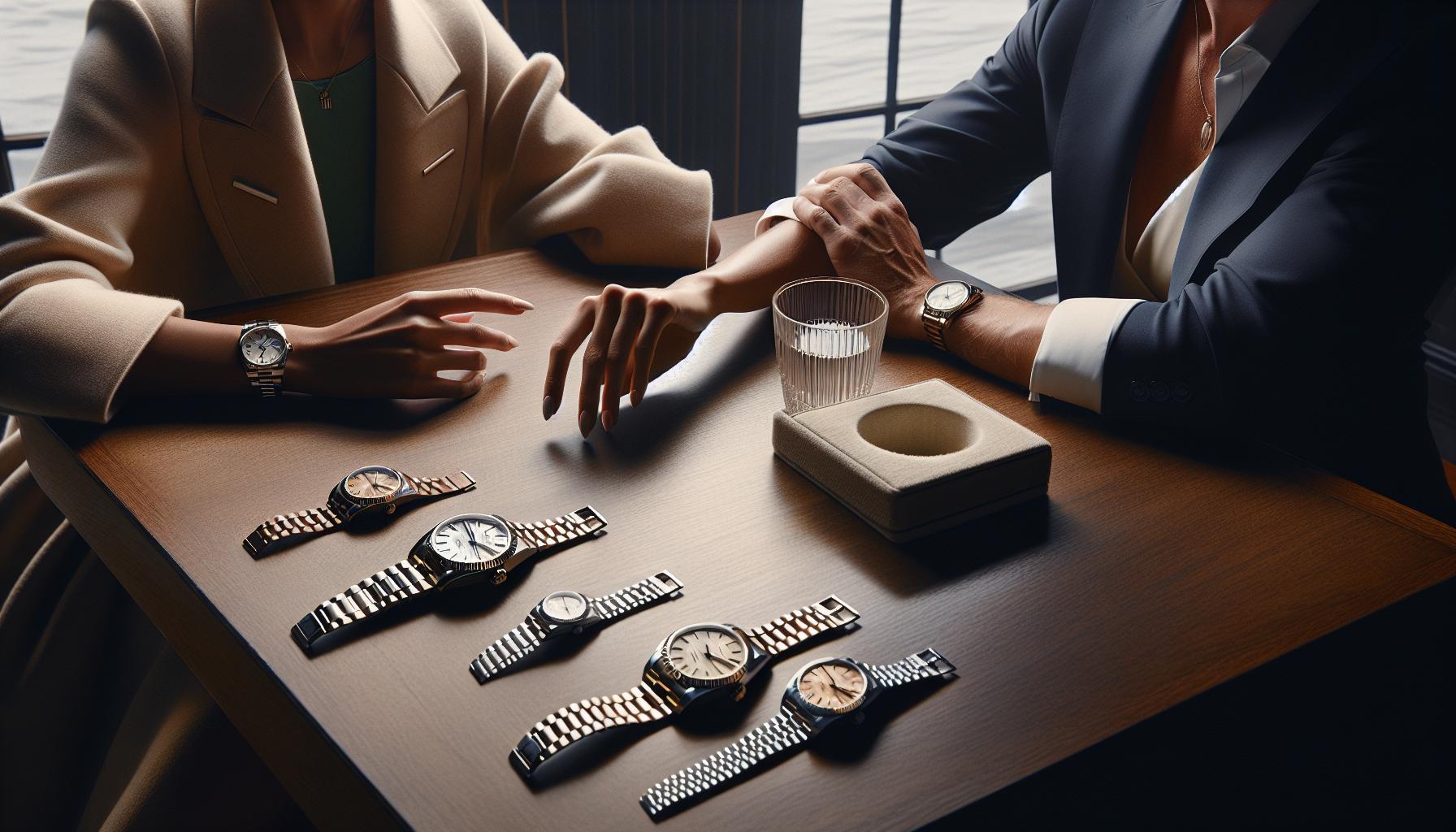
How Much Is Rolex Day-Date vs Datejust: Price Comparison
When choosing between the Rolex Day-Date and Datejust, understanding their price differences is key to making an informed decision. Both iconic models feature rolex’s signature automatic movements-Day-Date with its prestigious in-house caliber offering a full day and date display, and Datejust bringing classic style with a date complication at a more approachable price point. Whether you’re hunting for investment potential, everyday wearability, or a blend of heritage and innovation, knowing how these watches compare in cost helps clarify their value.
Rolex is famous for precision engineering and timeless design,but the Day-Date often carries a premium due to its gold or platinum cases and additional calendar complication,while the Datejust offers versatility and strong value with stainless steel options and reliable movement choices.For enthusiasts and newcomers alike, decoding these nuances can feel daunting, so this comparison breaks down price, specs, and wearability in clear, accessible terms.By the end, you’ll be equipped to decide which model aligns with your horological goals-whether you seek the elegant prestige of the Day-Date or the enduring versatility of the datejust.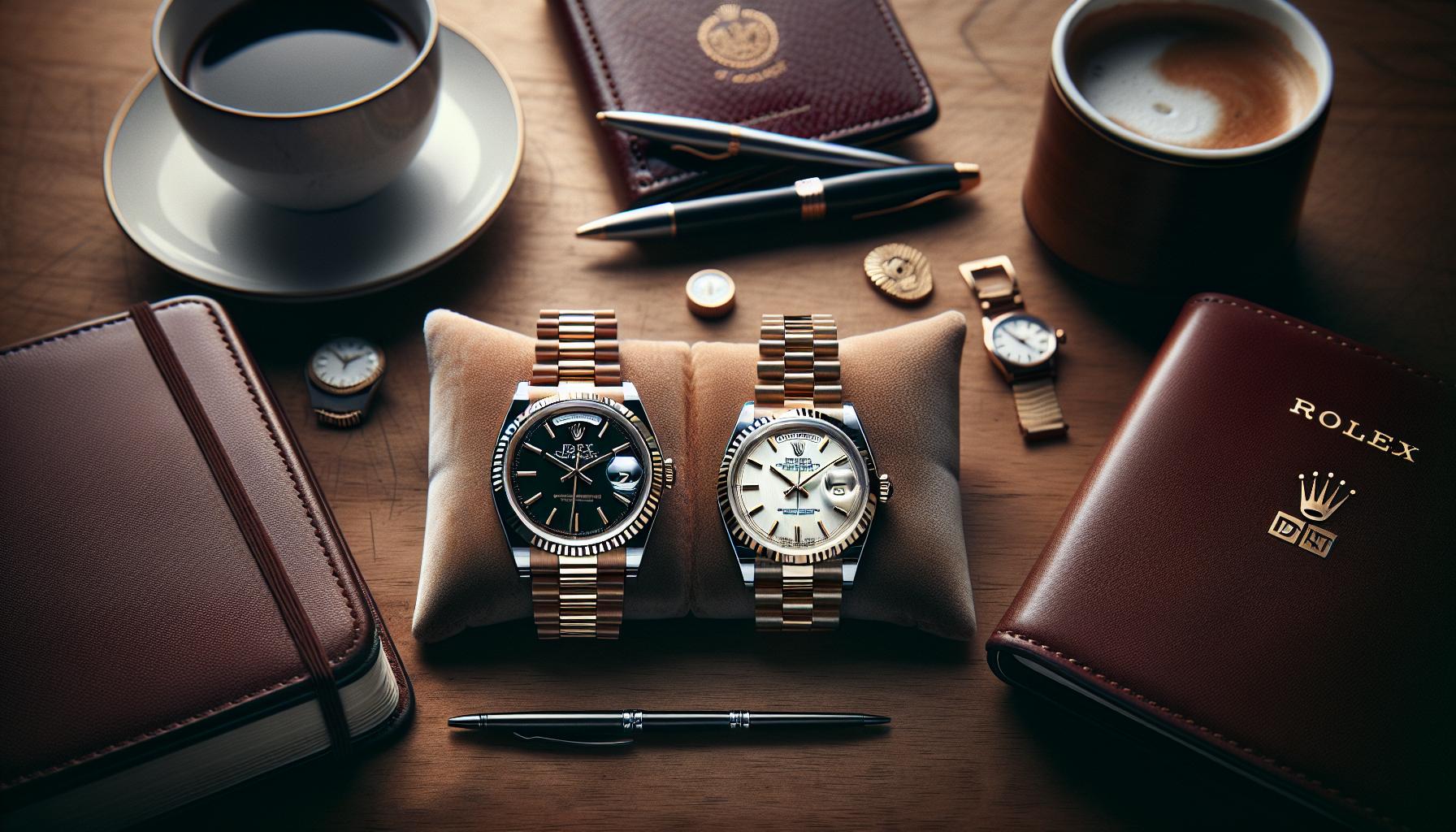
Contents
- Rolex Day-Date vs Datejust: Key Design and Style Differences
- In-Depth Movement Comparison: Calibers and Complications Explained
- price Breakdown: Retail Costs and Market Variations
- Material Options and Their Impact on Value
- Wearability and Size: Finding Your Perfect Fit
- Resale and Investment Potential: What you Should Know
- Exclusive Features and Customization Possibilities
- How Condition and Age Affect Pricing
- Popular References and Collectible Editions Compared
- Comparing Everyday Functionality and Luxury Appeal
- Frequently asked questions
- Q: Why does the Rolex Day-Date generally cost more than the Datejust?
- Q: how does the movement complexity affect the price difference between Day-Date and Datejust?
- Q: Where can I find the best deals when comparing Rolex Day-Date and Datejust prices?
- Q: What role do precious metals play in the price variation between Day-Date and Datejust?
- Q: How does customization affect the price comparison of Rolex Day-Date vs Datejust?
- Q: What are the typical price ranges for vintage Rolex Day-Date and Datejust watches?
- Q: How does market demand influence the resale value difference between Day-Date and Datejust?
- Q: When choosing between a Rolex Day-Date and Datejust, how should price factor into my decision?
- Future Outlook
Rolex Day-Date vs Datejust: Key Design and Style Differences
Few watches embody timeless elegance quite like the Rolex Day-Date and Datejust – both pillars of the brand’s legacy, yet distinct in their design and style signatures. At a glance, they might appear similar, but understanding their differences provides clarity for anyone navigating the choice between these iconic models. Whether you’re drawn to classic dress watches or seek a versatile piece for everyday luxury, grasping what sets these watches apart helps you choose a rolex that truly fits your style and wrist.
Design DNA: Signature Features that define each Model
The Day-Date is instantly recognizable by its unique feature: the full day of the week spelled out in an arc-shaped window at 12 o’clock, alongside the date at 3 o’clock. This complication was revolutionary when introduced in 1956, appealing to those who appreciate mechanical sophistication paired with prestige. On the other hand, the Datejust, launched earlier in 1945, offers a clean date window at 3 o’clock, enhanced by the ubiquitous Cyclops lens for magnification. Its simpler dial is a hallmark of understated elegance and versatility.
- Dial Options and Style: The Datejust boasts a wider variety of dial colors, textures, and indices – from Roman numerals to diamond markers – catering to a broad spectrum of tastes. The Day-Date, traditionally positioned as a “presidential” watch, often features more refined, classic dial designs, with an emphasis on precious metals and a luxurious, formal appeal.
- case and Bracelet: The Day-Date is exclusively crafted in precious metals like 18k gold (yellow, white, or Everose) or platinum, reinforcing its luxury status. Meanwhile, the Datejust comes in a mix of stainless steel, two-tone (steel and gold), and full gold combinations, making it more approachable price-wise, without sacrificing Rolex’s craftsmanship. Both models offer the iconic Oyster or President bracelets, but “President” remains exclusive to the Day-Date, adding to its distinctiveness.
Presence on the Wrist: Size and Wearability Considerations
While the Datejust is known for a variety of case sizes-ranging from 28mm for ladies’ models up to 41mm for modern men’s editions-the Day-Date traditionally settles around 36mm and 40mm. this size is a sweet spot for those seeking a statement piece that wears comfortably without being overwhelming. The Day-Date’s weight, thanks to its precious metal construction, gives it a substantial feel, elevating the sense of occasion whenever worn. Conversely, the lighter steel or two-tone Datejust feels versatile for both casual and formal settings, offering durability with elegant design cues.
Styling Insights and Practical Advice
If you’re looking for a Rolex that doubles as a daily companion and complements a variety of outfits, the Datejust’s diversity in material and dial options favors adaptability. It’s the “everyman’s Rolex” while still delivering extraordinary refinement. The Day-Date, meanwhile, serves those who want to make a subtle yet unmistakable statement of luxury, embodying prestige through exclusivity in materials and that iconic day display.
When deciding, reflect not only on the look but also on lifestyle.The Day-Date’s precious metals command higher retail prices and frequently enough better value retention in luxury markets. However, if you appreciate technical excellence coupled with versatility, the Datejust provides a broad palette of choices to suit different moods and occasions without the higher upfront cost.
In short, these two Rolex legends cater to overlapping but distinct tastes: the Day-Date appeals to collectors who prize rarity, precious metals, and bold complications, while the Datejust attracts buyers seeking historic design blended with flexible styling and often greater accessibility.
| Aspect | rolex Day-Date | Rolex Datejust |
|---|---|---|
| Key Feature | day and date display | Date display only |
| Materials | Exclusively precious metals (gold,platinum) | Stainless steel,two-tone,gold |
| Case Sizes | 36mm,40mm | 28mm to 41mm |
| Bracelet Options | President bracelet only | Oyster,Jubilee,President (select models) |
| Dress vs.Casual | Primarily dressy, formal | versatile, from casual to dress |
| Retail Price Range (approx.) | Starting ~$35,000 USD | Starting ~$8,000 USD |
Whether it’s the bold prestige of the Day-Date or the versatile elegance of the Datejust, both watches celebrate Rolex’s mastery of blending aesthetics with mechanical prowess. Understanding these key differences ensures your investment reflects personal style as much as horological appreciation.
In-Depth Movement Comparison: Calibers and Complications Explained
Rolex movements are legendary for their reliability and precision, but the difference between the day-Date and Datejust runs deeper than just aesthetics – their calibers and complications reflect their distinct purposes and price points.Both watches house automatic movements, which wind themselves using wrist motion, a standard for Rolex as the mid-20th century. Though, the complexity and features within each caliber vary, directly influencing their value and appeal.
The Day-Date is equipped with cutting-edge movements such as the Caliber 3255, a true feat of watchmaking innovation introduced in 2015. This caliber offers a remarkable 70-hour power reserve, enhanced precision certified as Superlative Chronometer (+2/-2 seconds per day after casing), and features that include the iconic day and date display operated by Rolex’s patented instantaneous change mechanism at midnight.The movement integrates the Chronergy escapement, which boosts energy efficiency and durability, and utilizes a Parachrom hairspring resistant to shocks and magnetic fields. These technical advancements justify the Day-Date’s position as Rolex’s flagship, commanding a premium price aligned with its mechanical sophistication and luxury status.
In contrast, the Datejust typically runs on the Caliber 3235 for modern versions or the caliber 3135 for earlier models – solid, robust movements designed to offer exceptional accuracy and durability without the additional complexity of a day display. The Caliber 3235 also boasts a 70-hour power reserve and similar precision levels, but its complication is limited to an easy-to-read date feature paired with the signature Cyclops lens. This streamlined approach keeps production costs and,ultimately,retail prices lower,broadening the Datejust’s accessibility without compromising quality.
- Key Technical Differences: The Day-Date’s inclusion of the day complication adds mechanical complexity and a higher parts count, leading to greater craftsmanship demands during assembly and servicing.
- Impact on pricing: More complex calibers with exclusive features command higher prices and often better resale values,explaining part of the Day-Date’s starting price near $35,000 compared to the Datejust’s $8,000 entry point.
- Service and Longevity: Both calibers benefit from Rolex’s in-house manufacturing and rigorous quality controls, but the advanced components in the Day-Date’s movement may influence servicing complexity and cost.
| movement Attribute | Rolex Day-Date (Caliber 3255) | Rolex Datejust (Caliber 3235/3135) |
|---|---|---|
| Power Reserve | Approx.70 hours | Approx. 70 hours (3235) / 48 hours (3135) |
| Complications | Day and date display, instantaneous change | Date display only |
| Chronometer Certification | Superlative Chronometer, ±2 sec/day | superlative Chronometer, ±2 sec/day |
| escapement | chronergy escapement (anti-magnetic) | Chronergy escapement (newer 3235) / swiss lever (older 3135) |
| Hairspring | Parachrom hairspring (shock and magnetic resistant) | Parachrom hairspring (3235/3135) |
For collectors and buyers weighing price against mechanical substance, understanding these nuances helps sharpen expectations. The Day-Date is more than just a watch – it’s a showcase of Rolex’s technological leadership with a movement that supports its “presidential” image through complexity and refinement.The Datejust’s caliber lineup offers an elegant balance: reliable, straightforward mechanics with room for personalization and style variety.
Ultimately, both movements exemplify Rolex’s dedication to in-house manufacturing and enduring quality, but their divergence in complication and performance highlights why the Day-Date commands a higher price point. Whether you prioritize versatility, complications, or investment merit, knowing the movement details enriches your appreciation of these two iconic models and guides a more informed purchase decision.
price Breakdown: Retail Costs and Market Variations
A Rolex is more than just a timekeeper-it’s an investment, a style statement, and a testament to mechanical artistry. When comparing the day-Date and the Datejust, price is often one of the first considerations for buyers.Both models occupy distinct price tiers that reflect their craftsmanship, material choices, and complications. Understanding these cost dynamics can definitely help you make an informed decision tailored to your budget and horological desires.The Datejust is often viewed as the entry-point into Rolex’s iconic lineup. Modern Datejust models typically start around $8,000 for stainless steel versions with the Caliber 3235 movement. This price is accessible relative to many luxury watches, thanks to the simpler date-only complication and fewer precious materials involved. However,prices vary widely depending on dial options,bracelet styles,and materials.As an example, adding rolesor (two-tone steel and gold) or full precious metal variants like 18k yellow, white, or Everose gold pushes prices toward the $12,000-$15,000 range. The datejust’s versatility means it can comfortably suit daily wear and also dressier occasions without breaking the bank.
In contrast,the Day-Date sits firmly in the luxury flagship bracket,frequently enough called the “President” for its association with prominent figures worldwide. Retail prices for a stainless gold Day-Date start remarkably higher-at least $35,000 and up-reflecting its all-precious metal construction (typically 18k gold or platinum) and the added mechanical complexity of its Caliber 3255, which powers the day-and-date complication. Beyond gold and platinum, customizations with rare dials, diamonds, or gem-set bezels escalate pricing into the mid-five figures and beyond. The higher price captures not just material cost but also the technological refinement and prestige that come with the model’s “ultimate luxury” status.
Variations and Market Influences
- Materials Matter: The Day-Date is exclusively offered in precious metals, while the datejust spans stainless steel to precious metal combos.This dual approach explains most of the initial price gap even before considering movement differences.
- regional Pricing: Rolex MSRP can differ by market due to taxes and import duties, impacting final retail prices. For example, watches tend to be more expensive in Europe and Asia compared to the USA.
- Secondary Market Dynamics: While retail prices provide a baseline, actual acquisition costs often diverge. The Day-Date frequently enjoys demand-driven premiums on the secondhand market, especially for rare references or discontinued dials. The Datejust enjoys steady demand with less speculative volatility, making it a pragmatic choice for value retention.
- Waitlists & Availability: Limited availability of certain models-notably stainless steel Datejusts or popular Day-Date variants-can inflate prices on the gray market, sometimes 10-30% above MSRP.
Making the Most of Your Purchase
If you prioritize mechanical sophistication and the prestige associated with precious metals, the Day-Date’s cost premium is understandable and justified. That said, if you’re eager for a durable, elegant watch that showcases rolex’s core technical excellence but with more manageable pricing, the Datejust offers excellent value. Its broad array of styles means you can fine-tune your choice to your personal taste without necessarily stepping up into the high-five-figure territory.
| Model | Starting Retail Price (USD) | Typical Secondary Market Range | Material Options | Movement |
|---|---|---|---|---|
| Rolex Datejust | ~$8,000 (steel), $12,000-$15,000 (rolesor/gold) | $7,500-$18,000 depending on config | Stainless steel, Rolesor, 18k gold | Caliber 3235 / 3135 (date only) |
| Rolex Day-Date | ~$35,000 (gold/platinum) | $30,000-$50,000+ depending on dial, gems | 18k yellow, white, Everose gold, platinum | Caliber 3255 (day & date) |
while the sticker shock of the Day-Date can be daunting, its pricing reflects unparalleled craftsmanship and exclusivity. The Datejust, on the other hand, brings Rolex’s reliable engineering and timeless design within reach for many enthusiasts. Your ideal choice depends on which features resonate-whether that’s the mechanical poetry of a day complication or the broad appeal of a versatile, classic dress watch. Either way, understanding how price shifts with features and market factors empowers you to find the perfect Rolex without surprise.
Material Options and Their Impact on Value
A Rolex’s material choice does more than influence aesthetics-it directly shapes the watch’s value, durability, and even how it wears day-to-day. When comparing the Day-Date and Datejust, understanding the impact of materials helps clarify why prices can vary dramatically. Rolex carefully selects metals not only for looks but for longevity, corrosion resistance, and inherent prestige. This results in distinct value propositions that are well worth knowing before you buy.
The Datejust shines in versatility,offering stainless steel,Rolesor (a smart blend of steel and 18k gold),and all-gold variants. Stainless steel models are frequently enough the most accessible entry into Rolex ownership, prized for their resilience and sporty-luxe look. Rolesor bridges classic with luxury, giving that warm glow of gold while still benefiting from steel’s strength and scratch-resistance.Full 18k gold Datejusts elevate the watch to a rarer, more opulent level, where price tags climb accordingly but with a visible aura of exclusivity. This spectrum empowers buyers to align their budget with material preferences, whether seeking everyday toughness or unmistakable luxury.
In contrast, the Day-Date status symbol is unwaveringly precious-metal exclusive. Available only in 18k yellow, white, Everose gold, or platinum, each watch is crafted to maximize opulence and refinement. These metals bring inherent value and rarity that inevitably command higher prices. Platinum, the rarest of the bunch, carries the heftiest premium and a uniquely cool sheen. Gold variants not only convey heritage prestige but also boast superior corrosion resistance and a luxurious heft on the wrist.This precious-metal exclusivity adds weight-both physically and metaphorically-to the Day-Date’s place as Rolex’s “President” watch.
How Material Choice Influences Value and Wearability
- Investment Stability: Precious metals generally hold or appreciate value better than steel thanks to intrinsic material worth. This means full gold or platinum Day-Dates frequently enough outperform on resale versus stainless or Rolesor Datejusts.
- Maintenance Impact: Stainless steel is easier and less costly to polish or service, making it ideal for daily wearers. Gold and platinum, while durable, show scratches and dents more visibly and require more attentive care.
- Aesthetic Longevity: Colors matter. Everose gold retains its rosy warmth over time, resisting fading from UV exposure, whereas yellow gold can develop a patina that some collectors cherish for its vintage character.
- Weight and Comfort: Platinum’s density makes Day-Dates noticeably heavier than Datejust steel or gold models,which can be a luxurious presence-or a potential drawback for wrist comfort,depending on personal taste.
| Material | Rolex Models | Price Range Influence | Practical Considerations |
|---|---|---|---|
| Stainless steel | Datejust | Most affordable; ~$8,000+ retail | Durable, low maintenance, sporty yet elegant |
| rolesor (Steel + 18k Gold) | Datejust | Mid-tier; $12,000-$15,000 retail | Balanced luxury and toughness; distinct bi-metal look |
| 18k Gold (Yellow, White, Everose) | Datejust, Day-Date | High; Datejust ~$12,000-$15,000, Day-Date $35,000+ | Premium shine; more scratches; symbolic of luxury |
| Platinum | Day-date only | Top tier; $50,000+ | Heaviest metal; unmatched rarity; cool tone; requires care |
For collectors and new buyers alike, material isn’t just about price-it’s about how that watch fits your lifestyle and expresses your style. If you want a robust daily companion with Rolex flair but manageable investment, a stainless or Rolesor Datejust is a smart choice. If you’re drawn to a statement piece that doubles as a tangible asset, the Day-Date’s precious metals deliver unmatched allure and exclusivity. The material’s story remains writen on your wrist, blending luxury, engineering, and personal preference into every glance and every turn of the crown.
Wearability and Size: Finding Your Perfect Fit
Finding that perfect balance between presence and comfort on the wrist is a crucial factor when choosing between Rolex Day-Date and Datejust models. Both lines offer distinctive case sizes and proportions tailored to different tastes and lifestyles, but understanding these subtle size and wearability differences will help you make an informed decision that suits your wrist-and your daily routine.
The Datejust, launched in 1945, has evolved comfortably across a broad range of sizes. Classic models typically come in 36mm-a timeless diameter that balances vintage charm with contemporary appeal-while newer Datejust II and Datejust 41 variants push the case size up to 41mm for a bolder wrist presence.This range allows the datejust to serve a wide demographic, from those who favor a discreet dress watch to enthusiasts appreciating a sportier, larger case. The relatively lighter weight of stainless steel and Rolesor models enhances comfort for daily wear,especially for those who spend long hours at a desk or on the move.
In contrast, the Day-Date’s sizing traditionally starts at 36mm but now also features a 40mm version, offering a slightly larger silhouette while maintaining its classic elegance. However, the key difference lies in the weight and wrist feel due to its exclusive use of precious metals-18k gold or platinum. These heavier materials give the watch a commanding heft that many enthusiasts cherish as a mark of luxury and durability, but newcomers might find it less forgiving during extended wear. The Day-Date’s styling leans more formal and dressy; its iconic President bracelet enhances this, hugging the wrist closely for both luxury and comfort while emphasizing the watch’s status symbol appeal.
Considerations to Help You Choose
- Wrist Size Matters: For wrists under 6.5 inches, the 36mm Datejust or Day-Date tends to be the most proportionate and elegant option. Larger wrists (7 inches and above) generally wear the 40mm or 41mm sizes comfortably without the watch feeling too small or oversized.
- Weight and Daily Comfort: Stainless steel Datejusts are significantly lighter and more forgiving for long-term wear. Precious metal Day-Dates, especially platinum models, are heavier but offer a more substantial, luxurious feel. Consider your personal tolerance for watch weight, especially if you plan to wear it all day, every day.
- Style and Occasion: If versatility is key, datejust’s broader size and material range adapts from casual to business settings with ease. The Day-Date, frequently enough paired with precious metals and a signature President bracelet, leans more towards formal and executive environments.
- Bracelet Fit and Adjustability: both models come with Rolex’s signature Oyster or President bracelets featuring micro-adjustments for sizing. Though, the dressier Day-Date bracelet can feel more fitted, which may matter for those seeking a looser or sportier fit.
| Model | Typical Case Sizes | Material Options | Approximate Weight Range | Wearability Notes |
|---|---|---|---|---|
| Datejust | 36mm, 41mm | Stainless Steel, Rolesor, 18k Gold | ~100g to 140g (varies by metal) | Light to moderate weight, versatile for casual and dress wear |
| Day-Date | 36mm, 40mm | 18k Gold (Yellow, White, Everose), Platinum | ~140g to 160g+ (heaviest with platinum) | Heavier feel, ideal for formal or statement wear; requires wrist strength |
An experienced collector friend once summed it up well: “A Datejust feels like a trusty companion that just gets along with everything in your life, while a Day-Date commands attention and marks moments when you want to stand out.” Both choices celebrate Rolex craftsmanship, yet they cater to different wearer preferences-from casual durability to heirloom gravitas.
If possible, try both on in various sizes and materials to feel the difference firsthand. Your perfect fit ultimately blends ergonomic comfort with how you want your watch to reflect your personality and purpose. Whether you choose the versatile Datejust or the iconic Day-Date, rest assured you’re wearing a timepiece steeped in history, precision, and unmistakable style.
Resale and Investment Potential: What you Should Know
A Rolex isn’t just a watch; it’s often viewed as a portable asset with a unique blend of luxury, craftsmanship, and history that can preserve or grow value over time.When comparing the Day-Date to the Datejust, these models differ not only in style and materials but also in how they perform in the resale market and investment sphere. Understanding these nuances helps both newcomers and seasoned collectors make smarter decisions.
The Day-Date, being Rolex’s flagship “President” watch, is primarily crafted from precious metals like 18k gold and platinum. This exclusivity-combined with its strong cultural association as a symbol of achievement and status-generally bolsters its resale value. While the upfront retail price is significantly higher than a Datejust,Day-Dates tend to maintain a larger percentage of their value,especially limited editions or those featuring rare dial variants. Their weighty feel and iconic styling bring a cachet that frequently enough appeals to collectors prioritizing legacy and investment potential.
The Datejust, with its wider array of material options including stainless steel and Rolesor (two-tone), offers greater accessibility but also exhibits more variability in resale pricing. Stainless steel Datejusts, particularly in popular sizes like 36mm, often see healthy demand in the pre-owned market due to their versatility and lower entry price.These attributes appeal to buyers looking for a daily wearer with classic Rolex quality but without the same premium attached to precious metals.however, the resale value can fluctuate more dramatically depending on specifics like dial color, bracelet type, and condition.
What Drives Resale and Investment Value?
- Material and Metal Type: Precious metals on the Day-Date command higher prices and tend to depreciate less because of intrinsic metal value. Stainless steel Datejusts have more volume but less built-in metal value, impacting long-term resale.
- rarity and Limited Releases: Special edition Day-Date references, unique dial colors, or vintage pieces with provenance can fetch premiums. While Datejusts also have collectible variants,the day-Date’s status frequently enough gives it a stronger niche appeal.
- Condition and Completeness: A full set with box and papers, minimal wear, and proper servicing greatly boost resale prospects on both models.
- Market trends and Demand: Day-Date watches attract buyers interested in statement luxury, whereas Datejusts have broader appeal. Both face market cycles but the Day-Date’s niche luxury status frequently enough means less drastic price drops.
| Aspect | Datejust | day-Date |
|---|---|---|
| Entry Price Range (Retail) | $9,000 – $14,000+ (varies by metal and size) | $35,000 - $60,000+ (varies by metal and exclusivity) |
| Typical Pre-Owned Value retention | 70% - 85%, with stainless steel models on the higher end | 85% – 95%, especially for gold and platinum variants |
| Secondary Market Demand | High for steel and Rolesor; moderate for all-gold versions | Consistently strong, especially among luxury collectors |
| Investment Potential | Good for select references and classic sizes | Strong for vintage, limited editions, and precious metal models |
for those weighing resale value heavily, it’s wise to consider not just the model but the specific reference, metal, and condition. The Day-Date’s higher barrier to entry makes its retention of value more robust,especially since fewer pieces circulate in stainless steel or less precious metal variants. Conversely, the Datejust offers a more affordable stepping stone into Rolex ownership with respectable resale prospects, especially with popular, classic versions.
Ultimately, timeless design, impeccable movement craftsmanship, and Rolex’s durable build quality ensure that both the Datejust and Day-Date retain desirability on the secondary market. watch enthusiasts who embrace this viewpoint appreciate that while not every Rolex will be a skyrocketing investment, both models offer a solid blend of enjoyment, craftsmanship, and potential value preservation-whether you’re seeking a daily companion or a formal heirloom piece.
Exclusive Features and Customization Possibilities
Rolex watches have long been celebrated for their timeless design and meticulous craftsmanship, but what truly sets the Day-Date and Datejust apart is the remarkable breadth of exclusive features and customization options each model offers. These choices allow owners to tailor their timepieces not just to style preferences but also to personal identity and lifestyle, all while preserving the core quality and prestige synonymous with Rolex.
The Day-Date is famously known as the “president” watch, partly due to its iconic President bracelet, crafted exclusively from precious metals like 18k gold and platinum. This lineup offers a variety of dial options-from classic sunburst patterns to rare meteorite or gem-set dials-and the unique day display featuring the full weekday spelled out, which can often be customized in multiple languages. In terms of customization, Rolex gives buyers the option to select from an array of flamboyant colored dials, including green, champagne, or ice blue, and even precious stones such as diamonds and sapphires embedded on bezels or hour markers. These bespoke details not only elevate the watch’s aesthetic but also contribute significantly to its exclusivity and price. If you’re drawn to a statement piece with luxe materials and distinctive elements, the Day-Date excels with its broad palette of tailored elegance.
In contrast, the Datejust champions versatility combined with subtle sophistication. While it offers fewer exotic precious metal options at entry level-stainless steel and two-tone Rolesor are most common-it excels in dial variety, size, and bracelet combinations that make it accessible and appealing to a diverse audience. the Datejust can be personalized through a wide spectrum of dial finishes such as mother-of-pearl, floral motifs, or lacquered colors that bring daily wearability to life. Additionally, the choice between oyster, Jubilee, or President-style bracelets lets owners adapt the look and comfort precisely to their preference. For those looking for functional customization, Datejusts often include options for cyclops lens magnification and a variety of bezel styles, including fluted, smooth, or gem-set, which add personality without overwhelming the classic silhouette.
Customization at a Glance: Day-Date vs Datejust
| Feature | Rolex Day-Date | Rolex Datejust |
|---|---|---|
| Material Options | Solid 18k gold (yellow, white, rose), Platinum | Stainless Steel, Rolesor (steel & gold), limited gold |
| Dial Variety | Wide range including rare stones & exotic materials | Extensive colors, patterns, mother-of-pearl, floral |
| Bracelet Styles | Exclusive President bracelet | Oyster, Jubilee, President options |
| Bezel Options | Fluted, domed, gem-set | Fluted, smooth, gem-set |
| Unique Functional Features | Full day of week display in multiple languages | Date display with cyclops lens |
Customization also impacts value retention and collectibility. Unique dial colors or gem-set editions of the Day-Date, owing to their rarity and manufacturing exclusivity, often fetch higher premiums in secondary markets. Meanwhile, Datejust models with distinctive dials or limited edition configurations might see spikes in desirability due to their everyday versatility combined with impactful style statements. For example, a discontinued Datejust with a rare “linen” dial can draw great collector interest despite being priced more accessibly than a Day-Date.
Ultimately, the choice boils down to what you want the watch to say about you-a bold presentation of achievement and luxury with the Day-Date, or a flexible blend of classic design and personal flair with the Datejust.Both offer remarkable opportunities to make a Rolex truly your own, blending intrinsic horological excellence with a tailored aesthetic that speaks to your taste and story. Whether you lean toward precious metal grandeur or approachable yet elegant customization, Rolex’s extensive feature palette invites you to find your perfect expression without compromise.
How Condition and Age Affect Pricing
Rolex watches are renowned for their enduring build quality, but like any mechanical instrument, condition and age play pivotal roles in determining their value on both retail and secondary markets. Especially when comparing the Day-Date and datejust models, understanding these factors helps clarify why two seemingly similar watches may have vastly different price tags.
Wear and tear don’t just affect looks-they impact mechanical reliability and, consequently, pricing. A pristine Datejust from the early 2000s,serviced regularly,with minimal scratches and original parts will command a premium over a heavily worn or poorly maintained one,even if its base model is less costly than a Day-Date. Conversely,older Day-Date watches in excellent condition can outperform newer Datejusts in resale value,thanks to their solid gold or platinum construction,which holds collectible appeal longer and resists corrosion or metal fatigue much better than steel or Rolesor.
Key Condition Factors Impacting Value
- Originality: Watches retaining original dials, bracelets, and movements are always more desirable than those with replaced parts or aftermarket modifications.
- service History: Documentation of regular servicing by authorized rolex technicians reassures buyers about internal condition, bolstering value.
- Cosmetic Condition: Scratches, dents, polished cases, and faded dials significantly reduce collector interest and pricing.
- Functionality: Smooth operation of complications like the Day-Date’s weekday display or Datejust’s cyclops lens magnifier can impact willingness to pay.
Age: Vintage Appeal vs Modern Technology
Older Rolex watches such as vintage Day-Date references from the 1960s and ’70s often benefit from a “vintage premium” when in excellent shape,partly due to rarity and unique dial variants like the “pie-pan” or “linen” dials on Datejust models. They offer collectors a nostalgic appeal and a sense of tangible history. Though, they may lack modern improvements like the latest in-house calibers (e.g.,Caliber 3255 in Day-Date vs. Caliber 3235 in Datejust), sapphire crystals with enhanced scratch resistance, and improved water resistance seals.
Newer models typically command higher prices on retail channels thanks to upgraded technology, enhanced materials, and longer warranty coverage, but they depreciate faster during the first few years unless equipped with rare customization or precious metals. On the secondary market, gently used modern Datejust watches can offer excellent value relative to retail, especially if they combine popular bracelet options (Jubilee/Oyster) with collectible dial colors.
Practical Tips for Buyers and Sellers
- Request full service records to verify maintenance and anticipate future servicing schedules. Rolex recommended servicing runs approximately every 10 years but can vary based on use.
- Evaluate the watch’s polishing history. Factories or skilled watchmakers can refinish cases, but excessive polishing erodes sharp edges and original lines, reducing collector appeal.
- For Day-Date buyers, confirm the integrity of precious metal components-some early models, especially in white gold, show plating wear that affects value.
- Datejust enthusiasts should consider whether dial and bracelet pairings remain factory-original or have been swapped, as matching numbers can impact resale.
| Factor | Effect on Value | Rolex Day-Date | Rolex Datejust |
|---|---|---|---|
| Age (Vintage vs Modern) | Vintage premium possible; modern technological upgrades increase retail price | High collectible value for rare vintage models; modern versions retain value due to precious metals | Broad appeal, with vintage “special edition” dials increasing collector interest |
| condition (Cosmetic and Mechanical) | Excellent condition increases resale; poor condition lowers price and desirability | Scratches or polished cases reduce value especially on precious metal | Better retention when well serviced with minimal case wear |
| Original Parts and Service History | High value for all-original watches with documented services | Critical for vintage models where dial and bracelet originality are prized | Critically important, but slightly more lenient due to high production volumes |
Understanding these nuances allows buyers and collectors to navigate the Rolex market with clarity. Condition and age never act alone-the interplay between quality of upkeep, originality, and rarity decide the actual premium each Day-Date or Datejust commands. Watching carefully for these factors can not only save you money today but provide peace of mind in the investment you make for tomorrow.
Popular References and Collectible Editions Compared
Rolex references pack a engaging mix of history, innovation, and collector appeal, making certain editions particularly sought-after among enthusiasts. When evaluating Day-date and Datejust models, knowing which references carry that extra collectible weight-and why-can guide smart buying and enhance your appreciation of Rolex’s storied legacy.The Day-Date 1803,produced from the late 1950s through the 1970s,remains a standout vintage icon. Often called the ”President” for its association with world leaders and dignitaries, this model pioneered solid gold cases paired with the signature day and date complications. Its distinct acrylic crystal and fluted bezel add character lost in modern iterations. Collectors prize early dials like the ”pie-pan” and exotic colors (e.g., the Wimbledon dial) for their rarity and patina, frequently enough commanding premiums well above recent retail prices. Though, servicing and maintaining original parts on these vintage calibers (notably the Caliber 1556 or 1555) requires careful attention, underscoring the need for documented service history and originality verification.
On the Datejust front, the 1601 reference shines as a vintage classic that blends versatility with collectible charm. Produced from the mid-1950s to the late 1970s, it showcases a refined Oyster case and available “pie-pan” dials, which skew highly collectible when well preserved. Notable dial variations like the “linen” texture or rare gilt printing further excite collectors. Importantly, these watches introduced improvements such as the Caliber 1565 movement, which set a standard for reliable automatic winding and date functionality. Among modern Datejusts, the Reference 126334, featuring the in-house Caliber 3235, is acclaimed for significantly improved power reserve and precision, combining heritage with new-tech value for a broad buyer base.
Collectibility Factors to Consider
- Dial Variants: both models have dial designs that fluctuate greatly in desirability. Limited production runs or unusual colors raise interest and prices.
- Bracelet Matching: Original bracelets like the Day-Date’s President bracelet and Datejust’s Jubilee or Oyster bring authenticity, which collectors prize.
- Material & Finish: Precious metals (18k gold, platinum) inherently add value to Day-Date references, while Datejust Rolesor (two-tone steel/gold) variations balance cost with prestige.
- Movement evolution: Vintage calibers come with nostalgia and craft; modern calibers offer tech advantages. Depending on taste, collectors lean toward one or the other.
| Model | Popular Vintage Reference | Key features | Collector Appeal | Typical Price Range (Secondary Market) |
|---|---|---|---|---|
| Rolex Day-Date | 1803 | Solid gold case, day/date display, acrylic crystal | High, due to historic prestige and unique dials | $15,000 – $30,000+ (depending on condition and dial) |
| Rolex Datejust | 1601 | Stainless steel/gold, pie-pan dial, Caliber 1565 | Strong, versatile with vintage charm | $6,000 - $12,000 |
| Rolex Day-Date | 228238 (Modern) | 18k yellow gold, Caliber 3255, higher power reserve | Rising, for those seeking tech plus luxury | $40,000 – $45,000+ |
| Rolex Datejust | 126334 (Modern) | Rolesor (steel & white gold), Caliber 3235, updated movement | Broad appeal for new collectors and daily wearers | $10,000 – $14,000 |
For newcomers and seasoned collectors alike, appreciating these references in context helps to demystify Rolex’s pricing and investment landscape. The Day-Date generally commands higher prices for vintage and modern models, largely due to precious metal construction and ancient esteem. Datejust models offer broader accessibility, with a wider range of collectible dials and references that suit varying budgets and tastes without sacrificing style or mechanical excellence.
Remember, beyond just the reference number, factors like provenance, condition, and originality strongly influence auction results or dealer prices. Exploring popular references through catalogs, forums, and expert advice enriches the buying experience and arms you with the knowledge to spot genuine gems amid the hype.
Whether you’re drawn to the regal persona of the Day-Date or the versatile sophistication of the Datejust, understanding what makes each reference special ensures you choose a piece that resonates-both mechanically and emotionally-long after the initial purchase.
Comparing Everyday Functionality and Luxury Appeal
Rolex’s Day-Date and Datejust each shine in everyday wear but do so with distinct personalities that blend functionality and luxury in unique ways. The Day-Date is the quintessential “statement” watch-a solid gold or platinum icon bearing both day and date complications. This instantly elevates it beyond a mere timekeeper to a symbol of status, often favored by executives and figures in the public eye. Its hallmark President bracelet adds comfort and regal style, yet the heavier precious metal case means it’s best suited for those comfortable with a watch that carries both literal and figurative weight on the wrist.
In contrast, the Datejust boasts an approachable versatility that makes it a workhorse among luxury watches. Available in stainless steel, Rolesor (two-tone steel and gold), or precious metals, this model suits a wider range of lifestyles and budgets without skimping on Rolex’s hallmark craftsmanship. The Datejust’s signature date complication with the Cyclops magnifier is practical for daily use, and its modern calibers-like the Caliber 3235 in the 126334-deliver excellent accuracy and an impressive 70-hour power reserve. It’s a timepiece prized equally for casual wear and semi-formal occasions, appealing to those who want a luxurious yet understated companion.
Real-World wearability and Movement Insights
- Movement and Accuracy: Both models feature Rolex’s in-house automatic movements, but Day-Date’s Caliber 3255 edges ahead with a higher power reserve (approximately 70 hours), enhanced shock resistance, and chronometric precision certified by COSC and Rolex’s internal standards. Datejust calibers like the 3235 are no slouches-offering daily reliability with ease of service.
- Size and Weight Considerations: Day-Date models tend to run larger and heavier (typically 36mm to 40mm, in precious metals), commanding attention. Datejust sizes range from 31mm to 41mm, with lighter steel or rolesor options that suit smaller wrists or those seeking less wrist presence.
- Everyday Practicality: The Datejust’s steel variants resist scratches and wear better in active environments-think office, social events, and even occasional sports. Day-date’s luxurious materials require more cautious handling to prevent dents and aging signs,making it less of a daily “beaters” option.
Luxury appeal Meets Functional Value
The Day-Date’s luxury appeal is undeniable, thanks to its rich history and materials that project exclusivity. Wearing one is as much an experience as utility, signaling success while offering tough-as-nails rolex engineering inside. However, that exclusivity comes at a notably higher price point and care commitment-resale typically reflects this, with Day-Date values holding strong especially for rare dial variants or pristine condition models.
Datejust models, meanwhile, are arguably the smartest “daily wear” Rolex for most collectors and enthusiasts. They excel at balancing class, durability, and modern mechanical advances without the Day-Date’s elevated price and maintenance sensitivities. The Datejust is also more approachable in the secondary market, allowing buyers to access genuine Rolex craftsmanship and advanced calibers without overspending.
| Aspect | Rolex Day-Date | Rolex Datejust |
|---|---|---|
| Movement | Caliber 3255 (70-hour power reserve, day/date complication) | Caliber 3235 (70-hour power reserve, date complication) |
| Materials | Primarily 18k gold or platinum | Steel, Rolesor (steel/gold), gold |
| Case Sizes | 36-40 mm | 31-41 mm |
| Everyday Use | Elegant, statement piece; requires mindful wear | Highly versatile; robust for daily activities |
| Price Range (Retail/Secondary) | $35,000 and above | $8,000 to $14,000+ |
Ultimately, the choice between these two icons boils down to personal lifestyle and aesthetic priorities.If you value a regal presence with a storied pedigree and don’t mind the extra care and investment, Day-Date delivers an unmatched blend of luxury and mechanical mastery. On the other hand,if you want a broad-use,mechanically sophisticated Rolex that pairs seamlessly with everything from casual to business attire,Datejust stands as a timeless ally likely to outlast trends and maintain value gracefully.
Both watches celebrate Rolex’s aptitude for marrying form with function. Whether your horizon leans towards the Day-Date’s royal flair or the Datejust’s versatile excellence, you’re investing in craftsmanship that honors watchmaking tradition while serving your everyday moments with quiet precision and undeniable style.
Frequently asked questions
Q: Why does the Rolex Day-Date generally cost more than the Datejust?
A: The Day-Date usually costs more due to its exclusive use of precious metals like gold or platinum and its iconic day display complication. Unlike the Datejust, which offers stainless steel options, the Day-Date emphasizes luxury and status, driving higher retail prices. Learn more about material impact and exclusive features in our detailed comparison sections.
Q: how does the movement complexity affect the price difference between Day-Date and Datejust?
A: The Day-Date features advanced in-house calibers with the added day complication, contributing to a higher price, whereas the Datejust uses robust but simpler movements focused on date only.Movement complexity, including automatic winding and additional complications, influences production cost and value. See the movement comparison section for details.
Q: Where can I find the best deals when comparing Rolex Day-Date and Datejust prices?
A: To find competitive prices on Rolex day-Date vs Datejust, explore authorized dealers, certified pre-owned markets, and reputable auctions. Condition and provenance impact value,so verify authenticity and service history. Refer to the resale and investment section for tips on buying smart.
Q: What role do precious metals play in the price variation between Day-Date and Datejust?
A: Precious metals like 18k gold and platinum used exclusively in the Day-Date significantly raise its price compared to the stainless steel or two-tone Datejust models. Metal choice directly affects durability, exclusivity, and investment potential. Check the materials and value impact segment for guidance.
Q: How does customization affect the price comparison of Rolex Day-Date vs Datejust?
A: Customization, such as diamond dials or bespoke bracelets, increases the price beyond retail for both models but is more common on the Day-Date, enhancing exclusivity and collector appeal. Custom features can complicate resale, so balance personalization with long-term value, as discussed in the customization section.
Q: What are the typical price ranges for vintage Rolex Day-Date and Datejust watches?
A: Vintage Rolex Day-Date prices often start higher due to rarity and precious metal content, typically from $10,000+, while vintage Datejusts offer more accessible entry points ranging from $4,000 upward depending on condition and rarity. Condition and provenance heavily influence these ranges. See the pricing and condition impact section for specifics.
Q: How does market demand influence the resale value difference between Day-Date and Datejust?
A: The day-Date maintains stronger resale value due to its status as a flagship model and limited metal options, whereas the Datejust’s broader availability means generally lower but steady demand. Tracking market trends is crucial; detailed resale insights are available in our investment potential section.
Q: When choosing between a Rolex Day-Date and Datejust, how should price factor into my decision?
A: Price should align with your budget, desired materials, and feature preferences. if luxury, precious metals, and day complication matter, expect a higher investment with the Day-Date. For versatility and lower cost, the Datejust is ideal. Review wearability, features, and price breakdown sections for a balanced choice.
Feel free to explore these FAQs alongside our thorough Price Breakdown and Material Options sections for a deeper understanding, ensuring your Rolex purchase fits both your lifestyle and investment goals.
Future Outlook
Choosing between the Rolex day-Date and Datejust comes down to a balance of sophisticated craftsmanship and your budget. Both feature reliable automatic movements-Rolex’s in-house calibers known for precision and durability-yet the Day-Date’s iconic presidential style and precious metal cases justify its premium pricing. Simultaneously occurring, the datejust offers versatile elegance and excellent value, making it an exceptional entry into haute horlogerie. For deeper insights into their mechanics and market performance, explore our detailed Rolex Movement Guide and Rolex Resale value Trends.
Ready to find the perfect Rolex that matches your style and investment goals? Check out our curated Rolex Buying Tips or subscribe to our newsletter for exclusive updates on pricing and new releases. Don’t hesitate to ask questions or share your own experiences below-your insights enrich our collector community. By understanding these iconic models better, you’re one step closer to wearing a true mechanical masterpiece that holds both sentimental and financial value.


