Can Apple Watch Compete with Mechanical Watches? Tech vs. Tradition
In today’s fast-paced world where technology continues to evolve at a rapid pace, one may ask if the traditional artistry and craftsmanship of mechanical watches can still hold their own against the sleek and innovative Apple Watch. With its advanced features and stylish design, the Apple Watch has certainly made a mark in the world of wearable technology. But can it truly compete with the timeless elegance and precision of mechanical watches? Let’s delve into the debate of tech versus tradition and explore the unique characteristics that set these two timepieces apart.
Contents
- The Rise of Apple Watch in the Watch Industry
- Comparing Technology and Tradition in Watchmaking
- Features of Apple Watch vs. Mechanical Watches
- Design and Aesthetics: Apple Watch vs. Mechanical Watches
- Functionality and User Experience: Can Apple Watch Compete?
- Accuracy and Precision: Tech vs. Tradition
- Price Points: Apple Watch vs. Mechanical Watches
- Durability and Longevity: Which One Will Last Longer?
- Personal Preferences: Choosing Between Apple Watch and Mechanical Watches
- Concluding Remarks
The Rise of Apple Watch in the Watch Industry
When it comes to wearable technology, the Apple Watch has been a game-changer in the watch industry. With its sleek design, advanced features, and seamless integration with other Apple devices, it has quickly become a popular choice among consumers.
But can the Apple Watch truly compete with traditional mechanical watches? While the Apple Watch offers a wide range of functionalities such as fitness tracking, heart rate monitoring, and notifications, many watch enthusiasts argue that it lacks the timeless appeal and craftsmanship of mechanical watches.
However, the Apple Watch has carved out its own niche in the market, appealing to tech-savvy individuals who value convenience and connectivity. With each new iteration, Apple continues to improve the design and functionality of the Apple Watch, blurring the lines between tech and tradition.
| Apple Watch | Mechanical Watches |
|---|---|
| Advanced features like fitness tracking and notifications | Timeless appeal and craftsmanship |
| Sleek design and seamless integration with other Apple devices | Traditional mechanical movement |

Comparing Technology and Tradition in Watchmaking
In the world of watchmaking, there has always been a debate between technology and tradition. Mechanical watches have a long-standing history, craftsmanship, and artistry behind them. On the other hand, smartwatches like the Apple Watch bring cutting-edge technology and convenience to the wrist.
When it comes to design, mechanical watches often feature intricate detailing, handcrafted movements, and luxurious materials such as gold and diamonds. In contrast, smartwatches are sleek, minimalistic, and typically made of durable materials like aluminum and ceramic.
One of the main points of comparison between the two types of watches is their functionality. While mechanical watches focus on telling time and showcasing the art of watchmaking, smartwatches offer a wide range of features such as fitness tracking, notifications, and even the ability to make phone calls.
Ultimately, the choice between a mechanical watch and a smartwatch comes down to personal preference. Some may prefer the timeless elegance and craftsmanship of a mechanical watch, while others may opt for the convenience and modern features of a smartwatch like the Apple Watch.

Features of Apple Watch vs. Mechanical Watches
When comparing the features of Apple Watch and mechanical watches, it’s essential to consider the unique qualities that each type of timepiece offers. With its innovative technology and cutting-edge design, the Apple Watch certainly brings a modern twist to the world of timekeeping. On the other hand, traditional mechanical watches have a rich history and timeless appeal that appeals to watch enthusiasts around the globe.
**Features of Apple Watch:**
– Customizable digital watch faces
– Fitness tracking capabilities
– Notifications for calls, messages, and emails
– Voice-activated Siri assistance
– Integration with Apple ecosystem
**Features of Mechanical Watches:**
– Intricate craftsmanship and mechanical movements
– Timeless design and classic aesthetics
– No need for battery or charging
– Collectible and often appreciate in value over time
In a world where technology continues to advance rapidly, the debate between Apple Watch and mechanical watches ultimately comes down to personal preference. While the Apple Watch offers a plethora of features and convenience, mechanical watches hold a certain charm and prestige that can’t be replicated. Whether you choose tech or tradition, both types of watches have their own appeal and place in the world of horology.
Design and Aesthetics: Apple Watch vs. Mechanical Watches
Apple Watch Design:
When it comes to design, the Apple Watch is sleek, modern, and minimalist. With its square shape and customizable bands, it appeals to those who appreciate a clean and contemporary look. The digital interface allows for endless customization options, from watch faces to apps, catering to a tech-savvy crowd.
Mechanical Watch Design:
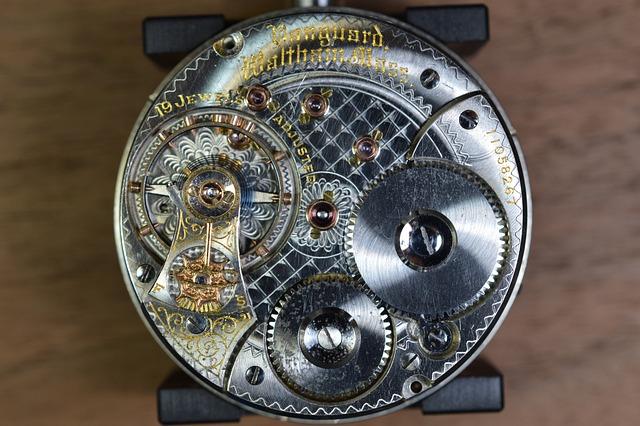
On the other hand, mechanical watches exude a sense of tradition and craftsmanship. With intricate movements visible through the exhibition case back, these timepieces showcase the artistry and precision that go into making them. The classic round shape and timeless design of mechanical watches appeal to those who value heritage and elegance.
Comparing the Two:
- Apple Watch: Modern, customizable, digital interface
- Mechanical Watches: Traditional, handcrafted, intricate movement
| Criteria | Apple Watch | Mechanical Watches |
|---|---|---|
| Design | Sleek, modern | Traditional, elegant |
| Customization | Endless options | Limited options |
| Interface | Digital | Analog |

Functionality and User Experience: Can Apple Watch Compete?
Apple Watch has certainly made its mark in the world of wearable technology, offering a wide range of functionality and features that strive to enhance the overall user experience. With its sleek design and advanced technology, the Apple Watch has become a popular choice for tech-savvy individuals looking for a convenient and innovative way to stay connected and active.
One of the key selling points of the Apple Watch is its seamless integration with other Apple devices, such as the iPhone and MacBook. This connectivity allows users to easily access their notifications, messages, and apps right from their wrist, making it a convenient and efficient way to stay connected on the go. Additionally, the Apple Watch offers a range of health and fitness tracking features, such as heart rate monitoring, activity tracking, and workout tracking, making it a versatile tool for those looking to improve their overall health and well-being.
While the Apple Watch offers a wide range of functionality and features, traditional mechanical watches still hold a special place in the hearts of many watch enthusiasts. Mechanical watches are often prized for their craftsmanship, precision, and timeless design, creating a sense of luxury and sophistication that cannot be replicated by a smartwatch. However, the Apple Watch’s advanced technology and versatility make it a strong contender in the world of wearable technology, offering a unique blend of style and functionality that appeals to a modern audience. Ultimately, whether the Apple Watch can compete with mechanical watches comes down to personal preference and individual priorities.
Accuracy and Precision: Tech vs. Tradition
When it comes to the debate between tech and tradition in the world of watches, the lines are clearly drawn. On one side, you have the Apple Watch with its cutting-edge technology and sleek design. On the other side, you have mechanical watches with their intricate craftsmanship and timeless appeal.
One of the main arguments in favor of the Apple Watch is its accuracy. With GPS tracking, heart rate monitoring, and advanced sensors, the Apple Watch can provide users with real-time data on their health and fitness levels. This level of precision is unmatched by traditional mechanical watches, which rely on manual winding and delicate mechanisms.
On the flip side, traditional mechanical watches have a certain charm and elegance that the Apple Watch simply can’t replicate. The intricate movements, hand-crafted dials, and timeless design of a mechanical watch can be passed down through generations, becoming family heirlooms in the process.
In the end, the choice between tech and tradition comes down to personal preference. Both the Apple Watch and mechanical watches have their own unique qualities and appeal to different types of watch enthusiasts. Whether you value accuracy and precision or timeless craftsmanship, there is a watch out there for you.

Price Points: Apple Watch vs. Mechanical Watches
In the world of watches, there has always been a debate between tech and tradition. Apple Watch, with its cutting-edge technology and sleek design, has been disrupting the industry since its release. On the other hand, mechanical watches have stood the test of time, with their intricate craftsmanship and timeless appeal.
When it comes to price points, Apple Watch tends to be more affordable compared to high-end mechanical watches. The latest Apple Watch models range from $399 to $749, depending on the features and materials. In contrast, luxury mechanical watches can cost anywhere from a few thousand dollars to tens of thousands, or even more for rare or limited edition pieces.
While Apple Watch offers a range of functionalities like health tracking, notifications, and apps, mechanical watches boast a heritage and craftsmanship that is hard to match. Some watch enthusiasts argue that the value of a mechanical watch lies in its intricate gears and movements, while others prefer the convenience and modern features of a smartwatch.
Ultimately, whether you choose an Apple Watch or a mechanical watch comes down to personal preference. Some may prefer the convenience and modernity of Apple Watch, while others appreciate the tradition and artistry of mechanical watches. At the end of the day, both have their own unique appeal and serve different purposes in the world of watches.

Durability and Longevity: Which One Will Last Longer?
When it comes to choosing between durability and longevity, it ultimately depends on what factors are most important to you. In the case of the Apple Watch versus mechanical watches, each has its own strengths in terms of lasting power.
**Durability**
– The Apple Watch is known for its robust design and strong materials, such as stainless steel and sapphire crystal.
– It is also water-resistant up to 50 meters, making it a suitable choice for active individuals who may encounter water-related activities.
– Additionally, the Apple Watch has been tested for durability and can withstand daily wear and tear with ease.
**Longevity**
– On the other hand, mechanical watches are often prized for their longevity, with some models lasting for generations if properly maintained.
– The intricate craftsmanship and precision engineering that goes into creating a mechanical watch contribute to its longevity.
– Mechanical watches are also known for their timeless appeal and classic design, making them a coveted heirloom piece that can be passed down through the generations.
In conclusion, whether you prioritize durability or longevity, both the Apple Watch and mechanical watches have their own unique qualities that set them apart. Ultimately, the choice between tech and tradition comes down to personal preference and lifestyle needs.
Personal Preferences: Choosing Between Apple Watch and Mechanical Watches
In the world of timekeeping, the choice between an Apple Watch and a traditional mechanical watch is a decision based on personal preferences. Both options offer unique features and styles, catering to different needs and tastes. Here are some factors to consider when deciding between the two:
1. **Functionality**: Apple Watch offers a wide range of smart features such as notifications, fitness tracking, and connectivity with other Apple devices. On the other hand, mechanical watches excel in their intricate craftsmanship and timeless design.
2. **Customization**: Apple Watch allows for endless customization options with interchangeable bands and digital watch faces. Mechanical watches, on the other hand, offer limited customization but often come with distinct aesthetic appeals that can be passed down through generations.
3. **Durability**: While Apple Watch is known for its technological advancements, mechanical watches are renowned for their durability and longevity. A well-maintained mechanical watch can last a lifetime and even be passed down as an heirloom.
In the end, the decision between an Apple Watch and a mechanical watch boils down to personal taste and lifestyle. Whether you value cutting-edge technology or appreciate traditional craftsmanship, both options have something unique to offer.
Concluding Remarks
In conclusion, while the Apple Watch offers a plethora of high-tech features, the appeal of mechanical watches lies in their timeless craftsmanship and tradition. Both have their own unique strengths and choosing between them ultimately comes down to personal preference. Whether you value cutting-edge technology or classic elegance, there is a watch out there for you. Embrace the best of both worlds and appreciate the beauty of innovation and tradition in the world of timepieces.
Get our latest guides, news, and insights highlighted in your Google Search & AI Overviews.