Choose Wisely: Which Is Better Mechanical or Quartz Watch?
If you’re in the market for a new timepiece, one of the biggest decisions you’ll face is choosing between a mechanical or quartz watch. Both options have their own unique characteristics and benefits, making it essential to weigh your priorities before making a decision. In this article, we’ll delve into the key differences between mechanical and quartz watches to help you make an informed choice that suits your individual needs and preferences.
Contents
- Mechanical vs Quartz: Understanding the Basics
- Mechanical Watches:
- Quartz Watches:
- Craftsmanship vs Precision: The Difference Between Mechanical and Quartz
- Durability and Maintenance: Factors to Consider When Choosing a Watch
- Lifestyle and Preferences: Which Type of Watch Suits You Best
- Investment Value: Determining the Long-Term Worth of Mechanical vs Quartz Watches
- Environmental Impact: The Sustainability of Mechanical and Quartz Watches
- Making Your Decision: Expert Recommendations for Choosing Between Mechanical and Quartz
- Wrapping Up
Mechanical vs Quartz: Understanding the Basics
When it comes to choosing between a mechanical and quartz watch, it all boils down to personal preference and what you value most in a timepiece. Let’s break down the basics of each type to help you make an informed decision:
Mechanical Watches:
**Characteristics:**
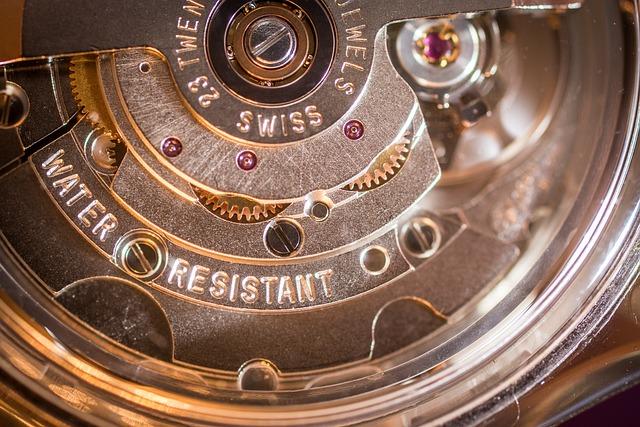
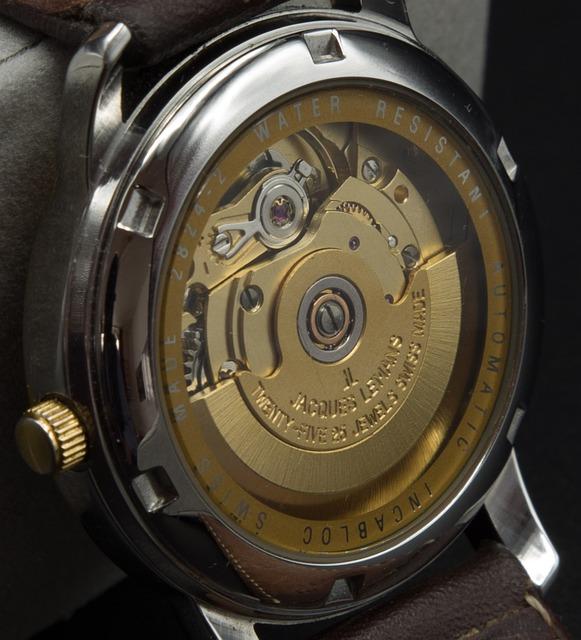
- Powered by a complex system of gears and springs.
- Requires regular winding to keep accurate time.
- Known for their craftsmanship and artistry.
Quartz Watches:
**Characteristics:**
- Powered by a battery that sends an electric current through a quartz crystal to keep time.
- Known for their accuracy and low maintenance.
- Usually more affordable than mechanical watches.
Ultimately, the decision between a mechanical and quartz watch will depend on your lifestyle, budget, and personal style. If you appreciate the intricate inner workings of a timepiece and don’t mind the occasional winding, a mechanical watch might be the right choice for you. On the other hand, if you prefer a watch that is low maintenance and highly accurate, a quartz watch could be the better option.

Craftsmanship vs Precision: The Difference Between Mechanical and Quartz
Craftsmanship and precision are two essential aspects to consider when choosing between a mechanical or quartz watch. Mechanical watches are known for their intricate designs and handcrafted movements, making them a true work of art. On the other hand, quartz watches are revered for their unmatched accuracy and reliability due to their electronic movements.
When it comes to craftsmanship, mechanical watches take the lead with their intricate designs and attention to detail. Each component of a mechanical watch is carefully assembled by skilled watchmakers, resulting in a piece that is not only functional but also aesthetically pleasing. The craftsmanship that goes into creating a mechanical watch is a testament to the dedication and expertise of the watchmaker.
In terms of precision, quartz watches reign supreme. Quartz movements are powered by a battery that sends electrical signals to a quartz crystal, regulating the timekeeping with incredible accuracy. Unlike mechanical watches, quartz watches do not rely on manual winding or intricate mechanisms to keep time, ensuring that they are consistently precise.
Ultimately, the choice between a mechanical and quartz watch comes down to personal preference. If you appreciate the artistry and craftsmanship that goes into creating a mechanical watch, then it may be the right choice for you. However, if accuracy and reliability are your top priorities, a quartz watch may be the better option. Whichever you choose, both mechanical and quartz watches are sure to stand the test of time in terms of quality and performance.
Durability and Maintenance: Factors to Consider When Choosing a Watch
When it comes to choosing a watch, durability and maintenance are crucial factors to consider. The decision between a mechanical or quartz watch can impact both aspects significantly.
**Durability:**
– Mechanical watches are often considered more durable in the long run due to their intricate craftsmanship and lack of electronic components.
– Quartz watches, on the other hand, are known for their reliability and precision, which can also contribute to their durability.
**Maintenance:**
– Mechanical watches require regular servicing to maintain their accuracy and functionality.
– Quartz watches, on the other hand, usually require less maintenance due to their battery-powered movement.
In summary, when choosing between a mechanical or quartz watch, consider your lifestyle and preferences to determine which option aligns best with your needs for durability and maintenance.
Lifestyle and Preferences: Which Type of Watch Suits You Best
When it comes to choosing a watch that suits your lifestyle and preferences, the debate between mechanical and quartz watches is a common one. Both types have their own unique features and benefits, so it’s important to understand the differences before making a decision.
One key difference between mechanical and quartz watches is how they are powered. Mechanical watches are powered by a complex system of gears and springs, while quartz watches are powered by a battery that sends an electrical current through a piece of quartz crystal to keep time accurately.
Another factor to consider is the maintenance required for each type of watch. Mechanical watches may need to be serviced every few years to ensure they continue to run smoothly, while quartz watches are typically more low-maintenance and only require a battery replacement every couple of years.
Ultimately, the choice between a mechanical or quartz watch comes down to personal preference. If you appreciate the craftsmanship and tradition of mechanical watches, then that may be the best choice for you. However, if you value accuracy and convenience, a quartz watch might be a better fit. Whichever you choose, make sure it aligns with your lifestyle and reflects your individual style.

Investment Value: Determining the Long-Term Worth of Mechanical vs Quartz Watches
When considering the investment value of a watch, one of the key factors to take into account is whether it is a mechanical or quartz timepiece. Both types have their own unique advantages and drawbacks, which can influence their long-term worth.
**Mechanical Watches**
- Handcrafted and intricate movements
- Traditionally seen as luxury items
- Potential for appreciation in value over time
- Require regular maintenance and servicing
**Quartz Watches**
- Precision timekeeping
- Lower initial cost
- Low maintenance requirements
- Typically do not appreciate in value
When it comes to deciding between a mechanical or quartz watch for investment purposes, it ultimately depends on your personal preferences and goals. If you value craftsmanship and tradition, a mechanical watch may be the better choice. However, if accuracy and affordability are your top priorities, a quartz watch could be a more practical option.

Environmental Impact: The Sustainability of Mechanical and Quartz Watches
When considering the environmental impact of watches, it’s important to weigh the sustainability of mechanical and quartz timepieces. Both types of watches have their own set of advantages and disadvantages when it comes to eco-friendliness.
Mechanical Watches:
- Handcrafted with intricate precision
- Can last for generations with proper care
- Require regular maintenance and servicing, leading to potential waste
- Materials like precious metals and exotic woods may have higher environmental costs
Quartz Watches:
- Utilize battery-powered quartz movements for accurate timekeeping
- Don’t require as much maintenance as mechanical watches
- Quartz movements may need replacing more frequently, leading to battery waste
- Materials used in quartz watches may have a lower environmental impact
Ultimately, the choice between a mechanical or quartz watch comes down to personal preference and values. While mechanical watches have a timeless quality and heirloom potential, quartz watches offer convenience and accuracy without the need for regular winding. Whichever you choose, being mindful of the environmental impact of your timepiece can help make a more sustainable decision.

Making Your Decision: Expert Recommendations for Choosing Between Mechanical and Quartz
When it comes to choosing between a mechanical or quartz watch, there are several key factors to consider before making your decision. Both types of watches have their own unique features and benefits, so it’s important to weigh your options carefully.
Experts recommend considering the following factors when deciding between a mechanical and quartz watch:
– **Accuracy**: Quartz watches are known for their superior accuracy, as they are powered by a battery that sends electrical currents through a quartz crystal to keep time. Mechanical watches, on the other hand, rely on a complex system of gears and springs, which can be less precise.
– **Maintenance**: Mechanical watches require regular maintenance and servicing to keep them running smoothly, while quartz watches are generally low maintenance and only require a battery change every few years.
– **Craftsmanship**: Mechanical watches are often prized for their intricate craftsmanship and attention to detail, making them a popular choice for watch enthusiasts. Quartz watches are typically more mass-produced and may lack the same level of craftsmanship.
– **Price**: Quartz watches are generally more affordable than mechanical watches, making them a budget-friendly option for those looking for a reliable timepiece without breaking the bank.
In conclusion, when choosing between a mechanical and quartz watch, consider your priorities, budget, and personal style to make the best decision for your needs. Ultimately, both types of watches have their own unique advantages, so choose wisely based on what matters most to you.
Wrapping Up
In conclusion, when it comes to choosing between a mechanical or quartz watch, it ultimately depends on your personal preferences and needs. Mechanical watches offer craftsmanship and tradition, while quartz watches provide accuracy and convenience. Consider factors such as budget, maintenance, style, and functionality when making your decision. Both types have their own unique qualities, so choose wisely based on what matters most to you. Ultimately, the best watch is the one that suits your lifestyle and brings you joy.
Get our latest guides, news, and insights highlighted in your Google Search & AI Overviews.