Craftsmanship Guide: How to Make a Mechanical Watch
Have you ever wondered what goes into the meticulous craft of making a mechanical watch? From intricate movements to delicate detailing, the art of watchmaking requires precision, skill, and patience. In this guide, we will take you through the step-by-step process of creating your own mechanical timepiece, so you can gain a deeper appreciation for the craftsmanship behind these exquisite accessories. Ready to embark on this fascinating journey? Let’s dive in.
Contents
- Craftsmanship Guide: How to Make a Mechanical Watch
- Understanding the Components of a Mechanical Watch
- Choosing the Right Tools and Materials for Watchmaking
- Step-by-Step Assembly Process of a Mechanical Watch
- Tips for Ensuring Precision and Accuracy in Watchmaking
- Troubleshooting Common Issues in Watch Assembly
- Celebrating the Art of Watchmaking: Showcasing Your Finished Timepiece
- Wrapping Up
Craftsmanship Guide: How to Make a Mechanical Watch
Creating a mechanical watch requires precision, patience, and attention to detail. To start the process, gather all the necessary materials and tools such as a watch movement, watch case, dial, hands, and strap.
- Disassemble the watch movement carefully, taking note of how each component fits together.
- Clean each part thoroughly to ensure smooth operation and longevity.
- Assemble the movement back together, ensuring each piece is properly aligned and functioning correctly.
- Attach the watch case, dial, hands, and strap to complete the mechanical watch.
Remember, craftsmanship is key when it comes to making a mechanical watch. Take your time, follow each step meticulously, and enjoy the satisfaction of creating a timepiece that will last for generations.

Understanding the Components of a Mechanical Watch
When it comes to making a mechanical watch, there are several key components that are essential to its function and aesthetics. Understanding these components is crucial for anyone looking to delve into the world of watchmaking. Here is a breakdown of the key parts that make up a mechanical watch:
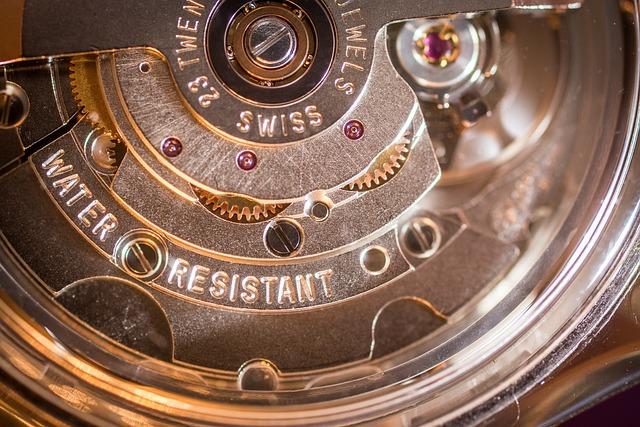
- Movement: The movement is the powerhouse of the watch, consisting of the mainspring, balance wheel, escapement, and gears that work together to keep time accurately.
- Dial: The dial is the face of the watch, displaying the time and often other information such as the date or moon phase.
- Hands: The hands are the pointers on the dial that indicate the hours, minutes, and seconds.
- Case: The case houses the movement and protects it from external elements. It also contributes to the overall design and style of the watch.
Each component plays a crucial role in the functionality and aesthetics of a mechanical watch. By understanding how these parts work together, you can gain a deeper appreciation for the craftsmanship and precision that goes into creating a timepiece that stands the test of time.

Choosing the Right Tools and Materials for Watchmaking
When it comes to crafting a mechanical watch, selecting the right tools and materials is crucial for achieving precision and quality in your work. From intricate movements to delicate components, every detail counts in creating a timepiece that stands the test of time. Here are some key considerations to keep in mind when choosing the tools and materials for watchmaking:
- Quality over quantity: Invest in high-quality tools that will last long and provide accurate results. Cheap tools may lead to imprecise work and potential damage to your watch.
- Sourcing materials: Choose materials that are durable and reliable, such as stainless steel for cases, sapphire crystal for watch faces, and genuine leather for straps.
- Ergonomics: Consider the comfort and practicality of your tools, as watchmaking can be a meticulous and time-consuming process. Look for tools that are easy to handle and manipulate.
- Precision tools: Make sure to have a variety of precision tools, such as tweezers, screwdrivers, and magnifiers, to work with small and intricate parts of the watch.

Step-by-Step Assembly Process of a Mechanical Watch
Craftsmanship is essential when it comes to putting together a mechanical watch. The assembly process requires precision, patience, and attention to detail. Here is a step-by-step guide on how to make your own mechanical watch:
- Start with the watch case: Begin by carefully placing the movement into the watch case. Ensure that it fits snugly and securely.
- Install the dial and hands: Gently position the dial onto the movement, making sure it aligns perfectly. Carefully attach the hands onto the movement, ensuring they move freely without any obstructions.
- Attach the watch strap: Once the movement, dial, and hands are in place, attach the watch strap securely to the case. Make sure it is comfortable to wear and suits the overall design of the watch.
- Test and regulate the watch: After assembling the watch, test its functionality by winding it up and setting the time. Check for accuracy and make any necessary adjustments to ensure your mechanical watch runs smoothly.

Tips for Ensuring Precision and Accuracy in Watchmaking
When it comes to watchmaking, precision and accuracy are key factors in creating a high-quality mechanical timepiece. Here are some tips to ensure that your craftsmanship is top-notch:
- Use the right tools: Investing in high-quality tools specifically designed for watchmaking is essential for achieving precision in your work. Make sure your tools are well-maintained and calibrated regularly.
- Follow a detailed plan: Before starting any watchmaking project, create a detailed plan outlining each step of the process. This will help you stay organized and focused on producing accurate results.
- Pay attention to details: In watchmaking, even the smallest details matter. Take your time to ensure that each component is assembled correctly and that all measurements are precise.
By following these tips, you can enhance the precision and accuracy of your watchmaking skills, ultimately creating a mechanical watch that is not only functional but also a work of art.

Troubleshooting Common Issues in Watch Assembly
When assembling a mechanical watch, it’s common to encounter various issues that may affect the functionality of the timepiece. Here are some troubleshooting tips to help you overcome common problems:
- Loose Parts: If you notice any loose parts during the assembly process, make sure to tighten them properly using the appropriate tools.
- Incorrect Alignment: Check the alignment of all components in the watch movement. Misaligned parts can cause the watch to malfunction.
- Lubrication: Ensure that all moving parts are properly lubricated to prevent friction and ensure smooth operation of the watch.
By following these troubleshooting tips, you can ensure that your mechanical watch is assembled correctly and functions flawlessly.

Celebrating the Art of Watchmaking: Showcasing Your Finished Timepiece
Once you have completed the intricate process of assembling your mechanical watch, it is time to celebrate the art of watchmaking by showcasing your finished timepiece. Whether you are a novice or an experienced watchmaker, the craftsmanship and precision that go into creating a mechanical watch are truly unparalleled.
One of the most important aspects of showcasing your finished timepiece is to ensure that it is properly cleaned and polished. This will not only enhance the aesthetic appeal of the watch but also help to maintain its longevity. Make sure to use a soft, lint-free cloth to gently wipe down the case, crystal, and bracelet of the watch.
Another key component of highlighting your finished watch is to display it in a way that allows for its intricate details to be appreciated. Consider using a watch display case or a watch stand that allows the watch to be prominently featured. This will not only protect the watch from dust and debris but also provide a stylish way to showcase your craftsmanship.
Lastly, don’t forget to share your finished timepiece with fellow watch enthusiasts and collectors. Whether it’s through online forums, social media, or local watch clubs, sharing your creation with others who appreciate the art of watchmaking will surely bring a sense of pride and fulfillment.
Wrapping Up
In conclusion, creating a mechanical watch requires a combination of precision, patience, and skill. By following this craftsmanship guide, you can learn the art of making your own timepiece from start to finish. Remember to pay attention to the intricate details, use the right tools, and practice good craftsmanship techniques. With dedication and practice, you can achieve the satisfaction of creating a beautiful mechanical watch that reflects your own unique style and craftsmanship. So, roll up your sleeves, and let’s get started on this exciting journey of watchmaking!
Get our latest guides, news, and insights highlighted in your Google Search & AI Overviews.