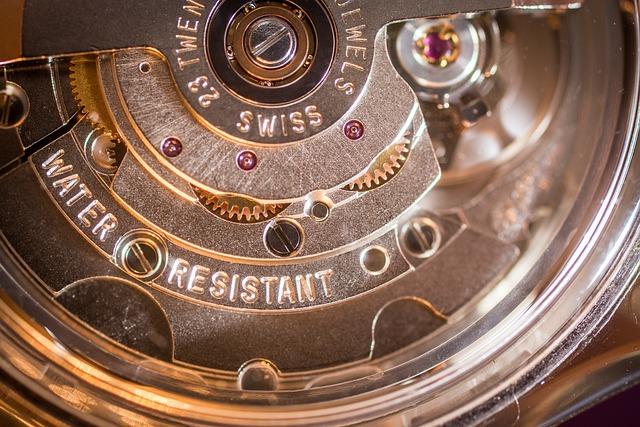
Do Automatic Watches Have Batteries? Unraveling the Mystery
Have you ever wondered how automatic watches, those marvels of intricate engineering, manage to keep ticking without the need for a battery? In this enlightening article, we’re going to unravel the mystery behind automatic watches and put an end to any confusion surrounding their power source. So, sit back, and prepare to delve into the fascinating world of automatic watches, as we unveil the secret behind their perpetual motion.
Contents
- Do Automatic Watches Use Batteries or Not? Clearing up the Confusion
- The Inner Workings of Automatic Watches: No Batteries Required
- Understanding the Power Source of Automatic Watches: Unveiling the Self-Winding Mechanism
- The Ingenious Mechanism Behind Automatic Watches: The Oscillating Rotor
- Practical Advantages of Automatic Watches: No More Battery Replacements
- Exploring the Limitations of Automatic Watches: The Need for Regular Wear
- How to Keep Your Automatic Watch Running: Tips for Optimal Power Reserve
- Maintaining the Accuracy of Automatic Watches: The Importance of Regular Servicing
- Automatic Watches and Battery-Powered Watches: A Comparison of Features and Benefits
- Automatic Watches
- Battery-Powered Watches
- Insights and Conclusions
Do Automatic Watches Use Batteries or Not? Clearing up the Confusion
There is often confusion surrounding the question of whether automatic watches use batteries or not. In order to clear up this mystery once and for all, let’s dive into the inner workings of these fascinating timepieces.
Contrary to popular belief, automatic watches do not rely on batteries for their function. Instead, they harness the power of kinetic energy generated by the movement of the wearer’s wrist. This energy is then stored in a tiny spring called the mainspring, which powers the watch’s mechanism. This mechanism is made up of a set of gears and springs that work together to keep the watch ticking.
One of the key components of an automatic watch is the rotor, which is a weighted disc that spins freely with the motion of the wearer’s wrist. As the rotor rotates, it transfers the energy to the mainspring, keeping it wound and the watch running smoothly. This means that unlike battery-powered watches, automatic watches never require manual winding as long as they are worn regularly.
So, if you own an automatic watch, rest assured that you won’t have to worry about changing batteries. As long as you wear it or keep it in a watch winder when not in use, your timepiece will continue to tick away, providing you with accurate timekeeping and a touch of timeless elegance.

The Inner Workings of Automatic Watches: No Batteries Required
Many people wonder whether automatic watches require batteries to function. The answer is simple: no, they do not. Unlike quartz watches that rely on batteries for power, automatic watches work through a fascinating mechanical process.
Automatic watches, also known as self-winding watches, harness the energy generated by the wearer’s wrist movements to power the timekeeping mechanism. Inside the watch, there is a tiny rotor that moves with the motion of the wearer’s arm. This rotor is connected to the mainspring, which stores the energy needed to keep the watch running.
As the rotor rotates, it winds up the mainspring, just like winding a traditional manual watch. The mainspring then gradually releases this stored energy, which drives the gears, hands, and other components of the watch. This incredible mechanism allows automatic watches to run without the need for batteries or manual winding.
One of the advantages of automatic watches is their self-sustaining nature. By simply wearing the watch and keeping it in motion, the wearer can ensure a continuous power supply. However, it’s important to note that if an automatic watch is not worn for an extended period, it will eventually stop running as the mainspring’s energy gets depleted. In such cases, giving the watch a quick manual wind or using a watch winder can help restore the power reserve.
Key Points:
- Automatic watches do not require batteries and rely on the wearer’s wrist movements to generate power.
- An internal rotor winds up the mainspring, storing the energy needed to keep the watch running.
- Automatic watches are self-sustaining when worn regularly but may stop if not worn for an extended period.
- Manual winding or a watch winder can help restore power to an automatic watch that has stopped.

Understanding the Power Source of Automatic Watches: Unveiling the Self-Winding Mechanism
Automatic watches, also known as self-winding watches, are intricate timepieces that have fascinated horology enthusiasts for decades. Many people wonder how these watches operate without the need for a traditional battery. In this post, we aim to demystify the power source of automatic watches and delve into the fascinating world of self-winding mechanisms.
Contrary to popular belief, automatic watches do not require batteries to function. Instead, they rely on the natural movement of the wearer’s wrist. The secret lies within the self-winding mechanism, which harnesses this motion to power the watch.
At the heart of this mechanism is a weighted rotor that spins as the wearer moves their arm. This rotation creates energy, which is then transferred to the watch’s mainspring. The mainspring is responsible for storing and releasing the energy, regulating the watch’s movement.
To ensure optimal energy efficiency, automatic watches are equipped with a series of gears and mechanisms. These components work in harmony to convert the rotational motion of the rotor into a consistent and accurate timekeeping mechanism.
It’s important to note that automatic watches can also be manually wound. This is particularly useful for individuals who do not wear their watches consistently or for periods of extended inactivity, as manually winding the watch ensures it maintains its power reserve.
In summary, automatic watches are powered by the movement of the wearer’s wrist. The self-winding mechanism beautifully captures this energy, storing it in the mainspring and ensuring the watch’s accurate and continuous operation. So the next time you glance at your automatic watch, marvel at the invisible power source that keeps it ticking – the natural kinetics of your own wrist.
The Ingenious Mechanism Behind Automatic Watches: The Oscillating Rotor
The ingenious mechanism behind automatic watches is a fascinating topic that often leads to questions about their power source. One common misconception is whether automatic watches have batteries. Let’s unravel this mystery and understand how these timepieces function without relying on traditional batteries.
Unlike quartz watches, which rely on batteries to power the movement, automatic watches are powered by a unique self-winding mechanism. At the heart of this mechanism is the oscillating rotor. This small, circular weight is connected to the movement and moves freely within the watch case. It is this motion that serves as the power source for automatic watches.
How does the oscillating rotor generate power, you may wonder? Well, here’s the ingenious part. As we move throughout our day, the rotor moves with us, responding to the motion of our wrists. This movement causes the rotor to rotate, winding the mainspring—a tightly coiled strip of metal within the watch.
Think of the mainspring as a miniature power reserve. As it becomes wound tighter, it stores potential energy. This energy is slowly released as the mainspring unwinds, powering the gears and hands that make the watch tick. The oscillating rotor’s role is to keep winding the mainspring, ensuring a continuous supply of energy to the movement.
To put it simply, automatic watches harness the natural motion of our bodies to keep themselves running. Whether it’s the simple act of walking, typing on a keyboard, or even just moving your arm, the oscillating rotor captures and converts these movements into stored energy, providing an elegant and sustainable power source for your timepiece.
So, the next time someone asks if automatic watches have batteries, you can confidently explain the marvel of their ingenious mechanism—the oscillating rotor. It’s an exemplary example of harmonizing technology with human motion, creating a self-sustaining timekeeping masterpiece that stands the test of time.
Practical Advantages of Automatic Watches: No More Battery Replacements
One of the practical advantages of automatic watches is that they do not require battery replacements. Unlike quartz watches, which rely on a battery to power their movement, automatic watches are powered by the natural motion of the wearer’s wrist. This means that you will never have to worry about running out of battery or the hassle of replacing it.
The mechanism behind automatic watches is quite fascinating. Inside the watch, there is a small weight called a rotor that moves with the motion of the wearer’s wrist. As the wrist moves, the rotor spins, winding the mainspring which stores the energy. This stored energy is then used to power the watch’s movement, keeping it accurate and ticking.
Not only does this eliminate the need for battery replacements, but it also reduces the environmental impact of watch ownership. Batteries can be harmful to the environment if not disposed of properly, so by opting for an automatic watch, you are making a more sustainable choice.
In addition to the practical advantage of not needing to replace batteries, automatic watches offer a unique and timeless style. They are often made with intricate craftsmanship and attention to detail, making them a statement piece on your wrist. Whether you are dressing up for a formal occasion or simply going about your daily routine, an automatic watch adds a touch of elegance and sophistication to any outfit.
Furthermore, automatic watches are known for their reliability and durability. Without the need for battery changes, there is less chance of the watch being damaged during the replacement process. Additionally, the intricate mechanical movement of automatic watches is often built to last, ensuring that your timepiece will stand the test of time.
Overall, the practical advantages of automatic watches, including the absence of battery replacements, make them a convenient and sustainable choice for watch enthusiasts. With their unique style, reliability, and durability, automatic watches are not just timekeeping devices, but also expressions of personal taste and style.
Exploring the Limitations of Automatic Watches: The Need for Regular Wear
Automatic watches are often seen as the epitome of traditional timekeeping, relying on complex mechanical movements rather than batteries or quartz technology. But one question that often arises is whether automatic watches actually have batteries. Today, we will unravel the mystery and explore the limitations of automatic watches, shedding light on their need for regular wear.
Contrary to popular belief, automatic watches do not have batteries in the traditional sense. Instead, they rely on a self-winding mechanism that harnesses the natural movement of the wearer’s wrist. This mechanism consists of a rotor, which rotates with the movement of the wrist, transferring energy to the watch’s mainspring. As the mainspring unwinds, it powers the watch’s movement, keeping it accurate and ticking away.
However, despite their clever self-winding mechanism, automatic watches do have their limitations. One of the main challenges is the need for regular wear. Unlike battery-powered watches that can keep ticking even when left untouched for prolonged periods, automatic watches require regular movement to stay fully wound. If not worn or moved regularly, the mainspring can wind down, causing the watch to stop.
Additionally, automatic watches can be less accurate compared to their quartz counterparts. While modern automatic movements have greatly improved accuracy, they are still subject to small variations in timekeeping. This is due to factors such as temperature changes, the position the watch is in when not worn, and the specific movement of the wearer throughout the day.
To ensure the longevity and accuracy of your automatic watch, it is recommended to wear it regularly, ideally for at least eight hours a day. If you have multiple watches in your collection, consider using a watch winder, a device that mimics the natural movement of the wrist, keeping the watch wound and ready for wear. Regular servicing by a professional watchmaker is also crucial to maintain the watch’s performance and address any potential issues that may arise.
In conclusion, automatic watches rely on their self-winding mechanism instead of batteries. While they offer a unique and timeless charm, they do require regular wear or movement to stay powered. By understanding the limitations of automatic watches and taking proper care, you can ensure that these mechanical marvels keep accurate time and serve as cherished companions on your wrist.
How to Keep Your Automatic Watch Running: Tips for Optimal Power Reserve
One of the most common questions among watch enthusiasts is whether automatic watches have batteries. It’s a valid query, as these beautifully crafted timepieces seem to keep running effortlessly without any external power source. The answer to this mystery lies in the ingenious engineering behind automatic watches.
Unlike quartz watches that rely on batteries, automatic watches are powered by the movement of the wearer’s arm. Inside the watch, a rotor spins with every movement, winding the main spring and keeping the watch powered. This ingenious mechanism eliminates the need for a battery, making automatic watches unique and appreciated by many.
However, despite their self-winding nature, automatic watches require regular wear and movement to keep the power reserve optimal. Here are a few tips to ensure your automatic watch keeps running smoothly:
1. Wear It Regularly: The motion of your arm is crucial for the movement of the rotor. By wearing your automatic watch regularly, you provide the necessary energy for it to keep ticking.
2. Keep It Wound: If you have multiple watches in your collection and rotate them, make sure to wind and reset your automatic watch before wearing it. This ensures that it starts off with a full power reserve and continues running smoothly.
3. Store It in a Watch Winder: A watch winder is a handy device that mimics the natural movement of your arm. By placing your automatic watch in a watch winder when not in use, you can maintain its power reserve without requiring regular wear.
4. Manual Winding: While automatic watches are designed to be self-winding, sometimes a gentle nudge may be required, especially if the watch hasn’t been worn for a while. Refer to your watch’s manual for instructions on how to manually wind it when necessary.
By following these tips, you can ensure that your automatic watch keeps running and displaying the accurate time with precision. Remember, just like any other mechanical masterpiece, proper care and attention are essential to enjoy the longevity and reliability of your automatic watch.
Maintaining the Accuracy of Automatic Watches: The Importance of Regular Servicing
Regular servicing is crucial for maintaining the accuracy of automatic watches. While many people may assume that automatic watches are powered by batteries, this is actually a common misconception. Automatic watches, also known as self-winding watches, do not rely on batteries for their operation. Instead, they harness the natural motion of the wearer’s arm to wind the mainspring that powers the watch.
To ensure that your automatic watch continues to function accurately, it is important to have it serviced regularly. During a servicing, a skilled watchmaker will disassemble the watch and clean each component to remove dirt, dust, and debris that may have accumulated over time. They will also inspect the movement for any signs of wear or damage and make any necessary repairs.
One of the main reasons why regular servicing is essential is that it helps to maintain the precision and accuracy of the watch. Over time, the lubricants used in the movement can degrade and become less effective, causing the watch to lose time or stop altogether. By having your watch serviced, the watchmaker will replace these worn-out lubricants, ensuring that the movement operates smoothly and accurately.
In addition to maintaining accuracy, regular servicing can also help to extend the lifespan of your automatic watch. By identifying and addressing any potential issues or damage early on, a watchmaker can prevent further complications and keep your timepiece in optimal condition for years to come. It is recommended to have your automatic watch serviced every three to five years, depending on the manufacturer’s recommendations and the watch’s usage.
Remember, a well-maintained automatic watch can be a reliable and accurate companion for a lifetime. So, make sure to stay on top of regular servicing to enjoy the full benefits of your timepiece.
Automatic Watches and Battery-Powered Watches: A Comparison of Features and Benefits
When it comes to choosing a timepiece, automatic watches and battery-powered watches are often the choices that come to mind. While both options serve the same purpose of telling time, they operate in distinct ways and offer different features and benefits. One common question that arises is, “Do automatic watches have batteries?” Let’s unravel the mystery and delve into a comparison of the features and benefits of automatic watches and battery-powered watches.
Automatic Watches
Automatic watches, also known as self-winding watches, are mechanical timepieces that do not require a battery to operate. Instead, they harness the mechanical energy created by the movement of the wearer’s wrist, transforming it into power for the watch’s functioning. These watches boast intricate internal mechanisms, including a rotor that oscillates when the watch is worn, thus winding the mainspring and keeping the watch running smoothly.
Key features and benefits of automatic watches include:
- Constant power source as long as the watch is worn
- No need for battery replacement
- Exquisite craftsmanship and attention to detail
- Elegant and timeless designs
- Potential for heirloom quality
Battery-Powered Watches
Battery-powered watches, also referred to as quartz watches, operate using a battery as their power source. These watches use a quartz crystal to regulate the timekeeping mechanism. The battery sends an electrical current through the crystal, causing it to vibrate at a specific frequency. This vibration is then translated into precise timekeeping, resulting in accurate and reliable timekeeping.
Key features and benefits of battery-powered watches include:
- Precise and accurate timekeeping
- Lower maintenance requirements
- Wide variety of styles and designs
- Affordability and accessibility
- Battery replacement when needed
In conclusion, while automatic watches do not have batteries and solely rely on the movement of the wearer, battery-powered watches offer convenience and accuracy through battery-operated mechanisms. The choice between the two ultimately depends on personal preference, lifestyle, and aesthetic appeal. Whether you prefer the intricate craftsmanship of automatic watches or the reliability of battery-powered watches, both options are bound to enhance your wrist with timeless elegance.
Insights and Conclusions
In conclusion, automatic watches do not have batteries in the traditional sense. Instead, they rely on the movement of the wearer’s wrist to power the watch. This fascinating technology is achieved through the use of an oscillating weight, which winds the mainspring and keeps the watch ticking.
Understanding the inner workings of automatic watches can be a mystery to many, but it’s important to know that these timepieces offer a unique blend of mechanical mastery and convenience. Unlike quartz watches that require frequent battery replacements, automatic watches are powered by the wearer’s own movements, making them more eco-friendly and hassle-free.
So, if you’re a fan of timepieces that combine precision engineering with an elegant design, consider adding an automatic watch to your collection. Not only will you enjoy the artistry and craftsmanship, but you’ll also appreciate the knowledge that your watch is powered by your own motion.
Next time you come across the question, “Do automatic watches have batteries?” you can confidently explain the mechanism and dispel any confusion. Embrace the timeless elegance of automatic watches and immerse yourself in the intricacies of their mechanical marvels.
Get our latest guides, news, and insights highlighted in your Google Search & AI Overviews.