
Do You Have to Rewind a Mechanical Watch? Essential Guide
Have you ever wondered if you need to rewind a mechanical watch? In this essential guide, we will explore the ins and outs of mechanical watches, including how to properly wind them and why it is necessary for their maintenance. Whether you’re a seasoned watch enthusiast or new to the world of horology, this article will provide you with the knowledge you need to keep your mechanical timepiece running smoothly.
Contents
- Do Mechanical Watches Need to be Rewound?
- Key Factors to Consider
- Benefits of Regularly Rewinding Your Mechanical Watch
- How Often Should You Rewind Your Mechanical Watch?
- Steps to Properly Rewind Your Mechanical Watch
- Common Mistakes to Avoid When Rewinding Your Watch
- Tools and Techniques for Rewinding Mechanical Watches
- Tips for Maximizing the Power Reserve of Your Mechanical Watch
- Signs Your Mechanical Watch Needs to be Rewound
- Maintaining Your Mechanical Watch for Longevity
- Wrapping Up
Do Mechanical Watches Need to be Rewound?
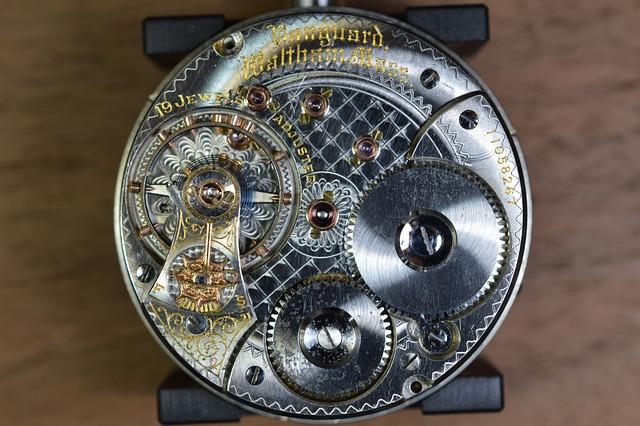
For those new to the world of mechanical watches, the idea of needing to rewind your timepiece may seem a bit antiquated. However, the reality is that mechanical watches do require regular winding to ensure they keep accurate time. Unlike their quartz counterparts, which rely on a battery to power the movement, mechanical watches use a spring-driven mechanism that needs to be wound to store energy.
There are two main types of mechanical watches: manual and automatic. Manual watches require manual winding either daily or every few days, depending on the power reserve of the watch. On the other hand, automatic watches feature a rotor that winds the mainspring as you move your wrist throughout the day. While automatic watches don’t need to be manually wound as often as manual watches, they still benefit from occasional winding to keep the movement running smoothly.
Regular winding not only ensures that your mechanical watch keeps accurate time, but it also helps prevent the lubricants inside the movement from drying out, which can lead to increased wear and tear over time. So, whether you opt for a manual or automatic mechanical watch, remember to give it a little winding love to keep it ticking for years to come.

Key Factors to Consider
When considering whether you have to rewind a mechanical watch, there are several key factors to keep in mind. Understanding these factors will help you ensure that your watch is always running smoothly and accurately.
One important factor to consider is the type of movement in your mechanical watch. There are two main types of movements: manual and automatic. Manual watches require regular winding by hand, typically once a day. Automatic watches, on the other hand, are powered by the movement of your wrist and do not require manual winding.
Another factor to consider is the power reserve of your mechanical watch. The power reserve indicates how long your watch will continue to run when fully wound. Watches with longer power reserves may not need to be wound as frequently as those with shorter power reserves.
It’s also important to consider how often you wear your watch. If you wear your watch daily, it will likely stay wound from the movement of your wrist. However, if you only wear your watch occasionally, you may need to manually wind it to ensure it stays running.

Benefits of Regularly Rewinding Your Mechanical Watch
Regularly rewinding your mechanical watch is essential to ensure optimal performance and longevity. Here are some of the key benefits of making this a part of your routine:
- Accuracy: By rewinding your watch regularly, you can help maintain the accuracy of its timekeeping.
- Prolonged lifespan: Proper maintenance, including regular winding, can help extend the lifespan of your mechanical watch.
- Prevention of damage: Regularly winding your watch can help prevent issues such as overwinding or damage to the internal mechanisms.
- Enhanced performance: Consistent winding can help ensure that your watch functions smoothly and reliably.
| Tip: | Try to wind your watch at the same time each day to establish a routine and avoid under or overwinding. |

How Often Should You Rewind Your Mechanical Watch?
When it comes to mechanical watches, there is a common misconception that you need to rewind them every day to keep them running smoothly. However, the frequency of winding your watch actually depends on the type of movement it has. Here are some general guidelines to help you determine how often you should rewind your mechanical watch:
- Manual-Wind Watches: If you own a manual-wind watch, you will need to wind it every day to ensure it stays accurate and running properly. Make it a part of your daily routine to wind your watch at the same time each day.
- Automatic Watches: Automatic watches have a rotor that winds the mainspring when you wear the watch and move your wrist. If you wear your automatic watch regularly, it should stay wound. However, if you don’t wear it every day, you may need to manually wind it every few days to keep it running smoothly.
Remember, it’s essential to follow the manufacturer’s recommendations for winding your specific watch model. Overwinding a watch can cause damage, so be sure not to force the crown when winding your watch. By staying consistent with your winding routine, you can enjoy your mechanical watch for years to come.

Steps to Properly Rewind Your Mechanical Watch
Sure, rewinding a mechanical watch is essential to keep it running accurately and properly. Here are the steps you need to follow to rewind your mechanical watch:
- First, locate the winding stem on the side of the watch. This is usually found at the 3 o’clock position on the watch case.
- Gently pull out the winding stem to the appropriate position for winding. Some watches may require you to unscrew the stem before pulling it out.
- Turn the winding stem clockwise in a slow and steady motion until you feel resistance. This indicates that the mainspring is fully wound.
- Push the winding stem back into its original position and your mechanical watch is now properly wound and ready to wear.
Remember, overwinding a mechanical watch can cause damage, so be sure to wind it only until you feel resistance. With proper care and regular winding, your mechanical watch will continue to keep time accurately for years to come.
Common Mistakes to Avoid When Rewinding Your Watch
When it comes to maintaining your mechanical watch, rewinding it regularly is essential to ensure it functions properly and accurately. However, there are common mistakes that many watch owners make when rewinding their timepieces. Here are some key pitfalls to avoid:
- Overwinding: One of the most common mistakes people make is overwinding their watches. It’s important to follow the manufacturer’s guidelines on how many turns the watch needs to avoid damaging the delicate internal mechanisms.
- Skipping days: Another mistake to avoid is skipping days without rewinding your watch. Regularly winding your watch keeps the gears lubricated and ensures accurate timekeeping. Make it a habit to wind your watch daily to keep it running smoothly.
- Incorrect winding direction: Some watches require clockwise winding, while others need to be wound counterclockwise. Be sure to check the instructions for your particular timepiece to avoid damaging the movement.
By avoiding these common mistakes and following the manufacturer’s guidelines, you can ensure your mechanical watch functions properly and lasts for years to come. Remember, proper maintenance is key to keeping your timepiece in top condition.

Tools and Techniques for Rewinding Mechanical Watches
When it comes to rewinding a mechanical watch, there are various tools and techniques that you can use to ensure your timepiece is running smoothly. Whether you have a manual or automatic watch, proper maintenance is key to keeping it in optimal condition.
Some essential include:
- Watch Winder: A watch winder is a handy device that keeps your automatic watch wound when you’re not wearing it. This is especially useful for watches with complicated movements or multiple complications.
- Watch Key: For manual winding watches, a watch key is a useful tool for winding the crown without causing damage to the movement.
- Lubricants: Using the right lubricants for your watch movement is crucial to ensure smooth winding and reduce friction between the parts.
By following the right tools and techniques for rewinding your mechanical watch, you can prolong its lifespan and keep it ticking accurately for years to come.

Tips for Maximizing the Power Reserve of Your Mechanical Watch
When it comes to maximizing the power reserve of your mechanical watch, there are several tips you can follow to ensure it stays ticking for as long as possible. One important factor to consider is the frequency at which you wear your watch. The more consistently you wear it, the less likely the mainspring will fully unwind, thereby maintaining the power reserve.
Another key tip is to avoid overwinding your watch. While it may be tempting to keep winding to ensure it stays running, overwinding can actually put unnecessary strain on the movement, leading to potential damage. It’s important to stop winding once you feel resistance, as this indicates the mainspring is fully wound.
Additionally, be mindful of the storage conditions of your watch when not in use. Keeping it in a watch winder or a safe place away from extreme temperatures and magnetic fields can help preserve the power reserve and overall longevity of your timepiece.
Lastly, regular servicing by a professional watchmaker is essential for maintaining the optimal performance of your mechanical watch. From cleaning and lubricating the movement to checking for any potential issues, a service every few years can greatly extend the lifespan of your beloved timepiece.
Signs Your Mechanical Watch Needs to be Rewound
If you notice that your mechanical watch is losing time or stopping altogether, it might be time to rewind it. Here are some signs that your watch needs to be wound up:
– **Loss of Accuracy**: If you notice that your watch is consistently running slow or fast, it could be a sign that it needs to be rewound. Mechanical watches rely on the tension of the mainspring to keep time, so if the spring is winding down, the watch will lose accuracy.
– **Stopping Unexpectedly**: If your watch stops unexpectedly, even though it has been fully wound, this could indicate that it needs a thorough winding to keep it running smoothly.
Remember, regular winding of your mechanical watch is essential to keep it running accurately and ensure its longevity. By paying attention to these signs, you can maintain your timepiece in top condition and enjoy accurate timekeeping for years to come.
Maintaining Your Mechanical Watch for Longevity
Regular maintenance is key to ensuring your mechanical watch lasts for years to come. One important aspect of this is winding the watch regularly to keep it running smoothly. This is typically done by turning the crown clockwise until you feel resistance. Depending on the type of movement, you may need to wind your watch daily or every few days to keep it powered.
In addition to regular winding, it is important to keep your watch clean and avoid exposing it to extreme temperatures or magnetic fields. Moisture can also be damaging to the delicate inner workings of a mechanical watch, so it’s best to avoid wearing it in the shower or while swimming. Storing your watch in a watch winder when not in use can also help keep it running accurately.
If you notice any issues with your watch, such as it running fast or slow, it’s best to take it to a professional watchmaker for servicing. They can adjust the movement and make any necessary repairs to ensure your watch continues to function properly. By following these maintenance tips, you can enjoy your mechanical watch for many years to come.
Wrapping Up
In conclusion, rewinding a mechanical watch is essential to keep it running accurately and smoothly. Remember to wind your watch daily to maintain its integrity and ensure accurate timekeeping. By following these simple steps, you can prolong the life of your timepiece and enjoy it for years to come. Thank you for reading our essential guide on rewinding a mechanical watch. Stay tuned for more informative articles on timepiece care and maintenance.
Get our latest guides, news, and insights highlighted in your Google Search & AI Overviews.