How Accurate Should an Automatic Watch Be? All You Need to Know!
Do you ever find yourself constantly checking the time on your automatic watch, only to notice that it may not be as accurate as you thought? In this article, we will explore the ins and outs of how accurate an automatic watch should be, and what factors can impact its precision. Whether you’re a watch aficionado or a curious beginner, this guide will provide all the information you need to understand the importance of accuracy in automatic timepieces.
Contents
- How Automatic Watches Work and Their Accuracy
- Factors Affecting the Accuracy of Automatic Watches
- Industry Standards for Accuracy in Automatic Watches
- Common Tolerances for Accuracy in Automatic Watches
- The Importance of Regular Maintenance for Accuracy
- Tips for Maintaining Accuracy in Automatic Watches
- Adjusting the Accuracy of an Automatic Watch
- When to Seek Professional Help for Correcting Accuracy Issues
- Balancing Precision and Practicality in Automatic Watches
- Conclusion: Finding the Right Balance for Your Automatic Watch
- Final Thoughts
How Automatic Watches Work and Their Accuracy
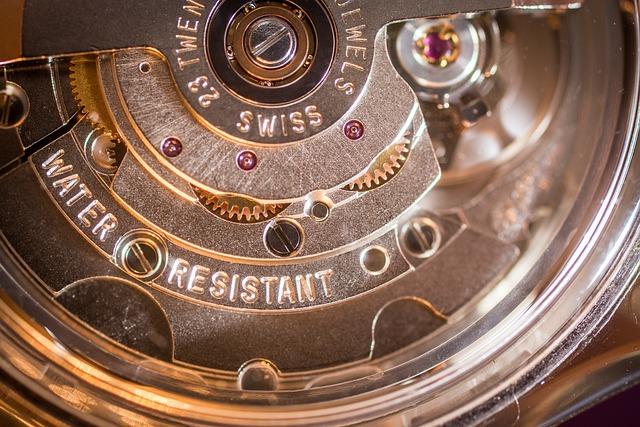
Automatic watches work by utilizing the motion of the wearer’s wrist to power the watch. Inside the watch, there is a rotor that rotates with the movement of the wrist, winding the mainspring. The mainspring then powers the gears that move the hands of the watch. This self-winding mechanism allows the watch to function without the need for manual winding.
Related: Setting Standards: How Accurate Should a Mechanical Watch Be?
When it comes to the accuracy of automatic watches, most mechanical watches have a daily rate of +/- 3 to 5 seconds. However, higher-end automatic watches can have a daily rate as accurate as +/- 1 second. Factors that can affect the accuracy of an automatic watch include the quality of the movement, the condition of the watch, and how often it is worn.
It is important to note that while automatic watches are known for their craftsmanship and reliability, they may not always be as accurate as quartz watches, which use a battery to power the movement. However, the appeal of automatic watches lies in their intricate mechanical design and the artistry involved in their construction.

Factors Affecting the Accuracy of Automatic Watches
Automatic watches are beloved for their craftsmanship, but their accuracy can vary based on several key factors. Understanding these factors can help you set realistic expectations for your timepiece.
- Movement Type: The type of movement in an automatic watch can greatly affect its accuracy. Watches with higher-quality movements, such as COSC-certified movements, tend to be more accurate than those with lower-grade movements.
- Wear and Tear: Over time, the components of an automatic watch can experience wear and tear, affecting the accuracy of the timepiece. Regular maintenance and servicing can help mitigate this issue.
- Positional Variance: Automatic watches can also be affected by how they are positioned throughout the day. Keeping your watch in the same position overnight can help maintain its accuracy.
While automatic watches may not be as precise as quartz watches, they offer a level of craftsmanship and sophistication that many watch enthusiasts cherish. By understanding the factors that influence accuracy, you can better appreciate the beauty of your automatic timepiece.

Industry Standards for Accuracy in Automatic Watches
When it comes to automatic watches, accuracy is a key factor that enthusiasts and collectors pay close attention to. The are set by the Swiss Official Chronometer Testing Institute (COSC). In order to receive a COSC certification, a watch must meet strict criteria for precision and performance. These standards ensure that automatic watches perform within a certain range of deviation, typically around -4 to +6 seconds per day.
However, it’s important to note that not all automatic watches are COSC certified. Many watch manufacturers have their own standards for accuracy, which may be less stringent than COSC requirements. Despite this, most reputable watch brands strive to produce automatic watches that perform well within acceptable limits.
Factors that can affect the accuracy of an automatic watch include the quality of the movement, the level of regulation during assembly, and external influences such as temperature, magnetism, and shock. Regular servicing and adjustment by a qualified watchmaker can help maintain the accuracy of an automatic watch over time.
Ultimately, the accuracy of an automatic watch is a combination of craftsmanship, engineering, and technology. Whether you’re a seasoned watch aficionado or just starting your collection, understanding the industry standards for accuracy can help you make informed decisions when choosing an automatic watch that suits your needs.
Common Tolerances for Accuracy in Automatic Watches
In the world of automatic watches, accuracy is a crucial factor that watch enthusiasts and collectors pay close attention to. The tolerances for accuracy can vary depending on the brand, model, and movement of the watch. Here are some that you should be aware of:
- Standard Accuracy: Most automatic watches are designed to be accurate within a range of +/- 15 to 30 seconds per day. This means that the watch may gain or lose up to 15 to 30 seconds in a 24-hour period.
- Chronometer Accuracy: Some higher-end automatic watches, particularly those that are certified as chronometers, are tested and regulated to be even more precise. These watches are typically accurate within a range of +/- 4 to 6 seconds per day.
- Vintage Watches: Vintage automatic watches may not be as accurate as modern watches due to wear and tear over time. It’s not uncommon for vintage watches to have tolerances of +/- 30 seconds or more per day.
| Accuracy Rating | Tolerance Range |
|---|---|
| Standard Automatic Watch | +/- 15 to 30 seconds per day |
| Chronometer Certified Watch | +/- 4 to 6 seconds per day |
| Vintage Automatic Watch | +/- 30 seconds or more per day |
Ultimately, the level of accuracy you require in an automatic watch depends on your personal preferences and how you plan to use the watch. Whether you’re a stickler for precision or you’re more concerned with the aesthetics and craftsmanship of the timepiece, understanding the can help you make an informed decision when choosing your next timepiece.

The Importance of Regular Maintenance for Accuracy
Regular maintenance is crucial for ensuring the accuracy of your automatic watch. Over time, the movement of the watch can be affected by various factors such as dirt, dust, and wear on the components. By having your watch regularly serviced by a professional watchmaker, you can ensure that it is keeping accurate time.
One of the key components of regular maintenance is cleaning and lubricating the movement. This helps to prevent friction between the moving parts, which can cause the watch to run slower or faster than it should. Additionally, calibrating the movement and adjusting the timing of the watch can help to optimize its accuracy.
In addition to servicing the movement, it is important to also check the condition of the case, dial, and hands of the watch. A cracked crystal or loose hands can interfere with the movement of the watch and affect its accuracy. By addressing these issues during maintenance, you can ensure that your watch is in top condition and keeping accurate time.
Overall, investing in regular maintenance for your automatic watch is essential for maintaining its accuracy and longevity. By staying on top of servicing and addressing any issues promptly, you can enjoy your watch for years to come.
Tips for Maintaining Accuracy in Automatic Watches
One key tip for maintaining accuracy in automatic watches is to keep them wound regularly. This helps ensure that the movement stays in good working condition. Additionally, it is important to store your watch properly when not in use. Keeping it in a watch winder can help prevent the gears from becoming stiff and causing inaccuracies.
Another helpful tip is to avoid exposing your automatic watch to extreme temperatures. This can affect the oils inside the movement and cause the watch to run either too fast or too slow. It is also important to have your watch serviced periodically by a professional watchmaker. This can help catch any issues early on and keep your watch running smoothly.
Lastly, wearing your automatic watch regularly can also help maintain its accuracy. The movement relies on being in motion to stay wound, so wearing it daily can help prevent it from losing time. By following these tips, you can ensure that your automatic watch remains accurate and reliable for years to come.
Adjusting the Accuracy of an Automatic Watch
When it comes to the accuracy of an automatic watch, there are a few key factors to consider. Automatic watches are mechanical timepieces that rely on the movement of the wearer’s wrist to function. This unique feature can sometimes lead to slight variations in timekeeping accuracy.
Most automatic watches are designed to be accurate within a range of +/- 15 to 30 seconds per day. However, some high-end automatic watches can be even more precise, with accuracy levels of +/- 5 seconds per day or better. It’s important to keep in mind that minor deviations in accuracy are normal for automatic watches and are not necessarily a cause for concern.
If you find that your automatic watch is consistently running fast or slow, there are a few ways to adjust its accuracy. One common method is to bring your watch to a professional watchmaker for calibration. They can make small adjustments to the movement to improve its timekeeping accuracy. Alternatively, you can use a watch timing machine to track the accuracy of your watch over time and make adjustments as needed.
Ultimately, the level of accuracy you should expect from your automatic watch depends on the brand, model, and age of the timepiece. By understanding the factors that can impact the accuracy of your watch and taking proactive steps to adjust its performance, you can ensure that your automatic watch keeps perfect time for years to come.

When to Seek Professional Help for Correcting Accuracy Issues
For those wondering when it’s time to seek professional help for correcting accuracy issues with their automatic watch, there are a few key signs to look out for. While automatic watches are generally known for their precision, there are times when they may not be keeping time as accurately as they should. Here are some indicators that it might be time to consult a professional:
- Consistently losing or gaining significant amounts of time each day
- Frequent stops or inconsistencies in the movement
- Routine maintenance and adjustments no longer seem to be solving the accuracy issues
- Visible damage or wear on the watch components affecting its accuracy
If you are experiencing any of these issues with your automatic watch, it may be best to seek help from a professional watchmaker. They have the expertise and tools necessary to diagnose and correct accuracy issues, ensuring that your watch is running smoothly and keeping accurate time.

Balancing Precision and Practicality in Automatic Watches
When it comes to automatic watches, finding the right balance between precision and practicality is essential for watch enthusiasts. Automatic watches are known for their intricate mechanical movements that can be affected by various factors, such as temperature, humidity, and movement. While some may argue that an automatic watch should be as precise as a quartz watch, others appreciate the craftsmanship and charm of a mechanical timepiece.
So, how accurate should an automatic watch be? It ultimately depends on your personal preferences and how you plan to use the watch. Here are some key points to consider:
- Mechanical Precision: Automatic watches typically have a daily deviation of around +/- 5 to 10 seconds. While this may not be as accurate as a quartz watch, it is still considered acceptable for most watch enthusiasts.
- Practicality: Automatic watches are meant to be enjoyed and admired for their craftsmanship. While precision is important, practicality in terms of daily use and enjoyment should also be taken into consideration.
- Certifications: Some automatic watches come with COSC (Contrôle Officiel Suisse des Chronomètres) certification, which guarantees a higher level of precision. If accuracy is crucial for you, consider looking for watches with this certification.
At the end of the day, the accuracy of an automatic watch is a personal preference. Whether you prioritize precision or practicality, finding the right balance will ensure that you enjoy your timepiece for years to come.

Conclusion: Finding the Right Balance for Your Automatic Watch
In conclusion, the accuracy of an automatic watch is crucial for ensuring its performance and reliability. Finding the right balance in accuracy is essential to avoid potential issues such as time deviations or inconsistencies. The ideal accuracy for an automatic watch typically falls within a range of -4 to +6 seconds per day, although some higher-end models can achieve even greater precision.
To achieve the optimal accuracy for your automatic watch, consider the following factors:
– Regular servicing: Ensure that your watch is serviced by a professional watchmaker every 3-5 years to maintain its accuracy and performance.
– Wearing habits: Consistent wearing patterns can impact the accuracy of your watch. Try to wear your automatic watch regularly to keep it running smoothly.
– Storage conditions: Store your watch in a cool, dry place away from magnetic fields to prevent interference with its movement.
– Calibration: If you notice significant deviations in timekeeping, consider having your watch calibrated by a professional to ensure its accuracy.
By paying attention to these key factors, you can find the right balance for your automatic watch and enjoy reliable timekeeping for years to come. Remember, a well-maintained watch is a timeless accessory that can last a lifetime.
Final Thoughts
In conclusion, the accuracy of an automatic watch can vary depending on the brand, movement, and maintenance. While some may prioritize precision to the second, others may be content with a slightly less accurate timepiece. Ultimately, it is up to the individual wearer to determine how accurate they need their watch to be. Remember to consider factors such as daily tasks, personal preferences, and budget when choosing the right automatic watch for you. Take the time to educate yourself on the different movements and features available to make an informed decision that best suits your needs. Thank you for reading and happy watch hunting!
Get our latest guides, news, and insights highlighted in your Google Search & AI Overviews.