How Do Automatic Mechanical Watches Work? Discover Now!
Curious about how automatic mechanical watches work? As intricate and fascinating pieces of engineering, these timepieces operate without the need for batteries or manual winding. Dive into the world of horology as we uncover the inner workings of automatic mechanical watches and discover the magic that keeps them ticking.
Contents
- How Automatic Mechanical Watches Utilize Energy from Wrist Movement
- Understanding the Intricate Inner Mechanism of Automatic Movements
- Exploring the Concept of Power Reserve in Automatic Watches
- Advantages of Automatic Movements over Quartz Movements
- Maintenance Tips to Keep Your Automatic Watch Running Smoothly
- Factors to Consider When Choosing an Automatic Mechanical Watch
- Myths and Misconceptions about Automatic Watches Debunked
- Comparing Different Types of Automatic Watch Movements
- Embracing the Timeless Elegance and Craftsmanship of Automatic Watches
- Final Thoughts
How Automatic Mechanical Watches Utilize Energy from Wrist Movement
Automatic mechanical watches are fascinating timepieces that utilize the natural motion of the wearer’s wrist to harness energy and power the watch. Unlike traditional quartz watches which require a battery to function, automatic mechanical watches are powered by the movement of the wearer’s arm. This innovative technology dates back to the 18th century and continues to be a popular choice for watch enthusiasts.
So, how exactly do automatic mechanical watches work? The mechanism inside the watch includes a rotor, which is a metal weight that rotates with the motion of the wrist. This rotor is connected to the mainspring, which stores the energy generated by the movement of the rotor. As the mainspring unwinds, it powers the watch’s movement and allows it to keep accurate time.
One of the key benefits of automatic mechanical watches is their ability to self-wind with regular wear. This means that as long as the watch is worn regularly, it will continue to function without the need for manual winding or a battery replacement. Additionally, automatic mechanical watches are known for their craftsmanship and precision, making them a timeless accessory for any watch collector.

Understanding the Intricate Inner Mechanism of Automatic Movements
Automatic mechanical watches are a marvel of engineering, with intricate inner mechanisms that operate without the need for a battery. These timepieces are powered by the natural motion of the wearer’s wrist, which winds the watch’s mainspring and keeps it running smoothly.
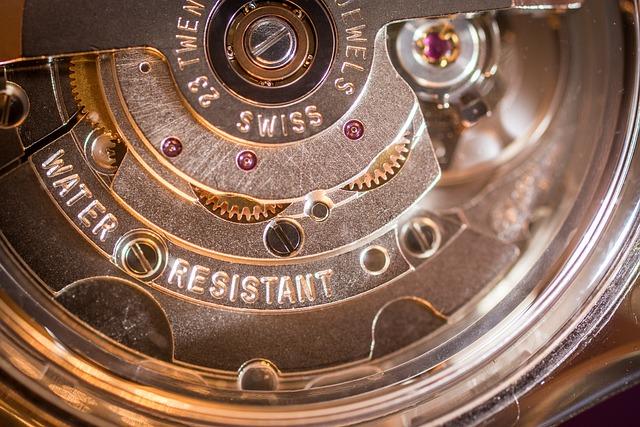
The key components of an automatic movement include the rotor, which swings freely in response to wrist movement, and the mainspring, which stores energy to power the watch. As the rotor spins, it winds the mainspring, which in turn drives the gears that regulate the movement of the hands.
One of the most fascinating aspects of automatic movements is their precision and reliability. These watches are finely tuned to keep accurate time, with some models boasting impressive power reserves that can last for days without being worn.
In essence, automatic mechanical watches combine craftsmanship and innovation to create a timepiece that is both functional and beautiful. By understanding the intricate inner workings of these watches, we can truly appreciate the artistry and engineering that goes into each timepiece.
Exploring the Concept of Power Reserve in Automatic Watches
One of the fascinating aspects of automatic mechanical watches is the concept of power reserve. This feature allows the watch to continue running even when not worn, storing energy within the watch itself. But how does this work?
Inside an automatic watch, there is a mainspring that is wound up as the wearer moves their wrist. This mainspring then powers the watch’s movement, allowing it to keep time accurately. The power reserve indicates how much energy is left in the mainspring before it needs to be wound again.
When the watch is fully wound, it typically has a power reserve of around 40 to 48 hours, though some luxury watches can have reserves of up to 70 hours or more. This means that the watch can continue running even when not worn for a day or more, making it convenient for the wearer.
Having a good understanding of the power reserve in automatic watches can help you appreciate the craftsmanship and engineering that goes into creating these timepieces. It’s a blend of tradition and modern technology that keeps these watches ticking, literally.

Advantages of Automatic Movements over Quartz Movements
Automatic mechanical watches offer several advantages over quartz movements, making them a favorite among watch enthusiasts:
- Craftsmanship: Automatic movements are often considered more prestigious due to the intricate craftsmanship involved in their design and manufacture.
- Longevity: Automatic watches can last for decades or even generations with proper care and maintenance, making them a valuable investment.
- No battery required: Unlike quartz watches, automatic movements are powered by the natural motion of the wearer’s wrist, eliminating the need for regular battery replacements.
- Smooth second hand: Automatic watches have a smooth, continuous sweeping motion of the second hand, giving them a more refined and luxurious look compared to the ticking motion of quartz watches.
| Feature | Automatic Movements | Quartz Movements |
|---|---|---|
| Power Source | Wrist motion | Battery |
| Lifespan | Decades | 2-5 years |
| Accuracy | Varies | High |

Maintenance Tips to Keep Your Automatic Watch Running Smoothly
Automatic mechanical watches are fascinating timepieces that rely on the movement of the wearer’s wrist to keep them running smoothly. These self-winding watches contain a rotor that spins with the natural motion of your arm, winding the mainspring and storing energy to power the watch.
To ensure your automatic watch continues to function properly, it’s important to follow some maintenance tips:
- Wear Your Watch Regularly: To keep your automatic watch fully wound, wear it daily or use a watch winder when you’re not wearing it.
- Keep Your Watch Clean: Wipe your watch with a soft cloth to remove dirt, dust, and sweat that can affect its performance.
- Avoid Magnetism: Keep your watch away from magnets, as they can disrupt the delicate inner workings of the movement.
- Service Your Watch: Every few years, have your watch serviced by a professional to ensure it stays in top working condition.
By following these maintenance tips, you can keep your automatic watch running smoothly for many years to come. Understanding how your watch works and caring for it properly will ensure that it remains a reliable and stylish accessory for your everyday wear.

Factors to Consider When Choosing an Automatic Mechanical Watch
When selecting an automatic mechanical watch, there are several factors to take into account to ensure you make the right choice. Here are some important considerations to keep in mind:
- Movement Type: Determine whether you prefer a manual or automatic movement based on your lifestyle and preferences.
- Brand Reputation: Research reputable watch brands known for their quality craftsmanship and reliability.
- Case Size: Consider the size of the watch case to ensure it fits comfortably on your wrist.
- Style: Choose a design that matches your personal style and complements your wardrobe.
| Factor | Consideration |
|---|---|
| Movement Type | Manual or automatic? |
| Brand Reputation | Research reputable brands |
| Case Size | Comfortable fit |
| Style | Personal preference |
By taking these factors into account, you can confidently choose an automatic mechanical watch that meets your needs and reflects your individual style.

Myths and Misconceptions about Automatic Watches Debunked
One common myth about automatic watches is that they require constant winding to keep working. This is not true! Automatic mechanical watches work by harnessing the natural motion of your wrist to wind the mainspring, which powers the watch. So as long as you wear your watch regularly, it will stay wound and keep accurate time.
Another misconception is that automatic watches are less accurate than quartz watches. While it is true that quartz watches are more precise, automatic watches are still very reliable timepieces. They may lose or gain a few seconds each day, but with regular servicing and adjustments, they can keep accurate time for years to come.
Some people also believe that automatic watches are fragile and delicate, requiring extra care and maintenance. In reality, automatic watches are built to be durable and robust, able to withstand everyday wear and tear. With proper care and occasional servicing, an automatic watch can last a lifetime.
Lastly, there is a misconception that automatic watches are outdated and old-fashioned. In reality, automatic watches are a timeless and classic choice for watch enthusiasts. Their intricate mechanical movements and craftsmanship make them a cherished piece of art that will never go out of style.

Comparing Different Types of Automatic Watch Movements
When it comes to , there are a few key distinctions to be aware of. One type of automatic movement is the traditional mechanical movement, which relies on a series of gears and springs to keep time. This type of movement is powered by the winding of the watch’s crown, which transfers energy to the mainspring.
Another type of automatic movement is the automatic winding movement, which includes a rotor that spins as the wearer moves their wrist. This rotor winds the mainspring, eliminating the need for manual winding. This type of movement is often found in modern automatic watches.
Finally, there is the quartz movement, which uses a battery to power a vibrating quartz crystal that regulates the watch’s timekeeping. While quartz movements are typically more accurate and less expensive than mechanical movements, they lack the craftsmanship and tradition of traditional automatic watches.

Embracing the Timeless Elegance and Craftsmanship of Automatic Watches
Automatic mechanical watches are a true testament to timeless elegance and craftsmanship. These sophisticated timepieces are not only functional and reliable but also a work of art that showcases the intricate mechanisms inside.
Unlike quartz watches that are powered by a battery, automatic watches are powered by the natural motion of the wearer’s wrist. As the wearer moves, the rotor inside the watch winds the mainspring, storing energy that is then released to power the watch. This ingenious mechanism eliminates the need for a battery, making automatic watches environmentally friendly and sustainable.
One of the key components of an automatic watch is the escapement, which regulates the movement of the gears and ensures accurate timekeeping. The balance wheel oscillates back and forth, controlled by the escapement, while the gear train transmits this motion to the hands of the watch. This intricate system of gears, springs, and jewels work together seamlessly to create a mesmerizing display of precision engineering.
Whether you are a watch enthusiast or someone looking to invest in a high-quality timepiece, automatic mechanical watches offer a unique blend of tradition, innovation, and craftsmanship that is truly timeless. Embrace the artistry and sophistication of automatic watches and discover the beauty of mechanical watchmaking.
Final Thoughts
In conclusion, automatic mechanical watches harness the power of natural motion to keep accurate time without the need for batteries or manual winding. By utilizing a rotor that winds the mainspring as you move, these timepieces showcase intricate engineering and craftsmanship. Understanding the inner workings of automatic mechanical watches adds a new level of appreciation for this traditional horological marvel. So next time you glance at your wrist and see your automatic watch ticking away, remember the fascinating mechanics at play beneath the surface. Whether you’re a seasoned watch enthusiast or new to the world of mechanical timepieces, exploring the magic of automatic watches is a journey worth taking.
Get our latest guides, news, and insights highlighted in your Google Search & AI Overviews.