How Do Automatic Watches Store Energy? Expert Insights!
Have you ever wondered how automatic watches are able to keep perfect time without any batteries? In this article, we will delve into the fascinating world of automatic watches and explore how they store and harness energy to keep ticking. Get ready to uncover the secrets behind these mechanical marvels with expert insights!
Contents
- How Automatic Watches Store Energy
- The Importance of the Rotor in Automatic Watches
- Maximizing Energy Storage in Automatic Watches
- The Role of Inertia in Energy Storage
- Tips for Prolonging Power Reserve in Automatic Watches
- Understanding the Power Reserve Indicator Feature
- Common Misconceptions About Energy Storage in Automatic Watches
- Wrapping Up
How Automatic Watches Store Energy
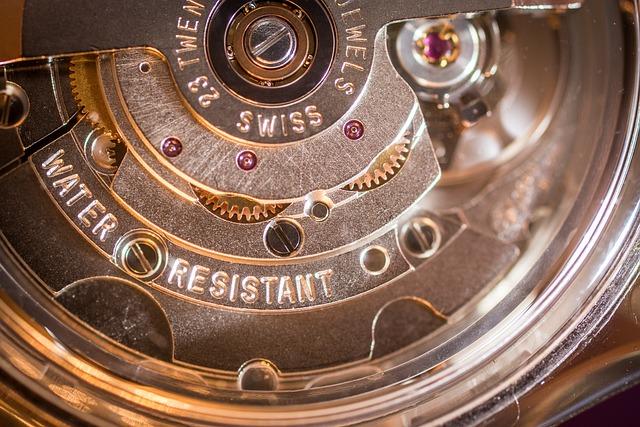
Automatic watches store energy through the use of a rotor, also known as a winding mass, that moves freely within the watch as the wearer moves their wrist. This rotor spins with the natural motion of the wearer’s arm, winding the mainspring of the watch. The mainspring is a tightly coiled strip of metal that stores potential energy when wound up.
The stored energy in the mainspring is then released slowly and evenly to power the movement of the watch. This energy is transferred through a series of gears that regulate the timekeeping functions of the watch, such as driving the hands and powering additional complications like calendars or moon phases. The intricate mechanics of an automatic watch work together seamlessly to ensure accurate timekeeping without the need for a battery.
Unlike quartz watches that rely on a battery for power, automatic watches are powered by the natural motion of the wearer. This makes them a popular choice for watch enthusiasts who appreciate the craftsmanship and engineering that goes into creating a mechanical timepiece. Automatic watches are not only functional timepieces but also works of art that showcase the beauty of traditional watchmaking techniques.
Overall, the ingenious design of automatic watches allows them to store energy efficiently and provide accurate timekeeping with a touch of elegance and sophistication. The next time you glance at your wrist and see your automatic watch ticking away, take a moment to appreciate the intricate mechanics at work that keep you on time throughout the day.

The Importance of the Rotor in Automatic Watches
Automatic watches are fascinating timepieces that rely on the motion of the wearer’s wrist to keep ticking. One crucial component that makes this possible is the rotor, a semi-circular piece that swings freely inside the watch’s case. The rotor is connected to the movement’s winding mechanism, allowing it to rotate with the slightest movement of the wearer’s arm.
The rotation of the rotor winds the mainspring, which is the energy source of the watch. This stored energy is then released gradually to power the watch’s movement and keep accurate time. Without the rotor, automatic watches would need to be manually wound every day to keep them running, making them much less convenient for everyday wear.
Thanks to the rotor’s clever design, automatic watches can store energy efficiently and effectively. The weight of the rotor ensures that it swings freely with the wearer’s movements, ensuring a constant source of power for the watch. This innovative mechanism is a key reason why automatic watches are so popular among watch enthusiasts and collectors.

Maximizing Energy Storage in Automatic Watches
One of the most fascinating aspects of automatic watches is their ability to store energy without the need for batteries. This is made possible through a mechanism known as the mainspring, which is essentially a coiled spring that stores potential energy when wound up. As the mainspring unwinds, it releases this stored energy to power the watch’s movement.
To maximize energy storage in automatic watches, watchmakers have developed innovative designs and features that help to improve the efficiency of the energy transfer process. Some key methods employed in maximizing energy storage include:
– **Efficient winding mechanisms**: Automatic watches are equipped with winding mechanisms that ensure the mainspring is properly wound up to its full capacity, allowing for maximum energy storage.
– **High-quality materials**: Using high-quality materials in the construction of the mainspring and other components helps to reduce energy loss and improve overall efficiency.
– **Optimized movement design**: Watchmakers carefully design the movement of automatic watches to minimize friction and ensure smooth operation, thereby maximizing energy storage.
By implementing these strategies and constantly innovating, watchmakers continue to push the boundaries of energy storage in automatic watches, making them not just timepieces, but marvels of engineering and craftsmanship.
The Role of Inertia in Energy Storage
Automatic watches store energy through the use of a small but crucial component called the rotor. The rotor is a metal weight typically made of brass or gold, which is attached to the movement of the watch. As the wearer moves their wrist throughout the day, the rotor spins freely on its pivot, capturing the kinetic energy generated by these movements.
This kinetic energy is then transferred to the mainspring of the watch, which is essentially a tightly coiled spring that stores potential energy. As the mainspring becomes wound up, it stores more and more energy, keeping the watch running even when it is not being worn. The energy stored in the mainspring is then released gradually to power the various functions of the watch, such as driving the hands to tell time.
In essence, for automatic watches lies in the ability of the rotor to convert kinetic energy into potential energy stored in the mainspring. This process allows the watch to continue functioning efficiently without the need for a battery or manual winding, making it a popular choice for watch enthusiasts who appreciate the craftsmanship and mechanics of traditional watchmaking.

Tips for Prolonging Power Reserve in Automatic Watches
Automatic watches, also known as self-winding watches, are unique timepieces that rely on the movement of the wearer’s wrist to keep the watch running. Understanding how these watches store energy is essential in maximizing their power reserve. Here are some expert tips to help you prolong the power reserve in your automatic watch:
- Wear your watch regularly: Regular wear ensures that the watch is constantly being wound, keeping the power reserve topped up.
- Rotate your watches: If you have multiple automatic watches, rotate wearing them to ensure that each one gets enough wrist time to stay wound.
- Hand wind the watch: If you haven’t worn your watch for a while, manually winding it can help kickstart the power reserve.
- Store your watch in a watch winder: A watch winder is a device that rotates the watch to keep it wound when not in use, ensuring the power reserve doesn’t run out.
By following these tips, you can ensure that your automatic watch always has enough energy to keep ticking accurately and reliably. Proper care and maintenance will not only prolong the power reserve but also extend the longevity of your timepiece.
Understanding the Power Reserve Indicator Feature
Have you ever wondered how automatic watches store energy? The power reserve indicator feature is a crucial component in understanding this process. This feature is designed to show the wearer how much energy is left in the watch’s mainspring. But how does it work?
The power reserve indicator works by measuring the tension in the mainspring of the watch. When the mainspring is fully wound, it stores energy that powers the movement of the watch. As the watch continues to run, the mainspring gradually unwinds, and the power reserve indicator keeps track of how much energy is left in the mainspring.
By monitoring the power reserve indicator, you can ensure that your automatic watch is always running smoothly and accurately. It serves as a helpful reminder to wind up your watch when the energy levels are running low. This feature not only enhances the functionality of the watch but also adds a touch of sophistication to its design.

Common Misconceptions About Energy Storage in Automatic Watches
One common misconception about energy storage in automatic watches is that they require manual winding to function properly. This is not true – automatic watches store energy through the movement of the wearer’s wrist. As the wrist moves, a rotor inside the watch spins, which in turn winds the mainspring and stores energy for the watch to run.
Another misconception is that automatic watches never need to be wound. While the movement of the wrist will keep the watch running, if the watch is not worn for an extended period of time, it may stop. In this case, manual winding or the use of a watch winder can be used to start the watch again.
It is also a common belief that automatic watches are less accurate than quartz watches. While automatic watches may not be as precise as quartz watches, they are still highly accurate timepieces. The intricate mechanics of automatic watches require more maintenance and adjustment to keep accurate time, but their craftsmanship and quality make them a valuable and respected choice among watch enthusiasts.
Understanding these can help watch enthusiasts appreciate the craftsmanship and mechanics that go into these intricate timepieces.
Wrapping Up
In conclusion, automatic watches store energy through the use of a rotor that winds the mainspring as you move. This mechanism allows for an elegant and self-sustaining timepiece that requires minimal maintenance. By understanding how automatic watches store energy, you can appreciate the craftsmanship and precision that goes into each piece. Remember to keep your automatic watch moving regularly to ensure it stays powered and accurate. Embrace the art of horology and enjoy the beauty of automatic watches in your everyday life. Thank you for reading our insights on this fascinating topic!
Get our latest guides, news, and insights highlighted in your Google Search & AI Overviews.