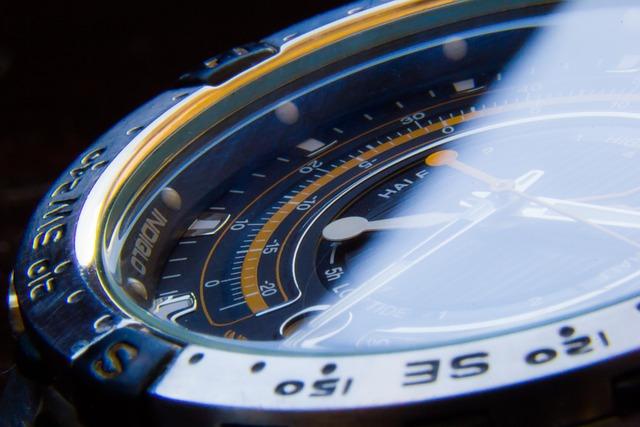
How Do Mechanical Watches Keep Accurate Time? Precision Explained
Have you ever wondered how mechanical watches are able to keep such precise time? Join us as we delve into the intricate mechanisms behind these impressive timepieces and uncover the secrets of their accuracy. From precise engineering to expert craftsmanship, we’ll explore what makes mechanical watches tick with precision. So, grab your magnifying glass and get ready to uncover the inner workings of these timekeeping marvels.
Contents
- How Mechanical Watches Maintain Accuracy Through Oscillation
- The Role of Gears and Springs in Precision Timekeeping
- Understanding the Impact of Temperature on Mechanical Watch Accuracy
- The Importance of Regular Maintenance for Consistent Timekeeping
- Examining the Influence of Movement Design on Accuracy
- Factors Affecting the Power Reserve of Mechanical Watches
- Exploring the Relationship Between Balance Wheels and Accuracy
- Comparing Chronometer-Certified Watches with Standard Mechanical Timepieces
- Tips for Adjusting the Accuracy of Your Mechanical Watch
- The Future of Precision Timekeeping: Innovations in Mechanical Watch Technology
- In Conclusion
How Mechanical Watches Maintain Accuracy Through Oscillation
Mechanical watches are known for their precision timekeeping, and this accuracy is maintained through a process called oscillation. The key to a mechanical watch’s accuracy lies in its regulated movement, which is responsible for keeping time consistently and reliably.
Inside a mechanical watch, you’ll find a balance wheel and hairspring working together to control the watch’s timekeeping. The balance wheel oscillates back and forth at a constant rate, usually several times per second. This oscillation is what regulates the movement of the watch’s gears and hands, ensuring accurate timekeeping.
When the balance wheel swings in one direction, the hairspring contracts, storing energy. As the balance wheel swings back in the opposite direction, the hairspring releases this energy, driving the watch’s movement. This precise back and forth motion is what allows mechanical watches to keep accurate time.
Overall, the intricate dance between the balance wheel and hairspring is what allows mechanical watches to maintain their precision. This precise oscillation is what sets mechanical watches apart from other timekeeping devices, showcasing the craftsmanship and engineering that goes into creating these timeless pieces.

The Role of Gears and Springs in Precision Timekeeping
Gears and springs play a crucial role in the precision timekeeping of mechanical watches. The intricate mechanisms within the watch work together harmoniously to ensure accurate timekeeping. Gears are responsible for transferring power from the mainspring to the hands of the watch, allowing for the movement of time to be displayed. These gears are meticulously designed to ensure smooth and consistent movement.
Springs, on the other hand, provide the necessary tension and energy to power the gears and regulate the movement of the watch. The mainspring is wound either manually or automatically, storing energy that is then released gradually to power the gears. This controlled release of energy is essential for maintaining accurate timekeeping.
Overall, the combination of gears and springs in mechanical watches is a feat of engineering that allows for precise timekeeping. The intricate design and careful craftsmanship of these components work in perfect harmony to ensure that the watch functions accurately and reliably. It is this attention to detail that sets mechanical watches apart from their digital counterparts.

Understanding the Impact of Temperature on Mechanical Watch Accuracy
Temperature can play a vital role in the accuracy of mechanical watches. These intricate timepieces are made up of many small components that can be affected by changes in temperature. Here’s how temperature impacts the accuracy of mechanical watches:
- **Expansion and Contraction:** As temperatures fluctuate, the metal components within a watch can expand or contract. This can affect the overall movement of the watch and ultimately impact its accuracy.
- **Balance Spring:** The balance spring in a mechanical watch is sensitive to temperature changes. When the temperature rises or falls, the balance spring can expand or contract, affecting the oscillations and ultimately the timekeeping of the watch.
- **Lubrication:** Extreme temperatures can also affect the lubricants used in a mechanical watch. If the lubrication becomes too thick or too thin, it can impact the movement of the watch and cause inaccuracies in timekeeping.

The Importance of Regular Maintenance for Consistent Timekeeping
Regular maintenance is crucial for ensuring that mechanical watches keep accurate time. By properly servicing your watch, you can prevent issues that may affect its timekeeping abilities. One important aspect of maintenance is lubrication. Over time, the oils inside the watch can degrade, causing increased friction and affecting the movement’s precision. By regularly lubricating the moving parts, you can ensure that the watch continues to keep accurate time.
Another important aspect of maintenance is regulating the movement. This involves adjusting the balance wheel, hairspring, and escapement to ensure that the watch keeps time consistently. Regular regulation can help prevent the watch from gaining or losing time unexpectedly. Additionally, cleaning the watch’s components can help remove any dirt or debris that may be affecting its performance. By keeping the watch clean and properly maintained, you can help it maintain its accuracy over time.
In addition to regular maintenance, it is also important to store your watch properly when not in use. Keeping it in a safe place away from extreme temperatures, humidity, and magnetic fields can help prevent damage and ensure that it continues to keep accurate time. By following these maintenance tips, you can help your mechanical watch maintain its precision and reliability for years to come.
Examining the Influence of Movement Design on Accuracy
When it comes to the design of mechanical watches, the movement plays a crucial role in ensuring accuracy. The movement refers to the inner workings of the watch that powers its timekeeping functions. It consists of various components, such as gears, springs, and escapements, that work together to regulate the passage of time.
One key factor that influences the accuracy of a mechanical watch is the quality of its movement design. A well-crafted movement will be able to maintain accurate timekeeping over prolonged periods. Here are some ways in which movement design can impact accuracy:
- Balance Wheel: The balance wheel is a crucial component of the movement that oscillates back and forth to regulate the movement of the gears. A well-balanced wheel is essential for precise timekeeping.
- Escapement: The escapement is responsible for controlling the release of energy from the mainspring to the gear train. A sophisticated escapement design can improve the overall accuracy of the watch.
- Jewels: Jewels are often used in the movement to reduce friction between moving parts. Lower friction levels can lead to smoother operation and improved accuracy.

Factors Affecting the Power Reserve of Mechanical Watches
can vary depending on several key elements. One crucial factor is the type of movement within the watch. Automatic movements, for example, rely on the motion of the wearer’s wrist to keep the watch wound and running. This constant movement can significantly impact the power reserve of the watch, typically ranging from 24 to 48 hours.
Another factor to consider is the size and design of the mainspring within the watch. A larger mainspring can store more energy, leading to a longer power reserve. Additionally, the efficiency of the escapement mechanism plays a vital role in regulating the release of energy from the mainspring, affecting the overall power reserve of the watch.
Furthermore, the frequency at which the watch is worn and wound can also impact the power reserve. Regular winding and wearing of the watch can help maintain a consistent power reserve, ensuring accurate timekeeping. Conversely, long periods of inactivity can cause the power reserve to diminish, affecting the watch’s accuracy and functionality. It is essential to consider these factors when choosing a mechanical watch to ensure optimal performance and longevity.
In summary, the power reserve of mechanical watches is influenced by various factors, including the type of movement, size and design of the mainspring, efficiency of the escapement mechanism, and frequency of winding and wearing. By understanding these factors, watch enthusiasts can make informed decisions when selecting a timepiece that meets their needs and preferences.
Exploring the Relationship Between Balance Wheels and Accuracy
Balance wheels are a crucial component in mechanical watches that play a significant role in ensuring accurate timekeeping. These small, circular wheels oscillate back and forth at a consistent rate, acting as the regulating organ of the watch. The balance wheel, along with the escapement mechanism, controls the release of energy from the mainspring to the gear train, ultimately driving the movement of the watch’s hands.
One key factor that affects the accuracy of a mechanical watch is the frequency at which the balance wheel oscillates. The higher the frequency, the more precise the timekeeping. Most modern mechanical watches operate at a frequency of 28,800 vibrations per hour, which translates to 8 vibrations per second. Some high-end watches even have frequencies of 36,000 or more vibrations per hour for increased accuracy.
Another important aspect to consider is the material used for the balance wheel. Traditionally, balance wheels were made of brass or steel, but newer advancements have introduced materials like silicon or titanium. These materials offer benefits such as enhanced shock resistance, reduced friction, and increased longevity, all of which contribute to improved accuracy in timekeeping.
Comparing Chronometer-Certified Watches with Standard Mechanical Timepieces
When it comes to , the key difference lies in the level of precision each type of watch offers.
Chronometer-Certified watches undergo rigorous testing by an independent organization, such as COSC (Controle Officiel Suisse des Chronometres), to ensure they meet strict accuracy standards. These watches are tested in various positions and temperatures to ensure they can maintain accurate timekeeping in real-world conditions.
On the other hand, standard mechanical timepieces rely on the craftsmanship of the watchmaker and the quality of the components used. While mechanical watches can still offer excellent accuracy, they may require more frequent adjustments to maintain precise timekeeping.
In conclusion, while both Chronometer-Certified watches and standard mechanical timepieces have their own merits, Chronometer-Certified watches are generally considered to offer superior accuracy and reliability due to the stringent testing they undergo.
Tips for Adjusting the Accuracy of Your Mechanical Watch
One way to adjust the accuracy of your mechanical watch is by regulating the movement. This can be done by either speeding up or slowing down the balance wheel, which controls the timing of the watch. Adjusting the balance wheel can be a delicate process, so it’s best to leave it to a professional watchmaker.
Another way to improve the accuracy of your mechanical watch is by ensuring it is properly wound. Make sure to wind your watch at the same time each day to keep it running smoothly and accurately. It’s recommended to wind your watch fully, but not overwind it, as this can put strain on the movement and affect its accuracy.
Checking the position in which your watch is stored can also impact its accuracy. Keeping your watch in a consistent position when not in use, such as dial up or crown up, can help maintain its accuracy. Changes in position can affect the rate at which the movement runs, so it’s important to store your watch correctly to ensure optimal accuracy.
Lastly, regular maintenance and servicing of your mechanical watch can help keep it running accurately. Over time, the oils used in the movement can break down and affect the performance of the watch. Having your watch serviced by a professional watchmaker every few years can help ensure it stays accurate and in good working condition.
The Future of Precision Timekeeping: Innovations in Mechanical Watch Technology
One of the most fascinating aspects of mechanical watches is their ability to keep incredibly accurate time without the need for batteries or electronic components. This precision is achieved through a combination of innovative technology and traditional craftsmanship.
Balance Wheel: The beating heart of a mechanical watch is the balance wheel, which swings back and forth at a consistent rate. This oscillation is regulated by a hairspring, ensuring that the watch maintains a constant beat.
Gear Train: The gear train transmits the energy from the mainspring to the escapement, which regulates the release of energy to the balance wheel. This delicate system of gears ensures that the watch hands move smoothly and accurately.
Escapement: The escapement is responsible for controlling the release of energy from the mainspring, allowing the balance wheel to oscillate at a precise rate. This crucial component ensures that the watch keeps accurate time.
In Conclusion
In conclusion, mechanical watches keep accurate time through a complex system of gears, springs, and balance wheels that work together with precision engineering. The meticulous craftsmanship and attention to detail in these timepieces ensure that they function accurately and reliably. Understanding the inner workings of mechanical watches can help us appreciate the artistry and skill that goes into creating these timeless pieces. Next time you look at your mechanical watch, remember the intricate mechanisms ticking away beneath the surface to keep you on time. Thank you for reading, and may your timepieces always keep ticking with precision!
Get our latest guides, news, and insights highlighted in your Google Search & AI Overviews.