How Does Mechanical Watch Delay Work? Understanding Mechanisms
Have you ever wondered how mechanical watches keep time with such precision? In this article, we’ll dive into the fascinating world of mechanical watch delay mechanisms, exploring how these intricate systems work to ensure accurate timekeeping. Join us as we uncover the inner workings of these timeless timepieces and gain a deeper understanding of their mesmerizing mechanisms.
Contents
- How Mechanical Watches Keep Time
- Understanding the Escapement Mechanism
- The Role of Balance Spring in Watch Timing
- Exploring the Gear Train in Mechanical Watches
- Factors Affecting Watch Timing Precision
- Effects of Temperature and Magnetism on Watch Delay
- Calibrating and Adjusting Mechanical Watches
- Common Issues Affecting Watch Accuracy
- Tips for Maintaining the Accuracy of Mechanical Watches
- Concluding Remarks
How Mechanical Watches Keep Time
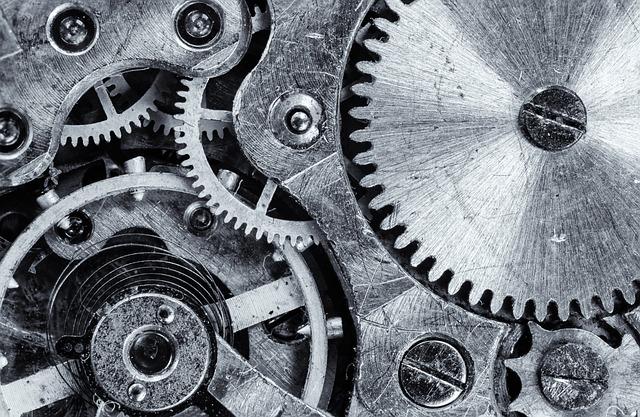
Mechanical watches keep time through a fascinating combination of intricate components working together seamlessly. At the heart of a mechanical watch is the movement, which consists of gears, springs, and other mechanisms that work in harmony to power the timekeeping functions.
One of the key components in a mechanical watch is the balance wheel, which oscillates back and forth at a consistent rate. This oscillation is regulated by the hairspring, a fine spring that controls the movement of the balance wheel. The escapement mechanism ensures that the gears of the movement turn at a precise rate, translating the oscillations of the balance wheel into the movement of the hands on the watch dial.
Another crucial element in a mechanical watch is the mainspring, which stores energy when the watch is wound. As the mainspring unwinds, it releases this stored energy, powering the movement of the gears and hands. The length of time that a mechanical watch can run without needing to be wound again depends on the size and quality of the mainspring.
In summary, the combination of the balance wheel, hairspring, escapement mechanism, and mainspring work together to keep time accurately in a mechanical watch. This intricate dance of components is a testament to the craftsmanship and precision engineering that goes into creating these timeless timepieces.

Understanding the Escapement Mechanism
In a mechanical watch, the escapement mechanism plays a crucial role in regulating the movement of the gears and hands on the dial. This mechanism is responsible for controlling the release of energy from the mainspring, ensuring that the watch keeps accurate time. Understanding how the escapement mechanism operates can provide valuable insight into the inner workings of a mechanical timepiece.
The escapement mechanism consists of several key components, including the escape wheel, pallet fork, and balance wheel. These parts work together in a precise dance to control the timing of the watch. The escape wheel is connected to the gear train and rotates in a back-and-forth motion. The pallet fork locks and releases the escape wheel with each swing, allowing the gear train to advance in small, measured increments.
One of the most important aspects of the escapement mechanism is its ability to create a delay in the release of energy from the mainspring. This delay ensures that the gears move at a consistent rate, translating into accurate timekeeping. By understanding how this delay works, watch enthusiasts can appreciate the intricate mechanics behind their timepieces and gain a deeper appreciation for the art of watchmaking.
Overall, the escapement mechanism is a fascinating component of a mechanical watch that showcases the precision and craftsmanship of traditional watchmaking. By delving into the intricacies of this mechanism, enthusiasts can develop a greater understanding of how their timepieces keep time and appreciate the skill and expertise that goes into creating these intricate and reliable devices.

The Role of Balance Spring in Watch Timing
In a mechanical watch, the balance spring plays a crucial role in the timing of the watch. This tiny, coiled spring is responsible for regulating the movement of the balance wheel, which controls the speed at which the gears turn and ultimately determines the accuracy of the watch.
The balance spring works by storing energy as it expands and contracts, creating a back-and-forth motion that keeps the balance wheel oscillating at a consistent rate. This oscillation is what drives the movement of the gears and hands of the watch, ensuring that it keeps accurate time.
Over time, the balance spring can be affected by various factors such as magnetism, temperature changes, or physical shocks, which can lead to the watch running fast or slow. Regular maintenance and adjustments by a skilled watchmaker can help ensure that the balance spring is functioning properly and the watch is keeping accurate time.
Exploring the Gear Train in Mechanical Watches
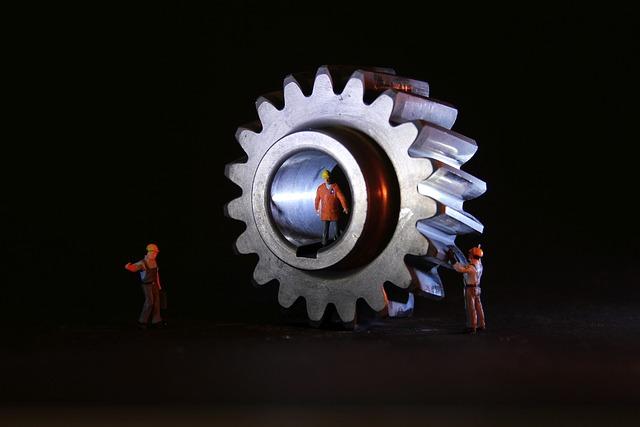
When it comes to understanding how a mechanical watch functions, the gear train plays a crucial role in keeping time accurately. The gear train is a series of gears that work together to transfer power from the mainspring to the escapement, which controls the movement of the watch’s hands.
The gear train consists of several key components, including the center wheel, third wheel, fourth wheel, escape wheel, and others. Each gear in the train has a specific function and size, which determines the overall speed and accuracy of the watch.
One important aspect of the gear train is the concept of gear ratios. Gear ratios determine how many times the escapement wheel rotates for each full revolution of the center wheel, which ultimately determines the speed at which the hands of the watch move.
By understanding the intricacies of the gear train in mechanical watches, you can gain a deeper appreciation for the craftsmanship and engineering that goes into creating these beautiful timepieces.

Factors Affecting Watch Timing Precision
can be attributed to the intricate mechanisms within a mechanical watch. From the movement of gears to the balance wheel, several components contribute to the accurate tracking of time. Understanding how these components work together can shed light on why a mechanical watch may experience delays in timing.
One key factor that affects watch timing precision is the balance wheel oscillation rate. This component controls the speed at which the gears move, ultimately influencing the accuracy of timekeeping. Any disturbance to the balance wheel’s oscillation rate can result in delays in watch timing. Additionally, friction within the movement of gears and components can also impact the overall precision of a mechanical watch.
Another factor to consider is the quality of the materials used in the construction of the watch. High-quality materials, such as stainless steel or sapphire crystal, can enhance the longevity and accuracy of a mechanical watch. Conversely, lower-quality materials may lead to more frequent inaccuracies in timing. Regular maintenance and adjustments to the watch’s components can also help mitigate timing delays and ensure optimal performance.
In conclusion, the precise interplay of various components within a mechanical watch dictates its timing precision. By understanding the mechanisms at work, watch enthusiasts can appreciate the complexity of these timepieces and take proactive steps to maintain their accuracy over time.
Effects of Temperature and Magnetism on Watch Delay
When it comes to mechanical watches, there are a few key factors that can affect their accuracy, one of which is temperature. Temperature changes can cause the metal parts inside a watch to expand or contract, leading to variations in timekeeping. For example, when the temperature drops, the metal components may shrink, causing the watch to run slightly slower. On the other hand, when the temperature rises, the metal parts may expand, causing the watch to speed up. This is why it’s essential to store your mechanical watch in a stable environment to minimize these fluctuations.
Another factor that can impact the accuracy of a mechanical watch is magnetism. When a watch is exposed to magnetic fields, such as those generated by electronic devices like smartphones or speakers, it can become magnetized. This can cause the components inside the watch to stick together or move irregularly, resulting in inaccurate timekeeping. To combat this issue, many watches are equipped with anti-magnetic technology, such as a soft iron case or movement components made from anti-magnetic materials.
Overall, understanding how temperature and magnetism can affect a watch’s delay is crucial for maintaining its accuracy. By keeping your watch away from extreme temperatures and magnetic fields, you can ensure that it continues to run smoothly and accurately for years to come.

Calibrating and Adjusting Mechanical Watches
When it comes to , understanding how watch delay works is crucial. Mechanical watches, unlike quartz watches, rely on a series of intricate gears and springs to keep time accurately. However, over time, these components can wear down or become misaligned, causing the watch to run either fast or slow.
One common mechanism used in mechanical watches to adjust timekeeping accuracy is the balance wheel. This wheel oscillates back and forth at a consistent rate, regulated by a hairspring. By adjusting the length of this hairspring, watchmakers can fine-tune the timing of the watch, ensuring it runs smoothly and accurately.
Another important component to consider when calibrating a mechanical watch is the escapement mechanism. This mechanism works in conjunction with the balance wheel to ensure precise timekeeping. By making adjustments to the escapement, watchmakers can control the release of energy to the gear train, further refining the accuracy of the watch.
Overall, requires a keen eye for detail and a thorough understanding of the intricate mechanisms at play. By mastering the art of watchmaking, horologists can ensure that every timepiece runs at its optimal performance, delighting watch enthusiasts with precise and reliable timekeeping.

Common Issues Affecting Watch Accuracy
When it comes to the accuracy of mechanical watches, there are several common issues that can affect their performance. One such issue is watch delay, which is a phenomenon where the watch runs slower than it should. Understanding how mechanical watch delay works can help you address this problem and ensure that your timepiece is keeping proper time.
One of the key factors that can contribute to watch delay is the balance wheel and hairspring mechanism. This intricate system is responsible for regulating the speed at which the gears in the watch movement turn. If the balance wheel or hairspring is damaged or disrupted in any way, it can result in the watch running slower than it should.
Another common cause of watch delay is magnetism. When a watch is exposed to strong magnetic fields, it can disrupt the movement of the balance wheel and hairspring, causing the watch to run slower than usual. To address this issue, watchmakers can demagnetize the watch to restore its accuracy.
In some cases, watch delay can also be caused by improper calibration or adjustment of the watch movement. If the watch is not properly regulated, it can result in the watch running too fast or too slow. This is why it’s important to have your watch serviced regularly by a professional watchmaker to ensure that it is keeping accurate time.

Tips for Maintaining the Accuracy of Mechanical Watches
Mechanical watches are a marvel of engineering, powered by intricate mechanisms that require regular maintenance to ensure their accuracy. One common issue that can affect the accuracy of a mechanical watch is delay. Understanding how delay works can help you better care for your timepiece and keep it running smoothly.
One of the main causes of delay in a mechanical watch is friction within the movement. Over time, the lubricants used in the watch can break down, causing increased friction between the moving parts. This can result in the watch running slower than it should. Regular servicing by a professional watchmaker can help prevent this issue by ensuring that the watch is properly lubricated.
Another factor that can contribute to delay in a mechanical watch is magnetism. Exposure to magnetic fields can interfere with the movement of the watch, causing it to run fast or slow. To prevent magnetization, it’s important to store your watch away from magnetic sources such as cell phones and speakers.
Properly storing your mechanical watch when you’re not wearing it can also help maintain its accuracy. Keeping it in a watch box or case can protect it from dust, moisture, and other environmental factors that can affect its performance. By following these tips and regularly servicing your watch, you can ensure that it stays accurate and reliable for years to come.
Concluding Remarks
In conclusion, understanding how mechanical watch delay works involves grasping the intricate mechanisms within the timepiece. The balance wheel, hairspring, and escapement all play crucial roles in regulating the watch’s accuracy. By comprehending how these components interact, you can better appreciate the craftsmanship behind mechanical watches. Remember, regular servicing and proper care are essential to maintaining precision timekeeping. Now, armed with this knowledge, you can confidently appreciate the intricate workings of your mechanical watch.
Get our latest guides, news, and insights highlighted in your Google Search & AI Overviews.