How Long Do Automatic Watches Stay Wound? Must-Read!
Have you ever wondered how long your automatic watch will stay wound if left untouched? In this article, we will explore the intricate workings of automatic watches and provide the must-know information on how long they stay wound. Get ready to delve into the fascinating world of horology!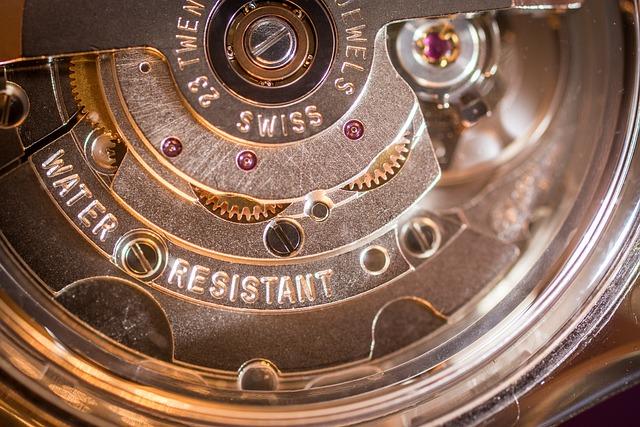
Contents
- The Basics of Automatic Watch Power Reserve
- Factors Affecting the Duration of Automatic Watch Winding
- Tips for Extending the Power Reserve of an Automatic Watch
- Understanding the Differences in Power Reserve Among Automatic Watches
- Why Regular Wearing and Movement Helps Keep Automatic Watches Wound
- The Impact of Caliber Type on Automatic Watch Power Reserve
- Expert Recommendations for Properly Maintaining Automatic Watch Power
- Common Misconceptions About Automatic Watch Winding
- Key Features to Look for in Automatic Watches with Longer Power Reserves
- The Way Forward
The Basics of Automatic Watch Power Reserve
Automatic watches are beloved by watch enthusiasts for their craftsmanship and precision. One key feature of automatic watches is their power reserve, which refers to how long the watch can continue running once fully wound without any additional winding from the wearer. Knowing about power reserve is essential for any watch owner to ensure their timepiece keeps ticking accurately.
Power reserve can vary depending on the specific watch model and movement used, but generally, most automatic watches have a power reserve of around 38 to 42 hours. Some high-end automatic watches can have a power reserve of up to 70 hours or even more, allowing them to keep time accurately for days on end.
Understanding the power reserve of your automatic watch is crucial for maintaining its accuracy. When the power reserve is low, the watch will start losing time and eventually stop if not wound. To keep your automatic watch running smoothly, it’s recommended to wind it regularly and keep track of its power reserve to ensure it stays wound and keeps accurate time.

Factors Affecting the Duration of Automatic Watch Winding
can vary depending on various factors. Here are some key elements that can impact how long your automatic watch stays wound:
- Movement Type: The type of movement in your automatic watch can greatly affect how long it stays wound. Different movement types have different power reserves, with some lasting only 24-48 hours while others can last up to 72 hours or more.
- Activity Level: Your activity level can also impact how long your watch stays wound. If you are wearing your watch regularly and moving throughout the day, the natural motion of your wrist can help keep it wound. On the other hand, if you leave your watch sitting for an extended period, it may lose power more quickly.
- Winding Efficiency: The efficiency of the winding mechanism in your watch can play a role in how long it stays wound. High-quality automatic watches with precise winding mechanisms are more likely to stay wound for longer periods than lower-quality models.
| Factor | Impact |
|---|---|
| Movement Type | Power reserve varies |
| Activity Level | Movement affects winding |
| Winding Efficiency | Precision affects duration |

Tips for Extending the Power Reserve of an Automatic Watch
One of the most common questions among watch enthusiasts is how long automatic watches stay wound. The answer to this question can vary depending on the specific watch model and its power reserve capacity. In general, most automatic watches can stay wound anywhere from 24 to 48 hours when not in use.
If you want to extend the power reserve of your automatic watch, there are a few tips that can help you maximize its timekeeping capabilities:
- **Keep the watch wound:** The best way to ensure that your automatic watch stays wound is to wear it regularly. The movement of your wrist will keep the watch wound and prevent it from losing power.
- **Use a watch winder:** If you have multiple watches in your collection and don’t wear them all frequently, consider investing in a watch winder. This device will rotate your watch periodically to keep it wound and ready to wear at all times.
- **Avoid unnecessary adjustments:** Try to avoid adjusting the time or date on your automatic watch unnecessarily. Every time you pull out the crown to make adjustments, you’re also using up the watch’s power reserve.
- **Regular servicing:** To ensure that your automatic watch continues to function properly and maintain its power reserve, it’s important to have it serviced by a professional watchmaker every few years.

Understanding the Differences in Power Reserve Among Automatic Watches
Automatic watches are prized for their convenience and craftsmanship, but one aspect that often leaves wearers puzzled is the power reserve. This refers to the amount of time an automatic watch can run after being fully wound without additional movement. It’s important to understand that different watches can have varying power reserves, which can impact how frequently you need to wind or wear your watch to keep it running.
Generally, most automatic watches have a power reserve of around 40 hours. This means that once fully wound, the watch will continue to run for approximately 40 hours if left stationary. However, some high-end automatic watches can have power reserves of up to 70 hours or more, allowing them to stay wound for several days without movement.
Factors that can affect the power reserve of an automatic watch include the size and efficiency of the movement, as well as any additional complications or features that may require more energy. It’s always a good idea to check the specifications of your specific watch to understand its power reserve and how often you may need to wear or wind it to keep it ticking.
Why Regular Wearing and Movement Helps Keep Automatic Watches Wound
One of the most frequently asked questions about automatic watches is how long they stay wound when not being worn. The simple answer is that it varies depending on the specific watch, but generally, automatic watches can stay wound anywhere from 24 to 48 hours without movement. However, regular wearing and movement of your automatic watch is crucial to keeping it wound and running smoothly.
When an automatic watch is not in use, it will eventually stop running due to the natural decay of the mainspring. Regular wearing and movement of the watch helps to keep the mainspring wound, preventing it from losing power and stopping. This is why many watch enthusiasts recommend wearing your automatic watch daily or at least every other day to ensure that it stays wound and keeps accurate time.
Additionally, wearing your automatic watch regularly can also help prevent other issues such as lubricants drying out and parts seizing up. The movement of your wrist while wearing the watch helps to distribute the lubricants evenly, keeping the gears and components running smoothly. This regular movement and wear also help to prevent dust and debris from building up inside the watch, which can cause damage over time.
The Impact of Caliber Type on Automatic Watch Power Reserve
When it comes to the power reserve of automatic watches, the caliber type plays a significant role. Different calibers can have varying power reserves, affecting how long your watch will stay wound. Understanding this impact can help you make an informed decision when choosing an automatic watch.
Typically, automatic watches can have power reserves ranging from 24 to 72 hours. However, this can vary depending on the caliber type. Some calibers are designed to have longer power reserves, while others may have shorter reserves. It’s essential to consider your lifestyle and how often you wear your watch when deciding on the caliber type.
Caliber types with longer power reserves are ideal for individuals who may not wear their watch every day. On the other hand, if you wear your watch daily, a caliber with a shorter power reserve may be sufficient. Ultimately, the caliber type you choose will impact how frequently you need to wind your automatic watch to keep it running smoothly.

Expert Recommendations for Properly Maintaining Automatic Watch Power
Properly maintaining the power of your automatic watch is essential for keeping it running smoothly and accurately. Here are some expert recommendations to ensure your timepiece stays wound and ready to go:
- Wear your watch regularly: The movement of your wrist helps keep the watch wound, so wearing it daily is the most effective way to maintain power.
- Use a watch winder: If you have multiple watches in your collection, investing in a watch winder can help keep them all wound and ready to wear.
- Manual winding: If you notice your watch has stopped, manually winding it can help kickstart the power reserve and get it running again.
- Keep it stored properly: When you’re not wearing your watch, store it in a watch box or case to protect it from dust and keep it safe from damage.
By following these expert recommendations, you can ensure that your automatic watch stays wound and accurate for years to come. Stay on top of your watch maintenance to enjoy your timepiece for a lifetime.
Common Misconceptions About Automatic Watch Winding
One common misconception about automatic watch winding is that if you don’t wear your watch regularly, it will stop working. This is not necessarily true. Automatic watches have a power reserve that allows them to keep running even when not worn. Depending on the brand and model, automatic watches can stay wound anywhere from 24 to 72 hours without being worn.
Another misconception is that overwinding an automatic watch can damage it. Unlike manual watches that can be overwound, automatic watches have a mechanism that prevents them from being overwound. Once the mainspring is fully wound, the rotor will stop moving, preventing any further winding.
Some people believe that you should always wind your automatic watch at the same time every day to keep it running smoothly. While it’s recommended to wind your watch regularly to ensure accuracy, there is no set time that you have to do it. Simply wearing your watch should provide enough movement to keep it wound.
It’s important to note that every automatic watch is different, so it’s best to refer to the manufacturer’s guidelines for specific care instructions. In general, automatic watches are designed to be low-maintenance and convenient for users, making them an excellent choice for watch enthusiasts.

Key Features to Look for in Automatic Watches with Longer Power Reserves
When it comes to automatic watches with longer power reserves, there are several key features to look out for. These features not only ensure that your watch stays wound for an extended period but also provide added functionality and reliability. Here are some essential features to consider when choosing an automatic watch with a longer power reserve:
- Power Reserve Indicator: A power reserve indicator allows you to track how much power is left in your watch, giving you the information you need to keep it wound. Look for watches with clear and easy-to-read power reserve indicators.
- High Power Reserve: Opt for watches with a higher power reserve, typically above 40 hours. This ensures that your watch will continue to run even if you don’t wear it for a few days.
- Efficient Movement: Choose watches with efficient movements that maximize power reserve duration. Look for movements that are known for their accuracy and longevity.
- Quality Materials: Invest in watches made from high-quality materials that are durable and reliable. Quality materials can prevent unnecessary wear and tear and help your watch maintain its power reserve for longer.
The Way Forward
In conclusion, the length of time an automatic watch stays wound can vary depending on factors such as the power reserve, level of activity, and regular maintenance. Generally, it is recommended to wind your automatic watch daily or keep it in a watch winder to ensure it stays running efficiently. Remember to also get your watch serviced regularly to maintain its accuracy and longevity. By following these tips, you can enjoy your automatic watch for years to come. Thank you for reading and we hope you found this information helpful!
Get our latest guides, news, and insights highlighted in your Google Search & AI Overviews.