How Many Times Should You Wind an Automatic Watch? Discover Now!
You’ve invested in an automatic watch, but do you know how many times you should wind it to keep it running smoothly? In this article, we will explore the optimal number of times to wind your automatic watch to ensure it functions at its best. Let’s delve into the world of automatic watches and discover the key to keeping time ticking perfectly on your wrist.
Contents
- How to Properly Wind an Automatic Watch
- Factors to Consider When Winding Your Automatic Watch
- Common Mistakes to Avoid When Winding an Automatic Watch
- Determining the Ideal Number of Times to Wind Your Automatic Watch
- Effect of Overwinding an Automatic Watch
- Understanding the Power Reserve of Your Automatic Watch
- Guidelines for Maintaining the Accuracy of Your Automatic Watch
- Tips for Extending the Lifespan of Your Automatic Watch
- In Conclusion
How to Properly Wind an Automatic Watch
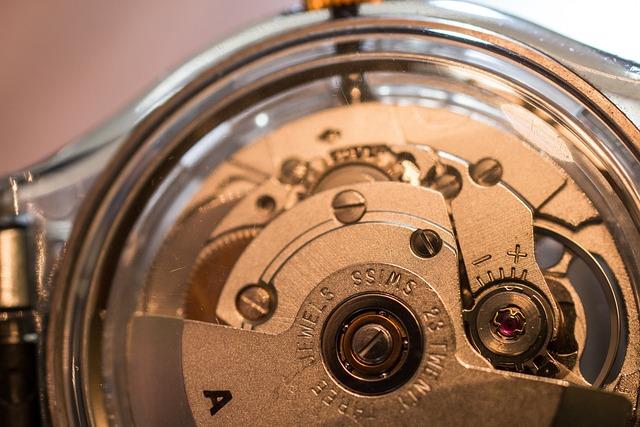
To properly wind an automatic watch, it is essential to understand the mechanics behind it. Unlike manual watches that require regular winding to keep them running, automatic watches are powered by the movement of the wearer’s wrist. This movement causes the rotor inside the watch to spin, which in turn winds the mainspring and powers the watch.
One common question that watch enthusiasts often ask is, “How many times should I wind my automatic watch?” The answer to this question varies depending on the specific watch model and brand. However, a general rule of thumb is to wind the watch until you feel resistance, indicating that the mainspring is fully wound. Overwinding an automatic watch can cause damage to the movement, so it’s crucial to avoid excessive winding.
Here are some key tips to keep in mind when winding an automatic watch:
- Rotate the crown gently: Avoid applying too much pressure when winding the watch to prevent damaging the crown or stem.
- Wind the watch daily: To ensure optimal performance, it is recommended to wear and wind the watch daily to keep it running smoothly.
- Keep the watch in motion: If you’re not wearing your watch regularly, consider using a watch winder to keep the movement active and prevent the lubricants from drying out.
For a more detailed guide on , refer to the manufacturer’s instructions or consult a professional watchmaker. By following these guidelines, you can ensure that your automatic watch stays in top condition and continues to keep accurate time for years to come.

Factors to Consider When Winding Your Automatic Watch
When winding your automatic watch, there are several factors to consider to ensure its optimal performance and longevity. Here are some key considerations to keep in mind:
- Frequency: It is recommended to wind your automatic watch at least once every two weeks to keep it running smoothly. Overwinding can cause damage, so it is important not to wind it too frequently.
- Direction: Most automatic watches can be wound in both clockwise and counterclockwise directions. It is a good practice to wind your watch in the direction recommended by the manufacturer to avoid potential issues.
- Tension: When winding your watch, make sure not to apply too much tension as it can put strain on the components. Gently winding the crown until you feel resistance is sufficient.
By considering these factors when winding your automatic watch, you can ensure that it continues to function properly and stays in top condition for years to come.

Common Mistakes to Avoid When Winding an Automatic Watch
When winding an automatic watch, it is important to avoid certain common mistakes that can potentially damage the delicate mechanism. One key mistake to avoid is overwinding the watch. While it may be tempting to continuously wind the crown, it’s important to remember that automatic watches have a built-in mechanism that prevents overwinding. Once you feel resistance while winding, stop immediately to avoid causing damage.
Another mistake to avoid is winding the watch backwards. Always make sure to turn the crown in the correct direction, which is typically clockwise. Winding the watch in the wrong direction can potentially damage the internal gears and springs, leading to costly repairs.
It’s also important to remember to wind your automatic watch regularly to keep it running smoothly. Ideally, you should wind your watch at least once a day to ensure that it stays accurate. Neglecting to wind your watch regularly can cause it to lose time or stop altogether.
By being mindful of these common mistakes and following proper winding techniques, you can help extend the life of your automatic watch and ensure that it remains in top condition for years to come.

Determining the Ideal Number of Times to Wind Your Automatic Watch
When it comes to winding your automatic watch, there is no one-size-fits-all answer. The ideal number of times to wind your watch will depend on various factors such as the brand, model, and age of the watch. However, there are some general guidelines that can help you determine how many times to wind your automatic watch.
– Check the power reserve: Most automatic watches have a power reserve of around 40 hours. It is recommended to wind your watch fully before wearing it to ensure it keeps accurate time throughout the day.
– Avoid overwinding: Overwinding your automatic watch can cause damage to the movement. To avoid this, it is best to wind your watch until you feel resistance, then stop. Do not try to force the crown past this point.
– Consider wearing habits: If you wear your watch every day, it is recommended to wind it fully once a day. If you don’t wear your watch every day, you may need to wind it more frequently to ensure it stays running.
By following these guidelines and listening to your watch’s movement, you can determine the ideal number of times to wind your automatic watch for optimal performance and accuracy. Remember, every watch is unique, so it may take some trial and error to find the perfect winding routine for your timepiece.
Effect of Overwinding an Automatic Watch
Overwinding an automatic watch can lead to various issues that can affect the functionality and lifespan of the timepiece. Some of the potential effects of overwinding an automatic watch include:
- Damage to the movement: Overwinding can put excessive pressure on the delicate internal components of the watch movement, leading to potential damage or misalignment.
- Loss of accuracy: Overwinding can cause the watch to run faster than usual or stop altogether, resulting in a loss of accuracy in timekeeping.
- Increased wear and tear: Constantly overwinding the watch can accelerate the wear and tear of the components, leading to more frequent maintenance and repair needs.
It is important to avoid overwinding your automatic watch and follow the manufacturer’s guidelines on how many times you should wind it to ensure its proper functioning and longevity.

Understanding the Power Reserve of Your Automatic Watch
The power reserve of an automatic watch refers to how long the watch can run without being wound. This is an important feature to understand, especially if you want your watch to function correctly and accurately. Automatic watches are powered by the movement of your wrist, which winds the mainspring and stores energy in the watch. The power reserve indicates how much energy is left in the watch’s mainspring before it needs to be wound again.
So, how many times should you wind an automatic watch? The answer depends on the specific model of your watch and its power reserve capacity. Generally, it is recommended to wind your automatic watch completely once every 2-3 days to ensure optimal performance. However, some watches may have longer power reserves and only need to be wound once a week.
It is important to keep track of how long your watch runs after being fully wound to determine the best winding schedule for your specific watch. You can check the power reserve indicator on your watch, or simply pay attention to how long it takes for your watch to stop running after being fully wound.
By and following the recommended winding schedule, you can ensure that your watch functions properly and accurately for years to come.

Guidelines for Maintaining the Accuracy of Your Automatic Watch
Maintaining the accuracy of your automatic watch is crucial to ensuring it functions properly and keeps accurate time. One key aspect of this maintenance is winding your watch regularly. **But how many times should you wind an automatic watch?**
While there is no one-size-fits-all answer to this question, here are some general guidelines to follow:
– **Daily Winding:** Ideally, you should wind your automatic watch every day to keep it running smoothly. This helps to prevent the lubricants inside the watch from drying out and ensures that the watch is consistently keeping accurate time.
– **Full Wind:** When winding your watch, it’s important to do a full wind to ensure that the mainspring is fully tensioned. This will help your watch to run more accurately and for a longer period of time.
– **Overwinding:** Be careful not to overwind your automatic watch, as this can cause damage to the movement. Most automatic watches will have a mechanism in place to prevent overwinding, but it’s still best to be cautious.
By following these guidelines and winding your automatic watch regularly, you can help to maintain its accuracy and ensure that it continues to perform at its best.
Tips for Extending the Lifespan of Your Automatic Watch
When it comes to winding an automatic watch, the frequency can vary depending on the specific model and brand. However, a general rule of thumb is to wind your automatic watch at least once every two weeks to keep it running smoothly. Overwinding your watch can cause damage, so it’s best to stick to the recommended guidelines provided by the manufacturer.
Here are a few tips to help extend the lifespan of your automatic watch:
- Rotate your watches: If you have multiple automatic watches, it’s a good idea to rotate them regularly. This helps prevent one watch from being overused and allows the others to stay properly wound.
- Store your watches properly: When not in use, store your automatic watches in a watch box or case to protect them from dust, moisture, and other environmental factors.
- Service your watch: Regular servicing by a professional watchmaker is essential to keeping your automatic watch in top condition. This includes cleaning, lubricating, and adjusting the components to ensure optimal performance.
- Avoid extreme temperatures: Exposure to extreme hot or cold temperatures can affect the performance of your watch. Try to keep your automatic watch in a stable environment to prevent damage.
If you follow these tips and take proper care of your automatic watch, you can enjoy its beauty and precision for years to come.
In Conclusion
In conclusion, the number of times you should wind an automatic watch depends on the specific watch model and brand. However, a general rule of thumb is about 30-40 rotations to fully wind the watch and keep it running smoothly. Overwinding can damage the watch, so it’s important to be cautious. Remember to refer to the manufacturer’s guidelines for best practices. By following these tips, you can ensure that your automatic watch stays in top condition for years to come. Thank you for reading and happy watch winding!
Get our latest guides, news, and insights highlighted in your Google Search & AI Overviews.